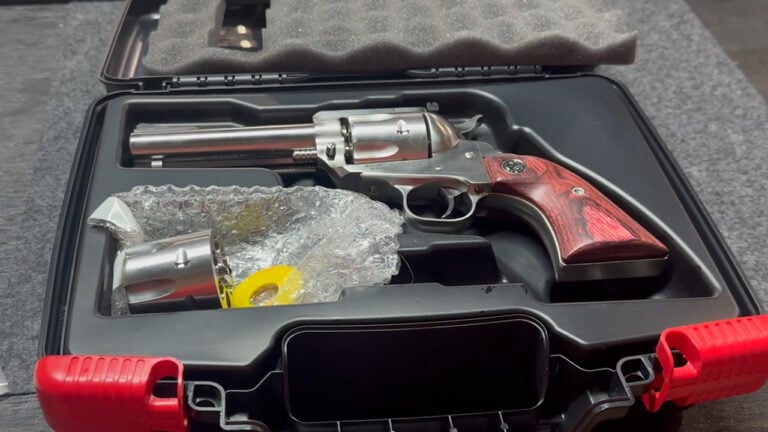
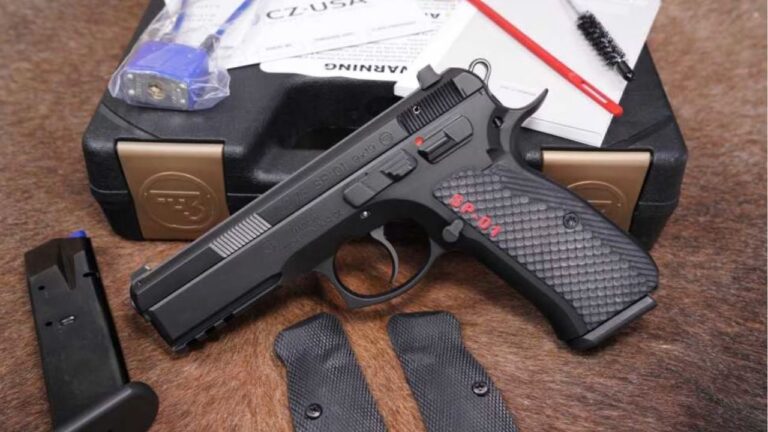
Photo credit: Northern Hills Defense/YouTube
A dependable gun usually doesn’t lose its reliability on its own. More often, the trouble starts when you decide factory parts aren’t good enough, the trigger has to be lighter, the springs have to be swapped, or every spare slot on the gun needs something bolted to it. A lot of proven firearms will run for years if you leave them close to how they came, keep them clean, and feed them decent ammo. Start chasing “upgrades” without a real purpose, and you can turn a trustworthy tool into a range headache.
You see it all the time. A gun with a strong track record gets taken apart, tuned, accessorized, and pushed away from the setup it was designed around. Then the owner starts blaming the platform when malfunctions show up. The truth is that many of the most dependable guns on the market earned that reputation in factory trim. If you want a gun that keeps doing its job, your best move is often restraint. These are 15 firearms that tend to stay dependable as long as you stop messing with them.
Glock 19
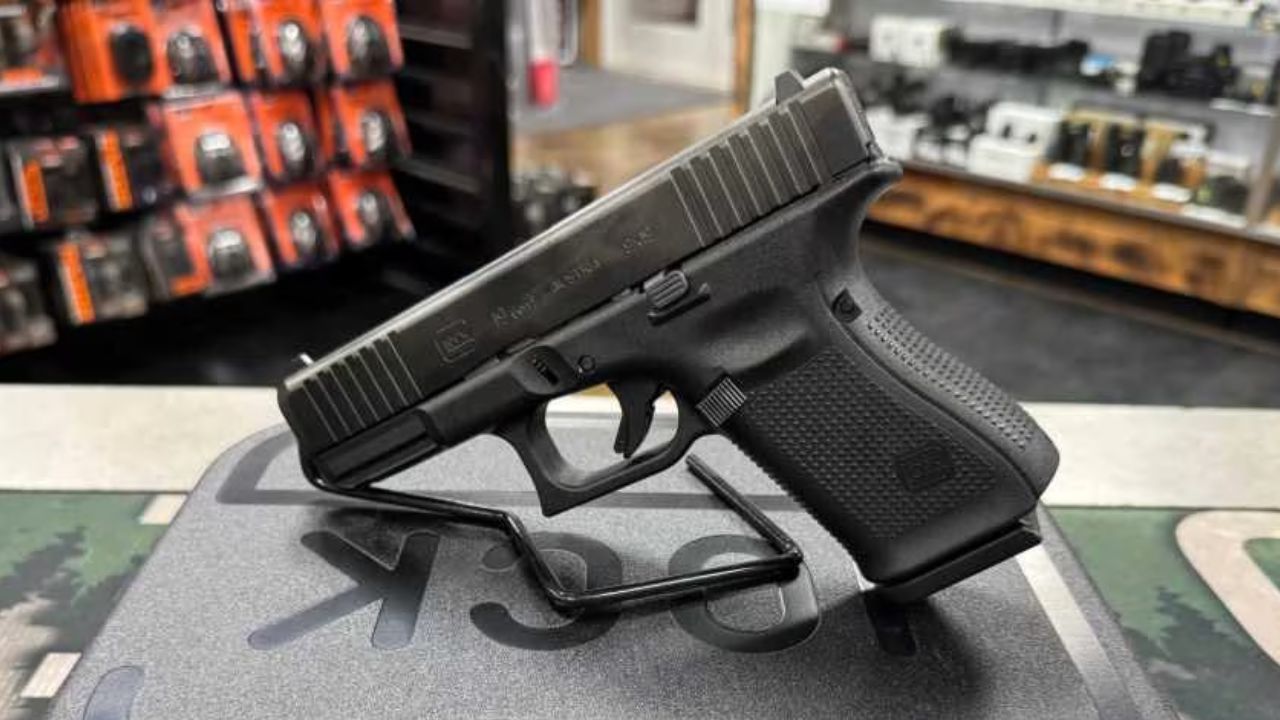
If you leave a Glock 19 close to stock, it usually does exactly what people bought it to do. It feeds well, runs dirty longer than many pistols, and doesn’t ask for much beyond basic maintenance. That reliability didn’t come from internet parts kits or skeletonized internals. It came from a proven design with the factory spring weights and geometry working together the way they were intended.
You start seeing trouble when owners chase lighter connectors, reduced-power springs, aftermarket barrels, and magazine extensions all at once. One change might work. Four changes stacked together often create timing issues or feeding hiccups that weren’t there before. If you want a Glock 19 that keeps earning its place, leave the internals alone, use good magazines, and spend your time on practice instead of parts shopping.
Smith & Wesson M&P 2.0

The M&P 2.0 is one of those pistols that tends to stay steady if you resist the urge to turn it into a project. Out of the box, it offers a solid grip, durable construction, and dependable cycling with a wide range of common defensive ammo. It may not satisfy every shooter’s taste in factory form, but it was built to work hard, not to impress you on a message board.
Problems often start when owners decide the trigger has to be “fixed,” then keep going. Once you start stacking aftermarket sears, springs, and striker-related parts, you increase the odds of light strikes or inconsistent reset. The base gun usually isn’t the weak link. If you keep the M&P 2.0 close to factory specs, use proven mags, and avoid unnecessary tinkering, it tends to remain the kind of pistol you can trust when it counts.
SIG Sauer P226

A good P226 has a long-earned reputation for reliability, and that reputation came from hard service, not cosmetic changes. In factory trim, it’s a smooth-running, full-size pistol that handles recoil well and cycles with authority. The gun was designed around a balanced system of springs, locking surfaces, and parts that work best when you don’t start second-guessing every piece of it.
You can still get yourself into trouble by trying to turn it into something it was never meant to be. Over-polishing internals, swapping springs too aggressively, or mixing aftermarket magazines with questionable base pads can create feeding and ignition issues. The P226 isn’t fragile, but it does reward common sense. Keep it lubricated, replace wear items on schedule, and avoid the urge to “improve” a platform that already proved itself long before you got your hands on it.
Beretta 92FS

The Beretta 92FS stays dependable when you respect what it is. It’s a full-size pistol built around a design that has served military and law enforcement users for decades. In stock form, it runs with a smooth recoil impulse, feeds reliably with quality magazines, and usually keeps going with very little drama. It may look old-school to some shooters, but old-school and unreliable are not the same thing.
What hurts these guns is when owners start treating them like a home gunsmith experiment. Cheap aftermarket mags, random spring changes, and poorly fitted parts can make a steady pistol act unpredictable. A lot of the complaints you hear aren’t about the factory gun at all. They’re about what happened after someone started “upgrading” it. Leave a 92FS close to factory condition, keep decent mags in it, and it tends to remain exactly what it has always been: a trustworthy workhorse.
Ruger GP100

The GP100 is dependable in the way good revolvers are supposed to be dependable. It’s strong, straightforward, and built to handle a steady diet of serious use without feeling delicate. In factory trim, it gives you solid lockup, durable internals, and the kind of reliability that makes people stick with revolvers in the first place. You’re not dealing with a gun that needs constant attention to keep doing its job.
The trouble comes when owners start trying to turn it into a match revolver with a defensive gun’s workload. Lighter springs can make the trigger feel nicer on the bench, but they can also bring light primer strikes into the picture. Start filing, polishing, and swapping parts without knowing exactly what you’re doing, and you can create problems that never existed before. The GP100 usually rewards a lighter hand: maintain it well, shoot it often, and stop trying to outsmart a proven wheelgun.
Ruger 10/22

A factory Ruger 10/22 can run for a long time if you treat it like the practical little rifle it is. It isn’t perfect with every rimfire load ever made, because rimfire ammo itself is inconsistent, but the platform has earned its popularity by being durable, easy to maintain, and dependable when kept within sane limits. In stock form, it does what most owners need it to do without much complaint.
Then people start changing everything. Trigger packs, bolt handles, recoil assemblies, ultra-tight aftermarket chambers, high-cap mags, and all kinds of add-ons get piled on, and suddenly the rifle becomes picky. At that point, many owners blame the 10/22 when the real issue is that the original balance is gone. If you want one that stays reliable, keep the setup practical, clean the action when it gets dirty, and remember that not every rifle needs to become a custom build.
Remington 870

A good Remington 870 stays dependable because the design is proven and mechanically straightforward. When it’s kept in proper working order, it feeds, extracts, and locks up with the kind of consistency that made it a longtime favorite for hunters, homeowners, and law enforcement. It’s not complicated, and that’s part of why it has lasted. In stock form, it’s the sort of shotgun you can run hard without constantly wondering what it will do next.
Owners can still make a mess of one by hanging too much gear on it or changing parts without a clear reason. Cheap side saddles that affect function, bargain magazine extensions, and poorly fitted aftermarket internals can turn a reliable pump into a frustrating one. The 870 does best when you keep it clean, keep it reasonably configured, and focus on smooth operation. If you stop treating it like a test bench for accessories, it usually keeps doing what it has always done well.
Mossberg 500

The Mossberg 500 has stayed relevant because it works, not because it needs endless modification. In factory form, it’s a dependable pump gun with simple controls, decent durability, and a track record that covers everything from field use to home defense. It was built to be practical. That’s why so many of them keep running long after flashier guns have come and gone.
Where owners run into trouble is by loading the gun down with too many attachments or replacing serviceable parts for no clear gain. Extra weight can change how the gun handles, and low-quality add-ons can introduce looseness or wear in places that matter. The base shotgun usually isn’t asking for much. If you keep the Mossberg 500 set up for the job you actually need it to do, cycle it with authority, and don’t force a bunch of unnecessary changes on it, it tends to remain a very reliable pump.
Marlin 336

The Marlin 336 earns trust by being what a lever gun ought to be: handy, durable, and dependable when you leave it alone. In normal hunting use, a properly maintained 336 can cycle smoothly and deliver years of reliable service. It was designed around a straightforward purpose, and it performs best when you respect that purpose instead of trying to force it into something outside its lane.
Owners often create problems by over-accessorizing it or chasing internal changes that don’t help the rifle in the field. Lever guns are not always forgiving of sloppy parts fitting or random attempts at slicking up the action. Sometimes a rifle that ran fine starts binding or feeding inconsistently because somebody couldn’t resist “improving” it. A Marlin 336 usually rewards a steadier approach. Keep it lubricated, avoid unnecessary internal work, and let the rifle stay what it was built to be: a dependable woods gun.
Winchester Model 94

The Winchester Model 94 has survived generation after generation because it keeps proving itself when used the way it was designed to be used. It’s light, fast in the hands, and dependable enough that countless hunters trusted it for real work. In factory configuration, with proper ammo and basic care, it remains one of the clearest examples of a rifle that doesn’t need much to do its job well.
You get into trouble when you start treating it like a modern modular platform. Overdone modifications, poor scope mounting choices, or unnecessary internal tinkering can take the smoothness out of the action and introduce problems that were never part of the original rifle. The Model 94 is at its best when you respect its limits and strengths. If you want one that stays dependable, keep the setup sensible, don’t overcomplicate it, and let it remain the kind of rifle it has always been.
Ruger American Rifle

The Ruger American Rifle built its following by offering plain, practical performance without asking for a pile of extras. In stock form, it’s accurate enough for real hunting, usually reliable with common hunting loads, and easy to live with. It doesn’t pretend to be a custom rifle, and that’s part of the appeal. You can pull it out, zero it, and use it without turning the whole thing into a project.
Owners sometimes start chasing aftermarket stocks, trigger changes, magazine modifications, and other tweaks before they’ve even learned what the rifle already does well. Some of those changes work, but some also create feeding issues, bedding problems, or unnecessary inconsistency. The Ruger American tends to reward a practical mindset. Keep the screws properly torqued, use magazines that actually fit and feed right, and leave the rifle closer to factory trim. Most of the time, that’s when it stays dependable.
Tikka T3x

The Tikka T3x has a reputation for smooth operation and dependable performance because the rifle was built right to begin with. In factory form, it cycles cleanly, shoots well, and gives you the kind of consistency hunters appreciate when a shot actually matters. A lot of what makes it appealing is that you don’t have to fight it. It shows up ready to work, and that’s worth more than people sometimes admit.
Where things go sideways is when owners start trying to chase a different identity for the rifle. Swapping parts without understanding fit, over-tightening components, or piling on accessories can upset a setup that was already balanced. The T3x doesn’t usually need dramatic changes to perform. It needs good ammo, sound mounting, and basic care. If you leave the core of the rifle alone and stop trying to turn every dependable bolt gun into a custom experiment, the Tikka usually keeps rewarding you.
Browning BAR

The Browning BAR is one of those rifles that reminds you reliable semi-autos don’t have to be crude. In factory trim, it offers dependable cycling, manageable recoil, and the kind of field performance that has kept hunters carrying them for years. It was designed as a practical hunting rifle, not a blank canvas for endless modification. When you keep that in mind, it tends to serve you well.
Problems start when owners ignore that purpose and begin altering parts or maintenance habits in ways that fight the design. Running it bone dry, neglecting cleaning, or making questionable changes to the gas-related system can turn a good rifle into a finicky one. The BAR will usually reward you if you maintain it properly and leave the mechanical foundation alone. It doesn’t need to be “fixed” into reliability. It already had that when it left the factory.
Colt Python

A modern Colt Python is dependable when you treat it like a serious revolver instead of a platform for amateur trigger work. In factory form, it offers strong lockup, good fit, and the kind of mechanical confidence you want in a wheelgun. It may be expensive, but the reliability comes from careful design and proper assembly, not from somebody taking a screwdriver to it after watching two online videos.
Revolvers can be less forgiving than people think when you start changing internals. Messing with springs, stoning parts, or forcing a home trigger job can affect timing and ignition in a hurry. That’s where a lot of avoidable problems begin. The Python does best when you keep it maintained, avoid unnecessary internal work, and shoot it enough to understand it. If you leave it largely as Colt built it, it tends to stay the kind of revolver you can count on.
CZ 75 BD

The CZ 75 BD has a well-earned reputation for being durable, shootable, and steady when left close to its original setup. It balances well, handles recoil nicely, and usually runs with the sort of consistency that makes owners loyal to the platform. In factory form, it already gives you a lot of what people spend money trying to create in other pistols. That’s a big part of why it has remained respected for so long.
Where owners can get themselves in trouble is by overdoing the internals in search of a perfect trigger or competition feel. Once you start changing springs and fitting aftermarket parts carelessly, you can invite reliability issues that weren’t there to begin with. The CZ 75 BD is not a pistol that needs constant correction. It needs good mags, decent lubrication, and a shooter who knows when to stop. Leave it mostly alone, and it tends to keep doing its job very well.
Springfield Armory Mil-Spec 1911

A Mil-Spec 1911 can be a dependable pistol when you respect the fact that it was built around a certain formula. In factory trim, with quality magazines and proper ammo, it can run very well. The design has been around long enough that its strengths and limits are no mystery. When the pistol is kept close to its intended configuration, it often performs better than people expect.
The trouble starts when owners try to turn every basic 1911 into a hand-fitted race gun on a budget. Once you start swapping extractors, springs, safeties, triggers, and magazine parts without understanding how those pieces interact, you can make reliability disappear fast. A Mil-Spec 1911 doesn’t need random tinkering nearly as much as it needs good magazines, proper lubrication, and realistic expectations. If you stop messing with it and let the gun stay within its lane, it can remain a very trustworthy sidearm.
Like The Avid Outdoorsman’s content? Subscribe to our newsletter so you never miss an article.
Here’s more from us: