Photo credit: manningronld/GunBroker
Some pistols chew through springs like they’re made of tinfoil. You know the kind—you shoot a few hundred rounds, and suddenly the slide doesn’t cycle right, or the trigger reset feels mushy. A lot of it comes down to design, metallurgy, and how hard the gun runs. Some manufacturers tune their pistols for light duty or cheap production, and it shows fast. Others are built too tight or run on outdated systems that just don’t hold up under real use. When recoil and slide velocity aren’t balanced properly, something’s gotta give—and it’s usually your springs. If you’ve ever had to replace a recoil spring before your next box of ammo arrived, you’ll recognize a few of these names.
Kimber Ultra Carry II
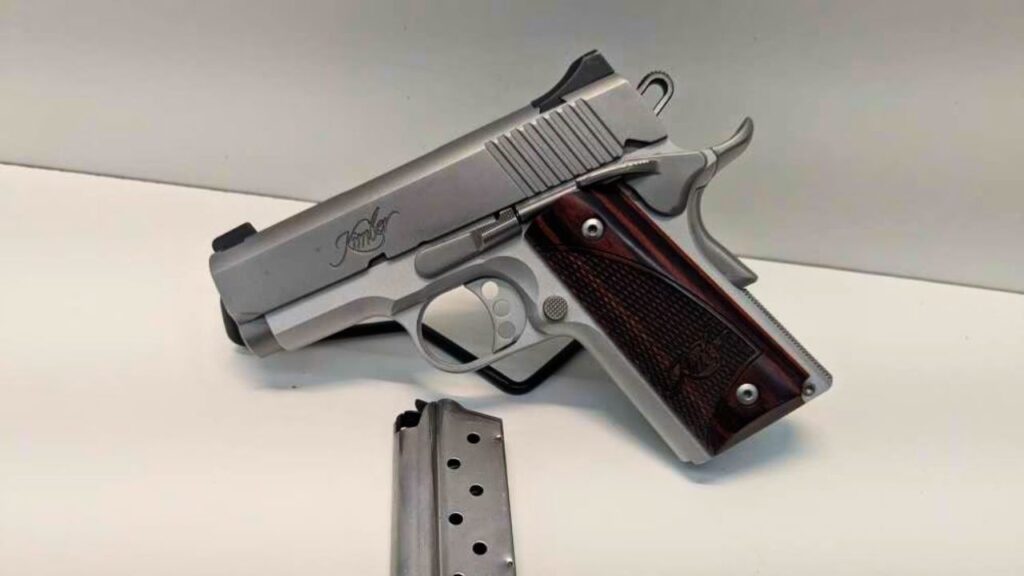
Compact 1911s like the Kimber Ultra Carry II are notorious for eating recoil springs. The short slide and high spring tension mean the spring gets compressed hard every single cycle. That constant pounding shortens its lifespan dramatically, especially if you’re shooting hotter defensive loads or using steel-cased ammo.
Many owners report needing to swap springs after just 500 to 800 rounds to keep the gun running smoothly. When the spring starts to weaken, failures to return to battery and erratic ejection start creeping in. Kimber builds beautiful pistols, but the short 3-inch 1911s simply don’t have the slide travel to keep recoil gentle on their components. If you’re set on carrying one, stock up on springs—you’ll be swapping them more than you’d like.
Walther P22
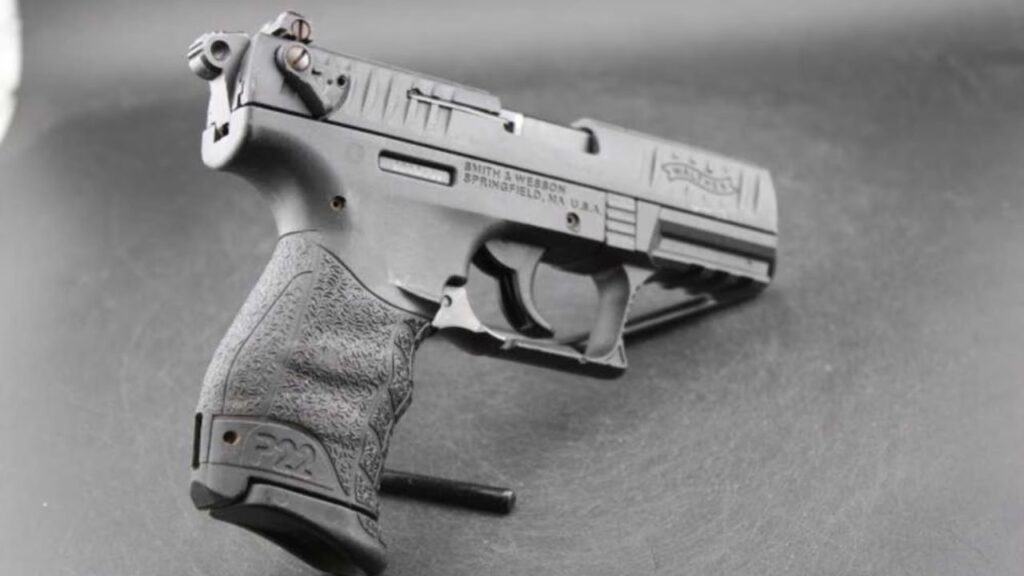
The Walther P22 might look fun and easygoing, but its recoil springs wear out quickly. The design uses a thin dual-spring setup that doesn’t tolerate constant compression well, especially when dirty. If you shoot bulk .22LR through it, you’re already giving those springs a workout due to inconsistent pressures.
After a few thousand rounds, you’ll start seeing light strikes or sluggish cycling, both telltale signs of weak recoil springs. The slide is also made from a zinc alloy, which doesn’t help with smooth operation once tolerances loosen. It’s still a handy little plinker, but if you plan to run it hard, keep spare parts on hand—especially the recoil assembly. A P22 can stay reliable, but only if you treat spring replacement as part of your regular maintenance routine.
Springfield Armory 911
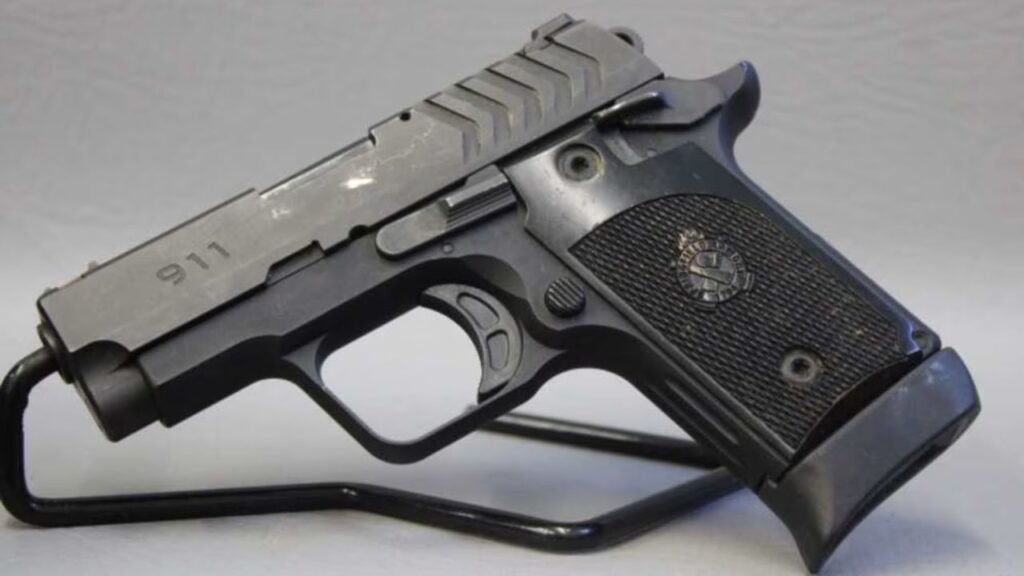
Springfield’s 911 series is another micro 1911-style pistol that tends to wear through recoil springs quickly. The short slide and snappy .380 ACP or 9mm recoil create a brutal cycle rate that hammers the spring with every shot. Even with high-quality materials, that kind of constant stress leads to early fatigue.
Shooters often find that the slide starts lagging or won’t fully return to battery after a few hundred rounds. Springfield recommends frequent replacement, but it still catches new owners off guard. The 911 is great for concealed carry where you’re only shooting enough to stay sharp, but it’s not a range gun. If you’re the type who trains regularly, plan on swapping springs almost as often as you clean it.
KelTec PF-9
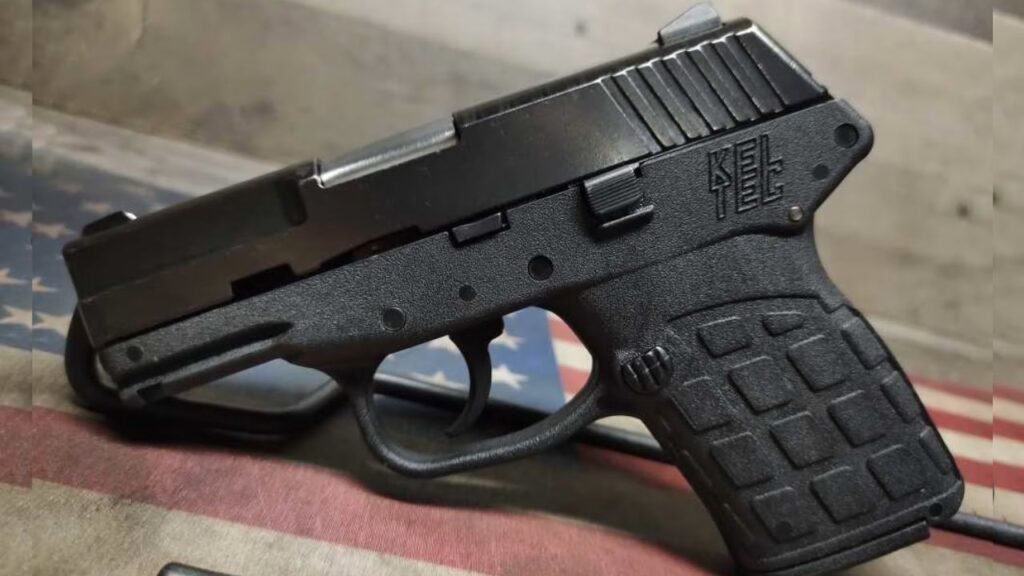
The KelTec PF-9 is one of the lightest 9mm pistols ever made, but that lightness comes at a cost. The slide slams hard with every shot, transferring a lot of force to the recoil spring and frame. The gun’s minimalist design doesn’t leave much room for dampening, so recoil springs fatigue faster than in heavier pistols.
Owners who push their PF-9s beyond a few hundred rounds often notice sluggish cycling or failure to return to battery. The spring system works, but it’s simply undersized for sustained shooting. The PF-9 was meant for concealed carry, not heavy range time. If you rely on one, test your defensive ammo sparingly and keep an extra spring or two ready—because they don’t last long under real use.
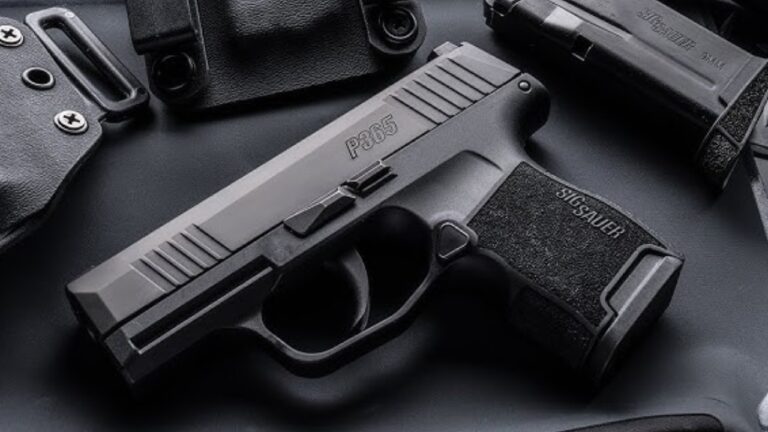
SIG Sauer P238
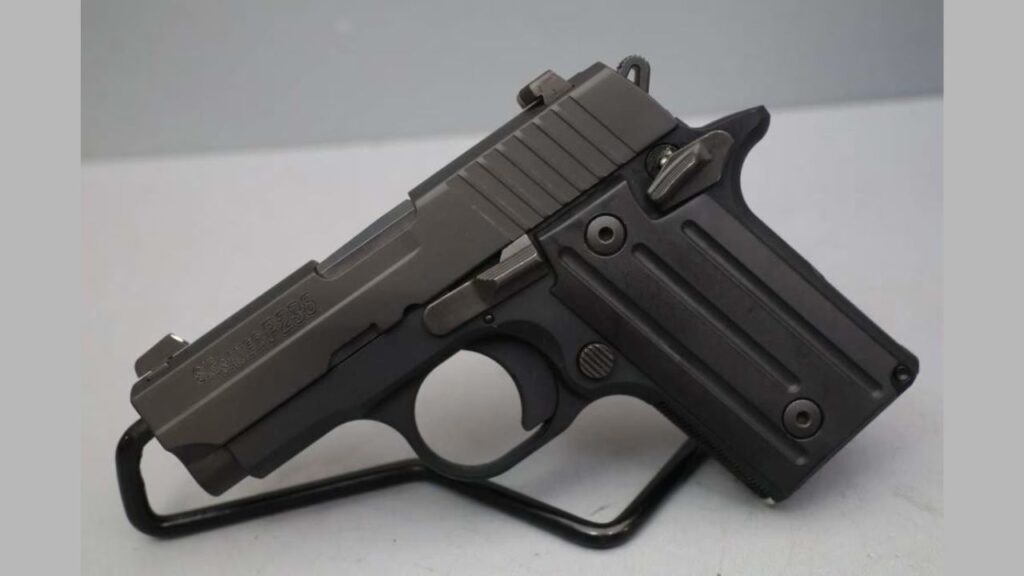
The SIG P238 is another small pistol that eats recoil springs for breakfast. With its compact 1911-style design and tight tolerances, it operates under high spring tension to control slide velocity. Over time, that means rapid spring fatigue, especially with hotter loads.
Most users start noticing feed issues or sluggish slide operation around the 800- to 1,000-round mark. SIG recommends regular replacement, but it’s easy to forget until you’re clearing malfunctions every few magazines. It’s a great pocket pistol, but not one you’ll want to train with heavily without keeping spares handy. The P238’s accuracy and reliability are excellent—until that recoil spring gives up, which it inevitably will if you shoot it hard.
Kimber Micro 9
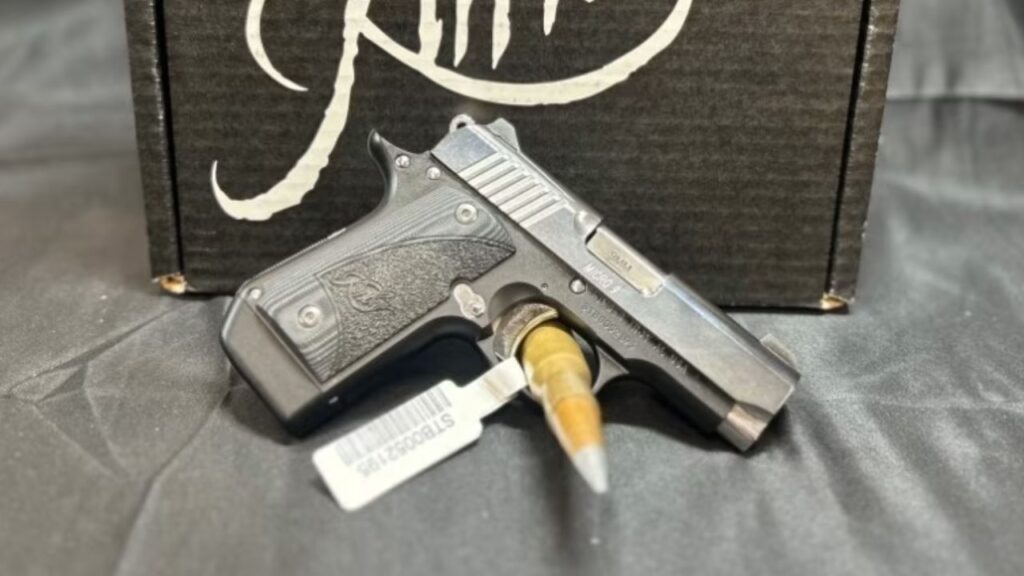
The Kimber Micro 9 suffers from the same curse as other micro-1911s—tight slide travel and high spring tension. The compact design magnifies wear on small parts, and the recoil spring assembly takes the brunt of it. Even with quality materials, constant compression and heat cycles wear it down fast.
Shooters who put more than a box or two of ammo through their Micro 9 each session start to see reliability issues creeping in. Failures to feed and ejection problems are often early warning signs. Kimber’s recommended maintenance schedule includes frequent spring changes, and for good reason. It’s a solid carry gun, but if you shoot regularly, the spring wear adds up fast.
Beretta 84FS Cheetah
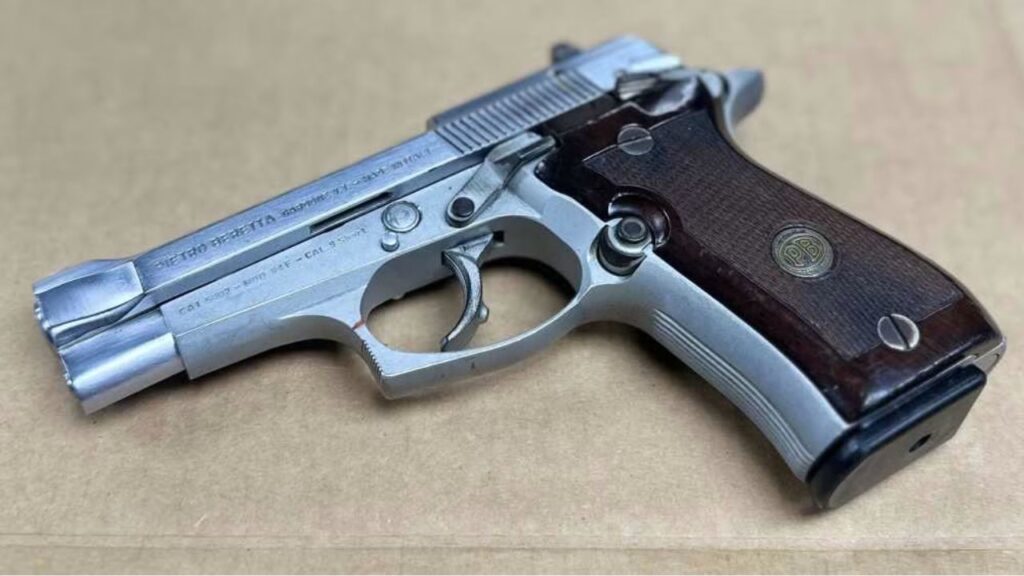
The Beretta 84FS Cheetah has a lot going for it—great ergonomics, soft recoil, and solid accuracy—but it’s hard on recoil and hammer springs. The blowback design and heavy slide movement wear components quickly, especially when shooting hot European .380 ACP loads.
Many shooters report that after a few thousand rounds, the slide starts to feel sluggish or inconsistent. It’s not a catastrophic flaw, but it’s a reminder that even well-made pistols need extra attention when they run on high pressure and tight tolerances. Keeping a replacement spring set around is practically part of owning a Cheetah. It’ll stay reliable, but only if you’re proactive with maintenance.
Ruger LCP
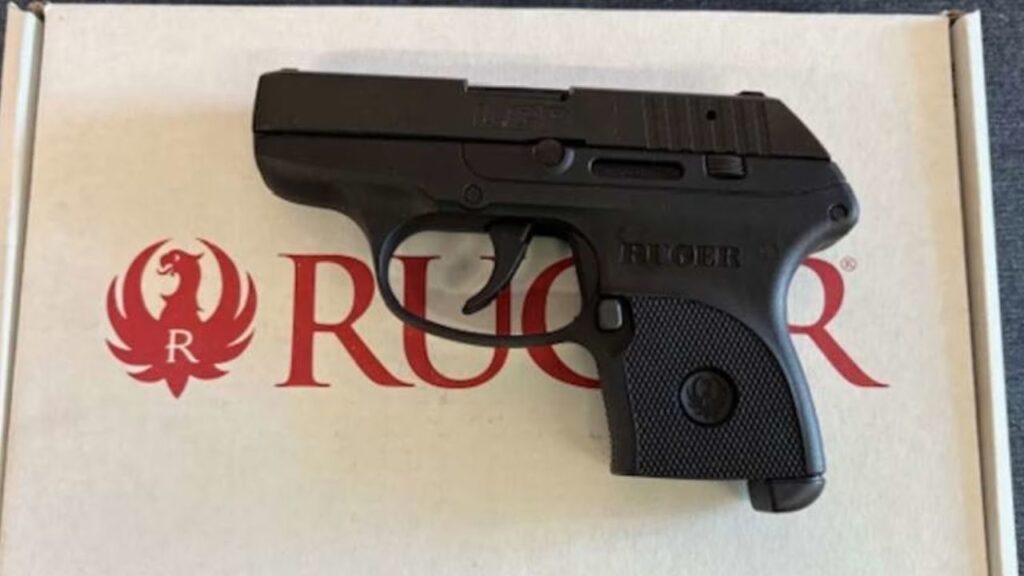
The original Ruger LCP was never meant to be a high-round-count pistol. The tiny recoil spring and polymer frame take a beating every time you pull the trigger. It’s a great carry option, but its springs start to weaken long before you’d expect.
After a few hundred rounds, you’ll notice weaker slide return or inconsistent lockup. Ruger improved the design slightly in later generations, but the physics of such a small gun don’t leave much room for improvement. The LCP runs best when you keep the springs fresh. It’s affordable and reliable when maintained—but if you treat it like a range pistol, you’ll be swapping springs faster than you buy ammo.
Taurus Spectrum
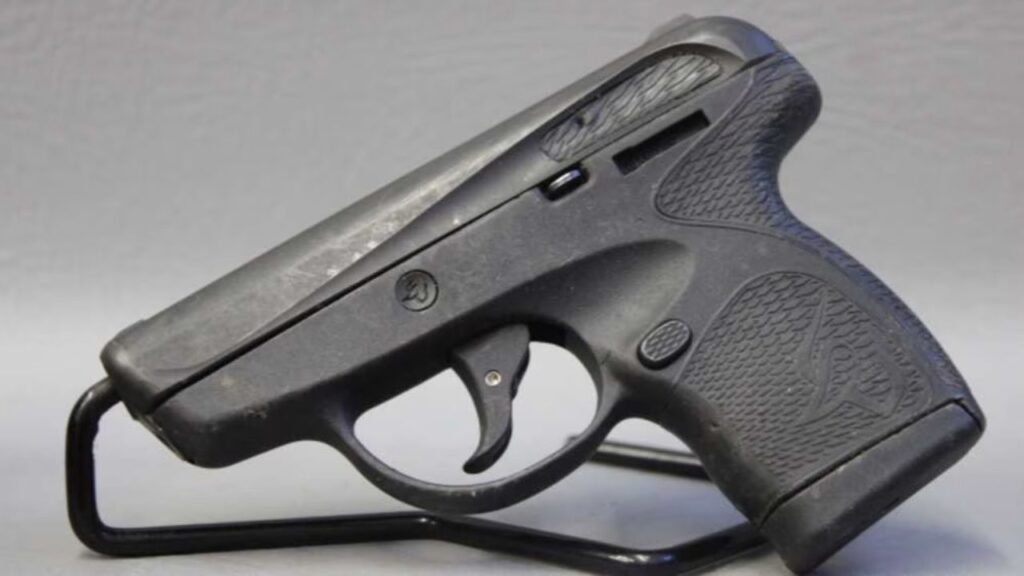
The Taurus Spectrum is a soft-shooting .380 on paper, but it’s known for short-lived springs. The recoil assembly tends to lose tension quickly, and once that happens, you’ll start seeing stovepipes and feed issues. Combine that with mixed-quality control from the factory, and it’s easy to see why so many owners keep spare parts handy.
The Spectrum’s design emphasizes comfort and style more than longevity, which isn’t a crime—but it means you’ll be tinkering with it often. If you use it for self-defense, keep round counts low and spring replacements high. It can be reliable, but only when you give it constant attention.
Remington R51

The Remington R51 had a rocky start, and part of its problem was spring durability. The unique Pedersen action relies on precise timing between the recoil spring and slide travel. When that spring starts to weaken, everything falls apart—literally and figuratively.
Many owners report cycling issues after a few hundred rounds, with the recoil spring and hammer spring both showing early wear. Once it starts, malfunctions multiply fast. The R51’s concept was interesting, but its execution left it vulnerable to reliability issues tied directly to spring tension. If you’ve got one running well, keep it clean, lubricated, and well-supplied with fresh springs.
Bersa Thunder .380
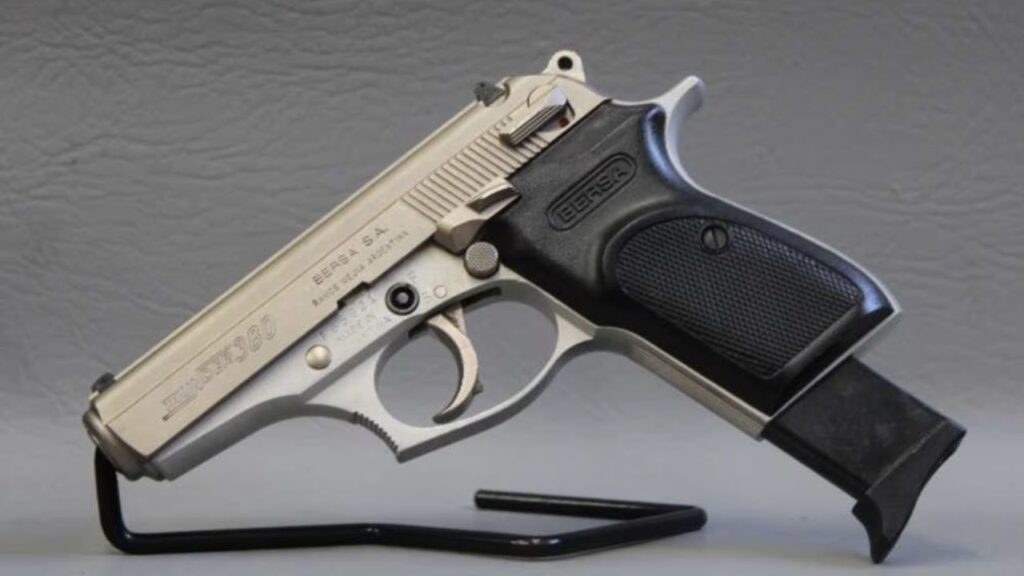
The Bersa Thunder .380 is known as a dependable budget gun, but it does go through recoil springs faster than you’d expect. The blowback design generates a lot of slide force relative to the cartridge, which puts repeated stress on the recoil spring and frame.
After a few thousand rounds, ejection starts to get erratic and the slide doesn’t return quite as crisply. Replacement springs are cheap and easy to find, but you’ll be doing it often if you train regularly. It’s not a fatal flaw—it’s just part of the upkeep on a design that wasn’t built for endless shooting.
SCCY CPX-2
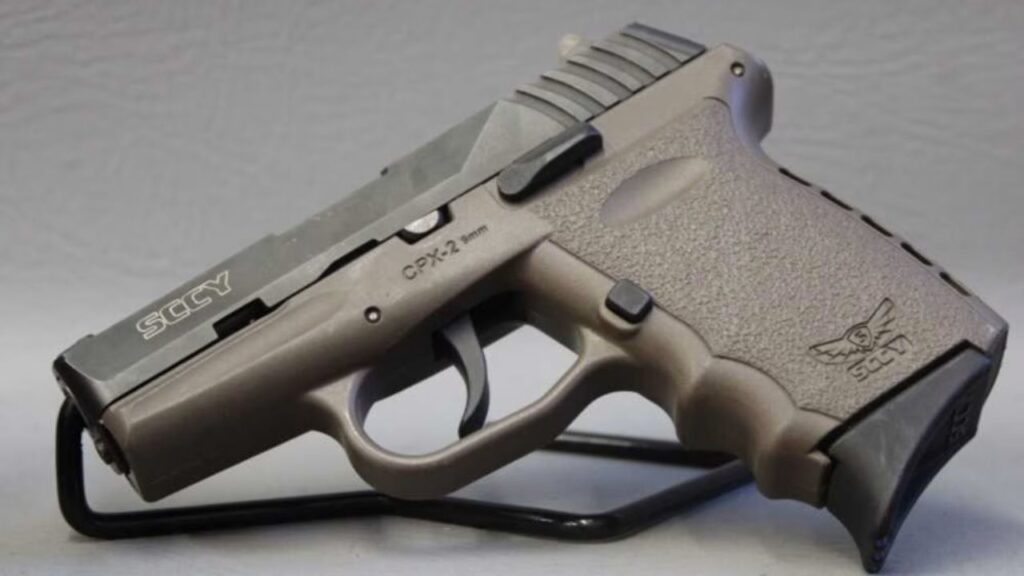
The SCCY CPX-2 is affordable, compact, and surprisingly accurate—but it’s notorious for weak recoil springs that wear out quickly. The double-action trigger and strong slide movement put extra stress on the spring system. After several hundred rounds, slide velocity changes and feed reliability starts to drop.
Owners who run them hard often keep multiple recoil spring assemblies on hand. The CPX-2 can work fine as a backup or carry gun, but if you shoot it often, you’ll see those springs give up in short order. It’s a pistol that can serve you well—but only if you’re willing to stay ahead of its wear cycle.
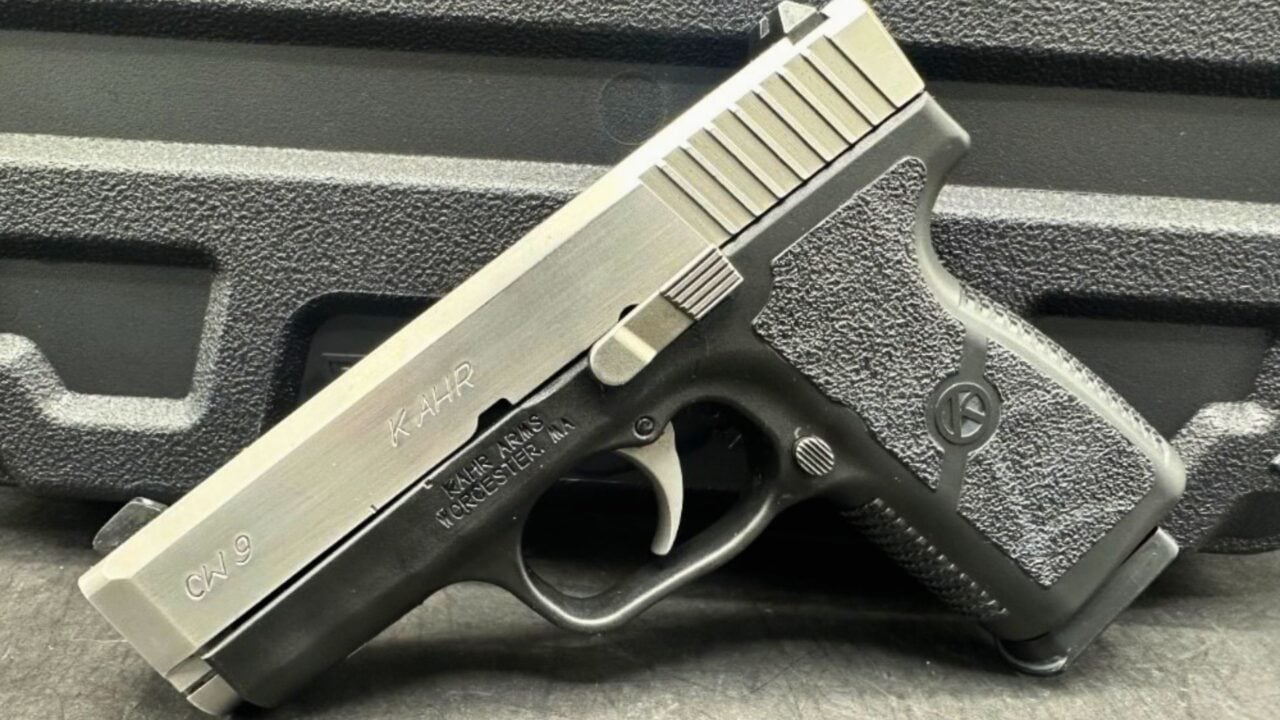
Kahr CW9

Kahr pistols have a smooth trigger and tight fit, but that tightness makes them rough on recoil springs. The CW9 in particular tends to wear its spring fast because of the short slide travel and high cycling pressure. If you’re shooting regularly, you’ll start noticing softer return-to-battery and occasional failures around the 1,000-round mark.
Replacing the spring restores reliability, but it’s a recurring expense if you shoot a lot. The CW9 isn’t fragile—it’s just tuned tight. That’s great for accuracy and carry comfort but tough on longevity. With routine maintenance and spare parts ready, you can keep it running smoothly, but it’s not a gun that forgives neglect.
*This article was developed with AI-powered tools and has been carefully reviewed by our editors.