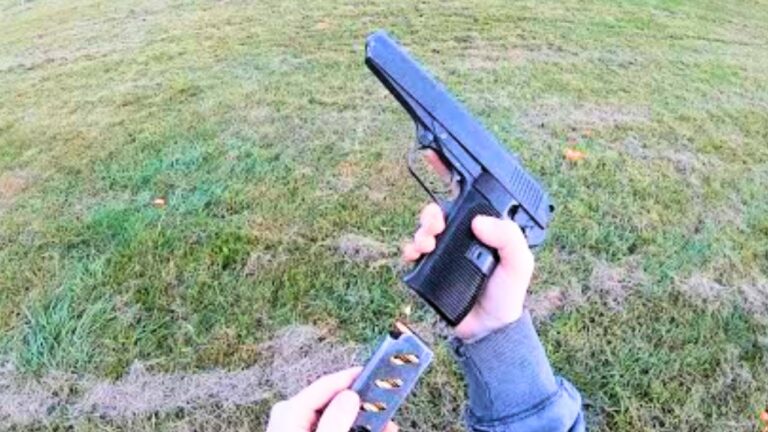
Photo credit: All Outdoors/YouTube
Some guns don’t show their full potential right out of the box. They need time—time to wear in, smooth out, and prove they’re worth hanging on to. These are the ones that settle in better the more you shoot them. The triggers improve, the actions loosen up in all the right ways, and the reliability just locks in. You don’t baby them. You use them hard, and they repay you by getting better, not worse. If you like gear that holds up and keeps getting better the longer you own it, these are the kinds of guns worth running for decades.
Ruger GP100
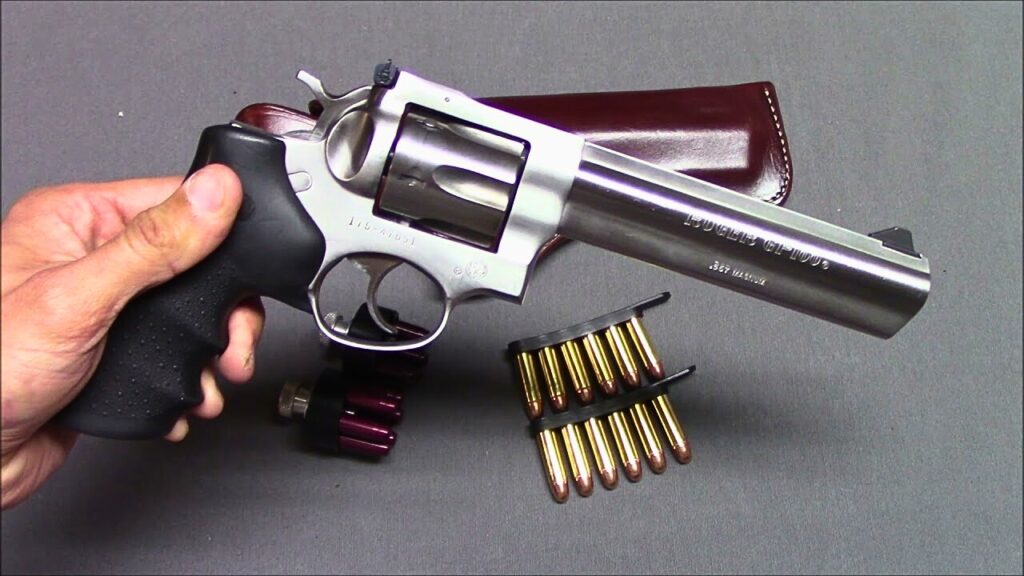
The GP100 is known for its durability, but it also wears in nicely with use. Out of the box, it might feel a little stiff—especially in the trigger and cylinder lockup—but give it a few hundred rounds and that smooths out fast.
The double-action pull gets cleaner with time, and the tank-like build means you’re not worried about wearing it out. You can shoot heavy .357 loads all day, clean it with whatever’s handy, and it’ll still be asking for more when you’re on your second holster.
Browning Auto-5
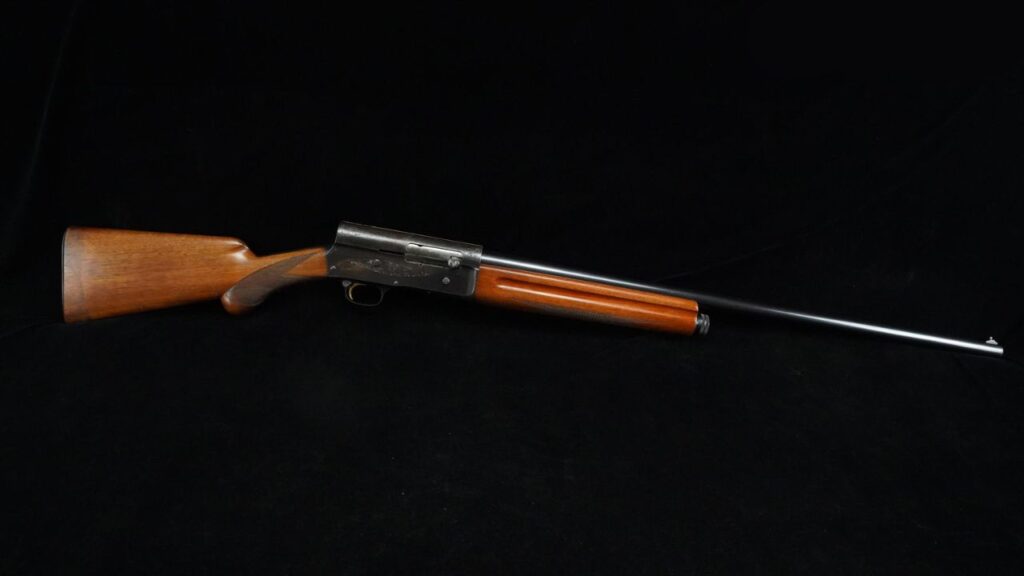
The Browning Auto-5 is one of those shotguns that rewards regular use. That long-recoil action starts out a little clunky for some shooters, but the more you run it, the smoother it gets. It’s not fast like modern inertia systems, but it gets reliable in a way that’s hard to beat.
It cycles better over time, especially once that friction ring system breaks in. With a little upkeep, you’ll see fewer failures and tighter patterns as you learn how it likes to be handled. There’s a reason so many are still passed down.
M1 Garand
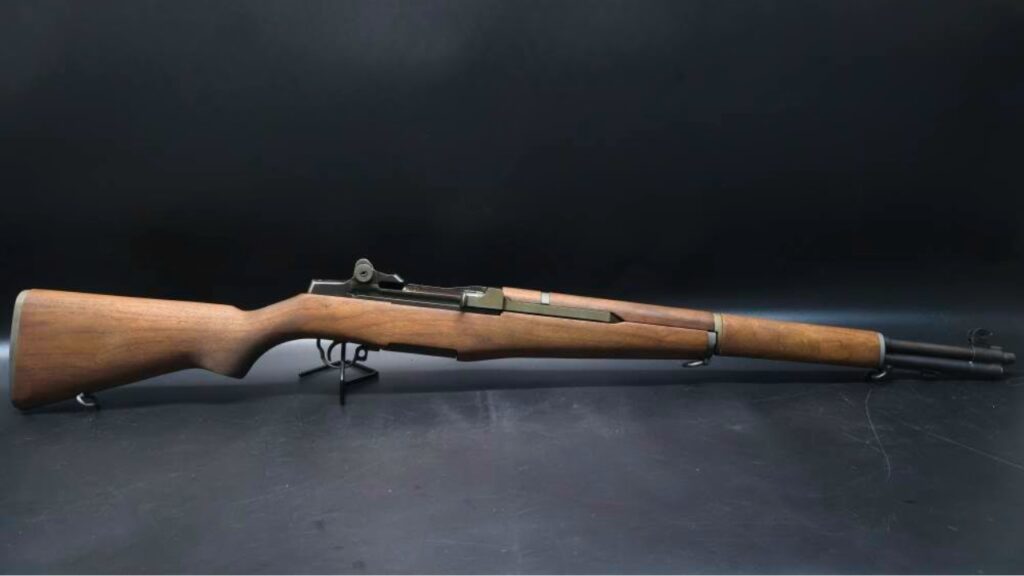
The M1 Garand has always been a solid rifle, but it really comes into its own after a few hundred rounds. The op-rod system benefits from wear-in, and you’ll feel that action get smoother the more it cycles. Even the clip ejection feels snappier with use.
It also shoots better as the gas system settles and you learn its quirks. You can tell which Garands have seen real time in the field—they function tighter, shoot straighter, and run cleaner than the ones that’ve sat on a shelf for too long.
CZ 75
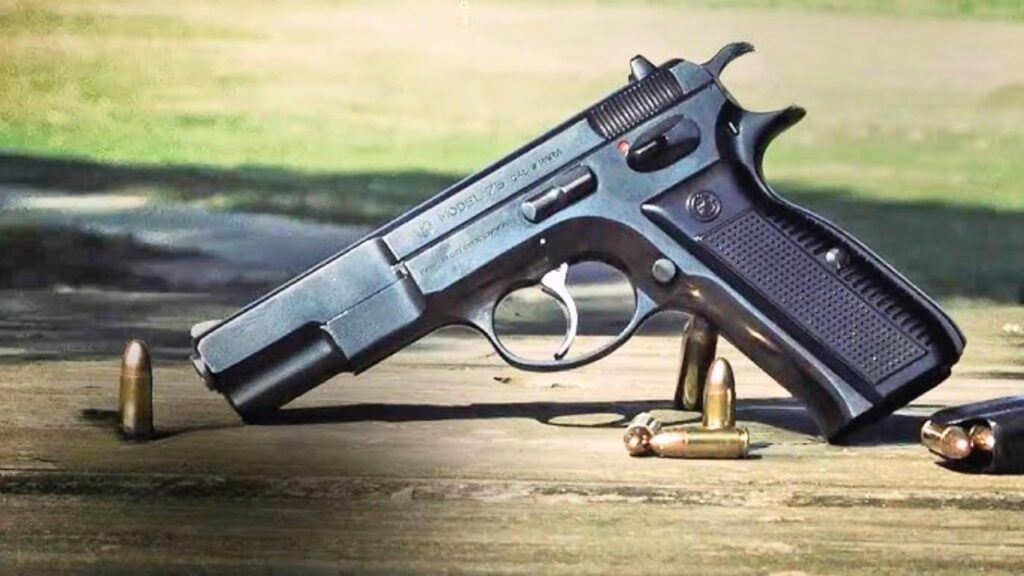
The CZ 75 already has one of the best out-of-the-box triggers in its class, but that doesn’t mean it can’t get better. With use, the double-action pull smooths out even more, and the break becomes more consistent. The slide-to-frame fit also benefits from honest wear.
You’ll notice over time that the recoil impulse gets more manageable, too. That steel frame settles into your grip and the whole platform feels more predictable. The longer you run it, the more confidence you build with every draw and press.
Marlin 336 (pre-Remington)
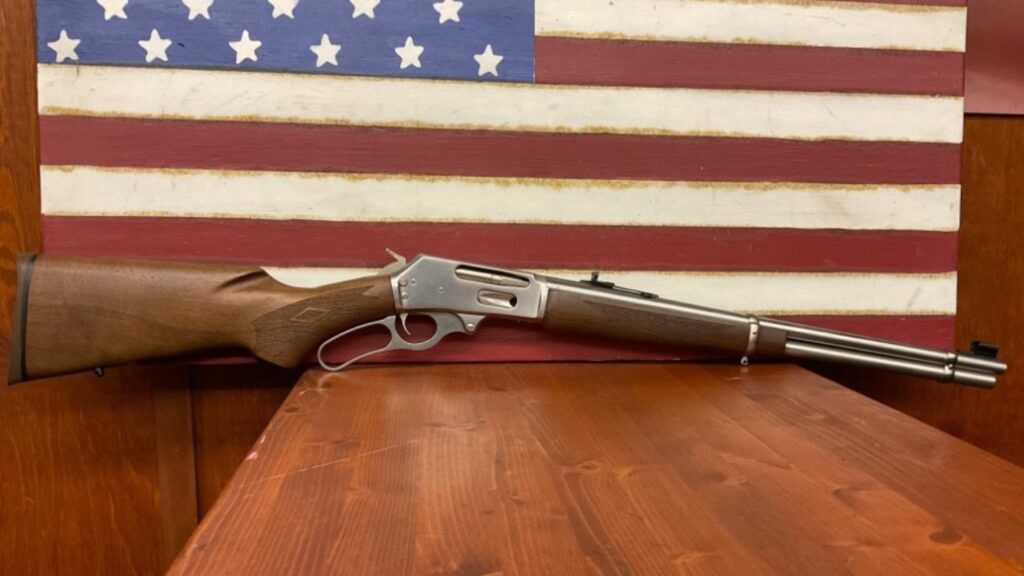
A good Marlin 336 doesn’t just stay reliable—it improves with use. The action, especially on older models, gets smoother the more you work it. That lever wears in right, and you’ll find yourself cycling it faster without thinking twice.
It also groups better over time once the barrel gets seasoned with use. The trigger feels more natural, and everything from feeding to ejection seems to work better once it’s had a few seasons behind it. You don’t have to baby these—they were made to run.
Glock 17

The Glock 17 starts off a little gritty, especially in the trigger. But give it a few thousand rounds and it settles into a rhythm. The reset becomes cleaner, the break feels crisper, and the whole gun starts to feel less mechanical and more like an extension of your hand.
It’s not flashy, but its wear pattern makes it better. Even the slide-to-frame interface feels smoother with time. It eats more types of ammo reliably once it’s seasoned, and if you keep up with basic maintenance, it’ll keep getting better long past the break-in.
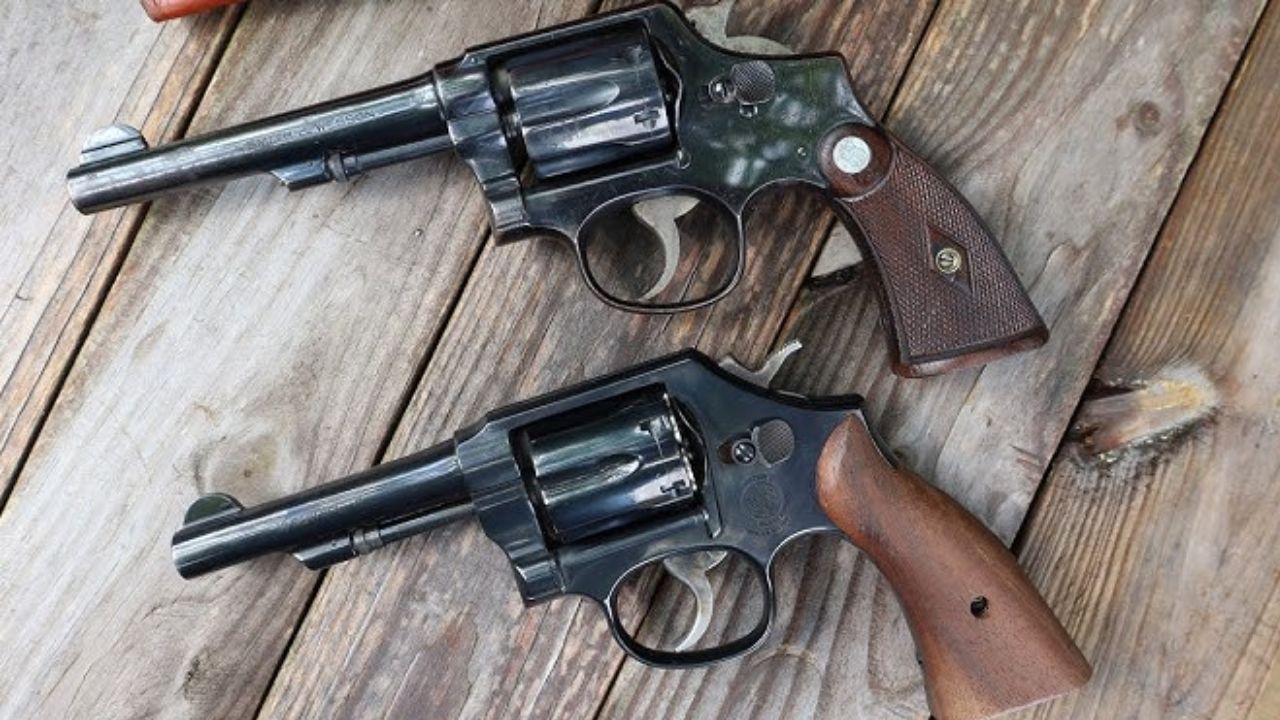
S&W Model 10
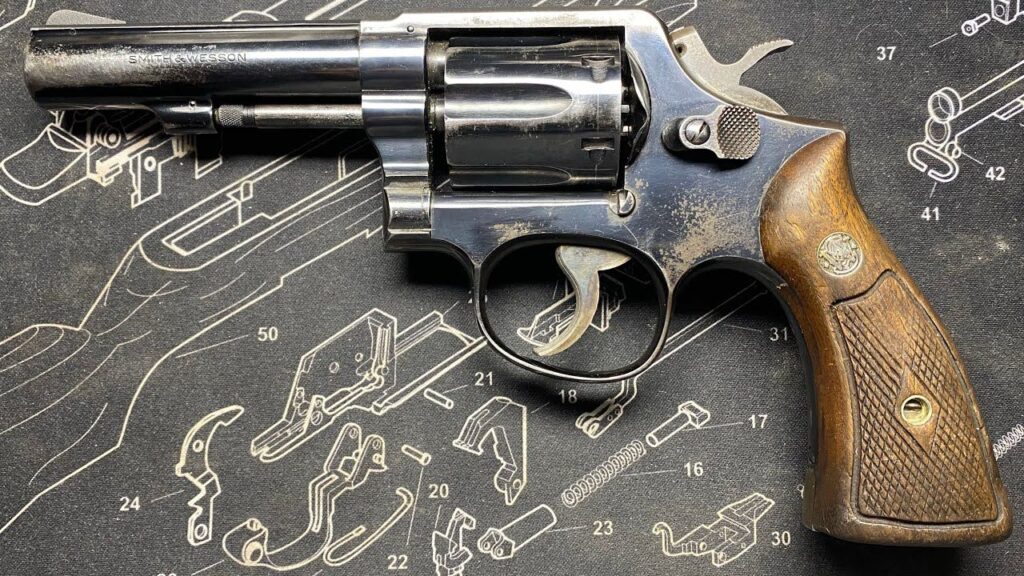
The Model 10 was built to last, and you’ll notice it gets smoother every time you take it to the range. The double-action pull breaks in with use, losing that initial stack and settling into a cleaner roll. You’ll feel the difference after a few hundred trigger pulls.
The timing stays consistent, and the simplicity of the design means wear rarely leads to failure. Instead, you get a revolver that operates more fluidly over time, with tighter groups and more consistent control as you learn every click and pause it has to offer.
Springfield M1A

The M1A doesn’t hit its stride until it’s had some real range time. That big, heavy action needs to be worked in, and once it is, the cycling gets noticeably smoother. Even the trigger benefits from repeated use, especially if you’ve got one of the standard models.
Barrel harmonics also tend to settle in, and if you keep your cleaning consistent, groups will tighten slightly as everything finds its groove. With some care, this rifle grows into something that feels a lot more refined than the day you bought it.
Beretta 92FS

The Beretta 92FS starts with decent handling, but it ages surprisingly well. The slide rails polish up with use, and the action gets smoother without losing any reliability. The more rounds you run through it, the more natural it feels in hand.
Even the heavy DA pull lightens up a bit with wear, and reset feels snappier once the internals start wearing together. It’s one of those pistols that can take abuse, but if you actually take care of it, it’ll reward you with smooth, consistent operation for decades.
Remington 870 (older models)
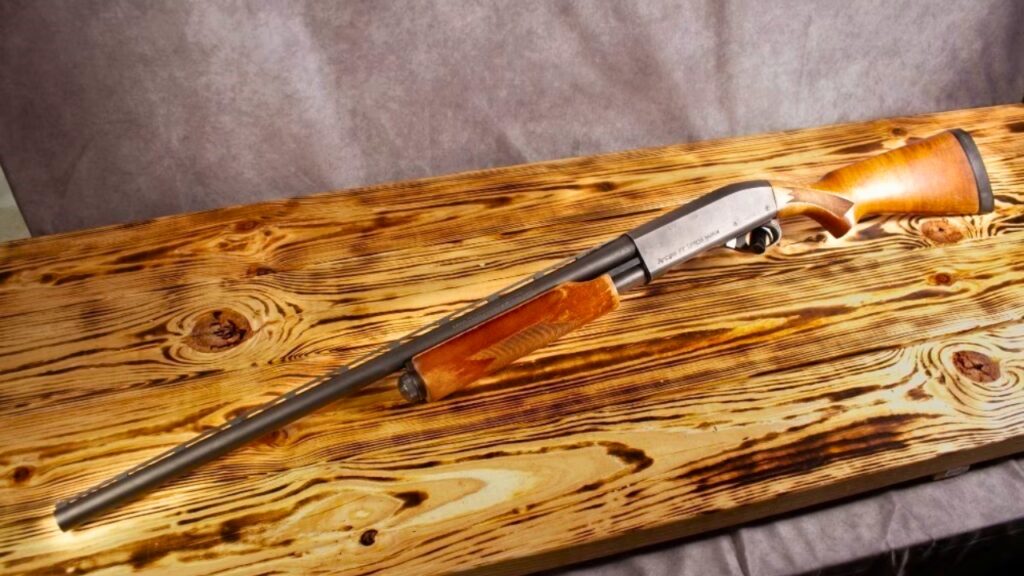
The older 870s were built with tighter tolerances and better parts, and when you run them regularly, they settle into an ultra-smooth pump action that’s hard to beat. The wear on the action bars, bolt, and carrier actually improves the cycling.
Even the shell lifter and extractor get more reliable with consistent use and cleaning. If you’ve got one that’s seen years of bird or buckshot, you already know how buttery that action can get. It’s one of the few shotguns that rewards time and miles in the field.
*This article was developed with AI-powered tools and has been carefully reviewed by our editors.