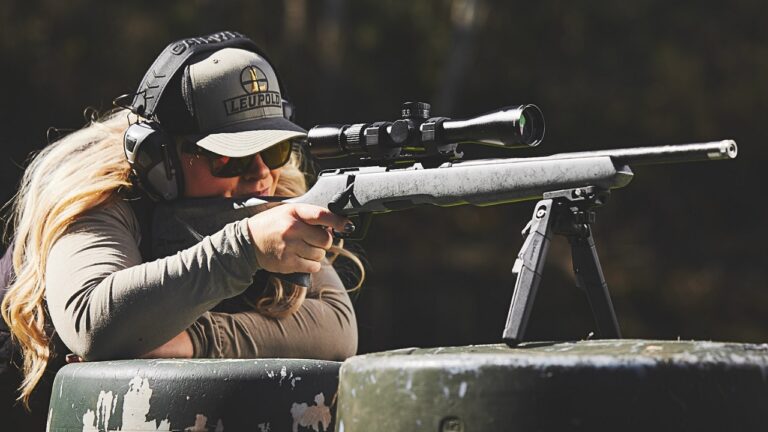
Photo credit: Brian Woolman/Shutterstock.com
Some calibers earn their keep working ranch duty—dispatching varmints, dropping coyotes, or knocking down pests at short distances. They’re accurate, dependable, and cheap enough to shoot all day. But those same rounds that shine around the barn or pasture start to come up short when deer season rolls around. They lack the punch, the reach, or the consistency to handle stand hunting where shots stretch farther and conditions aren’t forgiving. These are the calibers that handle chores like a champ but falter when the hunt demands more than convenience.
.22 Long Rifle

The .22 LR is the ranch hand’s best friend—quiet, cheap, and perfect for varmints and small pests. It’s accurate enough for precise shots on the fly and easy to carry all day without fatigue. Around the barn, there’s nothing handier.
But when you’re in a deer stand, it’s a different story. The .22 LR lacks the velocity and energy for clean, ethical kills on larger game. It’s not a question of accuracy—it’s all about power. The little rimfire simply wasn’t built for the big job, and while it shines on the ranch, it’s out of its depth in the woods.
.22 Magnum

The .22 WMR hits harder than the LR and stretches your range for varmints, rabbits, and foxes. It’s fast, accurate, and incredibly flat inside 125 yards. For dispatching pests or working fields, it’s excellent.
But despite that extra kick, it still falls short in the stand. The magnum label makes people think it’s up for deer, but the energy drops fast past 100 yards. You might find yourself tempted to push it beyond its limit, and that’s where it fails. It’s a workhorse on the ranch but never a deer cartridge.
.17 HMR

The .17 HMR is blistering fast and laser-flat for small game and varmints. It’s a favorite for hitting small targets at distance without much recoil. For ranch work, it’s ideal—quiet, efficient, and deadly accurate.
The problem is energy. Even with impressive speed, those lightweight bullets lose steam fast. A stiff breeze or a misjudged range can send a shot wide or underpowered. In a stand where precision and knockdown matter, the .17 HMR’s limits show fast. It’s for coyotes, not whitetails.
.22 Hornet

The .22 Hornet used to be a small-game marvel. It’s quiet, low-recoil, and offers more reach than rimfire. On the ranch, it’s great for varmints and predators that sneak too close to the chicken coop.
But take it hunting, and the Hornet struggles. It doesn’t carry the energy to anchor medium game cleanly, and its bullet selection is limited. It’s accurate, yes, but not forgiving. It’ll always have a place in varmint country—but not in the stand where one shot has to count.
.204 Ruger
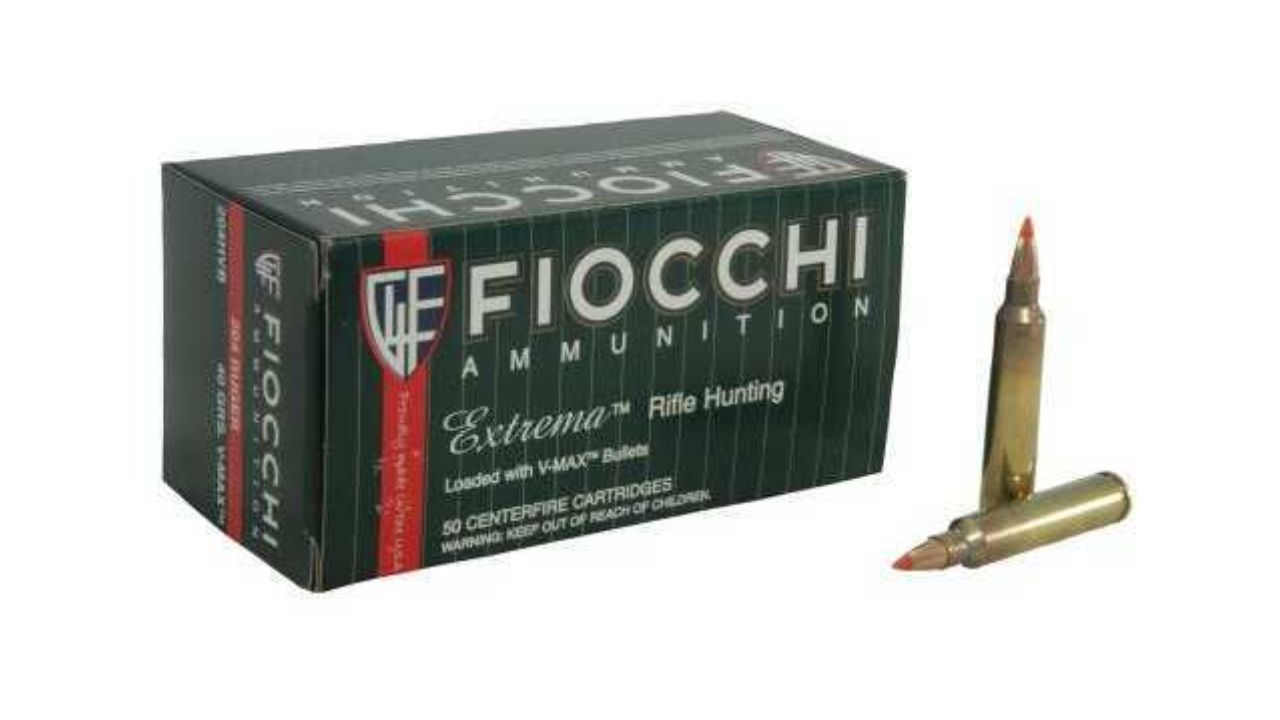
The .204 Ruger is a speed demon built for long-range varmint work. It’s blistering fast and exceptionally accurate, making it perfect for prairie dogs and coyotes. You can cover ground and handle pest control all day with it.
But as soon as you step into deer territory, it’s the wrong tool. Those light bullets disintegrate too easily and lack the penetration needed for big game. It’s a dream on the ranch where precision counts more than power—but in the stand, that lightweight advantage becomes a liability.
.17 Hornet
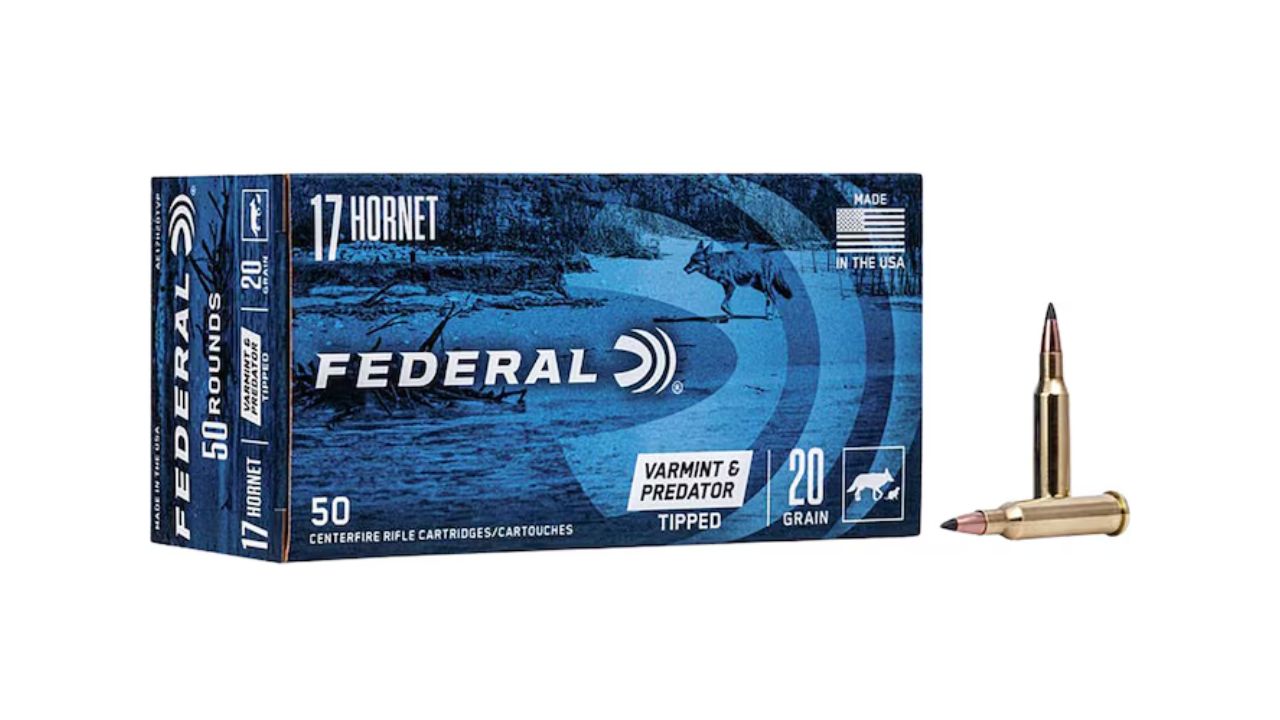
The .17 Hornet is fun to shoot and deadly accurate on small pests. Its flat trajectory and mild report make it one of the most practical ranch rounds around. It’s perfect for groundhogs, squirrels, and the occasional crow at distance.
But despite its efficiency, it’s a small-caliber specialist. The energy bleeds off quickly, and any hint of wind throws it off target. When you’re in a stand, waiting for a clean, decisive shot on a big-bodied animal, the .17 Hornet reminds you why it belongs on the range or in the pasture—not in the deer woods.
.223 Remington
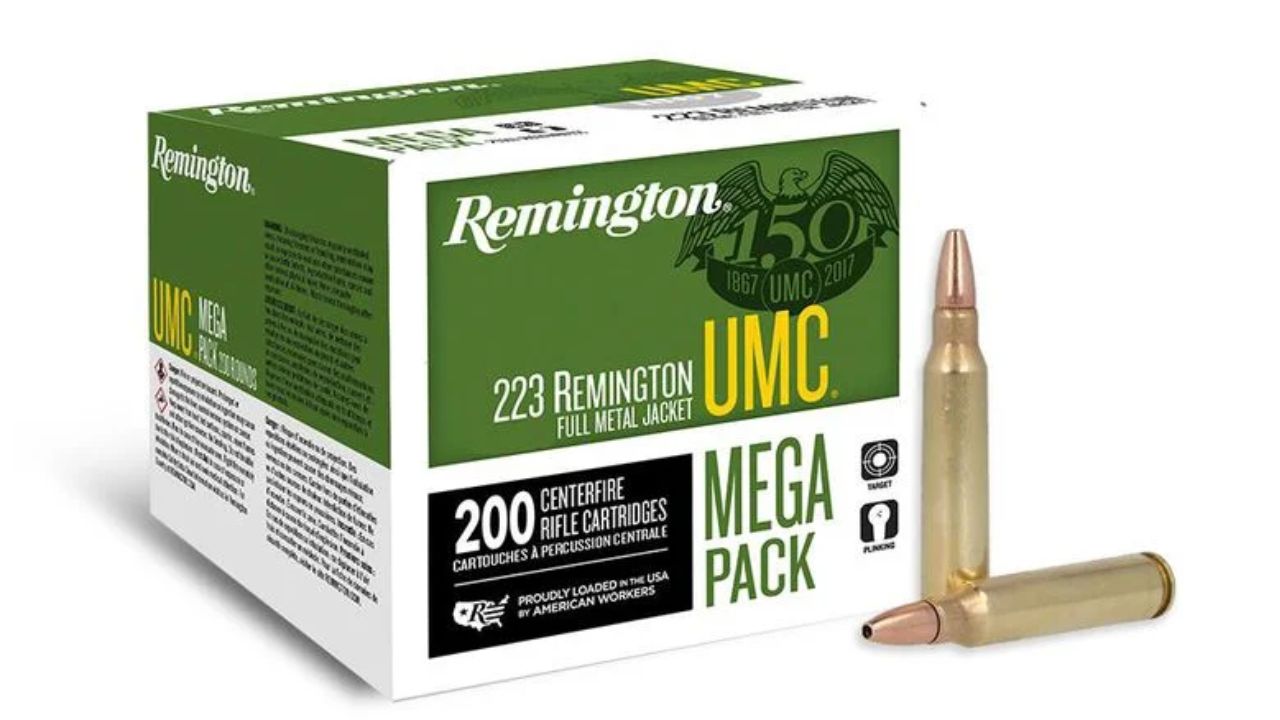
The .223 Remington has earned its place on the ranch. It’s accurate, easy to shoot, and cheap to feed. It drops coyotes and hogs without issue, and ammo is everywhere. It’s the definition of practical.
But as good as it is for varmints, it’s on the edge for deer-sized game. With the right bullet and placement, it’ll work—but there’s little margin for error. In the stand, where shots can stretch and angles aren’t perfect, that lightweight bullet can underperform fast. It’s great for work, but limited for serious hunting.
.221 Fireball
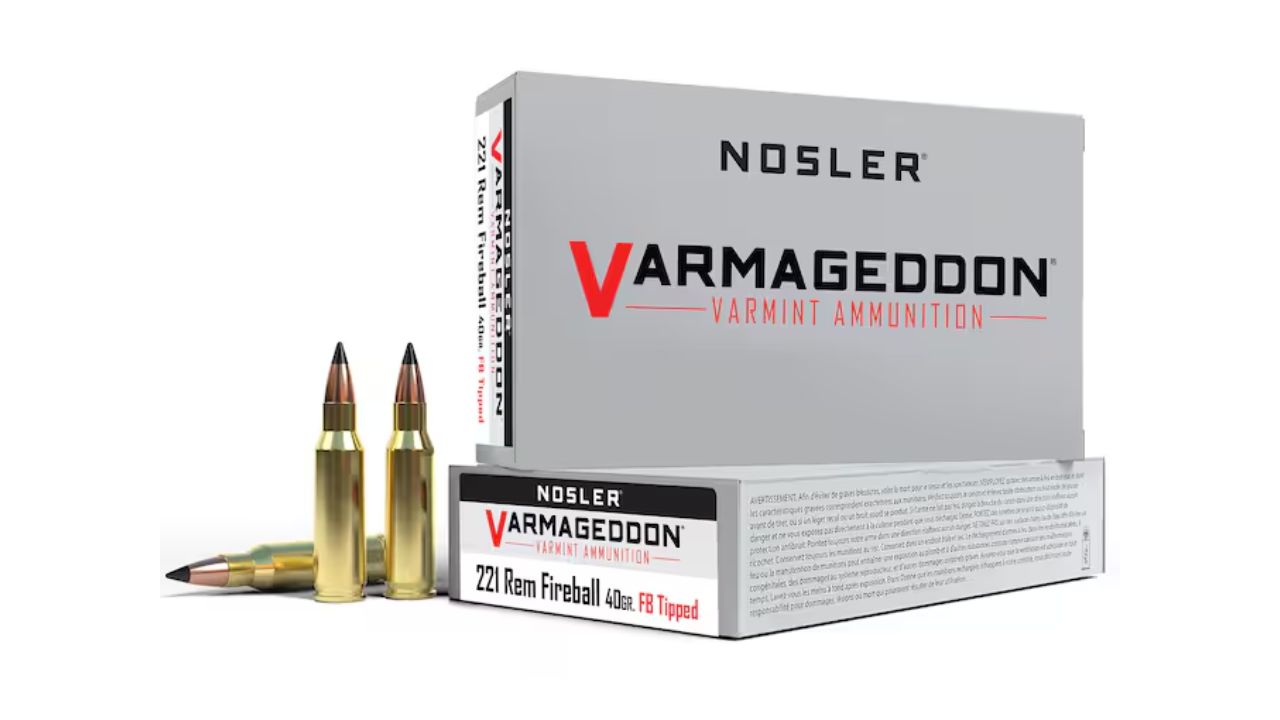
The .221 Fireball is a fun, efficient round that makes range shooting and varmint hunting a breeze. It’s accurate, consistent, and soft on the shoulder—ideal for long afternoons in the field.
When it comes to deer hunting, though, it’s simply underpowered. It lacks the energy and penetration needed for larger animals. You’ll still keep one handy for groundhogs or foxes, but you’ll never rely on it when the target weighs more than a few dozen pounds.
.300 Blackout
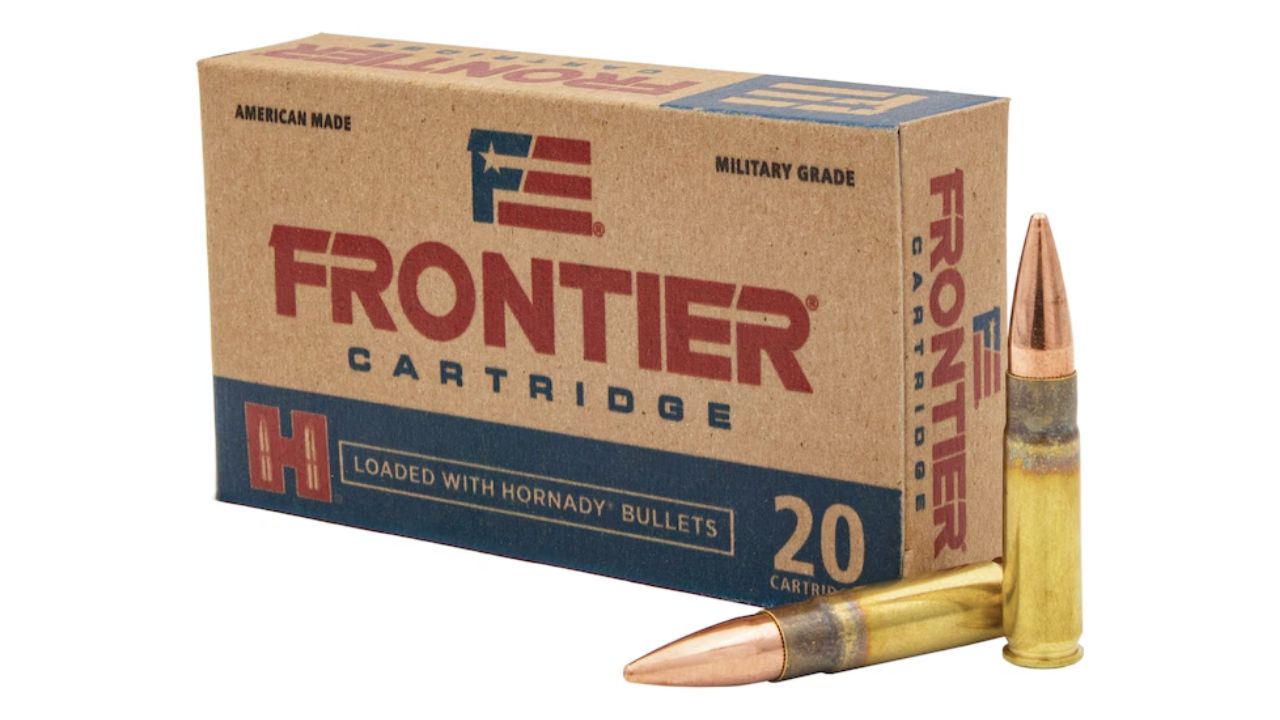
The .300 Blackout is a versatile round in theory—quiet, effective, and adaptable for both supersonic and subsonic use. Around the ranch, it’s great for hogs or short-range pest control. It hits hard in close quarters and works beautifully suppressed.
But for longer-range stand hunting, it loses steam fast. The trajectory drops steeply, and subsonic loads lack reach and expansion. It’s a specialist caliber that performs best under specific conditions, not across open fields or in a windy deer stand.
.357 Magnum (Carbine)

The .357 Magnum in a lever-action or carbine makes an excellent ranch rifle. It’s light, quick, and plenty strong for short-range work. It handles pests and small game with ease while sharing ammo with your sidearm.
But at the stand, you’ll feel its limits fast. It drops too quickly at distance and struggles to maintain energy past 100 yards. The .357 works for up-close brush hunting but fails when you need reach and consistency. On the ranch, it’s reliable; in the stand, it’s restricted.
.30 Carbine

The .30 Carbine has a loyal following and serves its purpose on the ranch for varmints or pest control. It’s easy to shoot, has little recoil, and performs well in compact rifles.
But when it comes to hunting, the energy level is marginal at best. It was never designed for big-game use, and at extended ranges, it falls flat. It’s practical, fun, and nostalgic—but not what you want when you’re watching a clearing at 200 yards.
9mm Carbine
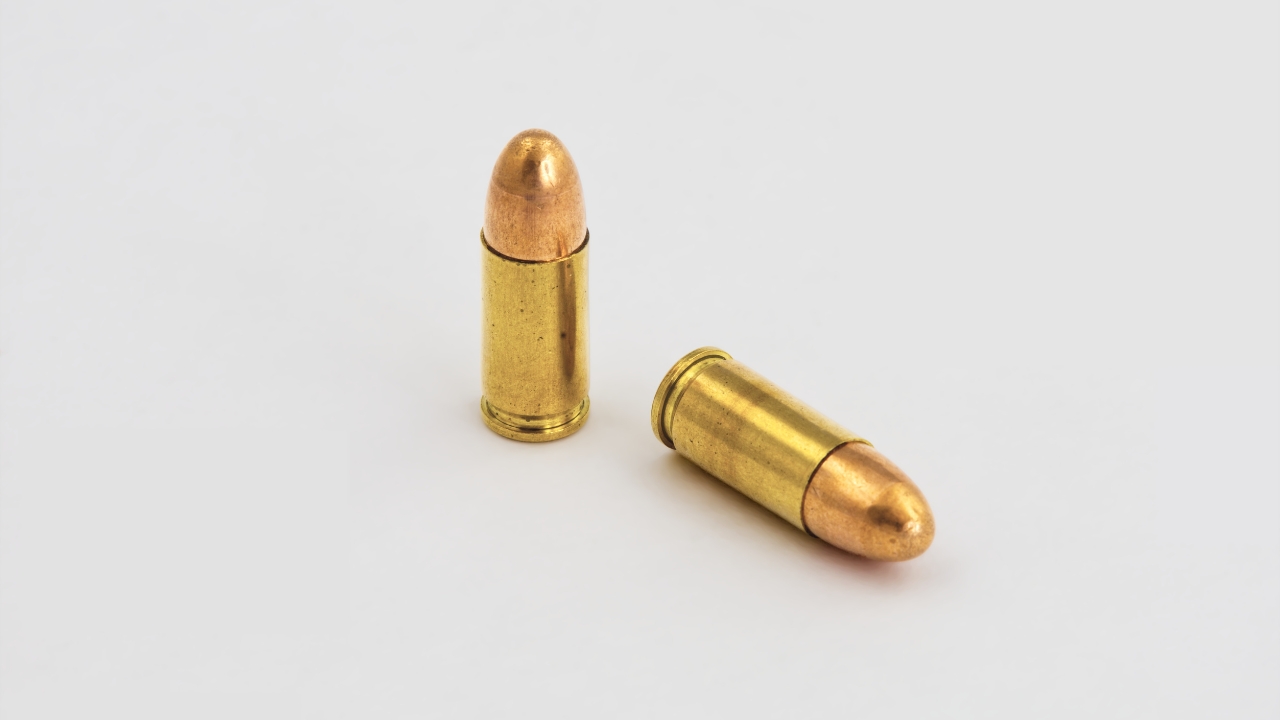
A 9mm carbine is handy for ranch chores, offering fast handling, light recoil, and cheap shooting. It’s great for quick pest dispatching and training. You can carry it easily, shoot it often, and never feel overgunned for small targets.
But the 9mm simply wasn’t built for the stand. The energy and accuracy fade fast past 75 yards. Even in a longer barrel, it doesn’t have the power to cleanly take down game beyond short distances. It’s great for chores, not for deer season.
.32 Winchester Special

The .32 Winchester Special is one of those rounds that feels like it should perform better than it does. It’s fine for close work around the ranch and can drop a hog in the brush without issue.
But it’s not as flat or forgiving as modern cartridges. The trajectory is loopy, and energy falls off faster than its .30-30 cousin. It’ll still get the job done up close, but it’s not the rifle you’ll want when your shot stretches across an open pasture.
.22-250 Remington

The .22-250 Remington is one of the most accurate varmint rounds ever made. It’s blazing fast, flat-shooting, and surgical when it comes to small targets. On the ranch, it’s a precision tool for coyotes and prairie dogs.
But while it’s devastating on small game, it’s not reliable for deer-sized targets. The light bullets explode on impact instead of penetrating deeply. In the field, that means lost animals or marginal hits. It’s perfect for ranch life, but not for the stillness of the deer stand where precision needs to meet power.
Like The Avid Outdoorsman’s content? Be sure to follow us.
Here’s more from us:
The worst deer rifles money can buy
Sidearms That Belong in the Safe — Not Your Belt
*This article was developed with AI-powered tools and has been carefully reviewed by our editors.