Photo credit: CZ9mmUSA/YouTube
Some handguns earn a real following, then keep riding it long after the reasons start getting weaker. The styling still looks good in the safe. The name still sounds right in conversation. The owner still remembers how exciting it felt to buy. But after enough range trips, enough better comparisons, and enough honest use, the shine starts thinning out. The trigger is not as impressive anymore. The carry comfort is not what they told themselves it was. The gun that once felt special starts feeling like something they are defending out of habit.
That is where these handguns live. They are not always bad, and a few still do certain things well. But they are the guns people keep talking themselves back into because admitting the magic is gone feels worse than just repeating the old lines one more time. These are the handguns people cling to long after the magic wears off.
Kimber Micro 9

The Micro 9 makes a very strong first impression because it looks like a classy little carry gun with just enough 1911 flavor to feel different from the plastic crowd. It is attractive, easy to admire in the case, and the idea behind it is easy to love. A lot of buyers convince themselves they found a compact pistol with style, heritage, and concealment all wrapped together.
Then the ownership phase starts doing what ownership does. Small pistols like this can be less forgiving than buyers want to admit, and the long-term experience often feels more demanding than the purchase justified. People keep clinging to the Micro 9 because it still looks like it should be more enjoyable than it sometimes is. A good-looking carry gun can hang around on pure charm for a long time.
Walther PPK
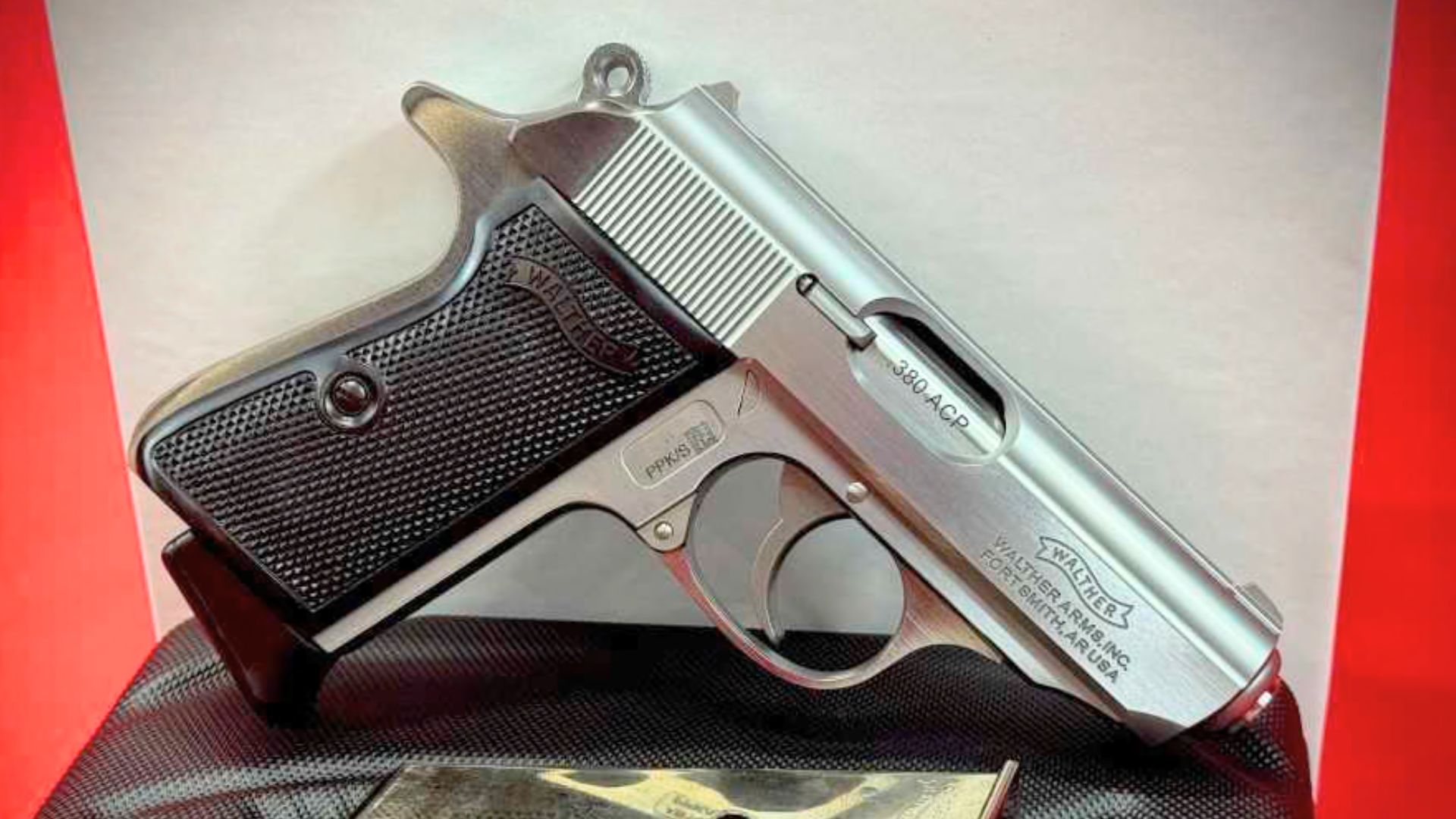
The PPK survives on image better than almost any handgun ever made. It still looks sharp, still carries that old-world cool factor, and still makes owners feel like they own something more refined than the average carry pistol. That first wave of admiration is real, and it has kept this gun alive in people’s minds for decades.
The problem is that actual use tends to cool things off. It is not especially pleasant for its size, the sights are nothing to brag about, and the practical shooting experience often does not match the glamorous mental picture. Even so, people keep hanging onto the PPK because the idea of the gun stays stronger than the reality. The magic fades slowly, but the image keeps fighting to stay alive.
Springfield EMP

The EMP draws people in because it feels like a more polished, more upscale way to scratch the compact 1911 itch. It looks premium, feels serious in the hand, and gives buyers the sense that they are stepping into something more refined than the usual carry options. At first, that carries a lot of weight.
Over time, though, many owners start realizing that “refined” and “worth the commitment” are not always the same thing. Once the novelty of the scaled-down 1911 concept wears off, what remains is a pistol that still asks for patience, money, and goodwill. People cling to it because it still feels like it ought to be special, even when the day-to-day ownership experience gets harder to romanticize.
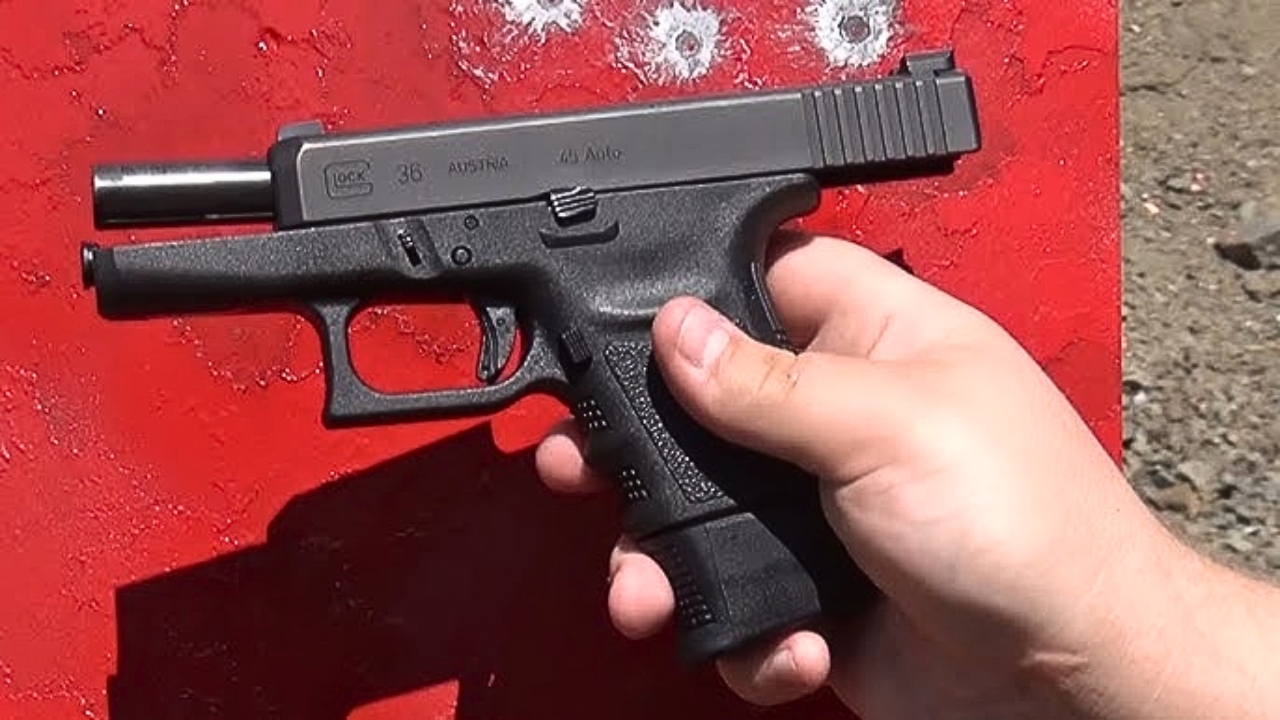
Glock 36

The Glock 36 made a lot of sense on paper when slim .45 carry guns felt especially appealing. Buyers saw the Glock name, saw the flatter profile, and told themselves they were getting a practical big-bore carry answer without the usual bulk. That kind of pitch is easy to buy into, especially when the logo already carries so much trust.
The long-term case gets thinner once shooters live with it. Capacity is limited, the shooting experience is not exactly charming, and newer options make its compromises more obvious than they once were. Still, owners cling to it because it was once the smart answer in their minds, and it is hard to let go of a pistol that used to feel like such a clear decision.
Colt Mustang Pocketlite

The Mustang Pocketlite sticks around in people’s affection because it feels like a neat little carry pistol from a more stylish era. It is small, light, and tied to a brand name that carries a lot of emotional pull. Buyers love the concept right away because it seems to offer compact carry with just enough personality to feel like more than a throwaway pocket gun.
What keeps people clinging to it is not always how it holds up next to modern carry pistols. It is more the memory of what it felt like to own something that seemed clever, elegant, and different. Once the practical shortcomings start becoming more obvious, many owners still hold on because the pistol’s identity remains more satisfying than its actual long-term performance.
Taurus Judge
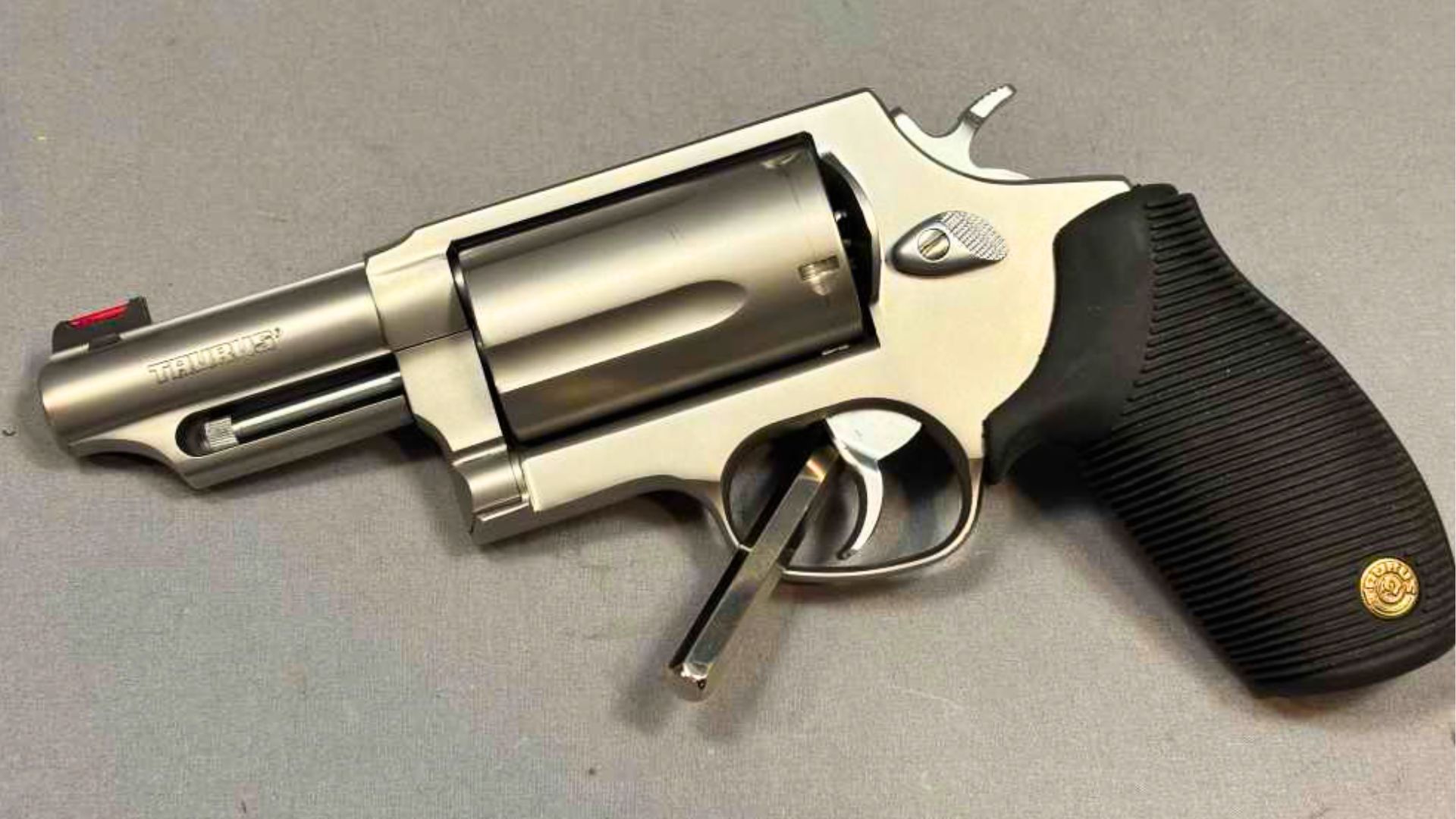
The Judge is a perfect example of a handgun that sells a feeling far better than it sustains one. The first impression is huge. It looks powerful, sounds versatile, and gives the buyer the sense that they are getting something more capable than ordinary handguns. It is the kind of gun people get excited to talk about before they have put enough honest range time into it.
That early excitement tends to do a lot of the heavy lifting. Once people realize how bulky, specialized, and awkward the gun can be in real use, the practical case gets weaker fast. But the Judge holds on because owners do not want to admit they were buying a concept more than a serious long-term solution. They cling to it because the original fantasy still sounds fun.
Beretta Tomcat

The Tomcat wins people over quickly because it looks like a clever answer. The tip-up barrel gives it a neat practical hook, the size is appealing, and the Beretta name adds enough confidence to make the whole package feel more serious than many tiny pistols. For the right buyer, that is enough to create an instant attachment.
The long-term magic does not always survive repeated use. It is chunky for what it is, limited in ways people eventually notice, and often more interesting than satisfying once the novelty wears off. Still, people keep clinging to it because they remain attached to the idea that it is a smart little specialist. The concept keeps the affection alive longer than the real use does.
Ruger LCP original model

The original LCP got a lot of loyalty because it solved a very real problem. It was tiny, easy to hide, and easy to justify as the gun you could always have on you. That first practical impression was powerful enough to earn it a lot of devoted owners, especially among people who wanted simple concealment more than anything else.
The trouble comes later, usually after enough range time. The pistol carries easier than it shoots, and that gap becomes hard to ignore the more honest a person gets about training. But many owners keep clinging to the original LCP because it represented freedom from bigger, heavier handguns. Even after the magic wears off, the memory of that convenience keeps them from letting go completely.
SIG Sauer P238

The P238 charms people almost immediately. It looks good, feels good in the hand, and gives off the impression of being a tiny pistol with more class than the average pocket gun. That appeal is real. It feels like a little gun you can actually be proud of owning instead of merely tolerating.
What keeps people hanging on is that the gun remains lovable even when the practical case starts thinning. The category moved, better small pistols appeared, and many shooters found newer designs easier to justify. But the P238 still has enough style and enough pleasant first-range-session energy to keep owners emotionally invested. They cling to it because it still feels nicer than it may actually make sense to keep carrying.
AMT Backup

The AMT Backup hangs around in people’s safes and memories because it looks like it ought to be tougher and more useful than it really feels. It is compact, stainless, and tied to an older style of defensive carry thinking that still has some pull for owners who lived through it. That identity creates a lot of attachment before the shooting even starts.
The problem is that range time rarely adds much to the romance. The gun can feel harsher, rougher, and less rewarding than the concept promised. Still, people cling to it because it represents a certain kind of old-school carry seriousness. By the time the magic wears off, the identity is often doing more work than the handgun itself.
KelTec PMR-30

The PMR-30 builds excitement fast because the idea is just plain fun. Thirty rounds of .22 Magnum in a lightweight pistol sounds like a great story before it ever has to become a great long-term gun. It looks futuristic, feels unusual, and gives buyers the sense that they bought something creative instead of predictable.
That is exactly why people keep clinging to it later. Even when the real-world experience gets more mixed, they still remember how exciting it felt to own something so different. The pistol keeps surviving on novelty after the practical shine has faded. Buyers stay attached because giving it up would feel like admitting the cool idea mattered more than the lasting performance.
Bersa Thunder 380

The Thunder 380 wins a lot of people early because it seems like such a sensible pick. It is familiar, affordable, easy to understand, and backed by years of people calling it a practical little carry gun. That kind of reputation can create a strong attachment right away, especially for buyers who want something that feels safe and proven.
Long term, the spell can weaken. The weight, the overall feel, and the simple fact that better options exist start becoming harder to ignore with experience. Even then, owners often cling to it because it was their “smart buy,” and nobody likes revisiting a choice they once felt so confident about. The gun keeps getting defended because the original logic still feels emotionally useful.
FN Five-seven

The Five-seven creates a huge first wave of fascination. It looks different, feels different, and carries a kind of high-speed mystique that makes buyers feel like they stepped outside the usual handgun lanes. At first, that is a big part of the appeal. It is not just another pistol. It is the pistol with the story, the cartridge, and the identity.
The long-term case can get shakier once all that identity has to stand next to ordinary use. Cost, role, practicality, and the simple question of how often the gun really earns its place can all start pushing back. Even so, owners cling to it because the Five-seven still feels like an event. When a handgun makes a buyer feel that distinctive, the magic can fade without fully letting go.
Charter Arms Bulldog

The Bulldog hangs on because people love the idea of a compact big-bore revolver. That idea has real emotional weight. It sounds decisive, old-school, and slightly rebellious compared to more conventional carry choices. For a lot of buyers, that first impression is enough to build lasting attachment before the gun even has a chance to prove itself over time.
Later on, the practical compromises become clearer. The shooting experience, the limitations of the platform, and the fact that the gun often works better as an idea than a daily reality can all chip away at the magic. But people cling to the Bulldog because it still represents something bold in their minds. The concept keeps breathing life into the relationship after the spark has cooled.
Desert Eagle

The Desert Eagle may be the ultimate example of a handgun people cling to long after the magic wears off, mostly because the magic starts out so strong. The first impression is enormous. It is big, loud, dramatic, and tied to decades of pop-culture prestige. Buying one feels less like buying a handgun and more like buying a legend.
Then reality settles in. It is heavy, awkward, expensive to feed, and far less practical than the fantasy. But owners keep clinging to it because the gun still makes them feel something very few handguns do. Even after the shooting experience becomes less surprising and the drawbacks become obvious, the Desert Eagle survives on sheer identity. Once a buyer falls for that much mythology, it takes a lot to finally let go.
Like The Avid Outdoorsman’s content? Subscribe to our newsletter so you never miss an article.
Here’s more from us: