Photo credit: Jarhead6/YouTube
Some pistols flatter lazy shooting. They let a guy stand still, shoot slow, and walk away feeling better than he should. Then there are pistols that tell the truth fast. They show you what your grip looks like when it is not locked in, whether you can run a trigger without yanking shots low left, and whether your draw, recoil control, and reloads hold together once the pace goes up. Those are the pistols that separate the people who actually put in reps from the people who mostly talk about it online.
That does not mean these guns are bad. In a lot of cases, it means the opposite. A demanding pistol can be a very good pistol. It just refuses to hide your habits. If your grip is sloppy, your support hand is weak, or your trigger control falls apart once the timer starts, these guns will let you know in a hurry. The shooters who train tend to respect them. The ones who mostly post pictures and repeat catchphrases usually find excuses.
Glock 43

The Glock 43 is one of the quickest ways to find out whether somebody actually works on fundamentals or just likes saying they carry every day. It is small, light, and easy enough to hide, but it does not give you much extra to work with. The grip is short, the gun moves around more under recoil than larger pistols, and mistakes show up fast when a shooter starts pressing for speed. You can shoot it well, but you have to mean it.
A trained shooter usually learns how to get pressure into the gun early, manage the short grip, and keep the sights from bouncing off target between shots. Somebody who mostly lives online will blame the gun, the sights, the trigger, or the size before admitting their grip is weak. The Glock 43 is not cruel. It is just honest. It will absolutely expose the difference between concealed-carry talk and concealed-carry skill.
Smith & Wesson J-Frame 642

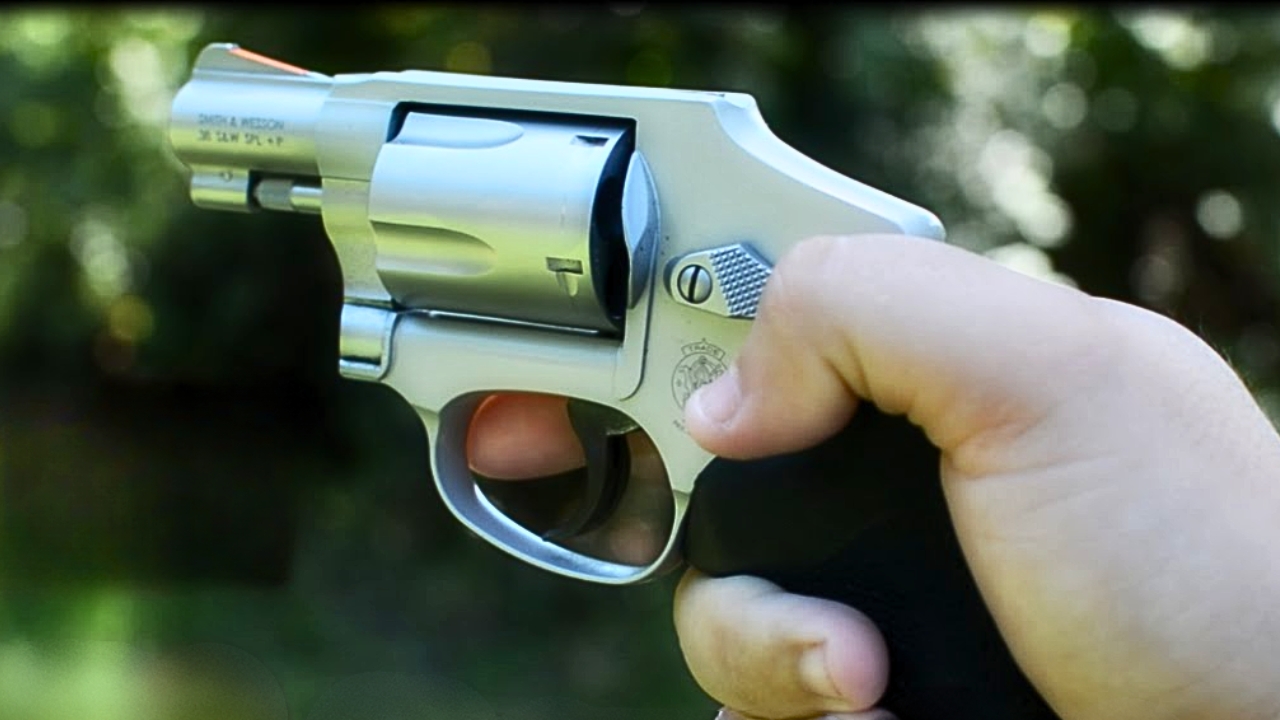
The little J-frame has embarrassed more overconfident shooters than most people want to admit. On paper it looks simple. Five shots, snag-free shape, pocketable size, and a reputation for old-school reliability. Then you actually shoot one hard. The grip is small, the sight picture is minimal, and the double-action trigger does not let you fake clean trigger control. It takes real discipline to run one well, especially past conversational distance.
People who train with J-frames tend to be very serious about what they are doing. They know the reload is slow, the capacity is limited, and every shot matters. That makes practice non-negotiable. The guy who only posts photos of his little snub in a leather pocket holster usually is not the same guy who can keep it together on demand. The 642 makes that gap obvious fast. It does not care about confidence. It cares about control.
SIG Sauer P365

The P365 changed the carry market for good reason, but it also fooled a lot of people into thinking tiny pistols had suddenly become easy pistols. They did not. The P365 gives you impressive capacity in a very compact package, but it still asks a lot from the shooter. The grip is short, the gun can feel lively in recoil, and slapping through strings because it is “just a little carry gun” will get exposed in a hurry.
Shooters who put in real work usually figure out how to build a repeatable grip and run the trigger without overdriving the gun. They learn where the sights lift and how to return them with intent. The social-media crowd often mistakes popularity for automatic shootability. That is where the P365 becomes a truth serum pistol. It is a smart design, but it does not hand out skill. If your fundamentals are shaky, it is going to tell on you.
Springfield Hellcat

The Hellcat has enough capacity and enough reputation to attract a lot of buyers who assume that modern micro-compacts have somehow erased the need for practice. That assumption falls apart once the pace climbs. The gun is absolutely carry-friendly, but it is still a small pistol with a short grip and snappy behavior. The shooter who treats it like a full-size gun without doing the work usually starts throwing shots or slowing way down once recoil starts stacking.
A trained shooter can make the Hellcat look sharp because the gun rewards pressure, consistency, and a clean trigger press. A less serious shooter usually finds himself chasing the dot or front sight and wondering why his groups open up the second he tries to go faster. That is not a flaw in the platform so much as a reality check. The Hellcat exposes whether your carry setup matches your training habits, or just your shopping habits.
Colt Lightweight Commander

A lightweight Commander sounds like a classy carry answer until you remember that lighter 1911s can get a whole lot less forgiving when your technique gets lazy. The shorter sight radius, lighter frame, and single-stack profile can make the gun feel lively enough that loose grip pressure or sloppy recoil control shows up right away. Add the usual 1911 expectations about magazines, maintenance, and shooter discipline, and you have a pistol that does not tolerate fake competence for long.
Shooters who actually train with one tend to respect what it asks of them. They know a clean draw, solid grip, and consistent trigger press matter every single time. The guy who mostly buys the Commander because it looks right in photos often finds out that carrying a classic and running a classic are two different things. A Lightweight Commander can still be excellent, but it absolutely exposes whether the shooter behind it is polished or just nostalgic.
Glock 26

The Glock 26 has always had a funny way of humbling people who assume “small Glock” means “easy mode.” It is reliable, proven, and more shootable than many pocket-size guns, but it still makes you work. That short grip tells the truth about how well you build hand pressure, and the chunky little frame can punish lazy transitions or inconsistent support-hand placement. It is not hard to shoot badly if your fundamentals are mostly theory.
People who really train tend to love the 26 because it can be run extremely well once you understand it. It is compact enough to carry and serious enough to reward good technique. But it does not flatter weak hands, half-formed draws, or internet confidence. Plenty of shooters talk like they can do anything with a baby Glock. Then the timer comes out, the target gets pushed back, and the gun starts separating practiced skill from familiar brand loyalty.
Beretta 92 Compact
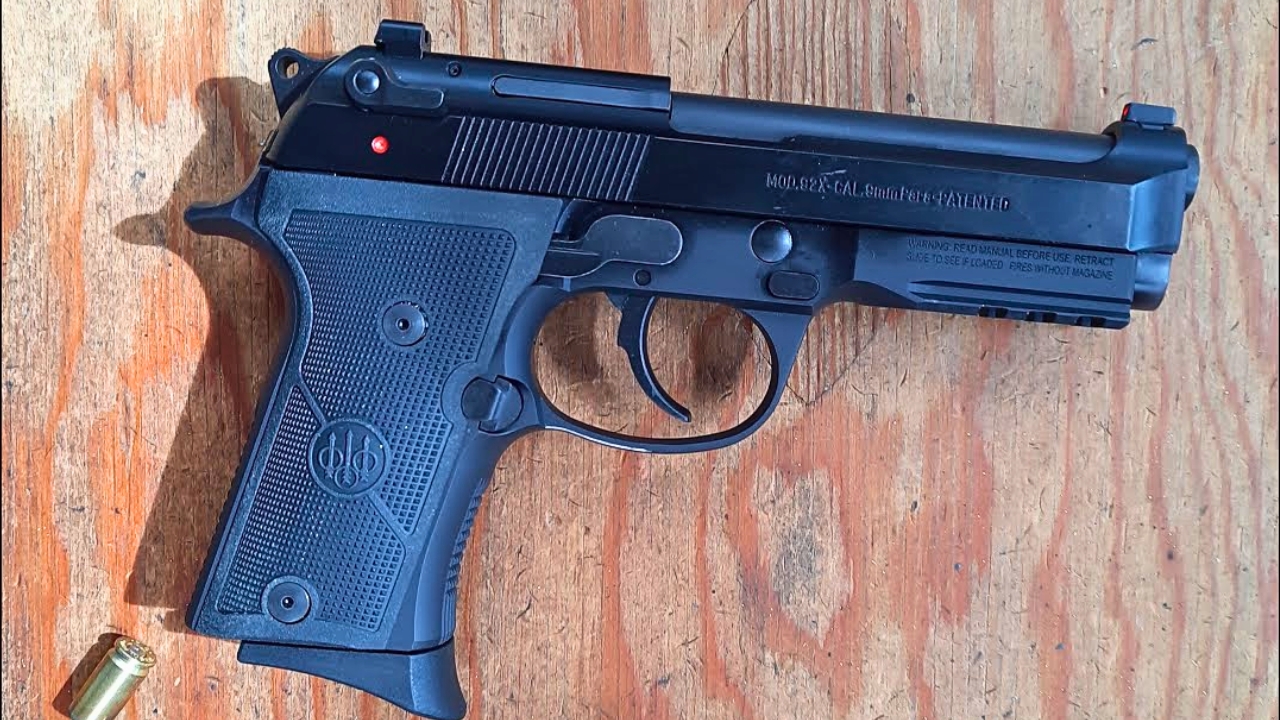
The Beretta 92 Compact brings all the usual strengths and all the usual demands of the larger 92 family into a handier package, and that combination can reveal a lot about the person holding it. The double-action first shot still has to be mastered. The transition to single-action still has to be managed. The slide is still easy to run, but actually pressing through that first shot cleanly under pressure is where a lot of casual shooters start getting honest feedback.
People who really train with DA/SA pistols know how much work it takes to make the first shot and the follow-up shots feel like part of one system. The guy who mainly posts glamour shots of his Beretta usually talks more about heritage and aesthetics than his first-shot standards. The 92 Compact is a beautiful pistol, but it can absolutely expose whether somebody actually knows how to run that operating system or just likes owning one.
Walther PDP F-Series

A lot of people see the PDP F-Series and assume it is automatically easy because the slide is approachable and the ergonomics are friendly. But a shorter, lighter pistol with a quick trigger can expose bad habits in a hurry, especially once speed enters the picture. If your finger work gets sloppy or you outrun your ability to track the gun, the shots start drifting and the excuses start multiplying. Friendly controls do not replace discipline.
A trained shooter usually sees the value right away. The gun can be shot fast and well, but it demands that you stay connected to it. Recoil still has to be managed. Trigger prep still matters. Sight return still matters. People who mostly collect opinions online often confuse “good ergonomics” with “automatic performance.” The PDP F-Series is good enough to reward real work, which also means it is honest enough to punish the shooter who has not done it.
Ruger LCP Max

The LCP Max is one of those pistols that makes no promises about making you look good. It is built around deep concealment, not ego protection. It is small, light, and practical for a very specific role, but that role comes with real limits. The grip is minimal, the gun moves sharply for its size, and the sight picture is not the sort of thing that rescues lazy mechanics. You either know how to work within those limits or you do not.
Shooters who train understand what these pistols are for and what they are not. They do not pretend the LCP Max is a range toy or a stand-in for a duty gun. They practice the draw, the first shot, and realistic standards at realistic distances. The guy who only posts it on a truck console or next to a pocketknife usually is not interested in that part. The LCP Max exposes whether your pocket-pistol choice is grounded in reps or just vibes.
SIG Sauer P938

The P938 draws in a lot of people because it looks sharp, carries small, and gives them that miniature single-action appeal. What it also gives them is a fast lesson in how little room there is for sloppy technique on a tiny metal pistol. The controls are small, the grip is abbreviated, and the gun can be a lot more demanding than people expect if they are used to larger pistols doing more of the work for them.
A shooter who really trains can make the P938 sing because he respects what it is asking for. He does not get careless with thumb placement, recoil control, or safety manipulation. He knows tiny pistols with crisp triggers still require sharp handling. The shooter who mostly posts carry pictures and praises the pistol’s looks often learns that the visual charm does not buy him clean strings. The P938 exposes whether you wanted a serious tool or just a handsome little idea.
CZ P-01
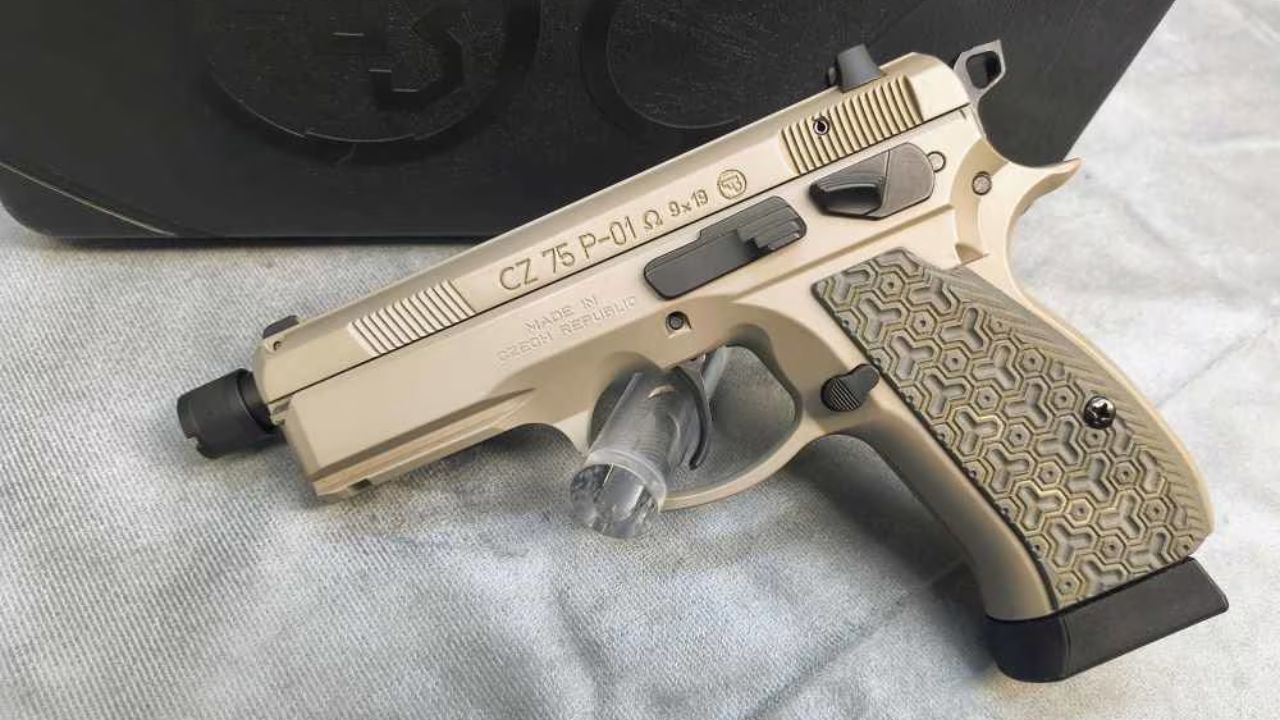
The CZ P-01 is respected for good reason, but it is also one of those pistols that can tell whether the shooter actually understands double-action work or just likes saying he does. The grip shape helps, the pistol points well, and the gun can shoot beautifully, but the first trigger press still matters. If you do not train that long pull and the transition that follows it, the gun will let everybody know exactly where your weak link sits.
Shooters who put in real time with the P-01 often become very confident with it because it rewards deliberate work. It is accurate, compact, and capable. But it does not hide a shooter who neglects the first shot or who starts slapping at the trigger once speed creeps in. The P-01 is not there to flatter anyone. It is there to perform. That makes it a very revealing pistol in a world full of people who talk more about setups than standards.
Glock 34
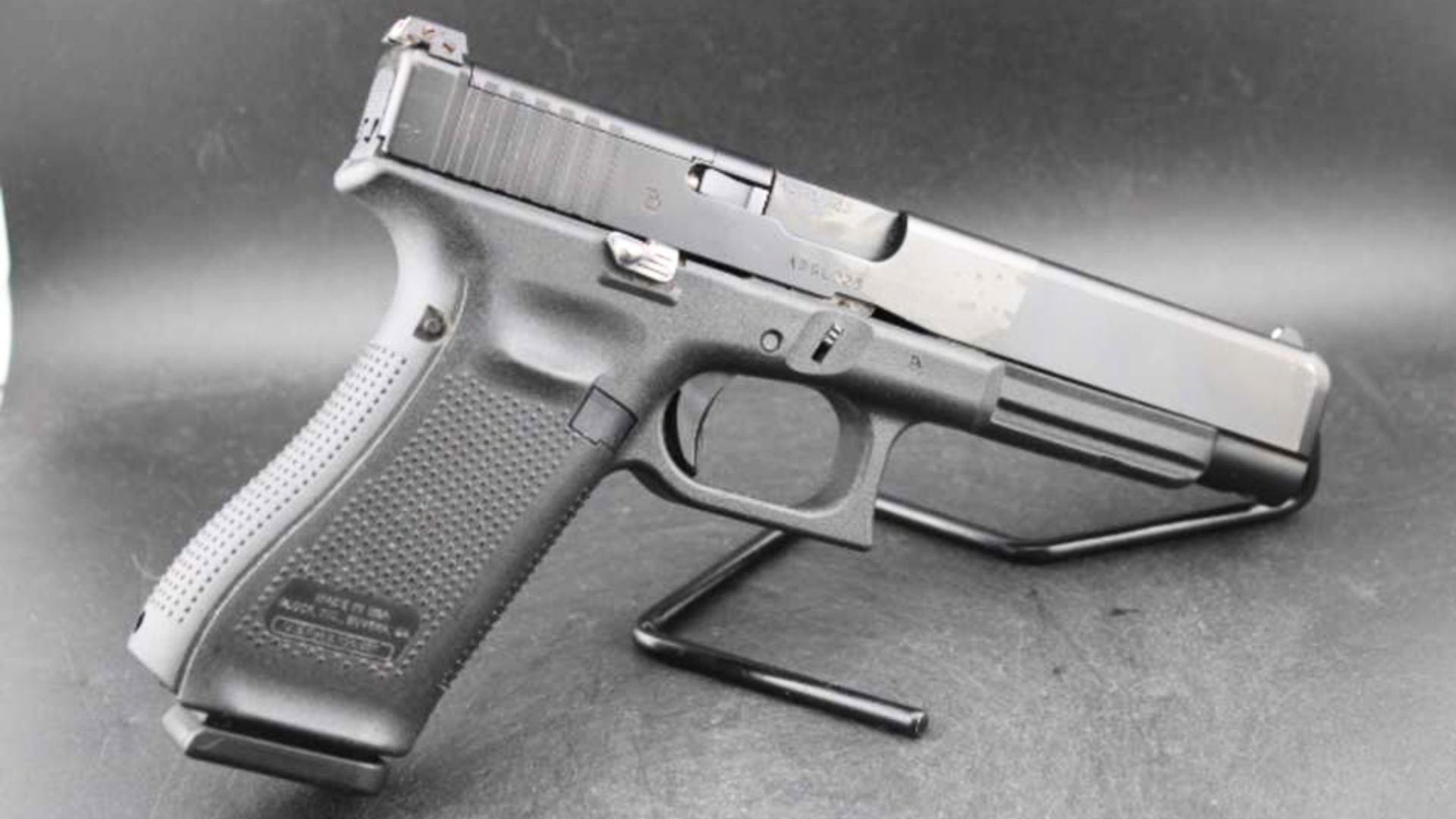
The Glock 34 seems like it should make everybody look better, and in some ways it does. The longer slide, softer feel, and easy tracking can help a trained shooter move fast and clean. But that also makes it revealing in a different way. Because it is such a capable gun, it leaves the shooter with fewer excuses. If you still cannot manage transitions, trigger control, or consistent hits with a Glock 34, the problem probably is not the pistol.
That is why it exposes the guy who posts more than he practices. He buys a competition-leaning pistol, adds a magwell and a dot, and assumes the package itself closes the skill gap. It does not. A good shooter will use the 34 to stretch standards and clean up performance. A weak shooter will turn it into an accessory pile and wonder why the results still look ordinary. The Glock 34 tells the truth by removing a lot of the mechanical alibis.
Smith & Wesson M&P Shield Plus

The Shield Plus is a very smart carry pistol, but smart design does not make it a free pass. It is slim, compact, and easier to live with than a lot of larger guns, yet it still requires real discipline to shoot hard and well. The thinner frame can reveal weak grip pressure. The smaller footprint can expose recoil-control problems the moment the shooter starts pressing for faster pairs or longer strings. It is capable, but it does not coddle you.
People who actually train with carry guns appreciate that honesty. They know the Shield Plus is small enough to carry daily and serious enough to demand consistency. The guy who mostly talks gear online sometimes buys one thinking good reviews equal easy performance. Then he gets on the range and learns that the pistol still expects him to do his part. The Shield Plus is not punishing. It is just direct, and direct pistols have a way of embarrassing pretend expertise.
Staccato C2

The Staccato C2 exposes a different kind of shooter. This is the pistol that reveals who bought performance and who can actually use performance. The gun is fast, refined, and extremely capable, which is exactly why it becomes such a blunt measuring stick. When a pistol gives you that much mechanical help, your missed shots, rough transitions, and bad trigger work become harder to blame on anything else. A lot of people buy one and assume the receipt completed the process.
A shooter who trains will usually get a lot out of the C2 because he can actually access what the pistol offers. He knows how to track the sights, manage cadence, and keep the gun honest instead of just admiring it. The social-media shooter often turns it into a status object with a light, optic, and expensive holster, then posts more than he shoots. The C2 exposes that type fast. It is too good a pistol to hide mediocre work.
Heckler & Koch P30SK
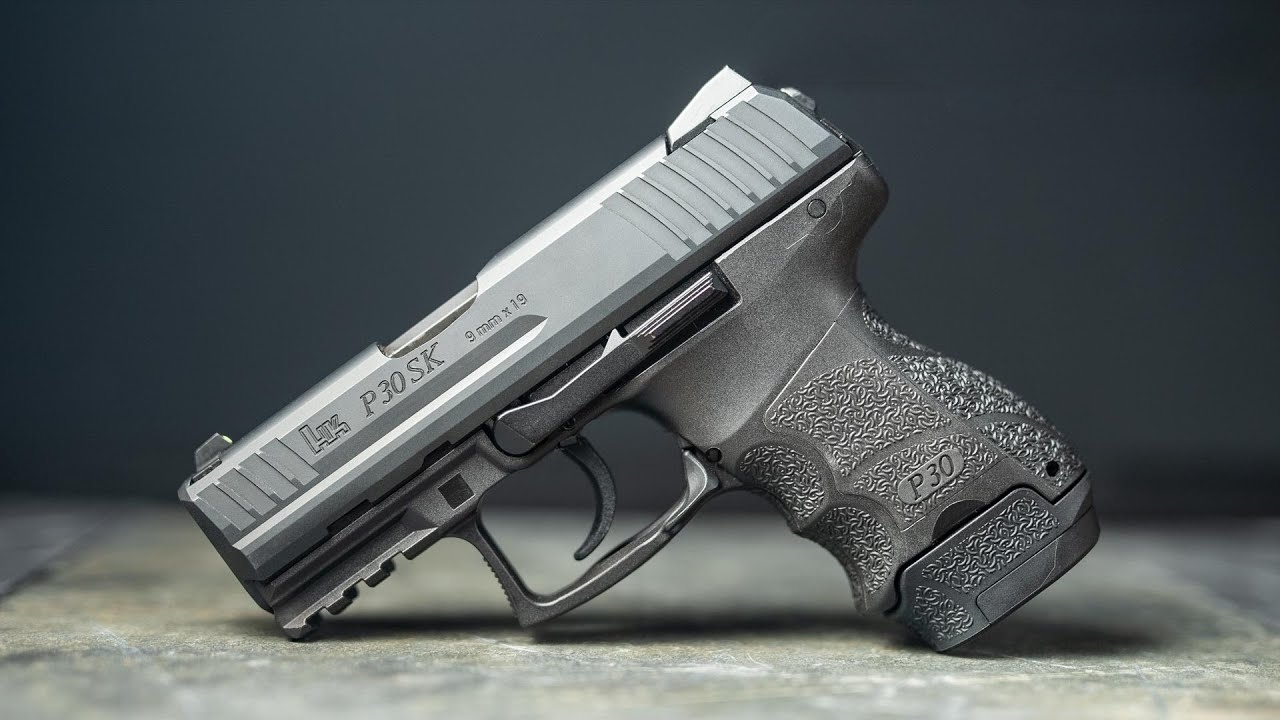
The P30SK is compact, reliable, and very solid, but it also asks for serious trigger discipline if you run it in the traditional DA/SA format. That alone makes it revealing. The first shot can humble people who are used to striker guns doing all the same things the same way every time. The shorter grip and compact frame add another layer. If your fundamentals are not there, the gun starts showing you every weak hand position and every rushed trigger press.
People who really train with pistols like the P30SK tend to be thoughtful shooters. They understand why the first shot matters, how to manage the transition, and how to make a compact gun stay settled through strings. The shooter who mostly posts about “German quality” and leaves it there often has less to show once the target comes out. The P30SK is not flashy, and that is part of its value. It quietly exposes whether you know what you are doing.
Kimber Ultra Carry II
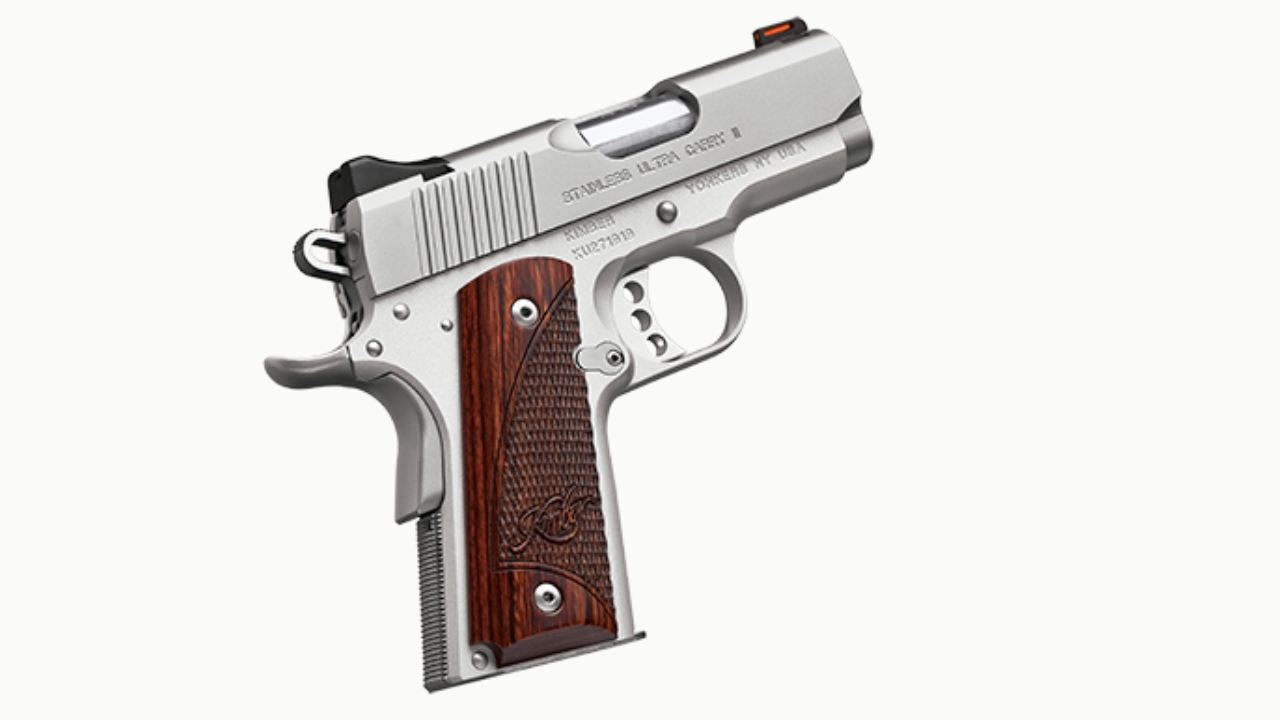
The Kimber Ultra Carry II is a perfect example of a pistol that can expose both the shooter and the buyer. Very short 1911s ask a lot from the entire system, including grip, magazines, ammo choice, recoil control, and shooter discipline. When everything is right, they can feel quick and easy to carry. When things are not right, they have a way of making every weakness in technique and setup more obvious than a larger, more forgiving pistol would.
Shooters who really train generally go into guns like this with open eyes. They know short 1911s are not magic and that small mistakes can stack up fast. The shooter who mostly posts polished photos of a compact 1911 and quotes old sayings about stopping power often learns the hard way that the pistol does not care about image. The Ultra Carry II can be revealing because it punishes shallow commitment. It asks for more than many buyers are prepared to give.
HK USP Compact
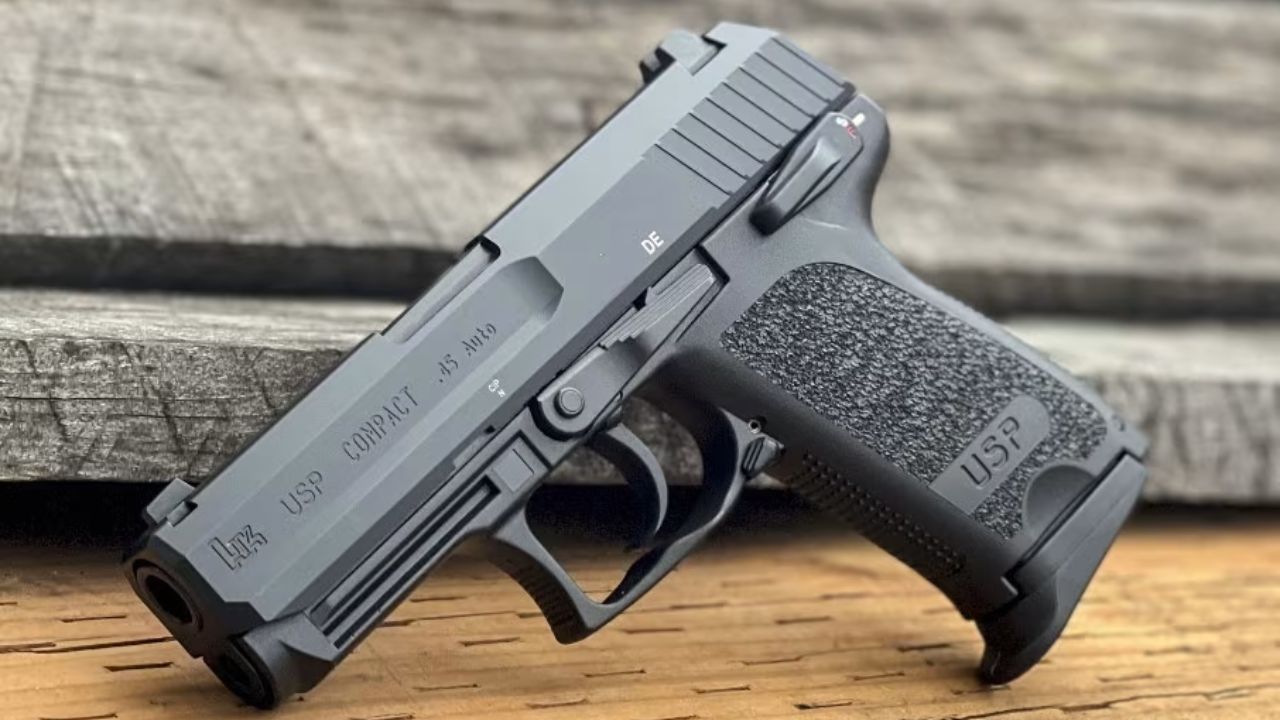
The USP Compact still has a loyal following, and part of that is because it rewards serious handling instead of superficial enthusiasm. It is not a trendy pistol, and it does not hand out easy confidence just because it has a respected name on the slide. Depending on variant, you may be working with a DA/SA trigger, a safety-decocker arrangement, and a gun that wants the shooter to actually understand the manual of arms instead of glossing over it.
That alone exposes a lot of people. The trained shooter appreciates what the USP Compact is and learns how to run it smoothly. He builds reps around the first shot, the controls, and the way the gun cycles under pressure. The poster tends to focus on the reputation and act like that does the heavy lifting. It does not. The USP Compact has always been a pistol for people who value function over posing, and it still has a way of revealing who belongs in which camp.
Like The Avid Outdoorsman’s content? Subscribe to our newsletter so you never miss an article.
Here’s more from us: