
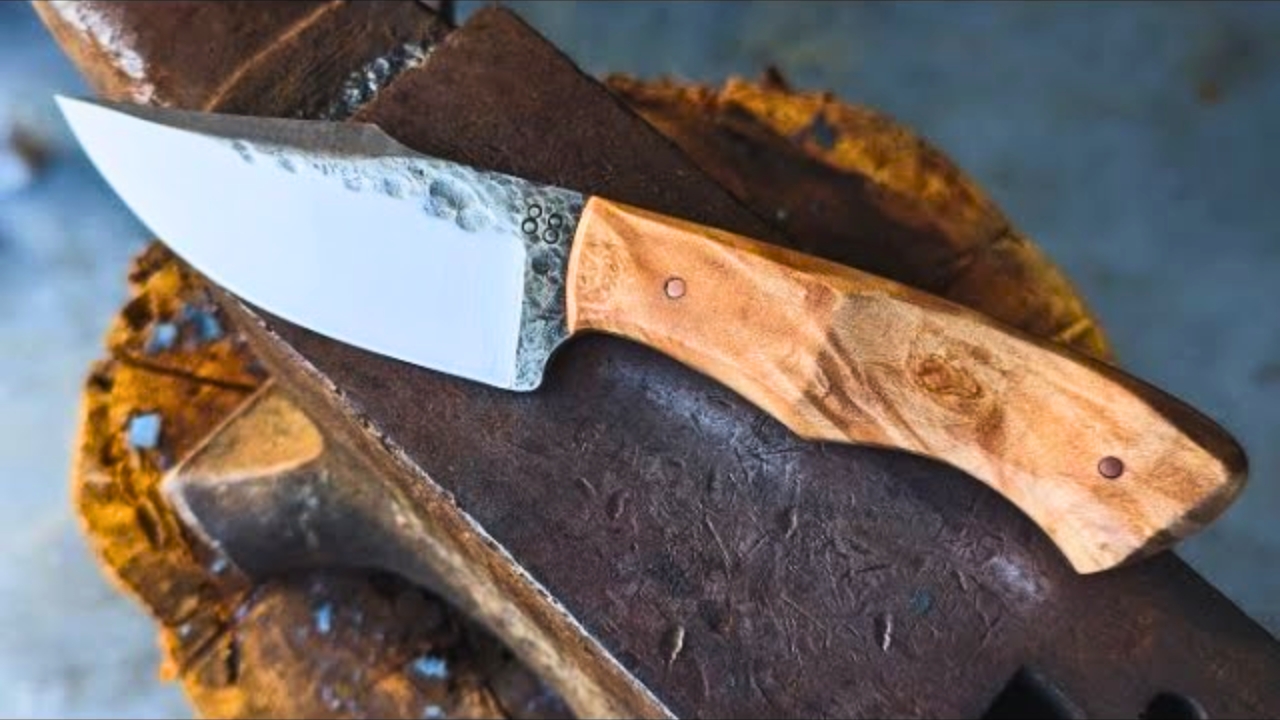
Photo credit: Wengels Workshop/YouTube
Hunters can be picky about their gear—but when a knife works, it stays in rotation for years. These aren’t trendy blades or flashy collector’s pieces. These are the tried-and-true designs that keep showing up in the field because they just get the job done. From gutting and skinning to breaking down big game, these knives have earned their keep through real use. If you’re looking for something dependable, these classic styles are where most hunters eventually land.
Drop Point

The drop point is probably the most common hunting blade shape—and for good reason. It gives you a nice, controllable tip without being too thin or fragile. That makes it great for skinning and field dressing without accidentally poking through organs.
Hunters like drop points because they’re easy to sharpen and work well on a wide range of game. Whether you’re working on deer, elk, or hogs, a drop point blade handles the messy work with precision and strength.
Clip Point
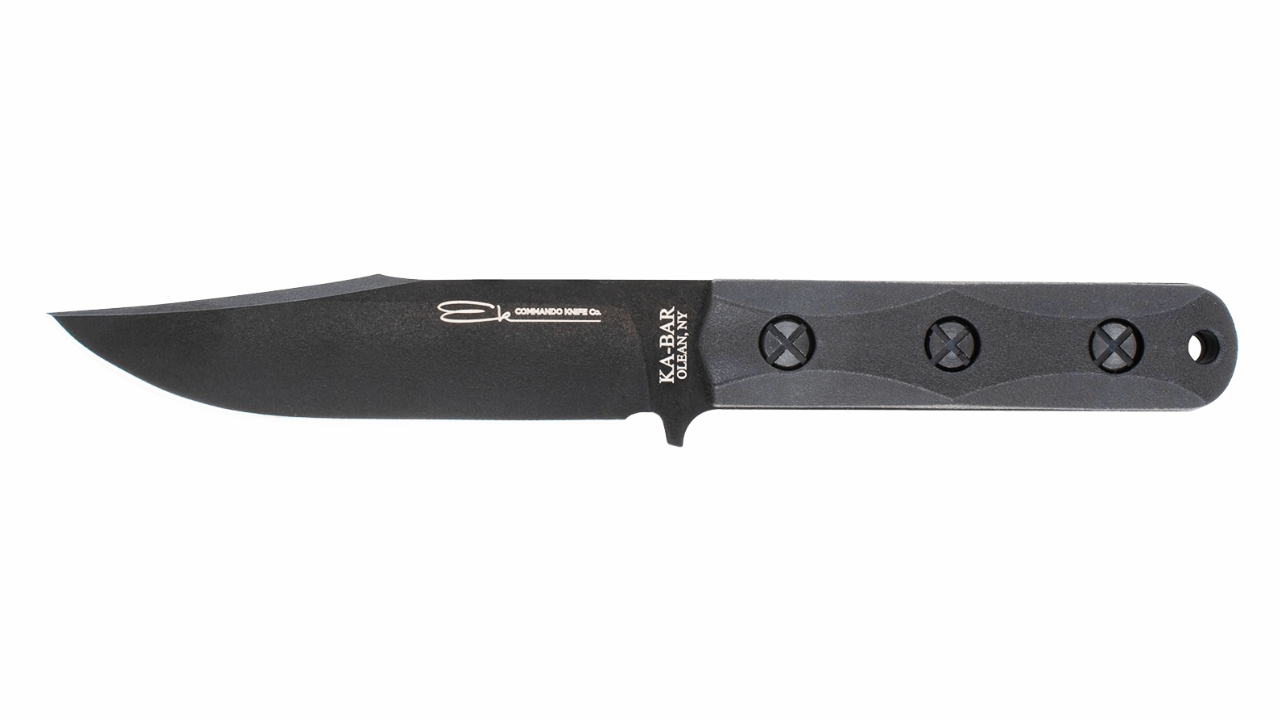
Clip points have a more pronounced tip, which gives them excellent piercing ability. Some hunters prefer this for tasks like starting a cut or unzipping a hide. They’re also great for more detailed work when you need a finer point.
They’re not quite as forgiving as drop points when it comes to gutting, but many hunters still favor them. Knives like the classic Bowie fall into this category, and they’ve been trusted in the field for over a century.
Gut Hook

A gut hook might not be a primary blade shape, but it’s a design hunters keep coming back to. The small sharpened hook makes opening an animal’s abdomen clean and simple, reducing the risk of a messy rupture.
Many fixed blades and folders include a gut hook option for that exact reason. It’s not for everything, but when you need it, there’s really no substitute. It saves time and keeps your hands a little cleaner—always a plus in the field.
Skinner
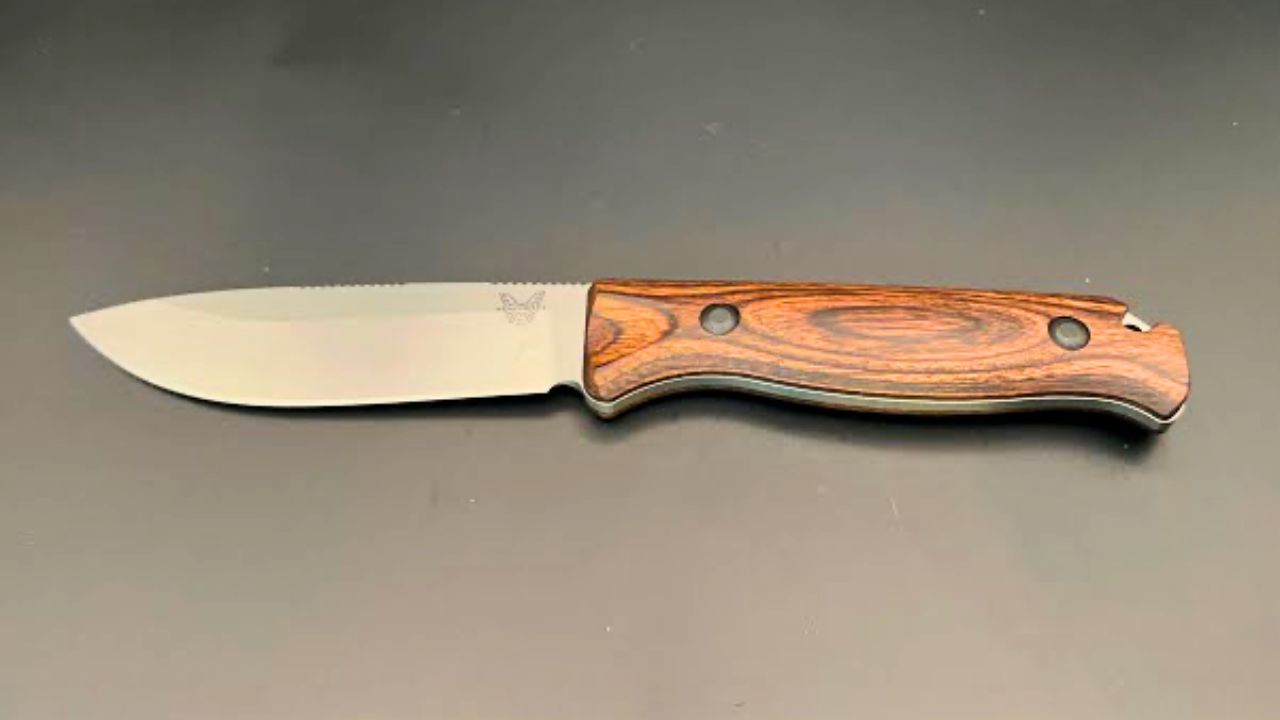
The skinner blade is built with one job in mind—removing hide. Its wide, curved edge is perfect for long sweeping cuts, helping you cleanly skin without cutting into muscle or meat.
This shape doesn’t do as well with piercing or small detail work, but when it comes time to peel back a hide, hunters love it. The design hasn’t changed much over the years, and that says a lot about how well it works.
Spear Point
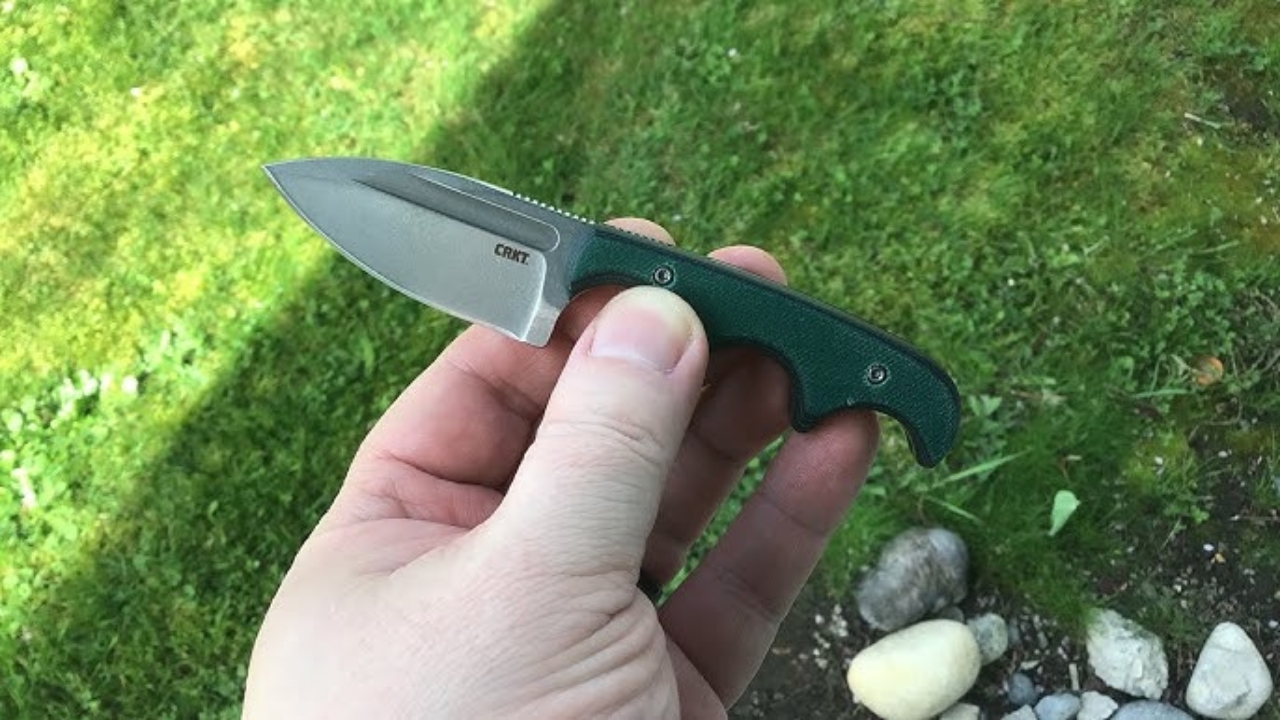
Spear points aren’t quite as common as drop or clip points in hunting circles, but they still have a loyal following. The symmetrical shape makes them strong and easy to control, especially when it comes to initial penetration.
Some hunters prefer spear points for caping or when working on smaller game. They’re also favored in some survival-style hunting knives because of their balanced tip strength and versatility.
Nessmuk
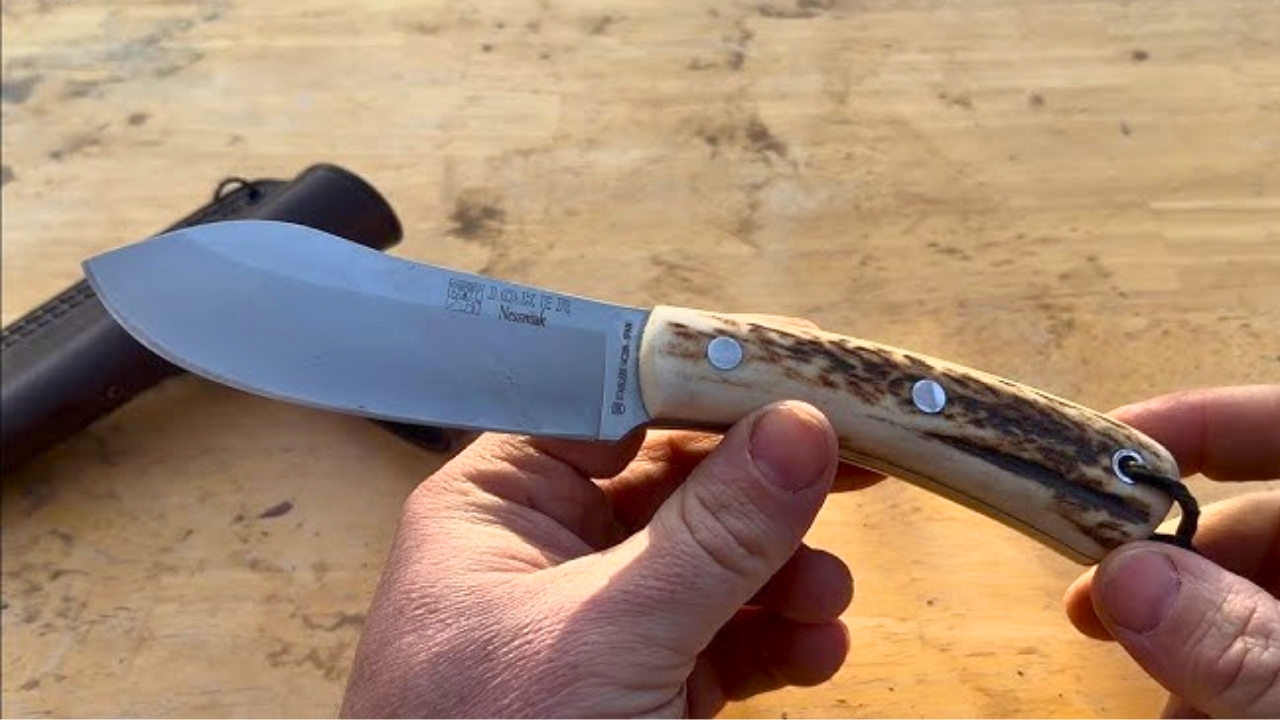
Named after outdoorsman George Washington Sears, the Nessmuk design features a sweeping curve and a thin, flat grind that’s excellent for slicing. It’s not your standard field dressing knife, but plenty of hunters keep one around.
This style shines when you’re processing meat or doing fine skinning work. It’s also handy around camp for food prep and general use. Old-school? Maybe. But it still earns its keep season after season.
Scandinavian Grind
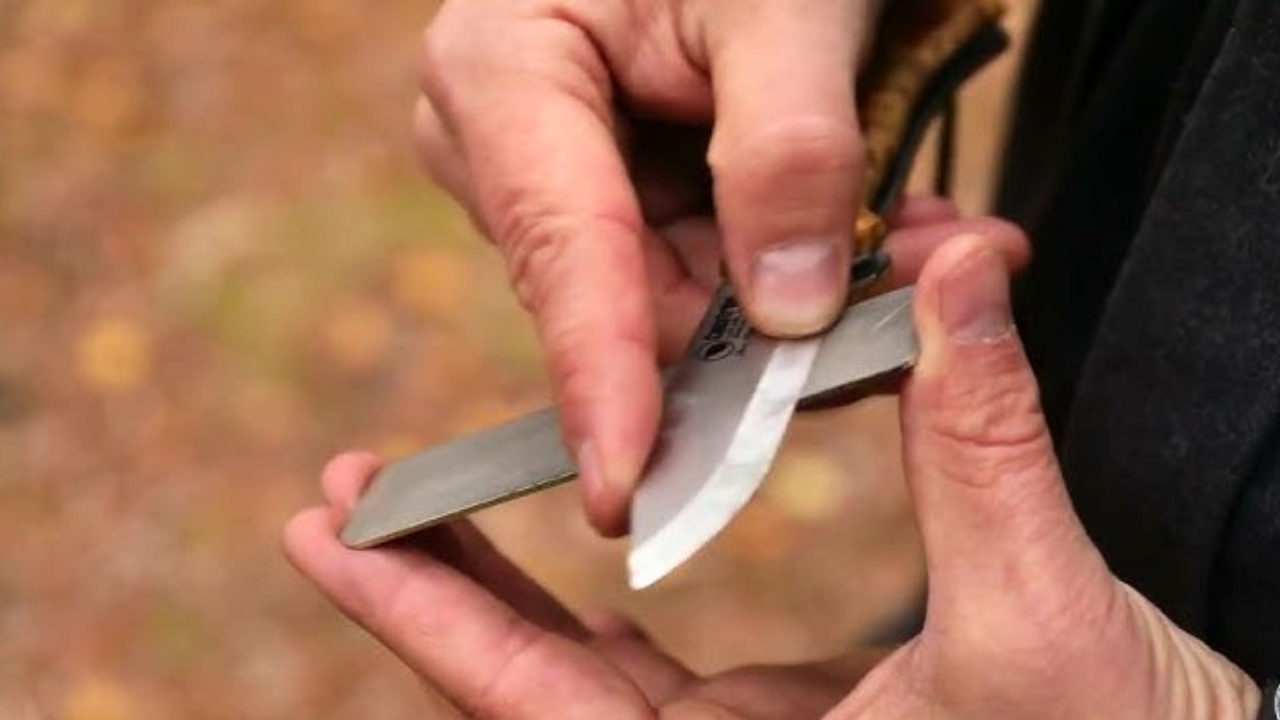
Technically a grind style, not a blade shape—but it’s worth including. Scandi grinds have a single, wide bevel and no secondary edge, making them easy to sharpen and great for woodwork and general camp use.
Hunters who spend days in the backcountry like them because they’re simple to maintain and cut cleanly through meat, cordage, and even bone when needed. They’re common on bushcraft knives, many of which end up in hunting packs.
Caping Blade
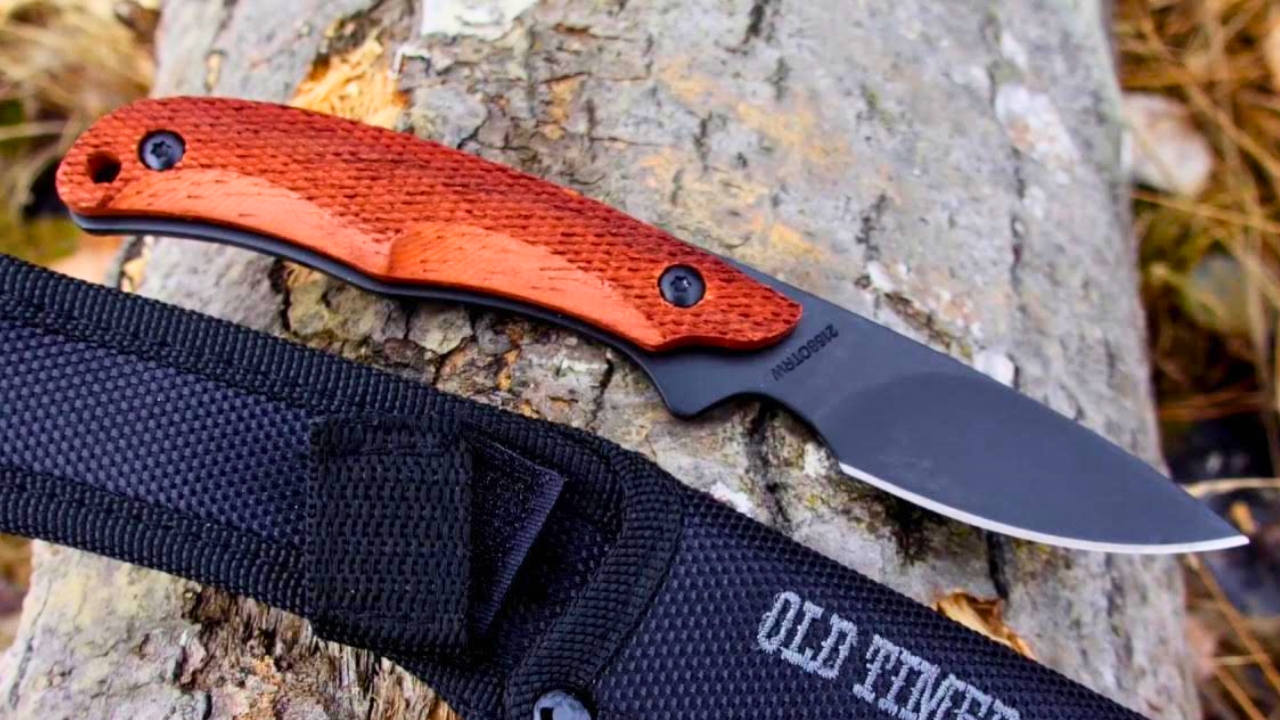
Caping blades are small, precise, and made for delicate work. When you’re trying to preserve the face, antlers, or hide for a mount, these blades give you the control you need.
Most hunters don’t use a caping blade for general field dressing, but they almost always keep one in the kit. When it’s time to work around eyes, ears, and tight spots, nothing else does it better.
Bowie Knife

Big, heavy, and not exactly subtle—Bowie knives still have their fans among hunters. While they’re not ideal for skinning or caping, their size makes them useful for camp chores and splitting pelvic bones.
The long clip point blade gives it decent cutting ability in the field, and some hunters just like having a big knife on hand. It’s not everyone’s first choice, but for those who carry one, it becomes a dependable tool.
Modified Drop Point
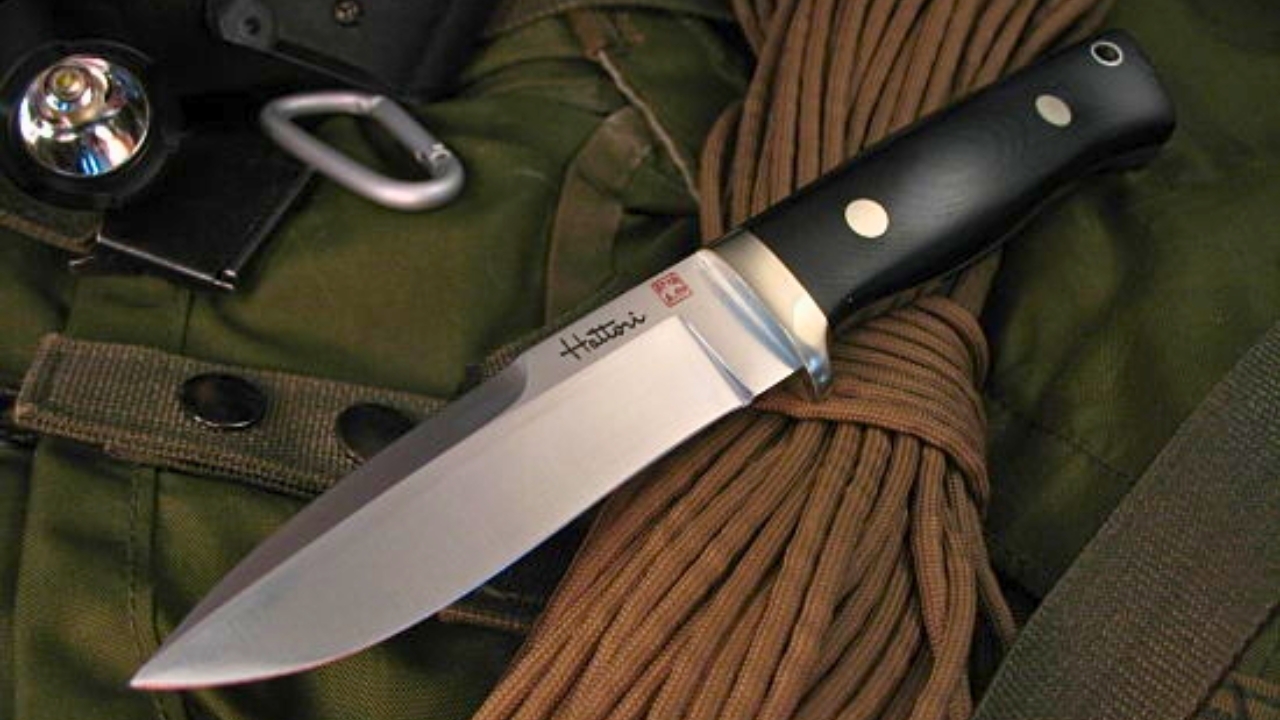
Some knife makers tweak the classic drop point design with slight changes to the belly or spine to improve performance. These modified versions still have the control of a drop point but offer more versatility.
Hunters who do more than just field dress often like these hybrid shapes. They can slice meat, skin game, and still serve around camp. It’s proof that you don’t have to reinvent the wheel—just smooth it out a little.
*This article was developed with AI-powered tools and has been carefully reviewed by our editors.


