Photo credit: Body Stock/Shutterstock.com
We’ve all walked away from the water wondering what went wrong. You felt the bite, set the hook, and somehow still came up empty. A lot of the time, it’s not bad luck—it’s small mistakes that keep piling up. Whether you’re bank fishing, casting from a kayak, or running a bass boat, certain habits can make or break your success. If you’re tired of losing fish you should be landing, these are the 10 slip-ups that might be sabotaging your catch.
Using Dull Hooks

You’d be surprised how many fish slip off simply because the hook point isn’t sharp. If it doesn’t dig in quick, you’re giving that fish a free pass. A lot of folks use hooks straight out of the box without ever checking them.
Keep a hook file or swap in fresh hooks more often. Especially if you’re bouncing lures off rocks or fishing heavy cover, those tips wear out faster than you think. One quick check could be the difference between landing a giant or watching it spit your bait.
Waiting Too Long to Set the Hook

It feels smart to give the fish a second to really “take it,” but that hesitation can cost you. Especially with moving baits like spinnerbaits or chatterbaits, waiting even a second too long can let them spit the hook.
Instead, set the hook the second you feel that weight or tick. If you’re fishing soft plastics, timing matters even more. Get in the habit of reacting quickly and confidently—it’ll stick more fish than second-guessing ever will.
Fishing the Wrong Depth

You could have the perfect lure, perfect color, and still be out of the strike zone. Fish are picky about depth, especially during hot weather or when they’re suspended mid-column.
If you’re not getting bites, try working shallower or deeper before switching lures. Pay attention to where strikes are happening, and use sonar if you’ve got it. Most of the time, it’s not that the fish aren’t biting—it’s that you’re not putting it where they are.
Ignoring Water Temperature

Temperature plays a bigger role than most anglers realize. When the water gets too hot or too cold, fish change their behavior. If you’re still throwing summer tactics in the fall, you’ll come up short.
Use a cheap thermometer if you have to. It’ll tell you when to slow down your presentation or switch to finesse tactics. Even a five-degree shift can mean the difference between an active bite and a totally dead day.
Fishing Too Fast

Sometimes we get impatient and start burning lures across the surface like we’re in a race. That can work for reaction bites, but most of the time, you’re missing fish that need a slower approach.
Crankbaits, jigs, soft plastics—many of them are more effective when crawled or paused. Give the fish time to notice and commit. Slowing down might feel boring, but it can double your hookups when the bite gets tough.
Not Retying After Snags

You finally get loose after dragging a lure through brush or over rocks—but you keep casting without checking your knot or line. That’s a recipe for heartbreak when the next fish breaks off five seconds into the fight.
Always check for frays, weak spots, or bent hooks. Re-tying your knot after a rough snag takes less than a minute and saves you from losing that one fish you’ve been waiting on all day.
Using the Wrong Line for the Job

Too heavy and fish get spooked. Too light and you’ll snap off on a hookset. Not all line is created equal, and using the wrong one can tank your success.
For clear water, lighter fluorocarbon gets more bites. In thick cover, go heavier with braid. Match the line to the situation instead of sticking with a one-size-fits-all setup. A little adjustment here makes a huge difference in both bite count and landing ratio.
Overlooking Wind Direction

Wind can either help you or completely mess with your presentation. If it’s pushing baitfish into a pocket or cove, fish will follow. If it’s blowing you across the lake, you’ll miss those key casts.
Use the wind to your advantage. Cast into it when fishing reaction baits, or set up drifts that bring your lure naturally past holding spots. Ignoring the wind usually means you’re working harder than you need to.
Throwing the Same Lure All Day

It’s easy to get stuck throwing your confidence bait all day, especially if it caught a few in the past. But fish aren’t always in the mood for the same thing every trip.
Pay attention to what they’re actually reacting to. If you’re getting short strikes or followers, try a different color, size, or vibration. Changing up your lure can wake up a bite that seemed nonexistent just ten minutes earlier.
Not Paying Attention to the Rod

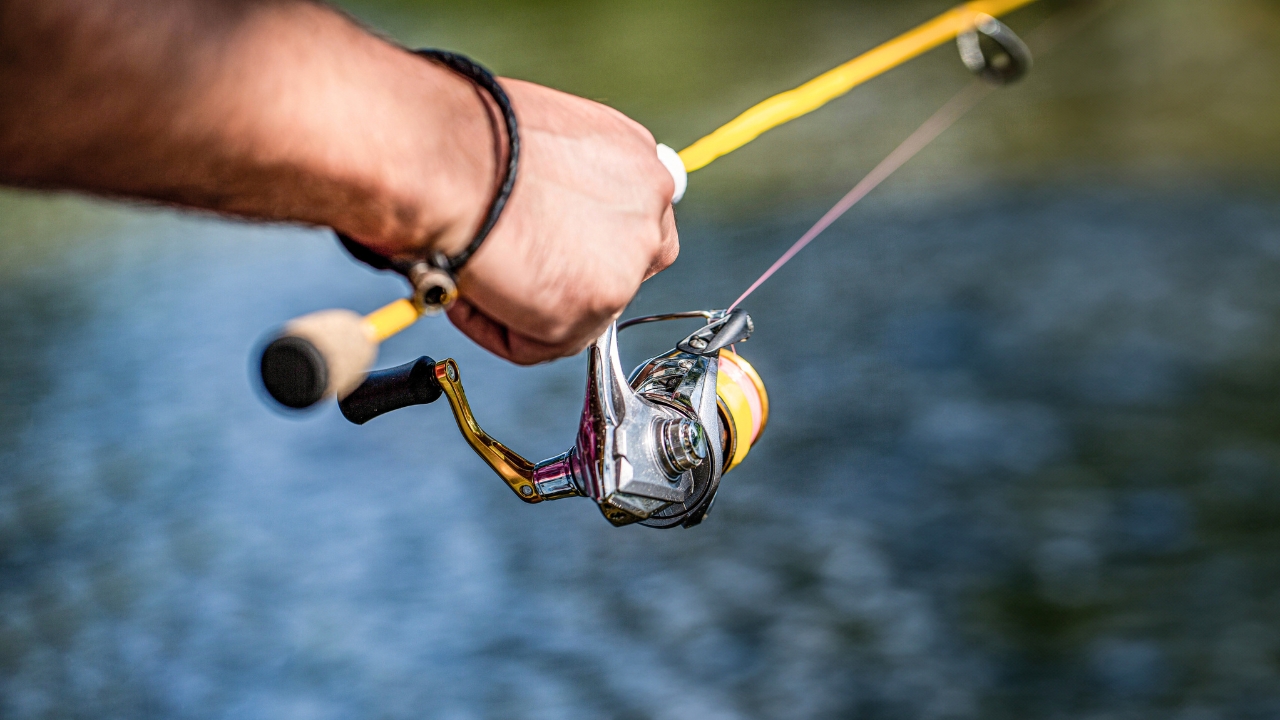
Your rod isn’t just a stick to toss baits—it tells you everything that’s happening underwater. If you’re not watching your line and feeling for subtle taps or changes in pressure, you’ll miss half your opportunities.
Keep your hand on the blank, not just the grip. Stay dialed in during your retrieve. Learning to read your rod’s feedback will make you faster on the hookset and way more effective overall.
*This article was developed with AI-powered tools and has been carefully reviewed by our editors.