Photo credit: Ricardo Gomez Angel/Unsplash
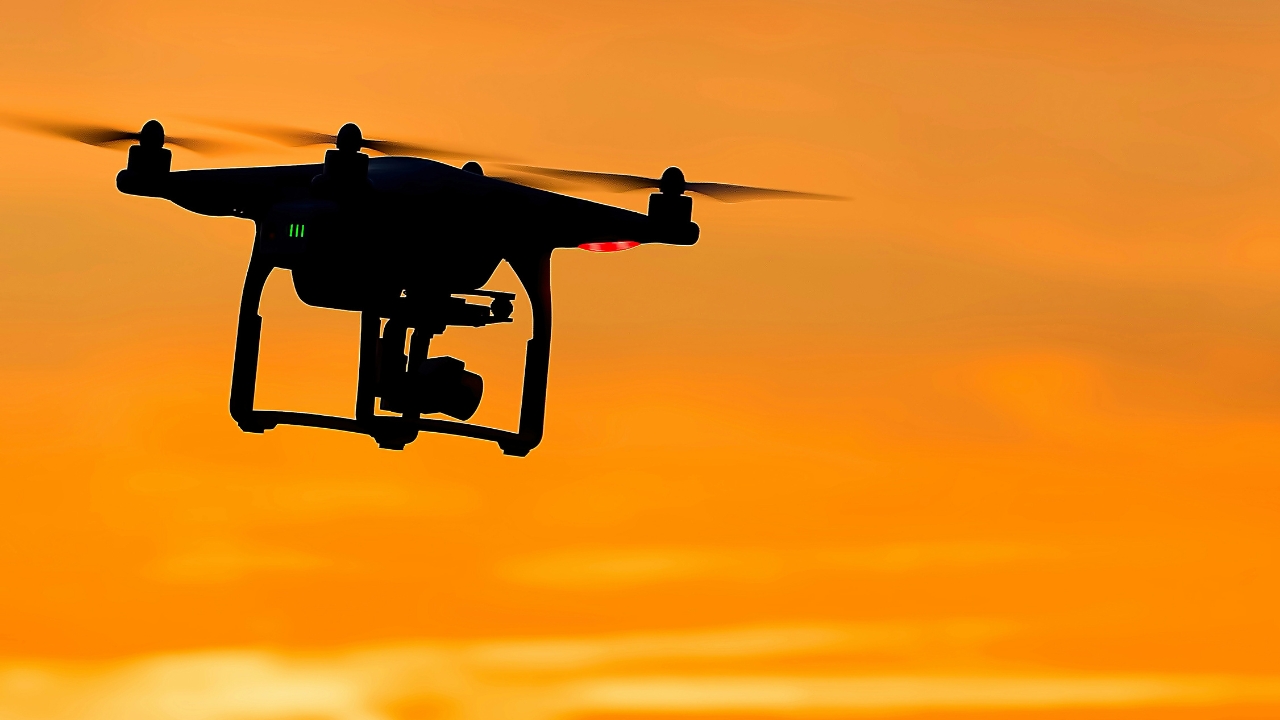
Illinois deer hunters are entering a season where the line between fair chase and high tech is no longer just an ethical debate, it is written into law. If you fly a drone anywhere near your hunt, you are stepping into a legal minefield that can cost you your license, your gear, and your reputation as a responsible sportsman. Understanding exactly where that legal line sits is now as important as sighting in your rifle.
State regulators have moved quickly to keep unmanned aircraft and other emerging tools from reshaping how you pursue whitetails. The rules are not intuitive, and some long‑standing habits, like using a drone to look for a wounded buck, are now treated the same as using one to drive deer toward your stand. If you hunt in Illinois, you need to know what is banned, what is being debated, and how to keep your season on the right side of the law.
Why Illinois is drawing a hard line on drones in the deer woods
When you hunt deer in Illinois, you are operating in a state that treats wildlife as a public resource and expects you to follow a clear code of fair chase. That expectation is backed by a dense web of statutes and regulations that apply statewide, from the farm country of the central counties to the river corridors and suburbs that define much of Illinois. Drones cut across that framework because they give you an aerial advantage that wildlife managers see as fundamentally changing how deer are located, pressured, and harvested.
Officials with the Illinois Department of Natural Resources, often shortened to IDNR, have been explicit that they view unmanned aircraft as a threat to both herd management and the social license that hunting depends on. In public reminders about technology in the field, IDNR has warned that using drones to find or move animals undermines the sporting element that keeps nonhunters comfortable with deer seasons in the first place, and that is why the agency has backed strict limits in the state’s Wildlife Code and related rules posted through its news site.
What IDNR says you absolutely cannot do with a drone
If you bring a drone into deer season, IDNR’s position is blunt: you cannot use it to help you hunt, period. In a recent warning, officials with the Illinois Department of Natural Resources stated that the use of unmanned aircraft for hunting is prohibited and that this ban covers both active pursuit and support activities that give you an edge. That message was bundled with similar cautions about e‑bikes and artificial intelligence, with IDNR stressing that all three tools are off limits when they are used to locate, chase, or assist in taking wildlife, and that violations can lead to your equipment being seized and potentially forfeited according to a detailed warning.
That prohibition does not stop at the moment you pull the trigger. IDNR has also reminded hunters that you cannot legally deploy a drone to recover wildlife after the shot, even if your only goal is to find a downed deer more quickly. In guidance aimed at firearm and archery hunters, the department has said that using unmanned aircraft to recover game still counts as using technology to aid in taking wildlife, and that hunters are advised to review the relevant section of the Wildlife Code, cited as 520 ILCS 5/1.2o, before they head into the field, a point reinforced in a reminder about technology use.
How technology reminders are reshaping your pre‑season checklist
As you prepare for the second firearm deer season or a late archery hunt, IDNR now expects you to think about your gear list in legal as well as practical terms. In a notice framed around the ongoing hunting season, the agency emphasized that the use of unmanned aircraft to assist with hunting is unlawful and that it undermines the traditional skills that define deer hunting in the state. That reminder was delivered alongside cautions about other modern tools, signaling that drones are now grouped with a broader category of technology that can quickly push you outside the bounds of acceptable conduct if you are not paying attention, a theme highlighted when IDNR reminds hunters of technology rules.
In SPRINGFIELD, IDNR has gone so far as to issue a formal notice that it “reminds hunters to be mindful of technology use in the field,” spelling out that drones, e‑bikes, and artificial intelligence tools are all subject to restrictions when they intersect with hunting. That document, dated in Nov and circulated statewide, urges you to review the Wildlife Code before the season and to recognize that even seemingly harmless uses, like scouting from the air the night before a hunt, can be interpreted as using technology to aid in taking wildlife, as laid out in the SPRINGFIELD guidance.
The official rulebook: where the Wildlife Code and IDNR policy meet
Behind every field reminder sits the legal backbone that actually governs what you can and cannot do. In Illinois, that backbone is the Wildlife Code, which spells out definitions, prohibited acts, and penalties that apply to deer hunting and other pursuits. IDNR’s public messaging about drones is not free‑floating advice, it is rooted in specific sections of that code that define “taking” wildlife broadly enough to include using unmanned aircraft to locate, flush, or recover animals, and those sections are referenced directly in the department’s Press Release that notes IDNR reminds hunters to be mindful of technology use in the field.
Lawmakers are also revisiting how drones fit into the statutory framework. A measure identified as IL HB1462 in the Introduced Session would amend the Wildlife Code to permit the use of unmanned aircraft, described as UAVs or drones, for certain purposes related to wildlife. The bill text specifies that it would take effect on July 1, 2025, if enacted, which means you need to track not only current IDNR policy but also potential legislative changes that could adjust what is allowed in future seasons, a development summarized in the Wildlife Code amendment proposal.
How Illinois drone law treats hunters differently from hobby pilots
Even if you fly drones recreationally, the rules change the moment your flight touches a hunt. Illinois has statewide drone regulations that apply to all operators, including provisions that address privacy, interference with emergency response, and operations over certain facilities. Within that broader framework, specific language targets the use of unmanned aircraft to harass or pursue wildlife, and House Bill language cited in statewide summaries notes that state law prohibits the use of drones in a manner that is intended to aid in fishing or hunting wildlife, a restriction highlighted in overviews of Illinois State Drone Laws These that reference the relevant House Bill and explain that it prohibits the use of drones to assist in taking wildlife.
For you as a deer hunter, that means a flight that would be perfectly legal on a random summer afternoon can become a violation if it is tied to your time in the stand. Using a quadcopter to film fall foliage is one thing, but using the same aircraft to check whether deer are feeding in a particular field before you walk in can be interpreted as using a drone to aid in hunting. The law does not require you to be carrying a weapon at the time of the flight, only that the drone use is connected to the act of taking wildlife, so the safest course is to keep your hunting and your drone hobby completely separate whenever deer seasons are open.
Ethics, “sporting element,” and why officials say drones cross the line
Beyond the black‑letter law, state officials are making an ethical argument that you cannot ignore. In public comments about technology in the field, they have said that using drones to locate or push game “undermines ethical standards” and removes the sporting element that defines fair chase. One report quoted Michael Muir describing how state officials ban residents from using controversial hunting technology in favor of maintaining that sporting element, warning that when you rely on machines to do the hard work of finding animals, you are no longer matching your skills against the deer on anything like equal terms, a concern laid out in coverage that noted the practice undermines ethical standards.
That ethical framing matters because it shapes how conservation officers interpret gray areas. If you are stopped in the field and your drone use looks like an attempt to tilt the odds too far in your favor, you should expect little sympathy. The more you can show that you respect the spirit of fair chase, by relying on scouting, woodsmanship, and patience rather than aerial surveillance, the less likely you are to run afoul of both the law and the unwritten expectations that come with hunting in a state that takes its deer resource seriously.
What IDNR’s latest warnings mean for your gear, license, and record
When IDNR talks about drones, it is not just issuing gentle reminders, it is signaling that real penalties are on the table. In a notice framed around the current hunting season, the department stated that the use of drones for hunting is unlawful in Illinois and that violators risk having their equipment seized and potentially forfeited. That language is not limited to the aircraft itself, it can extend to other gear associated with the violation, and it sits alongside warnings that e‑bikes and artificial intelligence tools used to gain an advantage in the field can trigger similar consequences, as spelled out when IDNR described itself as Prohibiting The Use Of Drones For Hunting Purposes.
On top of losing expensive hardware, you face the prospect of citations that can affect your ability to buy tags in future seasons. Violations of the Wildlife Code tied to illegal methods of taking wildlife can lead to fines, license suspensions, and in some cases criminal records that follow you beyond the deer woods. When you weigh those risks against the marginal benefit of a few minutes of aerial footage, the calculation is straightforward: keeping your drone in its case during deer season is the only rational choice if you want to protect your gear, your license, and your standing as a law‑abiding hunter.
How to stay legal and still hunt smart in a high‑tech era
Staying on the right side of the law does not mean you have to ignore every modern tool, it means you need to separate legal aids from prohibited shortcuts. You can still use mapping apps, trail cameras that comply with state rules, and traditional scouting to pattern deer movement without ever spinning up a propeller. Before each season, make it a habit to check IDNR’s official updates, which are posted through its IDNR news page, and to read any technology‑focused reminders so you know whether new tools, from AI‑driven mapping software to upgraded e‑bikes, have been added to the list of concerns.
In practical terms, you should treat drones as off limits for any activity that touches your hunt, including pre‑season aerial scouting of bedding areas, same‑day flights over food plots, or post‑shot searches for a wounded buck. If you want aerial imagery, rely on satellite layers in apps like onX or HuntStand that do not involve real‑time flights. If you are tempted to push the boundary, ask yourself whether a conservation officer, standing in front of a judge, would see your drone use as aiding in the taking of wildlife. If the honest answer is yes or even maybe, leave the aircraft at home and let your skills, not your rotors, carry your deer season.
Like The Avid Outdoorsman’s content? Be sure to follow us.
Here’s more from us: