Photo credit: Mountains Hunter/Shutterstock.com
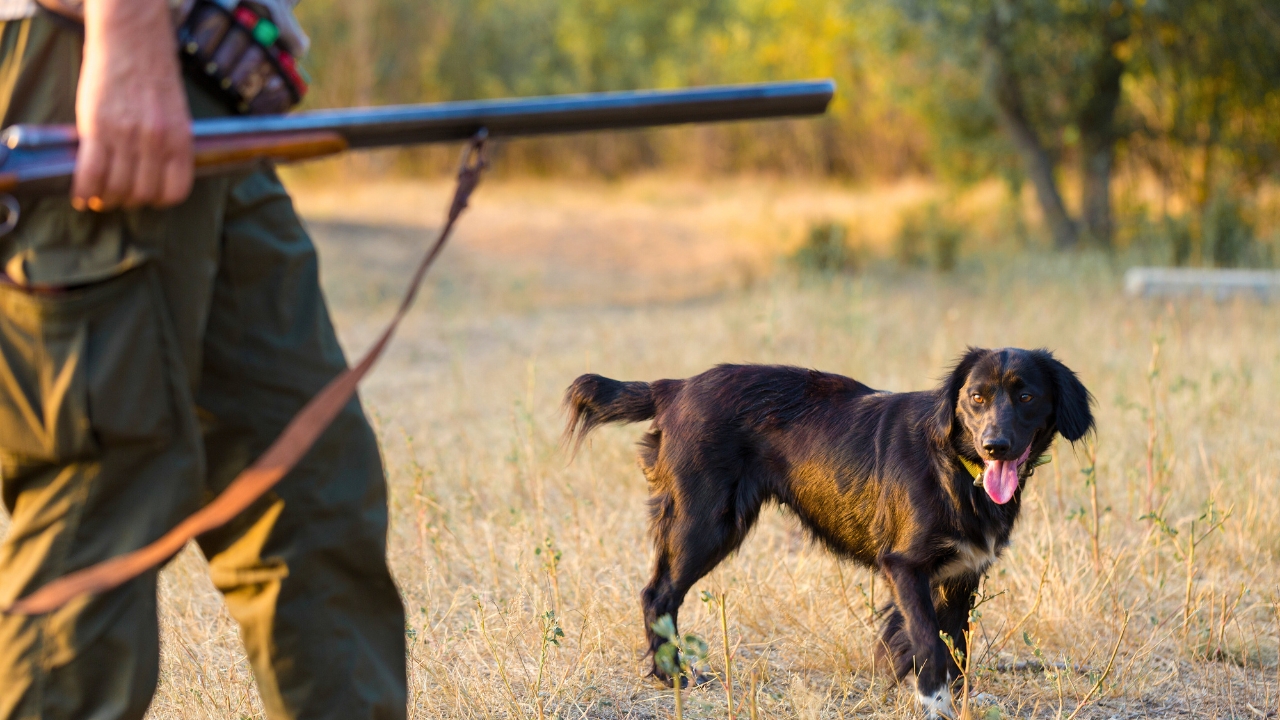
When you’re chasing rabbits through tight cover, you need a dog with drive, endurance, and sharp instincts. These hunts demand breeds that can weave through thick brush, follow scent trails, and keep the chase steady without overrunning their quarry. The best rabbit dogs combine speed with control, staying focused even when the cover gets dense and visibility is low. Choosing the right breed can mean the difference between a clean chase and a blown opportunity. Here are the breeds that truly excel when the cover closes in.
Beagle
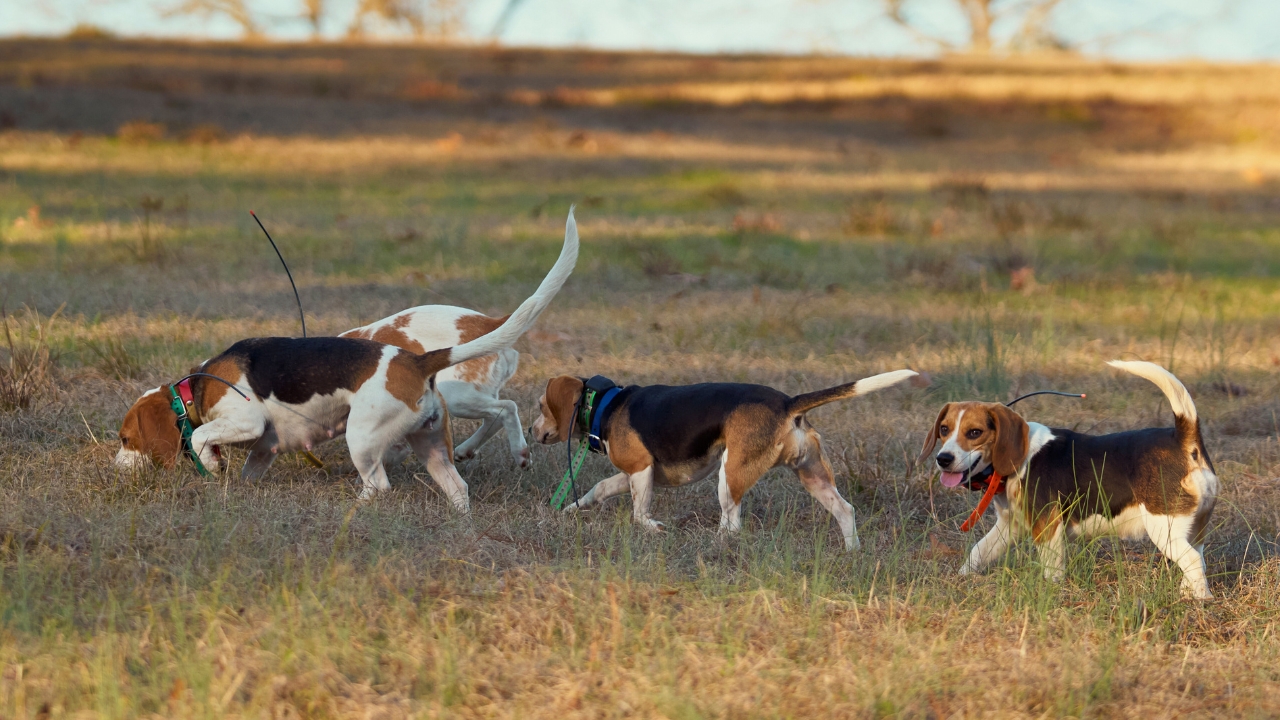
Beagles are a favorite for rabbit hunters, and for good reason. Their strong noses and steady tracking instincts make them ideal for tight-cover chases. They’re not overly fast, which actually works in your favor — they keep a rabbit looping instead of running it out of the country. Beagles excel in thick briars and tangled brush, sticking to the trail without getting distracted. With their natural drive and compact build, they’ll stay on the chase all day without slowing down.
American foxhound

While foxhounds are often used for larger game, the American foxhound’s speed, stamina, and sharp nose make it a capable rabbit dog, especially in bigger fields where rabbits break for distance. They work well in packs, driving the chase while maintaining enough control to keep rabbits circling. You’ll want a well-trained foxhound for tight-cover situations since they have the drive to run hot trails fast. When paired with other slower-working dogs, they balance the pace and keep hunts efficient.
Harrier

Harriers are like a larger, more muscular version of the beagle, built for long chases and steady endurance. They’re excellent in thickets and heavy cover where rabbits hide, using their powerful noses to stay locked on a track. Harriers thrive when hunting in groups, keeping the chase tight and controlled instead of letting rabbits escape deep into open ground. With proper handling and conditioning, they bring the perfect mix of speed, discipline, and determination to rabbit hunts.
English springer spaniel

Springers shine in close-range rabbit hunting because they’re natural flushers. They’ll dive into dense thickets and briar patches where other dogs hesitate, pushing rabbits into the open for a clean shot. While they aren’t dedicated trailing dogs like beagles, their controlled drive and sharp noses make them perfect for hunters who want a versatile flushing dog. Their smaller size lets them move through tight cover easily, and with the right training, they’re consistent performers across varied terrain.
Basset hound

If you’re hunting heavy brush where visibility is low, basset hounds bring unmatched scenting power and methodical tracking. Their slower pace keeps the chase controlled, preventing rabbits from getting too far ahead. While they don’t have the speed of other breeds, their persistence more than makes up for it. Bassets thrive in team hunts, working alongside quicker dogs to pick up missed scent trails and keep the pressure steady. When rabbits hunker deep, a basset’s nose finds them.
Beagle-harrier
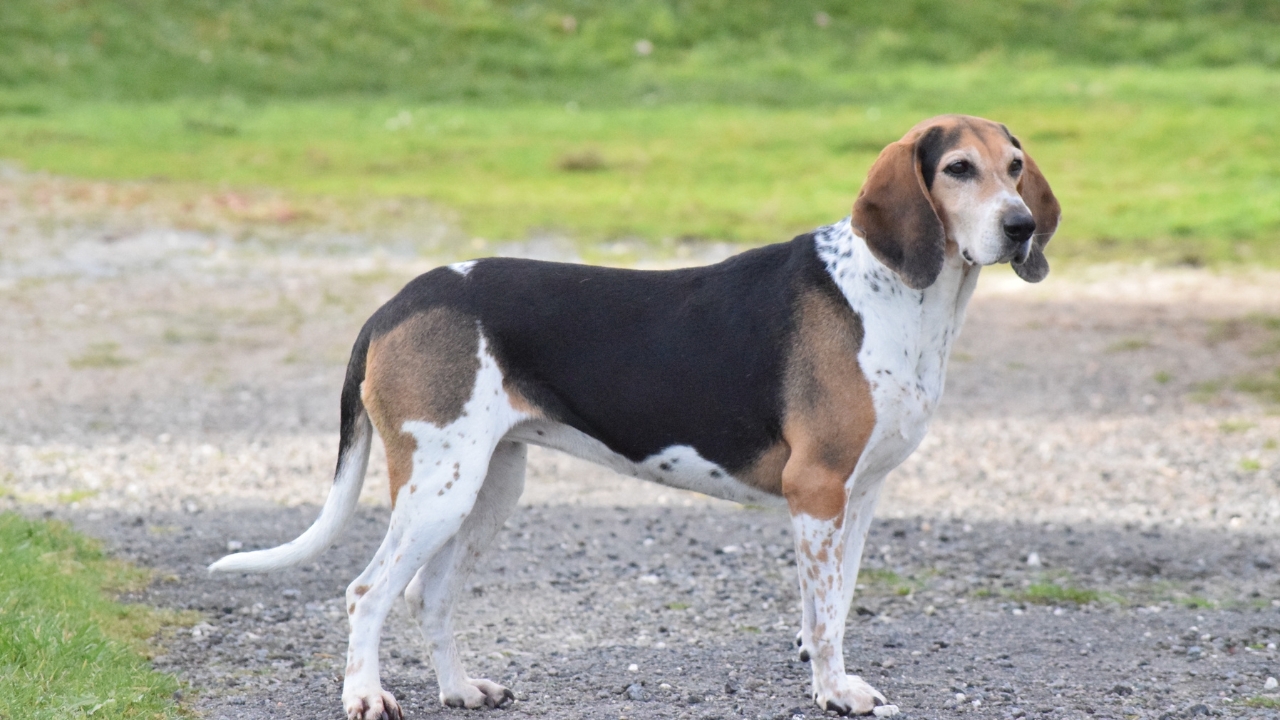
This lesser-known breed combines the persistence of the beagle with the stamina of the harrier, making it a highly capable rabbit dog for tight cover. Beagle-harriers are quick, agile, and built for endurance, able to work long days without losing focus. Their noses lock onto fresh tracks quickly, and their balanced speed helps keep rabbits circling back to the hunter. While harder to find than standard beagles, hunters who run them swear by their consistency and tracking precision.
English cocker spaniel
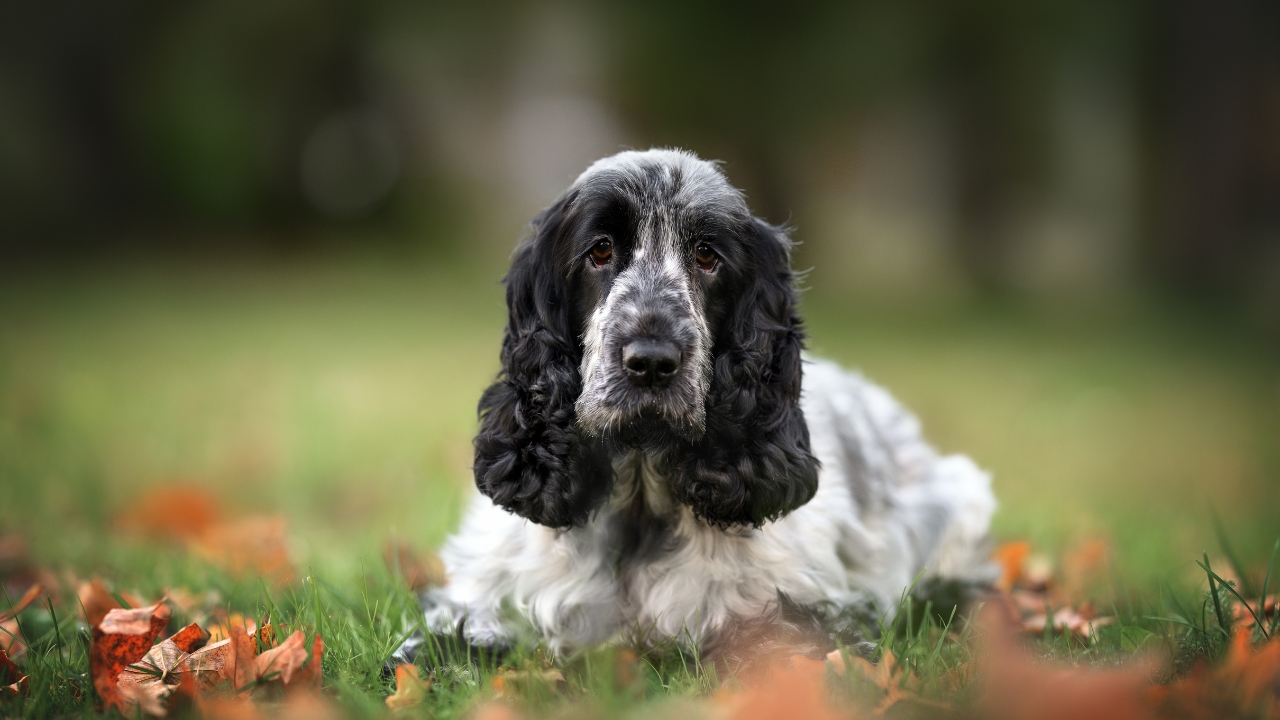
Compact and driven, English cockers thrive when rabbit hunting demands quick, controlled flushes. They excel in thick cover, using their size and agility to move through brambles where larger dogs struggle. While they’re natural flushers rather than trailers, their sharp noses and eagerness to work make them invaluable in hunts where rabbits sit tight before bolting. A well-trained cocker keeps the chase close, working seamlessly alongside slower trailing breeds to push game into shooting lanes.
*This article was developed with AI-powered tools and has been carefully reviewed by our editors.