

Photo credit: Savage Arms
Velocity matters when it comes to accuracy, energy retention, and ethical hunting. But some popular hunting rounds slow down faster than many hunters realize, especially past 200–300 yards. High drag, lighter bullets, and older cartridge designs can cause energy levels to drop off quickly, limiting effective range. If you rely on these rounds, understanding their real-world ballistic performance helps you make smarter shot choices and avoid pushing your gear past its limits. Here’s a look at popular cartridges that shed speed quicker than most expect.
.30-30 Winchester

The .30-30 Win has been a deer camp classic for generations, but its trajectory drops fast past 200 yards. Its relatively slow muzzle velocity and flat-nose bullet designs cause drag to eat away speed quickly, making it less effective for longer shots.
In tight timber, it’s still an excellent choice where 100-yard opportunities are the norm. But if you try stretching it past its sweet spot, you’ll notice significant velocity loss and reduced terminal energy, making precise shot placement even more critical.
.45-70 Government

The .45-70 Gov’t is a powerhouse up close, but its big, heavy bullets are not built for retaining speed at distance. Its slower velocities paired with blunt profiles make it bleed energy quickly, limiting practical range for most hunters.
Inside 150 yards, it performs exceptionally well on big-bodied game like elk and bear. Past that point, though, drop and velocity loss become pronounced, making follow-up shots and consistent accuracy harder without dialing in precise adjustments.
.350 Legend
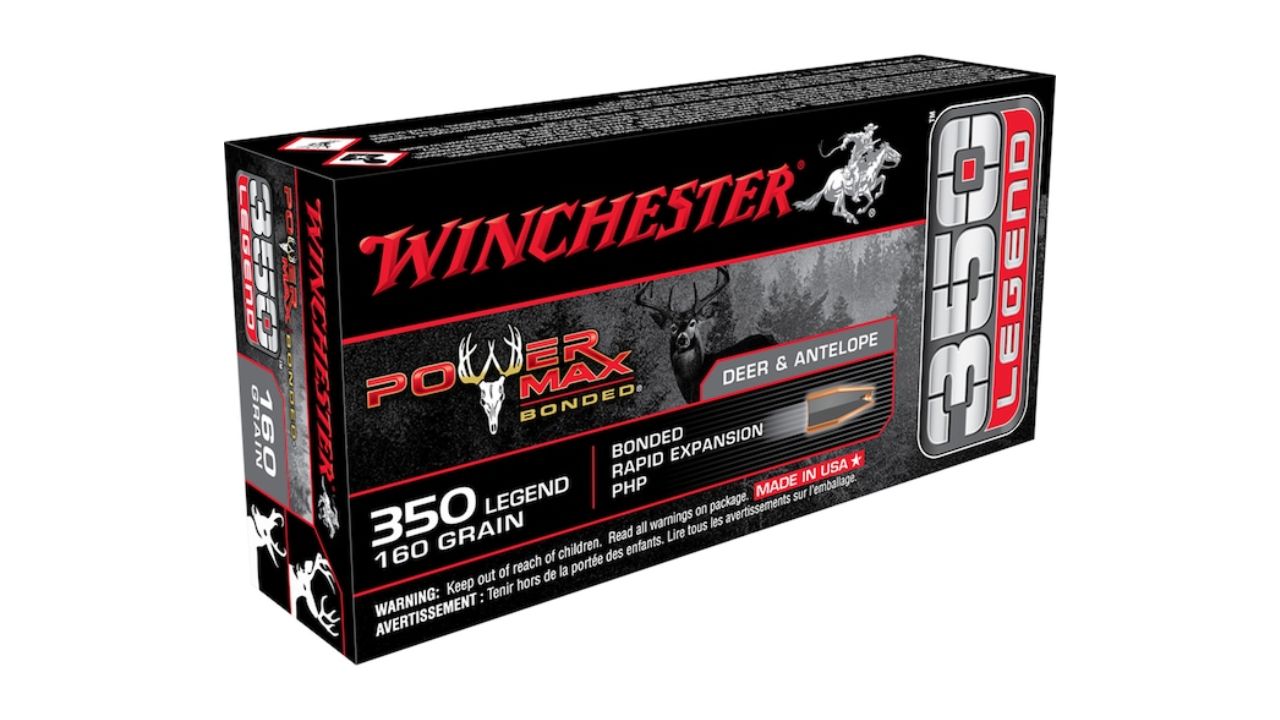
The .350 Legend has exploded in popularity among hunters in straight-wall-only states, but its relatively low velocity limits its performance as distance increases. Beyond 200 yards, you’ll start to notice a steep decline in retained speed and energy.
Within its effective range, it offers mild recoil and reliable expansion, making it great for whitetail in wooded country. If you plan on hunting wide-open spaces, though, you’ll need to account for its drop and reduced terminal performance beyond moderate distances.
.300 Blackout

Designed for short barrels and subsonic loads, the .300 Blackout is an excellent choice for close-range hunting and suppressed shooting. However, its slower velocities and heavier bullets make it lose speed quickly after 150 yards.
Even with supersonic loads, the trajectory flattens only briefly before dropping hard past mid-range distances. It shines in brushy setups and inside typical deer hunting ranges but struggles to keep energy levels high enough for clean kills once shots start stretching out.
.450 Bushmaster

The .450 Bushmaster was built for short- to mid-range big-game hunting, and it excels there. But its large-diameter bullets and modest velocities mean velocity and energy drop off significantly beyond 200 yards.
For hunters in straight-wall states or heavy-cover environments, it performs extremely well up close. The problem comes when trying to push it into open fields, where both trajectory and retained energy work against you, making this a close-range specialist at heart.
6.5 Grendel

The 6.5 Grendel has a loyal following, especially in AR-platform rifles, but despite its efficiency, lighter bullet weights can lead to faster speed loss at longer ranges. Beyond 300 yards, its retained velocity drops off faster than many expect.
Inside its effective range, though, it’s a smooth-shooting round capable of excellent accuracy on deer-sized game. If you hunt in rolling country or open prairies, you’ll want to understand its ballistic limits before committing to extended-range shots.
.243 Winchester

The .243 Win remains one of the most popular rounds for deer and varmint hunting, but lighter bullets often result in quicker velocity loss past 300 yards. Flat trajectories initially make it forgiving, but drag slows them fast at extended distances.
For youth hunters or those taking moderate-range shots, it’s still an outstanding option with minimal recoil. Just keep in mind that if you plan to stretch shots, heavier, higher-BC bullets are needed to keep speed and energy where they need to be.
.44 Magnum (Carbine Use)

When chambered in a carbine or lever gun, the .44 Mag can be effective on deer inside 100 yards. Beyond that, its handgun roots show, and it loses velocity much faster than rifle-specific hunting cartridges.
If you hunt thick cover or short fields, the .44 Mag works beautifully thanks to its stopping power and manageable recoil. But if your setup demands longer, open-country shots, you’ll want a faster, flatter-shooting option to ensure consistent energy and penetration.
7.62x39mm

The 7.62x39mm has proven itself as a reliable cartridge, but its low ballistic coefficient and modest velocities mean it slows quickly, especially beyond 200 yards. Energy levels also drop steeply past that point, limiting its ethical hunting range.
For hogs, deer, and similar-sized game in close-range setups, it’s still a practical choice, especially in brushy areas. If you hunt open plains or big canyons, though, you’ll want something with higher speed and better energy retention to avoid marginal shots.
.35 Remington
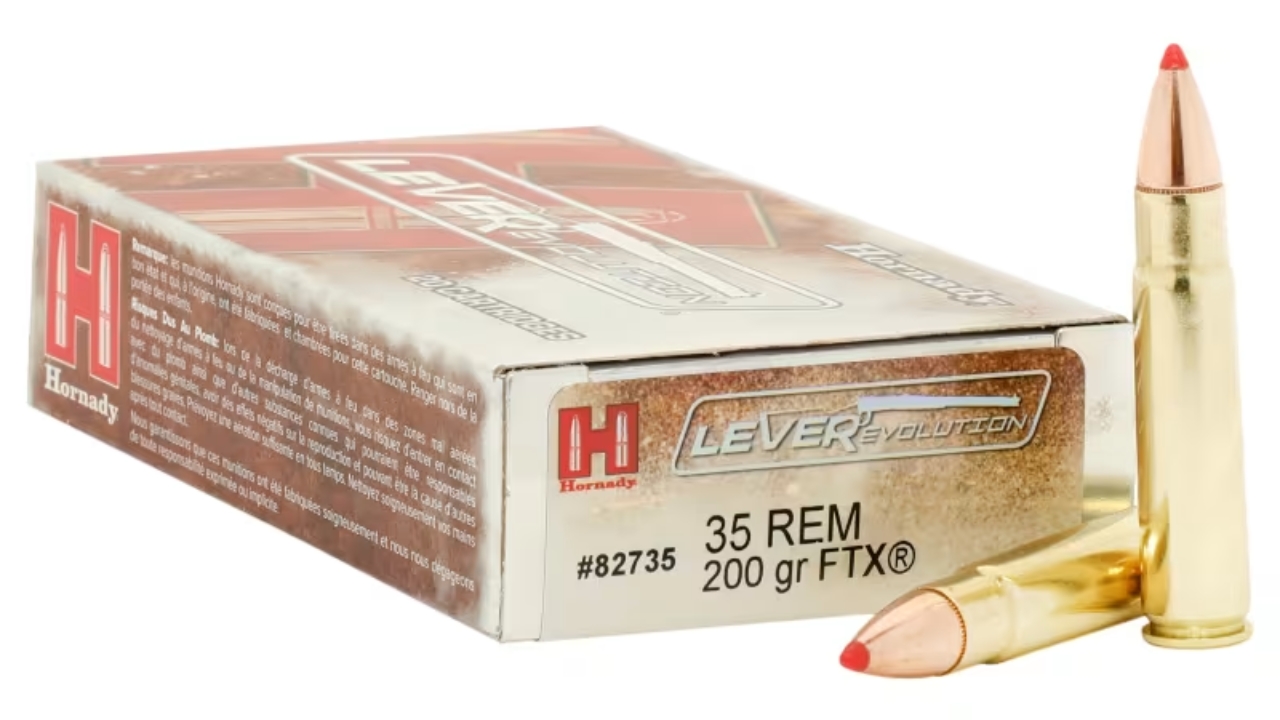
The .35 Remington has been around for over a century and still has a loyal following in lever-action rifles. While it hits hard up close, its round-nose bullets and slower muzzle velocities cause it to shed speed quickly beyond 150–200 yards.
For thick woods and brush hunting, it’s a solid performer, delivering plenty of punch on whitetails and hogs. But if you plan on taking shots across open fields, you’ll see just how quickly its velocity and energy start falling off.
.30 Carbine

Originally designed for the M1 Carbine, the .30 Carbine isn’t built for long-range hunting. With its modest velocities and low ballistic coefficients, the round starts slowing rapidly after 100 yards, and energy levels drop off almost as fast.
For short-range work, especially on varmints or close-cover whitetails, it can still be effective. But pushing it beyond its comfort zone risks poor penetration and unreliable performance, making it better suited for tight hunting setups.
.22-250 Remington

At first glance, the .22-250 Rem seems like a flat-shooting speedster — and it is — but lightweight bullets lose velocity surprisingly fast after 300 yards. Its low ballistic coefficient means drag catches up quickly despite its blazing muzzle speeds.
Inside its effective range, it’s one of the best varmint and predator cartridges available, offering tight groups and excellent terminal performance. If you’re trying to stretch it much past its comfort zone, though, wind and energy loss become much harder to manage.
*This article was developed with AI-powered tools and has been carefully reviewed by our editors.


