
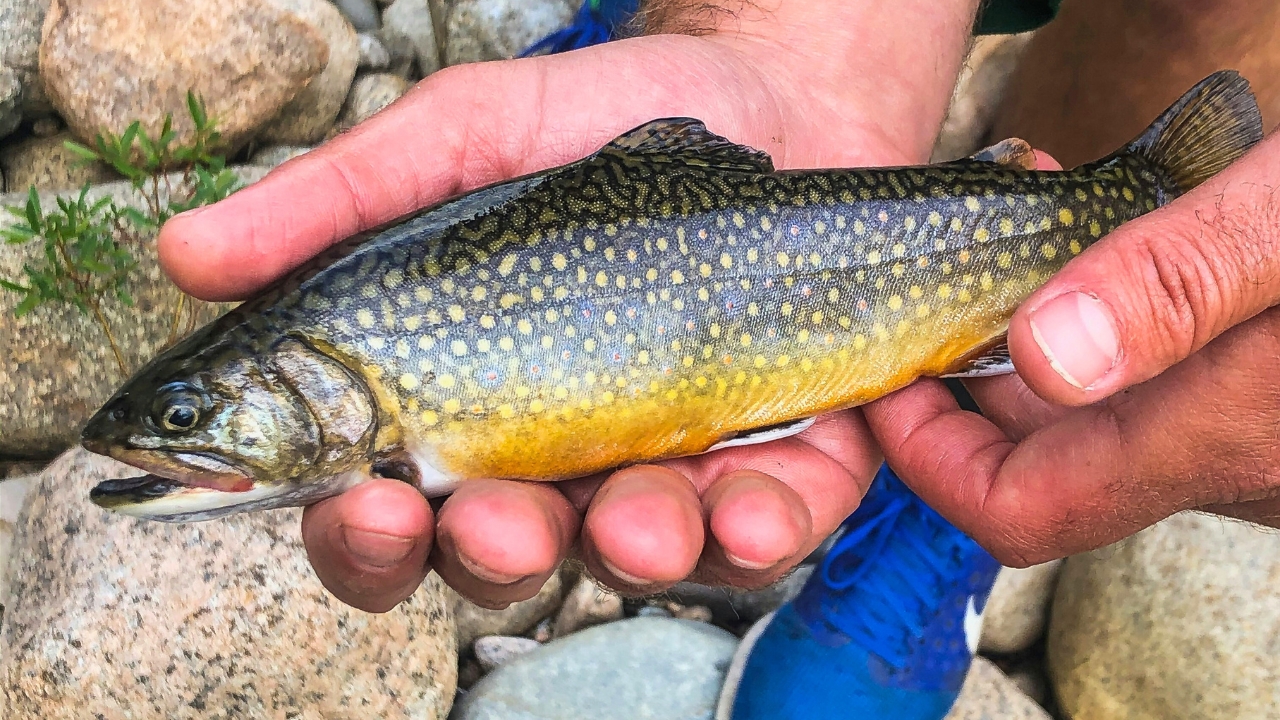
Photo credit: Brian Yurasits/Unsplash
Connecticut is about to change how you fish for trout, and the shift is bigger than a tweak to the rule book. Starting in 2026, the state is tightening protections around wild brook trout and reshaping inland sportfishing so that the fish you love to catch have a better chance to survive a warming, more crowded landscape. If you spend time on small streams or in stocked rivers, you will feel these changes in your tackle box, your trip planning, and the way you think about the fish in front of you.
Why Connecticut is rewriting the trout rulebook for 2026
The driving force behind the 2026 regulations is simple: wild brook trout are in trouble, and the status quo is not enough to keep them on the map. The Connecticut Department of Energy and Environmental Protection, often shortened to DEEP, has been warning that the only trout species native to the state is declining as its cold headwater streams warm, fragment, and fill with competing fish. Biologists have documented that wild brook trout are especially vulnerable in small, shaded creeks where even modest harvest pressure can erase a local population in a few seasons, which is why the agency is pivoting from a stocking-first mindset to one that treats wild fish as a resource you help steward, not just catch.
That shift shows up in a suite of inland sportfish rules that raise size limits, restrict harvest in sensitive waters, and carve out new areas where wild trout get priority over put-and-take fishing. DEEP has framed the 2026 package as a way to give wild brook trout more time to grow and reproduce, particularly in streams where they still hold on despite development and climate stress. The agency has highlighted that the new default 9 inch minimum length limit for trout will be highly protective of wild brook trout in the streams where they are present, a point underscored in detailed explanations of the new inland sportfish regulations.
The new default: a higher size limit and fewer keepers
For you as an angler, the most immediate change is the new baseline size rule that will apply across much of the state. Instead of being able to keep smaller trout from a wide range of inland waters, you will now face a default 9 inch minimum length limit that effectively takes many wild fish off the stringer. In practice, that means more trout will go back into the water, especially in small streams where wild brook trout rarely reach large sizes before spawning, and where every adult fish removed can ripple through the population for years.
DEEP’s biologists have emphasized that this higher bar is not about making your day on the water harder, but about aligning harvest with what the resource can actually sustain. The agency has explained that the 9 inch minimum is designed to be highly protective of wild brook trout in the streams where they are found, while still allowing reasonable harvest of stocked fish in larger rivers and lakes that can support it. That balance is central to the DEEP announcement of new inland regulations, which lays out how the size limit fits into a broader conservation strategy.
Statewide protections for brook trout, a first since the 1950s
Beyond the general size rule, 2026 marks a historic moment for brook trout specifically. For the first time since 1953, Connecticut is putting in place statewide protections tailored to this single species, recognizing that the fish you might know as a common catch is actually a native icon under real pressure. Those protections include a minimum size limit to harvest brook trout across the state, so you will no longer be able to keep the smallest fish even in waters that are heavily stocked or managed for put-and-take fishing.
The new framework also tightens rules in designated wild trout management areas, where no harvesting is allowed at all and where brook trout are managed as a self-sustaining resource rather than a stocked commodity. Reporting on the policy shift notes that these newly designated trout management areas include places such as Beaver Brook and other cold, spring-fed streams that still hold strong native fish, and that the state will establish a protective thermal refuge network to shield trout from rising temperatures. Those details are spelled out in coverage of how a fish species native to CT gets protections for first time since 1953, and echoed in a separate account of statewide protections for brook trout that stress how significant this step is for a single native species.
New wild trout management areas and thermal refuges
To make those protections real on the ground, DEEP is redrawing the map of where wild trout get special treatment. The agency has identified 22 waters or portions of waters that will now be managed explicitly for wild brook trout, with tighter harvest rules and, in some cases, full catch and release. If you fish these creeks and river sections, you will see new signage, different creel limits, and in certain stretches a complete ban on keeping trout, all aimed at letting wild fish complete multiple spawning cycles without being removed.
Equally important, the state is moving to formalize a network of thermal refuges, the cold pockets of water that trout seek out when summer heat pushes mainstem rivers toward lethal temperatures. These refuges might be shaded tributaries, groundwater seeps, or deep spring holes, and they are often the difference between survival and a fish kill during a heat wave. The new rules describe how no harvesting is allowed in wild trout management areas and how the protective thermal refuge network will be mapped and enforced, details that are central to the statewide protections for brook trout and to DEEP’s broader effort to keep cold water on the landscape.
Climate stress, warming rivers, and why timing now matters
All of this regulatory tightening is happening against a backdrop you can feel every summer: hotter days, lower flows, and rivers that stay warm longer. Brook trout evolved in cold, clean water, and they begin to experience stress when temperatures climb into the high 60s and low 70s Fahrenheit for extended periods. When that happens, the fish seek out cooler tributaries and spring-fed pockets, and if those refuges are disturbed or overfished, entire year classes can be lost. That is why DEEP has repeatedly linked the new rules to the impacts of a warming climate, not just to angler pressure.
Scientific reporting on trout biology backs up that concern, noting that trout and salmon are subject to heat stress during warm periods and will move into small feeder streams to find cooler water, using these refuges to avoid lethal temperatures and survive until conditions improve. The new regulations are designed to protect exactly those kinds of habitats, limiting harvest where fish congregate under stress and reinforcing the idea that you should avoid targeting trout when water temperatures spike. The physiological stakes are laid out in detail in an explainer on how trout and salmon are subject to heat stress, while DEEP’s own messaging, including statements that the agency is pleased the fishing community broadly supported new rules that respond to a warming climate, is captured in coverage of how DEEP looks to protect an iconic native Connecticut fish.
New trout parks and where your family fishing trips fit in
While the 2026 rules tighten harvest in sensitive waters, they also expand places where you can still take kids or new anglers to catch stocked fish with a reasonable chance of bringing some home. DEEP has announced the creation of three new trout parks, heavily managed areas where stocking is concentrated and regulations are tailored to high use and family-friendly access. Officials with the Connecticut Department of Energy and Environmental Protection have described these parks as a way to absorb some of the demand that might otherwise fall on fragile wild trout streams, and to keep the tradition of taking trout home for dinner alive in the right settings.
Specific sites are already in the spotlight. New reporting highlights that the 2026 rules add a new Trout Park in Southbury, giving anglers in that part of the state a designated, well stocked destination with clear signage and amenities. Additional coverage notes that Three new trout parks are being promoted as expanding outdoor recreational opportunities, including locations such as Mashamoquet Brook in Pomfret and Macedonia Brook in Kent, Conn., both of which already have a history of conservation work and public access. Those details are laid out in announcements that update inland fishing rules and add a Trout Park in Southbury, in social media posts that highlight Three new trout parks at Mashamoquet Brook in Pomfret and Macedonia Brook, and in conservation recaps that describe how Macedonia Brook in Kent, Conn has been a focus for riparian restoration.
How enforcement and local outreach will change what you see on the water
Stricter rules only matter if they are visible and enforced, and DEEP is leaning on local partners to make sure anglers understand what is changing. You can already see that in the way municipal agencies and community groups are sharing information about the new trout regulations, from signage at access points to social media posts that spell out size limits and no-harvest zones. The tone is less about cracking down and more about recruiting you into a shared project of keeping wild trout on the landscape, but there is no question that conservation officers will have clearer authority to ticket or warn anglers who ignore the new protections.
One example of that outreach comes from the City of Shelton, where the SHELTON POLICE CONN. account has used Instagram to remind residents that Connecticut is updating its trout rules and to encourage compliance on local waters. That kind of messaging, which pairs enforcement agencies with conservation talking points, signals that the new framework is meant to be taken seriously, not treated as a suggestion. The post from the SHELTON POLICE CONN. account in Connecticut is a preview of the kind of local communication you can expect to see more often as 2026 approaches and the new rules take effect.
What DEEP and biologists say about the stakes for wild fish
Behind the regulatory language is a clear message from scientists and managers: if you want wild brook trout to be part of Connecticut’s future, you have to treat them differently from stocked fish. Interviews with DEEP staff and fisheries biologists describe a species that is in decline due to multiple factors, one being warming rivers, and that cannot simply be replaced by hatchery trucks once local genetics are lost. Those experts stress that wild brook trout are more than just another game fish, they are an indicator of cold, clean water and a link to the state’s ecological history that you help preserve every time you decide to release a fish or walk past a stressed pool on a hot day.
Detailed reporting on the new rules explains that DEEP is pleased the state’s fishing community broadly supported the changes, recognizing that they provide additional protection for wild brook trout at a time when climate and land use pressures are mounting. Coverage of the policy rollout notes that the Connecticut Department of Energy and Environmental Protection framed the regulations as part of a long term strategy to conserve wild brook trout, and that the agency’s Key Takeaways include the expansion of wild trout management areas and the emphasis on thermal refuges. Those themes are woven through accounts of how the wild brook trout population is in decline and what CT is doing to help, in DEEP’s own Key Takeaways on conserving wild brook trout, and in statements that Connecticut adds a minimum size limit for brook trout as the species faces decline.
How you can adapt your fishing and still enjoy the 2026 season
For your own time on the water, adapting to the 2026 rules will mean a mix of practical adjustments and a mindset shift. You will want to check regulations for each waterbody before you go, since some streams will now be wild trout management areas with no harvest, others will follow the new 9 inch minimum, and trout parks will have their own tailored rules. Barbless hooks, quick releases, and thermometers to monitor water temperature will become more important tools, especially if you plan to fish during warm spells when trout are already stressed and more vulnerable to handling.
At the same time, the new framework gives you more clarity about where harvest is encouraged and where restraint is expected. Family trips can gravitate toward trout parks and heavily stocked rivers, while solo outings can focus on wild streams where the reward is the experience and the chance to see native fish, not a full cooler. Local tackle shops, conservation groups, and even place based guides, such as those who highlight destinations through tools like the Google viewer for specific fishing places or the Google viewer for other trout locations, can help you sort out which waters fit your goals under the new rules. If you approach the 2026 season with that information in hand, you can still enjoy rich days on the water while playing a direct role in keeping Connecticut’s wild trout around for the next generation.
Supporting sources: CT Announces New Trout Regulations – New England Boating.
Like The Avid Outdoorsman’s content? Be sure to follow us.
Here’s more from us:


