Photo credit: Oleggg/Shutterstock.com
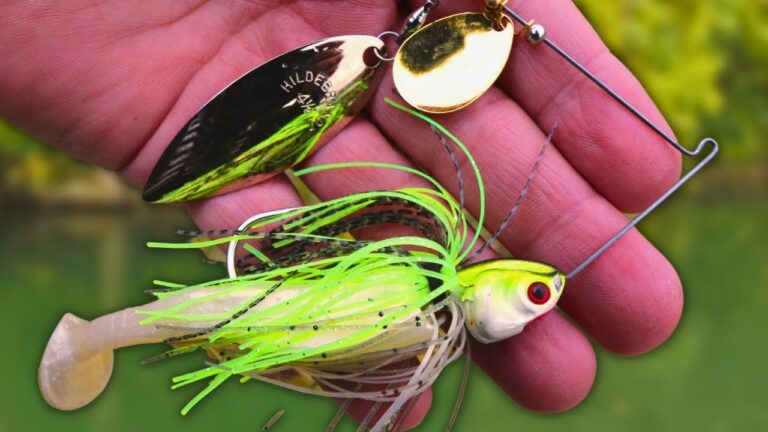
When the fishing’s slow, everybody’s first instinct is to run. New bank, new cove, new point, new everything. Sometimes that’s the right call, but a lot of times it’s just burning gas and chewing up time. Before you pick up and leave, make one change that actually matters: change the style of bait, not the color. If you’ve been throwing reaction baits and getting nothing, go to something you can fish slower and keep in their face. If you’ve been dragging soft plastics and they won’t commit, give them something that covers water and forces a decision. Fish don’t always move, but their mood changes constantly, and your bait needs to match that.
My go-to switch when I’m not getting touched is from fast-and-flashy to tight-and-subtle. If I’m burning a spinnerbait or a lipless and it feels dead, I’ll pick up a finesse jig, a shaky head, or a weightless stick bait and fish it like I mean it. Not timid, not “maybe there’s a fish here” casts—put it on targets, let it soak, then work it out clean. A lot of slow days aren’t “no fish” days. They’re “they’re not chasing” days. That’s where something that falls right, sits right, and doesn’t scream at them can turn a blank into a bite within 10 minutes.
The opposite is true, too. If you’re dragging a worm and you feel like you’re just donating time to the lake, sometimes the fix is speed. A squarebill, a chatterbait, even a small swimbait can wake the place up. You’re not trying to finesse a bite out of a fish that’s already willing—you’re trying to find the ones that are actually feeding and willing to show themselves. Speed lets you cover water, and it changes angles, depth, and cadence automatically. One fish on a moving bait tells you more about what’s going on than an hour of slow-rolling hope.
Don’t get trapped in “same bait, different color” thinking. Color matters when you’re already close. When you’re not even getting a bump, the fish are telling you the presentation is wrong. If you want a simple rule: if you’re not getting bites, change either your speed or your depth. If you’ve been fishing mid-water, go down and make contact. If you’ve been bottom dragging, bring it up and make it easier. If you’ve been ripping it, slow it down. If you’ve been crawling it, speed it up. That’s not fancy advice—it just forces you to stop doing the exact thing the fish are ignoring.
Another quick switch that works way more often than it should is downsizing. A lot of people only downsize when the water is gin-clear, but it helps any time the fish are pressured or just acting picky. Smaller jig, smaller swimbait, smaller hook, lighter line—nothing extreme, just enough to make it look more natural. You don’t need to go full finesse and turn it into a science project. Just take your normal setup and go one step smaller. That alone can get you bites in places that felt empty five minutes earlier.
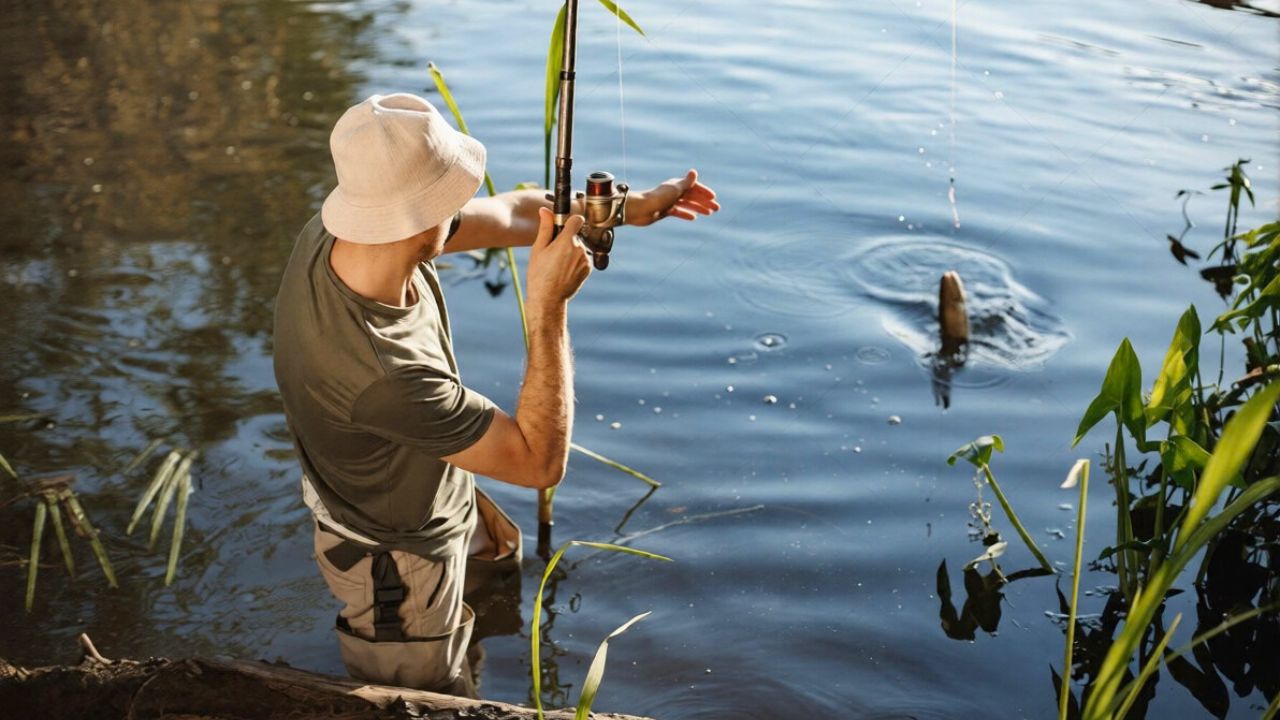
And if you’re bank fishing, bait choice matters even more because you don’t always have the option to “just go find them.” Your angles are limited. Your access is limited. Your best move is to pick baits that let you work different parts of the water column from the same spot. That’s why I like a jerkbait, a jig, and a weightless stick bait as a basic “cover it all” trio. Jerkbait hits mid-water and triggers reaction. Jig hits bottom and gets you the ones tucked into cover. Weightless stick bait gives you a clean, quiet fall around anything. If one of those isn’t working, one of the other two usually will.
If you only take one thing from this, it’s this: when it’s slow, don’t leave fish to find fish until you’ve proven you can get one bite where you are. Make a real change. Switch from reaction to finesse, or finesse to reaction. Change speed, change depth, or downsize. Give each change 10 to 15 solid minutes, not three casts. If you do that, you’ll be surprised how many “dead” spots cough up a fish once you finally speak the language they’re in that day.
Like The Avid Outdoorsman’s content? Subscribe to our newsletter so you never miss an article.
Here’s more from us: