
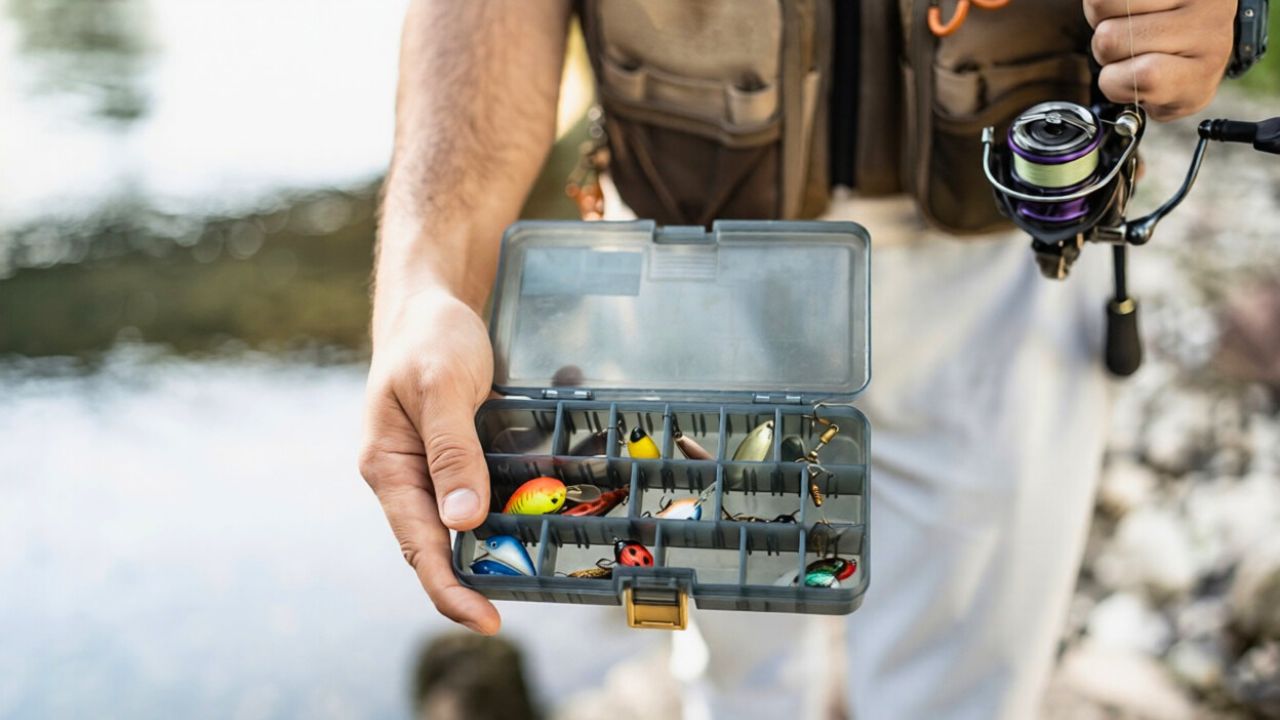
Photo credit: Nikola Milosevic/istock.com
Most crankbait problems aren’t the bait’s fault. Guys will throw one for five minutes, decide it “doesn’t hunt,” and toss it back in the box. Meanwhile the same bait in the right hands will catch fish all day. If your crankbait isn’t running right, the most common reason is simple: your line tie is off, or you’re tying a knot that binds it up. That little metal eye at the nose is the steering wheel. If it’s bent even a hair to the left, it’ll pull left. If your knot is cinched tight and sitting sideways, it’ll kill the action and make it track weird.
Before you do anything else, check the knot. A crankbait wants freedom up front. That’s why a lot of guys run a snap, or tie a loop knot. You don’t have to do that, but you do need to make sure you’re not choking it. If I’m tying direct, I’ll tie clean and make sure the knot is centered and not jammed into the eyelet. Sounds like nothing, but it changes everything, especially on smaller baits. If the bait looks like it’s “lazy” or it rolls over when you speed up, start there.
Then check the line tie itself. Crankbaits get banged into rocks, stumps, and dock posts. That line tie gets tweaked. If the bait is pulling right, you bend the eye slightly left. If it’s pulling left, you bend it slightly right. And I mean slightly. Don’t grab pliers and start cranking like you’re building a fence. Use your thumbnail or a small pair of needle-nose and move it a tiny bit at a time. Toss it next to the boat or the bank and test it. It should track straight on a steady retrieve. Once it does, now you’re fishing. This is one of those small adjustments that separates “I throw crankbaits” from “I catch fish on crankbaits.”
Rod angle is another reason guys think their bait is messed up. If you retrieve with your rod pointed high, the bait runs shallower and often loses contact with what it’s supposed to deflect off. If you point the rod at the water or slightly down, the bait digs and stays honest. A crankbait that’s supposed to bounce bottom but never touches anything is just a swimming plug. Contact is the whole deal. That’s where the flash, the sudden direction change, the “this one is getting away” look comes from. If you’re not hitting anything, don’t blame the lure for looking boring.
Line diameter matters, too. Thick mono will make a crank run shallower and feel mushy. Fluoro helps it dig and keeps it crisp. Braid can work, but it can also make the bait feel too reactive and can rip hooks out if your drag and rod aren’t right. I’m not here to tell you there’s one perfect setup, but if you’re throwing a “10-foot diver” on thick line with a high rod angle and it’s running at five feet, that’s not a defective crankbait. That’s just physics.
Also, pay attention to the hooks. Bent hooks, mismatched hooks, or a hook fouling on the body can make a bait run weird. If you swap hooks, keep the size and style close to what it came with unless you know exactly what you’re changing. Some baits are tuned around the weight and drag of the hooks. Change that and the bait can start rolling or blowing out at speed. If your crank suddenly acts goofy after you “upgraded” hooks, that’s your clue.
One last thing: don’t retrieve like a robot. A crankbait comes alive with speed changes, pauses, and contact. If you reel the exact same speed from start to finish, you’re not giving it chances to do what it does best. Pop it off grass. Let it tick rock. Speed up for two seconds, then slow down. You’ll feel the bait change, and you’ll start learning what “right” feels like. That matters more than any brand name.
If your crankbait isn’t running right, don’t toss it and don’t get mad. Check your knot, tune the line tie, adjust your rod angle, and make sure your line and hooks make sense for what you’re throwing. Do that, and suddenly that crankbait that “never worked” starts looking like the one you should’ve been throwing all along.
Like The Avid Outdoorsman’s content? Subscribe to our newsletter so you never miss an article.
Here’s more from us:


