Photo credit: Frost Photos/ Shutterstock.com
Snakes don’t want trouble—but hunters accidentally give it to them all the time by stepping too close. Whether you’re glassing a ridge, field dressing a deer, or walking back to camp at dusk, the chance of stepping on a snake is real—especially in warm weather or thick brush. Most bites happen because someone didn’t see it until it was too late. These are the snakes hunters most often step on, and they don’t always give a warning before striking.
1. Copperhead

This one tops the list for a reason. Copperheads are incredibly well-camouflaged and don’t always rattle or move when approached. They’ll sit still and let you walk right up—then strike when you step too close.
Most bites happen on trails, in leaf litter, or around logs and rocks where they like to hide. The venom usually isn’t fatal, but it causes intense pain, swelling, and tissue damage. It’s the classic “didn’t even see it” snake for hunters in the Southeast and Midwest.
2. Cottonmouth (Water Moccasin)

Cottonmouths are more aggressive than most snakes, and they’re not afraid to stand their ground. Step near one in a swamp, along a creek bed, or anywhere near water, and you’ll find out quick they’re not shy.
They often coil and flash their white mouths as a warning, but plenty of hunters step on them before ever seeing it coming. Their venom is strong and causes serious tissue damage, so it’s a bite you don’t want to take lightly.
3. Timber Rattlesnake

Timber rattlers are quiet, well-hidden, and spread across much of the eastern U.S. They don’t always rattle before striking, especially if surprised. Their camo blends perfectly into fallen leaves and dirt trails.
Hunters often step on or near these snakes when moving through hardwoods or crossing over downed logs. The venom is potent and can be deadly without treatment. You don’t always know they’re there until your boot’s already too close.
4. Prairie Rattlesnake

Out in the plains and mountain states, the prairie rattler is easy to miss until you’re right on top of it. These snakes love sunny patches near rocks and shrubs—exactly where you might stop to rest or glass.
They blend into dry grass and dirt, and when startled, they may strike before rattling. Hunters crawling on the ground or walking through sage often find themselves too close for comfort. Their bite is painful and can lead to real trouble if left untreated.
5. Western Diamondback Rattlesnake

Western diamondbacks are everywhere in the Southwest, and hunters bump into them often—especially when they’re focused on tracking or dragging game. These snakes hold still and count on their camo doing the work.
They tend to rattle, but not always. Step near one sunning itself or tucked under a bush, and you’re likely to get a fast, defensive strike. They’ve got a strong venom load and wide reach, making them a real threat.
6. Eastern Diamondback Rattlesnake

These snakes are heavier and more intimidating than most, but they can still be stepped on—especially in Florida, Georgia, and the surrounding states. They love palmetto thickets and sandy trails, where visibility can drop quick.
They’re usually pretty good about rattling, but if they’re cornered or sleeping off a meal, they might not give much warning. Hunters hiking into blinds or crossing through cover often get too close without realizing it.
7. Pygmy Rattlesnake

Don’t let the size fool you—pygmy rattlesnakes are easy to miss and still pack a painful bite. Their rattle is soft, sometimes barely audible, and they’re often coiled tight in leaves or brush.
Because they’re small, hunters often step within striking range without ever spotting them. They’re common in the Southeast and like damp areas, wooded trails, and even campgrounds. The bite isn’t usually deadly, but it’ll leave you hurting.
8. Mojave Rattlesnake

Mojave rattlers are found in the Southwest and are often confused with western diamondbacks. But their venom is even more dangerous, with a neurotoxic component that can affect breathing and nerve function.
They blend well into desert scrub and rocky ground, where hunters might not be watching their footing as closely. If you’re glassing for mule deer or setting up on a hillside, you could step within striking distance without even realizing it.
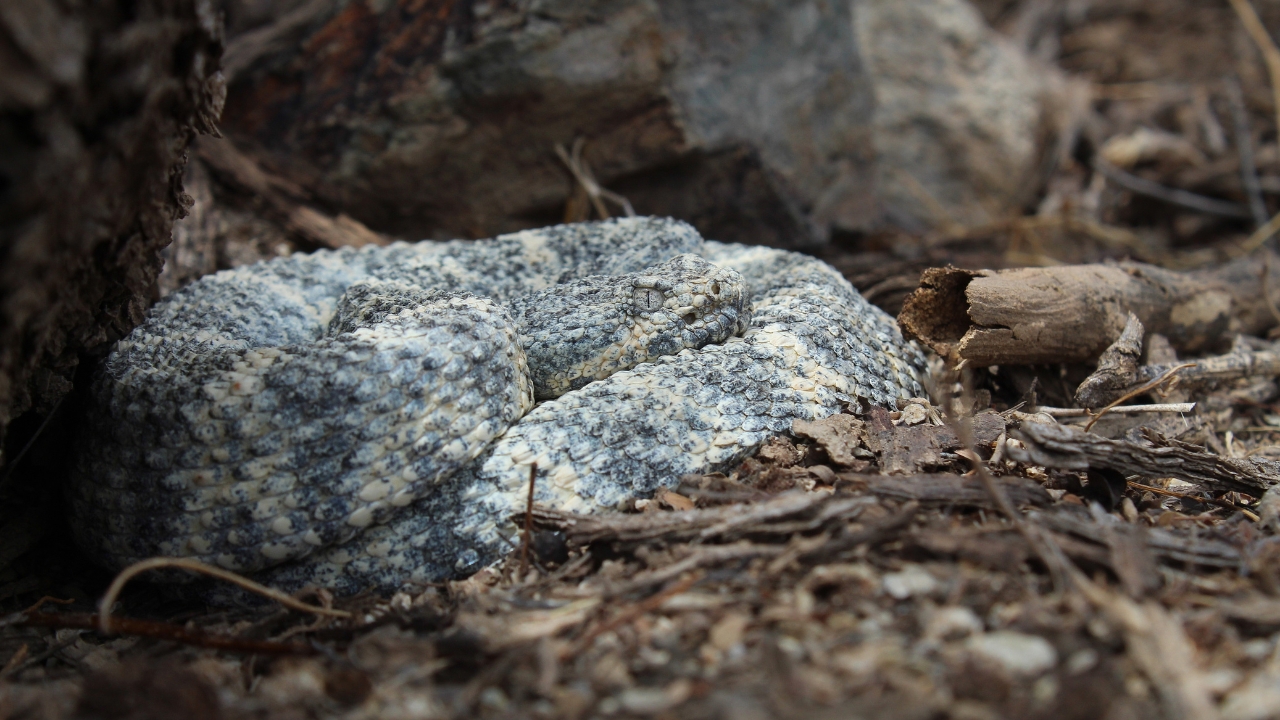
9. Speckled Rattlesnake

Found in the desert regions of the Southwest, these snakes are true camouflage experts. Their coloring matches the rocks and gravel perfectly, and they’re most active in early morning or late evening when hunters are on the move.
They don’t get as big as some other rattlers, but their bite is still serious. They tend to freeze when approached, which means you might not notice them until your boot is inches away. Keep an eye out near rock piles and washes.
10. Gopher Snake (Non-Venomous)

Gopher snakes aren’t venomous, but they make this list because they’re constantly mistaken for rattlesnakes—and they get stepped on often. When threatened, they’ll coil, hiss, and even shake their tails, which sounds like a rattle in dry grass.
Hunters jump or swing at these snakes all the time before realizing it’s a false alarm. Still, they’ll bite if provoked, and the sudden scare can lead to accidents if you react the wrong way with a weapon in hand.
*This article was developed with AI-powered tools and has been carefully reviewed by our editors.