
Red dots on pistols aren’t “new” anymore. What’s new is how many companies finally figured out the boring details that make an optics-ready gun feel finished: a cut that actually supports the optic, screws that don’t feel like an afterthought, backup sights you can still use, and a slide setup that doesn’t turn into a reliability science project once you add a little weight up top.
A pistol that “doesn’t need fixing” out of the box usually gets a few things right. The optic sits low and stable. The mounting system gives you real recoil control, not only screw tension. The gun still runs with your normal practice ammo, and you’re not immediately shopping for different sights, plates, or springs. These are optics-ready pistols that tend to feel sorted the way they come.
Springfield Armory Echelon

The Echelon feels like it was designed around the optic, not retrofitted after the fact. The mounting system keeps the dot sitting low, and the interface does a good job of supporting the optic so it’s not relying on screws alone to take recoil. That’s one of the main reasons it doesn’t feel like you need to “fix” anything right away.
Out of the box, it also shoots like a duty pistol should. The grip and recoil impulse make it easy to track the dot, and the gun tends to stay dependable without you immediately chasing different springs or mystery upgrades. You still need to mount the optic correctly and verify screw fit, but the base platform usually feels ready to run. It’s a modern, practical setup that doesn’t make you babysit it.
SIG Sauer P365 XMacro

Micro-compacts can get finicky once you add an optic, but the XMacro generally handles the real-world setup better than most. The optics-ready slide is part of the package, and you’re starting with a gun that has enough grip and enough slide mass to keep the dot from feeling like it’s bouncing around.
The “no fixing” part is how complete the overall package feels. You’re not immediately fighting the gun with your hands. You can build a consistent grip, the dot settles, and the pistol usually cycles a wide range of common loads without drama. Like any small pistol, you’ll see more sensitivity to limp grips than a full-size gun, but the XMacro is one of the few that feels ready for serious range time without a parts list on day one.
SIG Sauer P320 XCarry

The P320 XCarry has been around long enough that the optics-ready concept on this platform is well worn in. The cut is common, support is strong, and the ecosystem is mature, which matters because it keeps you from chasing oddball plates or hard-to-find hardware. When people say they want an optics-ready pistol that feels “normal,” this is the lane.
What keeps it from needing fixes is how easy it is to set up and live with. The size is big enough to track a dot well, and the platform usually runs with typical range ammo even after you add an optic. You still do your part with proper mounting and a quick function check, but you’re not starting with a gun that feels under-sprung or overly delicate. It’s a practical workhorse for dots.
Smith & Wesson M&P 2.0 Optics Ready
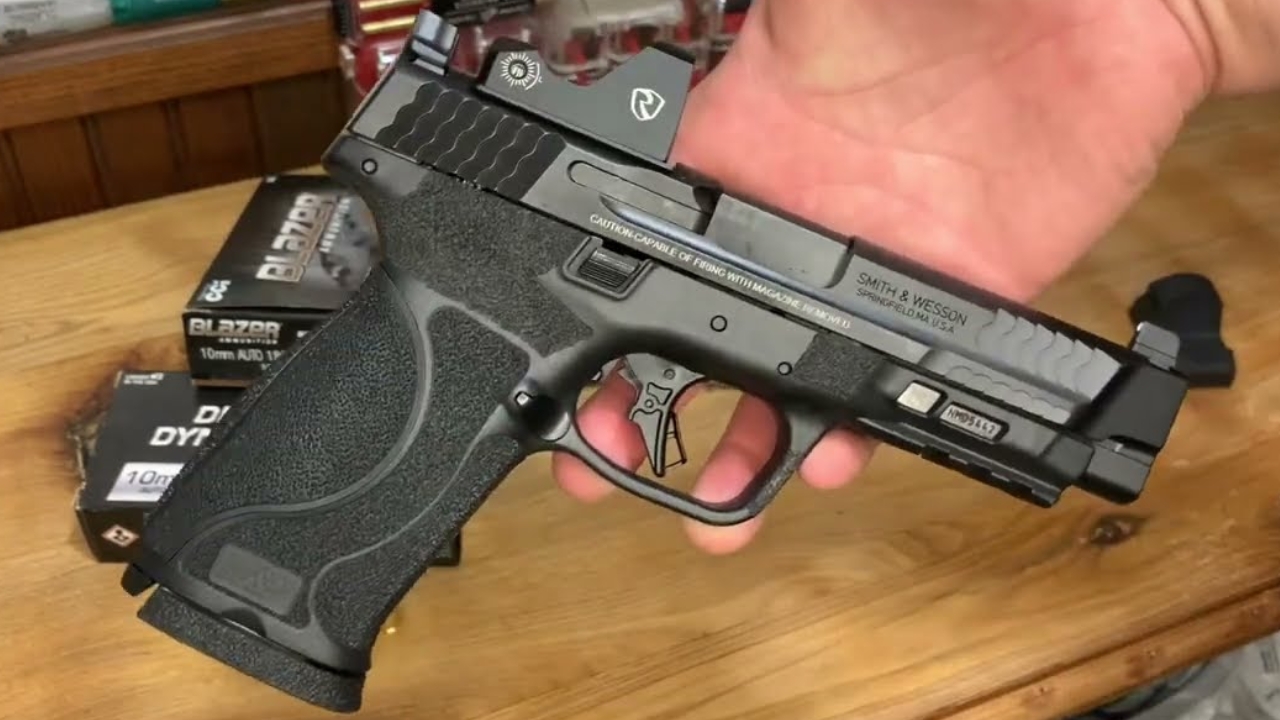
The M&P 2.0 optics-ready models are popular because they feel like duty pistols first, dot hosts second. The slide cut and plate system are straightforward, and the gun’s overall reliability reputation doesn’t suddenly change because you put a dot on top. That’s the whole point.
What makes it feel “done” out of the box is how it shoots. The grip texture and frame shape help you lock in, and the gun tracks predictably, which is a big deal when you’re learning to call shots through a dot. The M&P also tends to stay reliable with mixed practice ammo, which is where many optics-ready pistols get exposed. You don’t need to start swapping parts to make it feel controllable. Mount it right, confirm zero, and it’s ready for real use.
Walther PDP Pro SD

The PDP Pro SD is one of the most complete optics-ready packages you can buy without turning it into a project. You get an optics-ready slide, a shootable trigger, and a setup that’s meant to work with modern use patterns, including a dot and a light. It feels like a pistol that was spec’d by somebody who actually shoots drills.
What keeps it from needing fixes is the way it behaves at speed. The gun is easy to drive, and the dot stays readable because the recoil cycle is predictable. Walther’s system is also common enough that you’re not stuck hunting rare parts. You still need to pick an optic that fits your needs and mount it correctly, but you don’t have to “solve” the pistol first. It shows up ready for hard range work.
FN 509 MRD

The FN 509 MRD lineup is built around service durability, and that mindset shows in the optic setup. The mounting system is designed to hold up, not only to look good on a spec sheet. When you put a dot on a 509, it usually feels like the gun was expecting it, not tolerating it.
The other reason it doesn’t need fixing is that the pistol tends to stay boring in the right way. It runs. The recoil impulse is consistent, and it handles a wide spread of common factory ammo without needing you to tinker. That matters because the optic adds weight and changes slide dynamics, and some pistols get weird about that. The 509 generally doesn’t. Get your mounting hardware right, confirm your dot, and you’ve got a reliable, ready-to-run setup.
HK VP9 Optics Ready

The VP9 optics-ready models have a reputation for being easy to live with, and it’s not hype. The platform is known for reliability, and it usually stays that way after you add an optic. The optic cut is clean, and the gun feels well-balanced once you mount a dot.
Where it shines is the “no surprises” factor. The VP9 tends to feed and cycle consistently with mainstream ammo, and it’s forgiving enough that you can focus on learning the dot rather than troubleshooting the gun. The ergonomics also help you build a repeatable grip, which is what keeps dot shooting honest. You still need to mount the optic correctly and keep an eye on screw torque, but you’re not buying a VP9 because you want a hobby project. You’re buying it because it runs.
CZ P-10 C Optics Ready

The P-10 C optics-ready models are a strong answer for shooters who want a practical dot gun without paying for a boutique name. The slide cut and plate setup are common, and the pistol’s core design is simple and durable. That combination usually keeps you out of the weeds.
What makes it feel “finished” is how well it shoots for the money. The trigger is usable, the recoil impulse is steady, and the gun tends to run across typical range loads without needing you to start swapping parts. It’s also a size that makes dot shooting easier than on micro-compacts, which matters when you’re pushing speed. If you want a straightforward optics-ready pistol that doesn’t immediately demand upgrades to feel right, the P-10 C is one of the cleanest options.
Beretta APX A1 Tactical

The APX A1 Tactical doesn’t get talked about as much as it should, but it’s a solid optics-ready pistol that feels ready for real use. The optics-ready slide and the overall duty-style setup give you a platform that usually mounts a dot without fuss and then keeps running.
What helps is the pistol’s no-drama personality. The APX A1 tends to cycle reliably with common ammo, and it doesn’t feel overly sensitive once you add the optic’s weight. The controls are straightforward, the grip is secure, and the gun tracks predictably, which is what you want when you’re doing drills instead of slow fire. You still verify your optic fit and mounting screws like an adult, but you’re not buying this gun to replace parts. You’re buying it to shoot it.
Beretta 92X RDO

A lot of people assume metal guns are automatically harder to set up for dots, but the 92X RDO is one of the exceptions that feels mature. The optic-ready setup is clean, and the pistol’s long, smooth recoil cycle makes dot tracking feel almost unfair compared to snappier compacts.
The “doesn’t need fixing” part is that you’re starting with a very shootable platform. The gun is stable, it returns to target well, and it generally runs with typical ammo without getting moody. The 92 design has always been a reliable feeder with common bullet shapes, and adding an optic doesn’t usually change that story. It’s still a Beretta, so you take mounting seriously, but you’re not trying to cure a flawed pistol. You’re adding a dot to a proven one.
Canik METE SFT Pro

The METE SFT Pro is a good example of a pistol that gives you the optics-ready features people actually use, not a half-finished promise. The optic-ready slide setup is common, the gun is easy to shoot, and the overall package usually doesn’t feel like it needs immediate correction to be enjoyable.
What keeps it from turning into a “fix it” situation is shootability. A dot is easier to learn on a gun that tracks well, and the METE SFT Pro generally does. The size helps, too. Full-size guns tend to be more forgiving with mixed practice ammo, and this one usually runs fine as long as you use decent magazines and mount the optic correctly. You still confirm reliability with your carry load, but you’re not starting from a place of constant malfunctions.
IWI Masada Tactical

The Masada Tactical is a practical optics-ready pistol that doesn’t try to be fancy. It’s meant to work, mount a dot, and keep cycling with normal ammo. That’s what most shooters actually want, especially if you’re setting up a defensive pistol and you’re tired of internet drama.
The reason it feels ready out of the box is the platform’s simplicity. Controls are straightforward, the gun is easy to maintain, and the recoil cycle tends to stay consistent even with an optic installed. It’s not the softest shooter on earth, but it’s predictable, and predictable is what makes dot shooting fast and accurate. Mount it correctly, confirm your zero, and you’ve got a serviceable optics-ready pistol that doesn’t demand a shopping spree to feel right.
Shadow Systems MR920 Elite

The MR920 Elite is built around the idea that an optics-ready pistol should already have the small details sorted. The optic mounting setup is a big part of that. It’s designed to fit popular footprints without you immediately hunting for aftermarket plates, and the overall package is meant to be shot hard, not babied.
What keeps it from needing fixes is that the pistol is configured like a working gun from the start. The grip texture, sights, and general controls are chosen with real use in mind, and the gun is typically reliable with quality ammo. Like any pistol, it’s not immune to bad magazines or weak loads, but you’re not buying an MR920 to “upgrade” it into something else. The point is that it already feels like the upgraded version. Add your dot and go shoot.
Staccato P DUO

If you want an optics-ready pistol that feels like it was built to run hard without tinkering, the Staccato P DUO is a top-tier example. The platform is known for reliability in serious use, and the optics setup is part of the system, not a last-minute slide cut.
The “no fixing” factor here is how stable everything feels once the dot is mounted. The gun tracks smoothly, the trigger helps you call shots, and the whole setup tends to stay consistent through high round counts when it’s properly maintained. You’re paying for that refinement, no doubt, but the experience is different. You don’t buy this pistol expecting to polish it into shape. You buy it because it already feels like a sorted duty-grade dot gun, ready for drills and real work.
Taurus GX4 T.O.R.O.

The GX4 T.O.R.O. is proof that optics-ready doesn’t have to mean fragile, even in a smaller carry gun. It’s a compact package that gives you an optic-ready slide without forcing you into an awkward, unfinished setup. For a lot of people, that’s the appeal: a carry-size pistol that doesn’t require a pile of aftermarket parts to mount a dot.
The reason it can feel “ready” is that it’s built around the reality of carry guns. The size is manageable, the controls are simple, and with mainstream factory ammo it usually runs well once you confirm function with your chosen load. Micro and compact guns always ask more from your grip than full-size pistols, but the GX4 T.O.R.O. can be a straightforward dot host when you mount correctly and keep your magazines solid.
Ruger-5.7

A pistol like the Ruger-5.7 makes sense in the optics-ready conversation because it stays flat and controllable, which is exactly what helps a dot feel useful. The platform is known for mild recoil and fast follow-up shots, and that makes it easy to keep the dot in the window when you’re moving at speed.
The other benefit is reliability with the ammo it’s built for. When you feed it proper 5.7×28 loads and keep the magazines clean, it tends to run consistently. That consistency matters because optics expose timing issues quickly. A pistol that cycles predictably is easier to trust and easier to shoot well. You still treat mounting like a serious job and you confirm your zero, but you’re not buying the Ruger-5.7 to “fix” it into a dot gun. It already behaves like one.
Like The Avid Outdoorsman’s content? Be sure to follow us.
Here’s more from us:


