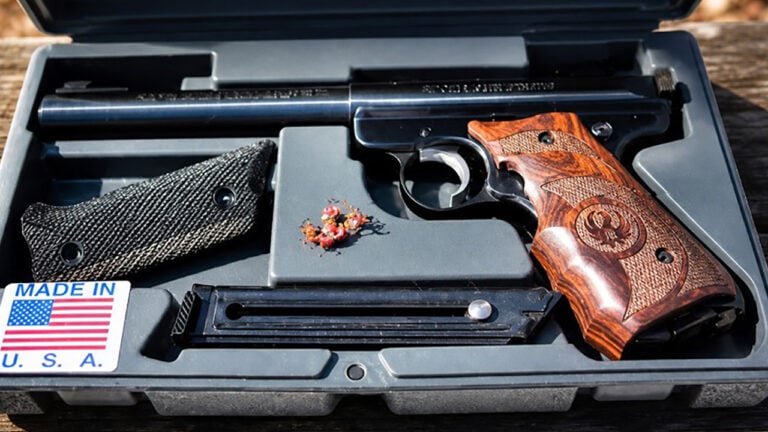
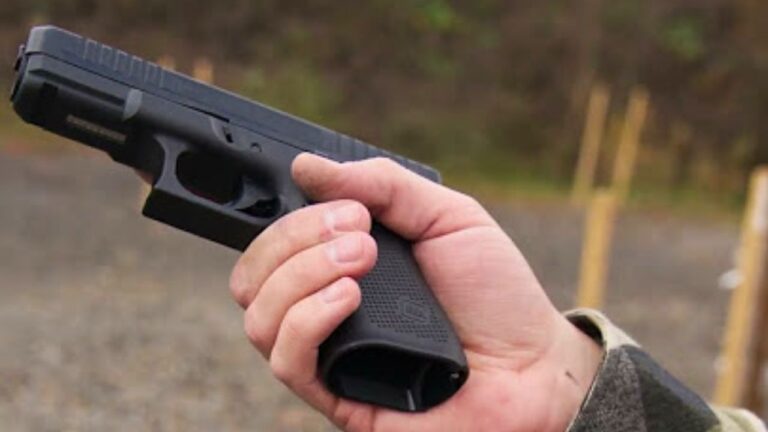
Photo credit: THE PEWPEW ZONE/YouTube
A lot of people buy their first 1911 because it’s iconic. It looks right, feels right, and it has that “this is a real pistol” reputation. Then they bring it home, run a few boxes through it, and realize the 1911 is a little different than the polymer guns they’re used to. None of that has to be a deal-breaker. But it does help to know what you’re getting into before you spend money, swap parts, or start blaming the gun for problems that are actually just “1911 reality.”
I’ve owned enough of them and watched enough people learn the hard way to say this: a 1911 can be a fantastic pistol, but it rewards attention to details. Here are 10 things buyers often don’t expect.
1) Not all 1911s are built to the same “1911 standard”
People talk about “a 1911” like it’s one exact thing, but the market is all over the place. Different makers use different tolerances, different small parts, different fitting, and different approaches to what “reliable” should mean. Some are built tight and smooth for accuracy, and they want to be run with proper lubrication. Others are built a little looser and tend to tolerate dirt and neglect better. That’s why two 1911s can feel totally different even if they look similar on the shelf.
2) Magazines matter more than most new owners realize
If you’ve been running striker-fired pistols, you might be used to “any decent mag works.” The 1911 is pickier. A lot of feeding problems trace back to magazines — feed lips, spring strength, follower design, even the base plate. When someone says their 1911 is unreliable, one of the first questions should be, “What mags are you using?” A quality magazine can fix “gun problems” fast.
3) Extractor tension isn’t a myth — it’s a real reliability factor
The 1911 uses an extractor design that can require proper tension to run right. If the extractor tension is off, you can see failures to feed, failures to extract, and weird ejection patterns. Plenty of 1911s run fine forever without you touching it, but when one is acting up, this is one of the first places knowledgeable people look. New owners often don’t even know it’s a thing until someone explains it.
4) Some 1911s need a break-in period, and that’s not always “bad”
You’ll hear people argue about break-in like it’s either completely normal or completely unacceptable. The truth depends on the gun. A tightly fit 1911 may smooth out after a few hundred rounds, especially if it’s properly lubed and you’re using decent ammo. That doesn’t excuse a pistol that’s choking constantly, but it does explain why some new 1911s feel stiff early and then settle into being very smooth runners.
5) Lubrication matters more than you expect
A lot of modern pistols will run bone dry, dirty, and neglected. A 1911 will usually tell on you faster. The slide rails, barrel lugs, and bushing area like to be properly lubricated, especially on tight guns. If your 1911 starts feeling sluggish or you get random stoppages, the fix might be as simple as cleaning and lubing it like you actually care about it. New owners often run it like a Glock and then wonder why it’s not acting like one.
6) “Drop-in parts” aren’t always drop-in
The internet will convince you that you can turn any 1911 into a custom pistol with a cart full of parts. In reality, a lot of 1911 parts are meant to be fit. Safeties, triggers, hammers, sears, bushings, even some slide stops — they can require fitting for proper function and safety. People buy parts, install them, and suddenly the gun has weird issues. Then they blame the platform. A properly set up 1911 is great, but it’s not always the best choice for guys who like to tinker without understanding how the system works.
7) The 1911 trigger can spoil you — and it can also get you in trouble
A good 1911 trigger is hard to beat. That crisp break is a big reason people shoot them so well. But it can also surprise new owners who aren’t used to a light, clean single-action trigger. It demands good habits. If you’re sloppy with your finger placement or you’ve got bad stress habits, that trigger will expose it. It’s a great shooting tool, but it’s not the pistol I hand to someone who’s brand new and still learning discipline.
8) Some ammo and bullet profiles run better than others
A classic 1911 design was built around ball ammo, and while modern 1911s typically handle hollow points fine, not every setup loves every bullet shape. Certain feed ramp and throat geometries, certain magazine designs, and certain overall lengths can make a difference. If your gun doesn’t like a specific hollow point, it doesn’t automatically mean the gun is junk. It means you need to find what it runs best. For a defensive gun, that’s not optional — it’s part of owning it responsibly.
9) Full-size 1911s are often more reliable than short ones
This one surprises people who want a compact 1911 for carry. The shorter you go — Commander, Officer, micro — the more you’re asking the design to run outside its original timing and geometry. Plenty of compact 1911s run great, but the platform tends to be happiest in the full-size 5-inch format. If someone wants their first 1911 and reliability is the top priority, I usually steer them toward a full-size gun first. Once you understand the platform, going shorter makes more sense.
10) A great 1911 is “worth it” in a way that doesn’t show up on spec sheets
On paper, a 1911 can look outdated: lower capacity, heavier, requires more attention. But when you get a good one that fits your hand, shoots flat, and has a trigger that lets you be precise, you understand why it never went away. It’s not because people are stuck in the past. It’s because the shooting experience is genuinely different. Buyers don’t always expect that. They expect a history lesson. What they get is a pistol that can still run with modern guns when the owner does their part.
Like The Avid Outdoorsman’s content? Subscribe to our newsletter so you never miss an article.
Here’s more from us: