Photo credit: Honest Outlaw/Youtube
Modern guns can be excellent. Plenty shoot better than older guns, carry easier, resist weather better, and give regular shooters features that used to cost real money. But not every “modern improvement” is actually an improvement. Sometimes it’s just a shortcut with better packaging.
Cheap stocks, rough triggers, flimsy magazines, plastic where metal mattered, and finishes that don’t hold up can sour a buyer fast. These firearms remind shooters what solid design and better execution feel like, which makes modern shortcuts a lot harder to forgive.
Winchester Model 70 Classic Stainless
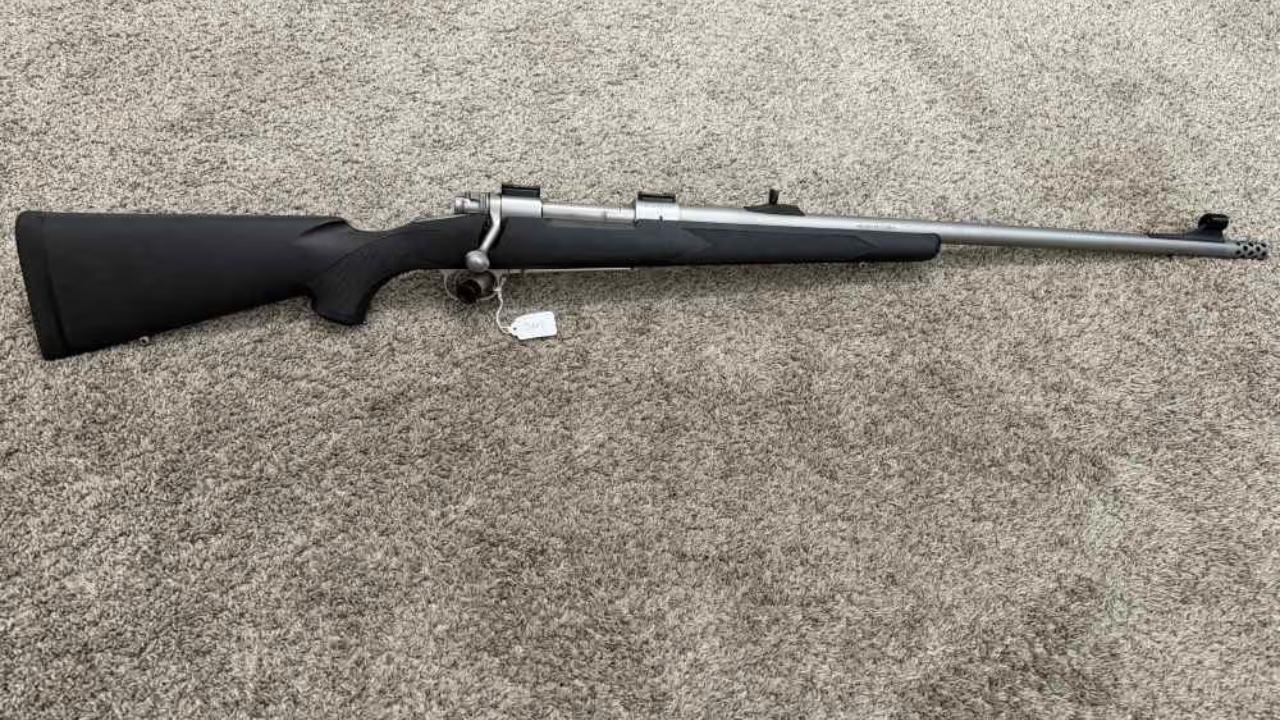
The Winchester Model 70 Classic Stainless makes a lot of modern hunting rifles feel like they gave up too much in the name of cost and weight. It brings stainless construction, controlled-round feed, a strong extractor, and the excellent three-position safety into a rifle that feels built for actual field use.
Pick one up after handling a few newer rifles with hollow stocks and rough-feeling actions, and the difference is obvious. The Classic Stainless feels like a rifle that was meant to survive seasons, not just look decent in a catalog photo. It may not be the lightest rifle around, but that substance is part of why hunters trust it. Weather resistance doesn’t have to mean cheap-feeling, and this rifle proves it.
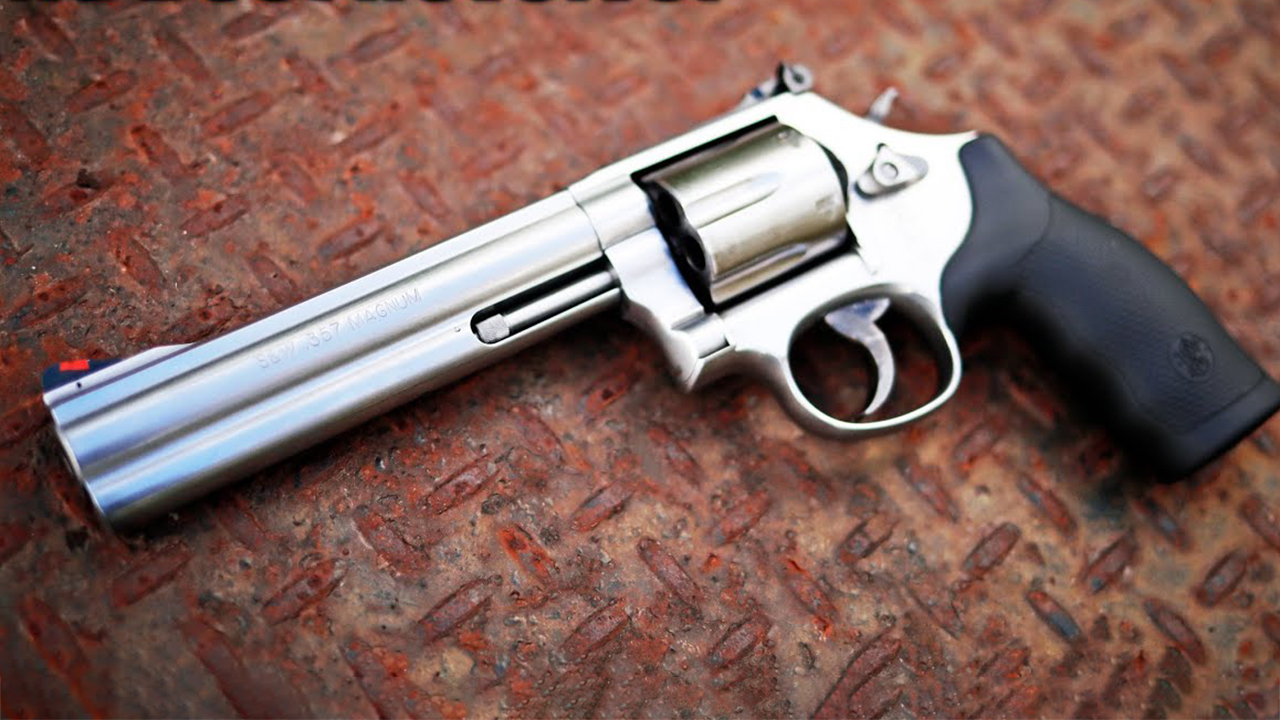
Smith & Wesson Model 686

The Smith & Wesson Model 686 makes cheap revolver shortcuts easy to notice. Timing, lockup, trigger feel, sights, and overall balance matter a lot on a wheelgun, and budget revolvers often show their weaknesses in those exact places. The 686 has long been respected because it gets the fundamentals right.
The L-frame gives it enough strength for .357 Magnum use without becoming as bulky as an N-frame. It also shoots .38 Special beautifully, which makes it useful for practice and training. A good 686 feels steady, smooth, and durable. After running one, gritty triggers and loose-feeling bargain revolvers are harder to excuse. Revolvers are simple in concept, but they still need to be built right.
Browning Citori
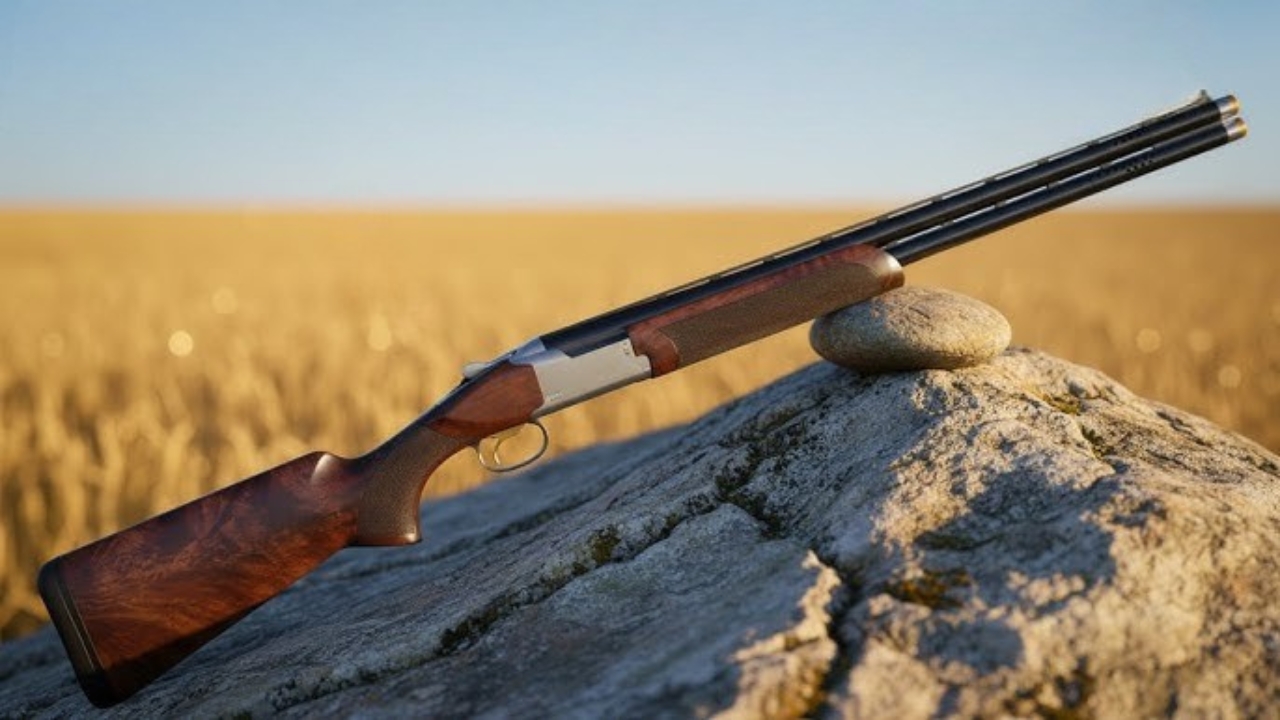
The Browning Citori is one of those shotguns that makes cheap over-unders feel risky. A budget over-under may look fine on the rack, but high round counts have a way of exposing weak lockup, poor triggers, awkward balance, and rough fit. The Citori earned its reputation by holding up.
It’s not a bargain shotgun, but it often saves shooters from learning the hard way that a double gun needs real build quality. The Citori locks up solidly, swings well in the right configuration, and comes in versions for hunters and clay shooters alike. Once someone has handled a good one, it gets harder to forgive newer over-unders that look the part but don’t feel built for long-term use.
Ruger GP100

The Ruger GP100 makes modern cost-cutting hard to ignore because it feels like strength was part of the design from the beginning. It isn’t the most polished revolver, and it doesn’t pretend to be. But it has a rugged frame, good durability, and enough weight to make .357 Magnum manageable.
That matters when you compare it to lighter or cheaper revolvers that feel fine until you start shooting them regularly. The GP100 can handle steady range use, woods carry, home-defense duty, and plenty of .38 Special practice without feeling delicate. Some revolvers look good until the trigger, lockup, or recoil control tells the truth. The GP100 earns trust because it feels like it was built for owners who actually shoot.
Sako 85 Finnlight
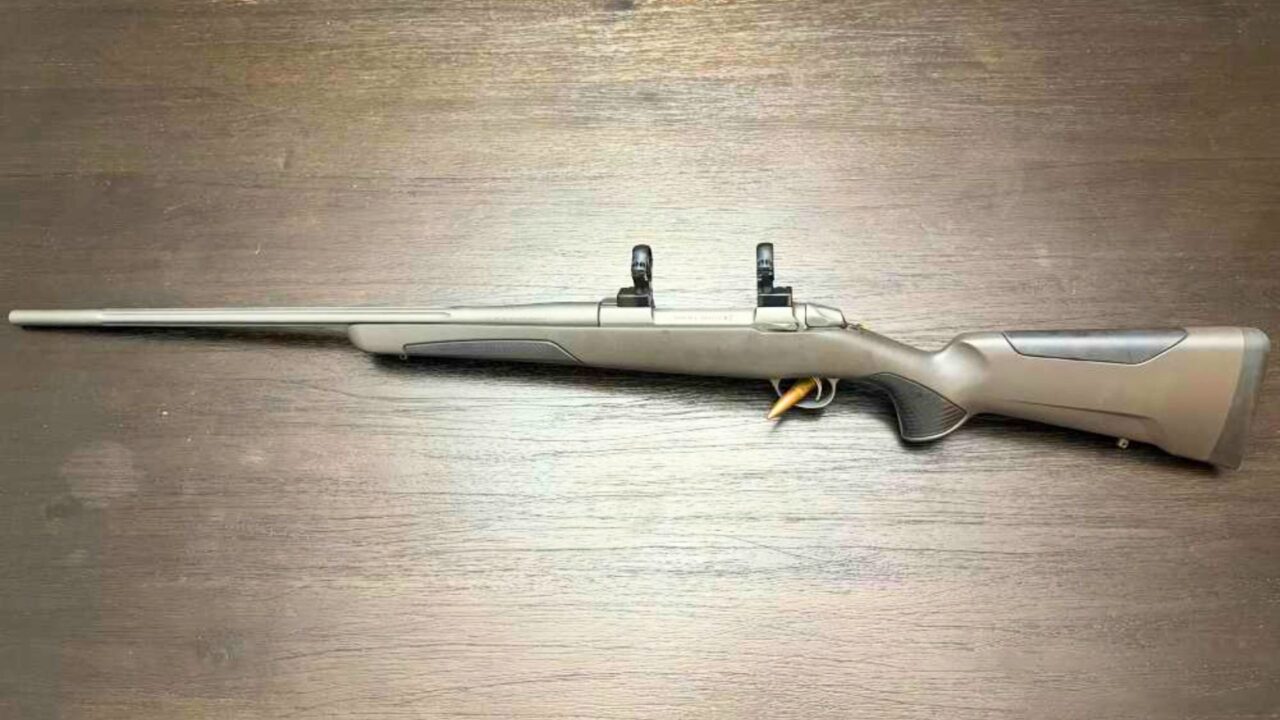
The Sako 85 Finnlight shows that a lightweight rifle doesn’t have to feel cheap. A lot of modern rifles chase low weight by shaving material, using thin stocks, and accepting a less solid feel. The Finnlight keeps the weight reasonable while still feeling refined and serious.
The action is smooth, the trigger is excellent, and the rifle carries the kind of quality that makes hunters trust it in difficult country. It is not inexpensive, but the money feels like it went into things that matter. Some lightweight rifles feel nervous and hollow. The Finnlight feels purposeful. That’s why it makes shortcuts in cheaper mountain-style rifles stand out so quickly.
Beretta 92FS

The Beretta 92FS makes modern pistol shortcuts harder to forgive because it reminds shooters how good a full-size service pistol can feel when shootability matters. It’s large, yes. It’s heavier than polymer guns, yes. But that size and weight make it smooth, stable, and easy to shoot well.
A lot of newer pistols win on weight, cost, or capacity, but not all of them feel as refined during long range sessions. The 92FS has a soft recoil impulse, long sight radius, and a metal-frame feel that keeps it pleasant. The DA/SA trigger takes work, and the slide-mounted safety isn’t everyone’s favorite. Still, once shooters run one well, rough triggers and snappy lightweight pistols become harder to defend.
CZ 550
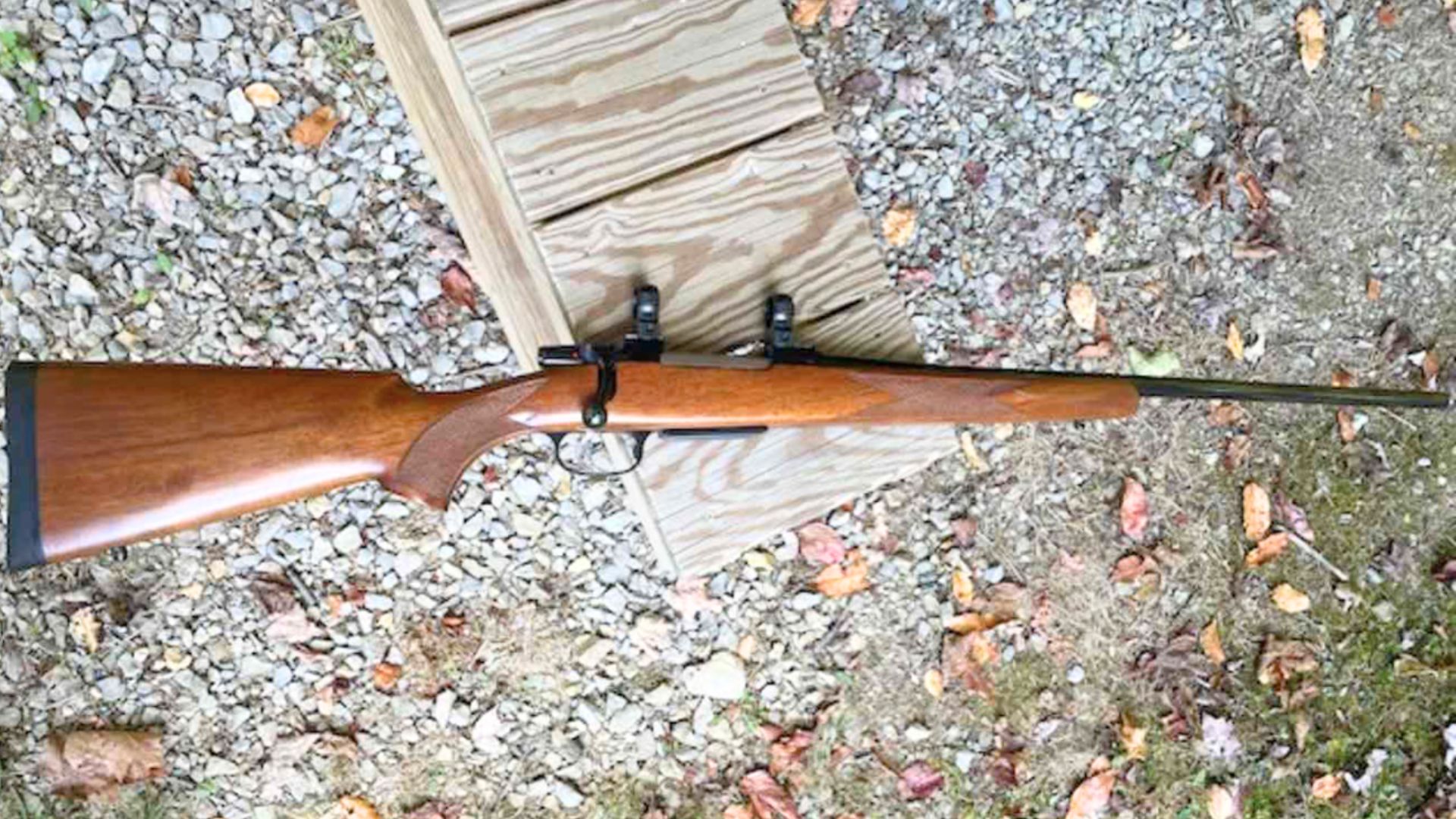
The CZ 550 makes modern rifle shortcuts painfully obvious. It has a Mauser-style controlled-round-feed action, a large extractor, strong stock-and-steel presence, and a set trigger on many versions. It feels like a rifle made around function and strength, not production efficiency alone.
Compared with many new rifles, the 550 can feel heavy. But that weight often brings confidence. It feeds with authority, handles serious chamberings well, and gives hunters the feeling that the rifle was built for real consequences. Modern rifles may be more modular, lighter, and easier to produce, but they don’t always feel as trustworthy. A CZ 550 reminds shooters that solid actions and good triggers were never outdated ideas.
Colt Government Model 1911
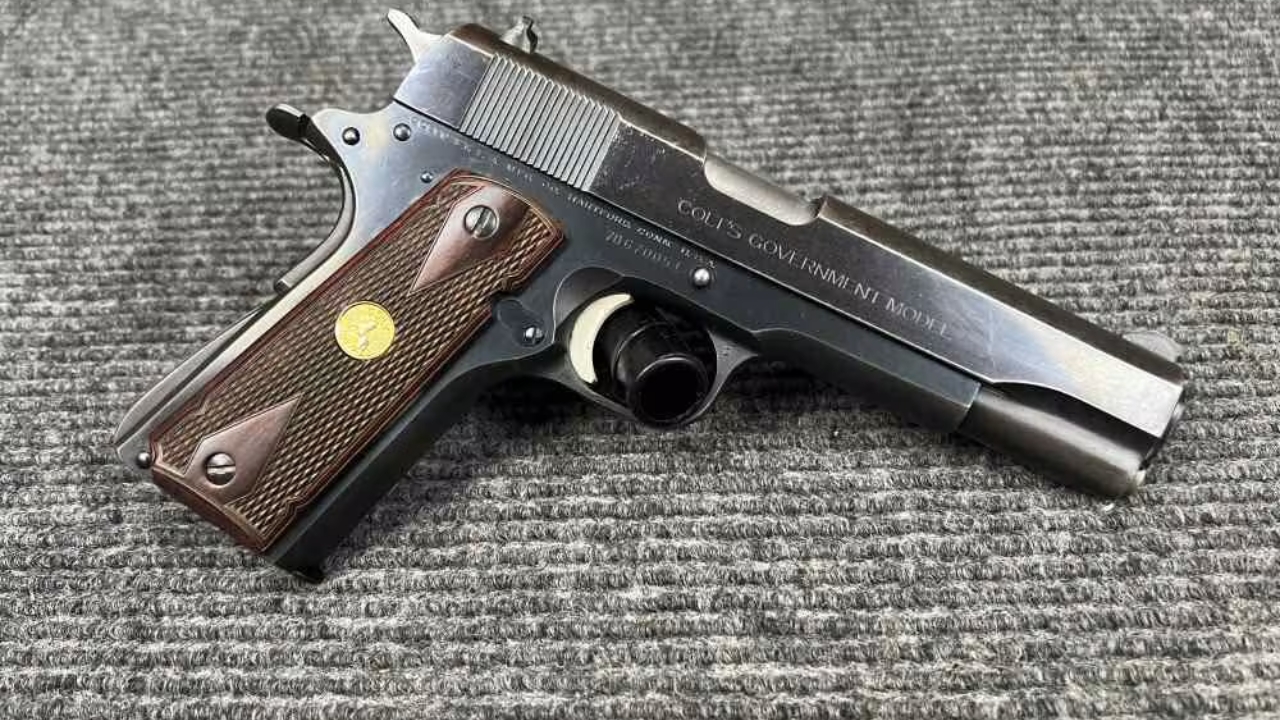
The Colt Government Model 1911 makes cheap 1911 shortcuts hard to forgive because the platform depends so much on fit, parts quality, and proper execution. A budget 1911 can look right from across the counter, but range time has a way of exposing poor extractors, rough triggers, bad magazines, and sloppy safety fitting.
A good Colt reminds shooters why the design lasted. The trigger, balance, grip angle, and recoil impulse all work together in a way that still feels special. It isn’t the highest-capacity pistol, and it isn’t the simplest modern defensive choice. But when a 1911 is built correctly, it has a feel cheap copies struggle to match. That makes shortcuts very obvious.
Weatherby Mark V

The Weatherby Mark V makes a lot of modern bolt guns feel underbuilt. The action was designed around strength, especially for Weatherby’s high-pressure magnum cartridges, and that seriousness still comes through. It has a short bolt lift, strong lockup, and a distinct feel that separates it from ordinary hunting rifles.
Not every hunter needs a Mark V, and not every hunt calls for Weatherby speed. But the rifle’s build quality is hard to ignore. Compared with lightweight budget rifles that feel like they’re trying to do everything with as little material as possible, the Mark V feels substantial and confident. It reminds hunters that strength, smoothness, and long-term pride of ownership still matter.
HK USP
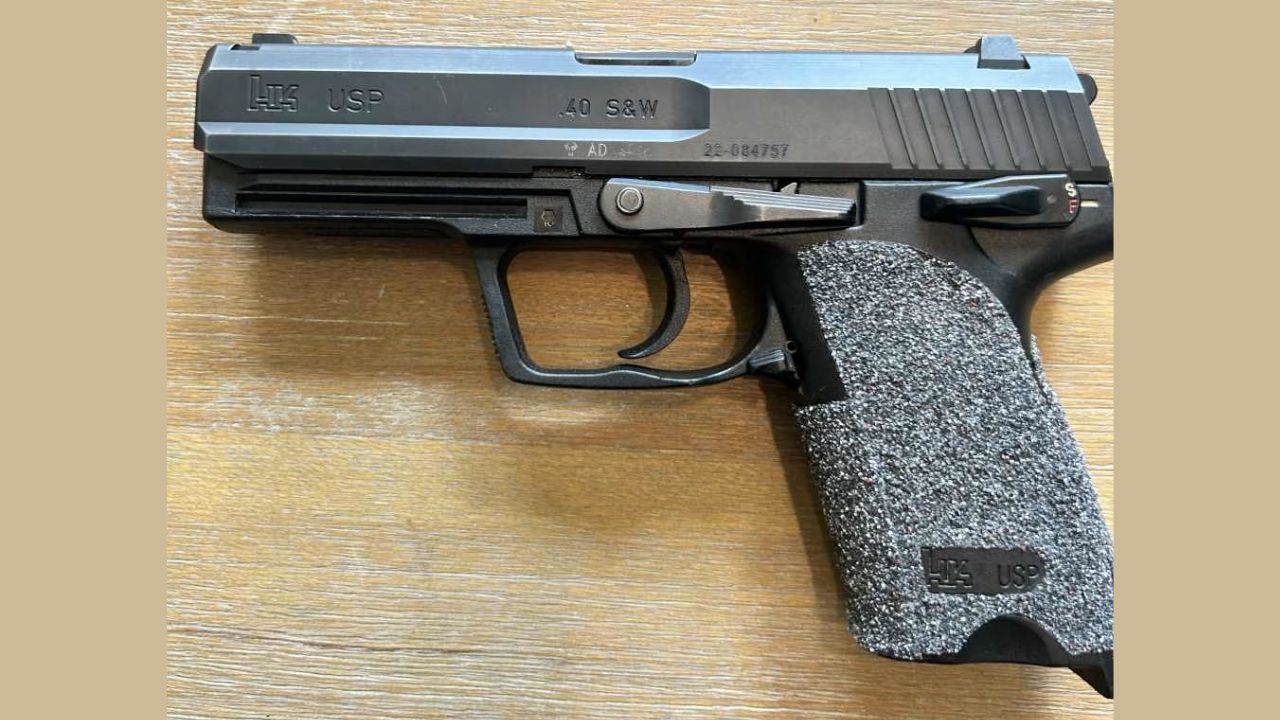
The HK USP has always had an overbuilt personality, and that’s exactly why it makes modern shortcuts hard to forgive. It isn’t sleek by today’s standards. It’s chunky, expensive, and very much a product of its era. But it was built with durability in mind, and that shows.
The USP handles hard use, recoil, and high round counts with a seriousness that many lighter pistols don’t quite match. The controls and grip shape aren’t for everyone, but the pistol feels like it was designed for service first and fashion second. After spending time with one, cheaper polymer pistols with flimsy magazines, vague triggers, or questionable durability start feeling less convincing. The USP may be old-school, but it feels honest.
Marlin 336 JM-Stamped Rifles
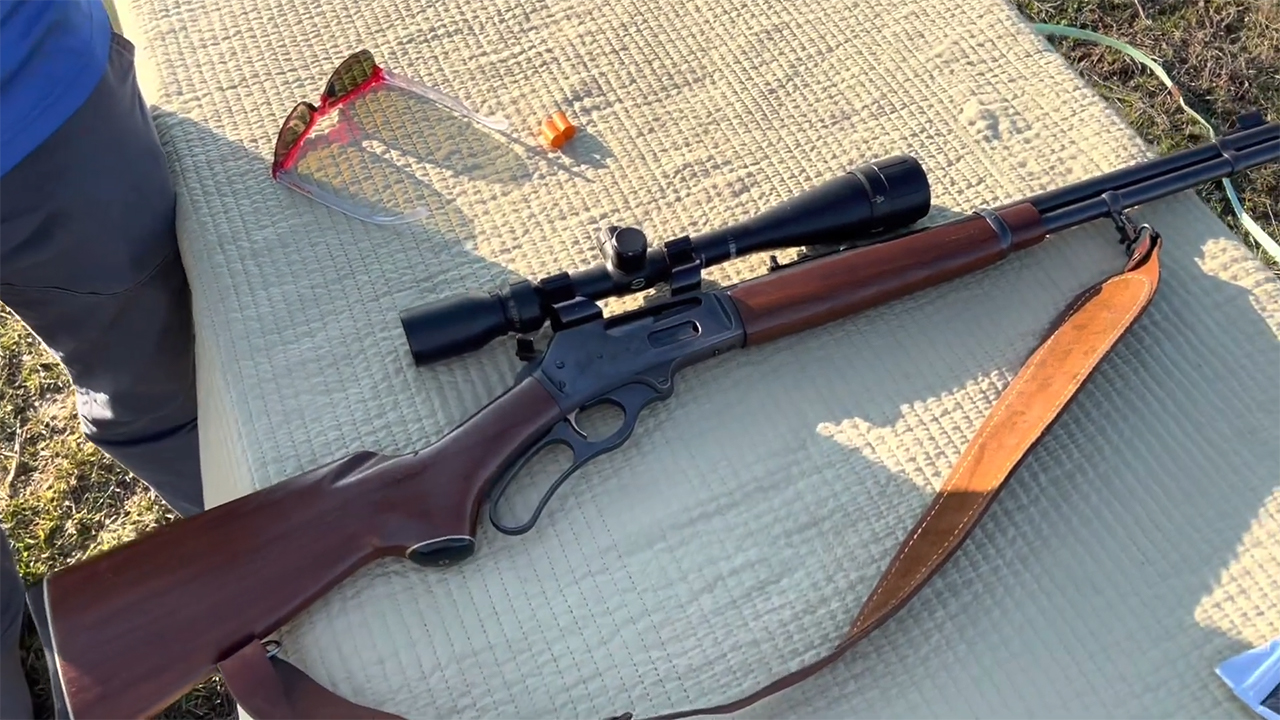
A good JM-stamped Marlin 336 makes newer lever-gun shortcuts hard to ignore. Lever-actions depend on smooth cycling, solid fit, and a feeling of mechanical confidence. When those things are off, you notice immediately. Older Marlins that were built right have a feel that keeps people chasing them.
The 336 is not complicated. It’s a woods rifle meant for practical deer hunting and field carry. But its solid-top receiver, side ejection, and handy balance made it one of the great American hunting rifles. Clean older examples feel broken-in, useful, and trustworthy. When a newer lever gun feels rough, loose, or cheaply finished, the comparison gets uncomfortable fast.
SIG Sauer P226
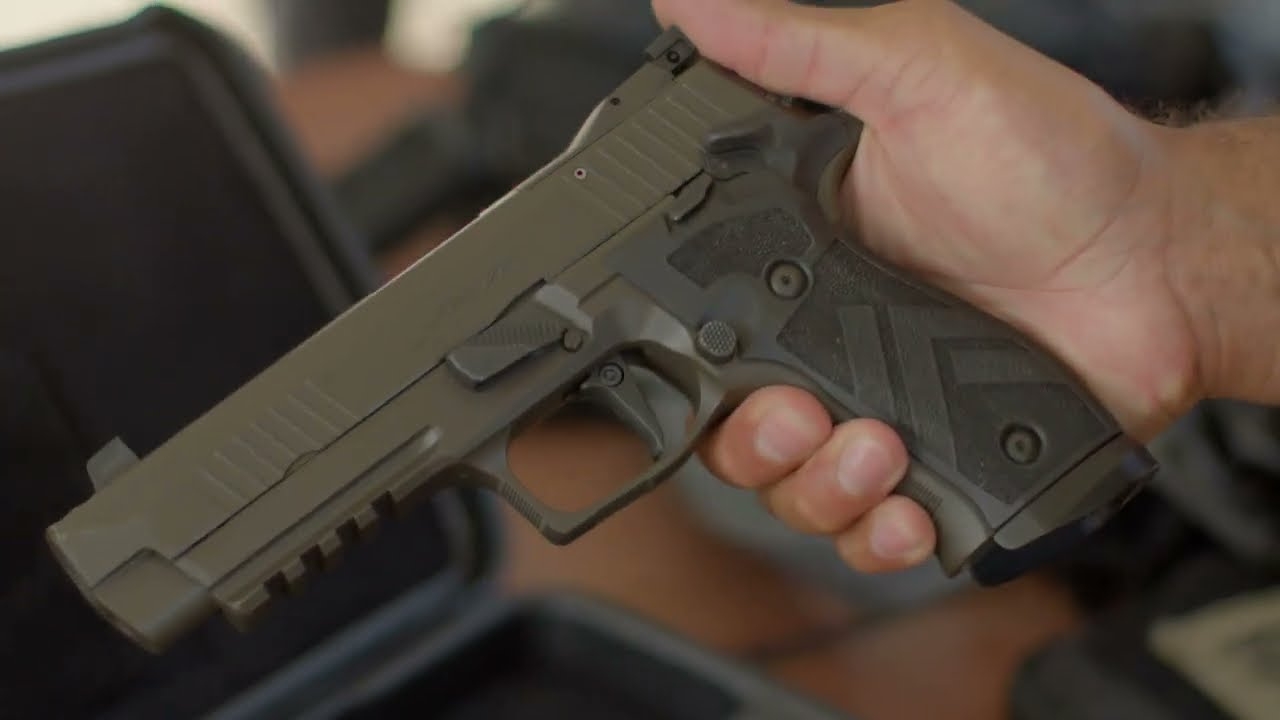
The SIG P226 makes modern duty-pistol shortcuts hard to excuse because it still feels like a serious service handgun. It’s heavier than most polymer pistols and more expensive than many striker-fired options, but the weight, balance, and build quality are exactly why owners trust it.
The P226 shoots smoothly, handles high round counts, and rewards shooters who train through the DA/SA trigger system. It has a planted feel that many lighter pistols can’t duplicate. Some newer handguns offer better optics support or easier carry, but not all of them inspire the same confidence. After running a P226, rough slides, cheap-feeling controls, and mushy triggers become harder to overlook.
Browning BLR

The Browning BLR makes modern shortcuts hard to forgive because it shows what thoughtful mechanical design can do. It gives shooters lever-action handling with a rotating bolt and detachable magazine, allowing modern pointed-bullet cartridges in a lever gun. That’s not a styling trick. That’s real engineering.
The BLR is more complex than traditional lever-actions, but the complexity has a purpose. It lets hunters carry a quick-handling rifle in chamberings like .243 Winchester, .308 Winchester, and other useful hunting rounds. Compared with rifles that add features mostly for sales appeal, the BLR feels like it was designed to solve an actual problem. That kind of purpose ages well.
Dan Wesson Specialist

The Dan Wesson Specialist makes cheap 1911-style pistols feel unfinished. It has the fit, parts quality, trigger feel, checkering, sights, and rail setup that many shooters end up paying to add or correct later on lesser pistols. It doesn’t feel like a gun that needs rescuing.
That matters with 1911s because the platform can either feel wonderful or frustrating depending on execution. The Specialist is built for shooters who want a serious pistol from the start. It is not cheap, but it often feels less expensive than buying a bargain 1911 and trying to turn it into something similar piece by piece. After handling one, shortcuts on cheaper 1911s become hard to ignore.
Ruger No. 1

The Ruger No. 1 makes modern shortcuts hard to forgive because it feels like a rifle built around strength, elegance, and deliberate shooting. A single-shot falling-block rifle is not the most practical option for every hunter, but the action itself has a solidness that many modern rifles don’t come close to matching.
The No. 1 is compact for its barrel length, strong enough for serious chamberings, and full of character. It doesn’t hide behind plastic furniture or trendy features. It asks the shooter to make one shot count, and the rifle feels worthy of that kind of focus. Modern rifles may be faster, lighter, and cheaper, but few feel as mechanically satisfying. That’s why the No. 1 still makes shortcuts look cheap.
Like The Avid Outdoorsman’s content? Subscribe to our newsletter so you never miss an article.
Here’s more from us: