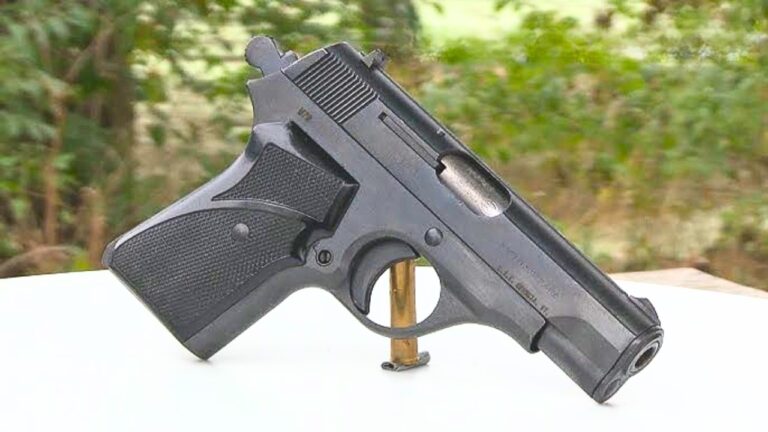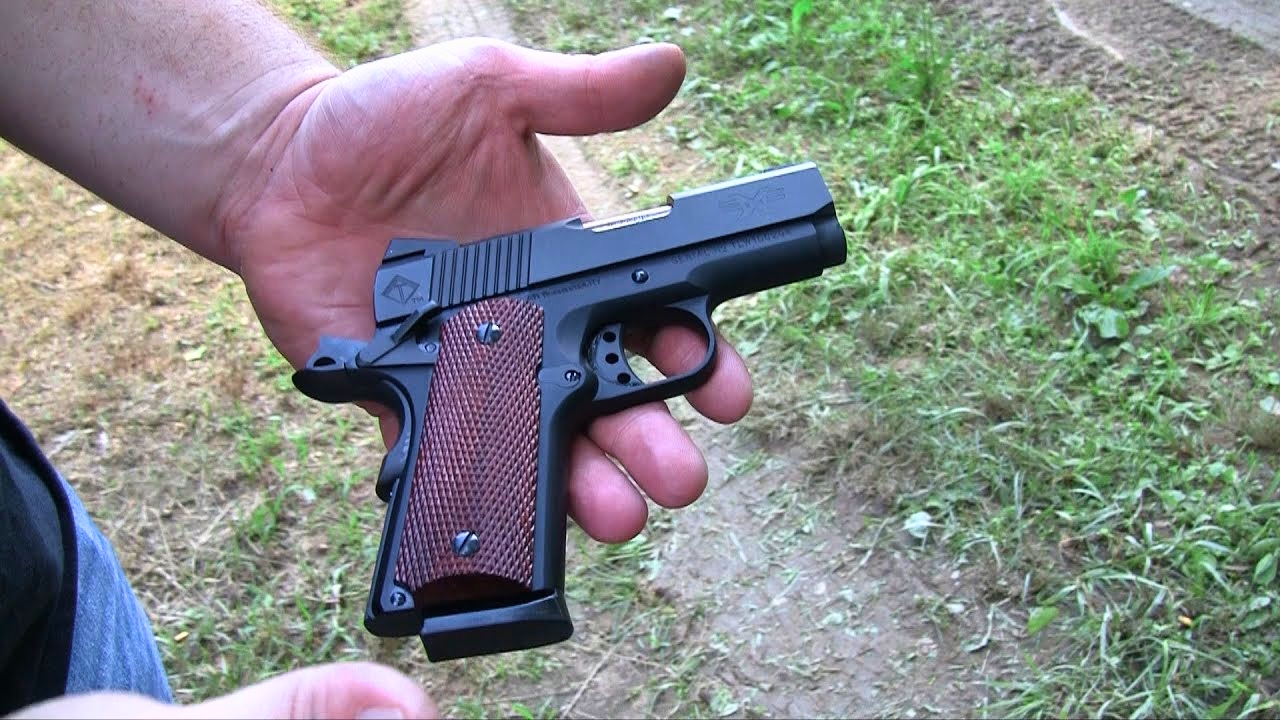
Photo credit: The VSO Gun Channel/YouTube
The most revealing clue on a used pistol is not the odometer-style round count sellers like to brag about, but a small patch of missing finish where metal parts collide on every shot. That single wear mark, usually at the muzzle end of the barrel or slide, compresses years of use, carry, and maintenance into a thumbnail of exposed steel. Read correctly, it can tell you whether a handgun has been shot hard, carried daily, or simply racked a few times at a counter.
I see that mark as a kind of biography in miniature, a record written by friction instead of ink. To understand it, you have to know how barrels lock and unlock, how holsters rub, and how different finishes age. Once you do, that one scar stops being cosmetic and starts becoming a fast, reliable way to judge a pistol’s past and its future.
Why one tiny wear patch matters more than round counts
When people shop for used pistols, they often chase guesses about round counts or obsess over spotless slides, yet the most honest evidence is usually the bright ring of wear at the front of the barrel hood or muzzle. That is where the barrel and slide meet under pressure every time the gun cycles, so even light use will polish away finish in a consistent pattern. On many Browning style semi autos, the top of the barrel near the muzzle shows this first, and experienced buyers look there before they listen to any sales pitch about “barely fired” guns.
Owners on enthusiast forums describe checking that front barrel area on surplus pistols and police trade ins, noting that a clean but slightly polished muzzle can signal regular training use while deep gouging or peening suggests abuse rather than honest wear, a distinction that matters when someone is evaluating used service pistols or surplus Glocks that have seen years of duty but still run reliably. One commenter even prefaces the advice with “Not a gun store employee” before explaining how the top of the barrel near the muzzle on Browning action semi autos becomes a quick visual gauge of how the gun has actually been used, a reminder that this tiny patch of metal often tells more truth than any seller’s story.
How Browning style pistols create that signature muzzle rub
The reason that front barrel mark is so revealing is mechanical, not mystical. In a Browning tilting barrel design, the barrel and slide lock together when the gun is in battery, then unlock as the slide moves rearward under recoil and the barrel cams down. That repeated locking and unlocking forces the barrel hood and muzzle area into tight contact with the slide’s interior, so every shot drags the same surfaces against each other in the same arc, gradually burnishing away finish in a predictable band.
Classic 1911 pattern pistols show this clearly, because the barrel is linked to the frame and tilts down as a rotating link pinned to the bottom of the barrel pulls it out of lockup, which concentrates friction on the hood and muzzle as the lugs disengage. One technical explanation of what a 1911 is notes that at a certain point in this motion a rotating link pinned to the bottom of the barrel tilts the barrel down, unlocking it from the slide and transferring force through the lug of a locking block below the chamber, a sequence that naturally scuffs the same metal surfaces over and over. Collectors who study the Barrel Link System The in early Browning linked pistols pay close attention to how that geometry shapes wear, because a smooth, even rub at the muzzle usually signals proper lockup while odd gouges can hint at timing or fit problems.
The “Glock smile” and what it really says about use
Polymer pistols like Glocks have their own visual shorthand for barrel wear, and it has picked up a nickname that confuses many new owners. The term “Glock smile” originally referred to a bulge in the case head of fired brass, but in common conversation it has drifted into describing the crescent shaped polish mark that appears on the barrel where it contacts the slide during cycling. That crescent is not a defect, it is the same story of repeated metal contact written in a slightly different shape.
One detailed discussion of barrel finish on a Glock points out that, Actually, the person worrying about the mark would be slightly wrong, because Originally the “Glock smile” term was about a case bulge, not the cosmetic rub on the barrel itself, and that distinction matters when someone is trying to decide whether a pistol is unsafe or simply broken in. Another thread about an unfired Glock with visible barrel marks explains that it is perfectly normal for the outside of the barrel to show “wear” from racking the slide either from dry fire or firing a few rounds, and that You will see those shiny spots long before any real erosion occurs, a reminder that the presence of the smile is less important than whether it is smooth and consistent.
Holster wear versus firing wear at the muzzle
Not every bright spot at the front of a pistol comes from recoil, and that is where the story gets more nuanced. Daily concealed carriers often see the finish on the muzzle, slide release, and optic start rubbing off even if they shoot only occasionally, because the gun is constantly sliding in and out of kydex or leather. Over a few years, that holster friction can create a matte, rounded patch at the very front of the slide that looks different from the sharp, ring like polish of barrel to slide contact.
One carrier who documented Three years of concealed carry wear listed Noticeable changes that included the finish on the muzzle, slide release, and optic rubbing away from constant holstering, even though the underlying metal remained structurally sound. Instructors who field questions like “Will my holster put too much wear on my gun?” in concealed carry classes, such as Dustin Weinger in a video where he addresses that exact concern, often stress that holster wear is largely cosmetic and that a carry gun is a tool, not a display piece. When I look at a used pistol, I separate that kind of external scuffing from the internal muzzle and barrel marks that speak more directly to how the gun has been fired and maintained.
What gun counter veterans really check first
Behind the glass, the people who handle dozens of trade ins a week tend to develop a fast, almost ritualized inspection routine, and the front barrel wear mark is usually near the top of the list. They rack the slide, check clear, then tilt the gun to catch light on the muzzle and barrel hood, looking for a smooth, even polish that suggests regular shooting and cleaning rather than neglect. That quick glance can reveal whether a “safe queen” has actually spent years in a duty holster or whether a “range toy” has been run hard and put away dirty.
In one widely shared thread about how to spot used guns in decent condition, a commenter named Dec notes that they are Not a gun store employee but have been told to look at the top of the barrel near the muzzle on Browning action semi autos, because that is where honest use shows up first. Another seller on a regional trading forum, who joined the ODT after getting back into shooting, recalls that when they first started listing pistols, buyers would ask specifically for photos of the muzzle and barrel hood to see whether the classic smile was present, and that some shoppers even worried about Glocks without smiley’s because they assumed a lack of visible wear meant something was wrong. That culture of reading the muzzle mark has turned a tiny patch of finish into a kind of shorthand between people who buy and sell used handguns regularly.
When “normal wear” crosses into mechanical concern
The challenge is knowing when that bright ring is just cosmetic and when it hints at deeper problems. Normal barrel wear presents as a thin, even band where finish has been polished away but the underlying steel remains smooth, with no ridges, chips, or deformation. Enthusiasts who post photos of their barrels after a few hundred or a few thousand rounds are often reassured that what they see is totally normal, and that the gun is simply breaking in as metal parts touch repeatedly and wear in a similar manner.
One discussion of barrel wear after about 1,500 rounds on a Glock 19 features replies that start with New comments cannot be posted and votes cannot be cast, then quickly pivot to Yes, totally normal, with others adding that the pattern shown is actually pretty light for 1,500 rounds and a good break in. Another owner notes that their pistol has gone thousands of rounds without intervention and still only shows that same polished band, while someone else jokes that they really just enjoy the cleaning process because it is very relaxing for them, a reminder that maintenance habits can influence how that wear looks. By contrast, a technical guide to firearm condition warns that Barrel Wear inside the bore, such as erosion or pitting, is more serious than exterior finish loss, and that Here are the key signs of wear and tear every gun owner should watch for, including extractor and ejector wear, cracks, or abrasions on the finish that go beyond simple polishing.
What forensic examiners see in those same marks
Forensic labs read wear marks differently, but the underlying principle is the same, repeated contact leaves unique signatures. When a pistol fires, the cartridge case slams back against the breech face, picking up microscopic toolmarks that examiners later compare under a microscope. Those breech face marks come from the area surrounding the firing pin of the firearm, and After the cartridge powder is ignited and the bullet is fired, the case is forced back against the breech face of the firearm, imprinting a pattern that can link a case to a specific gun.
Although that process focuses on the rear of the chamber rather than the muzzle, it underscores how every surface that repeatedly contacts another part develops characteristic wear. The same physics that create identifiable breech face marks also shape the bright ring at the front of the barrel, because the slide and barrel lock together and separate in a consistent way on every shot. When I look at a used pistol, I am not doing forensic science, but I am borrowing that mindset, treating the muzzle wear as a trace of how the gun has been cycled, carried, and cleaned over time rather than as a simple cosmetic blemish.
Inside the bore, where wear turns into erosion
The outside of the barrel may tell the social story of a pistol, but the inside tells the ballistic one, and it can be in far worse shape even when the muzzle ring looks modest. Over time, hot gases and friction erode the throat and rifling, especially in high use firearms that see extended strings of fire or corrosive ammunition. A detailed guide to barrel inspection notes that Wear Patterns and Erosion develop gradually, and that Over time, the barrel can show signs of wear and erosion that require timely maintenance or replacement if accuracy starts to degrade.
Modern borescopes make it easy to see that internal wear, but even without one, a careful look at the crown and rifling at the muzzle can reveal whether the pistol’s accuracy potential has been compromised. A blog on noticing signs of wear and tear on firearms emphasizes Barrel Wear as the first key sign to watch, alongside extractor and ejector wear and abrasions on the finish, and advises owners to monitor the throat and rifling for pitting or rounding. When I evaluate a used handgun, I treat the external muzzle mark as an invitation to look deeper, not as the final word, because a bright ring with sharp, intact rifling behind it is a very different story from a dull patch hiding a washed out bore.
How to read your own pistol’s “biography” at a glance
For owners, the value of that one wear mark is not just in buying and selling, it is in understanding how their own habits shape the life of a tool they may rely on for defense. A carry gun that spends every day in a kydex holster will develop front slide scuffing and rubbed controls long before a range gun that lives in a case, even if the latter has a higher round count. Over a few years, the pattern of finish loss on the muzzle, barrel hood, slide stop, and optic base becomes a visual diary of training sessions, classes, and daily carry.
One long term carrier who posted photos of their pistol after three years noted that the most Noticeable changes were the rubbed finish on the muzzle, slide release, and optic, but that the gun still functioned flawlessly and that they had no plans to refinish it. Another owner who started shooting again about 2 years ago and joined the ODT about 1 year ago recalls that when they first started selling pistols, buyers sometimes fixated on whether a Glock had a visible smile, even though the underlying mechanics were unchanged, and they joked that they were just a dumb rock Marine to underline how overblown some cosmetic worries can be. When I look at my own pistols, I see those marks less as flaws and more as proof that the guns are being used for their intended purpose, with the key caveat that I keep an eye on deeper structural signs like cracks, peening, or internal erosion that go beyond the honest polish of metal on metal.