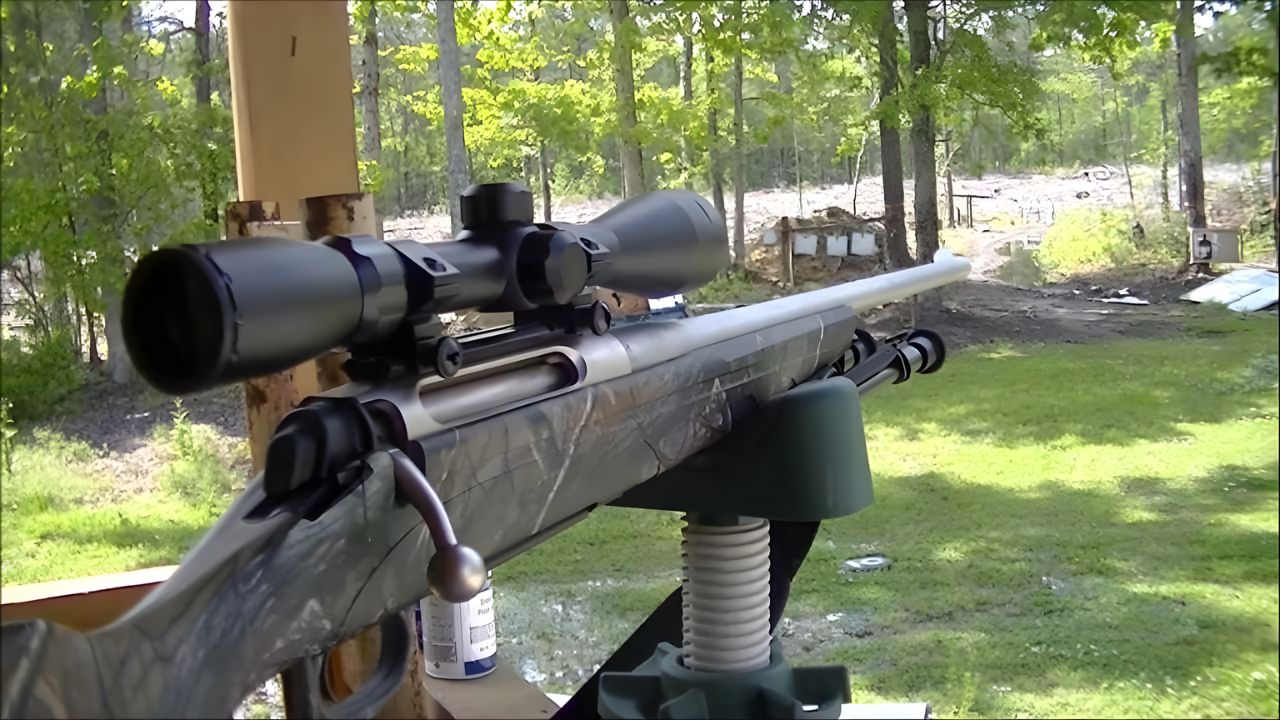
Photo credit: NCshooter1213/YouTube
When the wind picks up, the rain starts falling sideways, or the mercury drops below freezing, a lot of rifles start showing their true colors—and not in a good way. Some rifles simply weren’t built to take abuse. They gum up in the snow, corrode in salty air, or shed parts like a cheap tent in a thunderstorm. And when that happens far from home, you’re stuck with a dead stick in your hands.
This list isn’t about kicking budget rifles for being affordable. It’s about platforms that give you trouble the second the weather stops cooperating. If you’ve ever fought with rusted internals, split stocks, or frozen bolts, you know exactly the kind of rifles I’m talking about.
Remington 770

The Remington 770 was never known for refinement, but what really hurts it is how poorly it holds up in bad weather. That plastic stock flexes in the cold and throws off zero. The action isn’t smooth to begin with, and once you add mud, ice, or even light rain, it binds and grinds like something’s about to snap.
You might get away with it on a sunny day at the range, but take it up a snowy ridge or into a soggy hardwood draw, and you’ll start noticing little failures stacking up. This rifle doesn’t like moisture, and it sure doesn’t like being cold.
Marlin X7
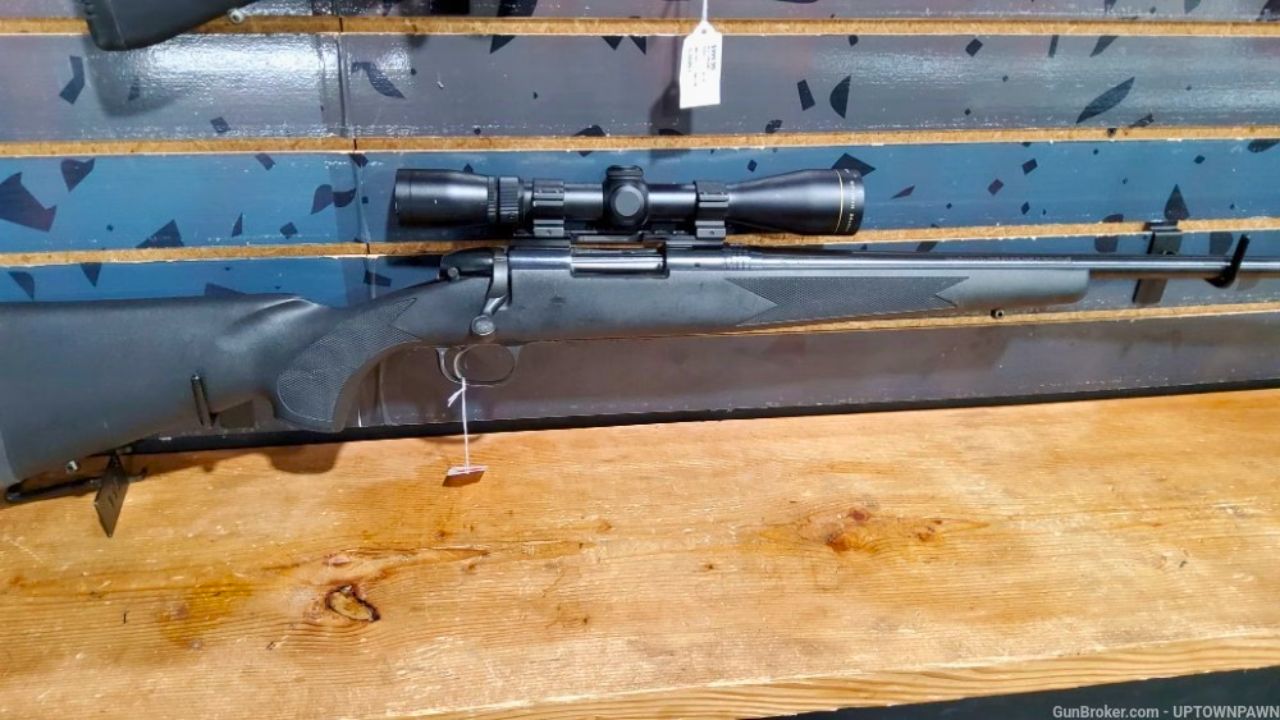
The Marlin X7 had promise, but it wasn’t built to live hard. Its synthetic stock swells and shifts in high humidity or after a couple hours in the snow. That means wandering zero and mystery misses. The action also doesn’t respond well to dirt or cold-weather lube—it starts getting sluggish real quick.
It’s not a terrible rifle for fair-weather range work, but it doesn’t belong on a wet treestand or in the backcountry. Once the temps drop or the fog rolls in, the rifle starts showing its weak spots. And when you’re cold and tired, that’s the last thing you want to babysit.
Mossberg MVP Patrol

On paper, the MVP Patrol offers versatility with its detachable mag setup and shorter barrel. In practice, it doesn’t like foul weather. The bolt is rough even in perfect conditions, and in freezing temps or grit-heavy environments, it seizes up. The push-feed action doesn’t tolerate buildup.
It also has a reputation for scope mount issues due to inconsistent rail screws, which only adds to the frustration when your rifle starts shifting zero halfway through a damp hunt. You can work around its quirks at the range, but when things get wet, muddy, or windy—it’s not something you want to rely on.
Ruger American Gen 1
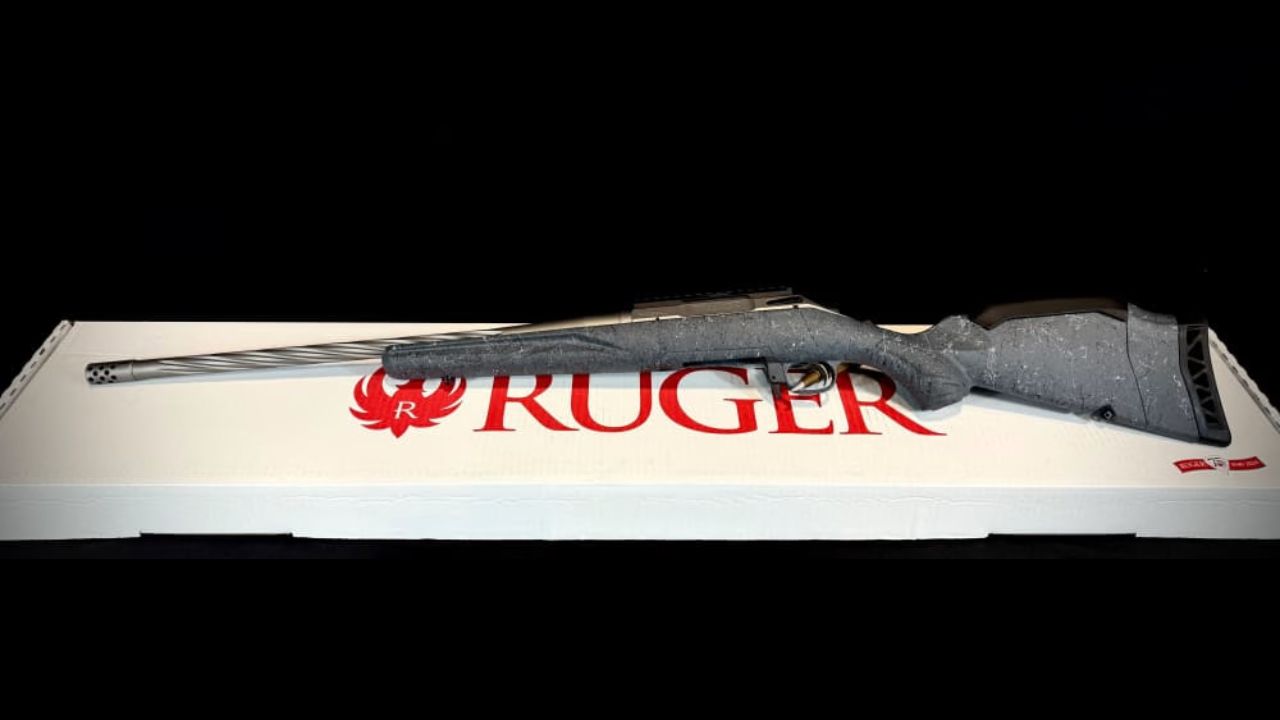
The first-generation Ruger Americans earned praise for affordability and accuracy, but they cut corners that show up quick in bad weather. The stock is thin and flexible, especially near the forend, and pressure shifts with temperature. That affects POI more than folks expect.
The bolt feels fine out of the box, but fill it with grit, ice, or snow and it starts binding. It’s also got exposed bolt lug races that don’t shed debris well. If you hunt in dry desert country, no big deal. But if you’re out in driving sleet or deep snow, you’ll see where it falls short.
Century C308
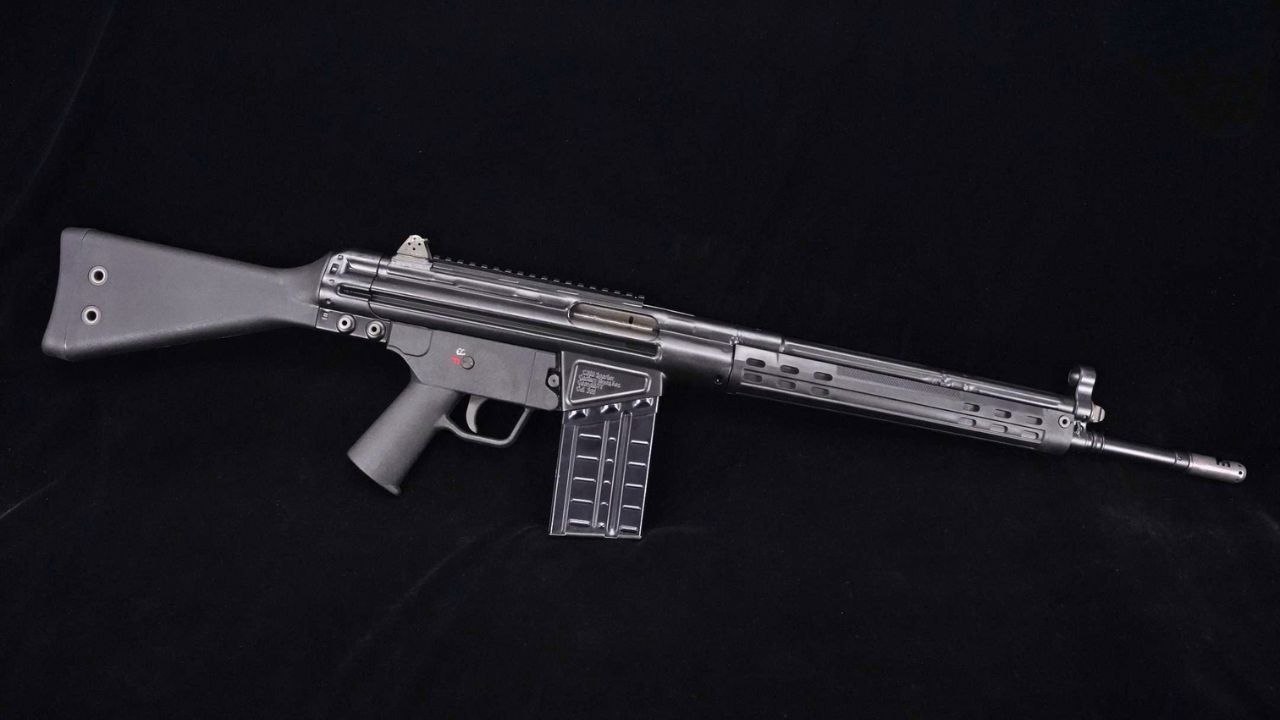
This CETME-clone wants to be a rugged battle rifle, but a lot of them aren’t even close. Century’s rough machining and inconsistent parts fitting make the C308 feel gritty right from the get-go. Add in cold temps or moisture, and the action becomes a gamble.
They also rust faster than most expect—especially if you get one with a poorly finished barrel or mismatched bolt carrier. Mag fitment gets sloppy with wear, and gunk builds up fast. If you’re taking a .308 into wet woods or mountains, there are way better choices than this parts-bin headache.
Weatherby Vanguard S2 (wood stock)
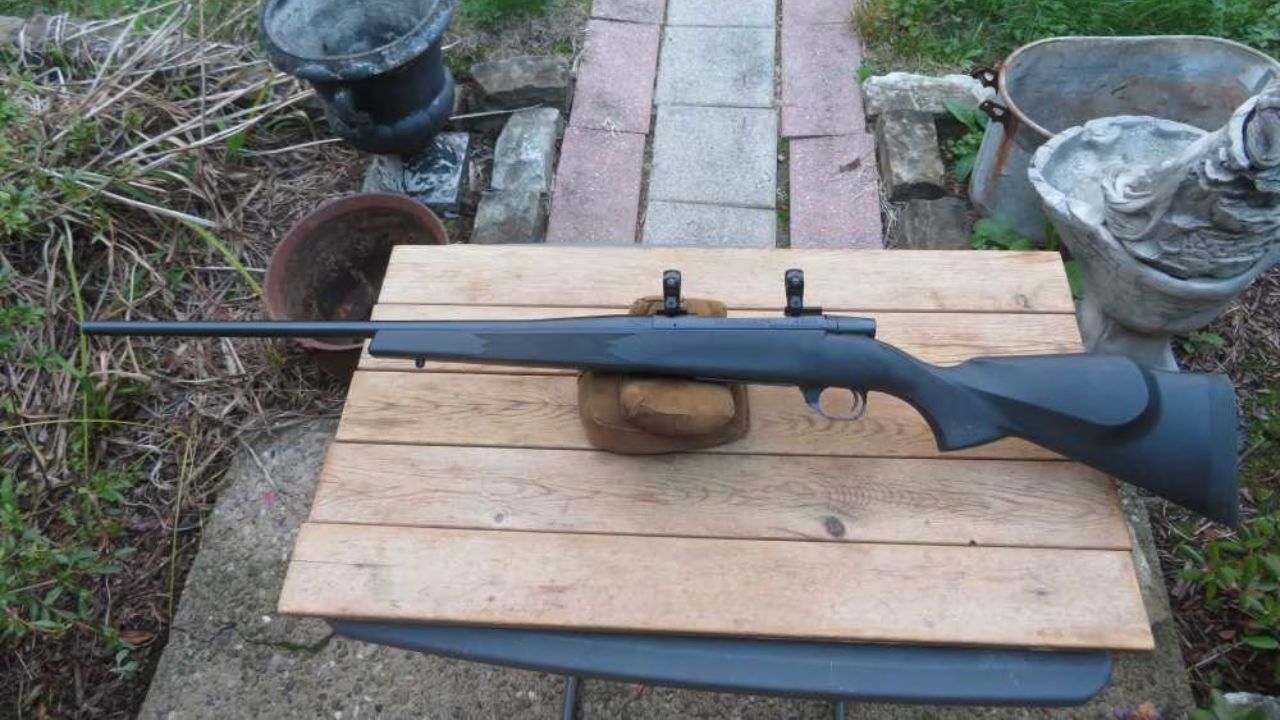
The Weatherby Vanguard is a solid rifle overall, but the wood-stocked versions aren’t made for bad weather. The laminate or hardwood may look good, but they absorb moisture like a sponge and start shifting point of impact. You can see it day-to-day in a rainy camp.
And unlike synthetic-stocked rifles, these don’t rebound when they dry—they stay warped. The metalwork is decent, but not stainless, so you’ll also need to stay ahead of corrosion. If you hunt from a dry blind or truck window, it’s fine. But on wet boots in the field, this one’s going to test your patience.
Remington 742 Woodsmaster
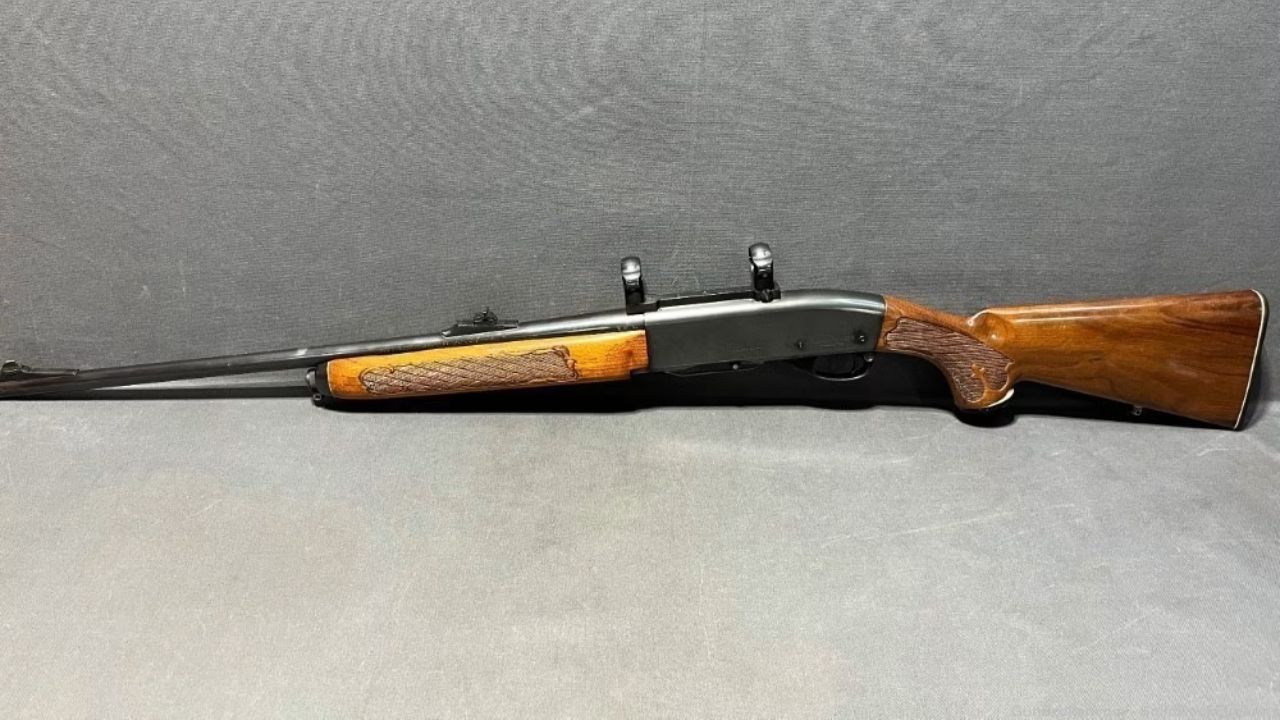
Plenty of old-timers still run these, but the Woodsmaster has a well-earned reputation for jamming in anything but ideal conditions. Cold temps make the action sluggish, especially if it’s got old oil or any grime. And once carbon builds up, it stops cycling altogether.
Rust loves the internals too—especially in the gas system. One wet hunt can gum it up for good. You’ll see them on used racks with notes like “needs work” or “won’t eject.” That’s no accident. This is one rifle that can absolutely leave you stranded when the weather turns nasty.
Savage 11 Trophy Hunter XP
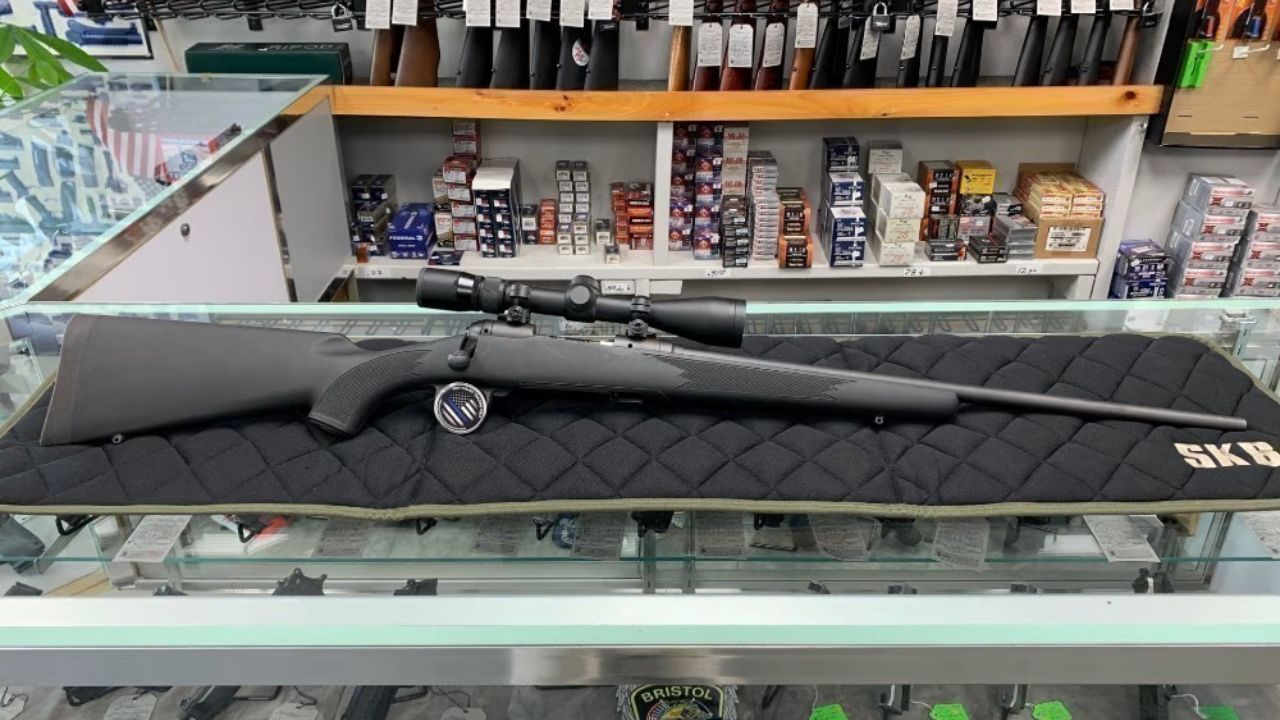
The Savage 11 itself isn’t a bad action, but the Trophy Hunter XP package cuts corners in ways that really matter in tough weather. The scope mounts are soft and prone to shifting under thermal expansion. The cheap stock absorbs moisture and flexes in the cold.
Throw in a gritty bolt when exposed to snow or sand, and it starts to misfeed or stick during cycling. Even small shifts in zero can ruin a day’s hunt, and this setup seems prone to it when conditions are rough. If you want reliability when the forecast’s ugly, this isn’t your best bet.
Rossi R92 (stainless)
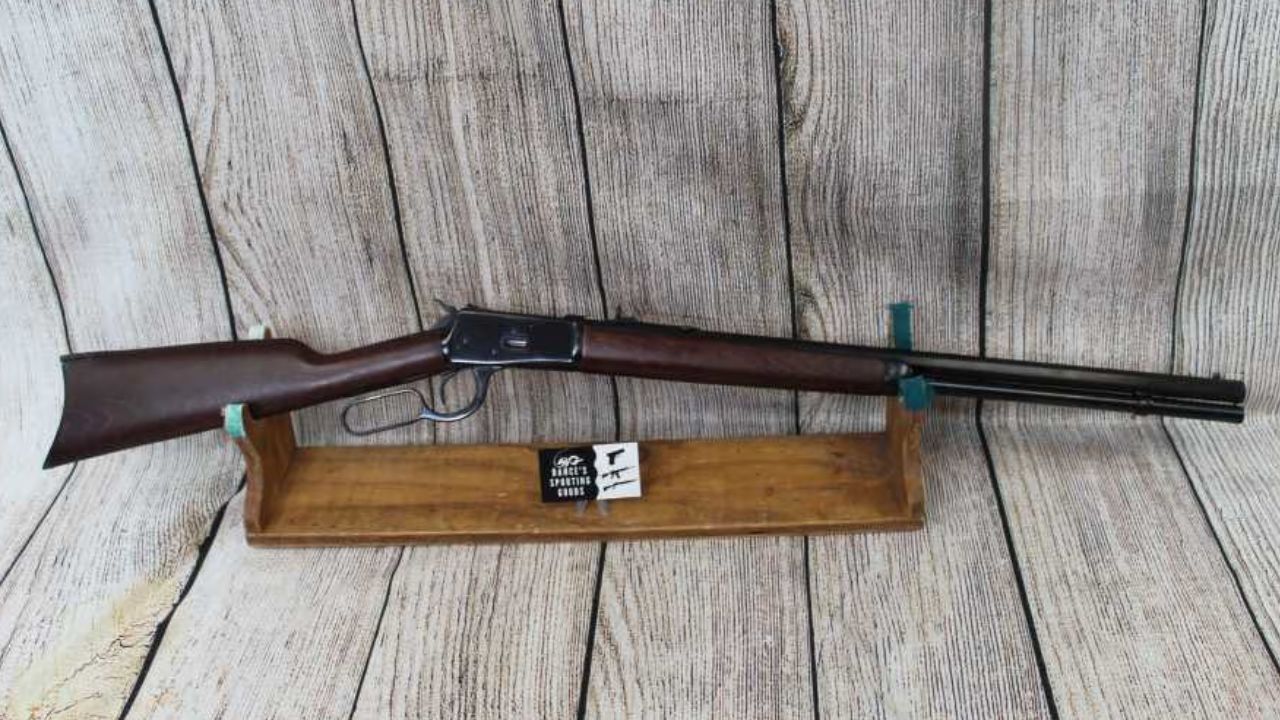
You’d think a stainless lever gun would handle weather well, but the Rossi R92s aren’t as sealed or polished as they should be. Water gets into the action through the top-eject slot and sits there. If you don’t tear it down after a wet day, you’ll find rust in no time.
Cold temps make the lever action stiff, and some of them already have rough internals out of the box. Once they gum up, they start short-stroking or binding, which is the last thing you want when your hands are freezing. It’s a fun rifle—until it’s not.
CZ 527
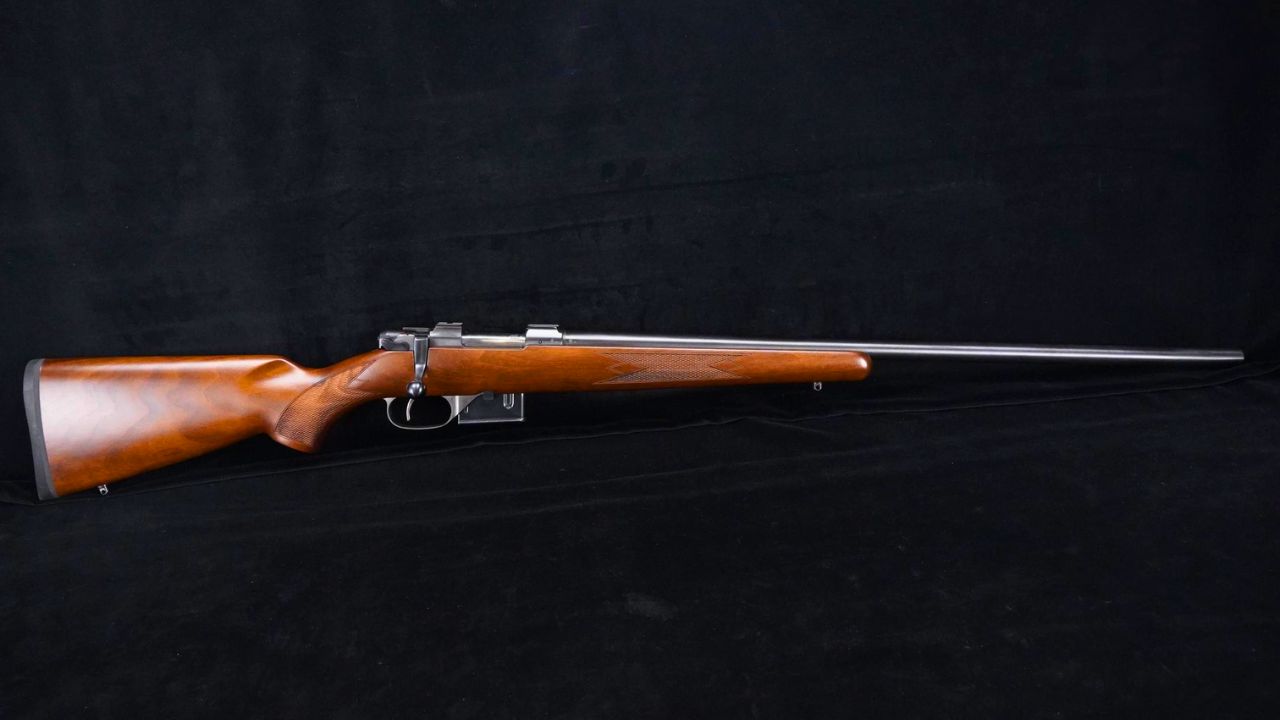
This little rifle has fans, and for good reason—it’s accurate and classic. But the action tolerances are tight, and in cold or dirty environments, that can backfire. Even light debris can bind the bolt, and frost makes the safety and mag release stiff as a board.
It’s also got some sharp edges and a skinny bolt knob that makes cycling with gloves a chore. It’s more of a fair-weather rifle, and if you try to drag it through thick brush in a rainstorm, you’ll see why some hunters leave it in the safe when the weather gets ugly.
Winchester 94 AE (Angle Eject)

The Winchester 94 AE fixed some issues with scope mounting, but introduced others. These later models don’t always have the fit and finish of older ones. Cold and wet weather seems to amplify feeding issues, especially with certain bullet shapes.
The top-eject models let water drain better. The AE versions trap more debris in the receiver and don’t cycle as smoothly in muddy or freezing conditions. They’re still usable, but if you’re expecting it to run slick in the rain or after dropping it in snow, you might be in for a surprise.
Thompson Center Compass
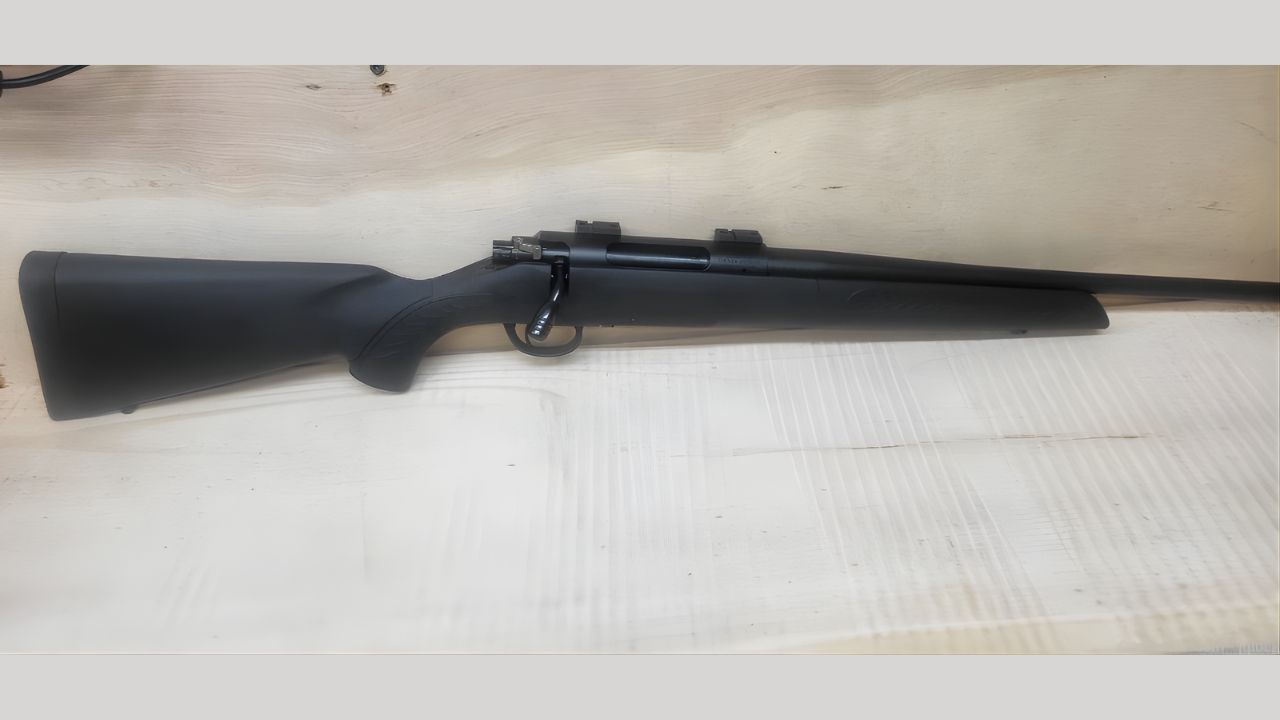
The TC Compass looks like a great budget rifle, and in good conditions, it works well enough. But the bolt tolerances are loose, and it’s known to collect grit and ice. Freezing temps bring out sticky feeding, and the mag system doesn’t handle dust or moisture gracefully.
Some early models also had corrosion issues with the barrel and bolt handle. You can oil it and baby it all day long, but it’s not built for the kind of hard use some hunters throw at it. If the forecast shows rain, sleet, or snow, you’ll want to reach for something else.
Like The Avid Outdoorsman’s content? Be sure to follow us.
Here’s more from us:
The worst deer rifles money can buy
Sidearms That Belong in the Safe — Not Your Belt
*This article was developed with AI-powered tools and has been carefully reviewed by our editors.