Photo credit: THE PEWPEW ZONE/YouTube
Some handgun calibers get all the oxygen. They dominate shelf space, dominate arguments, and dominate the advice newer shooters hear over and over. That does not mean they are the only rounds worth taking seriously. There are several handgun calibers that keep doing real work for carry, trail use, range time, and even hunting, but they get talked about like curiosities instead of practical choices.
A lot of that comes down to fashion. If a cartridge is older, a little niche, or not pushed as hard as 9mm and .45 ACP, people start acting like it must be irrelevant. That is lazy thinking. A caliber can be less common and still be extremely useful, especially if it offers better recoil balance, better revolver versatility, or stronger field performance than the crowd gives it credit for. Several of the rounds below still have current factory support from major makers, which matters because overlooked is not the same thing as dead.
.327 Federal Magnum
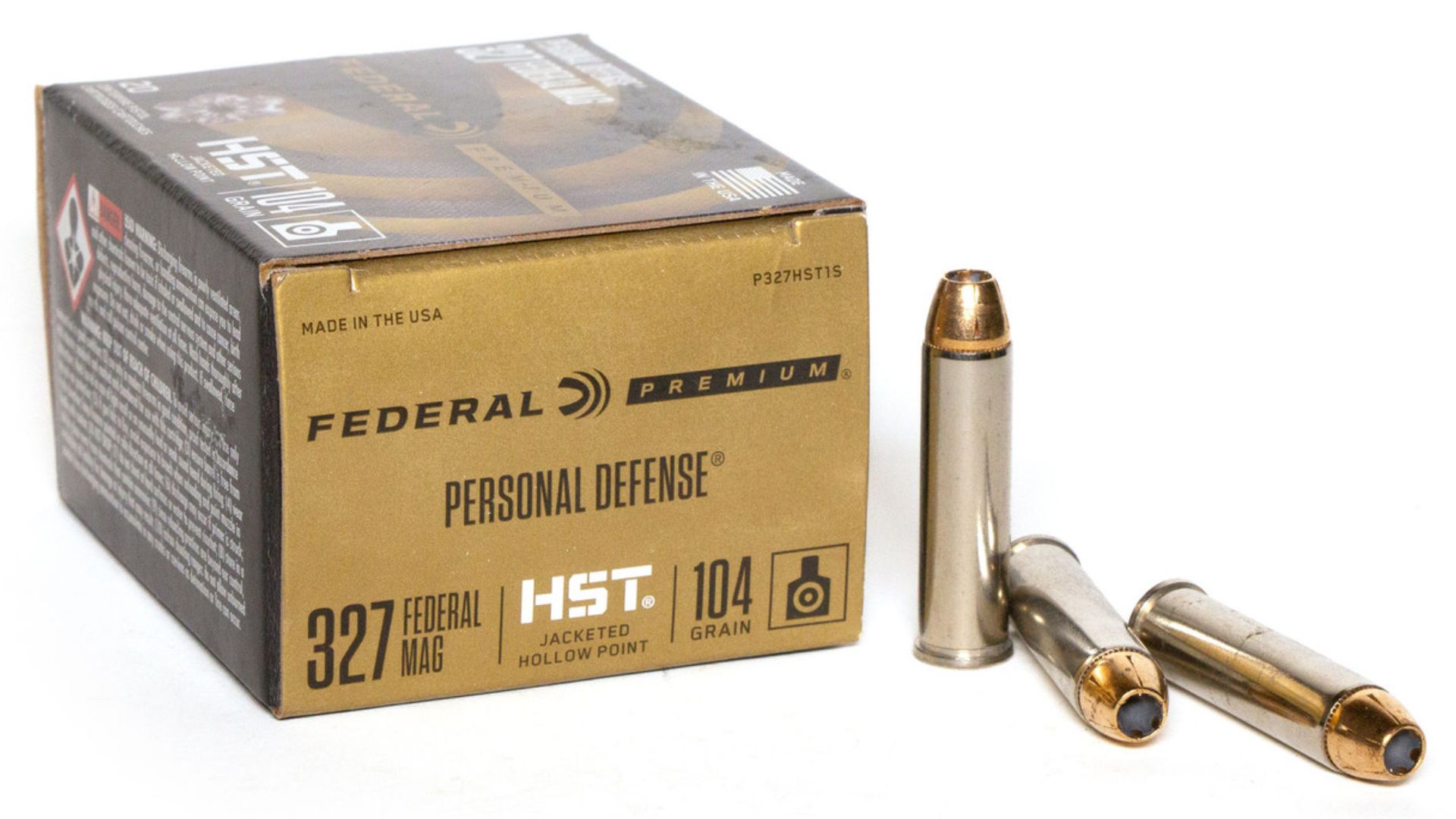
The .327 Federal Magnum deserves a lot more respect than it gets because it solves a real revolver problem. It offers serious velocity, flatter shooting than most people expect from a small-bore wheelgun round, and it often lets shooters carry an extra round in compact revolvers compared with .38 Special or .357 Magnum. Federal still offers current .327 loads, including HST and Hydra-Shok options, which tells you the round is still more than a niche memory.
What keeps it overlooked is that too many people treat it like an oddball when it is actually one of the smartest modern revolver cartridges around. It can hit harder than people expect, recoil less brutally than a lot of small .357 setups, and give the shooter real flexibility. That is not a gimmick caliber. That is a very practical one.
.32 H&R Magnum
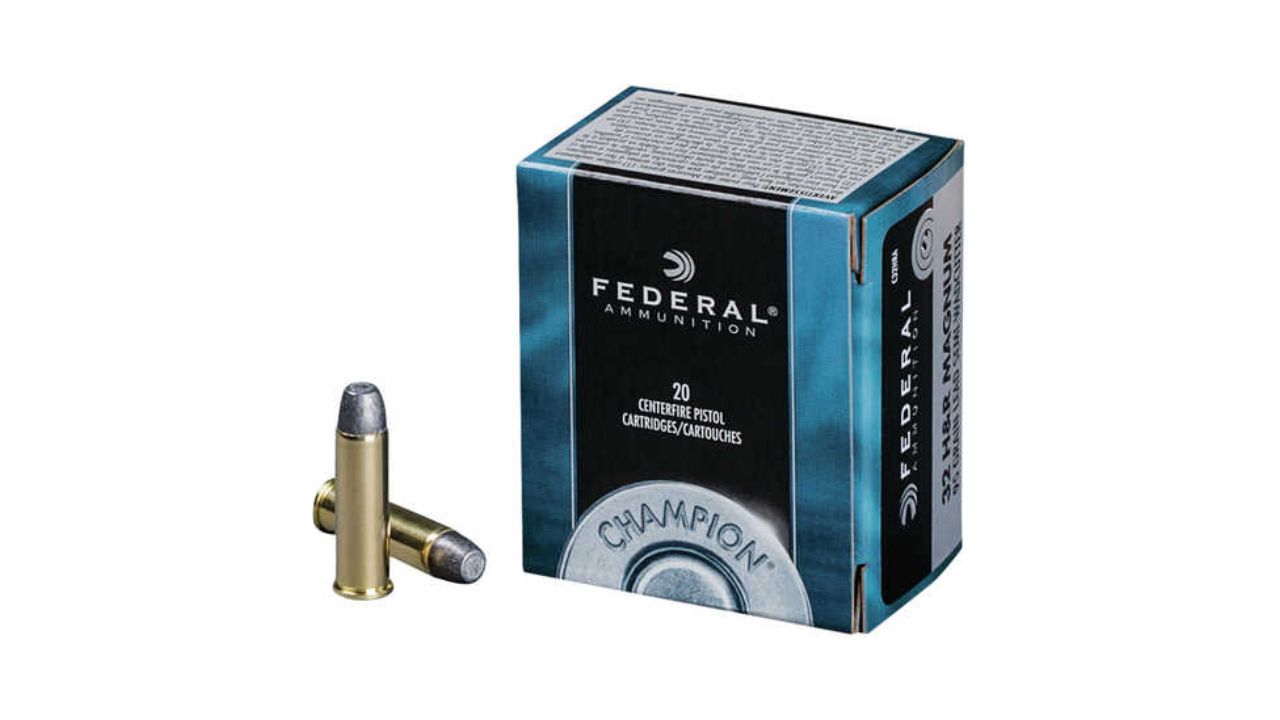
The .32 H&R Magnum gets ignored because it sits in the shadow of both the .327 Federal and the old .38 Special conversation. That is a shame, because it gives shooters light recoil, better-than-expected performance, and a very easy shooting experience in compact revolvers. For people who want control more than drama, that matters.
This is one of those calibers that makes more sense the more honest you get about actual shooting. A lot of buyers do not need the bark and snap of hotter defensive revolver rounds. They need something they can shoot well and shoot often. The .32 H&R still answers that better than many people admit.
.41 Magnum
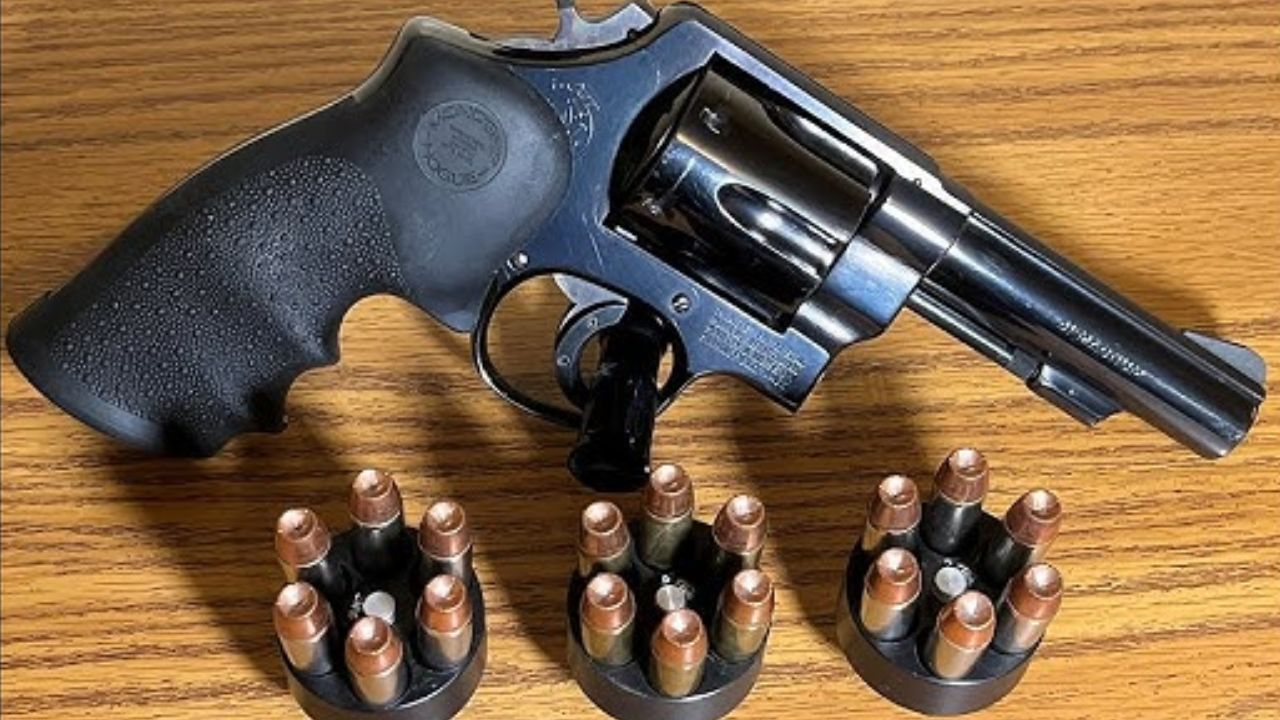
The .41 Magnum has spent decades being treated like the awkward middle child between .357 and .44 Magnum, but it still deserves real respect. Buffalo Bore continues to load multiple heavy .41 Magnum offerings, which shows there is still genuine demand for it in the field and among serious revolver shooters.
What the .41 does so well is split the difference without feeling watered down. It gives you more authority than a .357, often with a little less baggage than a full-house .44 Magnum. For handgun hunters, woods carry, and shooters who like magnum revolvers but do not want to go straight to the heaviest common option, it remains far more useful than its reputation suggests.
10mm Auto
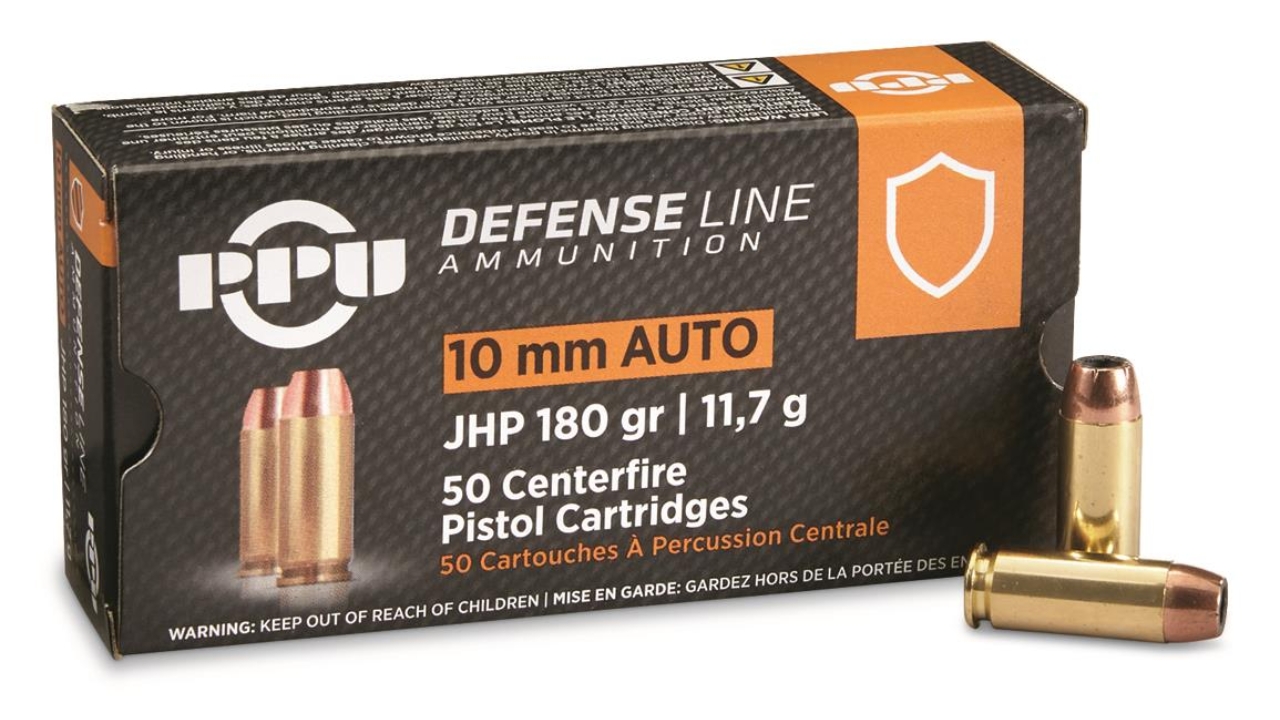
The 10mm gets attention, but it still does not always get honest respect. Too many shooters treat it like a meme cartridge for guys who want to talk about power instead of use it well. In reality, it remains one of the most versatile serious autopistol rounds available.
A good 10mm can cover range work, defensive roles, trail carry, and even handgun hunting better than most semi-auto cartridges. Yes, some buyers pick it for ego. That does not make the caliber itself overrated. It means the cartridge deserves to be judged by what it actually does, not by the loudest people who own one.
.38 Super
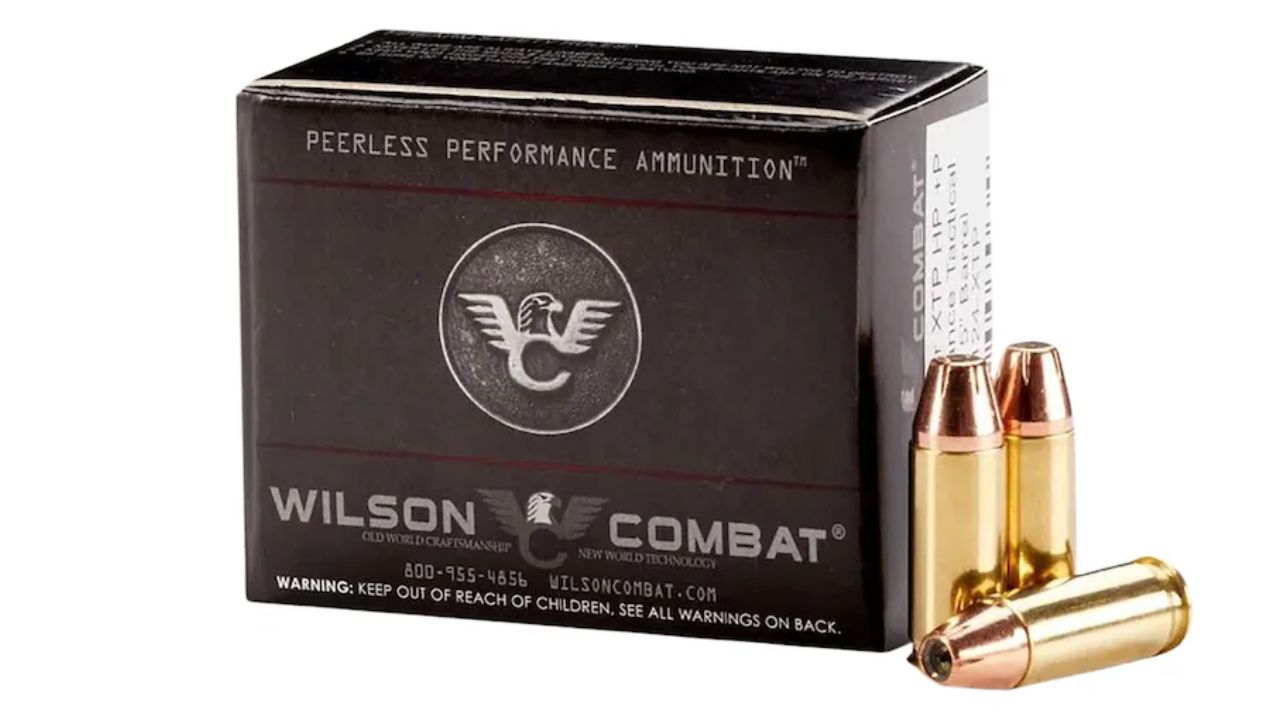
The .38 Super has one of the strangest reputations in handgun culture. It is respected in certain competition and 1911 circles, then almost invisible everywhere else. That leaves a lot of shooters thinking it is either outdated or too niche to matter.
That misses the point. The .38 Super offers speed, soft-shooting potential in tuned pistols, and a long record of being more than just an old-fashioned alternative round. It never became the mainstream answer, but it remained a smart one for the people who understood what it could do.
.357 SIG

The .357 SIG gets written off as a loud, expensive answer to a question nobody asked. That criticism has always been too simple. The cartridge offers high velocity, strong barrier-minded reputation, and a shooting character that is very different from the softer, slower rounds most people default to.
It is true that it never became an everyday recommendation. It is also true that it earned more respect from experienced users than from casual commentators. That alone should tell you something. A round does not have to win popularity contests to be a serious tool.
.45 Colt

A lot of people talk about .45 Colt like it is just a cowboy throwback, but that sells the cartridge short. In the right revolver, and especially in stronger modern loadings, it remains a very capable field round with a ton of personality and real-world usefulness.
What hurts it is that too many shooters only think of it through old black-powder-era haze or novelty revolvers. That ignores how effective it can still be in strong single-actions, double-actions, and some carbines. It is not for every shooter, but it deserves to be taken more seriously than it usually is.
.44 Special

The .44 Special gets overshadowed so badly by .44 Magnum that some shooters barely talk about it unless they are handloaders or old revolver fans. That is a mistake. In a good revolver, .44 Special gives a big, pleasant push instead of a violent snap, and it remains one of the most shootable large-bore handgun rounds around.
That matters because enjoyment and control count. A cartridge people actually like shooting tends to get practiced with more. For home use, range work, and general revolver appreciation, the .44 Special deserves far more daylight than it usually gets.
.32 ACP
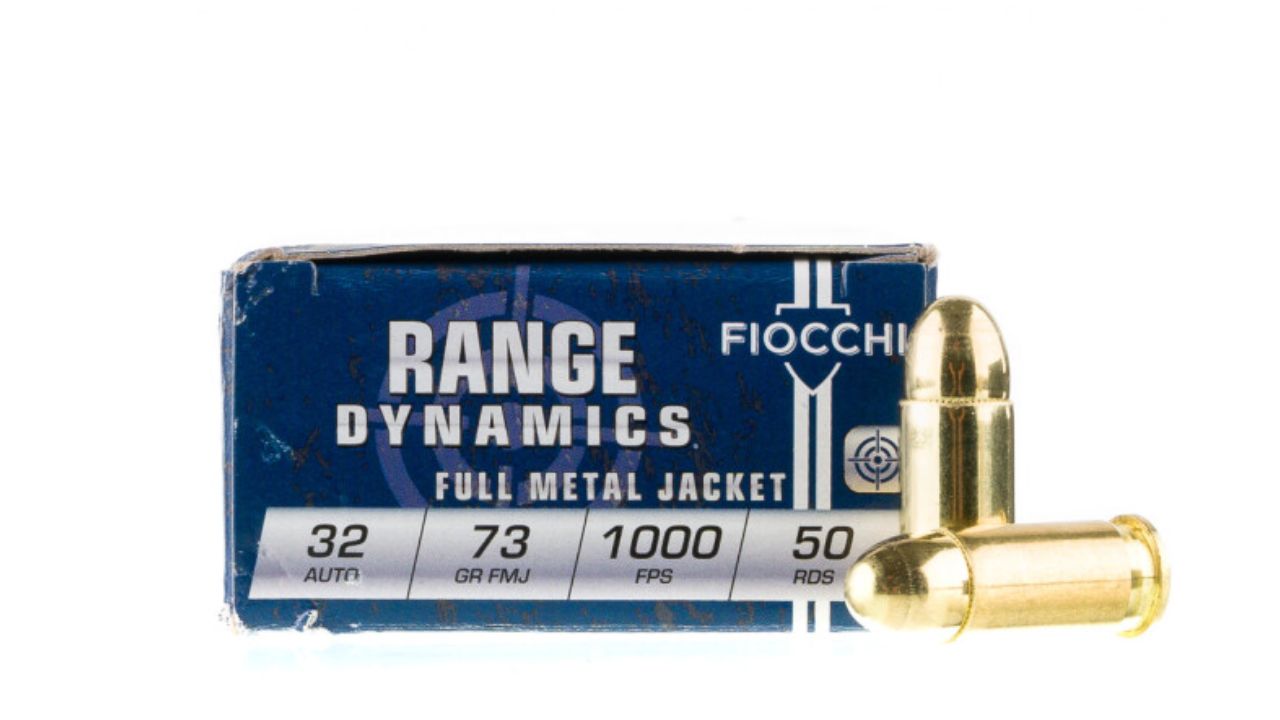
The .32 ACP is easy to mock, and a lot of people do. It gets treated like a relic from vest-pocket history that should have disappeared years ago. But when you step back, it still has a few things working in its favor: mild recoil, compact platforms, and very easy shooting characteristics in guns where control matters more than swagger.
It is not the answer for everybody, and nobody should pretend otherwise. Still, the complete dismissal it gets from internet gun culture is overdone. For some shooters, especially in small pistols where recoil management is a major factor, .32 ACP remains more practical than the jokes suggest.
.380 ACP
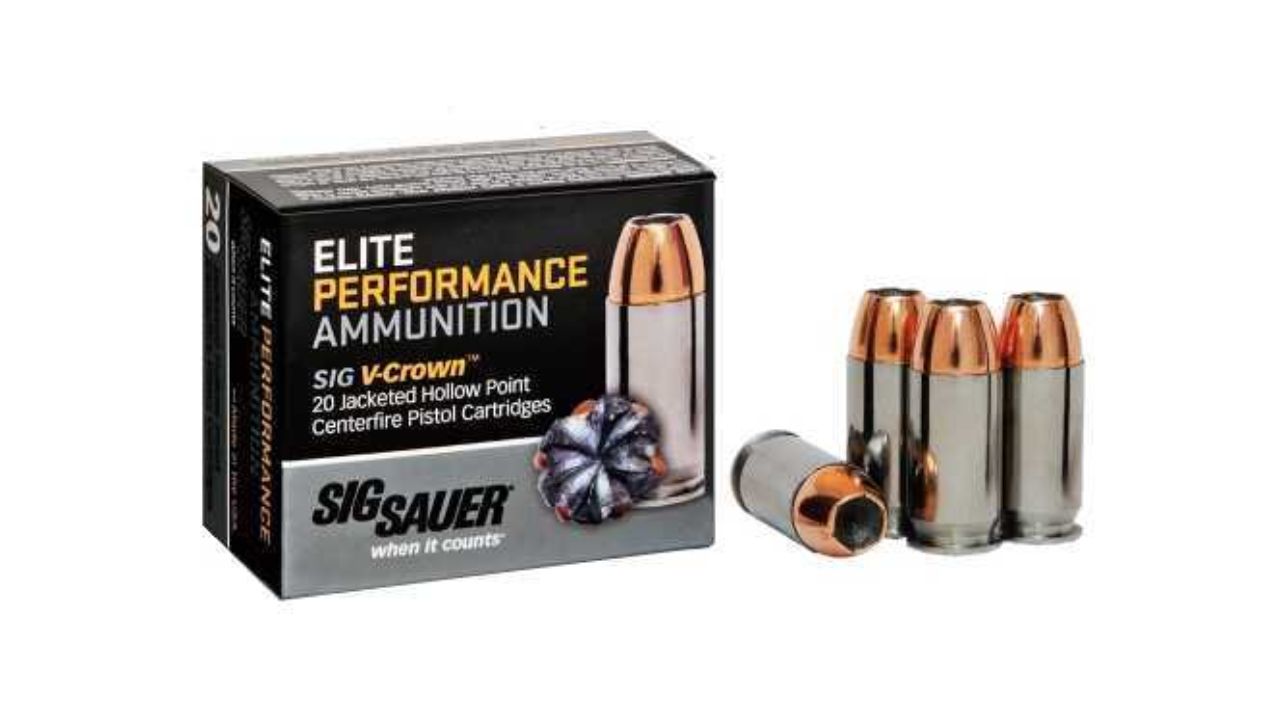
The .380 is not exactly unknown, but it is still underrated in a weird way. It gets recommended often, then immediately talked down like it is a compromise people should apologize for. That does not match reality. Modern .380 pistols made the cartridge more relevant, not less.
The truth is simple: in the right pistol, with the right ammo, .380 ACP remains a very workable answer for a lot of people. It is easier to rack for some shooters, easier to carry in small guns, and easier to live with than larger rounds in the same size class. That deserves honest respect instead of constant backhanded praise.
.30 Super Carry
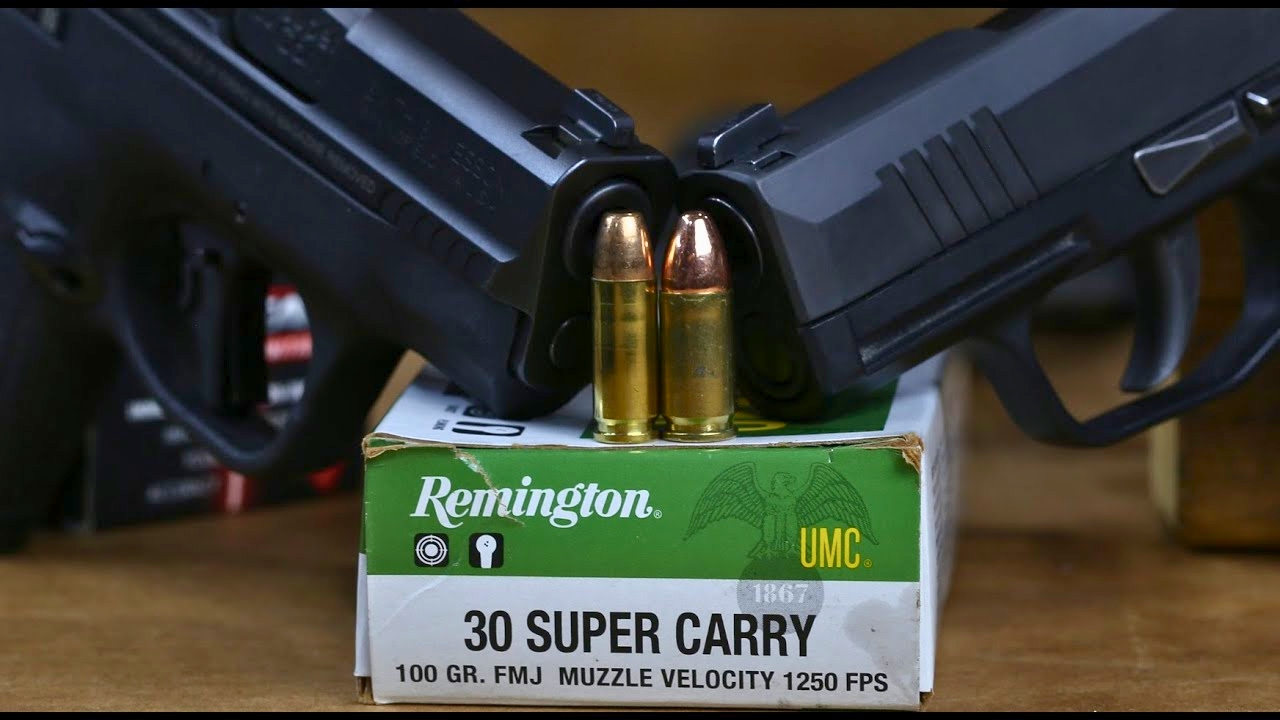
This one is still fighting uphill, but it deserves more respect than it gets. A lot of shooters dismissed it almost instantly because they were tired of hearing about “the next big carry round.” That reaction is understandable, but it also kept people from looking at what the cartridge was actually trying to do.
Whether it becomes a long-term mainstream winner or not, the idea behind it was not stupid. More capacity than 9mm in similar-size magazines, with defensive intent, was a legitimate attempt to solve a real problem. Even if the market never fully embraces it, the caliber itself deserved a fairer hearing than it got.
.32 S&W Long
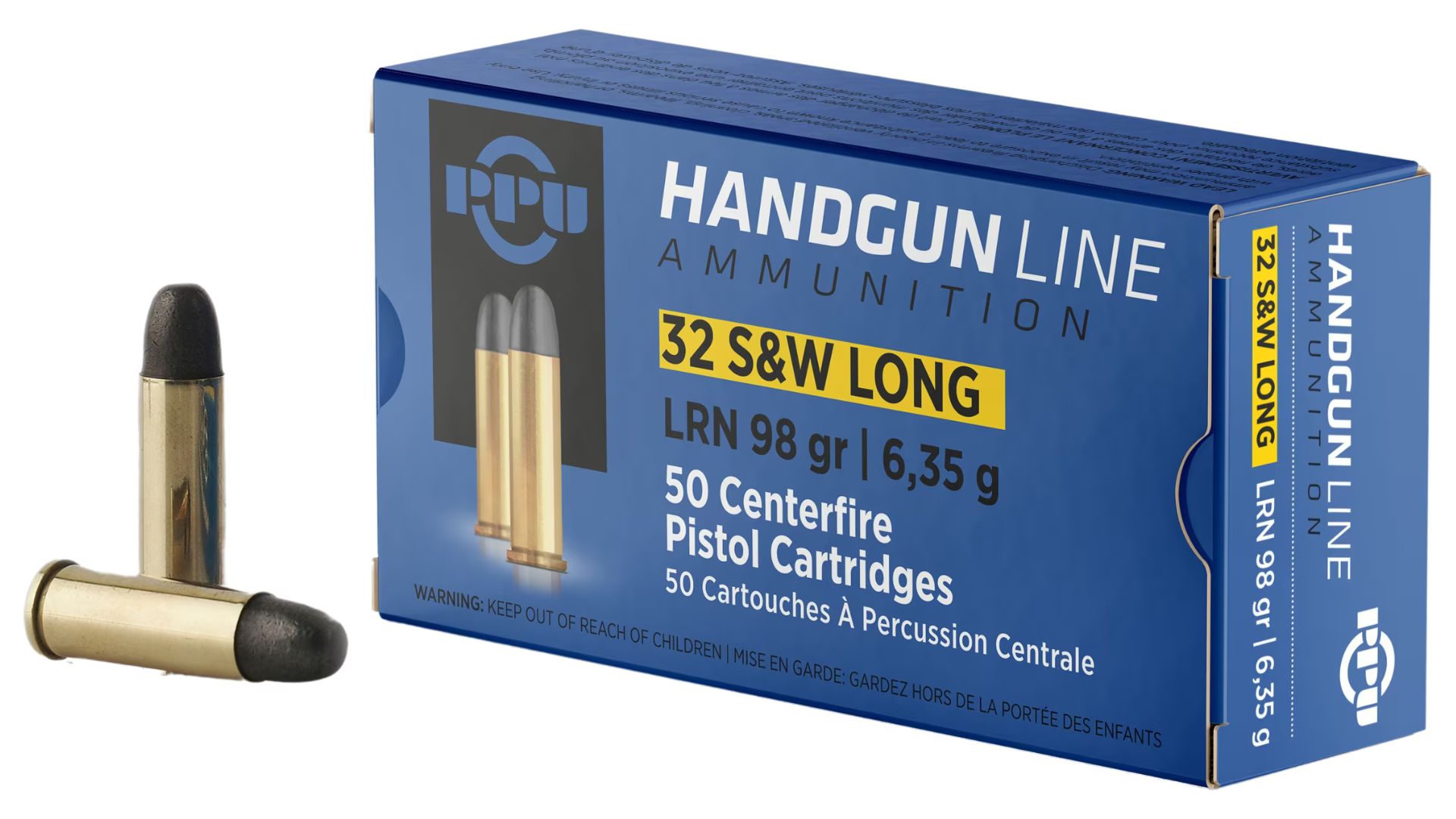
The .32 S&W Long sounds sleepy until you actually spend time with one in a good revolver. Then the whole point becomes obvious. It is soft, accurate, pleasant, and the kind of cartridge that makes deliberate shooting feel rewarding. That alone gives it more value than many people realize.
It is not a hard-use defensive darling, and it does not need to be. A cartridge can deserve respect simply because it helps people shoot well and enjoy shooting more. The .32 S&W Long still does that.
.38-40 Winchester

Most modern shooters barely think about .38-40, which is exactly why it belongs on a list like this. It survives in the shadow of more famous old handgun and rifle cartridges, but historically it had real value and still holds appeal for people who appreciate classic revolver and rifle pairings.
No, this is not a mainstream recommendation in 2026. But that is part of the point. A cartridge can be overlooked and still worthy of respect. .38-40 helped build a whole style of practical sidearm-and-carbine usefulness long before modern buyers started calling everything a “system.”
.45 GAP

It is easy to laugh at .45 GAP because it never really won. Fair enough. Even so, it deserves more respect than it gets because the concept behind it was not nonsense. It was a serious attempt to offer .45-caliber performance in a shorter package.
That does not mean the market had to love it. It means the round should be judged more honestly than it usually is. Too often people talk about failed market adoption as if it automatically proves the cartridge itself was useless. Those are not the same thing.
9×18 Makarov
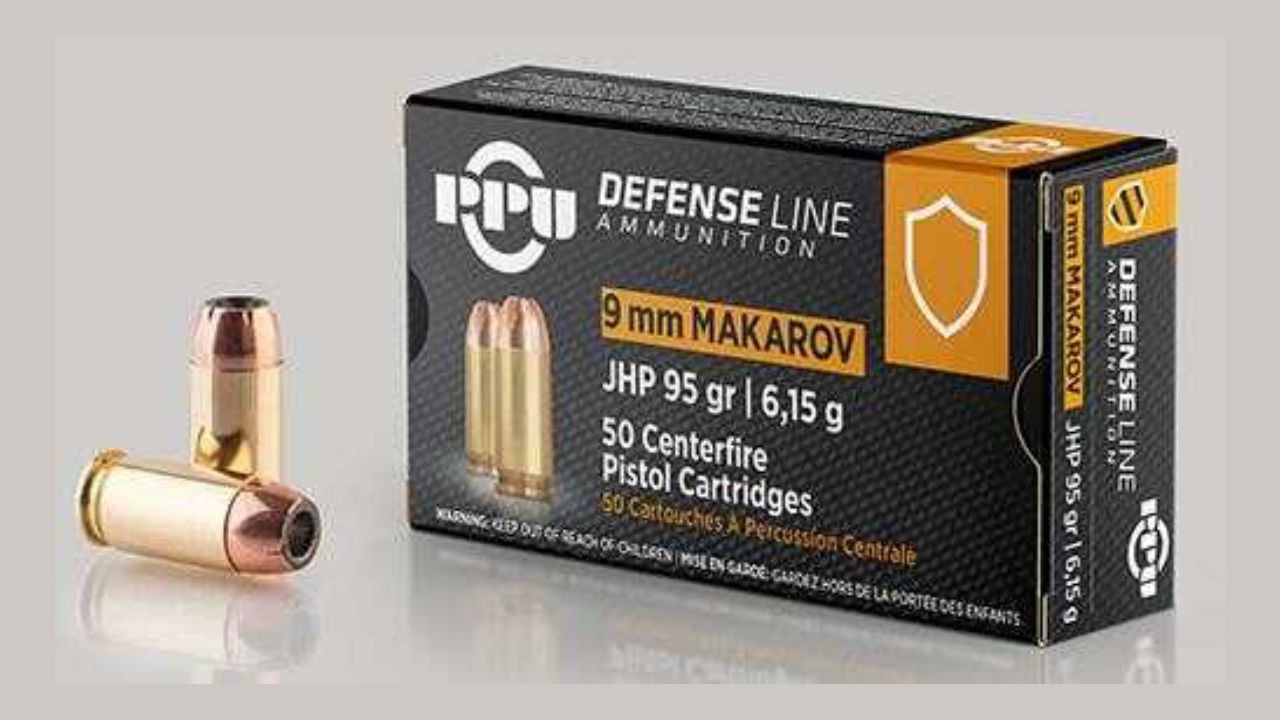
The 9×18 Makarov remains one of those cartridges that gets boxed into surplus nostalgia when it really deserves a little more credit. It served a practical role for a long time and still offers a distinct middle ground between tiny-pistol rounds and full 9mm Luger expectations.
For shooters who appreciate older service pistols and honest, shootable compact guns, it still has value. It is not the first answer most buyers need today, but it is a better cartridge than its casual dismissal suggests.
Like The Avid Outdoorsman’s content? Subscribe to our newsletter so you never miss an article.
Here’s more from us: