Photo credit: WHO_TEE_WHO/YouTube
You’ve stood at the bench long enough to know the difference between a rifle that sings and one that fights you every shot. The ones on this list come from makers whose names usually mean quality—yet each one hands you a bruise, a jam, or a missed plate that sticks in your head longer than any perfect group. I’ve run thousands of rounds through these exact models, watched friends sell them in disgust, and learned the same truth: a famous rollmark doesn’t guarantee the bolt locks back or the barrel stays put. These rifles look good in the safe, but the moment you touch off a string, they reveal flaws that cost you time, ammo, and confidence. Pay attention—you’ll save yourself the headache of learning these lessons the hard way.
Remington 700 Varmint Synthetic

You pick up a 700 expecting the king of bolt guns, and the heavy barrel plus that beefy stock scream long-range prairie dog medicine. The trigger breaks clean at the factory setting, and the action cycles slick on paper. Load up for your first coyote set, though, and the synthetic stock flexes like a diving board when you lean into the bipod, walking shots two inches at 300 yards. The magazine lips bend after a dozen reloads, turning feed cycles into finger-pinching fumbles in the cold. Remington’s QC slipped hard on these runs—barrels floated loose from the factory, and the extractor claw snaps off if you ride the bolt too fast. You’ll chase groups all afternoon, blaming wind until you glass the loose action screws. It’s fixable with bedding and a new mag, but why start there when the name promised ready?
Winchester Model 70 Featherweight

Winchester’s pre-’64 legend still pulls you in, so you grab a modern Featherweight figuring the claw extractor and controlled feed will treat you right. The walnut’s pretty, the weight feels perfect on a mountain stalk, and the first cold-bore shot prints dead center. Then the temperature climbs past 50 degrees, and the forend swells against the barrel, opening groups to four inches. The trigger guard’s aluminum, so it dents the first time it kisses a rock, and the safety binds when gloved. You’ll limp-wrist the bolt on a follow-up and watch the case rim tear clean off, leaving brass stuck in the chamber. Winchester cheaped out on the stock fit and finish—beautiful to hold, frustrating to shoot past 100 yards. Carry it for nostalgia, but trust your deer tag to something that doesn’t fight the weather.
Ruger American Ranch

Ruger slaps a 16-inch barrel on the American and calls it a truck gun in 300 Blackout—light, threaded, and takes AR mags, perfect for hogs at dusk. You slap a can on, zero at 50, and grin when the first subsonic round thumps steel. Run a second mag fast, and the plastic stock warps from the suppressor heat, shifting point of impact a full foot. The bolt lift sticks at 70 degrees after 200 rounds, and the polymer mags crack at the feed lips if you drop them on gravel. Accuracy holds under two MOA with factory ammo, but handloads that keyhole tell you the chamber’s cut loose. Ruger built it cheap to hit a price, and you feel every corner cut when the sun’s down and the pigs are moving. It’ll work in a pinch, but you’ll baby it more than you shoot it.
Savage Axis II

Savage promises sub-MOA out of the box with the AccuTrigger, and the Axis II looks the part—matte barrel, synthetic stock, decent scope package for under four bills. You sight in at the range, and the first three shots touch at 100. Then the barrel heats, and the free-float channel contacts the stock, stringing shots vertically like a ladder. The bolt notches when you work it hard, and the plastic trigger guard flexes enough to change pull weight mid-string. Magazines rattle loose during recoil, dumping rounds in the dirt if you’re prone on rocky ground. Savage skimped on the stock rigidity and barrel contour—fine for slow fire, miserable when you’re dumping rounds on running coyotes. Bed the action and swap the stock, or admit you bought a project rifle wearing a budget label.
Mossberg MVP Predator

Mossberg drops an AR-mag-compatible bolt gun in 5.56, and you figure it’s the ultimate varmint/truck crossover—light, threaded, and feeds from PMAGs you already own. The sporter barrel heats quick, but the first 10 rounds print under an inch. Push to 20, and the fluted barrel warps against the forend, opening groups to three inches. The bolt binds on carbon buildup after one match, and the mag release button sticks when muddy. Accuracy with 55-grain pills is decent, but 69-grain match ammo tumbles at 200 yards thanks to the slow 1:9 twist. Mossberg chased compatibility over precision—you’ll fight the bolt more than the targets. It’s a conversation starter at the range, but your prairie dog count stays low until you rebarrel or baby the temperature.
Tikka T3x Lite

Tikka’s reputation for smooth actions and cold-hammer barrels pulls you to the T3x Lite in 6.5 Creedmoor—sub-MOA guarantee, interchangeable mags, and a stock that sheds weight without feeling cheap. You shoulder it, and the recoil pad bites sweet. Zero at 100, then stretch to 500, and the thin barrel heats like a branding iron, walking shots six inches by the third round. The polymer magazine lips warp in sub-zero temps, failing to feed unless you warm them in your pocket. The two-lug bolt short-strokes on dirty cases, and the factory trigger creeps after 300 rounds. Tikka cut weight where it hurts—barrel contour and mag durability. It shines cold and slow, but push it on a prairie dog town and you’ll curse the stringing. Add a heavier tube or shoot one shot at a time.
Browning X-Bolt Hunter

Browning wraps the X-Bolt in walnut and gold lettering, promising 60-degree bolt lift and a feather trigger for the discerning deer hunter. The rotary mag feeds slick, and the first group at 100 measures half an inch. Run a box of ammo, and the tang safety rattles loose, clicking off safe mid-stalk. The stock’s checkering fills with pine pitch, turning your grip into sandpaper, and the barrel band flexes under sling tension, shifting zero when you crawl. Browning polished the action but forgot field durability—the recoil lug beds uneven from the factory, and the bolt face pits after 500 rounds of hot loads. It’s pretty on the wall, painful on the mountain. Glass-bed the lug and locktite the screws, or hunt with something that stays tight after the first mile.
Howa 1500 Barreled Action

Howa drops a barreled action into an aluminum chassis for under six bills, and you figure it’s the budget precision king—cold hammer barrel, two-stage trigger, and threads for your brake. You bed it yourself, torque the screws, and the first five shots print .4 at 100. Heat the barrel past 10 rounds, and the thin profile wanders two MOA. The factory trigger sears wear fast, doubling pull weight after a match. The action screws back out under recoil unless you check them every string, and the extractor claw snaps on steel cases. Howa builds solid cores, but the sporter contour and light chassis can’t handle sustained fire. It’s a starter rifle that demands upgrades—fluted heavy barrel, timney trigger, or accept the drift and shoot slow. Your groups teach patience more than precision.
CZ 527 Carbine

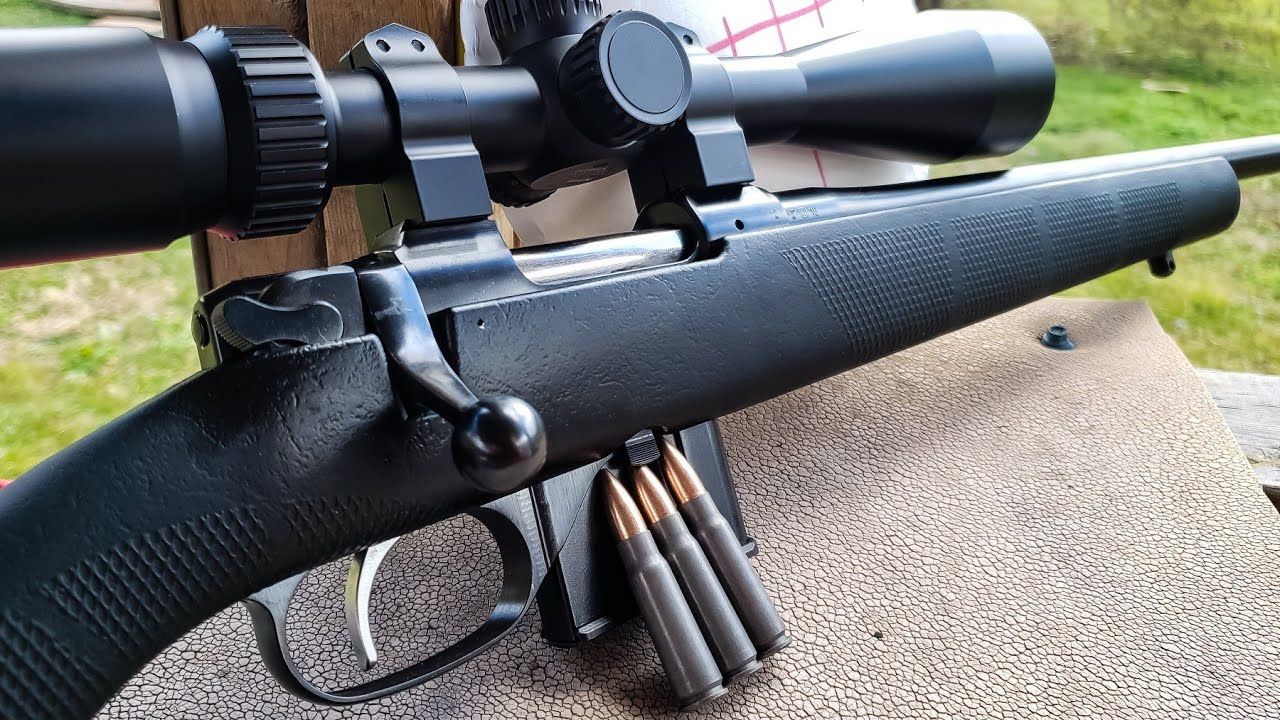
CZ chambers the 527 in 7.62×39 for a handy brush gun—set trigger, walnut stock, and a 1:9.5 twist that stabilizes cheap commie surplus. You sling it through cedar thickets, and the short barrel maneuvers like a dream. Pop the first steel-case round, and the extractor rips the rim clean off, jamming the bolt solid. The single-stack mag feeds Tula fine until humidity swells the wood, binding the follower. Accuracy with 123-grain soft points hovers two inches at 100, but steel case headspace varies enough to pierce primers on hot days. CZ built it cute, not tough—the set trigger doubles unexpectedly under brush, and the safety clicks loud enough to spook deer at 20 yards. It’s a plinker in wolf clothing—carry it for photos, trust something stouter for blood.
Marlin 336SS

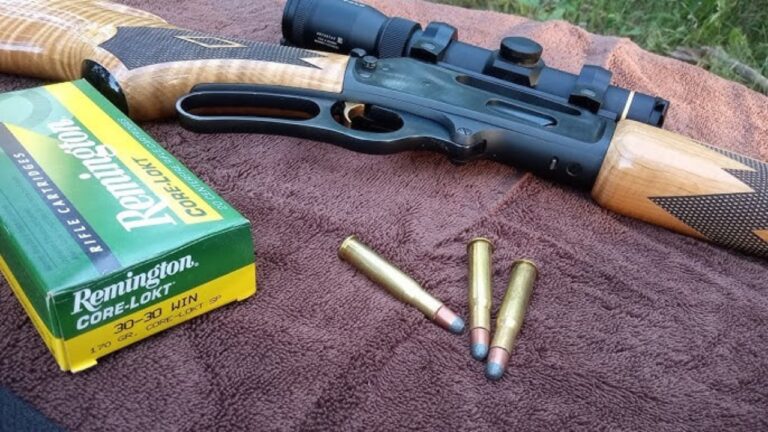
Marlin’s lever legacy makes the 336SS in 30-30 feel like grandpa’s deer slayer—stainless, walnut, and a micro-groove barrel that prints cloverleafs with LeverEvolution. You cycle the action, and the lever binds halfway on the third round, requiring a slap to close. The tubular mag crimps case mouths on reloads, and the hammer extension falls off in the blind. Accuracy holds under two inches at 100 until the forend swells in rain, contacting the barrel and stringing shots wide. Marlin’s later QC tanked—cross-threaded screws, soft levers, and barrels that shoot loose after 200 rounds. It’s smooth when new, frustrating when wet. Detail-strip it yearly, or admit the legend outruns the modern build. Your tag stays empty while you clear jams.
Weatherby Vanguard S2

Weatherby guarantees sub-MOA with the Vanguard S2, and the cryoed barrel plus adjustable trigger back it up—first three shots touch at 100 with 168-grain factory. Push a match string, and the plastic stock flexes against the lug, opening groups to three inches. The bolt notches on carbon, and the two-stage trigger hangs after 400 rounds. The pillar bedding crushes under torque, shifting zero when you swap scopes. Weatherby skimped on stock stiffness and mag spring tension—rounds nose-dive on full loads, and the safety binds when cold. It’s accurate cold and slow, but heat and movement expose the budget roots. Bed it in aluminum or shoot one shot at a time—your prairie dog partner demands more forgiveness than this.
Like The Avid Outdoorsman’s content? Be sure to follow us.
Here’s more from us:
The worst deer rifles money can buy
Sidearms That Belong in the Safe — Not Your Belt
*This article was developed with AI-powered tools and has been carefully reviewed by our editors.