Photo credit: Lazy Lizard Gear/YouTube
Some rifles get all the attention the day they hit the rack. Others have to wait. They look too plain, too specialized, too old-fashioned, or just not exciting enough to beat whatever the market is pushing harder that year. Then enough time passes, enough hunters use them, and enough newer rifles come and go that the old opinion starts looking shallow. That is usually when a rifle gets harder to ignore.
It does not always happen because the rifle changed. More often, the buyers did. They got tired of flash, started caring more about handling and trust, or realized the gun they had been overlooking was quietly doing real work the whole time. These are rifles that got harder to ignore once people finally paid better attention.
Winchester Model 100 Carbine
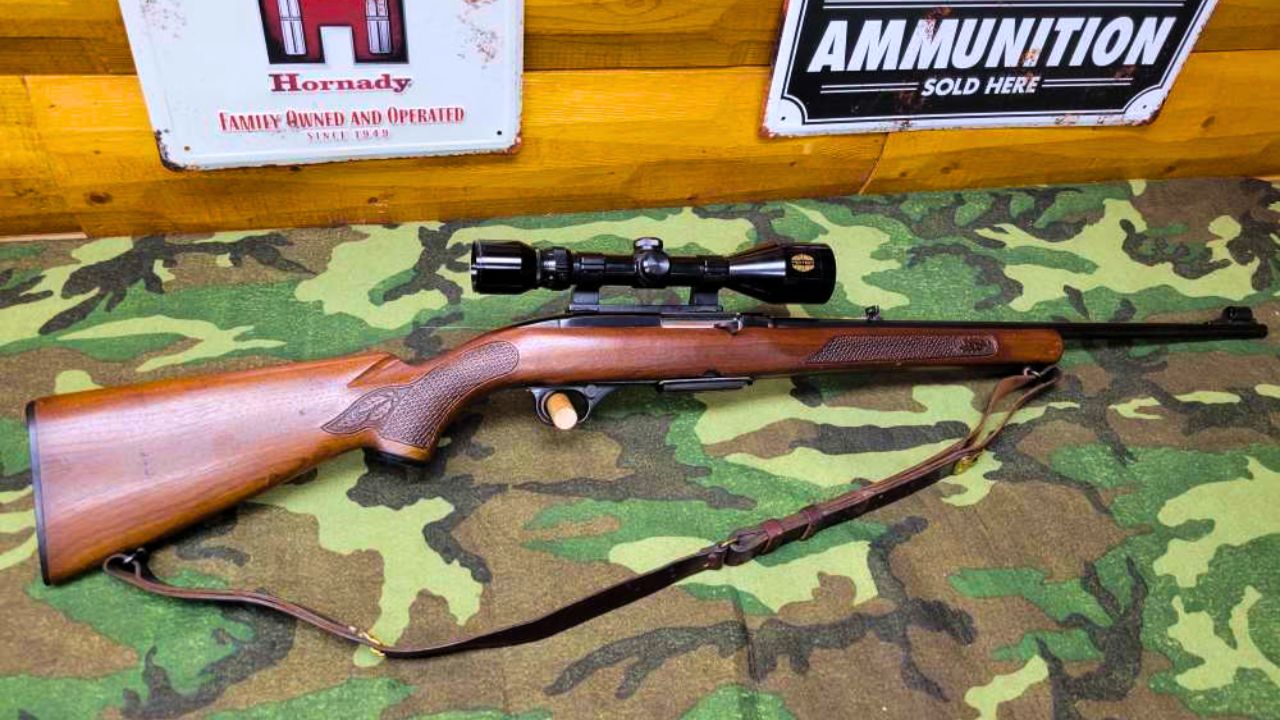
The Model 100 Carbine was easy to underrate for years because it looked like a practical old deer rifle and not much more. It did not carry the same collector heat as some other Winchesters, and that made a lot of buyers treat it like background material. Nice enough, useful enough, someday maybe.
Then people started looking harder at what it actually offered. Trim size, fast handling, and real field usefulness gave it more staying power than the early shrug suggested. The carbine versions especially began standing out once hunters remembered how much a quick, natural rifle can matter in the woods.
Ruger M77 RSI

The RSI always had enough style to get noticed, but not always enough broad approval to get fully appreciated. Some buyers treated the full-stock setup like a novelty feature rather than part of a genuinely handy hunting rifle. That kept it in the category of “cool little rifle” longer than it should have stayed there.
Over time, that changed. The rifle’s compact feel, easy carry, and distinct identity started looking a lot smarter once the market filled with rifles that were lighter on soul than on weight. The RSI got harder to ignore because it kept giving owners something more memorable than the average plastic-stocked bolt gun.
Browning BAR ShortTrac

The ShortTrac often got passed over because it felt too practical to be exciting. It was not the old classic BAR Safari people got sentimental about, and it was not a flashy tactical experiment either. It just sat there as a very usable semiauto hunting rifle that too many buyers assumed they could always think about later.
Then later got more expensive and less forgiving. Hunters started noticing how smart the shorter platform actually was, especially for deer, hogs, and general woods work. Once buyers stopped demanding drama from every rifle, the ShortTrac became much harder to ignore.
Savage 99C

The 99C had the misfortune of being a Savage 99 variant that did not always get the romantic treatment first. Detachable magazine, slightly different feel, not always the one traditionalists bragged on most. That let plenty of people treat it like a second-choice 99 instead of seeing it for what it really was.
What changed was the broader understanding of the platform. Once buyers got more honest about how useful and distinctive the whole 99 family was, the 99C stopped feeling like the version you settled for. It got harder to ignore because it turned out to be one more real Savage 99, and that was already enough.
Remington Model Seven CDL

The Model Seven CDL sat in an odd space for years. It was obviously a nice rifle, but also so sensible that many buyers felt no urgency about it. Compact walnut-stock hunting rifles can suffer from that problem. They look too balanced to feel rare and too familiar to seem urgent.
Then hunters kept carrying them, and the case got stronger. The rifle’s size, field manners, and overall ease of ownership started standing out more in a market full of rifles that looked louder and felt less finished. The CDL version got harder to ignore because it quietly kept being exactly what many hunters actually wanted.
CZ 527 Lux

The 527 Lux was easy to admire without fully committing to. It had old-world styling, smaller cartridge options, and a sort of understated quality that did not fit neatly into what many American buyers were chasing first. That made it more likely to be appreciated politely than bought urgently.
That changed once enough shooters lived with one. The trim size, excellent handling, and real personality started making the rifle stand apart in the right way. It got harder to ignore because it offered something many modern rifles did not: genuine charm backed by real usefulness.
Marlin 882SS
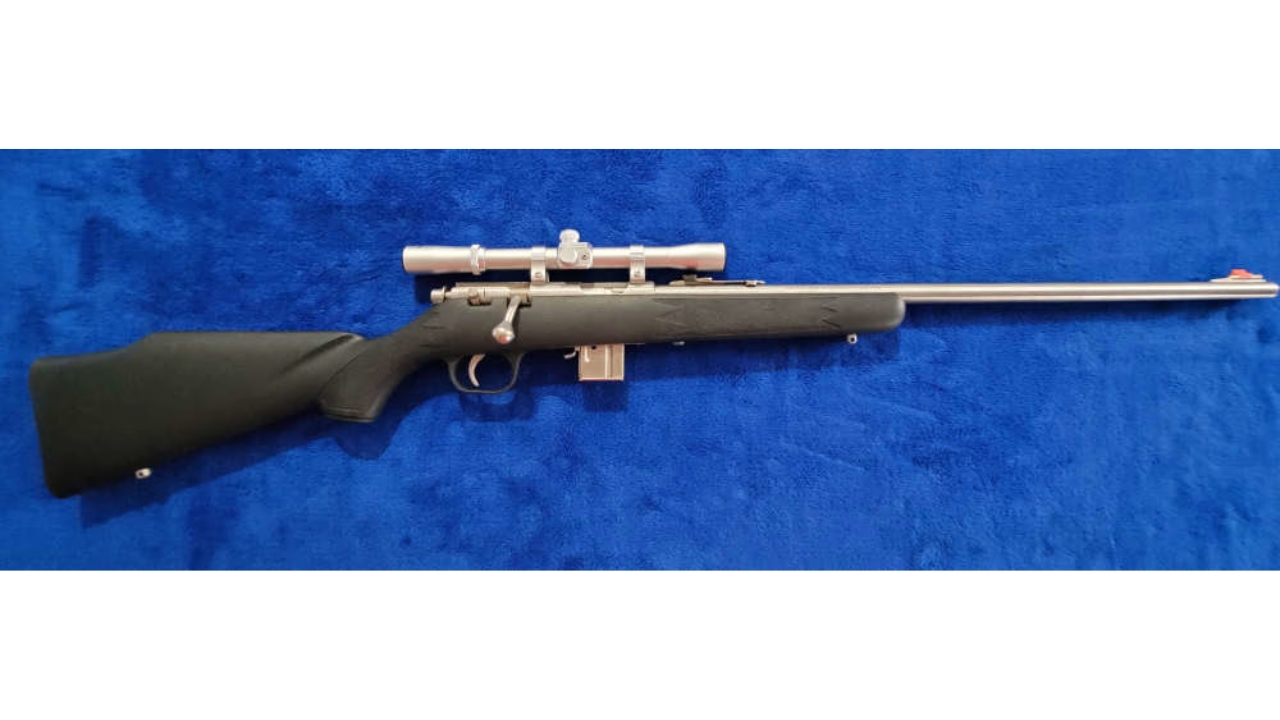
The 882SS looked too much like a modest bolt-action rimfire or light varmint rifle to get much early attention. Stainless finish, practical layout, no giant mystique. That sort of rifle often gets filed under “smart enough” and then left behind while buyers chase louder names.
Then the practical value started getting harder to miss. Weather resistance, useful chambering, and plain field sense all gave the rifle more staying power than first impressions suggested. Once older practical Marlins started getting more respect, the 882SS became one of those rifles buyers realized they had been too casual about.
Browning BLR Lightweight

The BLR Lightweight used to get brushed aside by buyers who could not quite decide what to do with it. It was not the lever gun traditionalists daydreamed about first, and it was not a standard bolt gun either. That middle ground made it easy to overlook if a buyer was still thinking in old categories.
The longer the rifle stayed around, the stronger the case became. It offered speed, handling, and cartridge flexibility in a package that made real field sense. Once buyers stopped trying to force it into the wrong expectations, it became much harder to ignore.
Sako L579 Forester

The Forester was never unknown, but there was a long stretch where it still felt easier to admire than to prioritize. It had clear quality, but it lived in the sort of space where buyers often assumed they could always come back later for a nice old Sako once they were in the mood. That is the kind of delay that ages badly.
As more shooters started appreciating older sporting rifles with real refinement, the L579 began standing out more clearly. The action, balance, and overall feel gave it more weight in the market and in conversation. It got harder to ignore because it kept reminding people what a truly good medium-action hunting rifle feels like.
Winchester 770
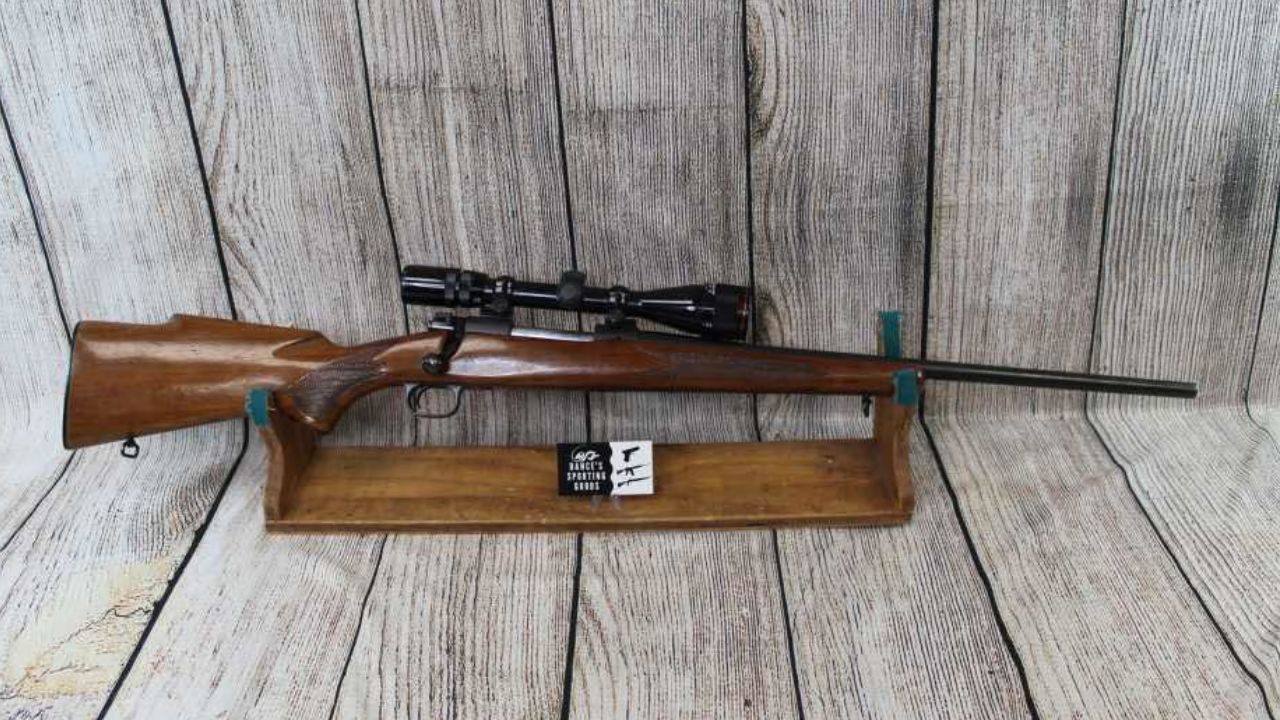
The 770 spent years being overlooked because it looked too plain and too budget-minded to matter much. A lot of buyers treated it like a lesser Winchester and moved on without thinking too hard. That sort of brand-shadow problem keeps good working rifles quiet for a long time.
Then the market got more serious about honest older bolt guns. The 770 began to look less like the one you apologized for and more like the one you should have looked at more carefully. It got harder to ignore once buyers started realizing that plain Winchester hunting rifles do not stay overlooked forever.
Ruger 96/44
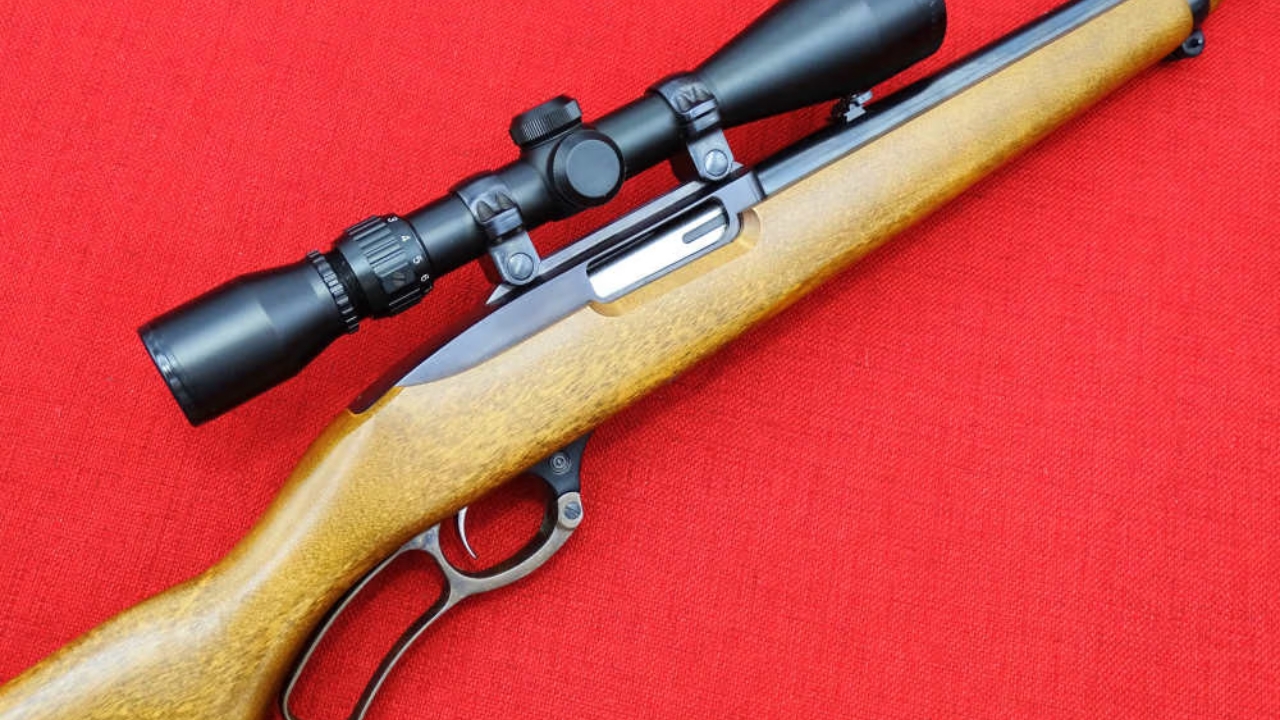
The 96/44 looked odd enough that many buyers laughed it off before they ever really thought about it. Lever-action feel, rotary magazine, .44 Magnum chambering, all in one package. For a while, that made it seem like a fun curiosity more than a rifle worth chasing or studying very hard.
Time improved its reputation. Once shooters started wanting compact, quick, close-range rifles with personality, the 96/44 began looking much smarter. It got harder to ignore because the weirdness that once kept buyers away turned into exactly what made the rifle memorable and worth owning.
Remington 572 BDL

The 572 BDL always had quality, but for a long time buyers still treated it like just a nice old pump .22. That label sounds harmless until enough years pass and people start realizing how few really good old rimfires are left at friendly prices. Then “just a nice old pump .22” starts sounding a lot more important.
The BDL versions especially got harder to ignore once collectors and shooters alike started paying better attention to trim, finish, and overall condition. It was always useful. It simply took the market longer than it should have to admit that usefulness had real value.
Mannlicher-Schönauer MCA
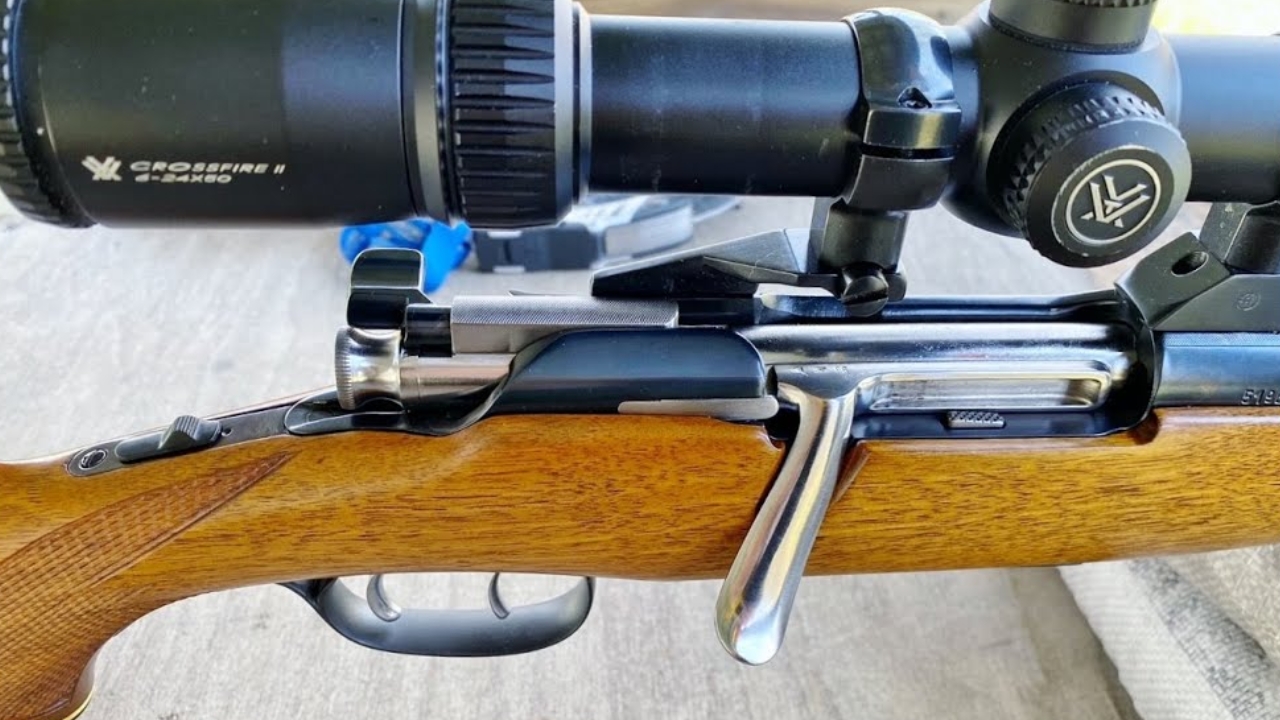
The MCA often sat a little too quietly in the shadow of more obvious prestige rifles. Buyers knew it was good, but not all of them treated it like something urgent. It could seem like one of those refined sporting rifles that would always be appreciated in theory without necessarily becoming impossible in practice.
That changed once more people spent real time around them. The smoothness, balance, and overall class started carrying more weight in a world full of rifles that felt less finished. It got harder to ignore because it stopped feeling like a connoisseur’s side interest and started feeling like one of the more complete hunting rifles a buyer could own.
Browning T-Bolt Sporter
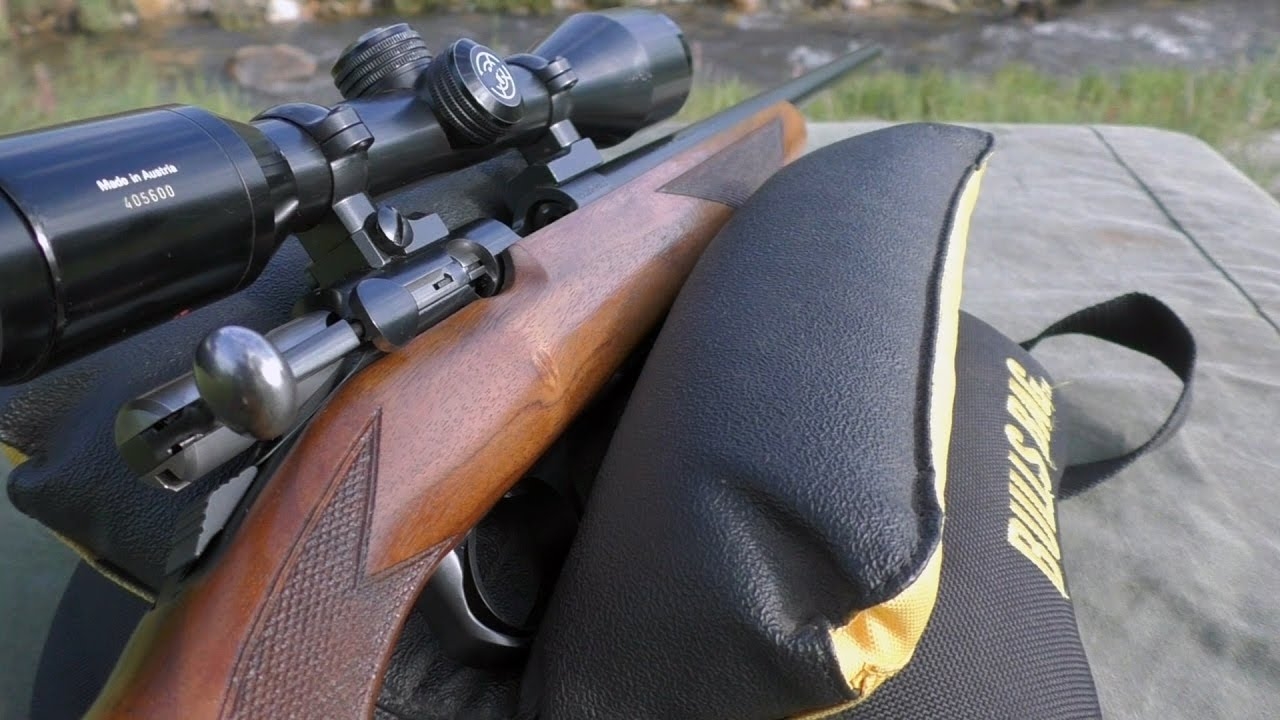
The T-Bolt Sporter used to feel too calm to attract much urgency. It was well made, accurate, and clearly useful, but it lived in the rimfire space where buyers are always too quick to assume there will be another one later. That kind of low-pressure reputation kept a lot of people from acting when they should have.
Then older rimfires started drawing sharper attention, and the T-Bolt’s quality became much harder to ignore. It had too much cleverness and too much real shooting value to stay in the background forever. Once enough buyers noticed, it stopped being the rifle you politely admired and became the one you wished you had bought sooner.
Like The Avid Outdoorsman’s content? Subscribe to our newsletter so you never miss an article.
Here’s more from us: