Photo credit: WombatBull/YouTube
Some firearms never got pushed as the must-have answer of the year. They were not the loudest thing in the case, not the gun everyone on the internet swore you needed, and not always the one buyers bragged about first. They were the ones people bought, used, and slowly grew attached to because they kept doing their jobs without much fuss. That kind of loyalty usually matters more than hype ever does.
These are the firearms that quietly earned loyalty. Not because they chased attention, but because they kept giving owners reasons to trust them, carry them, hunt with them, and hold onto them longer than expected.
Smith & Wesson 39-2
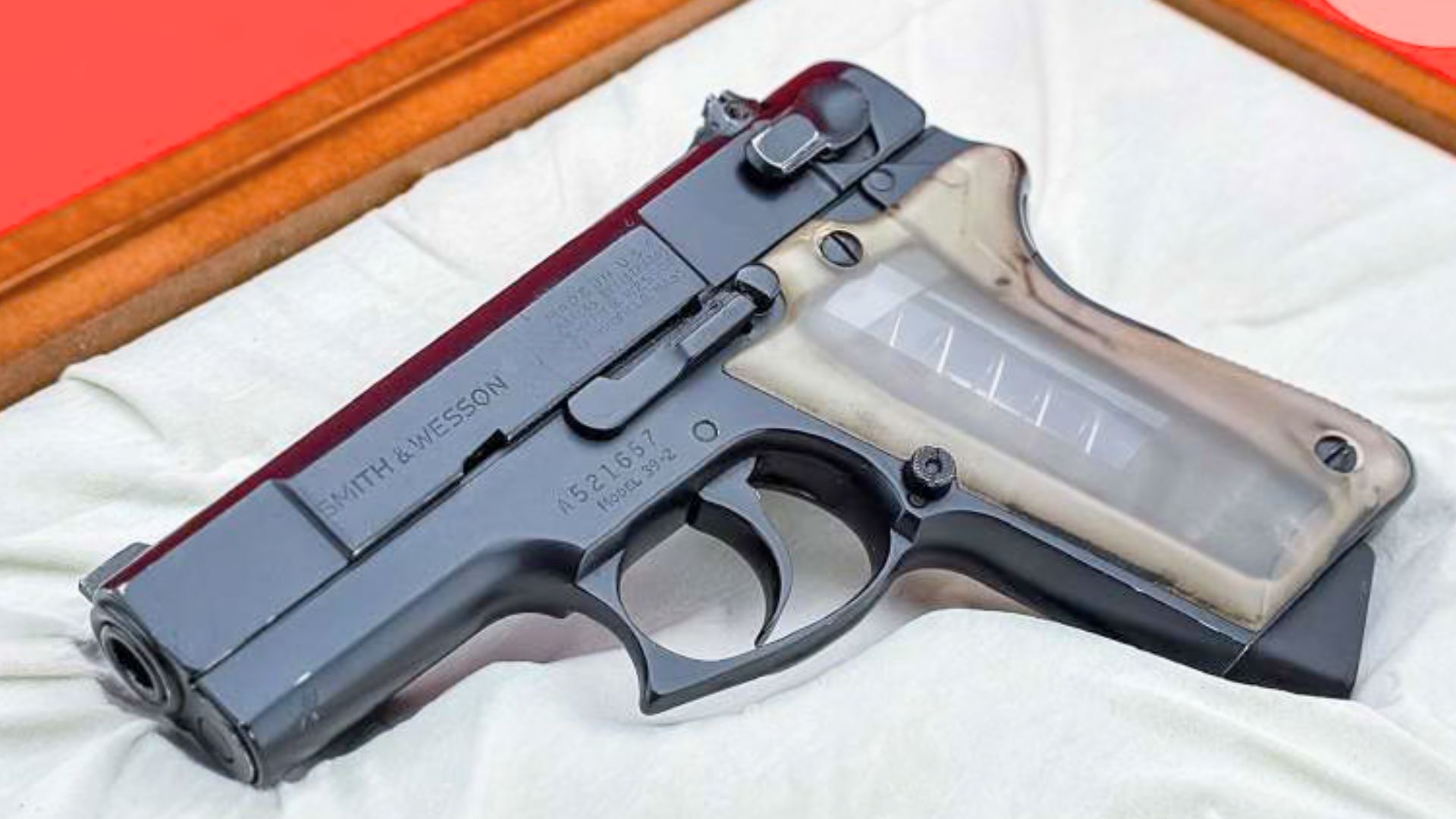
The Smith & Wesson 39-2 quietly earned loyalty because it solved a carry problem before the market turned that role into a circus. It was slim, practical, and easy to live with in a way many later pistols never quite matched. Buyers did not always talk about it like a star, but plenty of them kept one close because it carried well and still felt like a real handgun once it came out of the holster.
That is what built the loyalty. The 39-2 was not trying to be flashy. It was trying to be useful, and it kept succeeding. Over time, that kind of calm competence tends to matter much more than whatever got the louder ad push.
Browning BPS

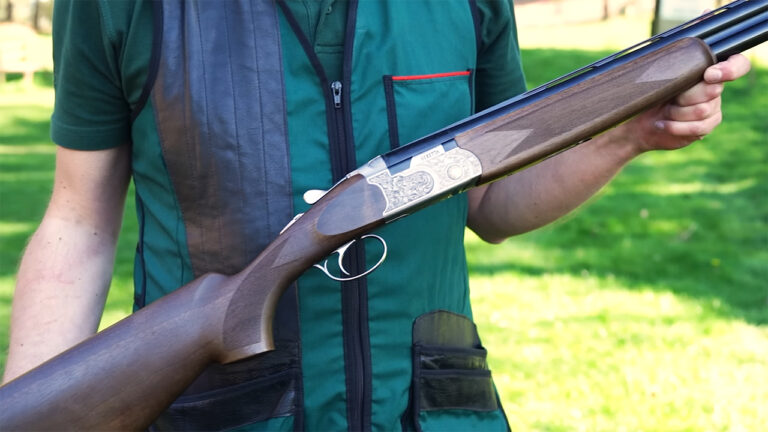
The Browning BPS earned loyalty the slow way. It was never the pump shotgun people shouted about most, but hunters who actually used one figured out quickly how much sense it made. The bottom-eject design, the steel receiver, and the way the shotgun carried in the field all gave it a kind of practical appeal that stayed strong long after trendier shotguns came and went.
That is why owners kept them. The BPS did not need a dramatic identity. It just needed to hunt well, hold up, and feel right in the hands. A shotgun that keeps doing that becomes hard to replace in the owner’s mind, even if the broader market never fully catches up.
Ruger P95

The Ruger P95 quietly earned loyalty because it was so obviously built to work that many owners ended up trusting it more than prettier pistols they had bought first. It looked bulky, felt plain, and never inspired much romance, but it ran. It handled abuse, digested ammo, and stayed dependable in the sort of low-drama way that creates real attachment over time.
That kind of loyalty never comes from appearance. It comes from a pistol making the owner’s life easier instead of harder. Plenty of handguns came with more style and more buzz. The old Ruger earned its place by refusing to become a problem, and that is often exactly why a gun stays around.
Winchester 88
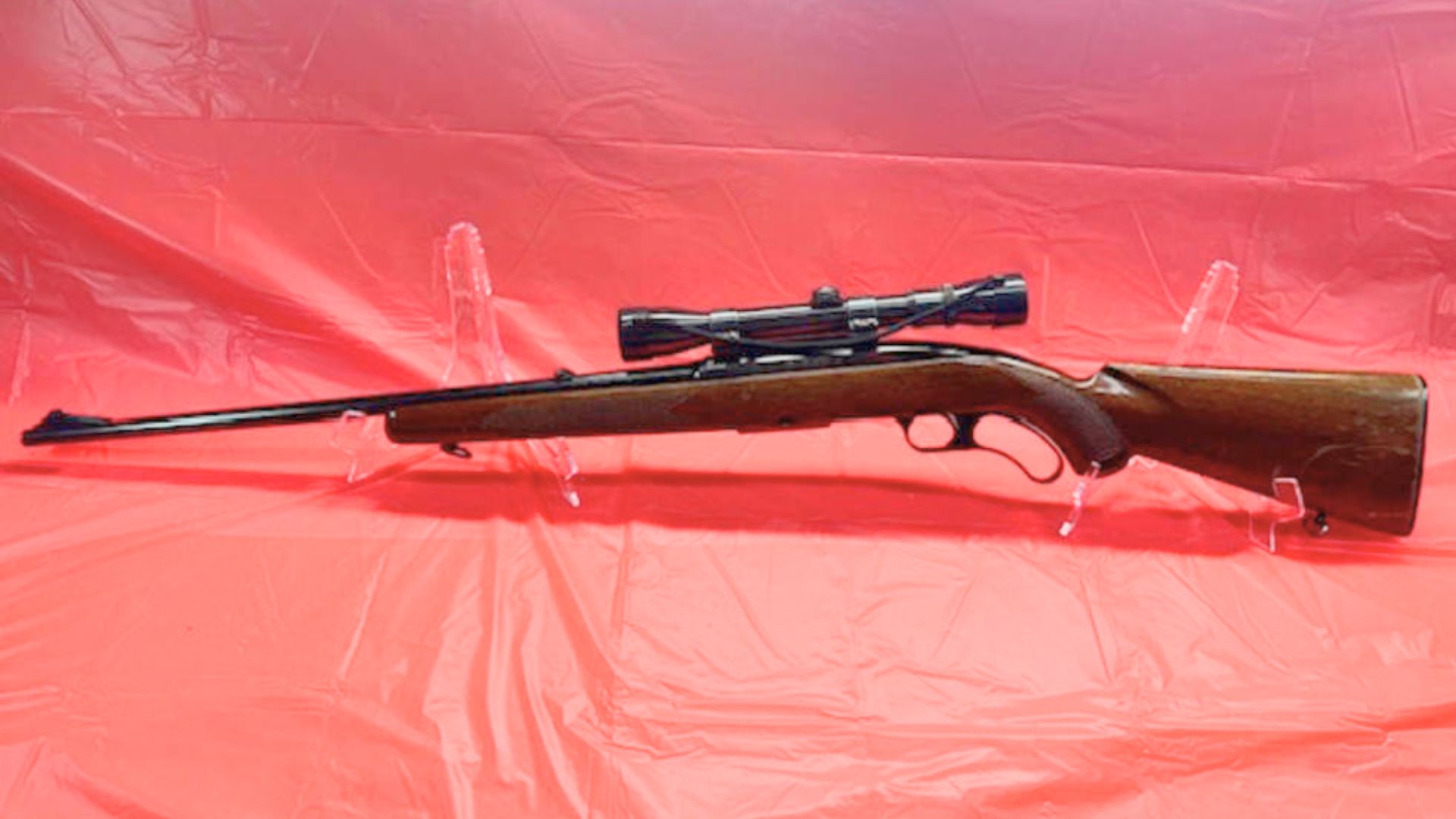
The Winchester 88 earned loyalty because it felt useful in the field from the moment it got there. It had enough individuality to stay interesting, but not so much that it became a novelty. Hunters who carried one learned that it balanced well, pointed naturally, and still handled real hunting work without ever feeling like a compromise disguised as something clever.
That is what makes rifles like this stick. Owners do not keep them because they are trying to impress anyone. They keep them because the rifle kept proving itself on actual hunts. The 88 built trust through use, and trust like that tends to turn into loyalty without much noise.
Beretta 81 Cheetah
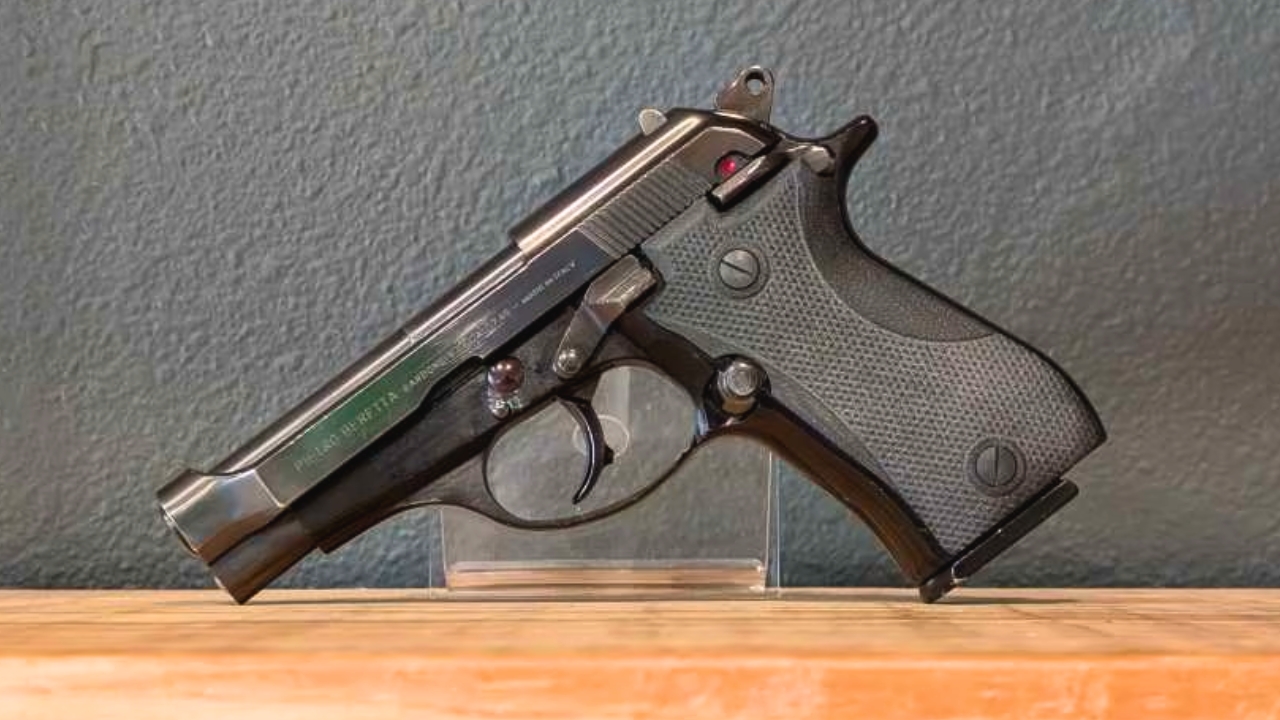
The Beretta 81 Cheetah earned loyalty because it felt better than many buyers expected a compact pistol to feel. It was not a loud status gun, and it was not built around some big defensive-gun myth. It was simply refined, comfortable, and easy to appreciate once someone actually spent time with it. The all-metal construction and practical size gave it a kind of maturity that many newer pistols never developed.
That is why people held onto them. The 81 did not need to dominate conversations. It just needed to keep making sense every time it came out of the safe. Over time, that sort of quiet satisfaction creates strong loyalty.
Remington 7600

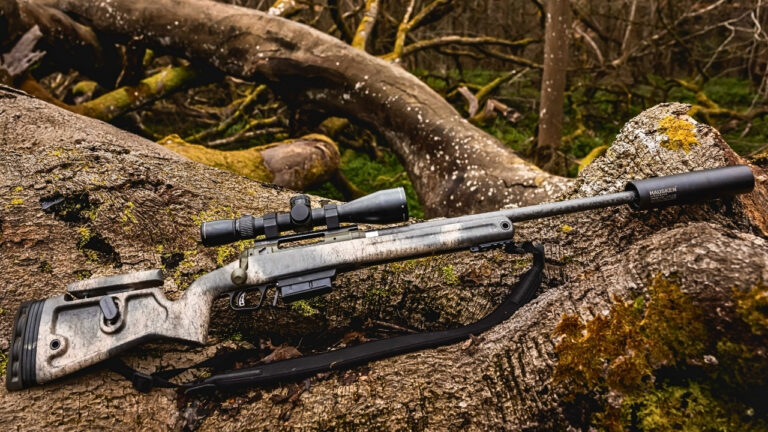
The Remington 7600 earned loyalty because it fit the kind of hunting many people actually do. In thick woods, fast-shot deer country, and rough weather, it kept proving itself more useful than rifles that looked smarter in theory. Buyers did not always brag about owning a pump rifle, but they kept hunting with them because the rifles kept doing what they were supposed to do.
That kind of practical success builds loyalty fast. A 7600 feels natural in the woods, and that matters more than style points once the season gets underway. A lot of rifles win admiration at the counter. The 7600 won repeat use, which is much more meaningful in the long run.
CZ 75 Compact PCR
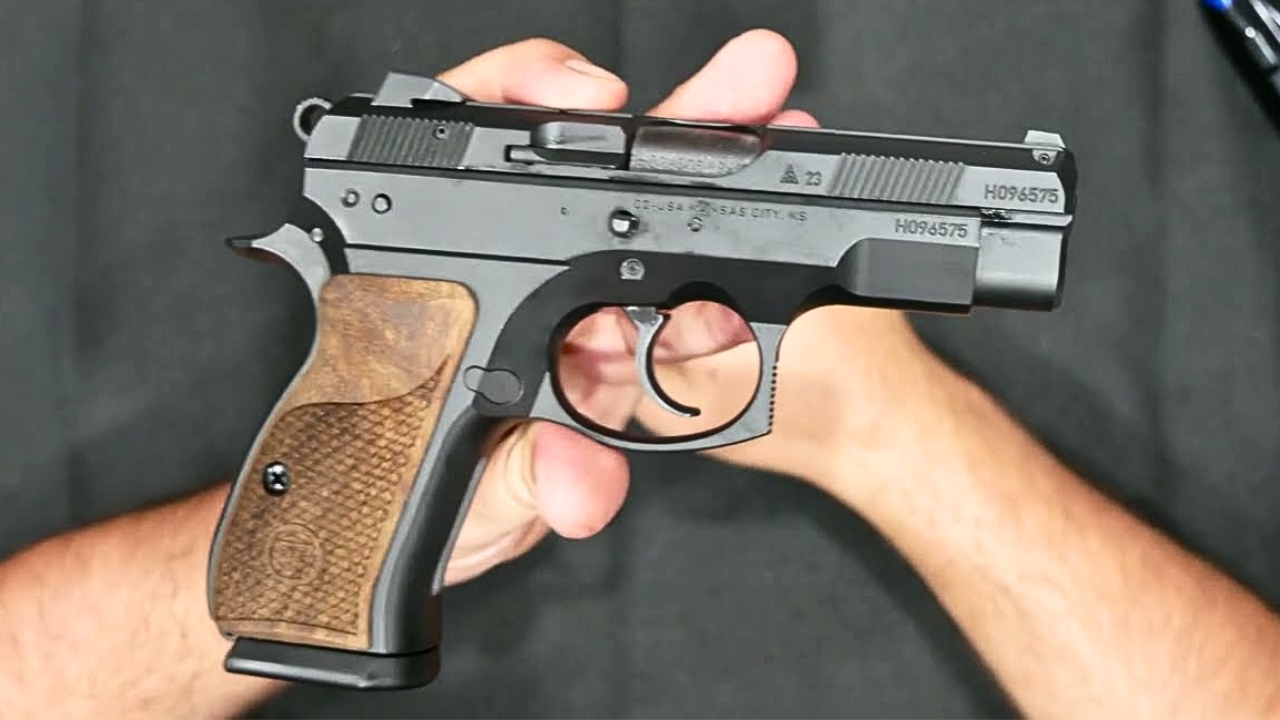
The CZ 75 Compact PCR quietly earned loyalty because it gave owners a compact pistol that still felt complete. It was light enough to carry, steady enough to shoot well, and free of the thin, twitchy feel that hurts a lot of carry guns. It never needed to dominate the ad cycle because once shooters actually used one, the appeal became pretty obvious on its own.
That appeal lasts. The PCR stays comfortable, dependable, and easy to trust without much ceremony. It built loyalty by making owners feel like they had found something better than the market noise around it, and that kind of discovery tends to keep a handgun in rotation for a very long time.
Savage 99F
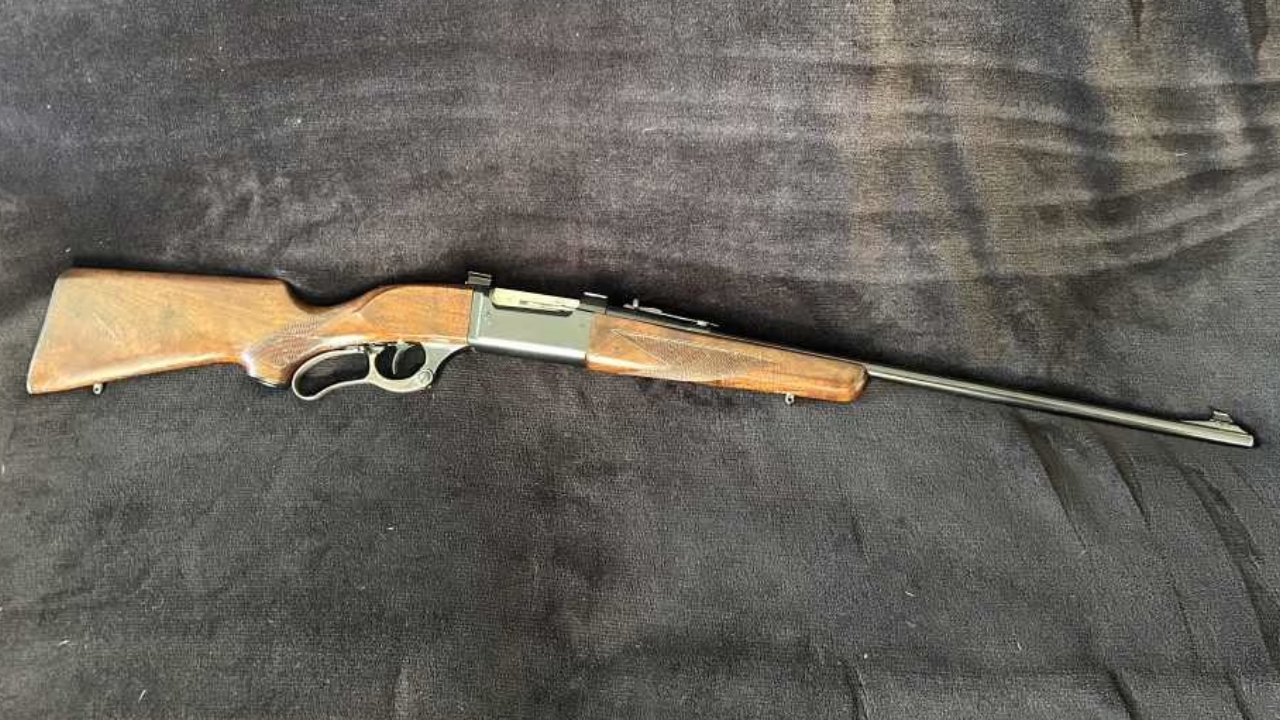
The Savage 99F earned loyalty because it was the kind of rifle hunters came to appreciate more every season they carried it. It was light, lively, and built around field use instead of trend language. That gave it a different kind of appeal than many rifles people bought because they thought they were supposed to. The 99F simply felt right once it got into the woods.
That is the sort of thing owners remember. A rifle that handles naturally and keeps proving itself on game tends to stick in the mind long after flashier choices fade out. The 99F did not need much noise around it. It earned loyalty by staying useful and memorable at the same time.
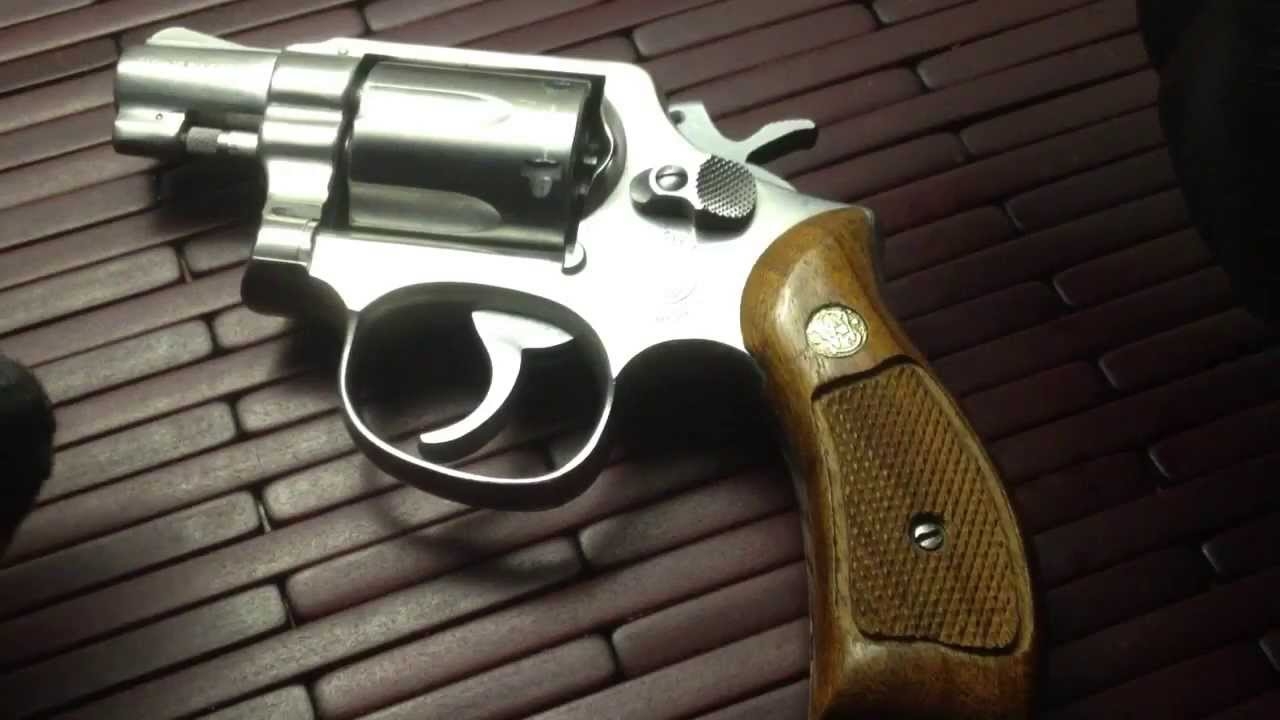
Smith & Wesson Model 64

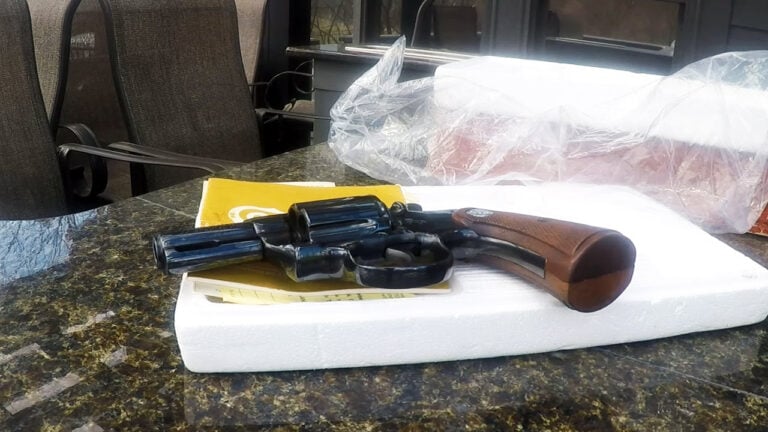
The Smith & Wesson Model 64 quietly earned loyalty because it was so easy to trust. It was plain, stainless, durable, and about as free of nonsense as a service revolver can be. That kept it from becoming a glamour piece, but it also made it the sort of revolver people kept around because it always seemed to make practical sense.
That is how these guns stay loved. They do not have to impress dramatically. They just have to keep showing up as the right answer. The Model 64 did exactly that. It remained shootable, easy to understand, and very hard to dislike once someone spent enough time with it.
Browning BAR Mark III

The Browning BAR Mark III earned loyalty because it handled real hunting work without asking the owner to become some kind of semiauto apologist. It was steady, practical, and much more field-worthy than many buyers were willing to admit at first. Hunters who actually used them often came away understanding that a good sporting autoloader can make excellent sense in the right country.
That sort of understanding creates long-term attachment. The BAR is not a novelty rifle. It is a practical one, and that matters more every year a hunter spends carrying it. Loyalty comes from repeated success, and the BAR has had plenty of chances to earn that the right way.
HK P2000
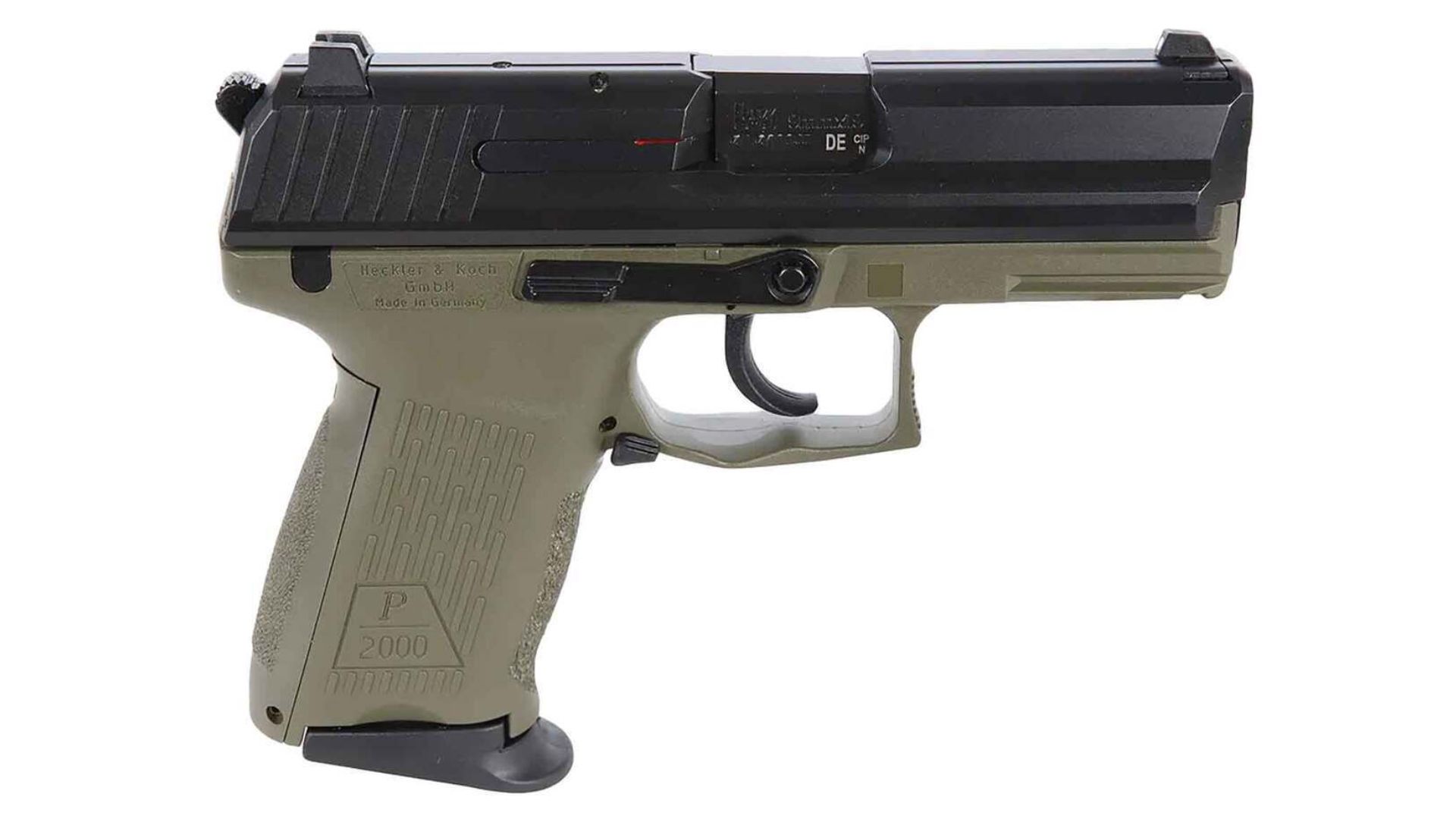
The HK P2000 earned loyalty because it stayed useful while louder pistols kept taking the spotlight. It never had the broad hype of some other carry and duty guns, but the owners who trusted one usually had good reasons. It was durable, practical, and compact without feeling like a compromise. That is the kind of handgun people often appreciate more the longer they keep it.
That is also why it built such quiet loyalty. The P2000 did not need a huge fan club to matter. It just needed to keep being dependable and easy to trust once other pistols started feeling more fragile, more fussy, or less complete. That sort of performance usually keeps a gun around.
Marlin 39A
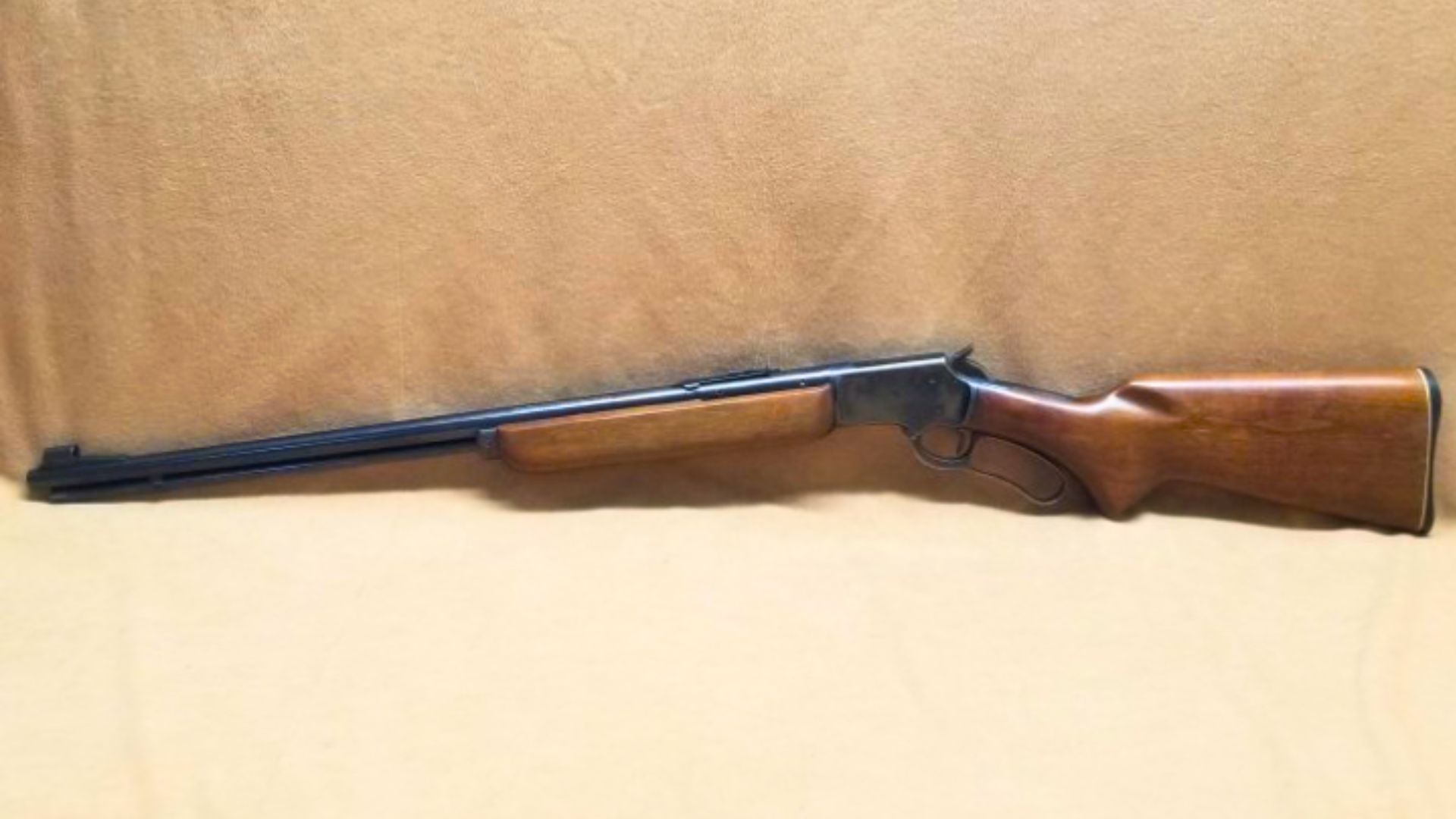
The Marlin 39A earned loyalty because it was one of those rimfires owners never really felt finished with. It was smooth, solid, and satisfying in a way a lot of .22 rifles are not. People might have bought one casually at first, but after enough time shooting it, teaching with it, or carrying it on small-game hunts, they usually stopped thinking of it as just another rimfire.
That is the point where loyalty shows up. The 39A stayed useful, stayed enjoyable, and kept giving owners reasons to bring it back out. A firearm does not need to be dramatic to become beloved. It just needs to make people happy they kept it, and the old Marlin has done that for a long time.
SIG Sauer P220
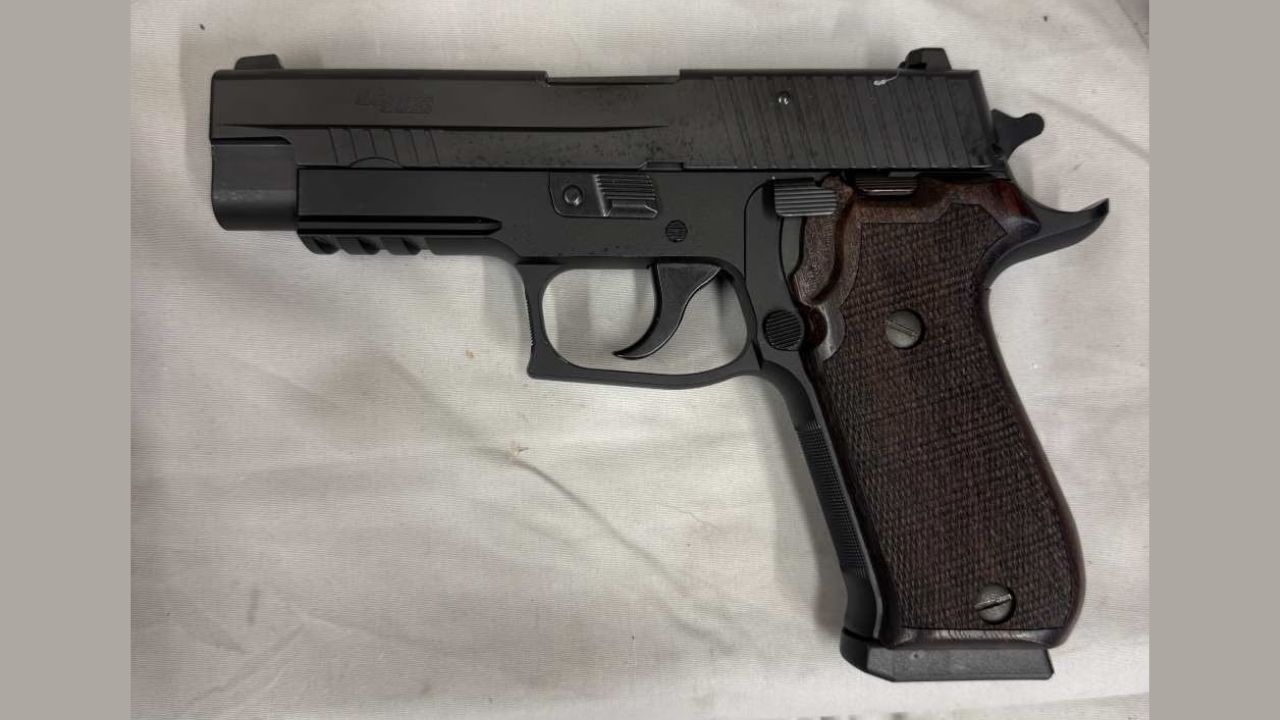
The SIG Sauer P220 quietly earned loyalty because it felt like a serious pistol from the beginning and never really stopped. It was not trying to be flashy or especially fashionable. It simply gave owners a dependable, full-size .45 that was easy to shoot well and easy to trust. That is a powerful combination, especially once someone has spent time with pistols that looked more current but felt less convincing.
That is why shooters stayed with it. The P220 built its following through performance, not noise. A pistol that keeps acting like a grown-up sidearm year after year tends to win deeper loyalty than one that only wins attention for a season.
Ruger M77 Mark II

The Ruger M77 Mark II earned loyalty because it felt sturdy and believable from the first hunt onward. It was not trying to charm anyone with gimmicks. It felt like a rifle built for weather, miles, and years of ownership. Hunters who spent real time with one usually came away feeling like they had something they could trust without much qualification.
That trust became loyalty because the rifle kept rewarding it. The M77 Mark II stayed practical, stayed solid, and kept making other rifles look a little too delicate or too temporary. Once a hunter gets used to that sort of confidence, it is hard to walk away from.
Colt Detective Special

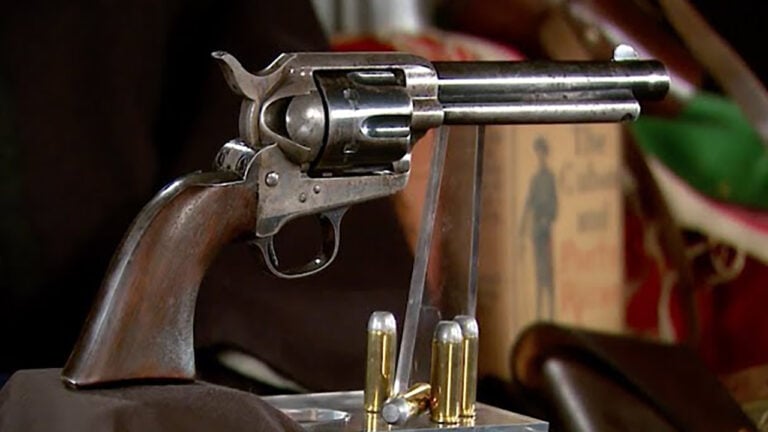
The Colt Detective Special quietly earned loyalty because it never stopped making sense as a carry revolver. It had enough size to shoot properly, enough compactness to carry daily, and enough Colt character to make it memorable without turning it into a safe queen. That balance made it far more than just an old snubnose with a famous name.
That is why so many people stayed attached to them. The Detective Special felt like a real defensive handgun, not a last-ditch compromise. It earned loyalty by being useful first and charming second, which is usually the strongest possible order for a firearm to get things right.
Like The Avid Outdoorsman’s content? Be sure to follow us.
Here’s more from us: