Photo credit: MustHaveOutdoors/YouTube
A lot of handguns will treat you right for the first couple range trips. The gun is clean, the springs are fresh, and you’re still in that honeymoon where everything feels “sorted.” Then you cross a couple hundred rounds, carbon starts packing into the corners, parts start wearing into each other, and the little tolerances that looked fine on day one begin stacking the wrong way.
When a pistol “gets weird,” it usually shows up as inconsistent ejection, random failures to return to battery, sudden sensitivity to ammo, or magazines that stop feeding like they did when new. Sometimes it’s a break-in issue. Sometimes it’s a parts-quality issue. Sometimes it’s a design that’s less forgiving once things heat up and get dirty. Here are 15 handguns where that pattern shows up often enough that you should understand it before you bet on one.
Kimber Ultra Carry II

A short 1911 can feel great early on. For the first 200 rounds, the gun is clean, the recoil spring is lively, and the timing can look fine. Then the reality of a 3-inch 1911 shows up: it’s running a shorter slide stroke with less margin, and small changes in spring rate or extractor tension start to matter more than they should.
When things “get weird,” you’ll often see failures to return to battery, three-point jams, or erratic extraction once the gun is a little dirty. The fix is rarely one thing. It’s usually magazine selection, extractor tuning, and staying on top of recoil spring replacement intervals. If you want a 1911 that keeps acting the same past a few boxes of ammo, longer guns tend to be far more forgiving.
Springfield Armory EMP

The EMP can run beautifully out of the gate. The gun is compact, it points well, and when it’s clean it often feels slick. After a few hundred rounds, you find out how much this platform depends on everything staying in-spec—especially magazines and extractor tension.
The “weird” stage tends to look like intermittent feeding problems or inconsistent ejection patterns that weren’t there at first. Some of that is normal 1911 behavior, but compact 9mm 1911s amplify it. A magazine that’s slightly off, a spring that’s a little tired, or a bit of fouling in the wrong place can flip the gun from “great” to “annoying.” If you’re buying one, plan on quality mags, routine spring replacement, and verifying it stays reliable when it’s dirty.
Walther PPK (.380)

A PPK often behaves for a couple range sessions, especially with the ammo it likes. Then you start seeing why people call these guns “ammo sensitive.” As fouling builds and the gun heats up, the blowback design can get picky about recoil impulse, bullet shape, and even how firm your grip is.
When it gets weird, the symptoms are usually failures to feed or extract, and sometimes slide bite becomes a bigger issue when you start gripping harder to control the gun. The magazines also matter more than most folks expect—feed lips and springs can turn a decent PPK into a jam-o-matic fast. None of this is shocking for an old-school blowback .380, but it’s something you need to know going in. If you want a small gun you can ignore maintenance-wise, this usually isn’t it.
SIG Sauer P238

The P238 can feel like the perfect tiny shooter at first. It’s soft for its size, easy to aim, and often runs great when it’s clean and wet. Then carbon builds up, the little gun heats up, and you start seeing failures that feel random—especially if you mix ammo or limp-wrist it even slightly.
The weirdness tends to show up as sluggish return to battery or failures to feed that weren’t there earlier. Tiny guns have tiny springs and small travel, so anything that steals energy—dirt, dry rails, weak magazine springs—shows up fast. The P238 also rewards consistent magazines and consistent lubrication. Notice the pattern: if it likes to run, you can keep it running, but it’s not the kind of pistol you shoot a lot, wipe down once, and forget.
SIG Sauer P938

The P938 is the 9mm version of the same idea, and the same reality follows it. A lot of them start out strong, especially if you’re shooting standard-pressure ball and keeping the gun lightly lubed. Cross a couple hundred rounds and the gun’s small size can magnify every little variable—ammo, grip, magazine condition, and spring rate.
What “weird” often looks like here is inconsistent ejection, occasional failures to return to battery, or a sudden preference for one magazine over another. The fix is usually boring: replace tired springs on schedule, use magazines that you’ve proven, and don’t run it bone-dry. Small 9mms can be great, but they don’t have the same mechanical forgiveness as a duty-sized pistol. If you want to shoot high round counts without babysitting, this style of gun isn’t built for neglect.
Ruger LCP (.380)
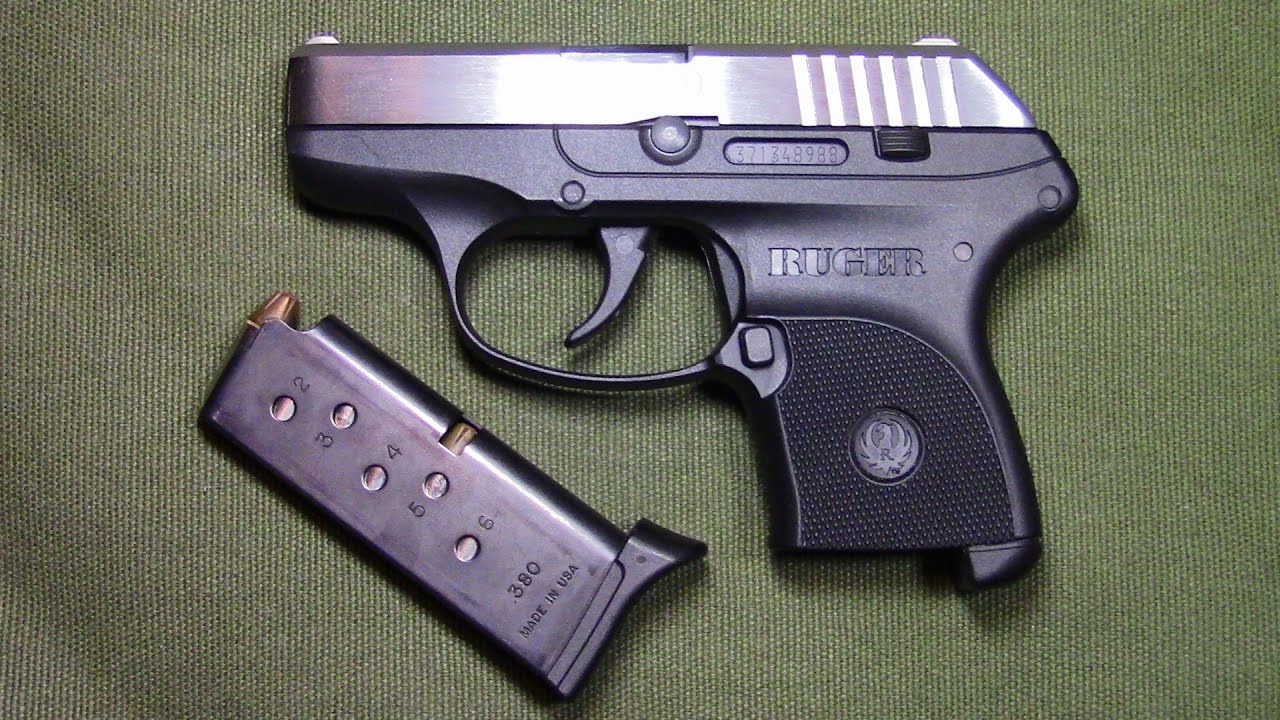
The LCP is famous because it carries easily, not because it’s a range toy. Early on, it can run surprisingly well. Then you hit a couple hundred rounds, the gun gets hot, fouling builds, and the little recoil system starts showing you how close to the edge a true pocket .380 can live.
Weird behavior usually shows up as failures to feed with certain bullet profiles, occasional extraction issues, or magazines that suddenly stop being consistent. The gun is light, the slide is light, and everything is compact. That means it’s more affected by grime and lubrication than a larger pistol. It also means the shooter matters—grip consistency can change the cycling energy more than you’d expect. If you carry one, it’s smart to treat it like a tool you verify often, not a gun you expect to behave the same through long strings without attention.
Remington R51

The R51 has a history that makes this topic unavoidable. Plenty of shooters reported early promise followed by odd malfunctions as round counts climbed—failures to feed, inconsistent extraction, and general “what is happening?” behavior that doesn’t inspire confidence.
A lot of the weirdness comes from how unforgiving the design can be when tolerances, springs, or magazines aren’t exactly right. The gun may feel fine at first because everything is clean and the timing is cooperating. As the gun gets dirty and parts wear in, that cooperation disappears. If you stumble onto one, you’re not crazy for liking the feel, but you should be realistic about support, parts, and whether you want a carry gun that might require more sorting than you planned. For most people, there are safer bets.
Taurus PT 1911 (budget 1911s in general)

Some budget 1911s run great at first, and then the small parts start telling on themselves. Early on, the gun is clean and the extractor tension might be “close enough.” After a couple hundred rounds, you can see inconsistent ejection patterns, failures to extract, or feeding issues that show up only when the gun is warm and dirty.
The real issue is often quality control and small-part consistency. A 1911 depends on the extractor, magazines, and spring rates being right, and not every budget gun keeps those variables tight. The fix is usually doable—good magazines, a tuned extractor, possibly upgraded springs—but that’s money and time you didn’t plan to spend. If you want a 1911 that keeps acting the same, you’re usually better off buying a gun with consistent parts and proven QC.
Rock Island Armory 1911 (GI-style models)

GI-style Rock Island 1911s can feel like bargains because they often run okay at the start. With ball ammo and clean rails, you might get 200 rounds that make you think you beat the system. Then you start mixing ammo, the gun gets dirty, and the rougher fit and basic small parts show their limits.
The weird stage tends to look like feeding problems with hollow points, occasional failures to return to battery, or extraction that gets less consistent as the gun fouls. GI sights and basic magazines don’t help, either, because you’re already working with a platform that needs good mags to stay happy. Again, none of this is mysterious: 1911s can be great, but the bargain versions often need a little sorting. If you’re willing to tune and maintain, you can make one behave. If you want “set it and forget it,” you’ll get frustrated.
CZ 75 Compact

A CZ 75 Compact can run smooth and accurate right out of the box. The weirdness tends to show up when the gun is run dry, gets dirty, or when you start chasing cheap magazines. These pistols can be tight, and tight guns often lose tolerance for neglect as they foul.
When the gun “gets weird,” it usually shows up as sluggish cycling, failures to return to battery, or inconsistent ejection when the rails are dry and dirty. The fix is usually straightforward: keep it lightly lubricated on the rails, use good mags, and don’t treat it like a polymer duty gun you can run bone-dry forever. A well-maintained CZ is a workhorse. A dry, dirty CZ can start acting like it’s offended by your range habits, especially once it’s warmed up and carbon is packing into the slide/frame contact points.
Beretta 21A Bobcat (.22 LR)

A Bobcat can look like it’s running great in the first couple boxes because .22s often behave when everything is fresh and clean. Then the rimfire reality arrives. Carbon and wax build up fast, the tiny chamber gets sticky, and suddenly you’re dealing with failures to extract, failures to fire, and feeding issues that feel like they came out of nowhere.
The “weird” stage is often ammo-driven, too. One brand runs fine, another turns the gun into a stoppage drill. That’s not Beretta-specific so much as rimfire-specific, but small rimfire pistols make it worse because they have less energy to spare. If you want one for deep concealment or a trail kit, you can make it work—just understand it’s the kind of gun that needs cleaning and the right ammo to stay pleasant. Ignore those realities and it will get weird fast.
SIG Sauer Mosquito (.22 LR)

The Mosquito is another rimfire that often starts out “okay” and then turns into a lesson. Early on, you’re running it clean, likely with hotter ammo, and everything feels acceptable. As it gets dirty, the gun’s appetite narrows and you start seeing failures to feed and extract that make you wonder if you changed something.
A lot of the weirdness comes from being a .22 pistol that wants specific ammo and a certain level of lubrication and cleanliness. Once fouling builds, the slide loses energy, and the gun stops masking marginal magazines, weak ammo, or a dry action. If you’re committed to it, you can often improve the experience by sticking to proven high-velocity loads, keeping it lubed, and cleaning more often than you’d prefer. If you want a rimfire you can run hard all afternoon without drama, this isn’t usually the one.
Kahr PM9

Kahr’s small 9mms often have a reputation for needing a real break-in. You might get the first 200 rounds that feel fine—then you hit the phase where parts are wearing in, springs are settling, and the gun starts showing intermittent failures to feed or return to battery.
What feels “weird” is that the gun can be inconsistent: one session is fine, the next session you get a couple stoppages that weren’t there before. Small, tight pistols can do that as they smooth out. The practical takeaway is that you need to vet it with the ammo you plan to carry, and you need to keep it properly lubricated during that break-in window. Some guns settle down and become dependable. Some never do. Either way, a micro 9mm that demands a long courtship isn’t ideal if you want instant confidence.
Diamondback DB9

Ultra-light 9mms can trick you early. They’re new, clean, and you’re excited because the gun disappears on your belt. Then you start running real strings, the gun heats up, and you discover how sensitive tiny 9mms can be to ammo, grip, and maintenance.
The weirdness tends to show up as failures to feed, inconsistent extraction, or a gun that runs one day and complains the next. When everything is that light and compact, there’s less slide mass and less travel to overcome friction and fouling. Add in cheap ammo with inconsistent power, and the gun may start acting like it’s got a mind of its own. If you want a micro 9, pick one with a reputation for mechanical forgiveness. If you pick an ultra-light outlier, you’re often signing up to test, tweak, and baby it more than you expected.
1911-Style 9mm Officer/Commander Compacts

Compact 9mm 1911s can start strong and then go sideways once the gun gets dirty and hot. The first 200 rounds might be a dream because everything is clean and the magazines are fresh. Then you start seeing the typical issues: feeding sensitivity, extractor-related drama, and a sudden preference for one magazine over another.
The reason is simple: you’re combining a platform that is magazine-dependent with a cartridge shape that can be finicky in some 1911 setups, all inside a shorter slide system with less timing margin. When it’s right, it’s great. When it’s slightly off, it’s weird. If you’re going to carry one, you need proven mags, a reliable extractor setup, and spring replacement discipline. Otherwise, the gun that looked “dialed” early can become a project right around the time you thought you were done testing.
Like The Avid Outdoorsman’s content? Subscribe to our newsletter so you never miss an article.
Here’s more from us: