Photo credit: GunsOfTheWorld/YouTube
Every few years, the pistol market finds something new to get loud about. Smaller carry guns, higher capacity micro-compacts, modular frames, optic cuts, metal-frame revivals, competition triggers, compensators, and limited-run finishes all take turns soaking up attention. Some of those trends matter. Some burn out once normal shooters start carrying and training with the guns.
The pistols that survive all of that usually do not need much explaining. They keep selling, keep showing up in holsters, keep running through classes, and keep reminding people that a solid handgun does not become useless just because something newer showed up. These are the pistols that keep surviving every new wave of hype.
Glock 19
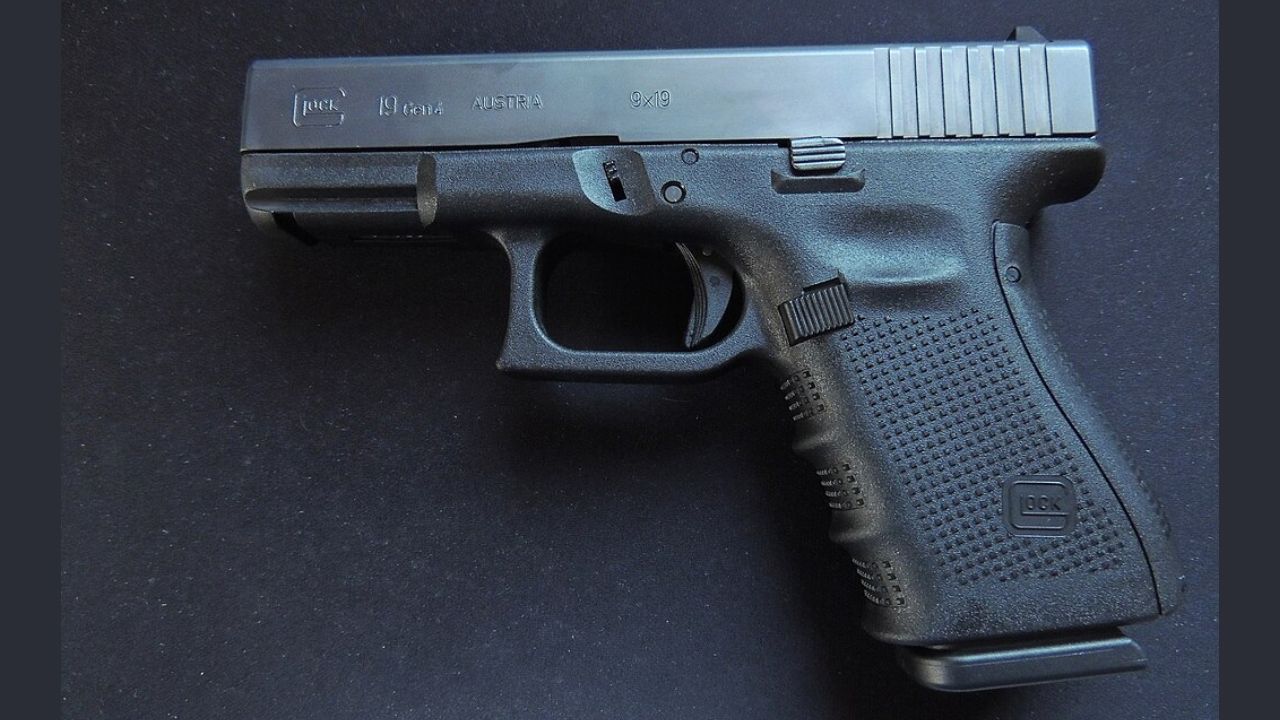
The Glock 19 survives hype because it sits in the middle of almost everything. It is small enough to carry, large enough to shoot well, and common enough that support gear is never a problem.
Plenty of newer pistols have better factory triggers, more aggressive grip texture, cleaner optics setups, or flashier looks. The Glock 19 still works because it gives shooters a dependable baseline. You can complain about it all day and still end up trusting it.
Smith & Wesson M&P9 M2.0 Compact

The M&P9 M2.0 Compact keeps hanging around because it is built around real use instead of showroom drama. The grip texture is strong, the size makes sense, and the pistol gives you enough control without becoming too large for daily carry.
It does not always get the same online noise as other carry pistols, but that has never stopped it from working. Shooters who spend time with one usually understand the appeal. It feels like a pistol built to be shot, not worshiped.
SIG Sauer P226

The SIG Sauer P226 has survived more handgun trends than most modern shooters can remember. Polymer frames, striker-fired systems, micro-compacts, and optic-ready carry guns all showed up while the P226 kept doing what it does.
It is heavy, old-school, and not cheap. But the pistol shoots smoothly, feels steady, and rewards practice with that double-action/single-action trigger. For shooters who still value metal-frame control and duty-gun confidence, the P226 never really left the conversation.
Beretta 92FS

The Beretta 92FS has been called outdated for years, but it keeps proving that old-school does not automatically mean obsolete. It is large, wide, and has controls some shooters never warm up to. That does not erase how well it shoots.
The 92FS is soft, accurate, and easy to run well once you learn it. Newer pistols may carry easier or mount optics better, but the Beretta still feels like a serious full-size handgun. Hype moves fast. Good shooting manners last longer.
CZ 75
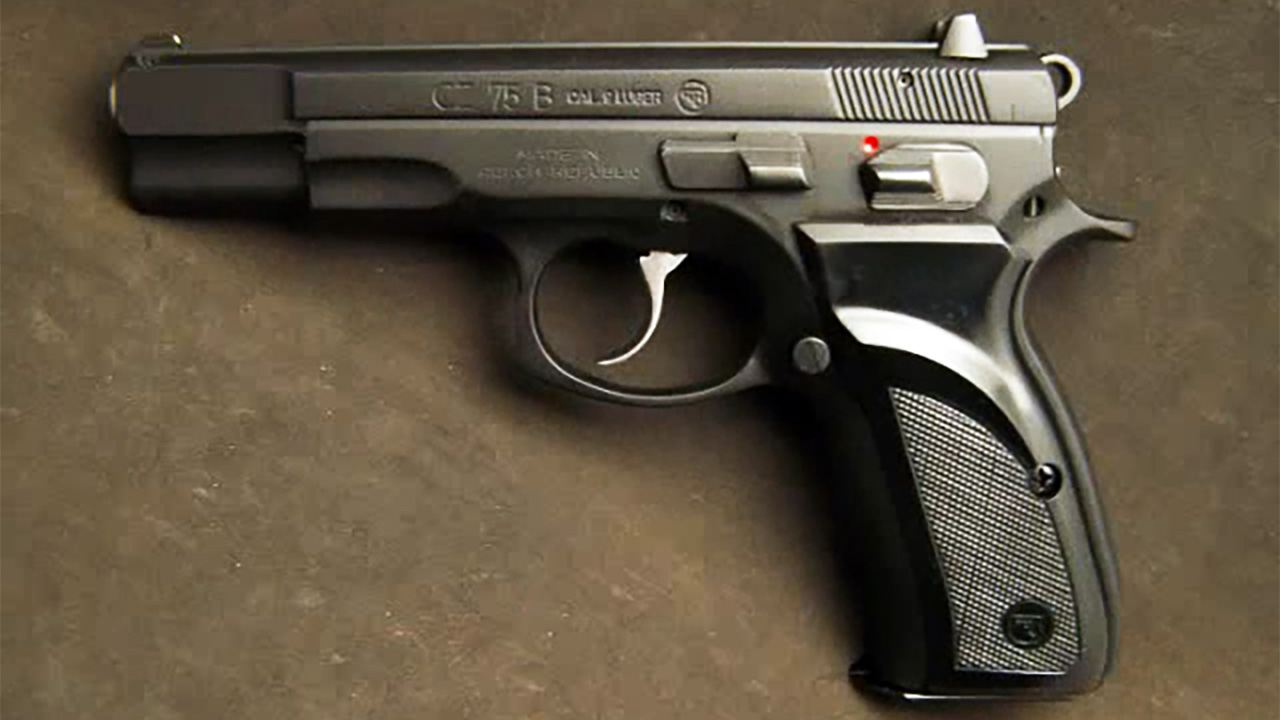
The CZ 75 survives because its strengths are not tied to any trend. The grip shape, steel-frame balance, and natural pointing qualities still matter, even in a market full of lighter and more modular pistols.
It is not the easiest pistol to carry, and it does not offer modern convenience the way newer designs do. But as a handgun you actually shoot, it keeps making sense. The CZ 75 reminds people that feel in the hand can matter more than the latest feature list.
Glock 17

The Glock 17 keeps surviving because it is one of the plainest good answers in the pistol world. It is not compact, romantic, or especially interesting. It is a full-size 9mm that runs, trains well, and accepts every kind of support gear imaginable.
That makes it hard to replace. New duty pistols keep arriving with better textures, optics systems, and factory triggers, but the Glock 17 remains a practical standard. It survives because boring reliability still wins when the round count gets high.
Browning Hi-Power
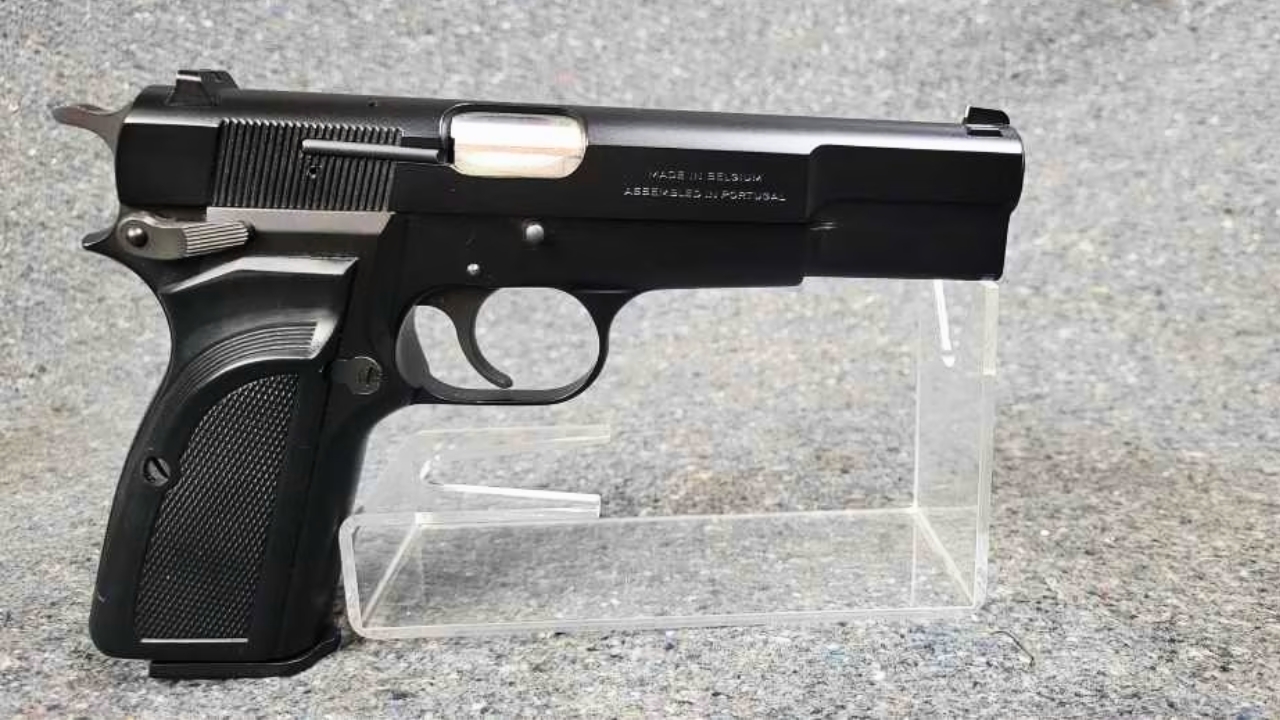
The Browning Hi-Power should have faded harder once modern double-stack 9mms took over. Capacity improved, materials changed, and striker-fired pistols became the default. Yet shooters keep coming back to the Hi-Power because it feels right.
The grip is the big reason. It is slim, natural, and easy to shoot well for many hands. The original design has limitations, but its balance and handling still hold up. That is why newer versions and clones keep finding interested buyers.
Heckler & Koch USP
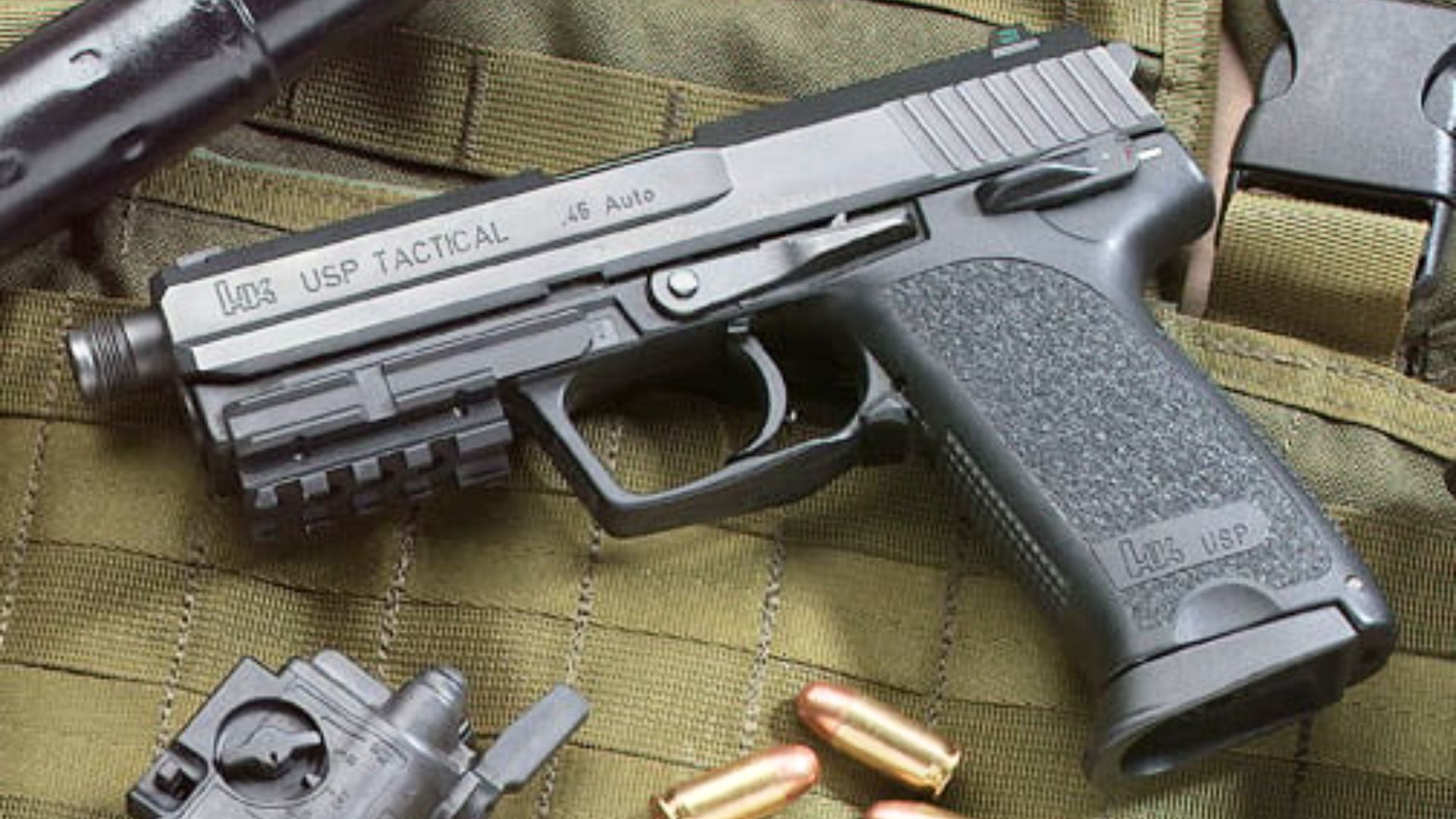
The HK USP was never sleek, and it never cared. It is bulky, serious, and overbuilt in a way that feels almost stubborn now. That stubbornness is exactly why it keeps surviving waves of lighter and trendier pistols.
Shooters respect the USP because it has a reputation for durability and hard use. The controls and grip size are not for everyone, but the pistol has never depended on everyone liking it. It survives because the people who trust it usually trust it deeply.
Springfield Armory 1911 Loaded

The Springfield Armory 1911 Loaded survives because the 1911 market never really stops moving, but good middle-ground pistols still matter. It gives shooters classic 1911 handling without jumping straight into custom-gun money.
It is not high-capacity, lightweight, or low-maintenance compared with modern polymer pistols. That is not the point. A good 1911 trigger and slim grip still have a pull. The Loaded keeps making sense for shooters who want a practical 1911 instead of a safe queen.
Walther PPQ

The Walther PPQ survived its own replacement because shooters still remember what it did well. Before the PDP became the newer Walther name, the PPQ earned loyalty with one of the better factory striker-fired triggers around.
It is not the current hot option, but that does not make it irrelevant. The grip, trigger, and shootability still hold up. Some pistols fade when a new model arrives. The PPQ kept respect because people who shot them well did not forget.
Ruger Mark IV
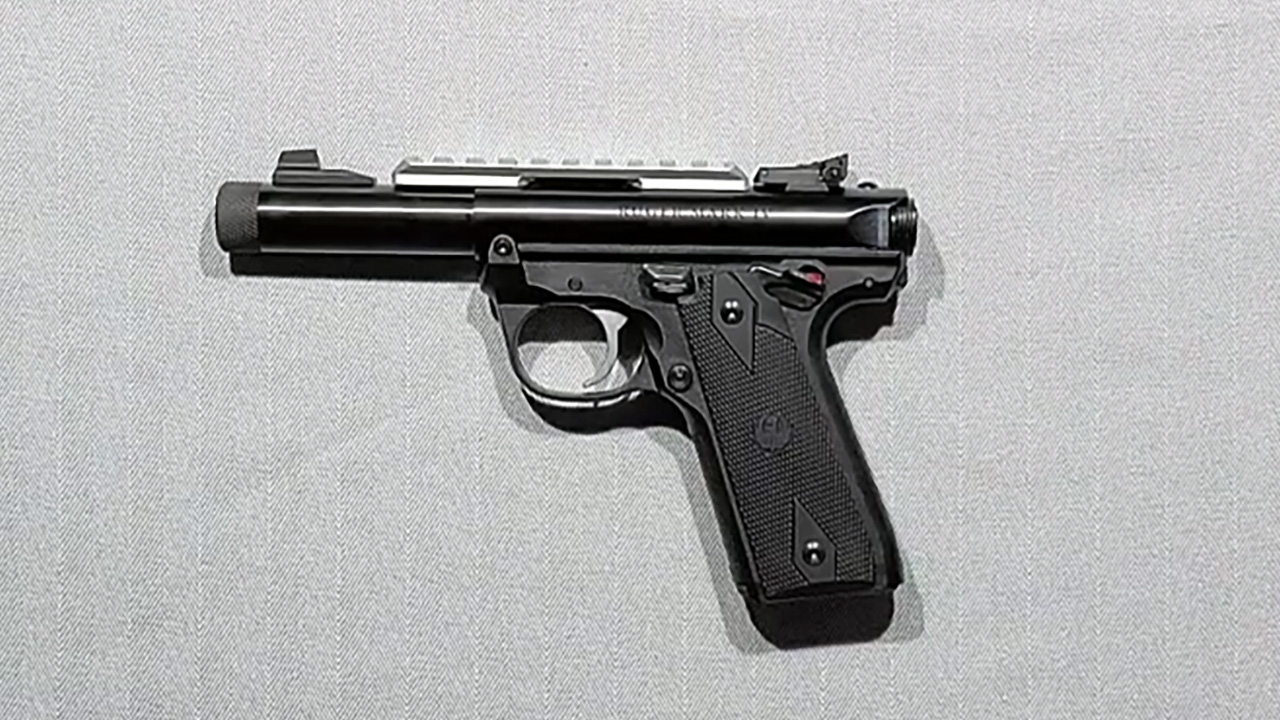
The Ruger Mark IV survives hype because it lives outside most defensive-pistol arguments. While everyone debates carry guns, optics, and duty pistols, the Mark IV keeps doing the quiet work of teaching fundamentals and making range time cheaper.
A good .22 pistol never stops being useful. The Mark IV adds easier takedown to a design family shooters already trusted. It is fun, accurate, and practical for training, small pests, and casual shooting. That kind of usefulness does not burn out.
Smith & Wesson Shield Plus

The Shield Plus survived the micro-compact rush by fixing what needed fixing and keeping what worked. It added capacity and a better trigger without losing the easy-carry feel that made the original Shield so popular.
It may not be the flashiest small pistol anymore, but it remains one of the most sensible. The Shield Plus carries well, shoots better than its size suggests, and has strong support. That is how a carry gun sticks around after the excitement moves elsewhere.
CZ P-01

The CZ P-01 keeps surviving because it offers something many newer compact pistols do not: metal-frame steadiness in a practical carry-size package. It is heavier than polymer options, but that weight helps the pistol shoot flat and feel planted.
The double-action/single-action trigger takes practice, and the controls feel old-school beside modern striker guns. Still, the P-01 has a loyal following for a reason. It feels like a compact pistol built for people who care about shooting, not just spec sheets.
Colt Government Model 1911

The Colt Government Model 1911 has survived more waves of hype than almost anything else here. Higher capacity, polymer frames, striker-fired triggers, and optics-ready pistols all came along with strong arguments. The 1911 still stayed.
It is not the easiest pistol to own or carry by modern standards. But the trigger, grip angle, and shooting feel remain hard to dismiss. Shooters keep returning to it because it rewards skill in a way few designs do. That kind of pull does not disappear.
SIG Sauer P365

The SIG Sauer P365 created its own wave of hype and then survived the wave that followed. That is harder than it sounds. Plenty of small carry pistols look exciting at launch and then fade once people actually live with them.
The P365 stuck because the concept worked. It gave shooters real capacity in a small package without making the pistol feel useless on the range. Later versions expanded the line, but the original idea still matters. It changed expectations because it solved a real carry problem.
Like The Avid Outdoorsman’s content? Be sure to follow us.
Here’s more from us: