Photo credit: TFB TV/YouTube
Some carry guns make sense at the gun counter. They feel good in the hand, look easy to hide, and check the boxes buyers care about when they are shopping. Then range time exposes the truth. A gun that seemed perfect can feel snappy, cramped, slow to draw, or harder to control than expected.
Other carry guns work the opposite way. They do not always seem impressive at first, but once you train with them, they start making sense. You understand why the grip is shaped that way, why the trigger matters, why a little extra size can help, or why an old design still has a place. These are the carry guns people often appreciate only after they put in real work.
Glock 26
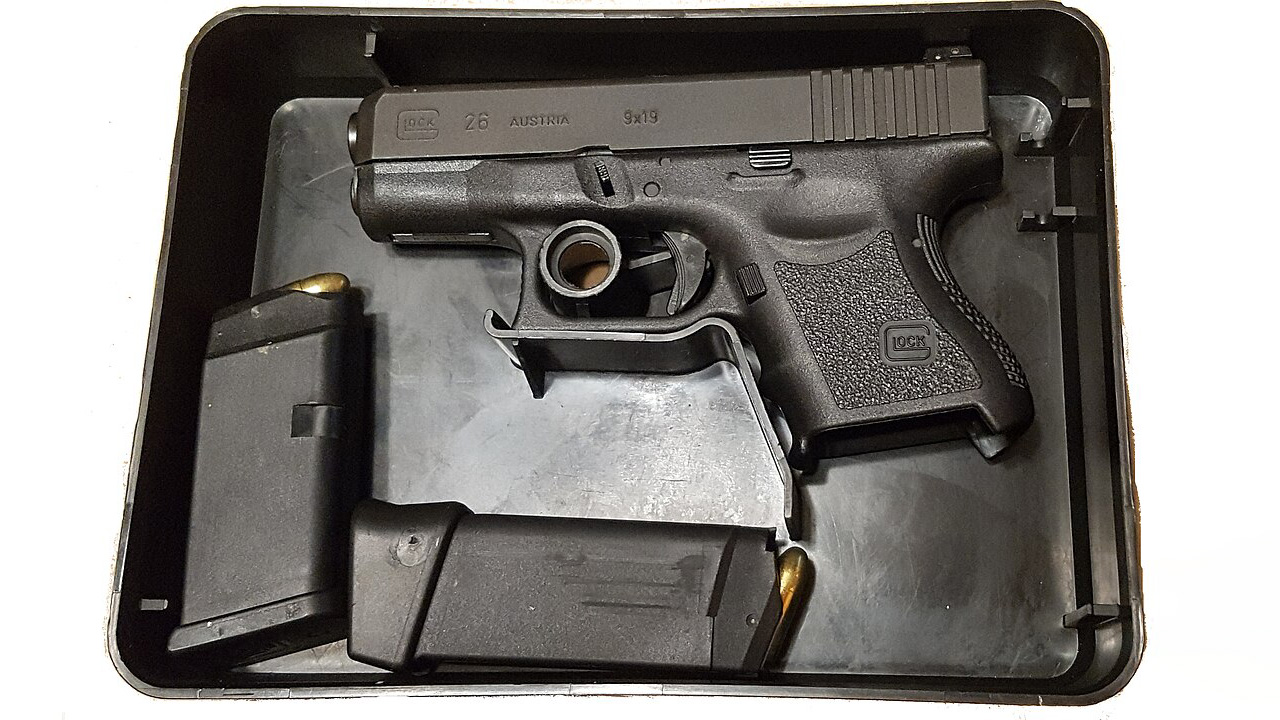
The Glock 26 looks outdated to a lot of new carry buyers because it is thick, short, and not as sleek as today’s slim micro-compacts. At the counter, it can feel like a stubby compromise that should have been left behind.
Training changes that opinion fast. The little Glock shoots more like a compact than its size suggests, accepts larger Glock magazines, and handles recoil better than many thinner guns. Once you work draws, reloads, and faster strings, the extra width starts feeling useful instead of annoying. It is not the prettiest carry pistol, but it makes practical sense.
Smith & Wesson Shield Plus

The Smith & Wesson Shield Plus is easy to understand on paper, but you appreciate it more after real practice. It carries thin, gives you better capacity than the original Shield, and still feels familiar to anyone who spent time with the older model.
Where training helps is control. The Shield Plus is small enough to conceal well, but not so tiny that it becomes miserable during a serious range session. The grip texture, trigger, and size work together better than many people expect. It is the kind of carry gun that does not need drama. It just needs enough reps to show why it stuck around.
Sig Sauer P365 XMacro
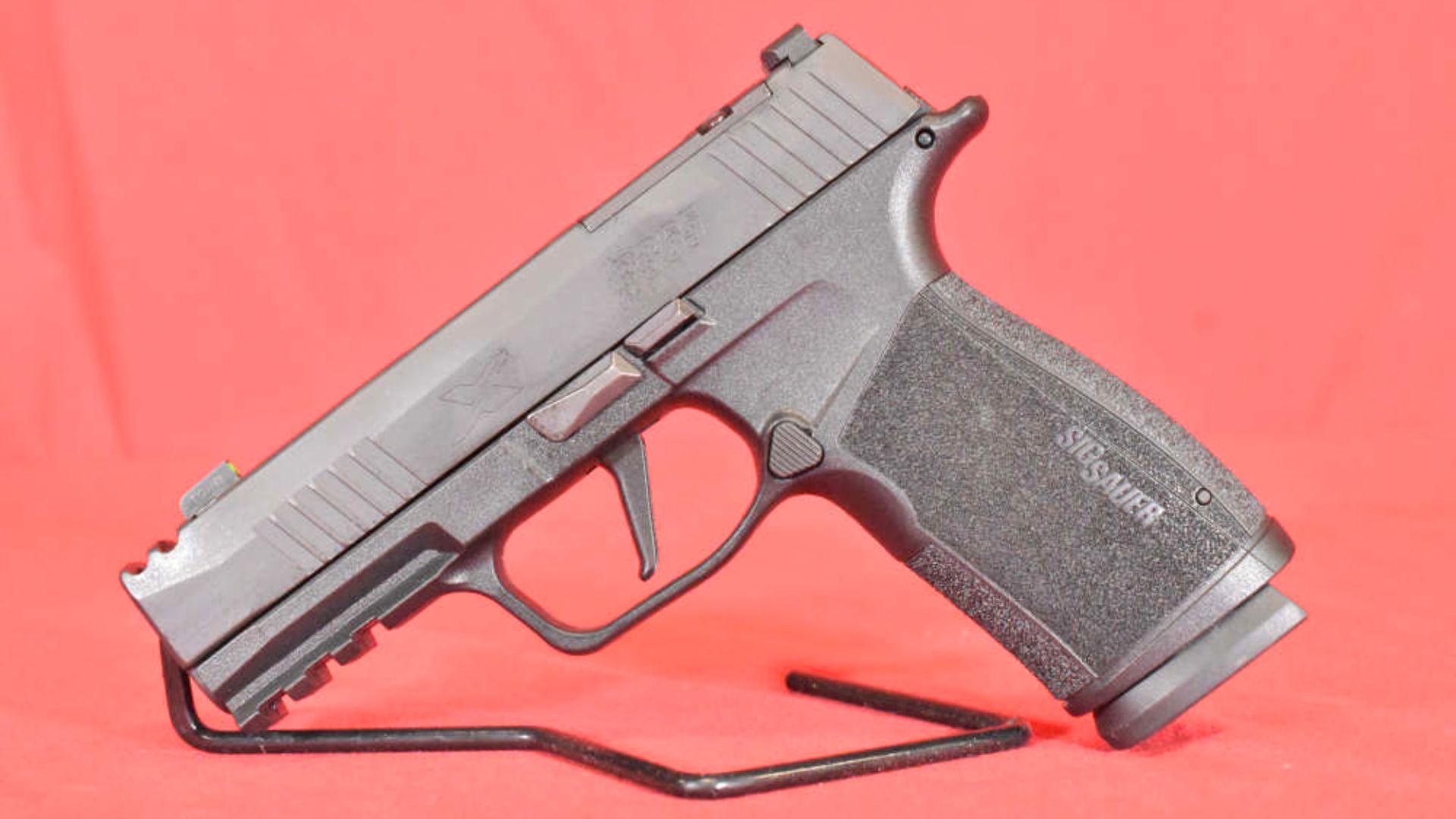
The Sig Sauer P365 XMacro seems almost too easy to like because it gives you slim carry dimensions with serious capacity. New buyers notice that immediately. What they may not understand until training is how much that longer grip changes the gun.
Compared with smaller P365 versions, the XMacro gives you more control during rapid fire, cleaner reloads, and a more confident draw. It still conceals better than many traditional compacts, but it shoots closer to a real fighting pistol. After working from concealment, a lot of shooters realize the extra grip length is not wasted space.
Glock 43X MOS

The Glock 43X MOS can seem underwhelming if you judge it by factory capacity alone. There are smaller guns that hold more, and plenty of buyers notice that before they notice anything else.
Training explains why the 43X still works. The slim frame carries comfortably, while the longer grip gives your hand enough room to control the pistol. It draws cleanly, points naturally for many Glock shooters, and has enough support for sights, holsters, and optics that setup is easy. It may not win the spec-sheet fight, but it becomes more convincing after real repetitions.
Springfield Armory Hellcat Pro

The Springfield Hellcat Pro is one of those guns that makes more sense once you stop thinking of it as a micro-compact. It is really a slim carry pistol with enough grip and sight radius to behave more like a compact.
That shows up during training. The Hellcat Pro gives you more control than the smaller Hellcat, especially when shooting faster or working reloads. It is still thin enough to hide well, but it does not feel as cramped under pressure. Some buyers want the smallest gun possible. After a few hard drills, many learn that slightly larger often means much better.
Smith & Wesson 642
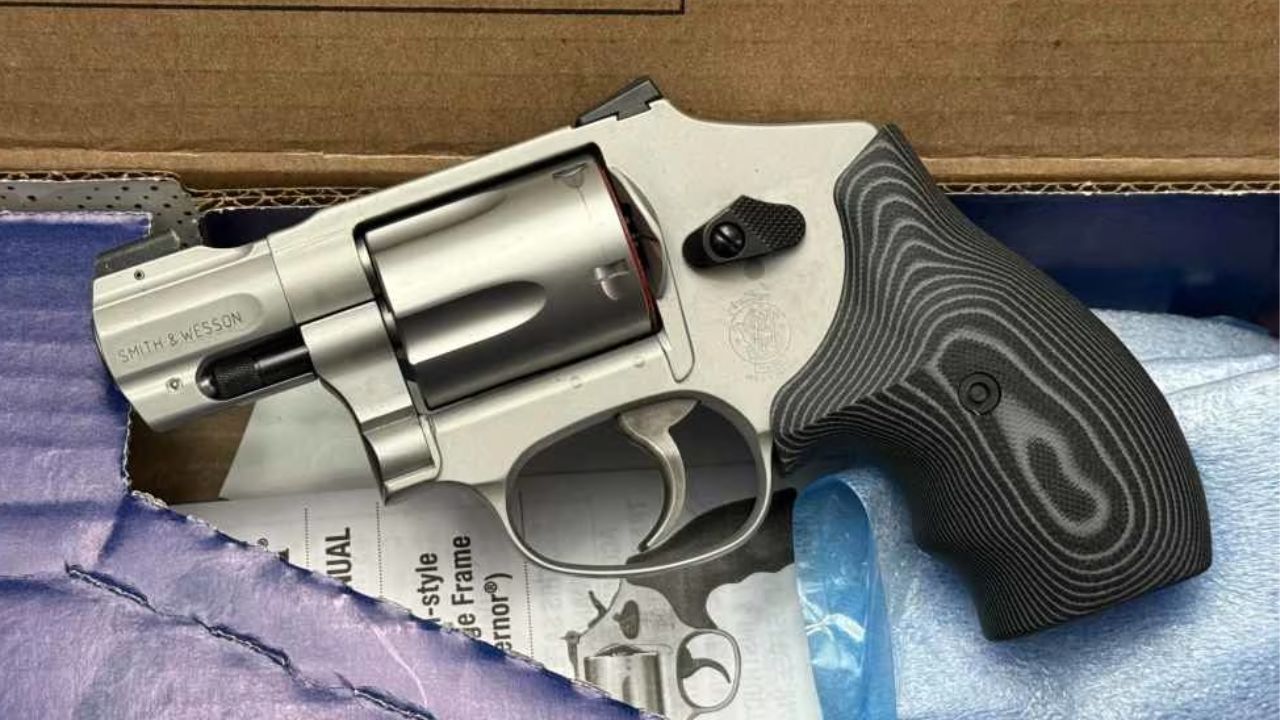
The Smith & Wesson 642 is a gun people misunderstand until they actually train with it. At first, it looks simple: lightweight, hammerless, compact, and easy to pocket. Then the first range trip reminds you that small revolvers are not easy.
That is the lesson. The 642 demands a clean double-action trigger press, a solid grip, and realistic expectations. It is not forgiving, and it will expose poor fundamentals fast. But once you learn it, you understand why it remains useful. It carries when bigger guns do not, fires from awkward positions, and does not depend on slide movement or magazines.
Ruger LCR

The Ruger LCR makes more sense after training because its best feature is not obvious from a quick look. It is light, small, and plain, but the trigger is better than many shooters expect from a compact revolver.
On the range, that matters. The LCR is still a lightweight snub, so recoil and grip discipline count. But the smooth trigger helps you build a cleaner press, and the snag-free shape works well for pocket or deep concealment. It is not a high-capacity answer to everything. It is a carry gun for specific situations, and training teaches you exactly where it fits.
Walther PPS M2

The Walther PPS M2 is easy to overlook now that higher-capacity slim pistols dominate the conversation. A first-time buyer may look at its capacity and assume it has been passed by.
Training tells a more complete story. The PPS M2 carries comfortably, points well, and has a grip shape that makes it easier to control than some smaller, sharper micro-compacts. It is not trying to win a capacity race. It is trying to be a slim pistol you can actually shoot well. After practicing draws and controlled pairs, that starts to matter more than the numbers.
HK VP9SK

The HK VP9SK can seem too chunky for a carry pistol when you compare it to slimmer options. New buyers often pick up something thinner and assume they made the smarter choice.
Then training exposes the tradeoff. The VP9SK gives you better grip fit, better recoil control, and a trigger that helps fast, accurate shooting. It conceals with the right setup, but it shoots more like a compact than a tiny carry gun. That is why experienced shooters respect it. It gives up a little concealment ease, but it gives back a lot in control.
CZ P-01

The CZ P-01 is not the easiest carry pistol to understand if you are new. It is hammer-fired, has a decocker, and uses a double-action first shot. That can feel old-fashioned beside striker-fired carry guns.
Put in the work, though, and the P-01 starts making sense. The alloy frame gives it a steady feel without making it huge, and the grip shape is excellent. The double-action first shot takes practice, but it also teaches real trigger control. Once you learn the system, the P-01 feels secure, accurate, and very easy to trust.
Beretta PX4 Storm Compact Carry

The Beretta PX4 Storm Compact Carry is one of those pistols that gets judged too quickly by appearance. It looks different, the controls feel different, and the rotating barrel system sounds like something people either overpraise or ignore.
Training makes the point clearer. The PX4 Compact Carry shoots flatter and softer than many expect, especially for its size. The double-action/single-action system takes reps, but the gun rewards that effort with excellent control. It is not the simplest choice for a brand-new carrier, but for someone willing to train, it becomes surprisingly convincing.
Colt Lightweight Commander
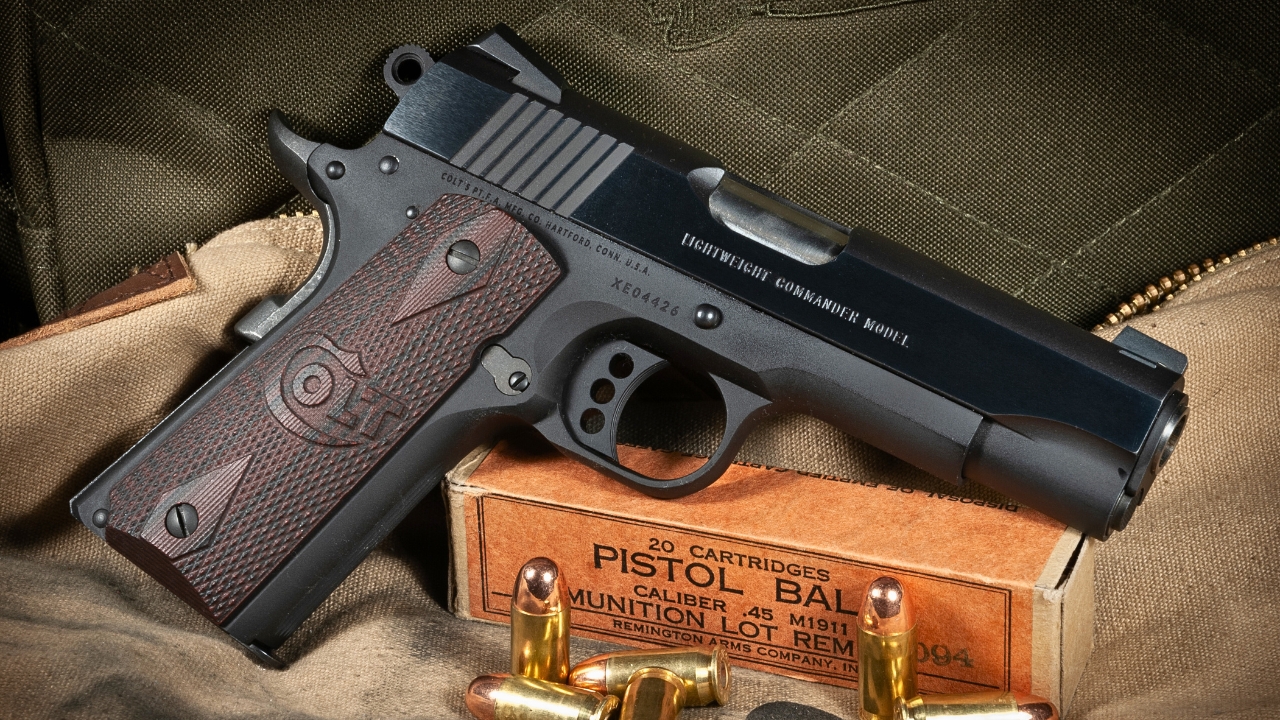
The Colt Lightweight Commander is not a beginner-friendly shortcut. It is a 1911-style carry pistol that asks you to understand safeties, magazines, maintenance, recoil springs, and a shorter single-action trigger.
That is why training matters. Once you know how to run one, the Lightweight Commander carries flatter than many people expect and points beautifully. The trigger can help accurate shooting, but only if your gun handling is disciplined. It is not a pistol you buy because it is low-effort. You carry it because you have trained enough to understand why the old design still works.
Smith & Wesson CSX

The Smith & Wesson CSX confuses people because it does not feel like most modern micro-compacts. It is small, metal-framed, hammer-fired, and has a manual safety. New buyers who expect striker-fired simplicity may not know what to make of it.
Training helps you find its lane. The CSX carries easily, feels solid for its size, and rewards shooters who like a thumb safety and a more traditional feel. It is not perfect, and the trigger feel has been debated, but it is not trying to be another polymer micro. It makes more sense to people who practice their draw, safety sweep, and first-shot discipline.
Kimber K6s
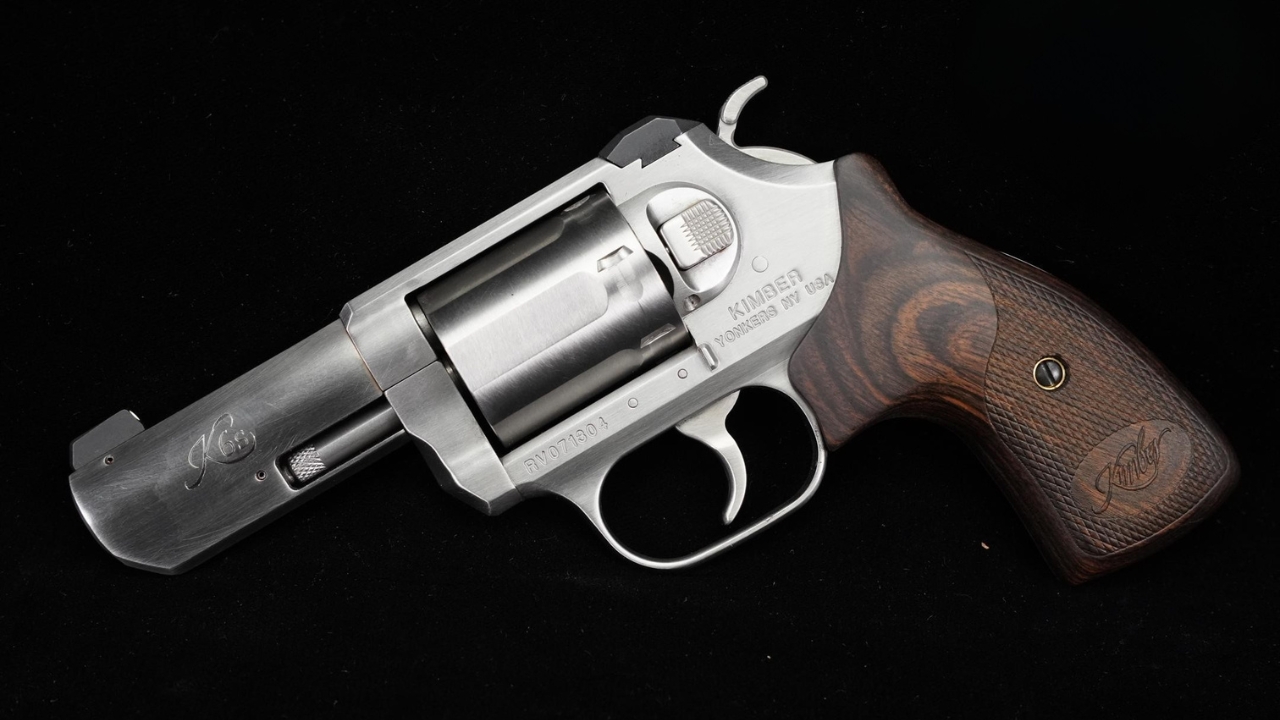
The Kimber K6s is a revolver many buyers do not understand until they shoot it beside lighter snubs. It is small, but it has enough weight, a smooth trigger, and six-shot capacity in a compact .357 Magnum package.
Training shows why that matters. The K6s is still not effortless with stout loads, but it is far more shootable than many featherweight revolvers. With .38 Special, it becomes a very controllable carry gun. It also teaches trigger control in a way small semi-autos often do not. For people willing to work with a revolver, the K6s starts looking smarter fast.
Glock 19 Gen5

The Glock 19 Gen5 may seem too obvious, but that is exactly why some people underestimate it. New carry buyers often want something smaller, newer, thinner, or more exciting. The Glock 19 can feel like the boring answer everybody already knows.
Training reminds you why it remains the benchmark. It draws well, recoils predictably, reloads easily, accepts lights and optics, and has endless holster support. It is not the easiest pistol to conceal in every outfit, but it is easy to shoot well under pressure. After enough drills, many people realize the “boring” gun was popular for practical reasons.
Like The Avid Outdoorsman’s content? Be sure to follow us.
Here’s more from us: