Photo credit: BATJAC J.W/YouTube
A photogenic handgun can fool you fast. Good lighting hides a lot: tiny sights that disappear, grips that don’t give your hands enough purchase, and triggers that feel fine in a dry-fire clip but fall apart once recoil enters the picture. The gun looks slick on your feed, then you hang a target and wonder why your groups look like you patterned buckshot.
Most of the time, it’s not that the gun is “inaccurate.” It’s that it’s hard to shoot well at speed, under recoil, or with real-world grips. Short barrels cut your sight radius. Light frames amplify movement. Heavy triggers punish any wobble. If you want a pistol that prints clean holes where you aim, you need more than looks. Here are handguns that often photograph better than they perform on paper, especially in average hands.
Ruger LCP II

The LCP II looks great because it’s tiny, sleek, and disappears in a pocket holster. On targets, that same tiny footprint can work against you. The grip doesn’t give you much leverage, and the short sight radius makes small errors look huge on paper.
When you shoot it fast, the gun tends to move more than you expect. Recoil isn’t brutal, but it’s sharp enough that you’ll see your sights lift and return inconsistently if your grip isn’t locked in. Add the reality that many LCP IIs wear low-profile sights, and it’s easy to “think you’re centered” while you’re actually drifting. It can be a reliable carry tool, but it’s not a gun that makes tight groups feel effortless.
Kel-Tec P-32
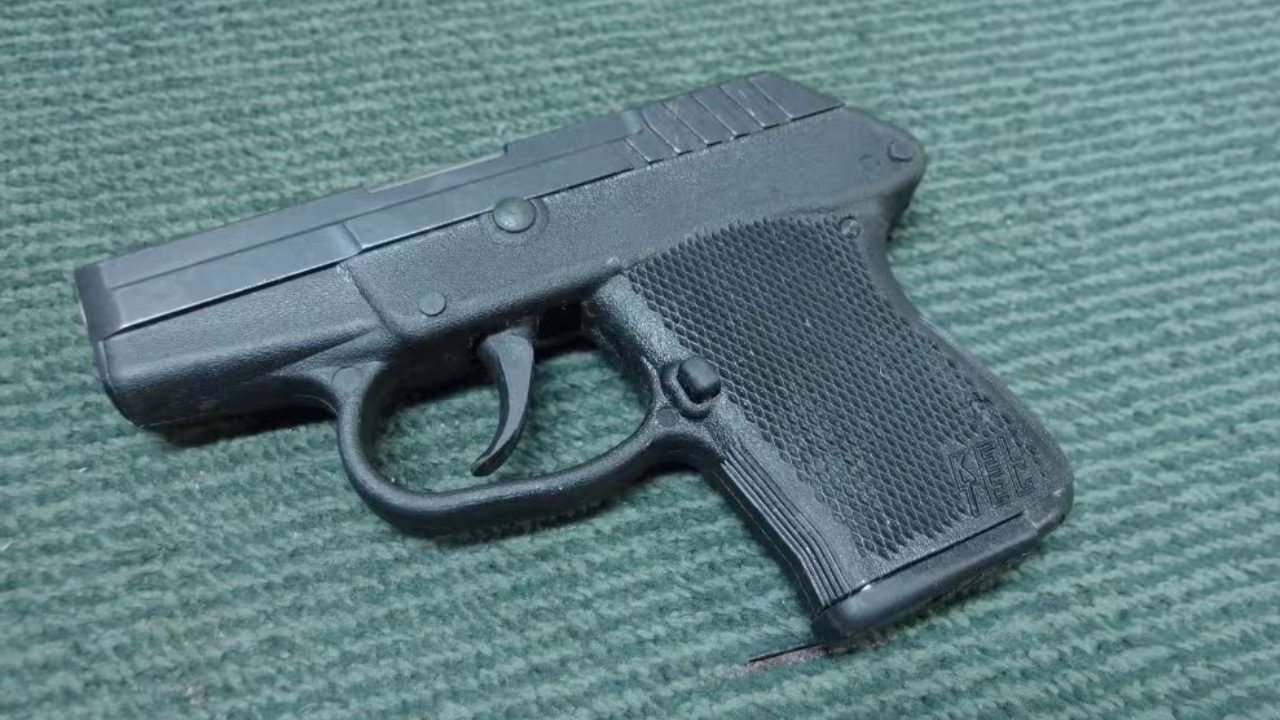
The P-32 has a cult following for a reason: it’s light, thin, and easy to carry when nothing else works. It also looks cool in the minimalist, old-school pocket-gun way. Targets, though, reveal what ultra-light really means.
The gun’s small grip and short sight radius make it hard to shoot with precision, especially beyond close distances. The trigger and tiny controls can encourage you to grip it too delicately, and that’s when your hits start wandering. Even when the pistol runs well, it can feel “squirmy” in your hands compared to heavier guns. The P-32 can do its job, but it rewards careful fundamentals more than most people expect from something that looks so easy to live with.
SIG Sauer P938
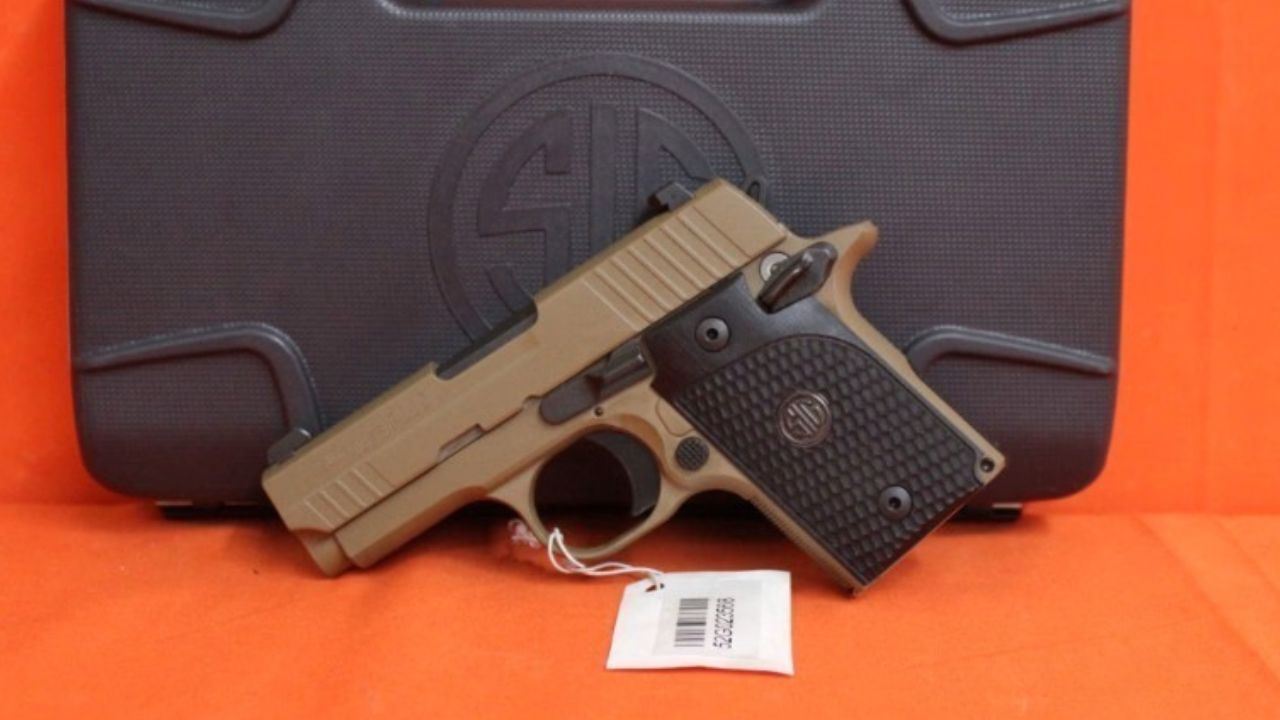
The P938 is a good-looking pistol. It has that mini-1911 vibe, clean lines, and it photographs like a classy carry piece. On targets, many shooters find it less forgiving than it appears, especially when they try to run it fast.
The grip is short, and the gun can be snappy for its size. That combination makes it easy to disturb the sights during the trigger press, even if the trigger itself feels good. You also have less real estate to manage recoil, so follow-up shots can scatter if your hands aren’t doing the same thing every time. None of that means the P938 can’t shoot. It means you often have to earn good groups with it, while larger pistols hand you tighter results with less effort.
Kimber Micro 9

The Micro 9 is another pistol that looks great in a photo—especially in the flashy finishes Kimber offers. It also has the same built-in challenge most micro 1911-style 9mms bring: small size, short sight radius, and a recoil impulse that can feel abrupt.
On paper, the Micro 9 can punish inconsistency. If you grip it slightly differently from shot to shot, your point of impact can shift more than you’d expect. The small controls and short grip also make it easier to ride the gun during recoil instead of driving it. When you slow down and shoot carefully, you can get respectable groups. When you shoot it like you’d shoot a larger carry gun, it’s common to watch your hits drift low, wide, or both.
Smith & Wesson 642 Airweight

The 642 looks iconic. It’s the classic pocket revolver profile, and it has that “always ready” vibe that plays well in photos. On targets, an Airweight snub teaches you humility in a hurry.
The combination of a long, heavy double-action pull and a very light frame makes it easy to yank shots off line. The sights are small, the sight radius is short, and recoil can be sharp enough to make you rush the trigger on the next shot. You also don’t get much grip surface, which means your hands work harder to keep the gun tracking straight. The 642 can be a dependable carry revolver, but tight groups are something you typically earn with deliberate practice, not something the gun hands you.
Ruger LCR .357 Magnum

The LCR is a smart design and it carries well, which is why it looks so appealing online. In .357 Magnum, though, it often shoots worse on paper than you’d expect, and the reason is simple: recoil management becomes the whole game.
That lightweight frame makes .357 feel aggressive, and the gun can torque in your hand unless your grip is very firm and very consistent. Many shooters end up flinching without realizing it, then blame the sights or the trigger. Even with .38 Special, the short sight radius and snub-nose geometry demand more discipline than a larger revolver. The LCR can be accurate, but the .357 version especially tends to turn range sessions into survival mode, and that’s not where tight groups live.
Walther PPK/S
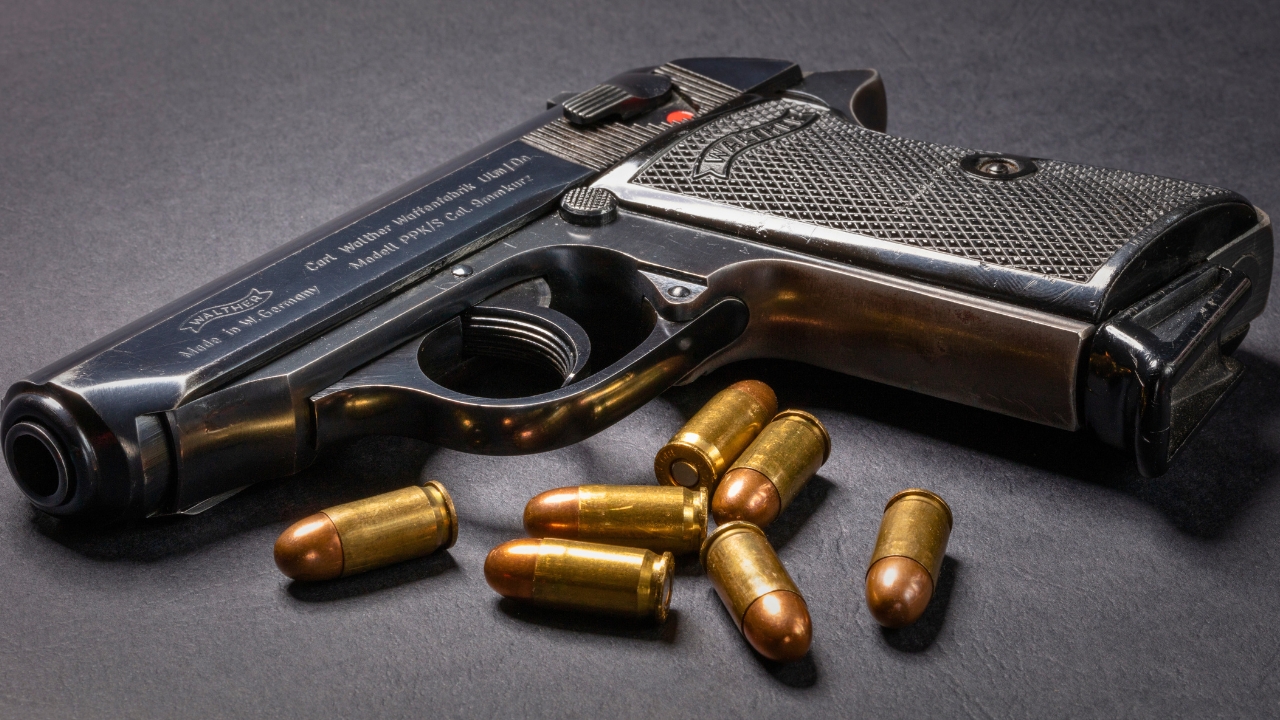
The PPK/S is one of the most photogenic carry pistols ever made. It looks sharp, it feels solid, and it has a reputation that sells itself. Targets can tell a different story for modern shooters, especially if you’re used to newer ergonomics and triggers.
The double-action first shot can be heavy, and it’s easy to throw that first round low or off to the side if your trigger control isn’t clean. The grip shape and small tang can also make the gun uncomfortable for some hands, which doesn’t help you shoot well. Add the brisk recoil of a compact blowback .380, and fast strings can open up quickly. The PPK/S can shoot, but it often takes more focus to shoot well than its cool-factor suggests.
Beretta 21A Bobcat

The Bobcat looks like a fun, classy little pistol, and it is. It’s also a tiny .22 with tiny sights, which means it’s not built to make precision shooting feel easy. On targets, the Bobcat often reminds you that “cute” doesn’t equal “easy to hit with.”
The grip is small, the sight radius is short, and the sights can be hard to track. If your grip pressure varies, your hits can drift more than you’d expect from a mild cartridge. You also tend to shoot these guns casually, and casual shooting creates casual results. The Bobcat is a great pocket companion for what it is, but if you’re expecting it to print clean, repeatable groups like a larger .22 pistol, you’ll usually be disappointed.
North American Arms Mini-Revolver (.22 LR / .22 Mag)
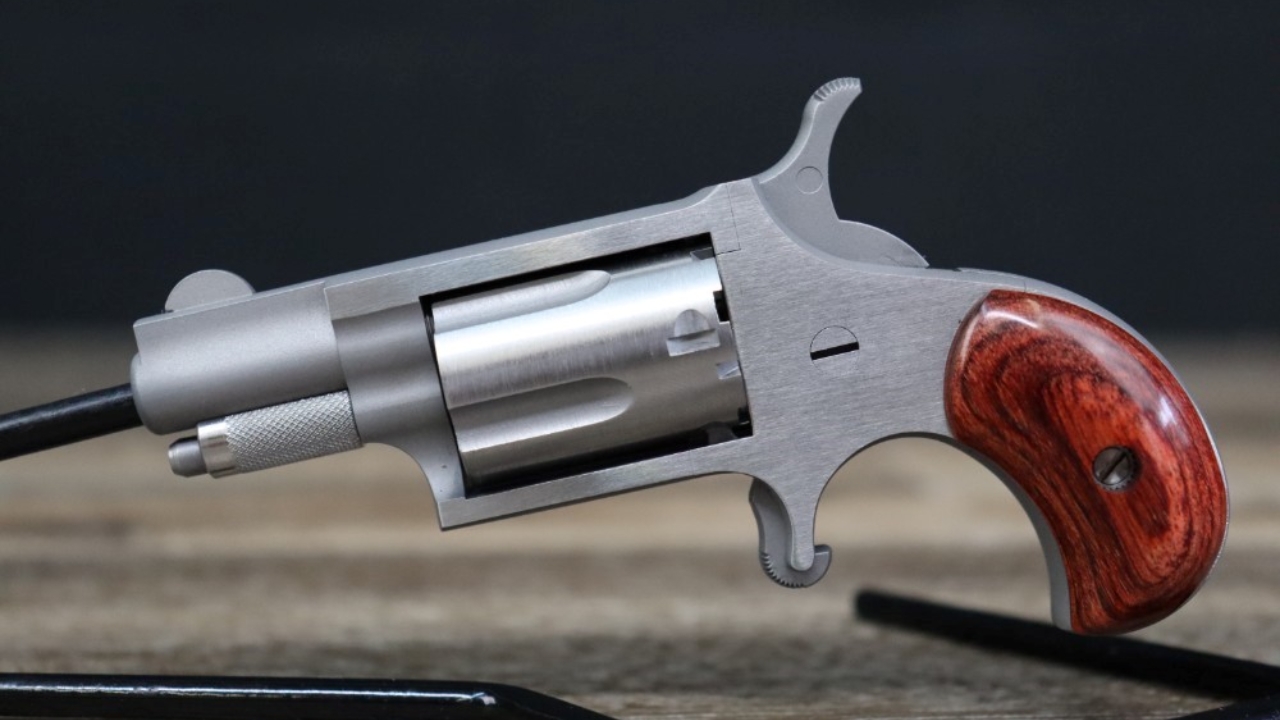
NAA mini-revolvers photograph like a piece of gear you’d find in a tackle box or a boot, and that’s part of the appeal. They’re tiny, they’re unique, and they look like the ultimate “always there” handgun. On targets, they’re one of the hardest handguns to shoot well, even at close distance.
The grip gives you very little control, and the sighting setup is more “reference point” than real sights. Trigger control becomes tough because your hands are fighting the gun’s size more than its recoil. Even if the revolver is mechanically sound, practical accuracy is limited by how hard it is to hold steady and align consistently. It’s a niche tool, and it can work inside its lane, but it’s not a target-friendly handgun no matter how good it looks in a photo.
Bond Arms Snake Slayer
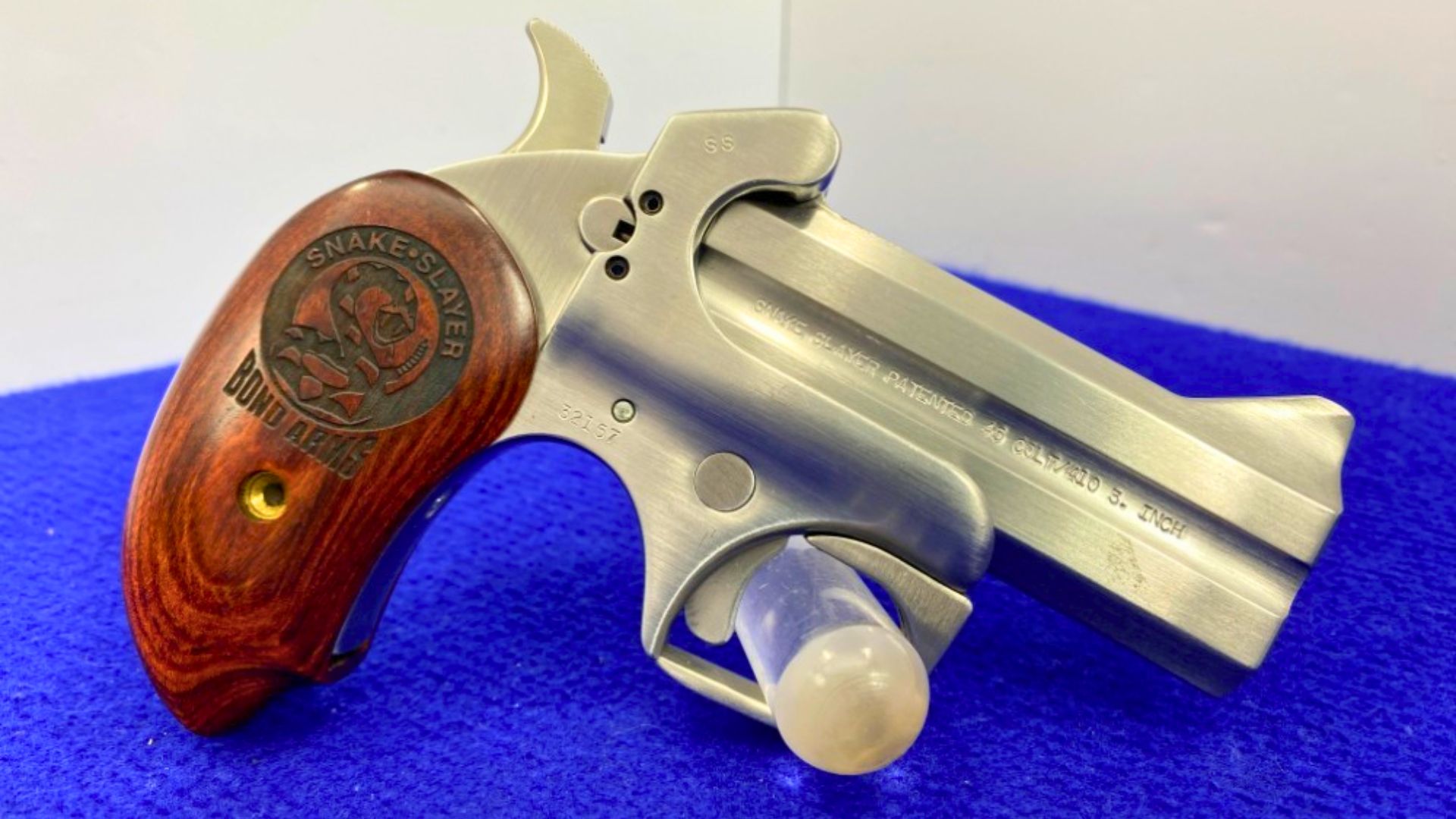
A derringer-style handgun looks rugged and cool, and the Snake Slayer leans into that image. Big bore, stainless steel, chunky grip—great for photos. On targets, two shots and a heavy trigger can make reality arrive fast.
These guns are meant for very close work, and they often wear minimal sights. The short barrel and stiff trigger can make it hard to keep your sights steady through the press, especially when recoil is lively. Two-shot capacity also changes how you practice. You don’t get rhythm or repetition the way you do with a revolver or semi-auto, so you tend to shoot it less and learn it slower. The Snake Slayer can serve its purpose, but it’s not a handgun that makes accurate shooting feel natural.
Taurus Judge Public Defender

The Public Defender looks like a powerhouse, and it’s a conversation starter every time it hits the counter. On targets, it’s usually a mixed bag, because it’s trying to do two different jobs with one short-barreled revolver.
With .410 shotshells, patterns can vary a lot by load and distance, and the short barrel doesn’t help consistency. With .45 Colt, you often get better precision potential, but the gun’s size, trigger feel, and sights aren’t optimized for punching tight groups like a dedicated .45 Colt revolver. Recoil and blast can also make shooters rush. The Judge can be fun and it can be useful in a narrow role, but it’s not the most target-friendly option in either lane it occupies.
Desert Eagle Mark XIX

The Desert Eagle is pure photo bait. Big, angular, and unmistakable, it looks like it should cut one ragged hole with every shot. On targets, it often disappoints shooters who expected effortless accuracy, because the gun is more demanding than its size suggests.
The weight helps, but the trigger and overall shooting feel aren’t tuned like a precision pistol. Recoil and muzzle blast can also mess with your timing, and the gun’s bulk makes it harder for some people to get a consistent grip and trigger reach. It can shoot well with the right ammo and good fundamentals, but it’s not “point and print.” Most shooters end up fighting the experience—noise, blast, and their own anticipation—then the group opens up. The gun looks unstoppable. The target often says otherwise.
Ruger Super Redhawk Alaskan (.454 Casull)

The Alaskan looks tough because it is tough. Short barrel, heavy frame, big cylinder—it has that “backcountry problem solver” look that photographs great. On targets, the .454 Casull version can be a handful, and that’s putting it mildly.
Recoil is intense, and it tends to drive flinch and rushed trigger presses even in experienced hands. The short barrel cuts your sight radius, so any wobble shows up immediately on paper. You also don’t get many relaxed practice sessions with a gun like this, because it wears you out fast. It can be accurate, but the average shooter won’t see that accuracy unless they slow way down and manage recoil like it’s a skill drill. The look sells confidence. The target demands discipline.
Glock 43

The Glock 43 carries well and looks clean in a photo, especially with a tidy holster setup and a minimalist build. On targets, it can surprise people who assumed “Glock reliability” automatically means easy shooting. The 43 is a small, light 9mm, and small, light 9mms are less forgiving.
You have less grip surface, the recoil feels sharper than a compact double-stack, and the sight radius is short. That combination makes it easy to push shots low or scatter them as you speed up. Many shooters also find they have to work harder to keep their trigger press straight to the rear because the gun moves more in the hand. The 43 can shoot, but it often takes more practice to shoot well than people expect when they buy it after seeing slick range photos online.
Springfield Hellcat

The Hellcat looks modern and capable, and it photographs like a purpose-built carry pistol. On targets, it can be a reality check for shooters who don’t have a locked-in grip. It’s a compact, high-capacity 9mm with a brisk recoil impulse, and that tends to open groups when you get aggressive.
The gun’s size makes it easy to carry, but it also means the sights move more during recoil. If you’re not tracking the front sight cleanly, you’ll start “confirming” your shots with hope instead of a real sight picture. The trigger is workable, but the pistol rewards clean presses and consistent grip pressure. When you’re fresh, you might shoot it well. When you’re tired or rushing, the target often shows it first. The Hellcat looks like a tiny duty gun. It doesn’t shoot like a full-size duty gun.
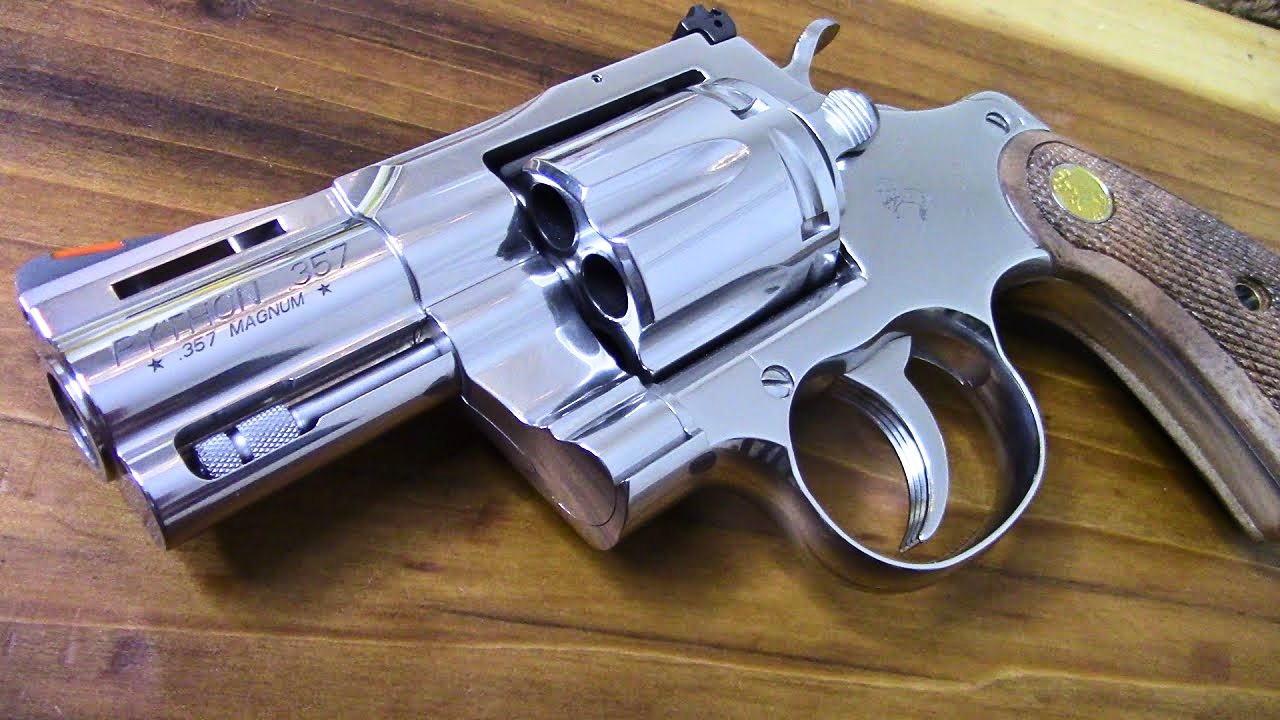
Colt Python 2.5-inch
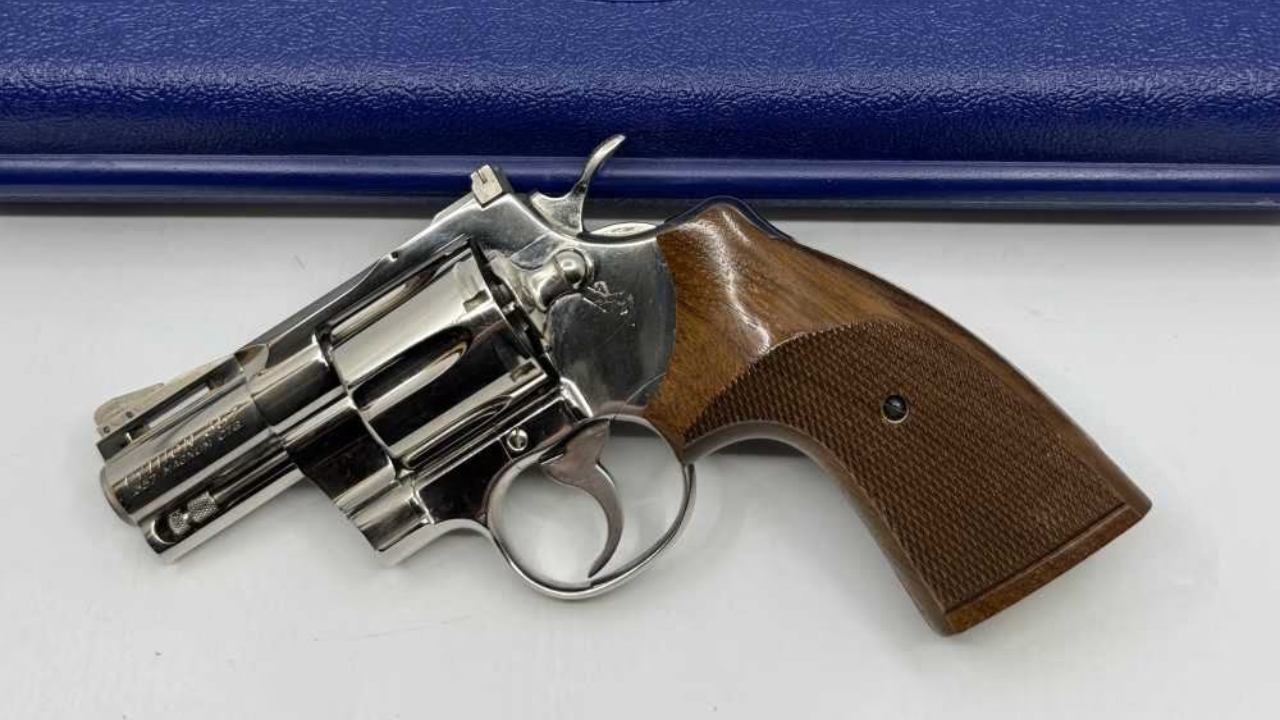
A short-barreled Python looks like pure class, and it’s one of the most photographed revolvers on earth. On targets, the 2.5-inch version can frustrate shooters who expected the name alone to deliver tight groups without effort.
The revolver can be mechanically excellent, but the short barrel reduces sight radius and makes precision harder in real hands. The smaller grip area and the way recoil lifts a short gun can also cause you to snatch the trigger or lose your sight picture faster than you would with a 4-inch or 6-inch wheelgun. The Python’s looks can make you forget you’re still shooting a snub-nose format with magnum potential. It can perform, but it demands clean fundamentals, especially if you’re trying to shoot fast and keep everything in the center.
Like The Avid Outdoorsman’s content? Subscribe to our newsletter so you never miss an article.
Here’s more from us: