Photo credit: RanchTop1833/YouTube
Some guns were never bought with big plans. Somebody saw one in a pawn shop, picked one up because the price was fair, grabbed one as a hunting rifle, or bought one because it seemed like a dependable tool. At the time, it did not feel like a major decision. It was just a gun that made sense.
Years later, those casual buys started looking a lot smarter. Maybe the model was discontinued. Maybe the build quality aged well. Maybe the market finally caught up to what owners already knew. Whatever the reason, these are the guns people often appreciate more now than they did the day they brought them home.
Marlin 336

The Marlin 336 was the kind of rifle a lot of hunters bought without overthinking it. It was a practical .30-30 lever gun for deer woods, brush, and short shots. For years, it felt common enough that people treated it like a basic working rifle.
That changed once clean older examples became harder to ignore. The JM-marked rifles especially started getting more attention from buyers who wanted fit, finish, and old Marlin feel. A rifle that used to sit in closets and truck racks suddenly looked like something worth holding onto. Plenty of hunters now wish they had bought two.
Remington 870 Wingmaster
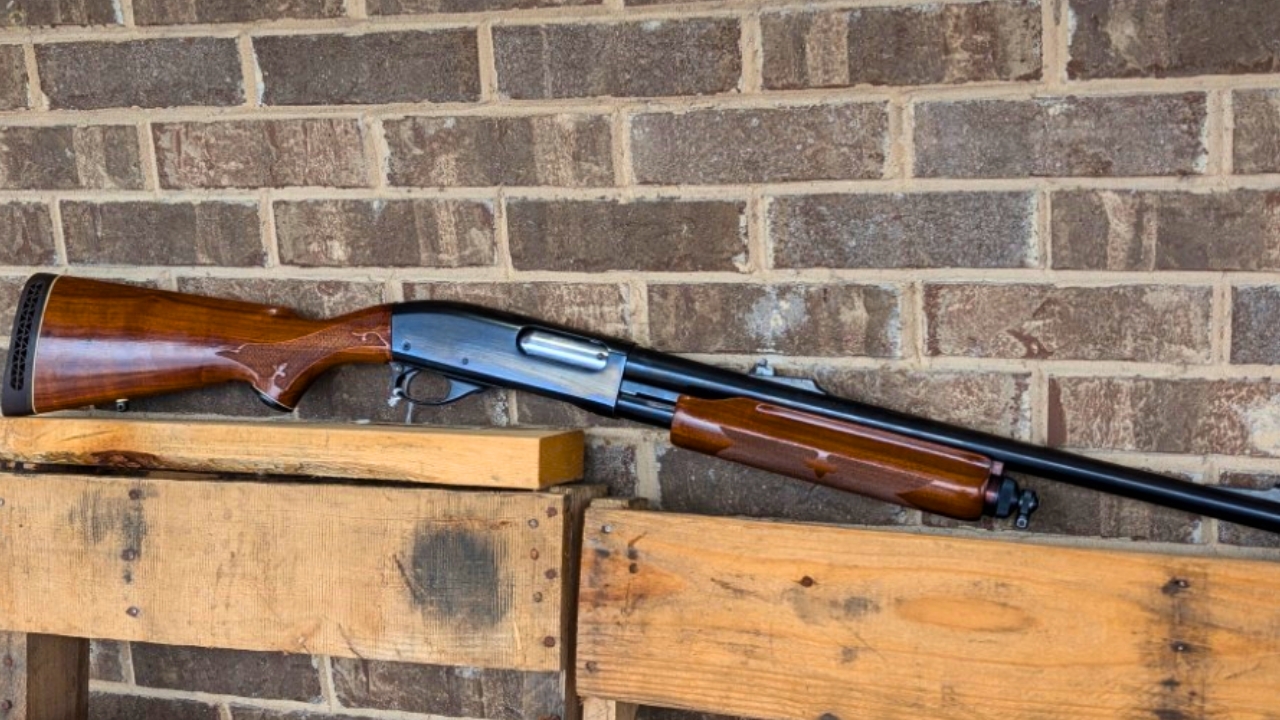
The Remington 870 Wingmaster used to be a normal shotgun purchase. You bought one for birds, clays, deer, home defense, or general farm use, and nobody acted like you had made some grand investment. It was simply a good pump gun.
Over time, people started noticing the difference between an older Wingmaster and many newer budget pumps. The action felt smoother, the finish looked better, and the gun had a level of polish that is not as common in basic shotguns now. What once felt ordinary now feels like quality you should not have taken for granted.
Ruger 10/22
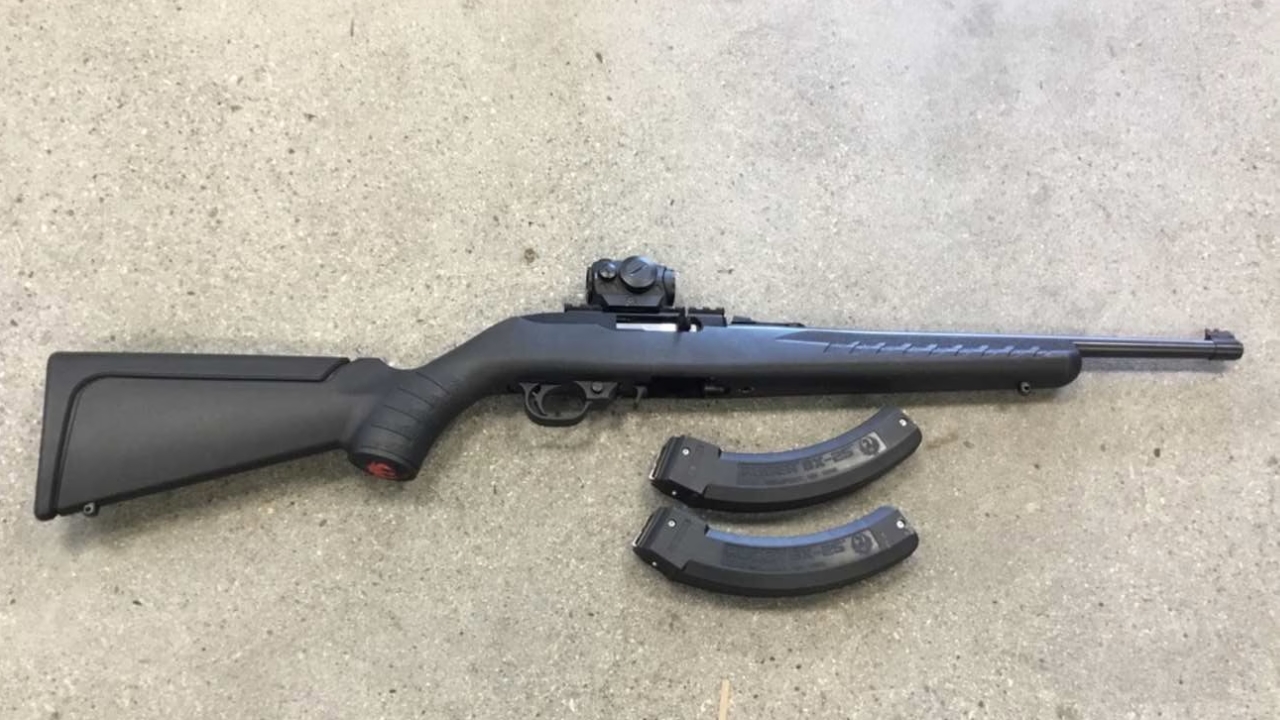
The Ruger 10/22 is the definition of a casual buy that becomes more important with time. People bought them for plinking, small game, teaching kids, or just because every safe seems to need a .22 rifle. It rarely felt like a serious purchase.
Then years pass, and the same little rifle keeps finding work. It trains new shooters, rides along for squirrels, burns through cheap ammo, and accepts almost any upgrade you can imagine. Older carbines and nicer-stocked versions carry even more charm now. The 10/22 gained value because it never stopped being useful.
Winchester Model 94
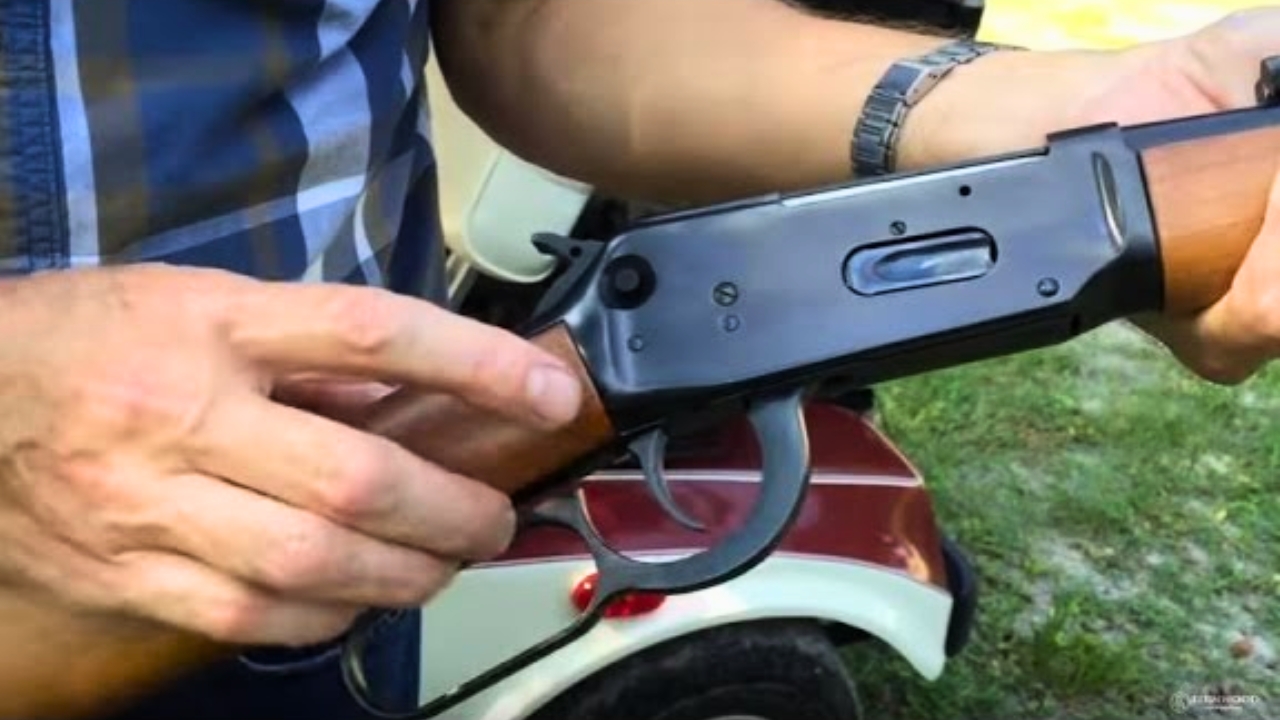
The Winchester Model 94 was so common for so long that buyers often failed to appreciate it. A .30-30 lever gun was just what a lot of deer hunters had. It leaned in corners, rode in trucks, and showed up at camp without much ceremony.
Now older Model 94s feel different. Pre-64 rifles, clean top-eject examples, and honest hunting guns all draw more interest than they used to. The rifle is light, quick, and tied to a style of deer hunting that still makes sense. People bought them casually because they were everywhere. Now they value them because they are not.
Smith & Wesson Model 10

The Smith & Wesson Model 10 was once just a plain service revolver. Police trade-ins, old house guns, and used counter examples made it easy for buyers to dismiss. It was not rare, flashy, or powerful enough to impress magnum-minded shooters.
That plainness aged well. A good Model 10 has a smooth trigger, mild recoil, fixed sights, and a K-frame grip that makes shooting feel natural. It is not trying to be more than it is. Today, people value them because they represent honest revolver quality at a level that is getting harder to replace cheaply.
Ruger Blackhawk
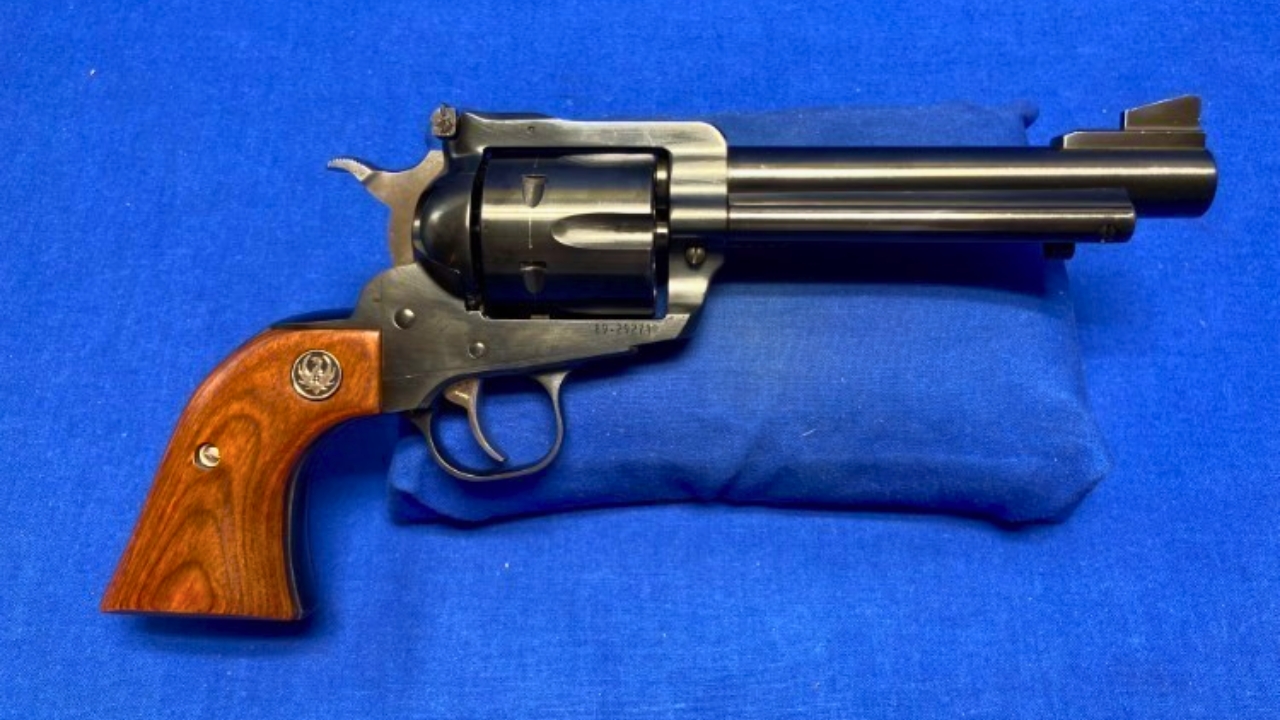
The Ruger Blackhawk was often bought as a strong, affordable single-action revolver for hunting, woods carry, or handloading. It did not always get treated like something special because Ruger built them to be used, not admired from behind glass.
That is exactly why they aged so well. Blackhawks can handle real loads, rough field use, and years of range time without feeling delicate. Older three-screw models and desirable chamberings get extra attention now, but even later guns have earned respect. A revolver people bought for practical reasons ended up becoming one many owners refuse to sell.
Remington Model 700 BDL
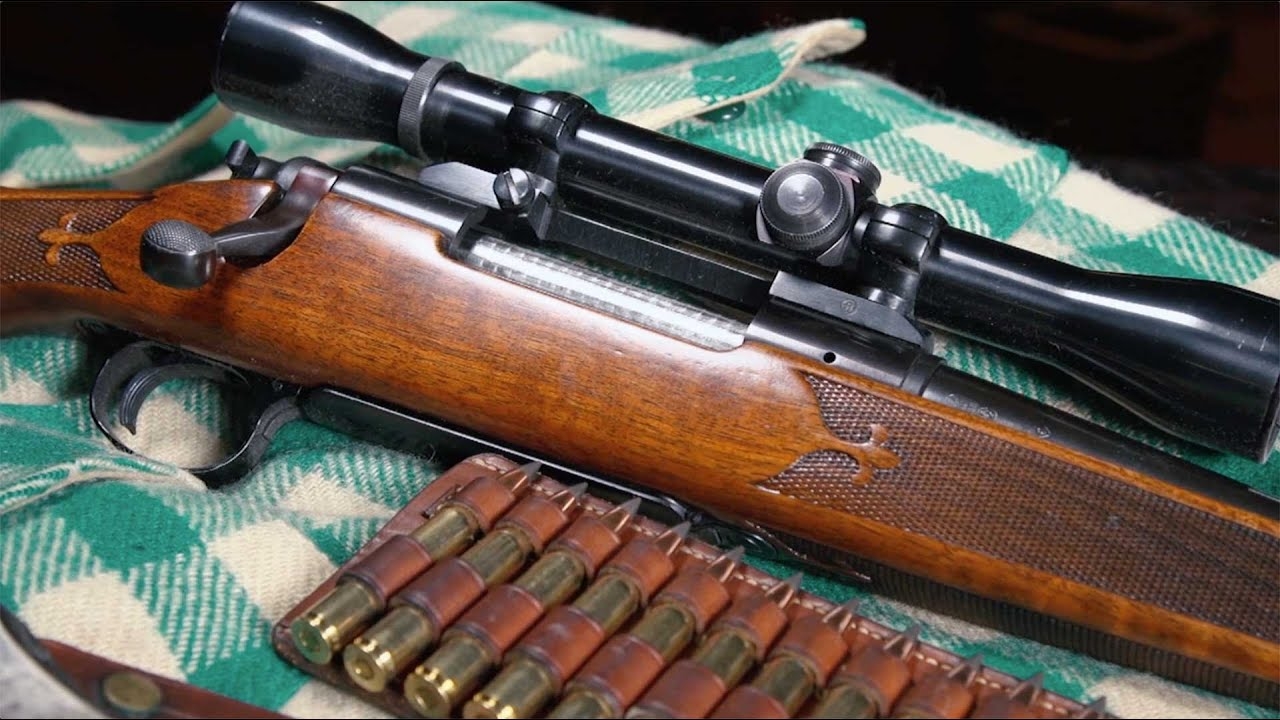
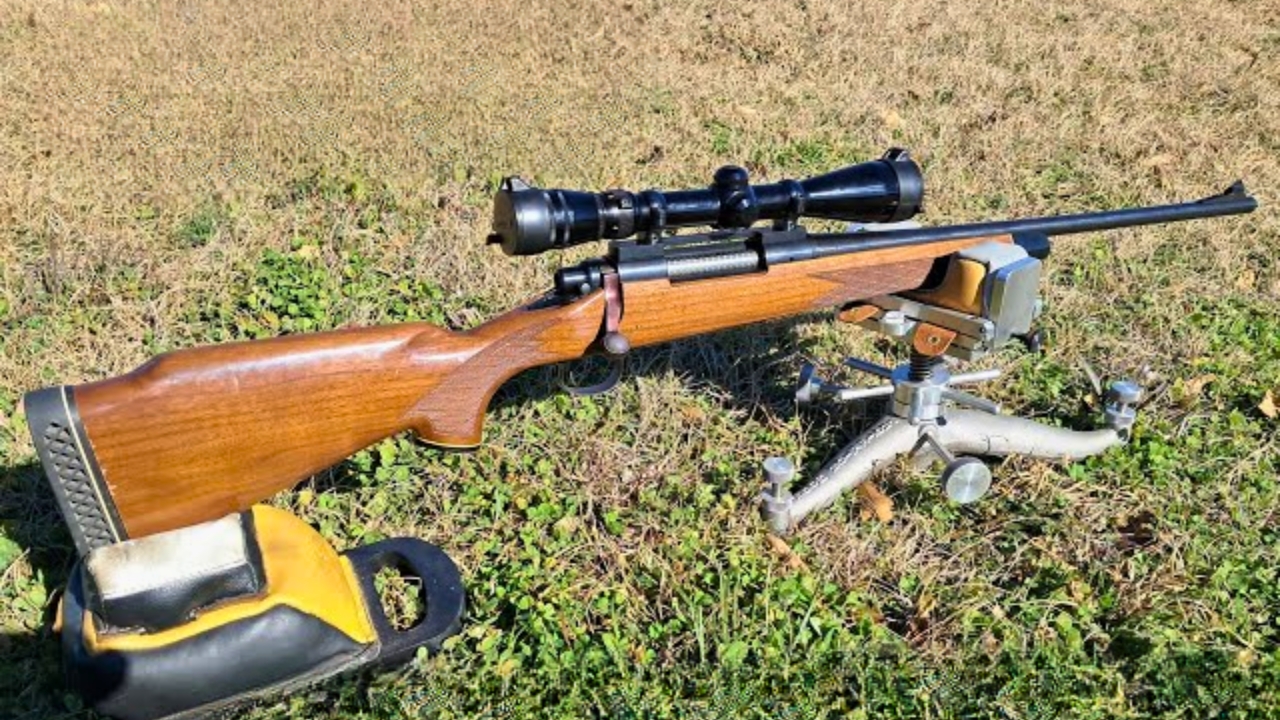
The Remington Model 700 BDL was once the normal nice deer rifle. It had a glossy stock, familiar action, and chamberings that made sense for American hunters. Plenty of people bought one because it looked good on the rack and had the Remington name behind it.
Now older BDLs have a stronger pull. Modern rifles often lean synthetic, light, and cost-cut, while a clean BDL still looks like a real hunting rifle. The better examples shoot well, carry tradition, and feel more refined than many current basic bolt guns. Casual buyers ended up with rifles people now actively hunt for.
Browning Auto-5
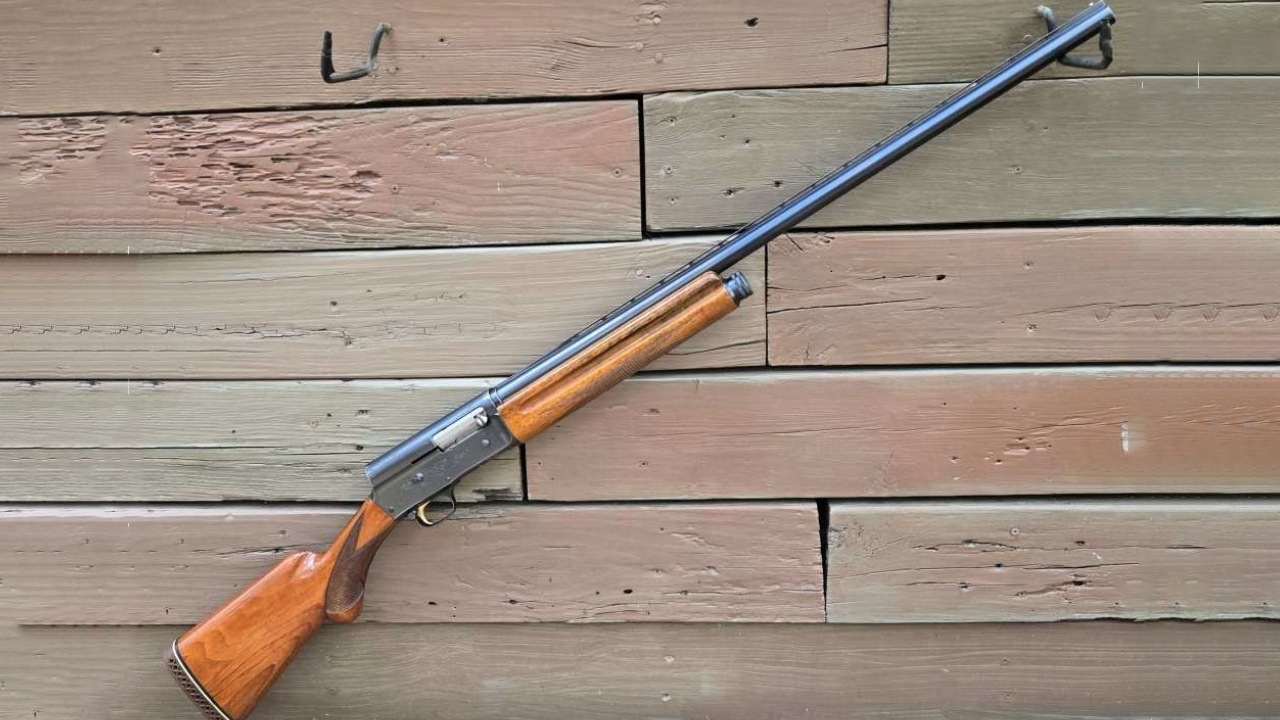
The Browning Auto-5 was not always treated like a collector shotgun. For a lot of families, it was just the semi-auto shotgun granddad hunted with. It got carried into duck blinds, upland fields, and farm country because it worked.
Now clean Auto-5s get a different kind of respect. The humpback receiver, long-recoil action, and old-world build quality give the gun a feel modern shotguns rarely copy. It is heavier and more mechanical than newer semi-autos, but that is part of its appeal. People who bought one casually ended up owning a shotgun with real character.
Colt Detective Special

The Colt Detective Special used to be a practical little carry revolver, not some precious safe queen. People bought them as defensive handguns, glove-box guns, or backup revolvers because they were compact, reliable, and held six rounds of .38 Special.
Time changed how buyers look at them. Clean Detective Specials now have that old Colt charm that is hard to replace. The bluing, grip shape, action feel, and six-shot cylinder give them more personality than many modern snubs. What once seemed like a handy little revolver now feels like something people regret letting go.
Savage 99

The Savage 99 is one of those rifles people often bought because it was useful, not because they thought it would become harder to find. It gave hunters lever-action handling with stronger cartridge options than traditional tube-fed rifles.
That combination looks better every year. The rotary magazine, sleek receiver, and chamberings like .300 Savage, .308 Winchester, and .250-3000 Savage make good examples feel special now. The 99 does not fit neatly into today’s bolt-action-heavy hunting world, and that is part of why people value it. It is different in a way that still works.
Smith & Wesson Model 686

The Smith & Wesson Model 686 was a smart buy for anyone who wanted a sturdy .357 Magnum revolver. It was stainless, accurate, strong, and useful for range work, home defense, field carry, and general shooting. For years, it was simply a practical revolver choice.
Now clean older examples, especially certain no-lock and early dash variants, get more attention. The 686 has aged well because it is not just collectible. It is still highly usable. People value it because it shoots well, handles magnums, and feels like a revolver built for serious use instead of display.
Winchester 9422

The Winchester 9422 was a rimfire lever gun many buyers thought was a little expensive for “just a .22.” Some still bought one casually for plinking, small game, or because it matched the feel of their centerfire lever guns.
Those buyers look pretty smart now. The 9422 is smooth, well-made, and far nicer than most casual rimfires need to be. It turns cheap shooting into something that feels special. Clean examples are not the kind of guns people ignore anymore. A lot of owners who bought one without much thought now realize they accidentally bought a keeper.
Ruger Security-Six

The Ruger Security-Six was once a working revolver that sat in the shadow of Smith & Wesson and Colt. Buyers picked them up because they were tough, affordable, and chambered in .357 Magnum. They did not always get the respect they deserved.
Now that balance is easier to appreciate. The Security-Six is strong without feeling oversized, practical without feeling cheap, and durable without looking crude. It handles .38 Specials comfortably and magnums honestly. People who bought them as ordinary used revolvers often ended up with one of Ruger’s best wheelgun designs.
Browning BLR

The Browning BLR was a casual buy for hunters who wanted a lever gun that could do more than traditional .30-30 work. It offered pointed-bullet cartridges, detachable magazines, and real hunting reach while still feeling like a sporting lever rifle.
That idea has aged well. The BLR is not as common as a bolt gun, and it is not as nostalgic as an old Winchester, but it fills a lane few rifles fill cleanly. Hunters who bought one without much drama often came to value its versatility. It is one of those rifles that makes more sense the longer you own it.
Beretta 92FS

The Beretta 92FS was once everywhere in the service-pistol conversation. Some buyers grabbed one because of military history, movie appeal, or simple curiosity. Others bought police trade-ins or used examples because they seemed like a lot of pistol for the money.
Now many shooters value the 92FS for better reasons. It is soft-shooting, accurate, smooth, and built with a metal-frame feel that stands apart from modern polymer pistols. It is too large for many carry roles, but as a range, home-defense, or classic service pistol, it still shines. Casual buyers ended up with something that aged beautifully.
Like The Avid Outdoorsman’s content? Be sure to follow us.
Here’s more from us: