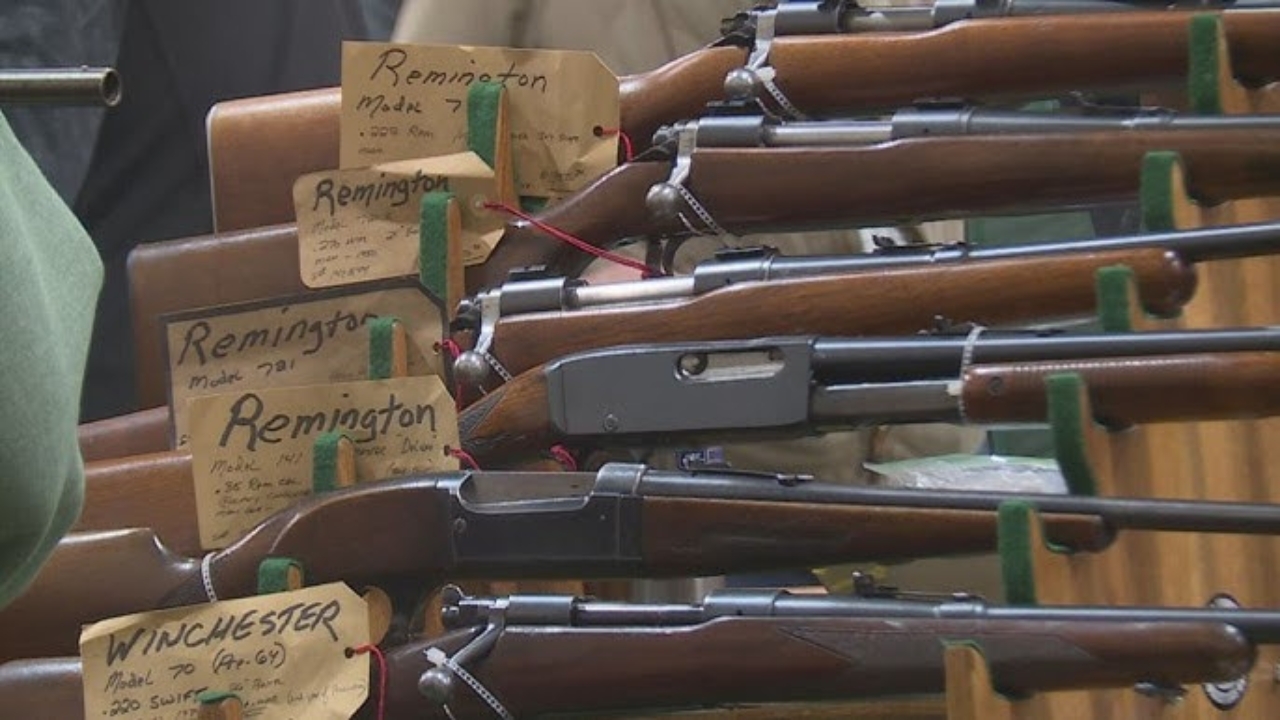
Photo credit: Dakota News Now/YouTube
A lot of guns become “collectible” in slow motion—until they do not. One year they are simply old, discontinued, or lightly overlooked. Then the supply dries up, cleaner examples get harder to find, and the price starts moving faster than the average owner expected. That is not unusual in the firearms market. Rock Island Auction has been explicit that collectible firearms have broadly risen in value across categories, with the floor moving up as demand chases a limited number of surviving pieces.
What catches people off guard is which guns make that jump. It is not always the flashy unicorns. Sometimes it is the well-made rifle people hunted with for years, the discontinued service pistol nobody thought would get hot, or the revolver that sat in dresser drawers until collectors started paying attention. When enough ordinary owners realize that “used” and “common” are no longer the same thing, the price curve can get away from them fast.
Colt Python

The original Colt Python is one of the clearest examples of a gun that outran a lot of owners’ expectations. Plenty of people knew it was desirable, but the collector curve moved much harder than many casual owners expected once clean originals became harder to replace. True Gun Value currently puts a Colt Python at roughly $1,577 new and $1,306 used on average, with the used value still up over the past 12 months.
That does not even capture the top end of the market. Rock Island has long treated original Pythons as serious collector pieces, and the broader collector market has done the same. The reason owners got surprised is that the Python was once viewed as a premium revolver you could still realistically stumble across. Now even ordinary examples carry a price tag that tells you the market stopped treating them as ordinary quite a while ago.
Winchester 9422

The Winchester 9422 climbed faster than many owners expected because it spent so many years being used like a plain, high-quality rimfire instead of being locked away like an investment. It was a .22 lever gun people actually bought to shoot, teach with, and carry around the woods. That kept a lot of them from being preserved the way true collectors would have preferred. True Gun Value now lists used 9422 examples at roughly $1,163 on average.
That number catches people because the 9422 used to feel like the “attainable” Winchester lever action. It still looks familiar, but the market no longer treats it that way. Once collectors and nostalgia buyers started chasing cleaner examples, prices hardened fast, and many owners realized too late that the rifle they treated like a fun rimfire had drifted into real collector territory.
Smith & Wesson 1076
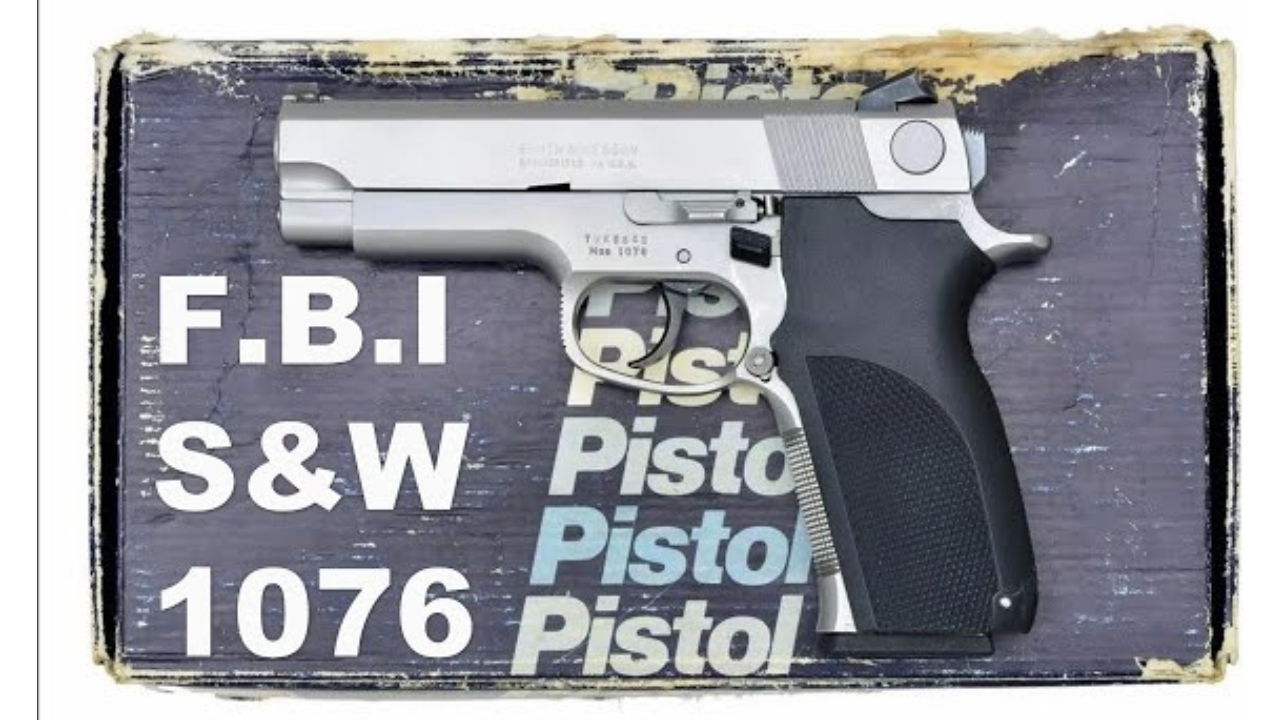
The Smith & Wesson 1076 is exactly the kind of pistol owners underestimated for too long. It was a serious 10mm service pistol, but for years it lived in a space where older metal-frame autos did not always get the attention they deserved. Then interest in classic 10mm pistols tightened up, and the 1076 stopped looking like a niche leftover. True Gun Value now shows used 1076 values around $1,506 on average.
That surprises people because the 1076 was never a mainstream “collector-first” gun. It was a working pistol with a very specific identity. But limited supply, FBI-era history, and renewed 10mm interest gave it a much stronger collector case than many owners expected. It is one of those pistols that spent years being overlooked, then suddenly started looking expensive to anyone who had not checked in lately.
Colt Detective Special

The Colt Detective Special moved up faster than many casual owners expected because snubnose revolvers spent years being treated as practical tools, not fast-appreciating collectibles. The Detective Special was especially easy to underestimate because it felt familiar and useful rather than rare in the dramatic sense. True Gun Value currently places used examples in the mid-$700s, with the used value up over the last 12 months.
What changed is that buyers finally started treating clean old Colts like finite inventory instead of endlessly replaceable carry guns. The Detective Special also benefits from being historically important as one of the defining snubnose formats. Once that collector pressure built, owners who had long assumed it was “just an old Colt carry gun” started seeing numbers that looked a lot less casual than they remembered.
Marlin 39A
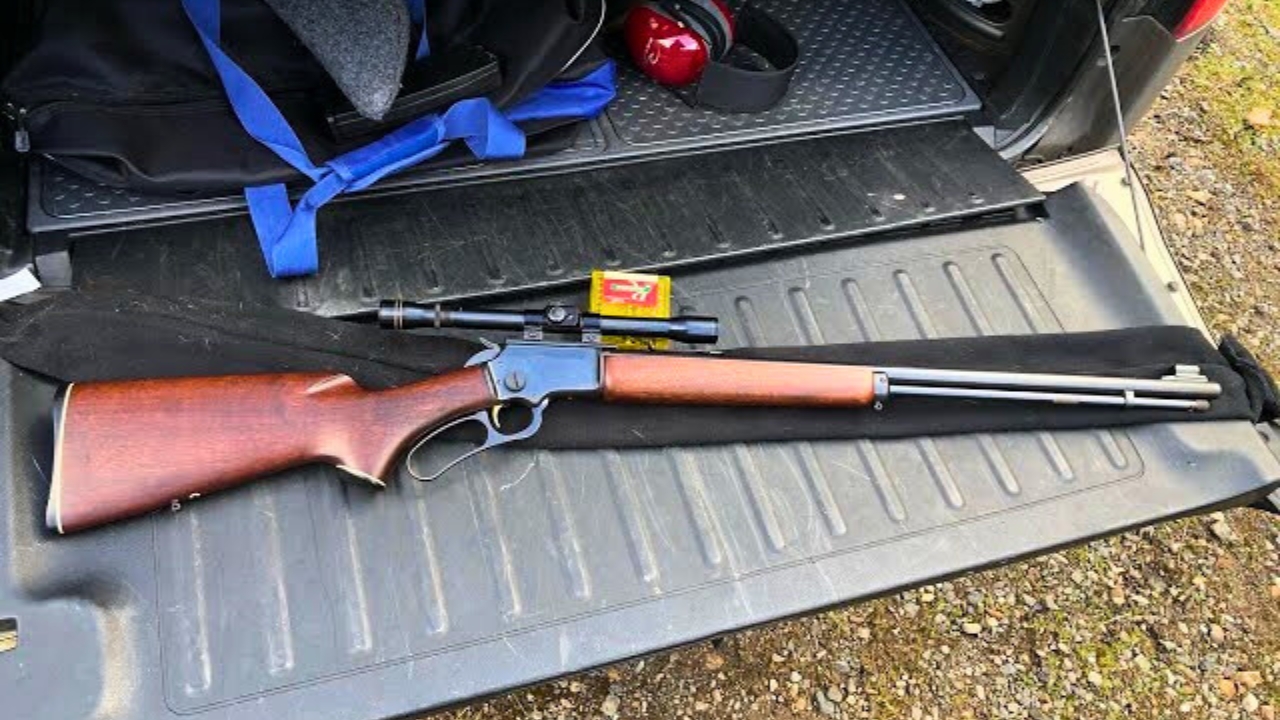
The Marlin 39A gained collector respect faster than many owners expected because it always looked like a rifle you were supposed to use. It is a classic lever-action .22, and for a long time that meant plinking, teaching, squirrel woods, and general everyday use. That working-gun identity kept a lot of owners from treating it like something that would one day bring real collector money.
The market has caught up now. True Gun Value currently shows used 39A values in the low-to-mid $700 range, depending on the listing variation, and some tracked versions are still showing upward movement in used pricing. That is not outrageous by rare-prototype standards, but it is far beyond what many people once expected from a rifle they bought as a durable, enjoyable .22 lever gun.
Remington 600
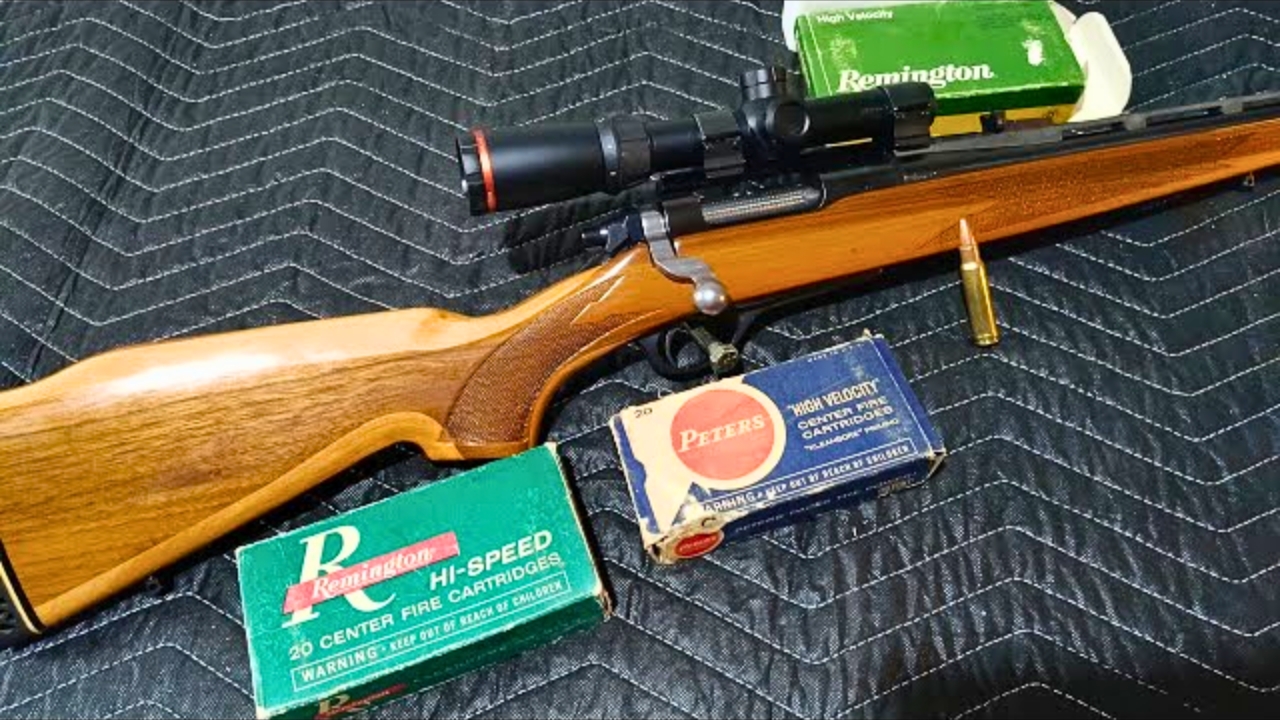
The Remington 600 is one of those rifles that spent years looking more odd than collectible. Its short overall format and shark-fin rib made it memorable, but not always in a way that made casual owners think “future value.” That is exactly why it caught people off guard when collector attention tightened. True Gun Value now shows used Remington 600 values roughly in the $830 to $900 range depending on the tracked variation.
The real surprise is how fast the market can move on a rifle like this once buyers decide the quirks are part of the appeal instead of the reason to ignore it. The 600 is no longer treated like an odd little bolt gun from another era. It is treated like a discontinued, recognizable, finite rifle that more collectors suddenly want than the supply comfortably supports.
Winchester 88

The Winchester 88 climbed because it was never a cheap rifle, but it was often less celebrated than other classic Winchesters for years. That made it easy for owners to assume it would stay in the “nice old lever-adjacent hunting rifle” lane without making a hard collector jump. True Gun Value currently shows used Winchester 88 values roughly around the high-$800 to low-$1,000 range depending on which tracking page you land on.
That kind of pricing gets attention because the 88 was once easier to view as a practical old deer rifle than as a fast-moving collector piece. Once buyers started taking the model’s unusual lever-action/box-magazine design and Winchester name more seriously, the market stopped leaving it alone. Owners who had not checked values in a while were often the ones most surprised by how quickly the floor had moved.
Colt Woodsman

The Colt Woodsman is another gun that gained collector value in a way that caught ordinary owners flat-footed. A lot of people always knew it was a classy old .22 pistol, but a classy old .22 and a fast-appreciating collector handgun are not the same thing until the market says they are. True Gun Value now places used Woodsman examples in roughly the mid-$700 range, with some sub-variants showing stronger year-over-year movement.
That is the kind of gun that tricks people because it feels familiar rather than exotic. The Woodsman spent years being admired, used, and often inherited, but not always treated like the sort of pistol that would become expensive enough to make owners pause. Once collectors started putting more pressure on clean examples, the old “nice old Colt .22” label stopped matching the money.
Smith & Wesson Model 29
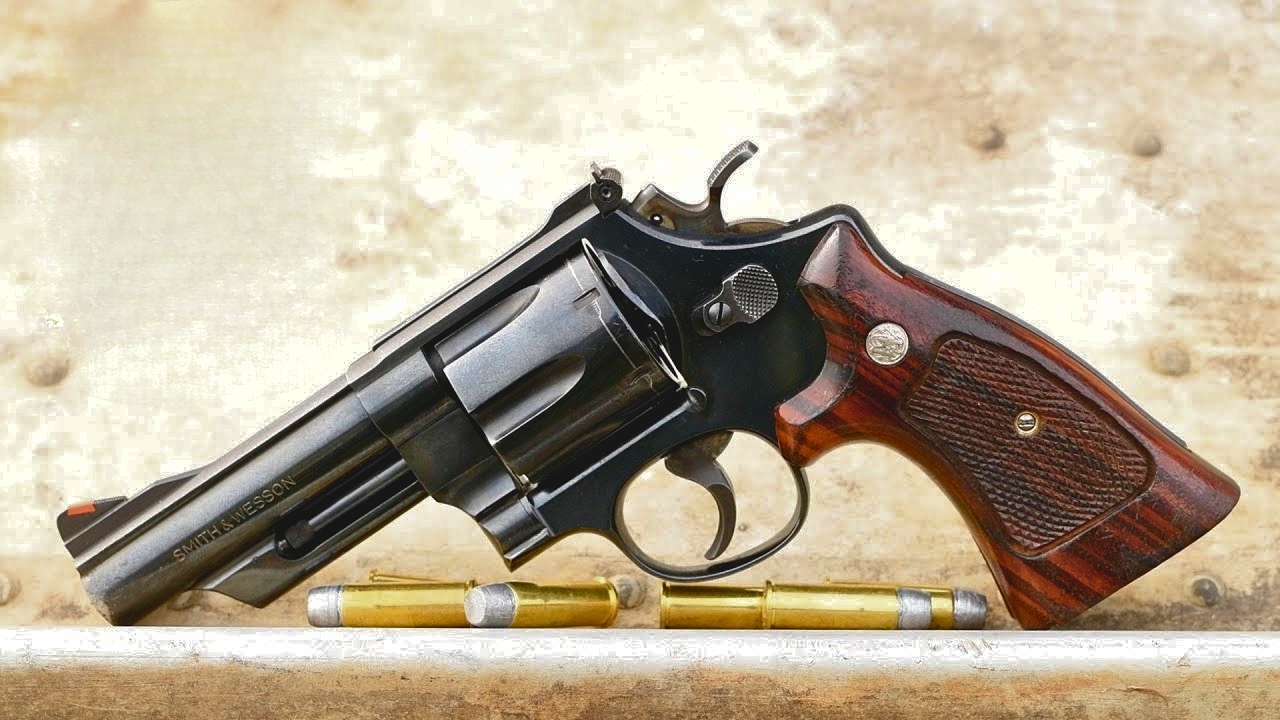
The Model 29 gained collector value faster than many owners expected because pop-culture fame kept it well known, but not everyone expected that familiarity to keep converting into stronger prices on ordinary-market examples. True Gun Value currently shows used values for Model 29 variants well over the four-figure mark on some listings, with certain tracked versions up sharply over the past 12 months.
That matters because the Model 29 was never obscure. It was famous. But fame can fool owners into thinking supply is endless and prices should stay somewhat reasonable. Once cleaner revolvers became harder to replace and collector demand stayed hot, the gap between “iconic revolver” and “expensive collectible” narrowed fast. A lot of owners did not realize how far it had moved until they tried to replace one.
Browning BAR Safari

The Browning BAR Safari is a good example of a gun that appreciated in a quieter, more practical lane. It was always respected, but plenty of owners viewed it first as a high-quality hunting rifle, not a rifle that would start carrying stronger collector-style pricing. True Gun Value now shows BAR Safari values well into four figures, with used pricing rising meaningfully over the last 12 months on at least one tracking page.
What catches owners off guard is that these rifles were bought to hunt. They were not treated like fragile display pieces. That means condition matters now in a way many original buyers probably never considered. Once enough shooters started wanting older Belgian- and classic-pattern BARs, the market tightened around the cleaner rifles, and the prices started reflecting more than ordinary field-rifle demand.
Winchester Model 70 Pre-64
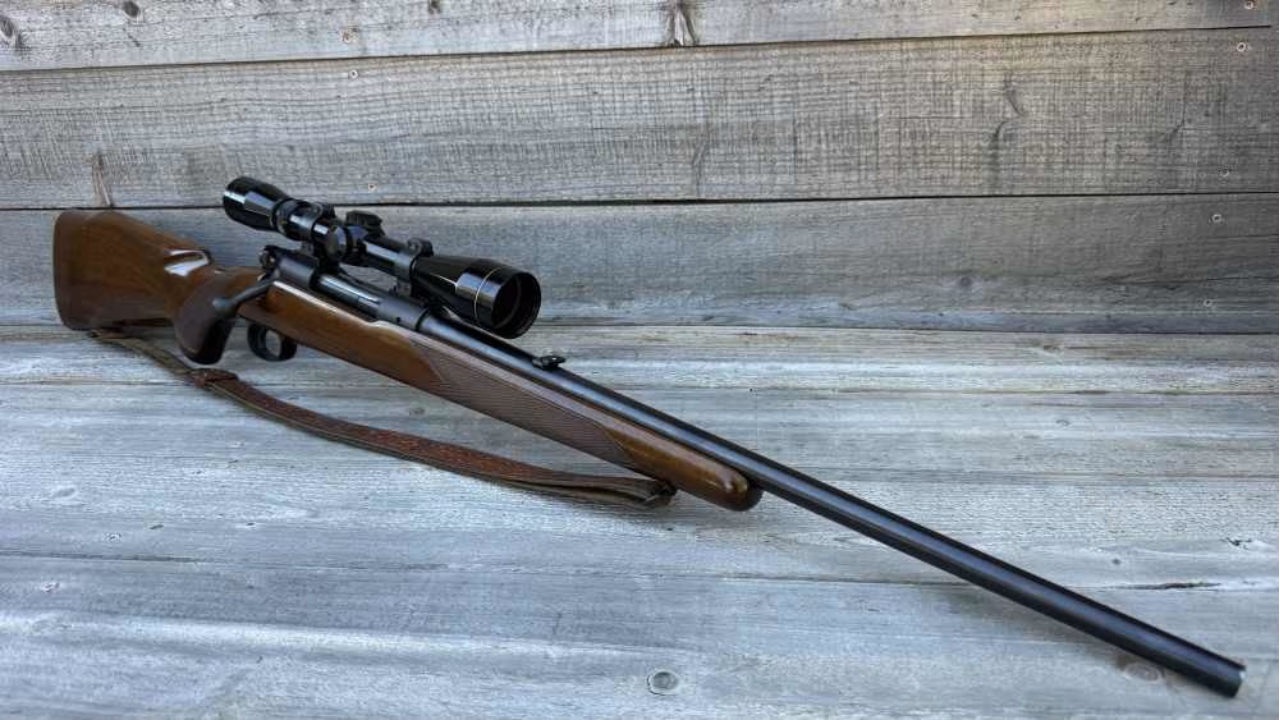
The pre-64 Winchester Model 70 is one of the most predictable collector names on this list, but it still gained value faster than plenty of owners expected because so many of them started life as working hunting rifles. They were admired, yes, but also carried, scoped, and used hard in the field. True Gun Value currently puts used pre-64 Model 70 values around the mid-$1,400 to low-$1,500 range on average.
That is the kind of money that makes people rethink what “old hunting rifle” means. The pre-64 reputation has been strong for years, but cleaner rifles and desirable chamberings keep reminding the market that there are only so many untouched examples left. Owners who treated them as lifetime field guns often ended up shocked at how quickly collector buyers started treating them like blue-chip Winchesters.
Marlin 1894

The Marlin 1894 climbed hard because pistol-caliber lever guns spent years being appreciated mostly as fun shooters rather than rapid collector movers. Then the supply side tightened, lever-gun demand surged, and older Marlins stopped looking like something you could replace whenever you felt like it. True Gun Value currently shows used 1894 values around the $1,000 mark and above, depending on the version.
That kind of price catches people because the 1894 used to feel like the sort of rifle you bought to enjoy, not to preserve. Once buyers started chasing older Marlin production more aggressively—especially in desirable chamberings—the value curve moved faster than many casual owners saw coming. For a lot of people, the surprise was not that it became collectible. It was how quickly it stopped being casually replaceable.
Marlin 1895

The Marlin 1895 gained value faster than a lot of owners expected because it sits at the intersection of two strong forces: renewed lever-gun demand and steady interest in .45-70. That combination is hard on supply once buyers start preferring older production or cleaner examples. True Gun Value now shows used 1895 values in the mid-$1,100 range and above, with ongoing movement in the used market.
The surprise for many owners is that the 1895 was never some obscure collector oddity. It was a practical big-bore lever action, and that working identity kept people from thinking about future value the way they might with a rare revolver. Then the market shifted, lever guns got hotter, and owners realized the rifle they bought as a hard-use thumper was suddenly worth noticeably more than expected.
Remington Nylon 66

The Remington Nylon 66 is one of the best examples of a rifle people underestimated because it looked too ordinary and too practical for too long. It was a lightweight .22 that got carried, plinked with, and generally used hard. That made it easy for owners to assume it would stay a modestly priced old rimfire. True Gun Value now shows used Nylon 66 values around the $500 mark, with stronger demand on the used side even where the short-term price line has bounced around.
That may not sound huge beside the four-figure guns on this list, but it is a major shift for a rifle long treated as a pure utility .22. The Nylon 66 has become the kind of gun people regret letting go cheaply because the market eventually decided the design, nostalgia, and surviving-condition gap mattered more than most owners once believed.
Colt Diamondback
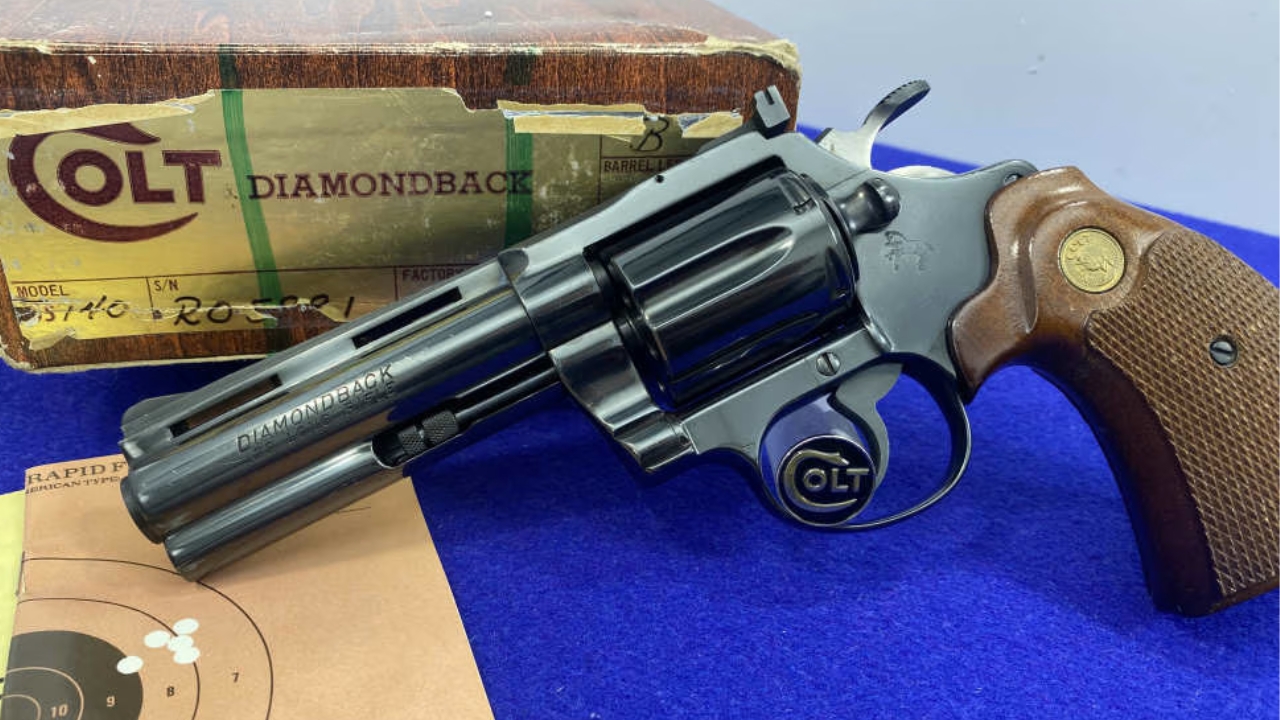
The Colt Diamondback is another revolver that moved from “nice old Colt” into a much more serious pricing bracket faster than many owners expected. True Gun Value currently shows used values for Diamondback variants in the roughly mid-$1,500 range on some listings, which is not where many casual owners assumed a smaller-frame Colt would settle.
The reason it surprises people is that the Diamondback used to live in the shadow of bigger-name Colts. That made it easy to admire without assuming it would surge the way it did. But once collectors started chasing clean examples harder—and once buyers realized they were not seeing them everywhere anymore—the market treated the Diamondback less like a secondary Colt and more like a serious collectible revolver in its own right.
Winchester Model 94

The Winchester Model 94 catches owners off guard because it is so familiar. It is one of the most recognized lever actions in America, which can make people assume prices should stay grounded. Familiarity can hide scarcity in plain sight. True Gun Value currently shows used Model 94 values hovering around the $900 range on some tracked pages, with several versions still showing upward movement.
That is exactly why the rise feels faster than expected. The Model 94 was a rifle people actually owned, used, and saw everywhere for decades. Then the clean older guns got harder to replace, the lever-action market stayed strong, and the ordinary old deer rifle started carrying numbers that forced people to look twice. Owners who assumed abundance would keep prices low found out that abundance does not mean much once condition and demand start narrowing the field.
Like The Avid Outdoorsman’s content? Subscribe to our newsletter so you never miss an article.
Here’s more from us: