
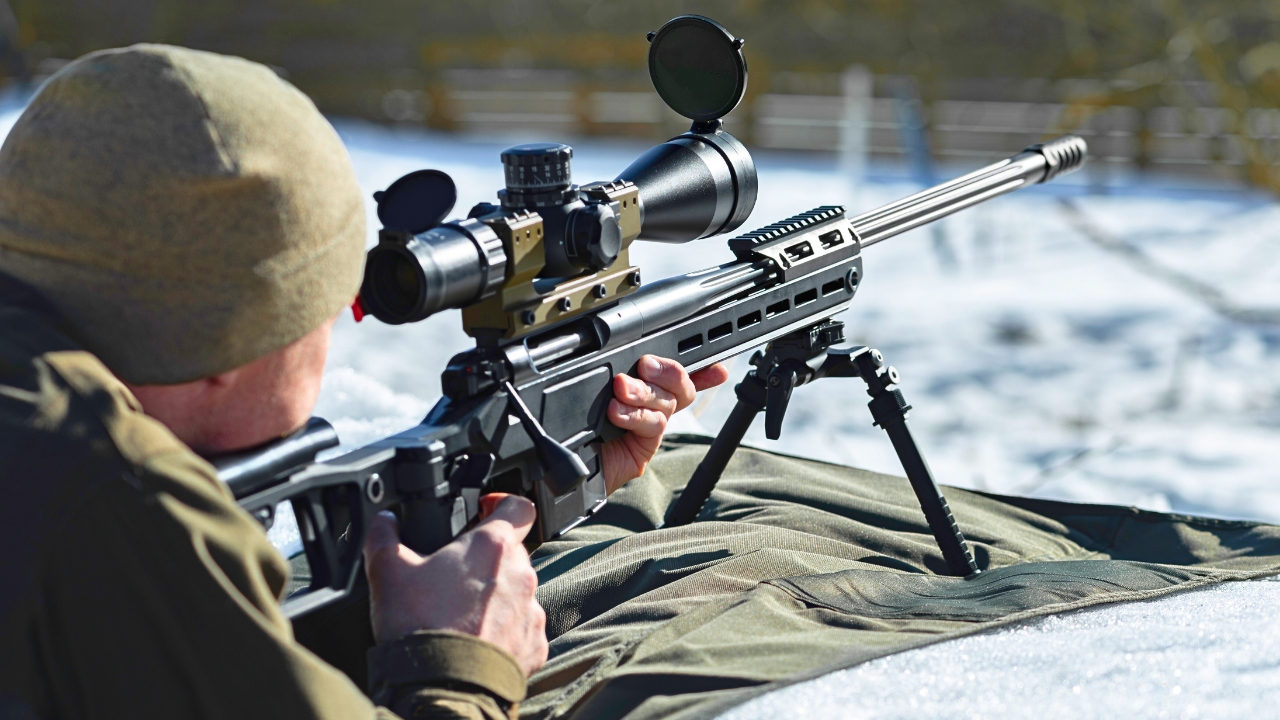
Photo credit: Camptoloma/Shutterstock.com
Clean misses are the most frustrating kind because everything felt right. The trigger break was good. The sight picture looked fine. There was no obvious flinch. And yet the animal runs off untouched. When that happens, most people immediately start questioning their zero or blaming the rifle. In reality, clean misses are usually position failures, not equipment failures. The shot didn’t go where you thought it would because the rifle wasn’t supported the way your brain assumed it was. Good shooters miss cleanly all the time when position falls apart just enough to matter. The bullet didn’t vanish. It went exactly where the system sent it. The problem is that the system wasn’t as stable or as repeatable as it felt in the moment. Positioning mistakes are sneaky because adrenaline masks them, and the woods don’t give you a second chance to diagnose them in real time.
Building a position that feels stable instead of one that actually is
One of the biggest positioning mistakes is confusing comfort with stability. A position can feel relaxed and still be mechanically weak. Leaning into a tree at a slight angle, resting the rifle on a soft pack, or kneeling without bone support can all feel steady right up until the shot breaks. Then the rifle shifts just enough to send the bullet off target. Because the movement is subtle, the shooter never feels it happen. True stability comes from structure, not comfort. Bone support, straight recoil paths, and solid contact points matter more than how relaxed the position feels. Clean misses often happen when the shooter builds a position that feels good quickly instead of taking two extra seconds to lock it in properly. The woods reward positions that are boring and repeatable, not ones that just feel natural in the moment.
Letting the rifle rest on something that moves under recoil
Another common mistake is trusting a rest that can’t handle recoil consistently. Packs, jackets, loose dirt, and flexible branches all compress or shift when the shot breaks. At low recoil levels, this might not matter much. With hunting rifles, even a small shift can change point of impact enough to miss cleanly. The rifle settles differently shot-to-shot, and the shooter never notices because the movement happens after the trigger break. This shows up a lot when people shoot off backpacks without controlling how the rifle contacts the pack. If the forend sinks unevenly or rolls slightly, the rifle recoils in a different direction than expected. The sight picture looked perfect, but the rifle didn’t return the bullet where you thought it would. That’s not bad shooting—it’s bad interaction between the rifle and the rest.
Poor recoil alignment that sends the rifle sideways
Clean misses also come from recoil paths that aren’t straight. If the rifle isn’t aligned naturally with your body, recoil pushes it sideways instead of straight back. The reticle might be centered when the shot breaks, but the rifle immediately torques during recoil. That torque happens fast enough that most shooters never register it consciously, especially under stress. This is common in improvised positions where the shooter twists their torso to make the shot work instead of moving their feet or hips. The rifle looks lined up, but the body isn’t. When recoil hits, the system releases that tension in a direction you didn’t plan for. On steel or paper, this might show up as a miss you can correct. On game, it’s just a clean miss and a long walk back to camp thinking about what went wrong.
Floating the rifle instead of locking it into the shoulder
Another positioning mistake behind clean misses is not managing contact between the rifle and the body. A rifle that isn’t seated consistently into the shoulder can move during the trigger press or recoil. Some shooters “hover” the rifle lightly to stay relaxed, especially from awkward positions. That lack of firm, repeatable contact allows the rifle to shift just enough to change impact. This doesn’t mean muscling the rifle. It means consistent pressure in the same spot every time. Too loose and the rifle moves unpredictably. Too tight and you introduce tension that shows up during the shot. Clean misses often happen when the shooter thinks they’re being smooth, but they’re actually letting the rifle float through the most critical moment.
Rushing position because the window feels short
Pressure creates positioning mistakes faster than anything else. When the animal stops and the clock starts ticking, shooters rush. They accept a position that’s “good enough” instead of taking the extra second to fix foot placement, adjust height, or build proper support. That rushed position usually holds together just long enough to break the shot—and then fails. This is where experience matters. Experienced hunters learn that most shot windows feel shorter than they actually are. The urge to rush causes more clean misses than waiting ever does. A slightly delayed shot from a solid position beats a rushed shot from a weak one every time. Clean misses are often the price paid for trying to beat the clock instead of managing it.
Not practicing the positions you actually use
Many clean misses trace back to a simple truth: people practice from positions they don’t hunt from. Benches create false confidence. A shooter can be extremely accurate from a bench and still struggle badly from kneeling, sitting, or braced positions in the field. When the shot comes, the brain expects bench-level stability, but the body can’t deliver it. Position-specific practice matters more than most people want to admit. If you haven’t spent time building and shooting from realistic hunting positions, your body doesn’t know how to stabilize naturally under stress. The rifle wobbles in ways you’re not used to correcting, and the shot goes somewhere unexpected. Clean misses are often practice misses that waited until the worst possible moment to show up.
Small fixes that dramatically reduce clean misses
The good news is that positioning mistakes are fixable. Focus on straight recoil alignment, solid bone support, and consistent contact points. Practice building positions quickly but correctly. Learn how your rifle behaves off packs, sticks, and natural rests. Pay attention to what the rifle does after the shot—where it jumps and how it settles—because that tells you more about position quality than the reticle ever will. Simple tools can help here. A stable set of shooting sticks or a properly packed backpack creates more repeatable support than improvised rests, and Bass Pro carries several practical options that hunters use specifically to clean up field positions without adding complexity. The goal isn’t gadgets—it’s repeatability under pressure.
Like The Avid Outdoorsman’s content? Be sure to follow us.
Here’s more from us:


