Photo credit: Savage Arms
Most people learn more about rifles in one long season than they do in years of range trips. Carrying the same rifle from opening day through the last hunt strips away excuses and forces honesty. There’s no rotating gear, no switching setups when something feels off, no blaming unfamiliar equipment. Whatever works—or doesn’t—shows up fast when you’re tired, cold, and a few miles from the truck. That’s when a rifle stops being a spec sheet and starts being a tool you either trust or fight. A full season exposes patterns. You notice what annoys you every single day, what you stop thinking about entirely, and what quietly earns your confidence. Some lessons are uncomfortable because they point back at the shooter. Others are gear-related and obvious in hindsight. Either way, carrying the same rifle all season teaches you things no bench session ever will.
Weight matters more after mile six than it does on day one
Almost everyone underestimates how much rifle weight affects them over time. On the first day, everything feels fine. By the third long walk, the balance starts to matter. By the sixth mile, you know exactly where the rifle pulls, how it hangs on the sling, and whether it’s fighting you or working with you. A rifle that felt “totally manageable” at the start of the season can become something you dread picking up by the end of the day. This is where theoretical weight numbers stop mattering and real carry does. It’s not just ounces—it’s balance, sling attachment points, and how the rifle rides against your body. Carrying the same rifle all season makes it painfully clear whether the setup is sustainable or whether it slowly drains you. Fatigue doesn’t just affect comfort. It affects patience, steadiness, and shot quality late in the day, which is when a lot of animals actually move.
Fancy features get ignored if they slow you down
A long season is brutal on unnecessary complexity. Adjustable parts, extra knobs, and clever features sound great early on. After weeks of use, anything that requires extra thought tends to get ignored—or worse, forgotten in the wrong position. Hunters don’t consciously reject features; they just stop using what doesn’t earn its keep. By mid-season, most people default to the simplest way to run the rifle because it’s the least mentally taxing. This is where you learn what actually matters. A feature that helps you once but slows you down ten times isn’t helping. Carrying the same rifle all season forces a kind of natural selection. Useful things stay in the routine. Everything else becomes dead weight. It’s one of the fastest ways to separate gear that looks smart from gear that actually fits how you hunt.
You stop blaming the rifle for shooter mistakes
Early in the season, it’s easy to blame gear. Missed shot? Must be the zero. Bad hit? Probably the ammo. After carrying the same rifle for weeks, those excuses dry up. You know where it hits. You know how it recoils. You know how it behaves from different positions. When something goes wrong, the answer is usually uncomfortable but clear: position, wind, timing, or judgment. That’s not a bad thing. It’s actually one of the biggest benefits of committing to one rifle. Familiarity sharpens accountability. When you remove uncertainty about the equipment, you’re forced to get better at execution. Hunters who carry the same rifle all season tend to improve faster because they stop chasing fixes and start correcting habits.
You learn which positions you actually shoot from
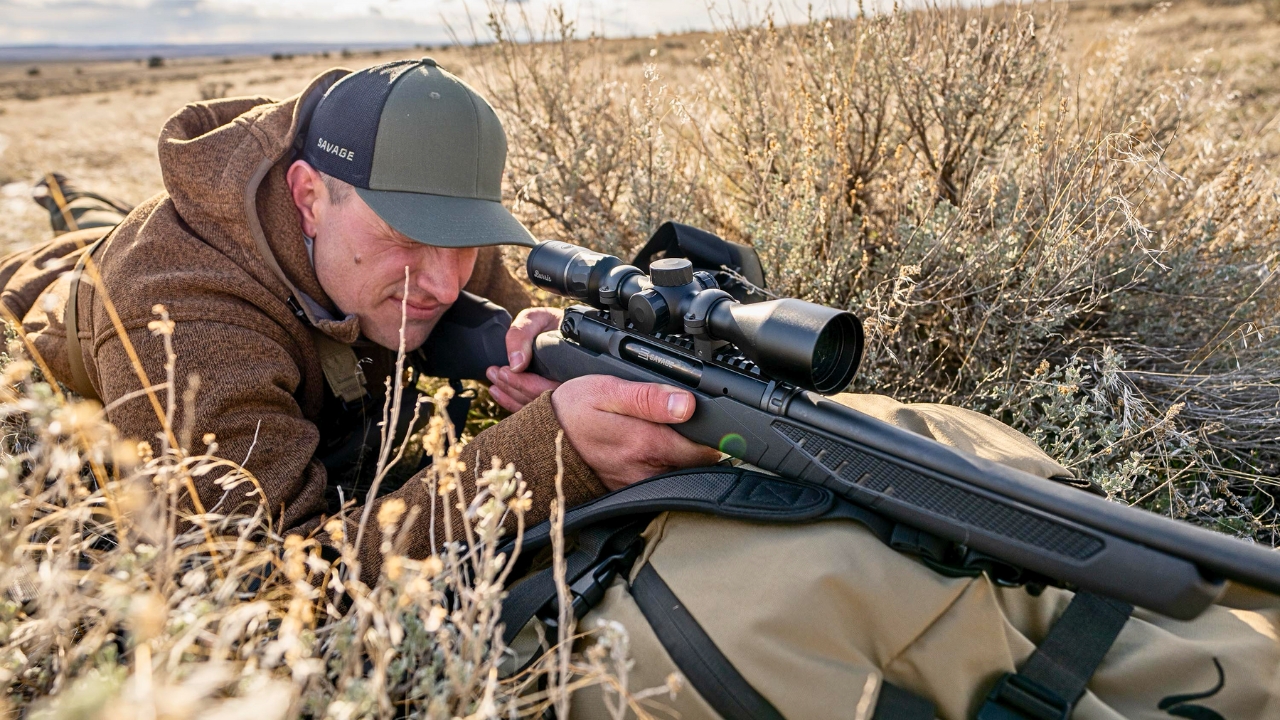
Range time lies. Benches lie. Carrying the same rifle all season shows you the truth about how you actually shoot. You learn whether the rifle works well from kneeling, sitting, off a pack, or against a tree. You learn which positions feel natural and which ones fall apart under pressure. Some rifles feel great on a bench and awkward everywhere else. That becomes obvious fast once the shots are real and the ground isn’t flat. This lesson usually leads to small but meaningful changes—sling adjustments, pack placement, or how you build a rest. The rifle teaches you how it wants to be shot, and you either listen or keep fighting it. Over a full season, most hunters adapt their technique more than they realize, simply because repetition forces efficiency.
Reliability stops being theoretical and starts being personal
A rifle that runs flawlessly once doesn’t earn trust. A rifle that runs flawlessly all season does. Carrying the same rifle through weather, dust, temperature swings, and long days answers questions no spec sheet can. Feeding, extraction, zero retention, and consistency stop being abstract ideas and start being personal experience. You either stop thinking about the rifle—or you start worrying about it every time you chamber a round. This is where simple, proven setups shine. Hunters tend to gravitate toward rifles and optics that just keep working because nothing kills confidence faster than doubt. By the end of the season, you know whether your rifle belongs in that “don’t worry about it” category. If it doesn’t, you feel it every time you shoulder it.
You figure out what actually deserves upgrading
One full season with the same rifle does more to guide smart upgrades than any review ever could. Instead of guessing what might help, you know exactly what annoys you and what limits you. Maybe the trigger is fine. Maybe it isn’t. Maybe the scope is clear but unforgiving in low light. Maybe the sling drives you nuts. Carrying the rifle daily turns vague opinions into specific decisions. This is also where people stop upgrading for fun and start upgrading for function. The changes that survive a full season are usually small, practical, and boring—and they make a real difference. That’s how you end up with rifles that look simple but feel dialed, because every part earned its place the hard way.
Confidence builds quietly when nothing changes
One of the biggest lessons from carrying the same rifle all season is how powerful consistency is. Same rifle. Same zero. Same feel. Same process. Confidence builds quietly when nothing changes and nothing surprises you. You stop second-guessing. You stop overthinking. You trust the system because you’ve lived with it long enough to know its limits. That confidence shows up in decision-making. You pass shots you shouldn’t take. You take shots you should. You don’t rush because you’re not worried about whether the rifle will behave. That kind of calm doesn’t come from specs or hype. It comes from repetition and familiarity over time.
Like The Avid Outdoorsman’s content? Subscribe to our newsletter so you never miss an article.
Here’s more from us: