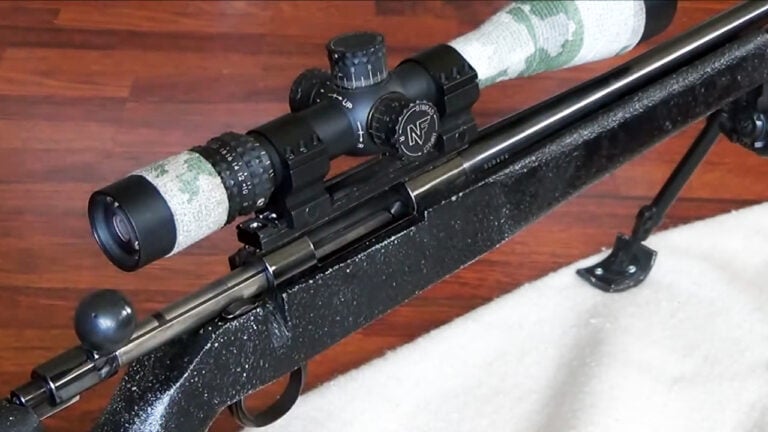
Photo credit: Savage Arms
Late-day misses don’t usually come from bad intentions or bad rifles. They come from tired bodies making quiet compromises. You’ve walked more than you planned, carried more than you realized, and spent hours half-tense without noticing it. By the time the shot finally presents itself, you feel fine—but fine isn’t fresh. Fatigue doesn’t flip a switch. It slowly erodes the little things that keep shooting clean, and most hunters don’t notice it happening until the result is already gone. This is why so many questionable shots happen late in the day. The rifle didn’t change. The conditions might not have changed much either. What changed was the shooter’s ability to execute the same way they did that morning. Fatigue doesn’t announce itself with shaking hands or obvious weakness. It shows up as shortcuts, timing errors, and small losses of control that add up fast when the window is short.
Fatigue narrows your margin for error without you realizing it
Early in the day, your body absorbs small mistakes. A slightly off balance position still holds together. A rushed breath doesn’t completely wreck the shot. Late in the day, that margin disappears. The same “almost good enough” position that worked in the morning starts falling apart just enough to matter. The rifle wobbles more. The reticle doesn’t settle as cleanly. The trigger press feels heavier than it should. The dangerous part is that your brain hasn’t caught up yet. You still feel capable. That mismatch between confidence and capability is where late-day problems live. You think you’re executing the same process, but the system is weaker. When the shot breaks, it feels familiar—and then the impact tells a different story. Fatigue didn’t ruin the shot outright. It shrank the buffer that used to save you.
Breathing control degrades before strength does
One of the first things fatigue steals is breathing discipline. Not because you’re out of breath in an obvious way, but because your body has been working all day and doesn’t reset as quickly. Your breathing cycle gets shorter. You rush the pause. You break the shot while things are still moving because waiting feels harder than it did earlier. This is especially common after climbs, long stalks, or quick position changes late in the day. Hunters underestimate how long it takes for breathing to truly settle once fatigue is involved. You might feel “calmed down,” but your body hasn’t actually stabilized yet. That rushed shot usually doesn’t feel bad—it just lands somewhere you didn’t expect. Late in the day, patience becomes a physical skill, not just a mental one.
Grip and shoulder pressure start drifting shot to shot
Fatigue also changes how you interface with the rifle. Grip pressure varies without you noticing. Shoulder contact becomes inconsistent. You’re not locking the rifle in the same way every time because your muscles are tired and looking for relief. That inconsistency changes recoil behavior, and recoil behavior changes point of impact. This is one reason late-day misses often feel confusing. The sight picture looked good. The trigger felt fine. But the rifle didn’t recoil the same way it did earlier, because your body didn’t hold it the same way. Those changes are subtle, and they happen gradually across the day. By the time they matter, you’re already operating on muscle memory that assumes your body is fresher than it is.
Fatigue makes shooters rush decisions, not just shots
Late in the day, decision-making changes. You’re more likely to take a shot you’d pass in the morning. You’re more likely to accept a position that’s “close enough.” You’re more likely to hurry because you don’t want to rebuild from scratch again. That’s fatigue talking, not judgment. This is where missed opportunities turn into poor outcomes. The body is tired, so the brain starts cutting corners to conserve energy. Those corners show up as rushed position building, incomplete support, or breaking the shot the instant the reticle touches hair. None of that feels reckless in the moment. It feels efficient. But efficiency without stability is how late-day shots go wrong.
Visual focus and target clarity quietly suffer
Another late-day issue people overlook is visual fatigue. Eyes get tired just like legs do. Focus slips. Contrast matters more. Reticles seem a little fuzzier. Depth perception isn’t as crisp. None of this feels dramatic, but it affects precision, especially in low light or complex backgrounds. This is why good glass and good fundamentals matter most late in the day, not least. A forgiving optic helps, but it doesn’t replace awareness. If your eyes are tired, you need to slow down, confirm your sight picture, and make sure you’re actually seeing what you think you’re seeing. Fatigue blurs confidence and clarity at the same time, which is a dangerous combination.
Late-day recoil management falls apart first from awkward positions
Most late-day shots aren’t from perfect setups. They’re from kneeling, leaning, braced, or improvised positions. Those positions demand more from tired muscles. When fatigue sets in, recoil management degrades fastest in these scenarios. The rifle jumps more. Follow-through disappears. Shots break before the system is truly settled. This is why hunters who practice only from benches struggle late in the day. Bench shooting hides fatigue effects. Field positions amplify them. If you haven’t trained your body to manage recoil when tired, the rifle will expose that gap when it matters most.
How experienced hunters manage fatigue instead of fighting it
Experienced hunters don’t pretend fatigue isn’t there. They plan around it. They slow down late in the day instead of speeding up. They rebuild positions more deliberately. They take an extra breath. They accept that execution takes longer when the body is tired, and they don’t rush to make up time that isn’t actually lost. They also simplify. Late in the day is not the time for complicated setups or fancy adjustments. This is where simple, repeatable systems shine. A solid rest, a familiar sling setup, and a rifle that balances well reduce the physical load when strength is fading. Some hunters rely on shooting sticks or a well-packed bag late in the day specifically to take pressure off tired muscles, and Bass Pro carries plenty of practical support options that help keep late-day shots honest without adding complexity.
Training while tired matters more than people want to admit
If you want to shoot better late in the day, you have to practice under fatigue. Not extreme exhaustion, but realistic tiredness. Shoot after a long walk. Build positions when your legs aren’t fresh. Learn how your breathing changes and how long it takes to settle. That kind of practice rewires expectations so you don’t rush when the body feels slower. This is also where discipline shows up. Knowing when not to shoot is just as important as knowing how to shoot. Fatigue clouds that judgment unless you’ve experienced it enough to recognize the signs. Practice teaches you what “too rushed” actually feels like before it costs you something real.
The bottom line: fatigue doesn’t ruin shots—it removes your safety net
Fatigue late in the day doesn’t suddenly make you a bad shooter. It removes the margin that used to protect you from small mistakes. Breathing gets rushed. Positions get weaker. Decisions get faster. And the shot that felt fine in the moment doesn’t land where it should. If you want cleaner late-day shots, don’t fight fatigue by rushing through it. Respect it. Slow down. Build better positions. Simplify the process. The hunters who consistently make good late-day shots aren’t the strongest or the flashiest—they’re the ones who understand what fatigue does and refuse to let it quietly take control.
Like The Avid Outdoorsman’s content? Subscribe to our newsletter so you never miss an article.
Here’s more from us: