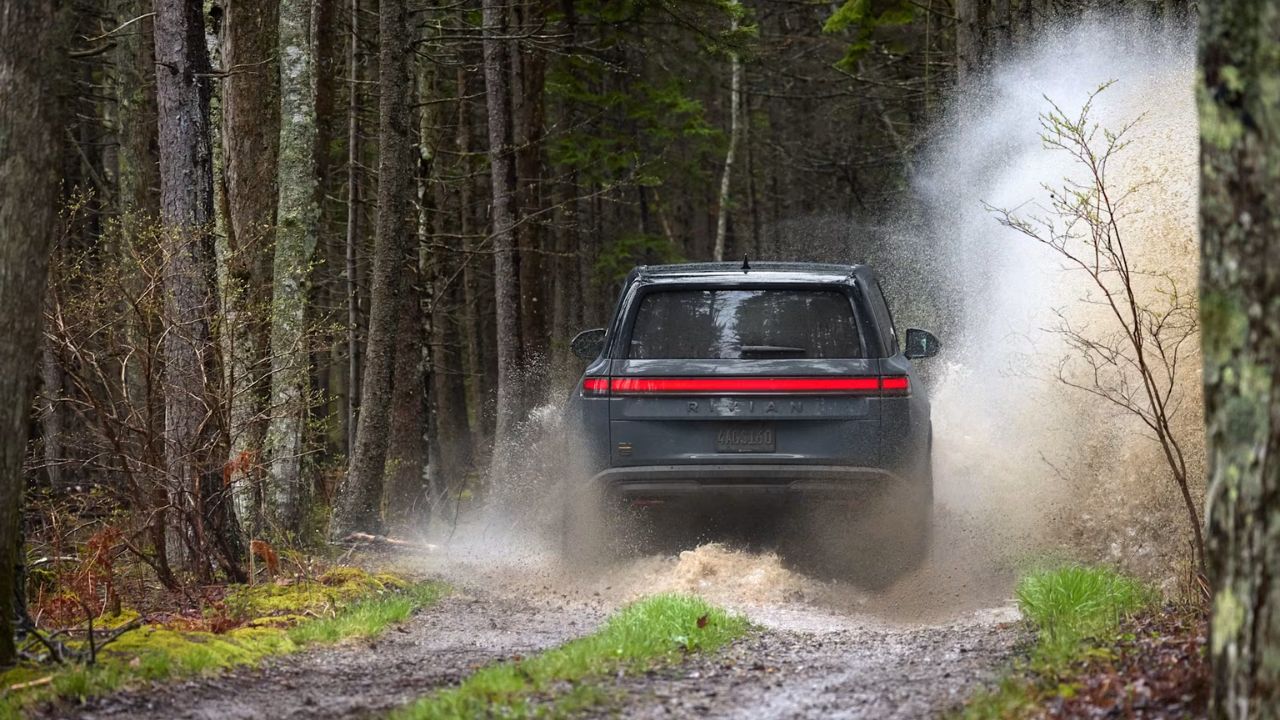
Photo credit: Rivian
Electric vehicles are creeping into every corner of life—including the backcountry. Whether you’re scouting remote trailheads or hauling gear to camp, EVs bring some real benefits… and a few headaches too. They’re quiet, clean, and surprisingly capable, but they also come with limits that matter when you’re miles from pavement. If you’re thinking about taking an electric rig off-grid, it’s worth weighing both sides. These ten pros and cons will help you decide if an EV belongs in your outdoor setup—or if it’s better left in the garage.
Pro: Silent Travel Keeps Wildlife Undisturbed
One of the best parts of taking an EV into the wild is how quiet it is. No engine noise means you can roll into camp or a glassing spot without scaring everything off.
It’s great for hunters, photographers, and anyone trying to get close to wildlife without announcing their arrival. That silence makes a real difference when you’re trying to blend into the landscape.
Con: Charging Options Are Limited Off-Grid
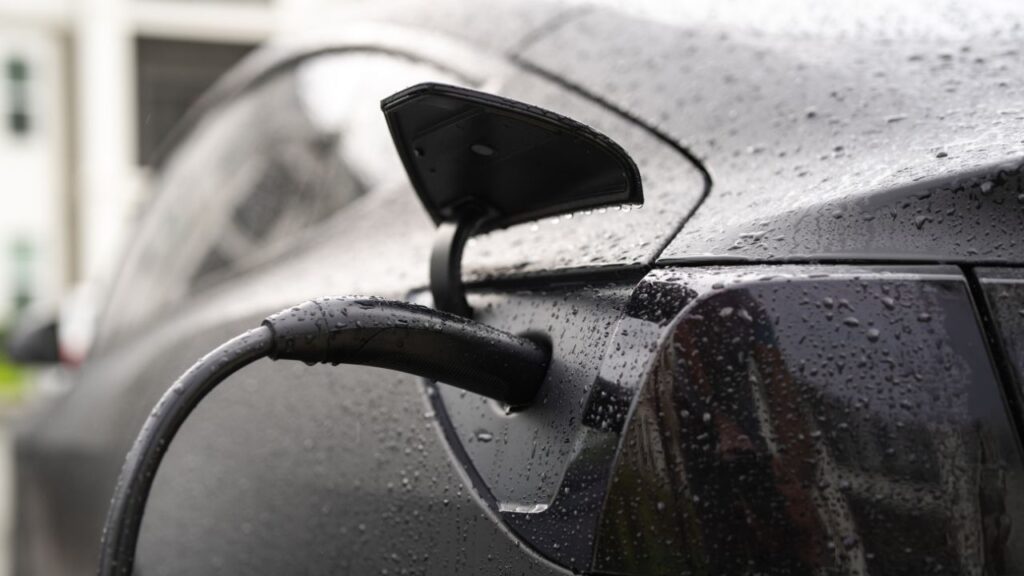
EVs need power, and that’s not always easy to find out in the sticks. If you’re far from town, public charging just isn’t a realistic option, and mobile charging setups aren’t cheap.
You’ll either need to plan your trips carefully or invest in solar panels, generators, or a backup battery bank. Without a solid charging plan, your range becomes a serious limit in wild places.
Pro: Regenerative Braking Helps on Rough Terrain
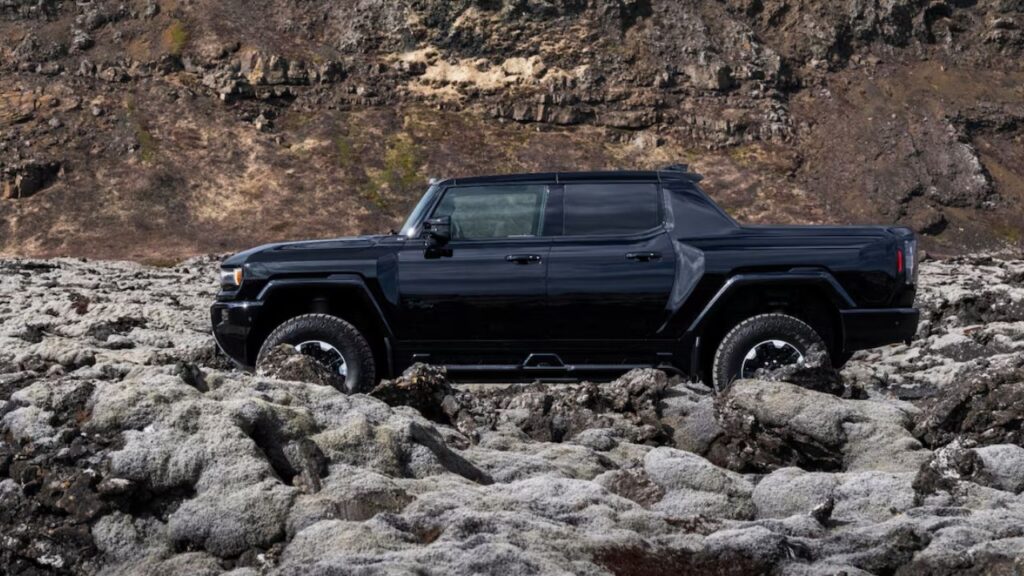
When you’re crawling down steep forest roads or winding through hills, regenerative braking helps manage descent while putting a little juice back in your battery.
It’s especially useful in areas with lots of elevation changes. You’ll save brake pads and recapture some range, which is always welcome when you’re deep in the backcountry.
Con: Range Drops Fast in Cold Weather
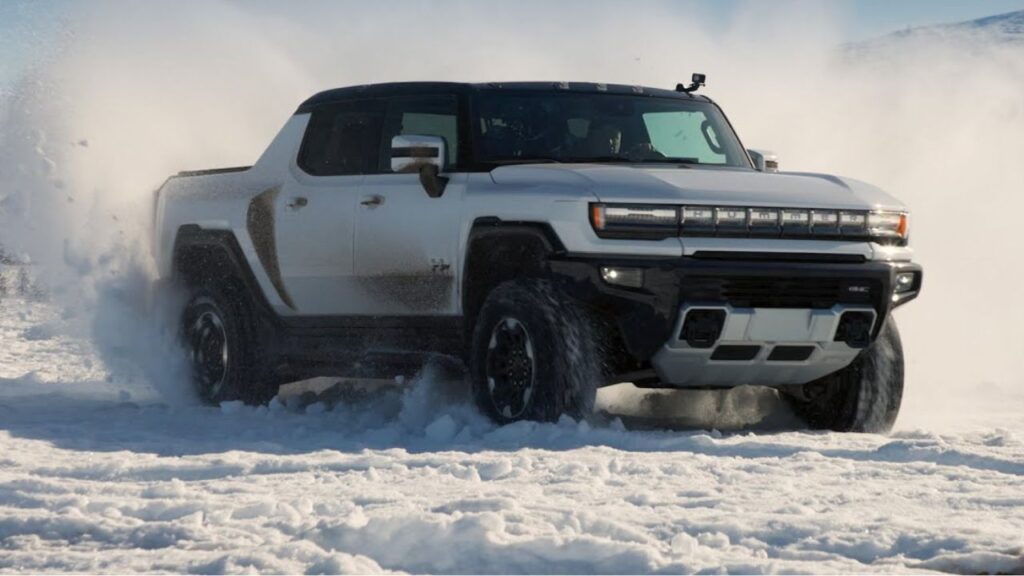
Cold temps hit EV batteries hard. If you’re out in the winter, expect a noticeable drop in range, especially if you’re using cabin heat or running accessories.
That means less cushion for error when you’re miles from a plug. Planning a winter trip in an EV takes a little more thought, and it’s something to be aware of if you’re traveling light and remote.
Pro: Instant Torque Is Great for Off-Roading
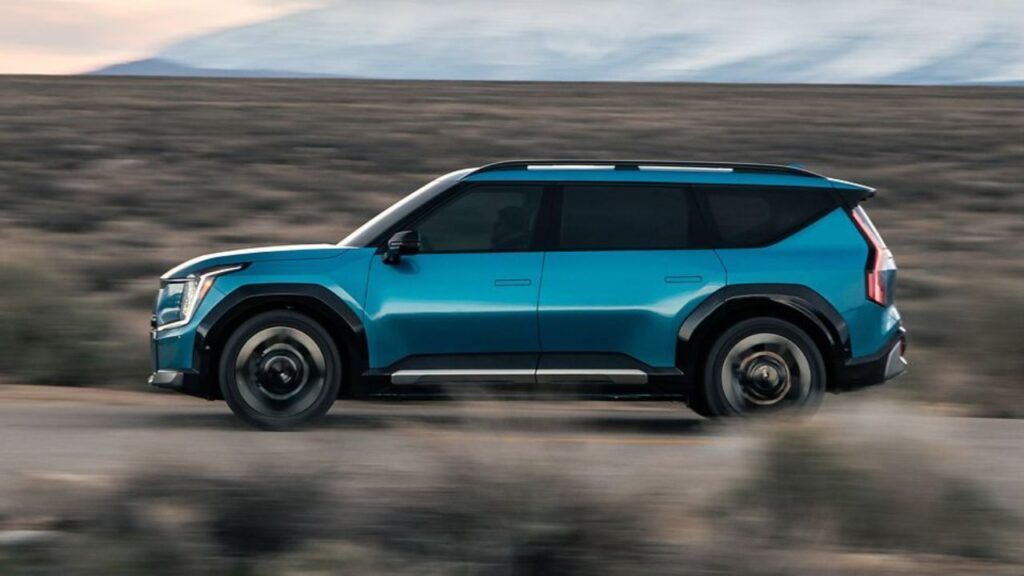
Electric motors deliver torque instantly, which makes them surprisingly good at slow-speed crawling or powering through rough trails.
You don’t have to wait for power to build—it’s just there. If your EV has a decent clearance and the right tires, it can handle more than most folks expect, especially on moderate terrain.
Con: Heavier Weight Hurts Trail Performance
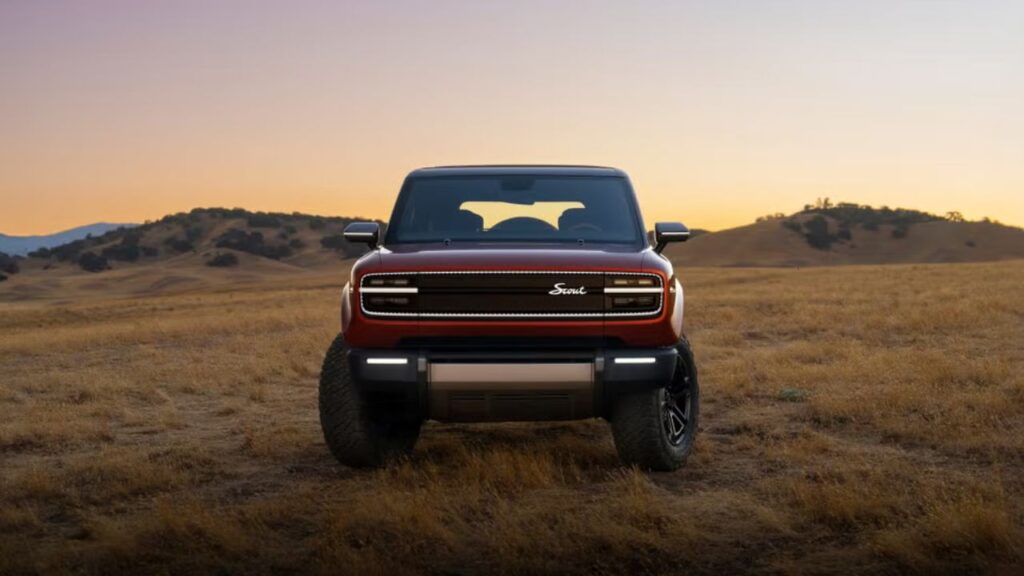
EVs tend to weigh more than their gas counterparts, mostly due to their batteries. That extra weight isn’t always your friend when you’re crossing mud, sand, or soft ground.
It can also be harder on suspension and wear down tires faster. If you’re running narrow, soft trails, that weight can add up in ways you’ll feel pretty quickly.
Pro: You Can Charge with Solar (If You Plan Ahead)
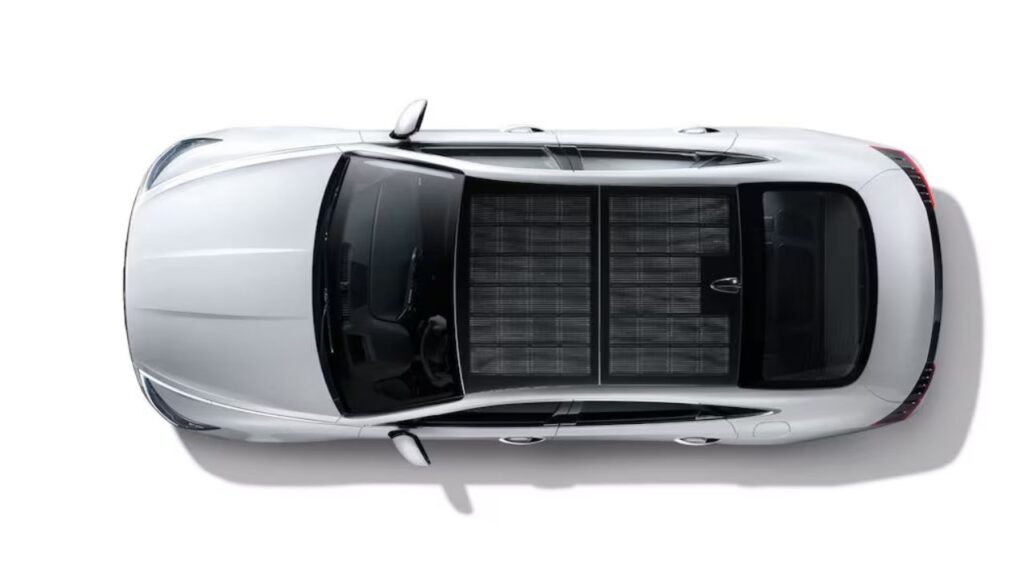
If you’ve got a solid solar setup, you can top off your EV’s battery while camped out for a few days. It won’t be fast, but it’s enough to stretch your trip or get you back to town.
For folks running minimalist, quiet camps, solar keeps you off the grid and moving. You’ll need time and good sunlight, but it’s a nice backup if you’re not in a hurry.
Con: Long Charge Times Can Eat Up Your Day

Even with fast-charging capabilities, you won’t always have access to high-output chargers in rural areas. A full charge can take hours if you’re stuck on a Level 2 or slower.
That’s time you could be fishing, hiking, or headed home. If you’re tight on schedule—or planning to cover long distances in one go—this becomes a real consideration.
Pro: Fewer Moving Parts Means Less Maintenance
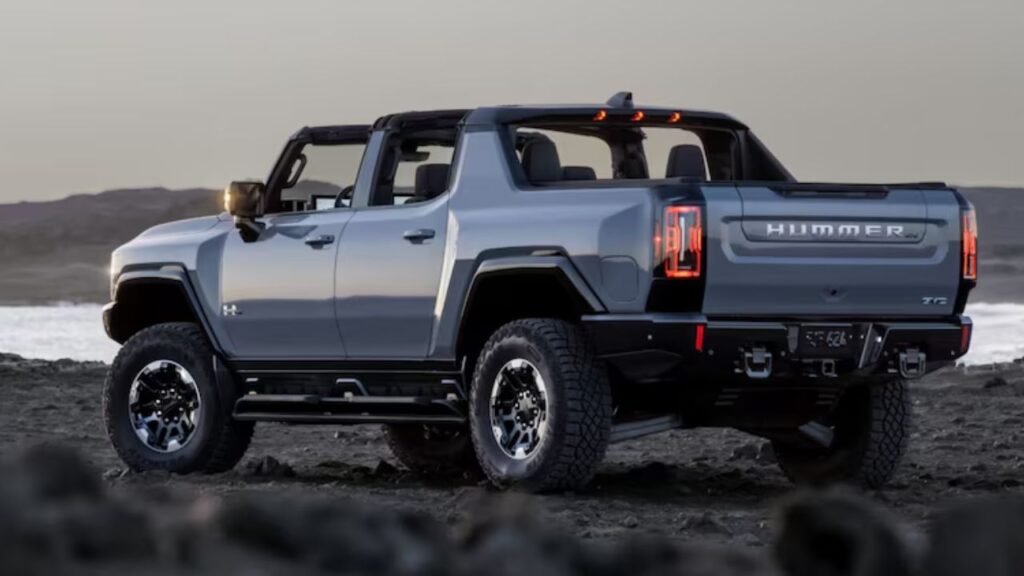
EVs don’t need oil changes, spark plugs, or exhaust repairs. That’s one less thing to worry about when you’re out in the dirt and dust.
Fewer moving parts also means less that can go wrong when you’re away from help. If you like to tinker less and drive more, the low-maintenance nature of EVs can be a big plus.
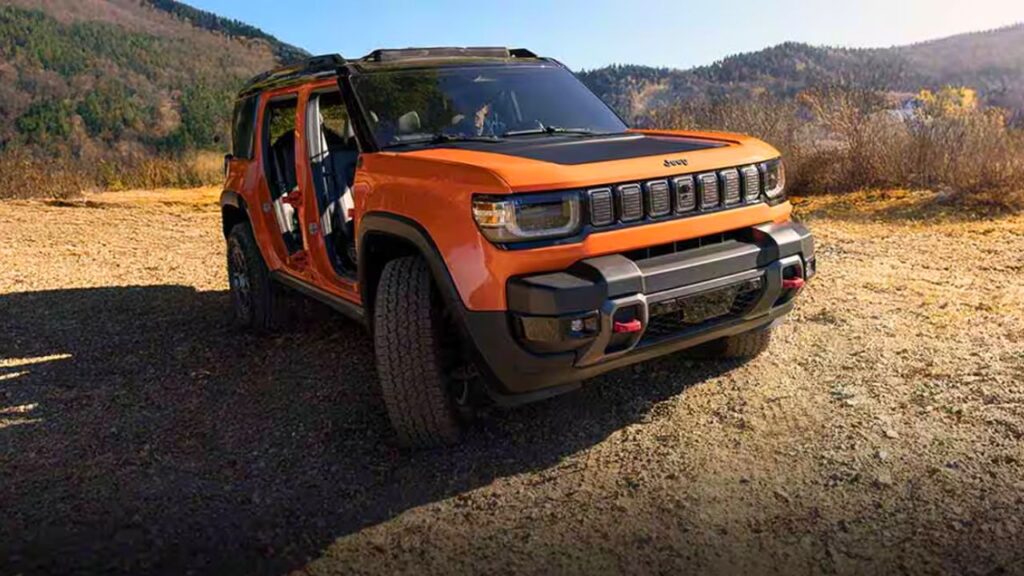
Con: Not All EVs Are Built for Rugged Use
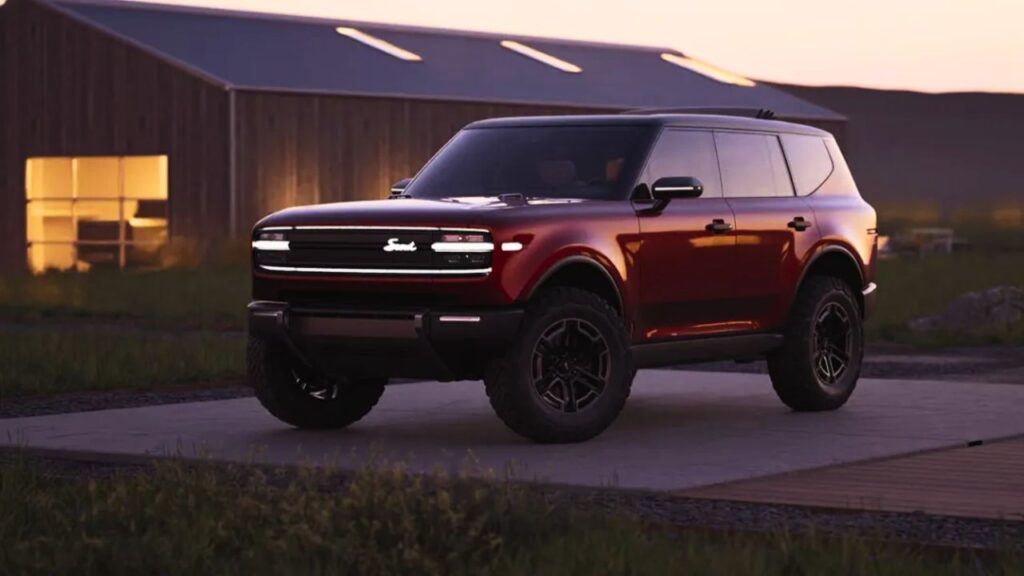
Some EVs are more pavement-friendly than trail-ready. Low clearance, street tires, and limited cargo space make certain models a bad fit for outdoor trips.
Before heading off-road, make sure your EV can handle the terrain. You’ll want something built tough enough for ruts, rocks, and remote conditions—not just a city cruiser with a plug.
*This article was developed with AI-powered tools and has been carefully reviewed by our editors.