Image Credit: Danita Delimont/ Shutterstock.
Some hunting spots are so good, folks keep going back—even when they know something out there might try to kill them. Whether it’s bears, lions, wolves, or even other hunters acting recklessly, these areas have a track record of attacks. And yet, every season, tags still sell out. Why? Because the game is thick, the challenge is high, and for some folks, it’s worth the risk.
These are the places where you better keep your head on a swivel—or you might not walk out.
1. Bridger-Teton National Forest, Wyoming

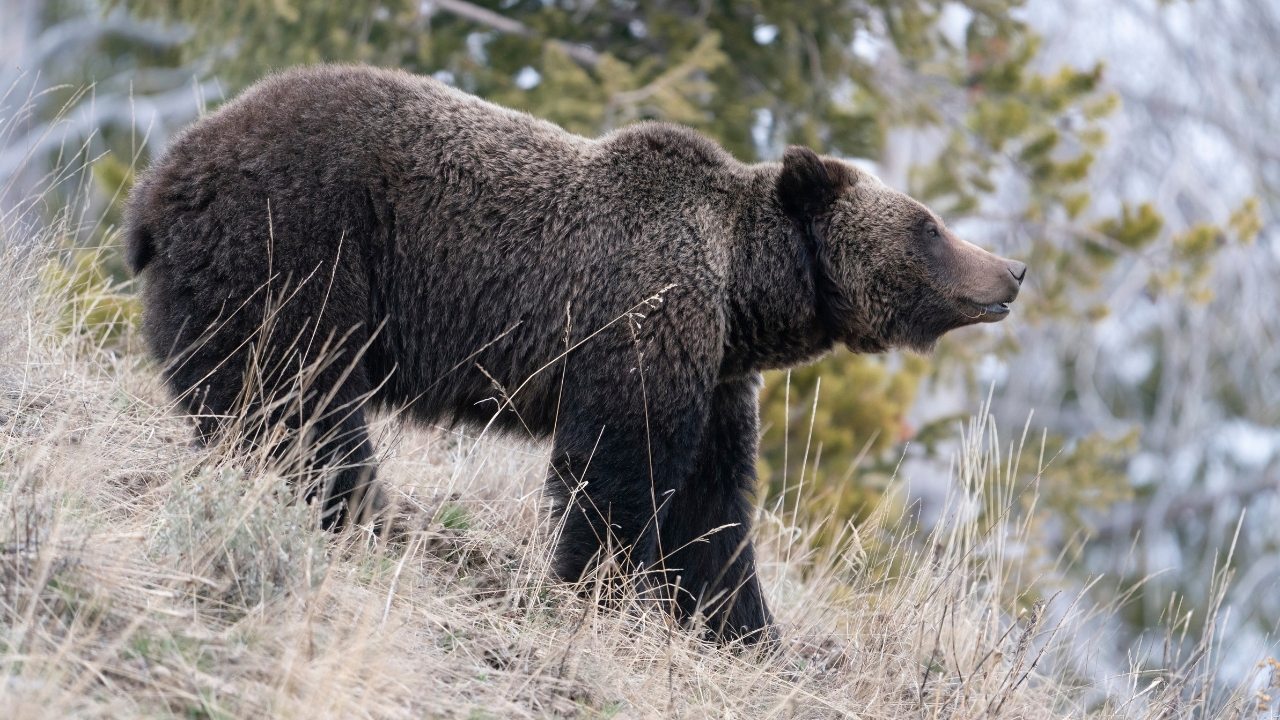
This forest is packed with elk—and grizzlies know it. Hunters here have been stalked, charged, and mauled while packing out meat. Even folks who hang their quarters right and make noise still get surprised.
Every year, new attacks make headlines. But the hunting is that good. Big bulls, open terrain, and deep backcountry draw hunters in like a magnet. It’s grizzly country, plain and simple. You don’t walk in unprepared and you never walk in cocky.
2. Bob Marshall Wilderness, Montana

“The Bob” is legendary for elk hunting—and for bear encounters. Grizzly attacks happen almost every season, especially to solo hunters or bowhunters sneaking through thick timber. You field dress an elk here, you better keep your rifle or bear spray close.
The terrain doesn’t help. It’s steep, rugged, and remote. Rescue can take days. Still, folks line up every year for tags, drawn in by the size of the game and the solitude. You just have to accept that you’re not the only predator out there.
3. Selway-Bitterroot Wilderness, Idaho

This place is wild—big country, no cell service, and wolves that don’t scare easy. Hunters have reported being followed, hearing howls close in around camp, and even having kills taken right out from under them.
Cougars also patrol these woods, and they’re hard to spot until they’re close. Despite the danger, it’s still a favorite for archery elk hunters looking for solitude and a real challenge. But it’s not the place to let your guard down—not for a second.
4. Tongass National Forest, Alaska

You want big black bears and a shot at coastal brown bears? This is the place. But the risk is real. Hunters here have been mauled while packing out meat or walking up on an unseen bear bedded in the brush.
Weather and terrain make everything harder—slick slopes, wet ground, and poor visibility. But the tags are good, and success rates are solid. That keeps people coming back, even if it means hiking with one eye over their shoulder the whole time.
5. Hells Canyon, Idaho/Oregon

Hells Canyon is steep, remote, and full of big game—and it’s also full of predators. Hunters have been followed by cougars, surprised by black bears, and had close calls with wolves in this unforgiving terrain.
Most attacks come when folks are distracted or dragging meat. The terrain wears you out fast, and that’s when mistakes happen. Still, it’s one of the best spots for big mule deer and elk in the region. Hunters keep going back, teeth gritted and rifles ready.
6. Kenai Peninsula, Alaska

This area delivers big moose and bear opportunities, but it’s also one of the most dangerous hunting spots in the state. Grizzlies here are big, bold, and used to people. They don’t always run when they see you—they may circle in.
Several hunters have been attacked in recent years, sometimes fatally. But the success rates keep the tags competitive. You go in knowing the risks—and you better come out knowing how to handle yourself under pressure.
7. Gallatin National Forest, Montana

Right next to Yellowstone, this area sees a high number of bear conflicts every season. Hunters have been charged while bugling for elk, stumbled on bears guarding kills, or even ambushed while walking out after dark.
It’s rugged, remote, and full of game. And that’s exactly why people keep going back. The problem is, the predators know that too—and they’ve learned to associate hunters with gut piles and easy meals.
8. Gila National Forest, New Mexico

Gila is known for big bulls and backcountry hunts—but it’s also home to Mexican gray wolves and plenty of mountain lions. Hunters have been followed, had camps messed with, and even had wolves come in close during calls.
Most of the predators here avoid direct confrontation, but it doesn’t mean they’re not close. You’re deep in lion country every time you step off the trail. Still, draw odds are low and demand is high. For many, it’s worth the risk.
9. Okefenokee National Wildlife Refuge, Georgia

This swamp is home to huge hogs, deer, and turkeys—but it’s also crawling with gators and snakes. Hunters have been bitten, chased, or even pulled under while setting up in the dark or dragging game through the water.
It’s hot, buggy, and unforgiving. But it’s also full of opportunity. As long as you don’t mind sharing the woods with reptiles that can end your hunt real quick, it stays high on southern hunters’ lists.
10. Chugach National Forest, Alaska

Few places test you like Chugach. Bears, deep snow, and fast-changing weather make it a high-risk, high-reward kind of place. Hunters have been mauled, lost, or left stranded here more than once.
You’re on your own out here. But the big moose, mountain goats, and black bears keep hunters applying year after year. If you don’t respect the terrain—and the predators—you won’t last long.
*This article was developed with AI-powered tools and has been carefully reviewed by our editors.