Photo credit: Whitetail Evolution LLC/YouTube
You’re not imagining things—some guns genuinely group better cold. It’s not always barrel quality or ammo consistency that changes group size. It’s how the materials respond to heat. Certain rifles, especially those with thinner or unevenly tensioned barrels, tend to walk their shots once things warm up. Others might tighten up, but those are rare. If you’ve ever printed a tight cloverleaf with a cold barrel only to open up once it heats, you’re not alone. This isn’t limited to bargain rifles either. Plenty of premium guns show a cold-bore preference. Whether it’s stress in the steel or shifts in bedding, these rifles remind you that a perfect cold shot doesn’t always last beyond five rounds.
Remington 700 SPS Tactical
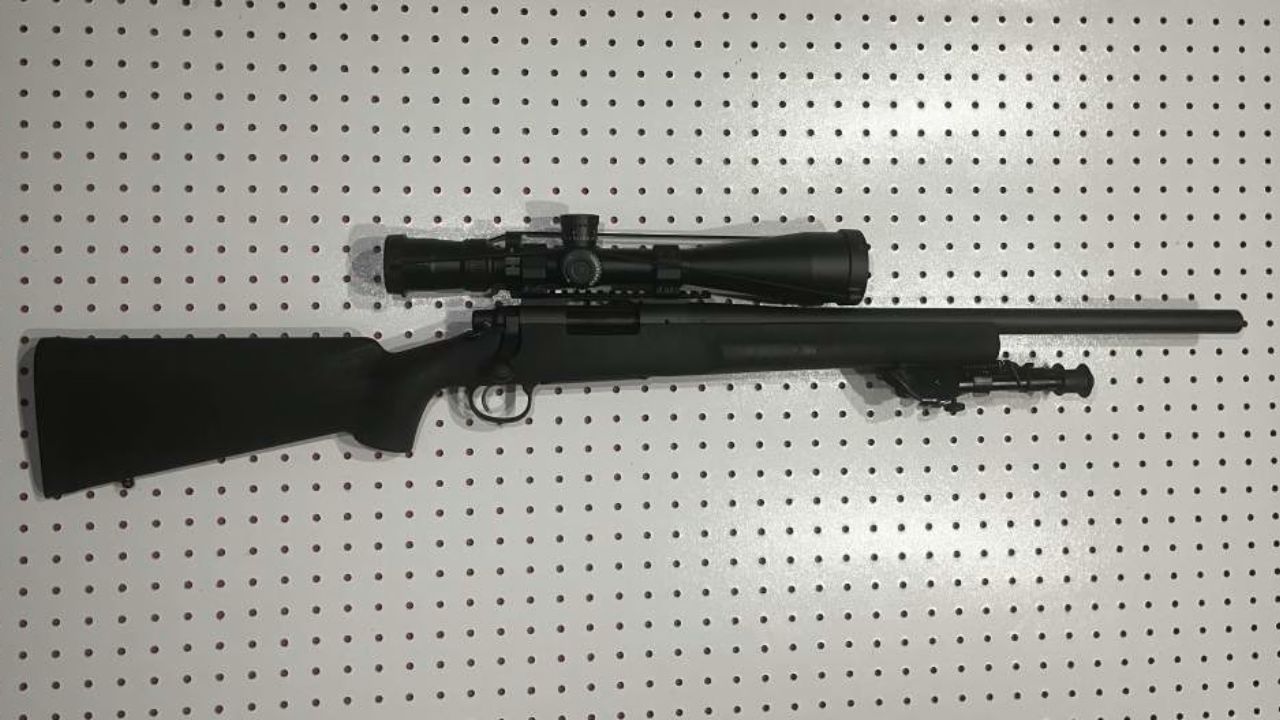
This rifle has built a reputation for cold-bore precision. That first group out of a clean, cold barrel often prints tighter than anything afterward. As the barrel warms, harmonics shift slightly, especially if the barrel wasn’t floated perfectly or if the stock flexes under pressure. You might notice some vertical stringing past the third shot. It’s not extreme, but it’s enough for long-range shooters to notice. If you’re dialing your dope off your first cold zero, this behavior is worth tracking. Despite its “tactical” branding, it’s a bolt gun that behaves more like a hunting rifle in this regard—tight when cold, looser once hot.
Ruger American Predator

The American Predator shoots better cold than warm more often than not. It’s an accurate rifle for the money, but it’s not immune to barrel heating quirks. The pencil-thin barrel starts shifting point of impact once it gets hot. You’ll notice the tightest groups tend to come early, especially with factory match ammo. Some shooters try wrapping groups fast to beat the heat curve, but that backfires with this gun. Let it cool, shoot slow, and you’ll see the difference. It’s not uncommon to get sub-MOA cold groups that open to 1.5 MOA as the barrel warms.
Winchester XPR

The XPR tends to throw its best groups on a clean, cold barrel—especially with hunting loads. Heat makes the barrel walk a bit, especially with lighter-contour models. Some shooters chase the warm-barrel shift thinking it’s ammo related, but this rifle’s real strength is in cold-shot precision. It’s consistent enough that many XPR owners zero for cold shots and call it good. That’s a smart approach for a rifle meant for first-shot hits in the field. Just don’t expect it to stay that tight during long strings of fire.
Savage Axis II
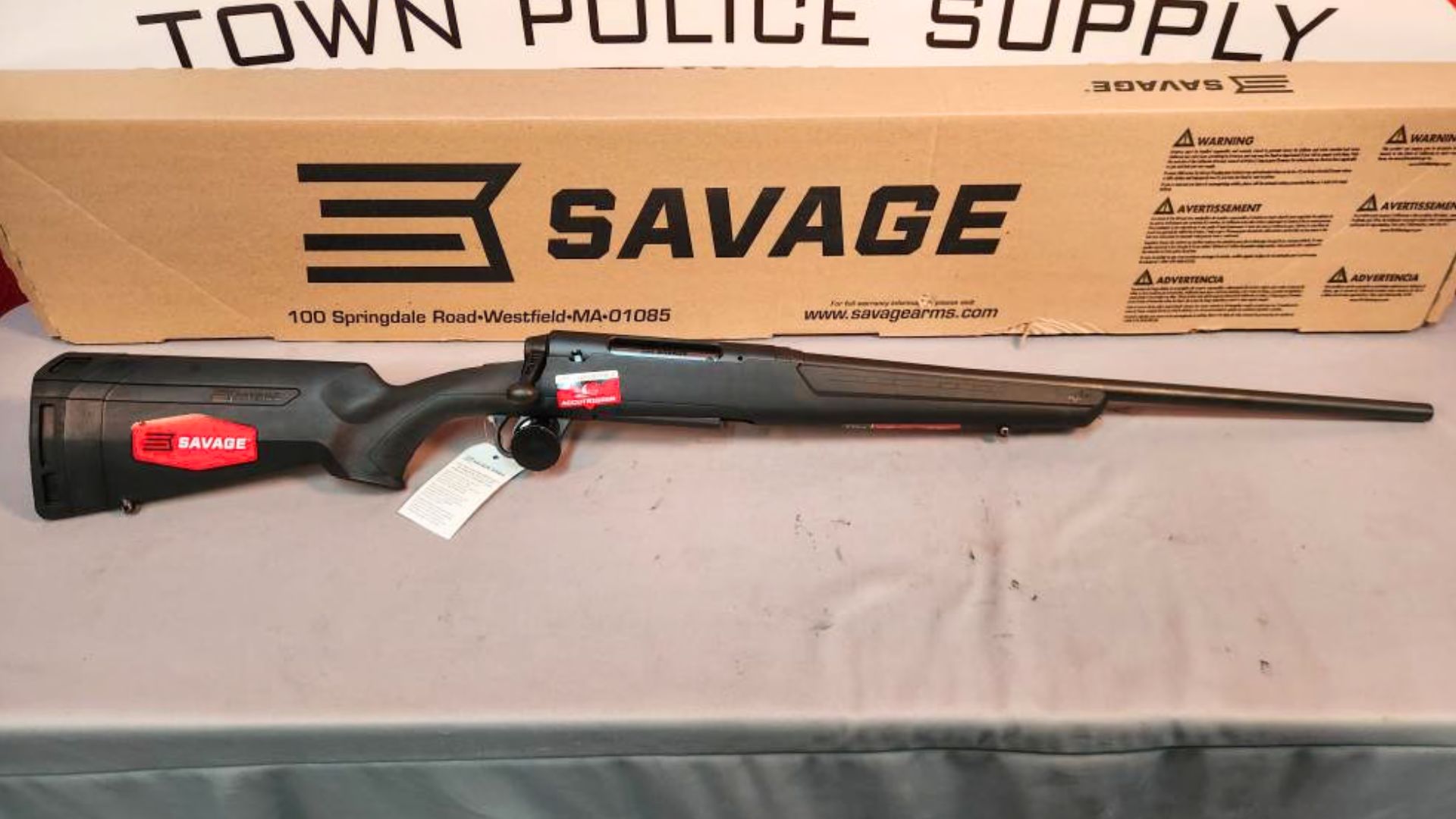
The Axis II often surprises new owners with how accurate it can be right out of the box. But if you run a full magazine too fast, you’ll see group sizes grow. The cold barrel groups are typically tighter—sometimes dramatically. That’s partly due to barrel whip and partly to heat affecting the bedding pressure. This is a gun that rewards patience. Shoot a group, let it breathe, and it’ll behave. Try to push it like a range gun and things won’t stay as predictable. It’s not a flaw—it’s just the reality of lightweight bolt-action barrels.
Marlin XS7

If you’ve got your hands on one of these discontinued rifles, you probably already know it shoots better cold. Marlin didn’t overbuild the XS7’s barrel, so heat creep is a thing. The first few shots settle in nicely, especially with mid-weight bullets. But once the barrel gets hot, expect to see a little shift or horizontal spread. It’s not drastic, but enough to throw you off if you’re zeroing or verifying dope. For a budget rifle, it punches up in terms of cold-bore accuracy, which is what matters for hunting scenarios anyway.
Mossberg MVP Patrol
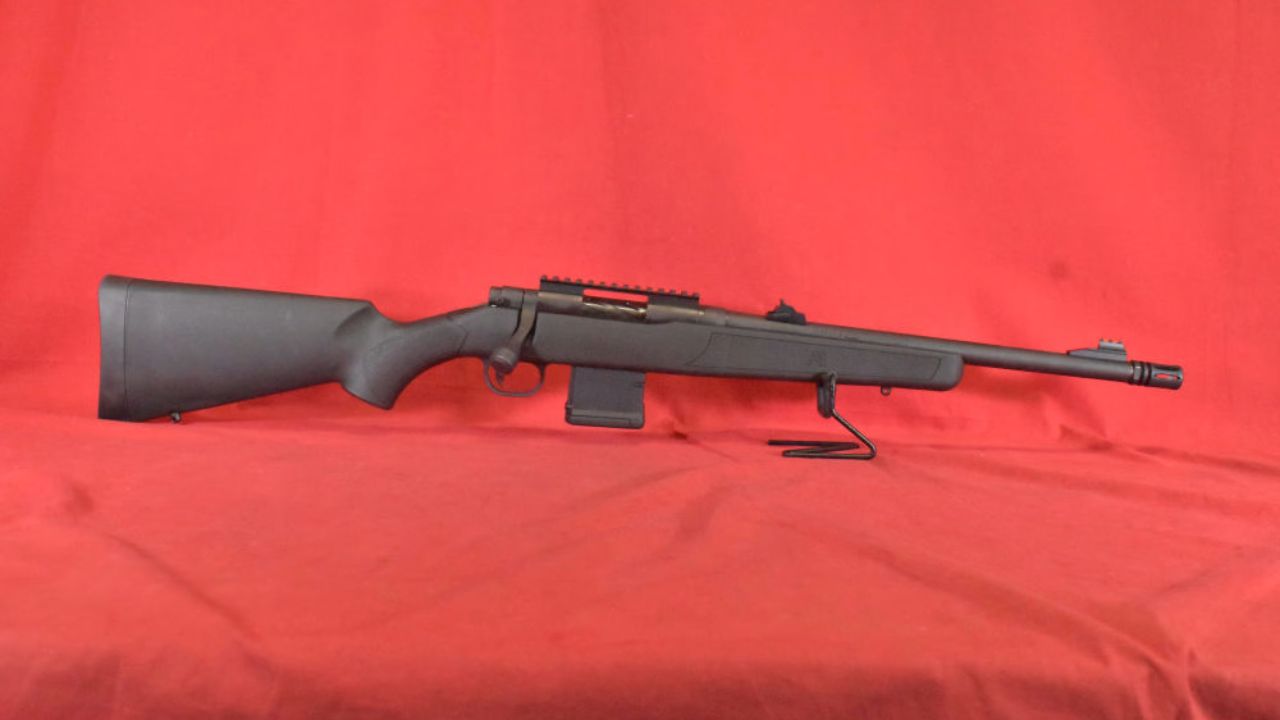
The MVP Patrol has a lot going for it—AR mags, threaded barrel, and a short, handy profile. But one thing it struggles with is heat tolerance. The cold groups are great. That fluted barrel performs nicely for the first string. But as soon as it gets warm, shot placement starts to drift. This isn’t an issue for slow-paced shooting or field use, but if you’re training or pushing volume, you’ll need to pause. You’ll find yourself chasing your own groups if you don’t let it cool off between strings. It’s still a solid rifle—just one that likes to start cold.
Browning A-Bolt III
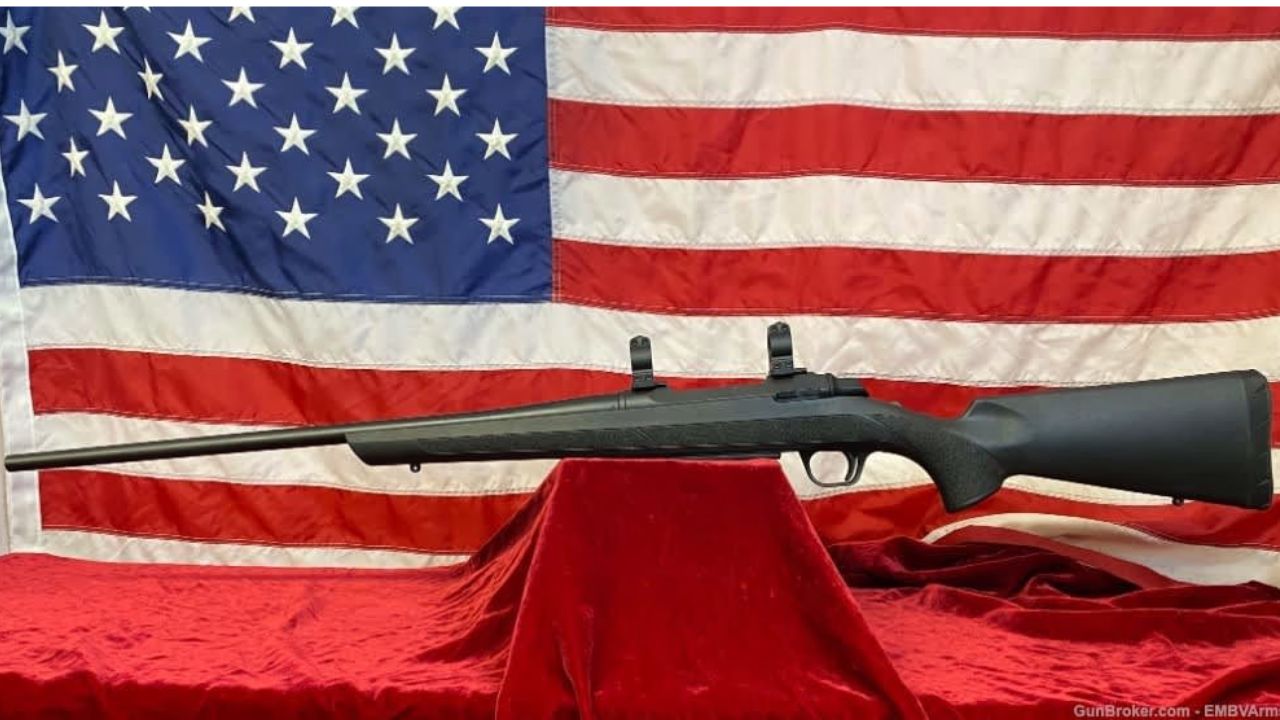
The A-Bolt III tends to be a one-hole performer for the first three shots. After that, heat soak takes some of the shine off. It’s often the barrel channel or contact points in the stock that start affecting harmonics. Some models are more prone to it than others, especially in .270 and .30-06. Shooters who try to zero or test loads too quickly get frustrated. But when you slow down and let that barrel stay cool, this rifle can surprise you. The cold-bore zero is where it really shines.
CZ 557
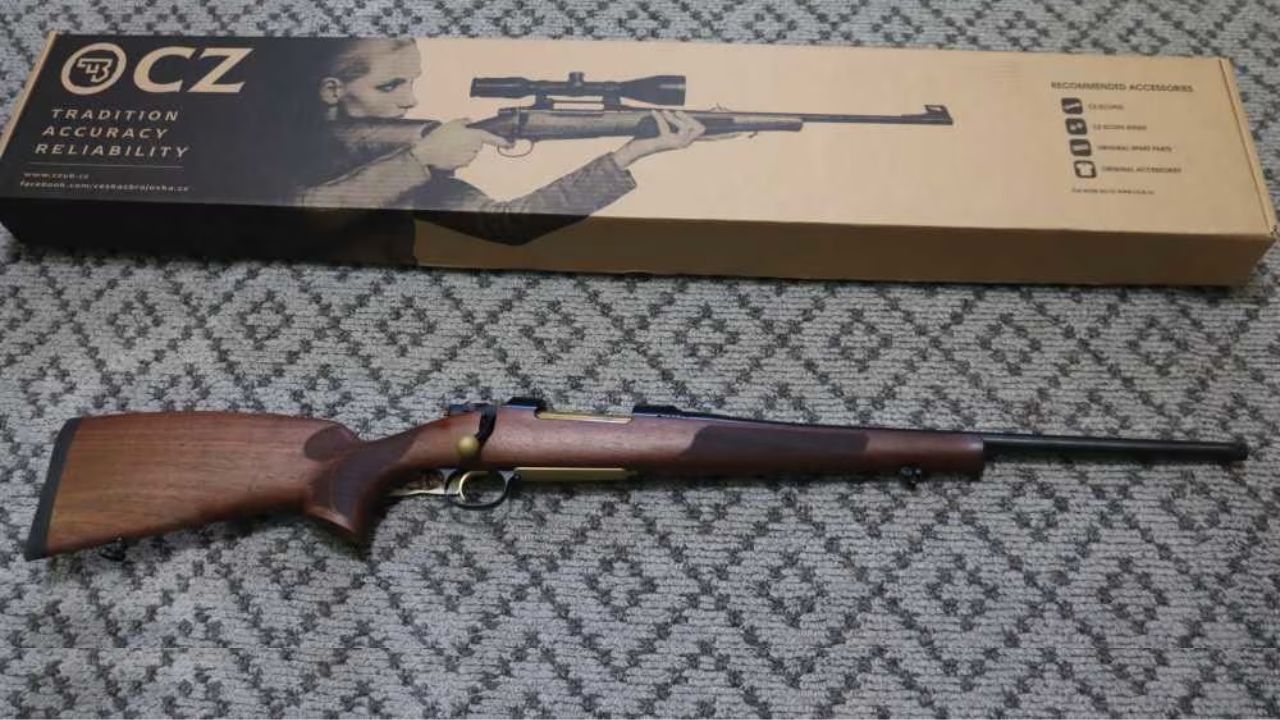
The CZ 557’s cold accuracy is usually excellent—tight, predictable, and consistent. But push it too hard and you’ll feel things open up. The forged barrel does fine in moderation, but once heat sets in, some shooters report noticeable point-of-impact shift. It’s not always a huge spread, but enough that you’ll start questioning your scope. That said, this rifle’s cold behavior is so repeatable that you can rely on it for first-shot hits at longer ranges. Just don’t confuse it with a bench rifle—it prefers a calm hand and a cold bore.
Bergara B-14 Ridge
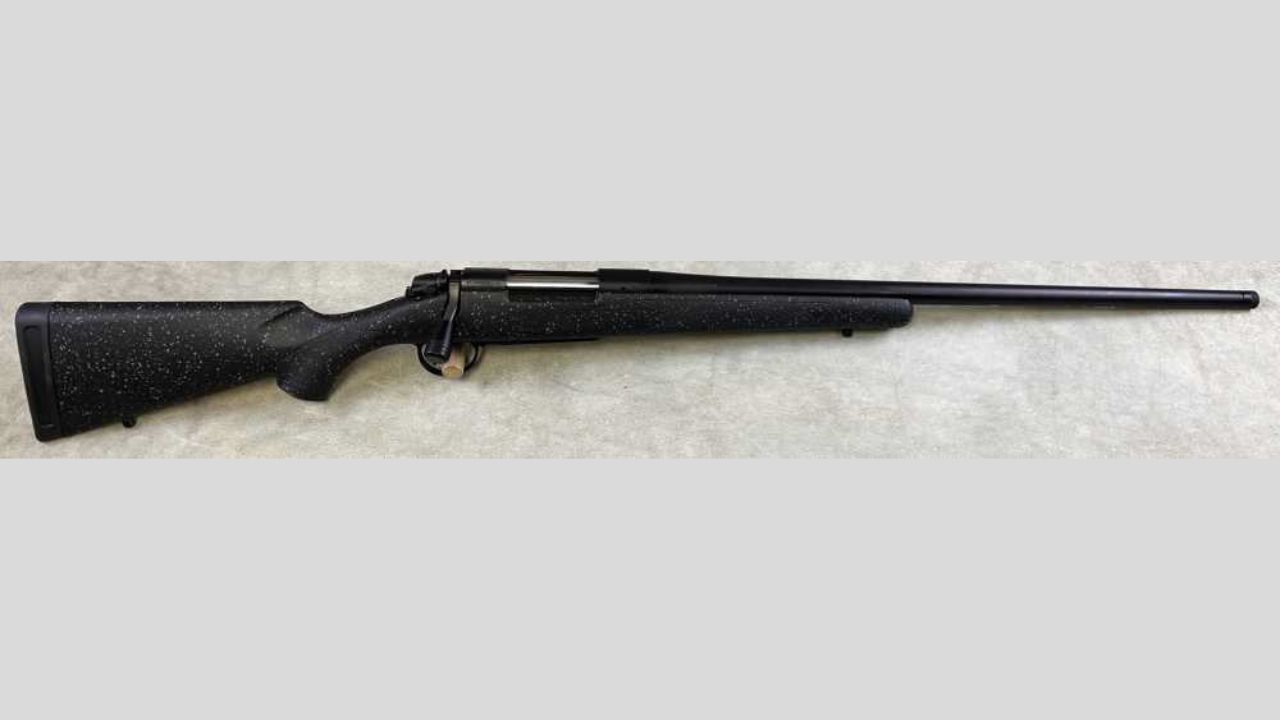
The B-14 Ridge is known for out-of-the-box accuracy, and that’s especially true for cold-bore groups. The heavier barrel profile helps mitigate some heat shift, but even then, the first group is usually the best. Once it warms up, you might notice some vertical movement or slight stringing. It’s not unusable—far from it. But for shooters tracking precise dope or dialing long-range targets, those changes can throw you off. This rifle rewards a slow, steady pace. It’ll give you more consistency if you keep it cool and don’t rush your follow-ups.
Howa 1500 Standard

The Howa 1500 with the standard sporter barrel is another rifle that performs best when cool. The first two or three shots often print tight. But push it through a full mag too quickly and you’ll likely see point-of-impact shifts. Some of it comes down to barrel contour. Some comes down to stock pressure as the barrel expands. Either way, the first shots tend to be more consistent. If you use this rifle for hunting, you’re in the sweet spot. If you plan on long range steel sessions, give it time to cool and it’ll reward your patience.
Tikka T3x Lite

Tikka rifles are often held up as examples of great factory accuracy, and the T3x Lite delivers—especially when cold. The pencil-thin barrel keeps things light in the field but comes with compromises. As soon as it heats up, groups start to widen. You’ll usually see your best groups in the first five shots. Beyond that, things wander unless you give it a break. That’s not a knock on its quality—it’s just how a thin-barreled hunting rifle behaves. If you’re sighting in or shooting groups, take your time and let the barrel cool down. It’ll reward you.
Like The Avid Outdoorsman’s content? Be sure to follow us.
Here’s more from us:
The worst deer rifles money can buy
Sidearms That Belong in the Safe — Not Your Belt
*This article was developed with AI-powered tools and has been carefully reviewed by our editors.