Photo credit: Bulletproof Tactical/YouTube
A lot of pistols get marketed as “precision-focused” or “range-ready,” but once you start shooting them side-by-side with proven performers, the story changes fast. Accuracy comes from barrel fit, slide lockup, trigger consistency, and how well the gun handles real-world conditions—not from buzzwords stamped on the box. Some handguns simply don’t shoot to their reputation, no matter how much you adjust your grip or slow your breathing. If you’ve spent time on the firing line, you already know the difference between a pistol that tracks true and one that never settles. These are the models that often talk a big game but rarely deliver the consistent groups serious shooters expect.
KelTec PF9

The KelTec PF9 has long been sold as a lightweight carry gun with surprising accuracy for its size, but anyone who has tried to stretch it beyond close-range knows how inconsistent it can be. The long, heavy trigger and narrow grip make it tough to keep steady, especially when you’re trying to call your shots. Even with slow fire, the pistol tends to wander, and finding a load it truly prefers is a challenge.
Reliability isn’t the main issue here—it’s the unpredictable point of impact. Many shooters report the PF9 grouping several inches off at modest distances, and follow-up shots rarely settle in the same spot. For a gun billed as “accurate enough,” it leaves you wishing it lived up to the promise.
Taurus PT140 Millennium

The PT140 Millennium claims solid accuracy in a compact .40 S&W package, but the snappy recoil and short sight radius work against it. Even experienced shooters struggle to maintain tight groups once they start pushing past short distances. The trigger can feel mushy, which makes it harder to break clean shots when precision matters.
While the pistol is generally reliable, accuracy varies wildly from shooter to shooter. Some guns print reasonable groups, while others scatter shots with no clear pattern. When a handgun markets itself as a dependable defensive tool that shoots straight, it needs to deliver consistent results—and the PT140 too often falls short.
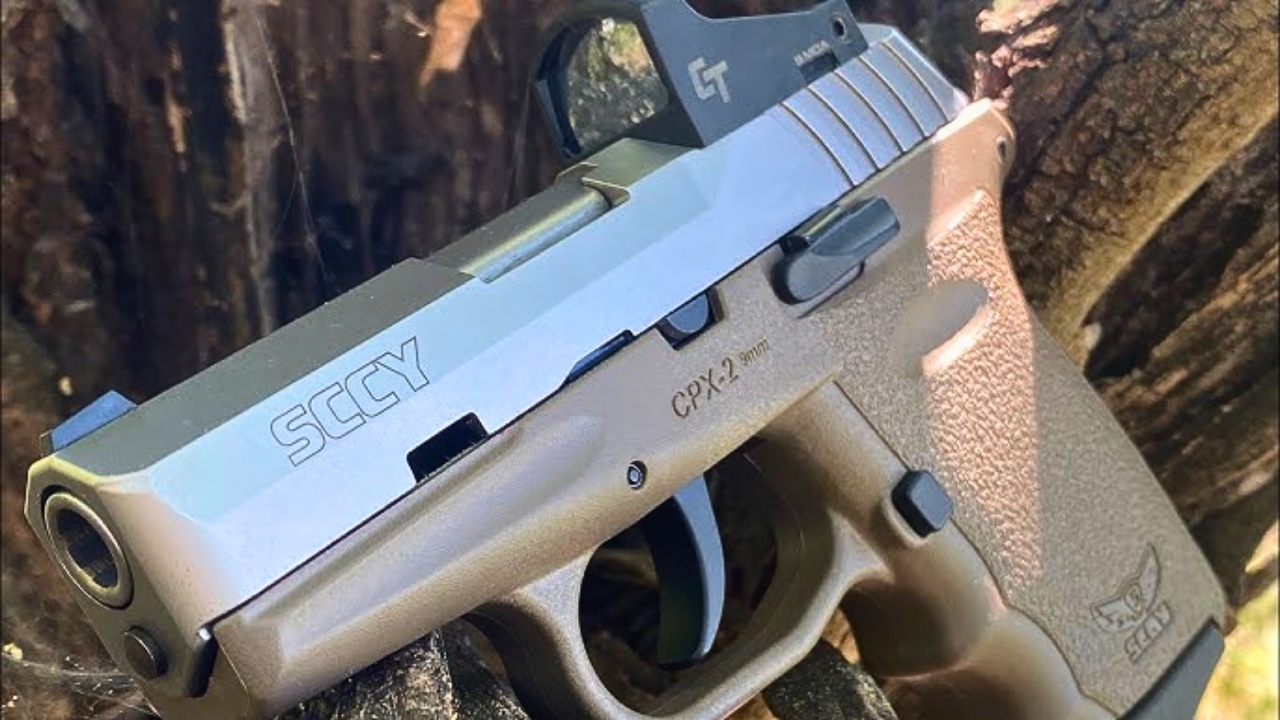
SCCY CPX-2
The SCCY CPX-2 offers affordability and a small footprint, but precision has never been its strong suit. The long double-action trigger pull makes it difficult to maintain a steady sight picture, and the lightweight frame amplifies every small movement in your grip. You end up fighting the gun instead of letting it settle.
At close distances, it performs well enough, but move to moderate range and the inconsistencies show up fast. Group sizes open dramatically, and the pistol doesn’t return to the same point of aim reliably. It’s marketed as accurate “for its size,” but serious shooters quickly learn the difference between acceptable and dependable accuracy—and this one stays on the lower end.
Hi-Point C9
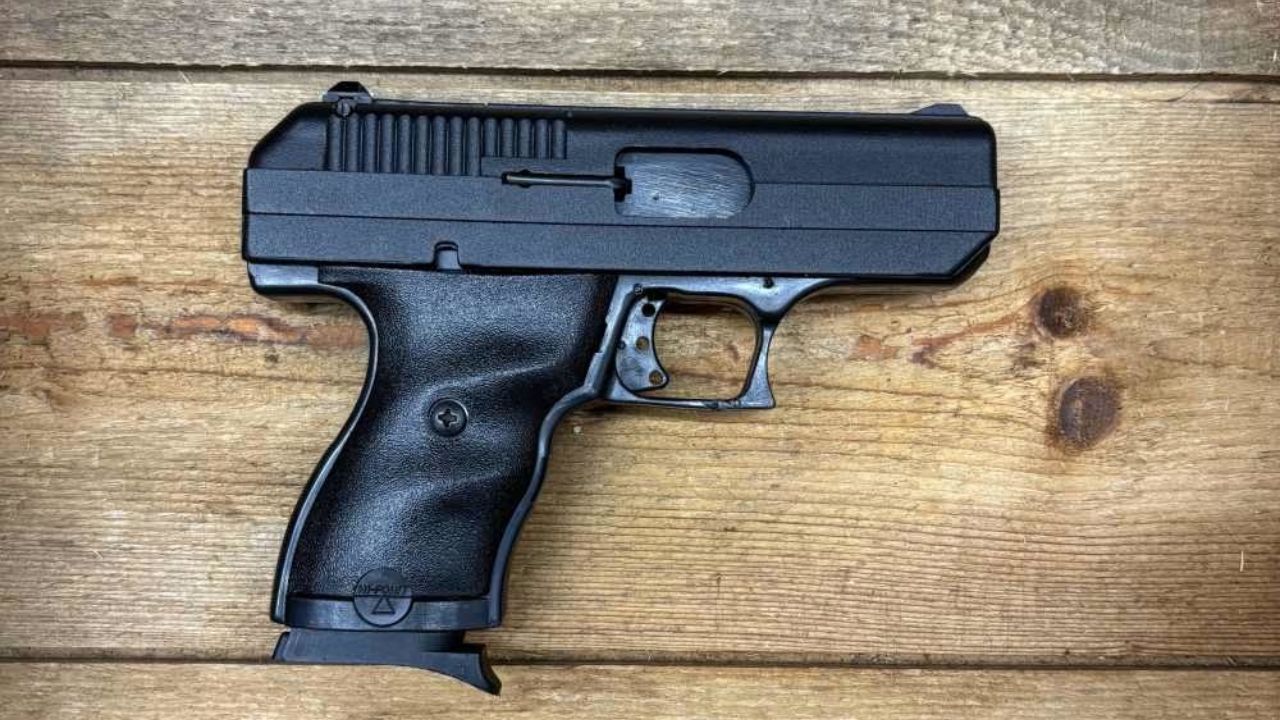
The Hi-Point C9 often gets praised for being “surprisingly accurate,” but when you put it on paper next to well-built pistols, the limitations show up immediately. The heavy slide and awkward ergonomics make it tough to maintain a consistent grip, and the trigger’s gritty feel doesn’t help. Precise shooting becomes more work than it should be.
Yes, some individual guns can shoot decent groups, but consistency is rare. The sights aren’t particularly refined, and the overall design doesn’t lend itself to controlled, repeatable accuracy. For a pistol that gets talked up as an underdog, it rarely lives up to the hype when accuracy actually matters.
Beretta Nano
The Beretta Nano promises clean lines and snag-free carry, but accuracy suffers from the minimalist sights and oddly chunky recoil impulse. The DAO-style trigger has a long pull that makes slow-fire precision harder than it should be. Shooters often notice the pistol jumping slightly off line between shots, especially with hotter 9mm loads.
Even if you take your time, the Nano doesn’t always group as tightly as expected. It’s perfectly functional as a deep-concealment gun, but it never lived up to the “accurate micro-9” reputation that early marketing hinted at. If you want confidence at more than arm’s-length distances, this one struggles to back up the promise.
Walther CCP (first generation)

The first-generation Walther CCP sold itself as a soft-shooting pistol with accuracy to match, thanks to its gas-retarded system. In reality, that system introduced odd recoil timing and a sluggish slide feel that made precision work harder. The trigger wasn’t particularly crisp either, which led to drifting shots during slow fire.
The gun is pleasant to shoot, but pleasant doesn’t equal accurate. Group sizes tend to float, and many shooters report vertical stringing that’s tough to correct. Later revisions improved reliability, but the original CCP simply didn’t deliver the accuracy its design suggested.
Remington R51 (2014 release)
The resurrected R51 was marketed as a modernized version of a classic design with excellent handling and accuracy. Unfortunately, the early production models were plagued by issues, and accuracy was one of them. The hesitation-lock system created inconsistent cycling, which affected how the gun settled between shots.
Even when functioning correctly, the thin grip and sharp recoil impulse made it tough to keep the sights aligned. Group sizes often disappointed shooters who expected something more refined. While the R51 had potential on paper, the real-world performance rarely matched the claims—especially when accuracy was the focus.
Kahr CW380
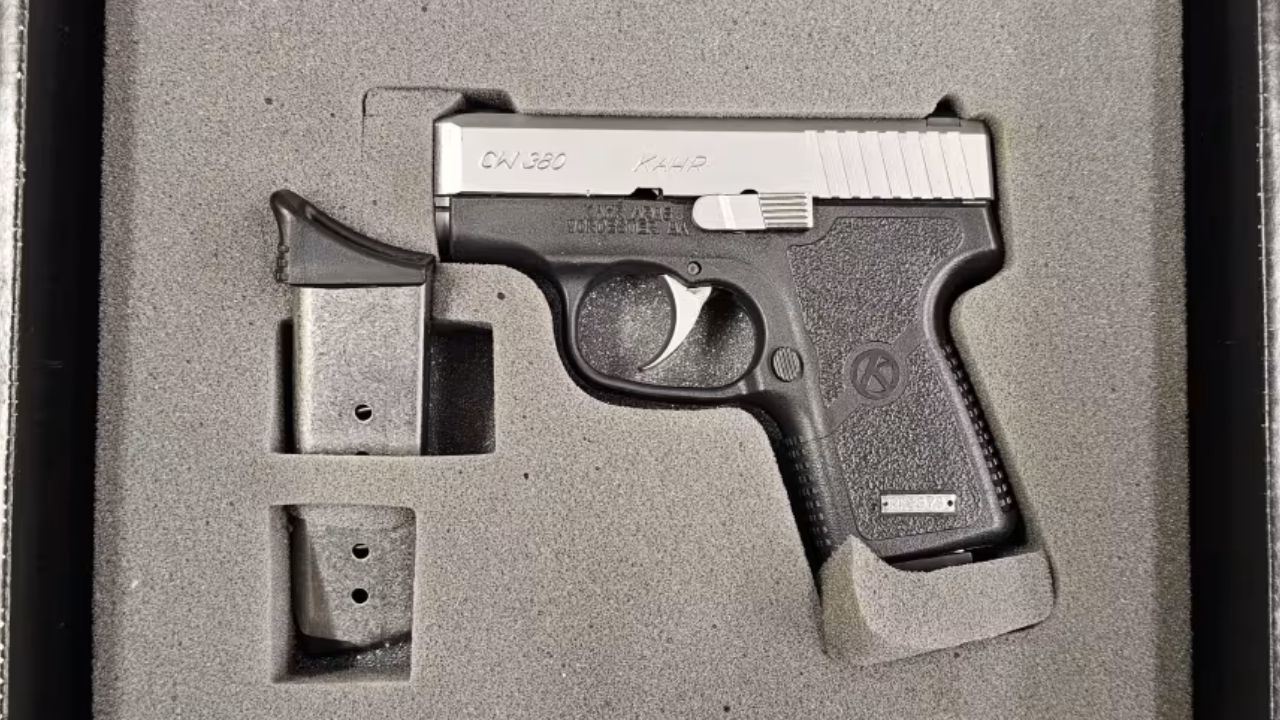
The Kahr CW380 is incredibly easy to carry, but that convenience comes at the cost of precision. The long, smooth trigger is great for safety but makes it hard to shoot small groups consistently. Its tiny grip forces your hands into positions that lack stability, and even seasoned shooters find themselves drifting off target.
At the ranges it was designed for, it performs acceptably, but beyond that, accuracy drops off fast. You can work with it and learn its quirks, but it never becomes a true precision tool. Despite being marketed as a “high-quality micro-carry gun,” it doesn’t hit the accuracy marks suggested by its pedigree.
Bersa Thunder 380 Combat
The combat-styled version of the Thunder 380 claims improved accuracy through better ergonomics and sighting options. In practice, the pistol still struggles to produce consistent groups at anything beyond short distance. The lightweight build causes muzzle rise that’s tough to manage, and the DA/SA trigger requires practice to master.
Some shooters get decent performance out of it, but it’s inconsistent across different examples. For a pistol often praised as a budget option with “better accuracy than you’d expect,” it rarely meets the expectations set by that praise when you put it on paper.
KelTec P3AT

The P3AT is one of the original pocket .380s that promised practical accuracy in an ultra-compact package. It absolutely fills the role of deep concealment, but precision is another story. The minuscule sights and snappy recoil make it difficult to maintain alignment, and the long trigger pull challenges even experienced shooters.
Groups tend to scatter once you extend past close-contact distances. It’s not that the gun is unreliable—it’s simply not built for precision no matter what early marketing suggested. If you need a pistol that truly delivers accurate fire beyond a few yards, the P3AT doesn’t rise to the challenge.
Like The Avid Outdoorsman’s content? Be sure to follow us.
Here’s more from us:
The worst deer rifles money can buy
Sidearms That Belong in the Safe — Not Your Belt
*This article was developed with AI-powered tools and has been carefully reviewed by our editors.