Photo credit: CW Longshot/YouTube
Some firearms build a following because they were heavily marketed, looked different at the right moment, or caught a wave of attention that made them seem bigger than they really were. Others earn loyalty the slower way. They stay in safes, holsters, scabbards, and truck racks because they keep proving themselves. Owners keep shooting them, carrying them, hunting with them, and passing them down because the guns still make sense long after the first excitement wears off. That kind of following is harder to build and a lot harder to fake.
What usually creates that kind of loyalty is not one flashy feature. It is a combination of trust, usefulness, shootability, durability, and the feeling that the gun does its job without needing excuses made for it. Some of these firearms became famous. Others stayed a little quieter and built their following through word of mouth and long-term ownership. Either way, they earned it the right way. People stayed loyal because the gun kept giving them a reason to.
Glock 19

The Glock 19 built a loyal following for good reason because it landed in one of the most useful spaces any handgun can occupy. It is compact enough to carry, large enough to shoot well, and simple enough that a huge number of owners can learn it quickly and trust it without much complication. Plenty of pistols do one of those jobs well. The Glock 19 earned loyalty because it kept doing all three well enough that people stopped feeling a strong need to replace it.
That loyalty also came from consistency. Owners learned what the gun was going to feel like, how it was going to recoil, and what it would ask from them every time they picked it up. A firearm builds a following when it becomes part of someone’s routine instead of a project they are always trying to fix. The Glock 19 did that for a lot of shooters, which is why its following has lasted so long.
Remington 870

The Remington 870 built a loyal following because it became the kind of shotgun people could use for almost anything without feeling like they had chosen poorly. Hunting, home defense, truck-gun duty, slug season, and general hard use all sat squarely in its wheelhouse. It was not loved because it was fancy. It was loved because it kept working, kept handling well, and kept proving that a pump gun could be both practical and deeply trustworthy.
It also earned that following because people learned the gun early and kept it for years. Once a shooter becomes comfortable with a shotgun that loads smoothly, points naturally, and runs with very little drama, there is not always much reason to move on. Firearms build loyalty when they remove doubt, and the 870 did that for generations of owners who wanted one shotgun that could do serious work.
Ruger 10/22

The Ruger 10/22 built a loyal following because it never stopped being useful. It works as a beginner’s rifle, a small-game gun, a plinker, a trainer, and a project platform, but the reason people stayed attached to it runs deeper than versatility alone. The rifle is simple, enjoyable, and easy to keep shooting. That matters. A firearm with low friction in ownership tends to become one people never feel like getting rid of.
It also built loyalty because it welcomed people into shooting instead of intimidating them. A lot of owners first learned fundamentals behind a 10/22, and those rifles tend to stick in the mind because they were tied to good range days, easy practice, and the kind of shooting that made people want to come back. A gun that keeps creating positive use usually ends up with a real following, and the 10/22 has done that for decades.
Colt Government Model 1911

The Government Model 1911 built a loyal following because it gave shooters a handgun with a feel that was very hard to replace once they learned it. The trigger, the slim grip, and the way the pistol points created an experience that still feels distinct even in a market packed with modern alternatives. People did not stay loyal only because the design was old or iconic. They stayed loyal because a good 1911 still rewards good shooting in a very direct way.
That following also came from the platform’s ability to become personal. Shooters tuned them, carried them, trusted them, and built deep familiarity with the way the gun worked. Firearms earn loyalty when owners feel like the gun is giving them something that is hard to get elsewhere. The 1911 has done that for generations, which is why its following remained strong long after easier and newer systems arrived.
Winchester Model 70
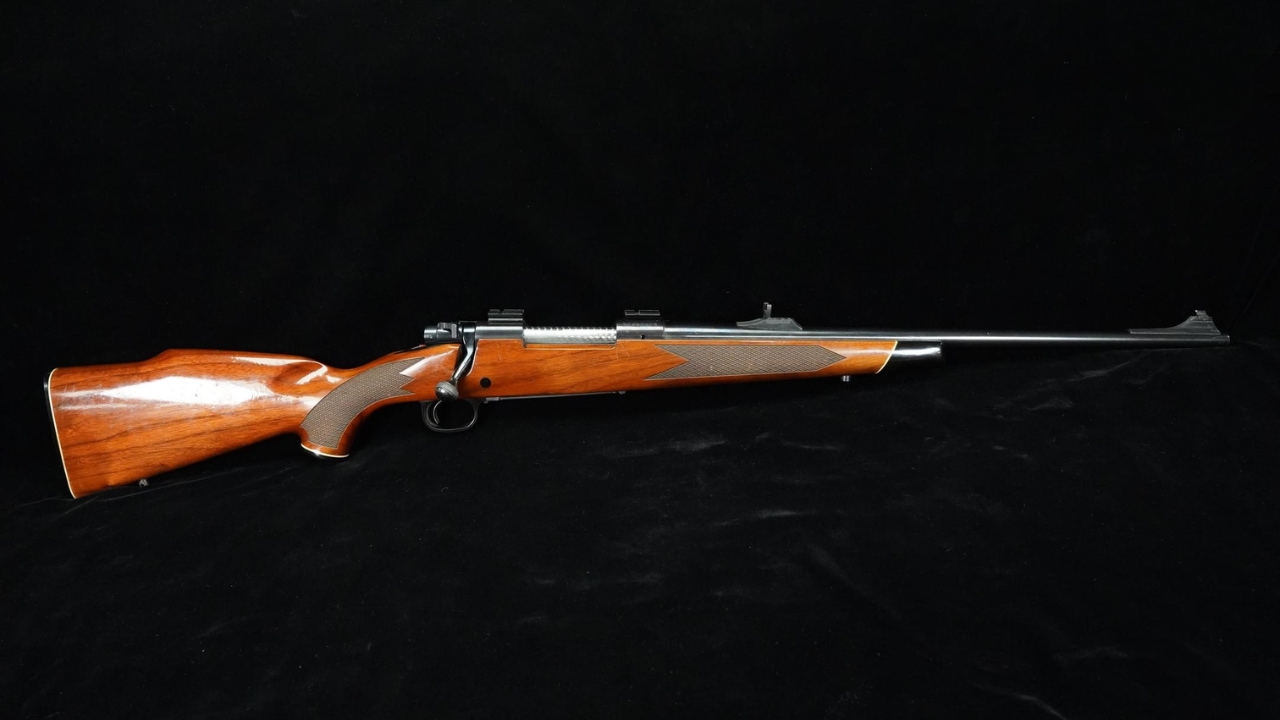
The Model 70 built a loyal following because hunters kept discovering that it felt like a true field rifle. It handled well, inspired confidence, and gave people the sense that they were carrying something made for real hunting rather than only for selling points. That is a powerful thing. Once a rifle feels right in the hands and proves itself in camp, people tend to stay attached to it in a way that a more generic bolt gun rarely inspires.
Its following also grew because the rifle carried enough personality to matter. A lot of firearms work, but fewer make owners feel like they own something with genuine identity. The Model 70 did both. It shot, carried, and operated like a rifle people were proud to keep using. That sort of pride usually has to be earned in the field, and the Model 70 earned plenty of it.
Smith & Wesson Model 686

The Model 686 built a loyal following because it became one of the clearest answers to the question of what a serious .357 Magnum revolver ought to be. It offered strength, shootability, and flexibility without becoming awkward or overly specialized. Owners could shoot .38 Special for comfort, .357 Magnum for authority, and trust the revolver to handle both with very little complaint. That kind of versatility created a lot of long-term affection.
It also won loyalty because it felt good to shoot, not merely good to admire. A revolver that points naturally, balances well, and rewards time on the trigger tends to keep its owners. Firearms build strong followings when people enjoy using them as much as they respect them, and the 686 landed squarely in that category. It gave people practical reasons to love it and then backed those reasons up every time it came out of the safe.
Marlin 336

The Marlin 336 built a loyal following because it fit the real-life needs of woods hunters extremely well. It carried easily, pointed quickly, and felt natural in the kind of deer country where shots happen fast and inside ordinary ranges. A lot of rifles can shoot tight groups. Fewer feel so closely matched to the actual movement and rhythm of hunting. That is one reason owners stayed attached to the 336 long after other rifles offered more speed or range on paper.
Its following also came from familiarity and usefulness over time. A rifle that becomes tied to seasons, camps, and successful hunts starts earning something stronger than casual approval. Owners stay loyal because the rifle keeps feeling like the right tool in the places they know best. The Marlin 336 built that kind of trust honestly, which is why people still talk about it with real affection.
SIG Sauer P226

The P226 built a loyal following because it gave serious shooters a service pistol that felt smooth, durable, and confidence-inspiring in all the right ways. It handled recoil well, offered strong accuracy, and carried itself like a handgun built for people who expected real performance instead of shortcuts. That matters. Firearms that feel composed under pressure tend to create deeper loyalty than guns that only look good during first impressions.
It also earned that following by staying credible in hard company. In the duty-pistol world, reputation does not come easy. The P226 had to perform against very strong alternatives, and it kept winning owners because the gun made them feel like they could trust it without much hesitation. A pistol that combines solid mechanics with a serious shooting feel is always going to build loyalty among people who value confidence more than novelty.
Browning Citori

The Browning Citori built a loyal following because it offered shooters an over-under that felt substantial, dependable, and worth owning for the long haul. For bird hunters and clay shooters, that combination means a lot. The shotgun handled well enough to matter in the field, looked good enough to be admired, and held up well enough that owners could imagine keeping it for years without feeling under-equipped or behind the curve.
That sort of loyalty grows when a gun feels complete from the start. Owners are not constantly trying to excuse it or imagine what they will replace it with later. They use it, it performs, and the relationship settles in. The Citori built its following by becoming exactly that sort of gun. It was not only a purchase. It became a dependable part of people’s seasons, and that kind of role builds lasting loyalty.
CZ 75

The CZ 75 built a loyal following because it won people over through actual shooting more than through loud marketing. A lot of owners discovered that the ergonomics, steel-frame stability, and calm recoil behavior made the pistol feel better on the range than they expected from first handling alone. That kind of surprise can be powerful. A firearm that shoots above expectations tends to build stronger loyalty than one that merely meets a well-publicized promise.
Its following also stayed strong because the pistol had character without being difficult. It felt different from the more common service-pistol crowd, but it did not feel gimmicky or impractical. Shooters often became attached because they felt like they had found something genuinely good, not simply popular. Guns that build loyalty that way usually keep it for a long time, and the CZ 75 is a very good example.
Smith & Wesson Model 642

The Model 642 built a loyal following because it solved a carry problem in a brutally direct way. It was light, simple, and easy to conceal when larger handguns felt like too much trouble. That role never disappeared, and experienced carriers know exactly how valuable that is. A gun you can actually keep on you regularly will always mean more than a theoretically better gun that gets left at home half the week.
That loyalty also came from hard-earned familiarity. The 642 is not easy in the same way some pistols are easy. It asks for practice, but owners who put in the time often end up trusting it deeply because they know exactly what it is and exactly what it is for. Firearms build loyal followings when they keep showing up as the right answer to a real problem, and the little J-frame has done that for years.
Tikka T3x Lite

The Tikka T3x Lite built a loyal following because it gave hunters what they actually wanted from a lightweight rifle instead of only what they said they wanted on paper. It was accurate, easy to carry, and smooth enough in operation that real use confirmed the promise quickly. A lot of hunters bought one with practical goals in mind and then discovered the rifle was good enough to keep them from wanting much else.
That sort of satisfaction builds loyalty fast. A rifle that keeps making hunting simpler tends to stay in camp longer than anyone first planned. The Tikka built its following by being dependable where it counted and by avoiding the kind of unnecessary drama that turns ownership into second-guessing. Hunters stayed loyal because the rifle kept doing exactly what they needed without trying too hard to be impressive.
Browning Hi-Power

The Hi-Power built a loyal following because it combined service-pistol credibility with handling that still feels excellent. The grip remains one of the great strengths of the design, and the overall profile gave shooters something slim, natural-pointing, and very easy to appreciate once live fire began. Owners did not remain loyal only because the pistol was historically important. They stayed loyal because it still felt right in the hand and on the range.
Its following also came from the fact that the pistol had a kind of elegance without sacrificing usefulness. Some firearms are loved because they are beautiful. Others are loved because they work. The Hi-Power managed to do both well enough that owners never felt like they were choosing between them. That is a strong formula for long-term loyalty, and it explains why the gun still gets spoken about with such respect.
Ruger GP100
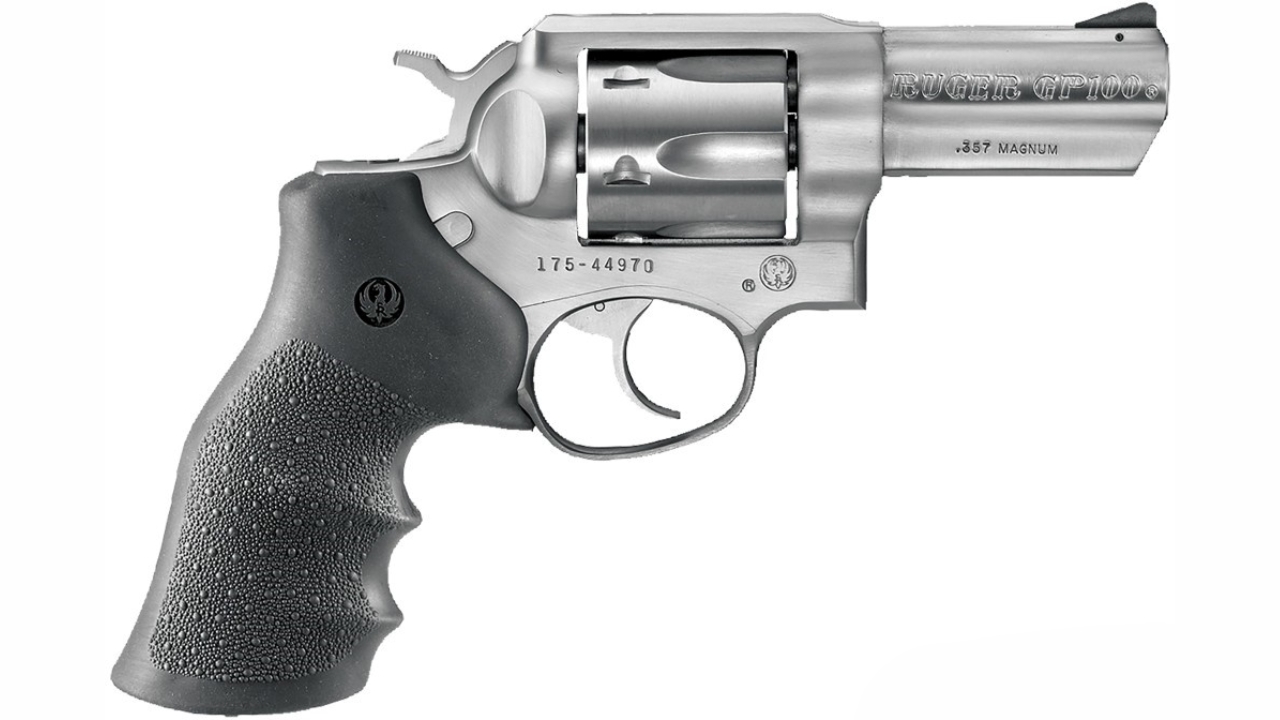
The GP100 built a loyal following because it gave revolver shooters a gun that felt strong enough to use hard and practical enough to keep using often. It handled magnum loads with confidence, held together under abuse, and did not make owners nervous about wearing it out. That sort of durability means a lot to people who buy revolvers to actually shoot instead of simply collect. Owners stayed loyal because the gun kept earning that trust.
It also helped that the GP100 remained enjoyable. A revolver that is tough but miserable to use will not build much real affection. The GP100 balanced ruggedness with shootability well enough that owners kept it around and recommended it to others. Firearms build loyal followings when they are both dependable and satisfying, and the GP100 consistently delivered both.
Beretta 92FS

The Beretta 92FS built a loyal following because it kept surprising people who were willing to put enough rounds through it. At first glance, some shooters saw only the size or the older service-pistol styling. Then they shot it enough to notice how soft, smooth, and confidence-building it actually was. A gun that consistently wins people over after use tends to build a more meaningful following than one that depends on a first impression alone.
That loyalty also came from the sense that the pistol had real presence without being temperamental. It did not feel flimsy, trendy, or uncertain about its purpose. It felt like a gun built to be used hard. Shooters who value that kind of honest service-gun character often stay attached once they find it, and the 92FS gave a lot of people exactly that.
Ruger Blackhawk

The Ruger Blackhawk built a loyal following because it offered single-action revolver owners a field gun that felt robust, practical, and genuinely usable. It was not a decorative throwback. It was a revolver people could hunt with, carry outdoors, handload for, and trust when they wanted a sidearm with real authority. That matters. Firearms build loyalty faster when they fill a role cleanly and keep delivering in it year after year.
Its following also came from the fact that the Blackhawk had personality without becoming fragile or precious. Owners could enjoy the old-school feel and still use the gun with confidence in the real world. That is a powerful combination. Firearms that feel distinctive and still hold up to hard use tend to earn stronger loyalty than guns that are only one or the other. The Blackhawk got both right, which is why people stayed attached.
Like The Avid Outdoorsman’s content? Subscribe to our newsletter so you never miss an article.
Here’s more from us: