Photo credit: 1957Shep/YouTube
Pawn shops are one of the last places where an overlooked revolver can still show up without much warning. Most of the case may be filled with ordinary modern handguns, and then tucked in the corner is an older Smith, Colt, Ruger, Dan Wesson, or imported revolver that somebody traded without realizing how difficult it would be to replace. That is when knowing what you are looking at matters.
I am not buying every old wheel gun simply because it has some finish wear and a low serial number. Timing, lockup, bore condition, forcing-cone condition, and evidence of amateur work still matter. But there are certain revolvers that would make me stop whatever else I was looking at and ask to see them immediately. If one of these showed up mechanically sound and priced like an ordinary used gun rather than a collector piece, I would have a hard time leaving it behind.
Smith & Wesson Model 12 Airweight
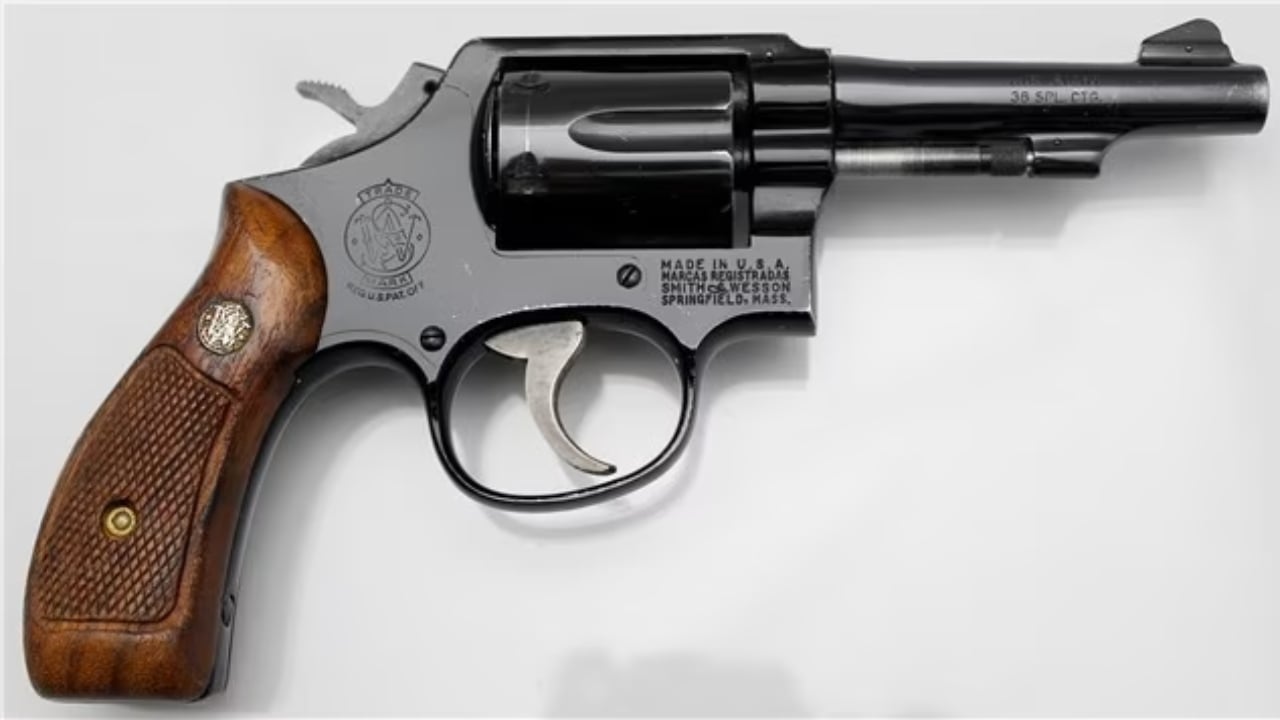
The Model 12 is one of those older Smith & Wesson revolvers that becomes more appealing once you realize how little modern gun counters offer that feels remotely similar. It gives you the familiar K-frame proportions in a much lighter alloy-frame package, generally chambered in .38 Special. That makes it noticeably easier to carry than the steel Model 10 while still giving you a grip and sighting plane larger than the tiny J-frame revolvers most people associate with lightweight carry.
Condition matters because older alloy-frame guns deserve careful inspection, but a clean Model 12 would get my attention immediately. They were once simply practical lightweight revolvers. Now they represent a combination of size, weight, and old Smith craftsmanship that is becoming much harder to duplicate.
Smith & Wesson Model 30-1
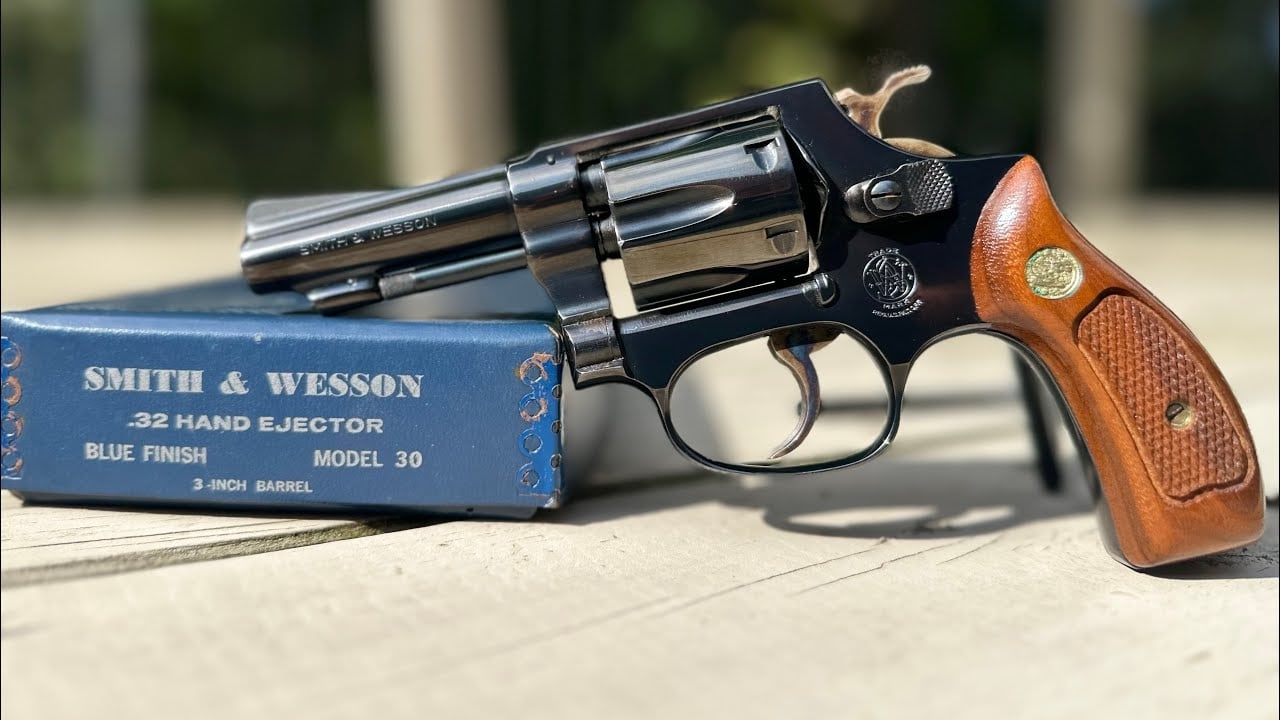
The Model 30-1 is a small I-frame and later J-frame-sized revolver chambered in .32 S&W Long, and that alone makes it interesting today. The cartridge produces very mild recoil, and the revolver’s compact proportions make it an enjoyable little shooter rather than something you have to fight every time you pull the trigger. Older .32 revolvers also have a growing following because people are rediscovering how pleasant the caliber can be.
A nice Model 30-1 can easily be overlooked by someone searching only for .38s and .357s. That is exactly why I would pay attention in a pawn shop. If the timing was good and the gun had not been abused, I would rather buy it before the rest of the market remembers how useful old .32s are.
Smith & Wesson Model 32-1 Terrier
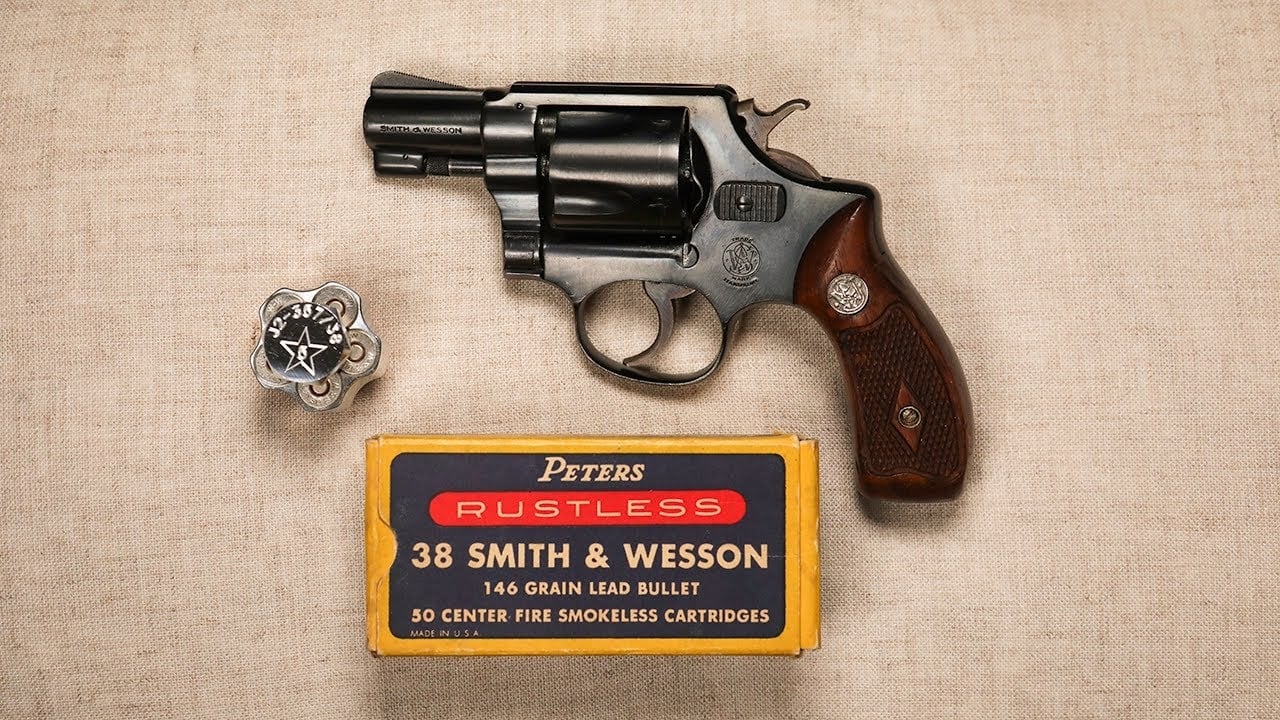
The Terrier is even harder for me to ignore because it squeezes .38 S&W into an exceptionally compact revolver with real old-school character. It is not the gun I would choose for heavy defensive loads or magnum performance. That is not what makes it interesting. The appeal is having a small, steel revolver from an era when pocket guns were expected to be genuinely compact without being made from polymer.
These do not show up everywhere, and the nicest examples tend to disappear quickly once someone recognizes them. A pawn shop employee may simply see another old Smith. I would see a little revolver that has become progressively harder to replace.
Smith & Wesson Model 42 Centennial
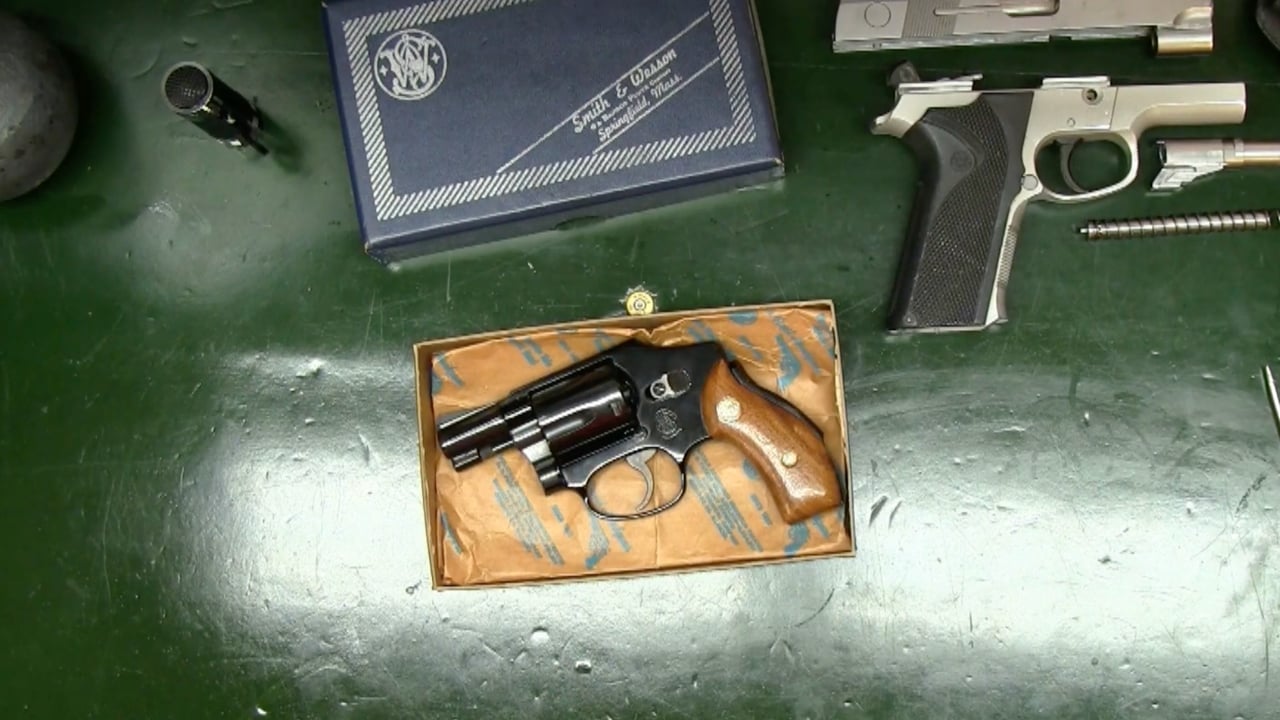
The original Model 42 Centennial is the kind of revolver I would look at very differently from a current production concealed-hammer gun. The aluminum frame, enclosed hammer, and classic lines make it one of the early serious attempts at building a lightweight snag-resistant carry revolver. The design was decades ahead of the modern pocket revolver boom.
Many surviving examples show honest carry wear, and that does not automatically scare me. I would care more about mechanical condition and originality. If I found a clean Model 42 that had not been refinished or altered, it would be one of those guns I would probably buy first and explain later.
Smith & Wesson Model 50 Chief’s Special Target
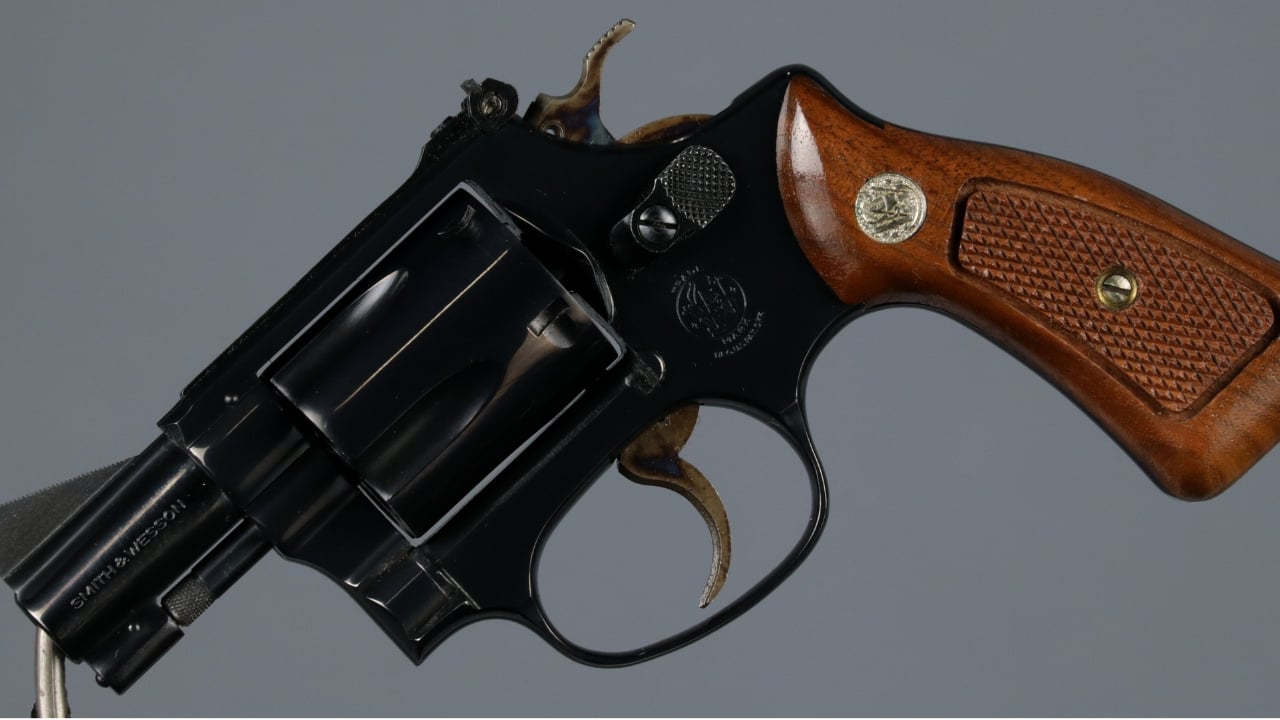
The Model 50 is exactly the kind of revolver people walk past because it looks like another small-frame Smith until they notice the adjustable sights and target-oriented configuration. That combination makes it much more interesting than the average fixed-sight snub. You get compact dimensions with enough sighting capability to actually enjoy deliberate shooting.
These were never the most common Smith revolvers, and good examples are not something I expect to see sitting around. If one showed up in a pawn case with the original sights intact and no obvious modification, I would take it seriously immediately. Strange factory configurations are usually the ones I regret passing on later.
Smith & Wesson Model 544 Texas Wagon Train
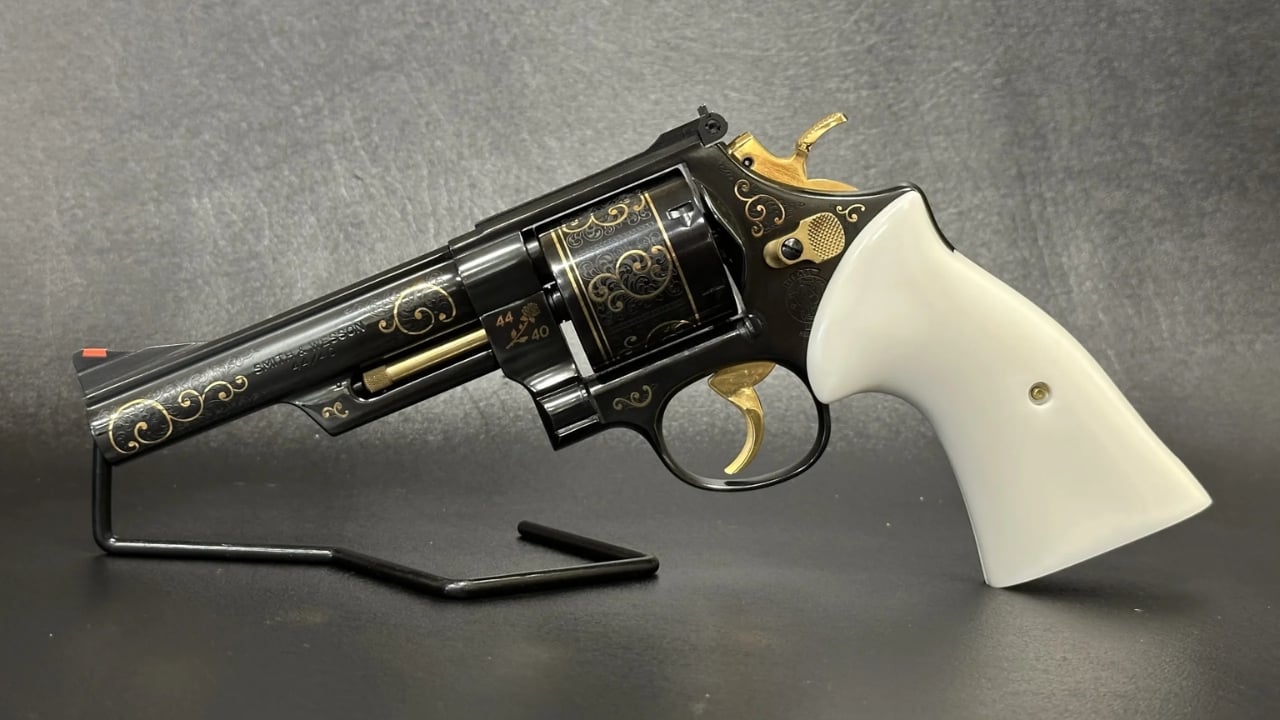
The Model 544 is unusual enough that I would probably ask to see it before I even knew the price. Built around the N-frame and chambered in .44-40, it ties a traditional western cartridge to a large Smith & Wesson double-action revolver. That is a combination you simply do not encounter often.
Its limited-production nature is what makes a pawn-shop discovery so interesting. Someone unfamiliar with the model could easily view it as an odd old .44. I would view it as the sort of specialized factory revolver that becomes much harder to find every year. If it checked out mechanically and the price had not caught up with its scarcity, I would not leave it there.
Smith & Wesson Model 632
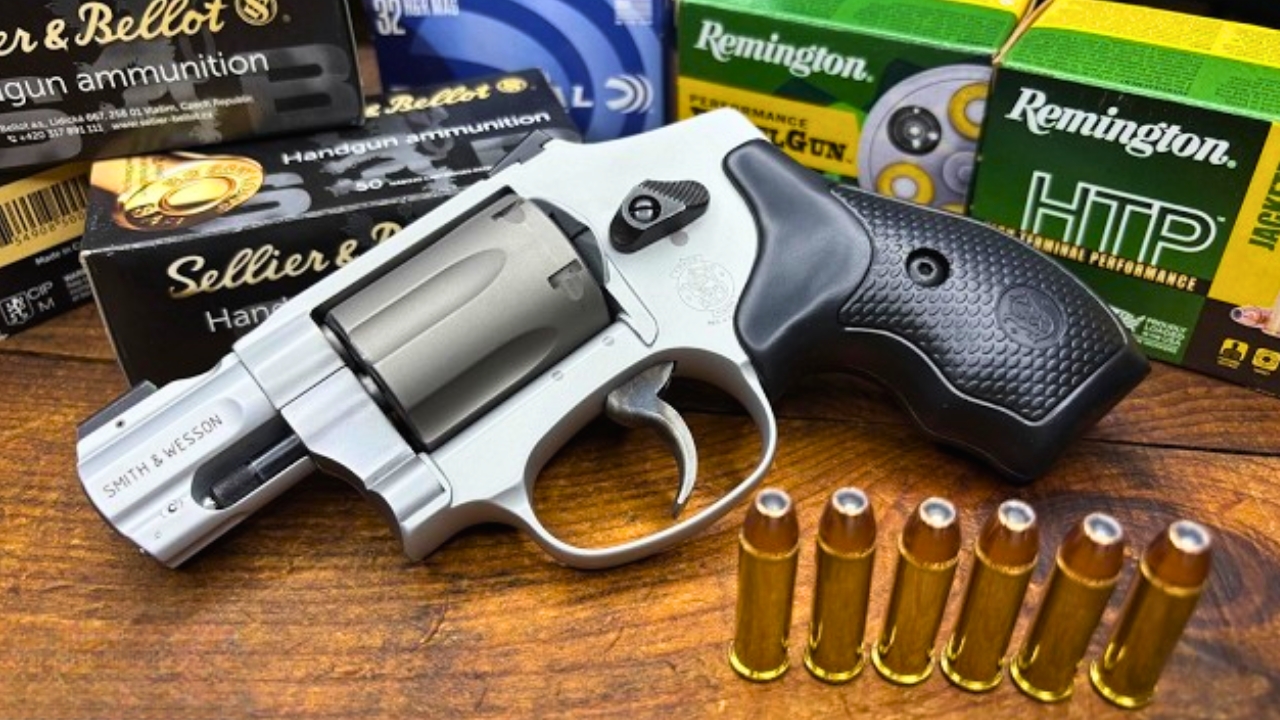
A Model 632 catches my attention because .327 Federal Magnum makes tremendous sense in a small revolver. You gain six-shot capacity in a compact frame while retaining the ability to use several lower-powered .32-caliber cartridges where appropriate. That gives the platform more versatility than the traditional five-shot .38 formula.
The 632 has appeared in different forms over the years, and some variants are much less common than people realize. If I found an older one sitting in a pawn case where everyone else was looking at 9mm pistols, I would be inspecting it carefully. Small .32 revolvers have gone from niche curiosities to guns serious revolver shooters actively hunt.
Colt Border Patrol
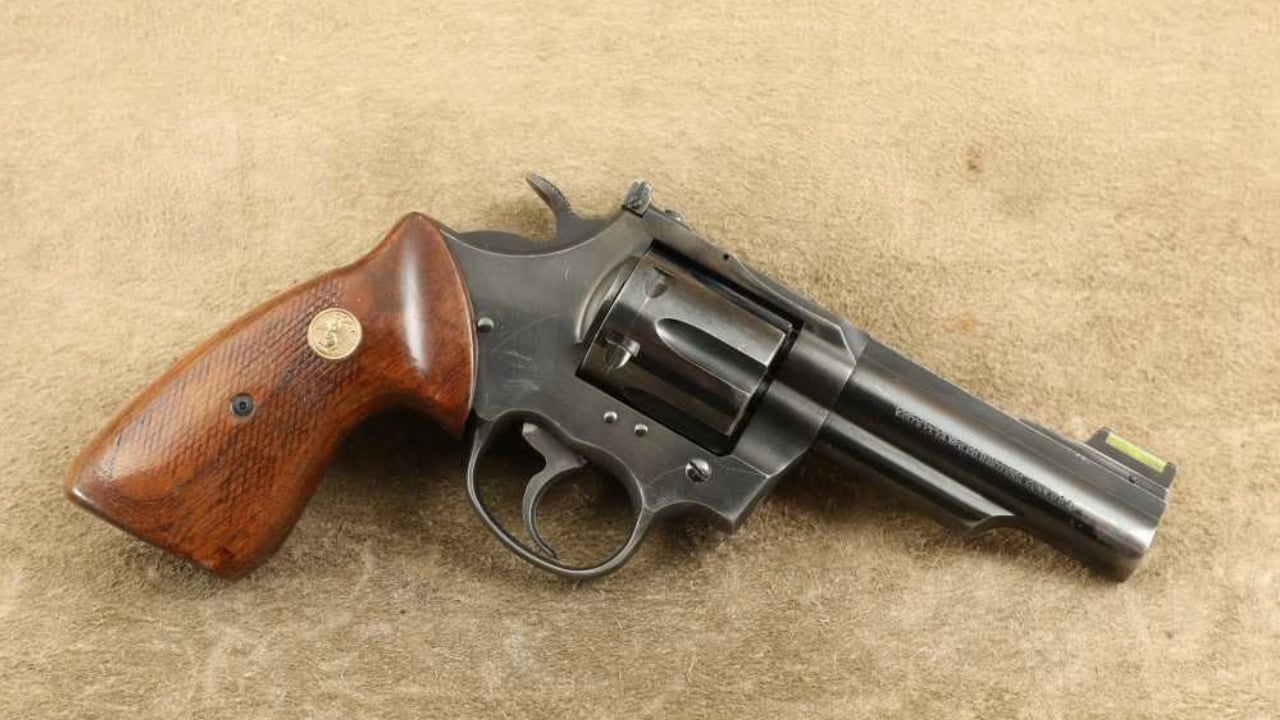
The Colt Border Patrol is one of those revolvers whose name alone would make me stop at the counter. It was built on Colt’s medium-frame double-action architecture and aimed at law-enforcement use, which means surviving guns often have genuine holster wear rather than spending their lives in presentation cases. That actually adds some character if the mechanical condition remains sound.
The important part is scarcity. These were never produced in the numbers of more familiar Colt service revolvers. A pawn shop example could easily be overlooked by someone who recognizes Python and Detective Special names but nothing else. I would not make that mistake.
Colt Cobra Second Issue
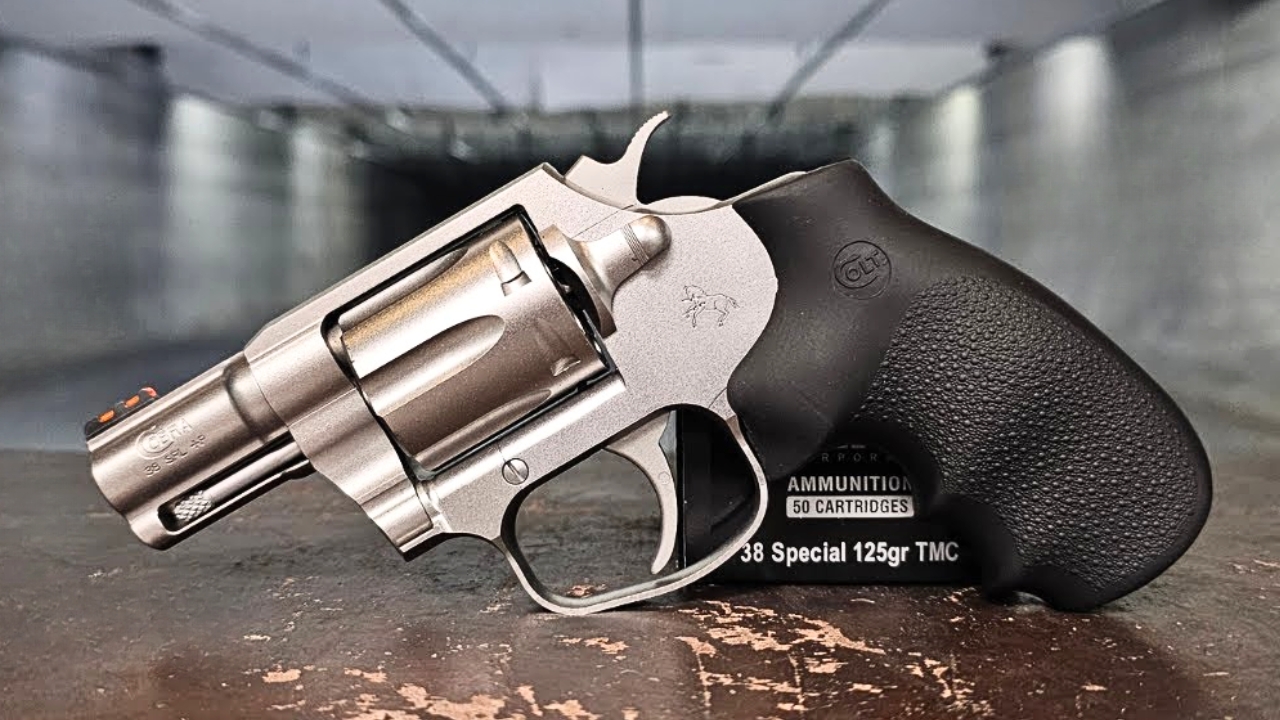
The second-generation Cobra is a lightweight .38 that deserves more attention than it sometimes receives because people often chase the earliest examples first. The alloy frame keeps weight down, while the traditional Colt action and compact dimensions make it a classic carry revolver from an era before lightweight polymer pistols took over.
Finding one with clean finish, original grips, and no mechanical issues would be enough to get me interested. These were carry guns, so many surviving examples have lived hard lives. A genuinely nice one sitting in a pawn shop would not stay there because I decided to think about it for a week.
Colt Agent Second Issue
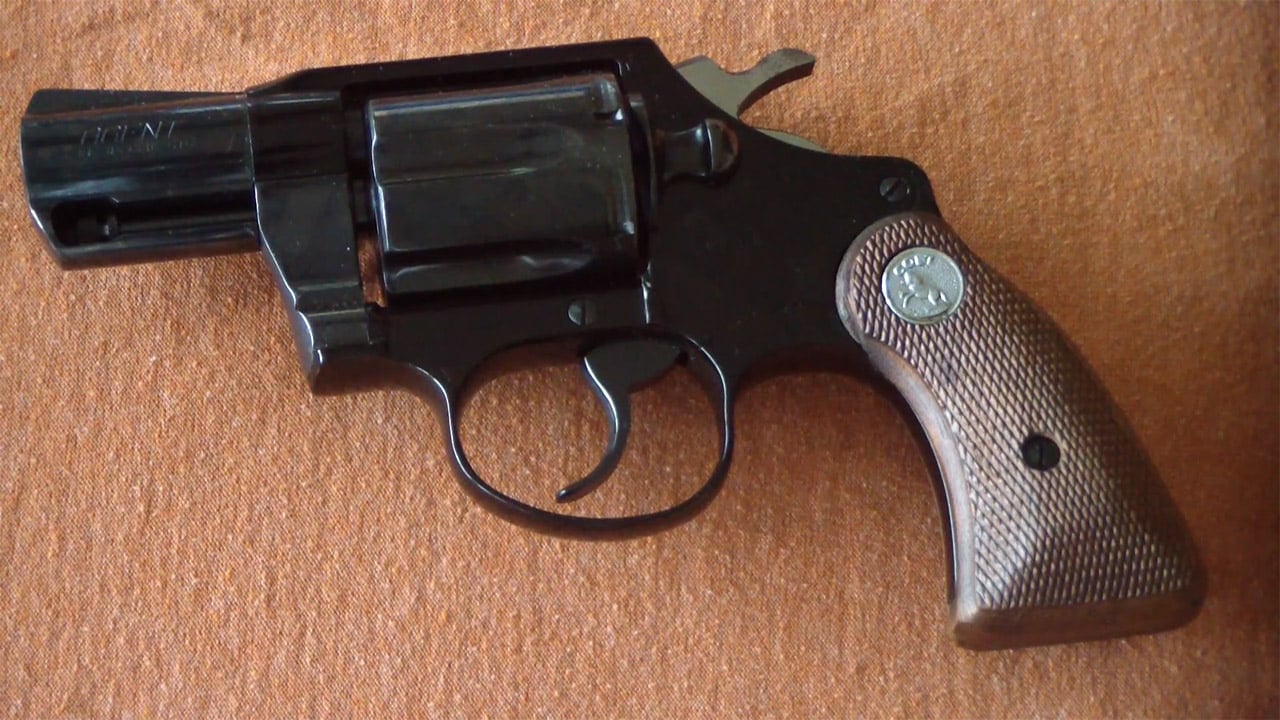
The Agent took the lightweight Colt snub concept and made it even more carry oriented with a shorter grip frame. That makes it one of those old revolvers that seems surprisingly modern once you handle it. The goal was exactly what people still want today: a lightweight revolver that disappears under clothing.
The difference is that Colt is no longer building this exact gun, and good originals are finite. Pawn shops are exactly where one might appear looking a little ordinary beside shiny modern revolvers. If the frame and action were healthy, I would have a hard time passing.
Colt Marshal
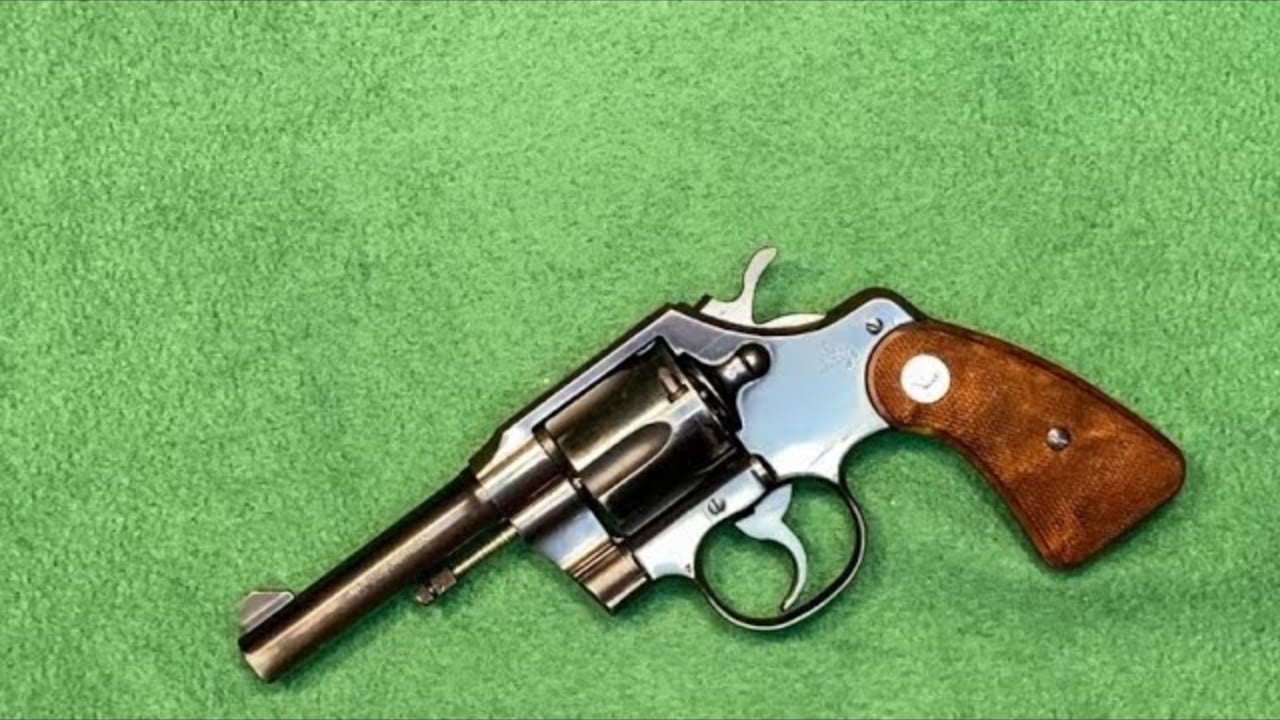
The Colt Marshal is obscure enough that plenty of shooters have never handled one. It was essentially a heavier-duty service-style revolver from the era when Colt was producing several related double-action models. That lack of fame is part of what interests me.
Obscure Colt revolvers have a habit of becoming much more desirable once collectors start filling gaps in their lineups. A mechanically sound Marshal at an ordinary used-revolver price is exactly the kind of thing I would want to catch before someone decided it deserved a collector tag.
Ruger Redhawk .41 Magnum
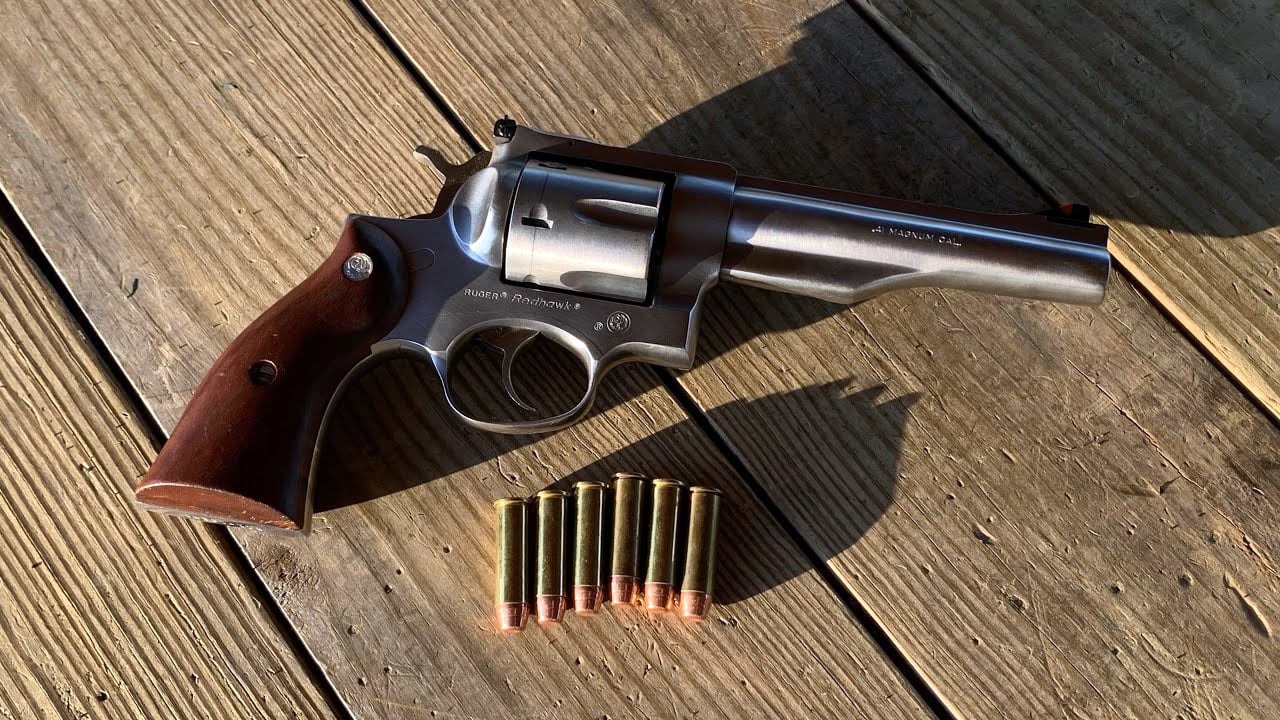
A Redhawk in .41 Magnum would stop me instantly because the chambering and platform are such a natural combination. The Redhawk is built for serious magnum use, and .41 Magnum gives you plenty of capability without simply duplicating another .44. The problem is that .41 versions are not nearly as common as the .44 Magnum guns most people associate with the model.
That scarcity makes a pawn-shop find especially attractive. If the bore was good, the cylinder locked up properly, and nobody had attacked the action with a file, I would be very interested. Big-bore Rugers rarely become easier to find with time.
Ruger Blackhawk .38-40/.40 S&W Convertible
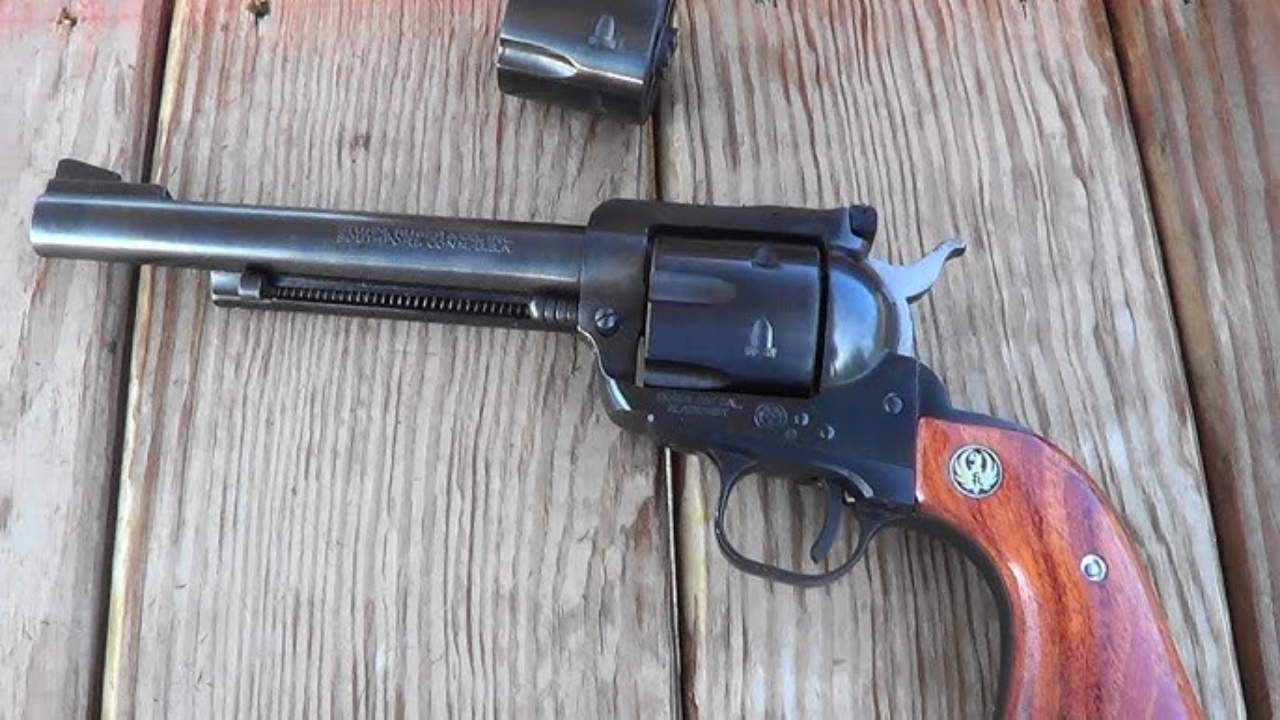
Convertible Blackhawks are already interesting, but the .38-40 and .40 S&W combination is unusual enough to make me look twice. It gives you an old western cartridge in one cylinder and a much more modern semiautomatic cartridge in another. That kind of factory versatility is exactly what makes certain Ruger single actions so collectible.
The key would be finding both cylinders with the gun. Pawn-shop revolvers have a bad habit of being separated from boxes, papers, and conversion cylinders. If everything was present and the revolver was clean, that would move it straight into buy-now territory.
Ruger Bisley Vaquero .45 Colt
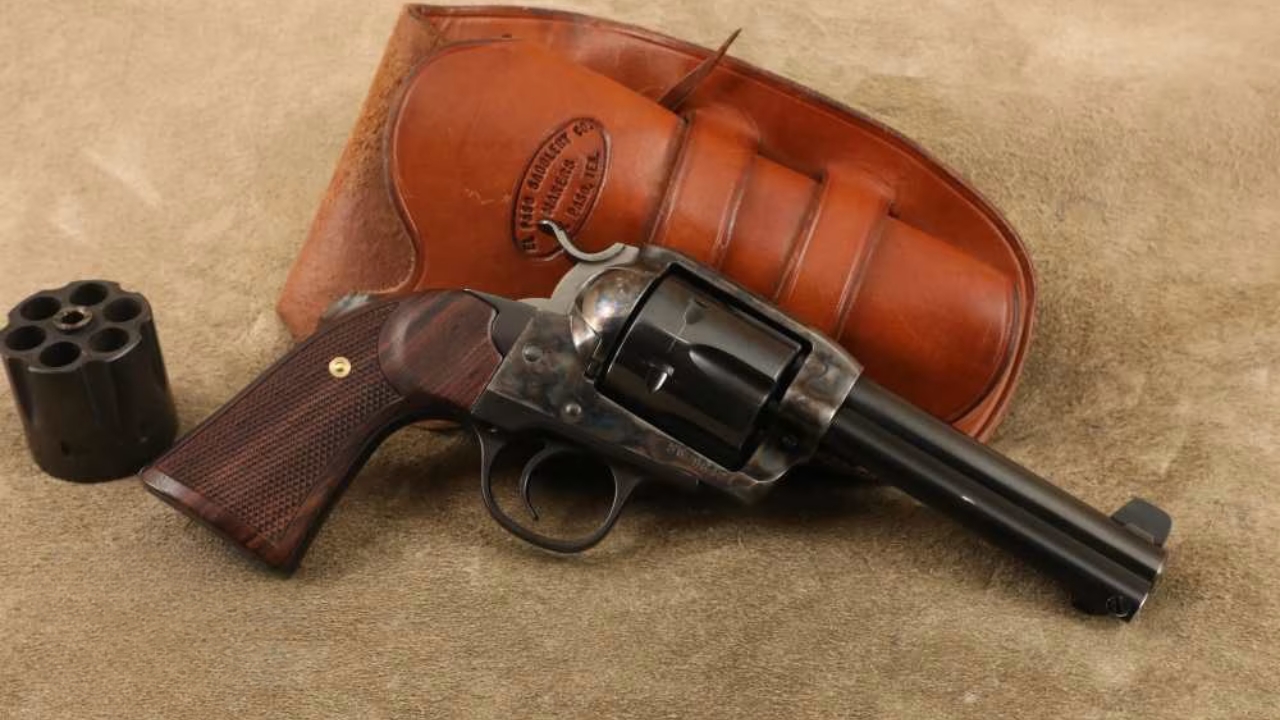
The original larger-frame Bisley Vaquero in .45 Colt has a combination of grip shape, strength, and traditional appearance that makes it extremely appealing to anyone who likes single-action revolvers. The Bisley grip handles heavier recoil differently from the standard plow-handle shape, and the old large-frame Vaquero has a substantial feel newer shooters may not expect.
These were once simply another Ruger catalog option. Now specific configurations command much more attention. If I found a clean older Bisley Vaquero at an ordinary pawn-shop price, I would not assume another one would show up next month.
Dan Wesson Model 44
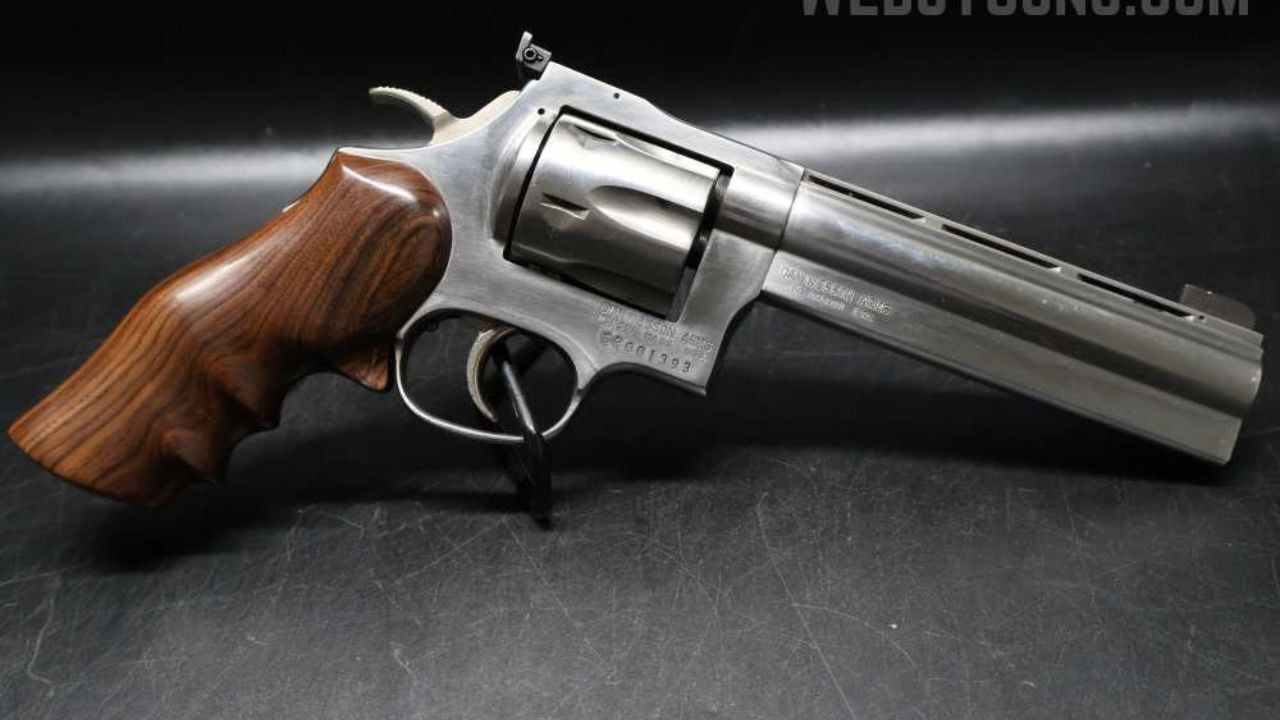
A Dan Wesson Model 44 would get my attention because the interchangeable-barrel system makes these revolvers completely different from most conventional .44 Magnums. You can change barrel assemblies and effectively alter the balance, sight radius, and handling of the revolver without changing the frame.
Complete pistol packs are obviously the prize, but even a clean individual revolver can be worth grabbing. Dan Wesson’s large-frame revolvers were built seriously, and shooters who know them tend to hold onto them. If a pawn shop had one priced like a generic used .44, I would be looking closely.
Dan Wesson Model 14-2
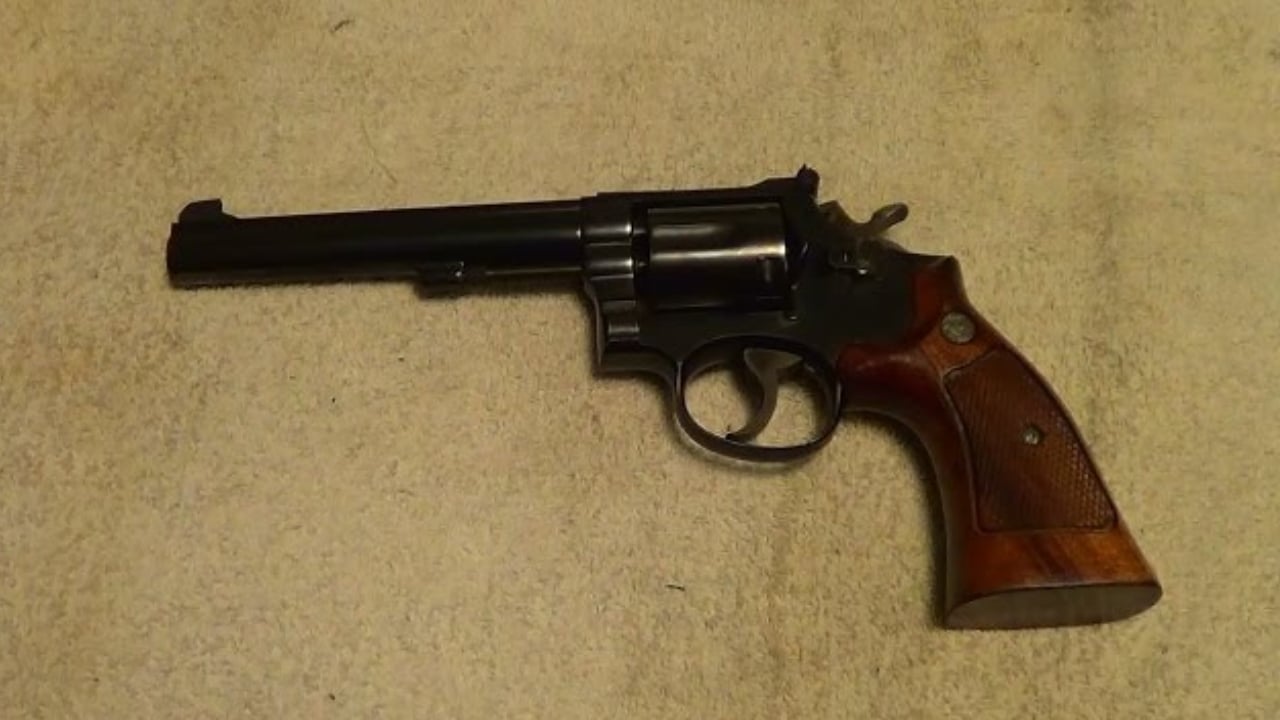
The fixed-sight Model 14-2 gets less attention than the adjustable-sight 15-series guns, which is exactly why I would watch for one. It still gives you the interchangeable-barrel concept and strong Dan Wesson action, but in a configuration built more around practical service use than target shooting.
That makes it an interesting shooter rather than just a collector piece. If I found one with a good barrel assembly and tight lockup, especially with extra barrels included, it would be difficult to pass up. The less glamorous Dan Wessons are often the ones people realize too late they should have bought.
Taurus Model 441 .44 Special
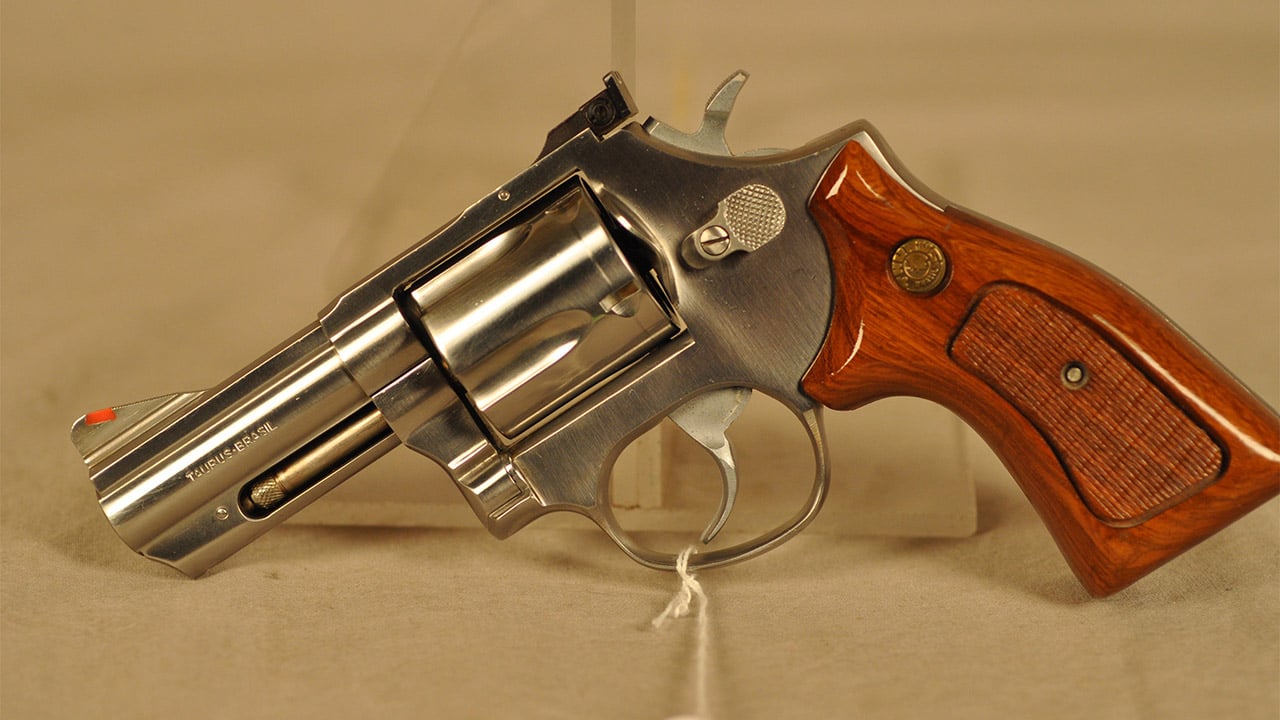
The Taurus 441 is one of those older revolvers that made more sense than people gave it credit for. Chambered in .44 Special, it provides a large bullet at moderate velocity without requiring a full-size .44 Magnum revolver. The platform is manageable enough for field use and interesting enough now that fewer manufacturers offer dedicated .44 Special double actions.
I would inspect any example carefully, as I would with any used revolver, but a mechanically solid 441 at a modest price would tempt me. Dedicated .44 Special revolvers have never been plentiful, and that alone makes them worth noticing.
Taurus Model 669
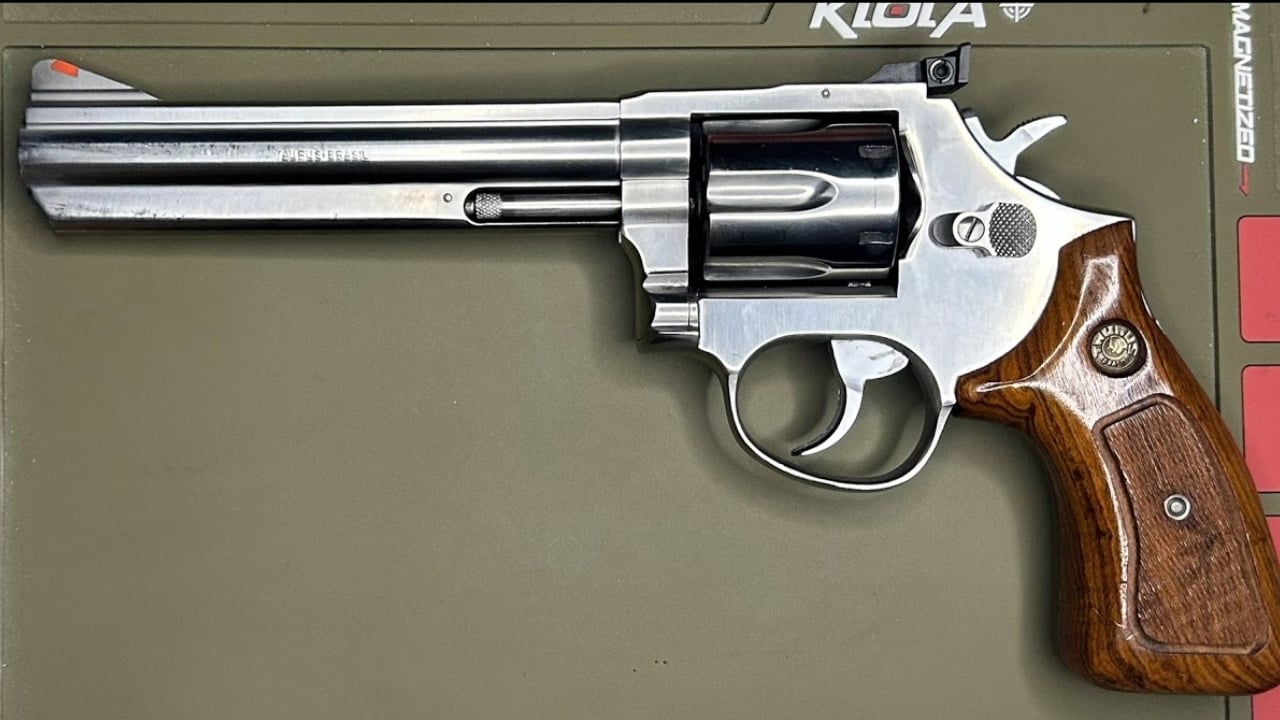
The 669 came from an earlier generation of Taurus revolvers and offered the basic formula many shooters still want: a medium-frame .357 Magnum with adjustable sights and enough barrel length to shoot well. It never carried the prestige of comparable Smith & Wesson or Ruger models, which kept used prices lower for years.
That is precisely why pawn shops can still be interesting places to find one. If the timing, lockup, and forcing cone looked good, I would judge the individual revolver rather than the name on the sideplate. A solid older .357 at the right price is becoming harder to ignore.
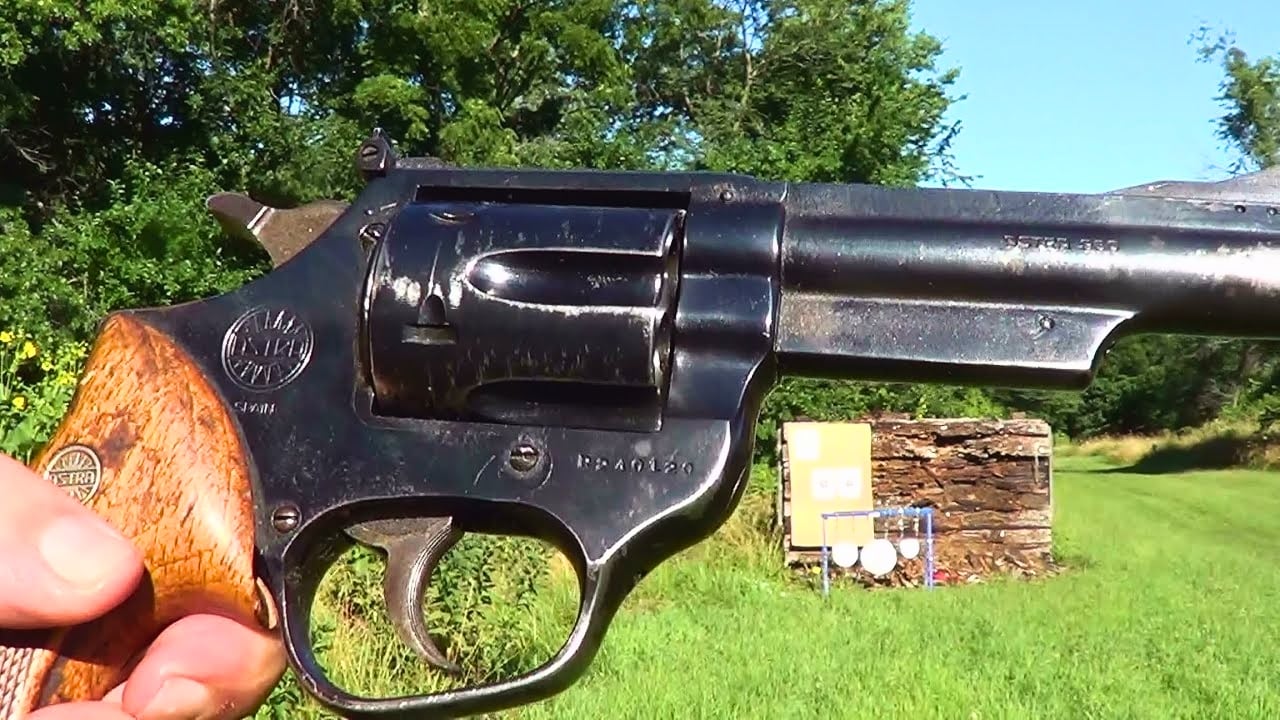
Astra 960
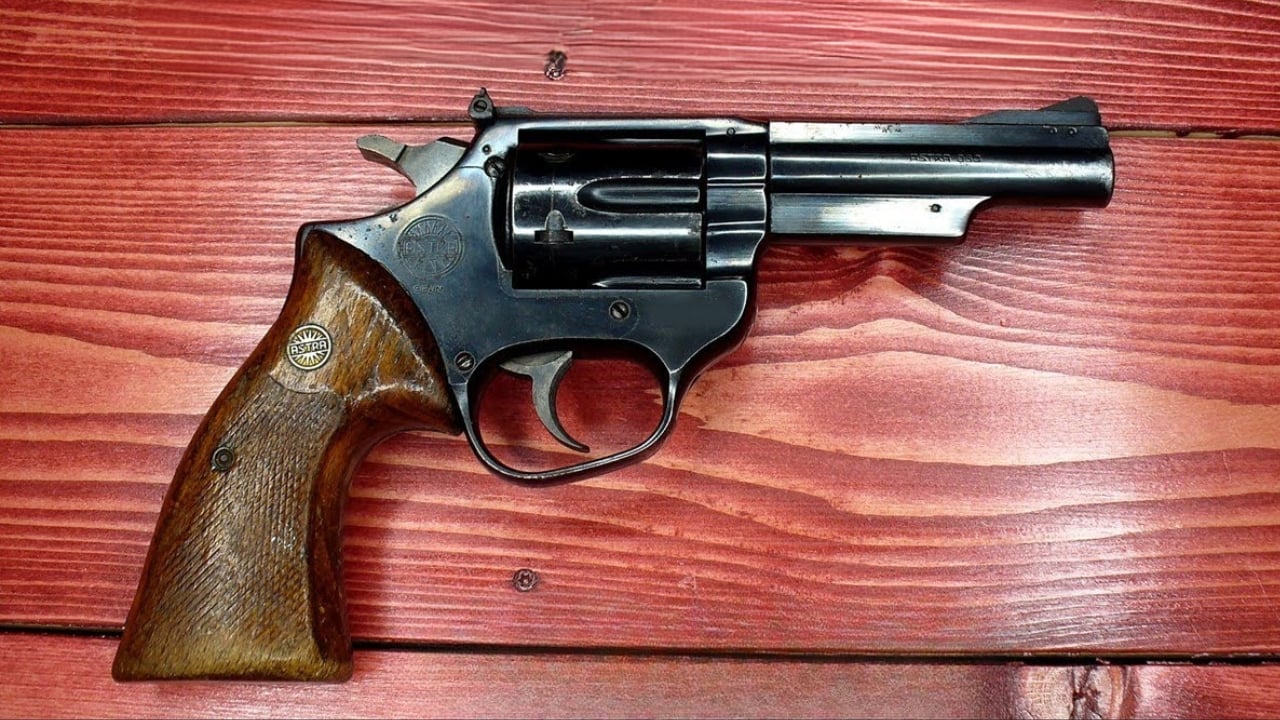
The Astra 960 is a Spanish .38 Special revolver that tends to fly far below the radar of mainstream collectors. It has the kind of all-steel construction and traditional double-action layout that make older imported revolvers interesting even when they never achieved major recognition in the United States.
That obscurity is exactly what can create a pawn-shop opportunity. I would not pay collector money simply because it is unusual, but if I found a clean example priced as an anonymous old revolver, I would strongly consider it. Sometimes the best pawn-shop buys are the guns nobody else in the store recognizes.
Rossi Model 68
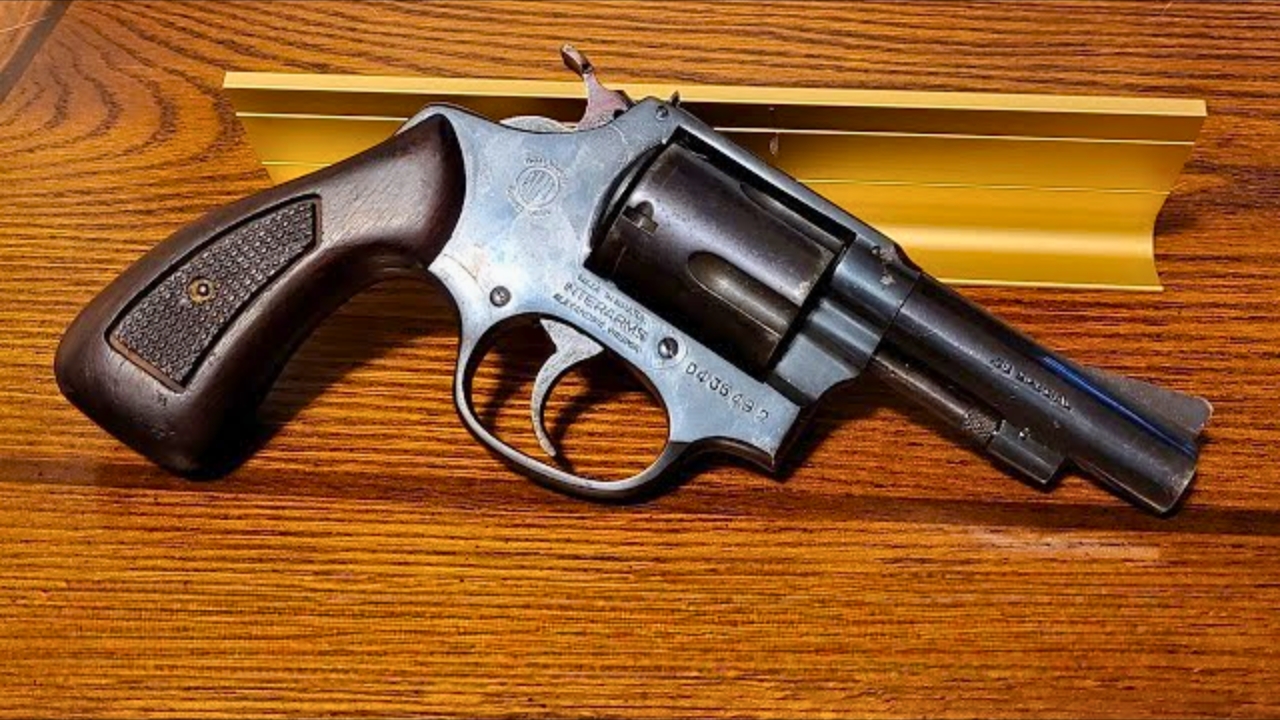
The Model 68 is an older compact .38 Special revolver that spent years being treated as a budget alternative to more famous American snubs. That meant plenty were carried hard, tossed into drawers, and generally used without anyone thinking they might become interesting later. The best examples are therefore the ones that catch my attention now.
A clean Model 68 is not suddenly a Python, and I would not pay like it was one. But if the action was sound and the price still reflected its old budget reputation, I would buy it as an honest shooter. That is exactly the kind of inexpensive older revolver pawn shops can still occasionally deliver.
Like The Avid Outdoorsman’s content? Be sure to follow us.
Here’s more from us: