Photo credit: Tenacious Trilobite/YouTube
Some guns spend most of their lives being ignored. They get sold out of barrels at gun shows, sit on pawn-shop racks for months, or get tossed into the back of safes because nobody thinks they are worth much. Then one day the supply dries up, collectors start paying attention, and everybody suddenly remembers how many chances they had to buy one cheap.
That is how a surprising number of ordinary rifles, pistols, revolvers, and shotguns become expensive. Most were never designed to be collectibles. They were working guns, military surplus, budget imports, or plain hunting rifles that happened to survive long enough for demand to catch up with scarcity. These are 20 guns that spent decades looking inexpensive before the market finally changed its mind.
Swiss K31

For a long time, the K31 was exactly the kind of military-surplus rifle people bought because it was unusually well made and still inexpensive. Straight-pull actions, excellent machining, strong accuracy, and surplus ammunition made them tremendous shooters, yet they were common enough that buyers rarely felt any urgency. Some even had the original soldier’s information tucked under the buttplate, which was treated more like a curiosity than a selling point.
That era faded once import supplies dried up and shooters realized Switzerland had essentially dumped a finite number of exceptionally nice service rifles into the American market. Clean examples stopped being cheap almost overnight by surplus-rifle standards. The K31 is now a perfect reminder that high-quality military surplus only looks abundant until the last big wave is gone.
Yugoslav M48 Mauser

The M48 spent years living in the shadow of German K98k rifles. Collectors wanted wartime German markings, while the Yugoslav rifles were treated as affordable shooters built on the Mauser pattern. That made them ideal entry-level surplus rifles. They were rugged, chambered in 8mm Mauser, and often available in surprisingly good condition for relatively little money.
Once the cheap crates stopped arriving, the conversation changed. Shooters began appreciating the M48 for what it actually was rather than what it was not. Nice examples became harder to find, and the bargain prices that once made them almost disposable disappeared with the supply.
Czech Vz. 24
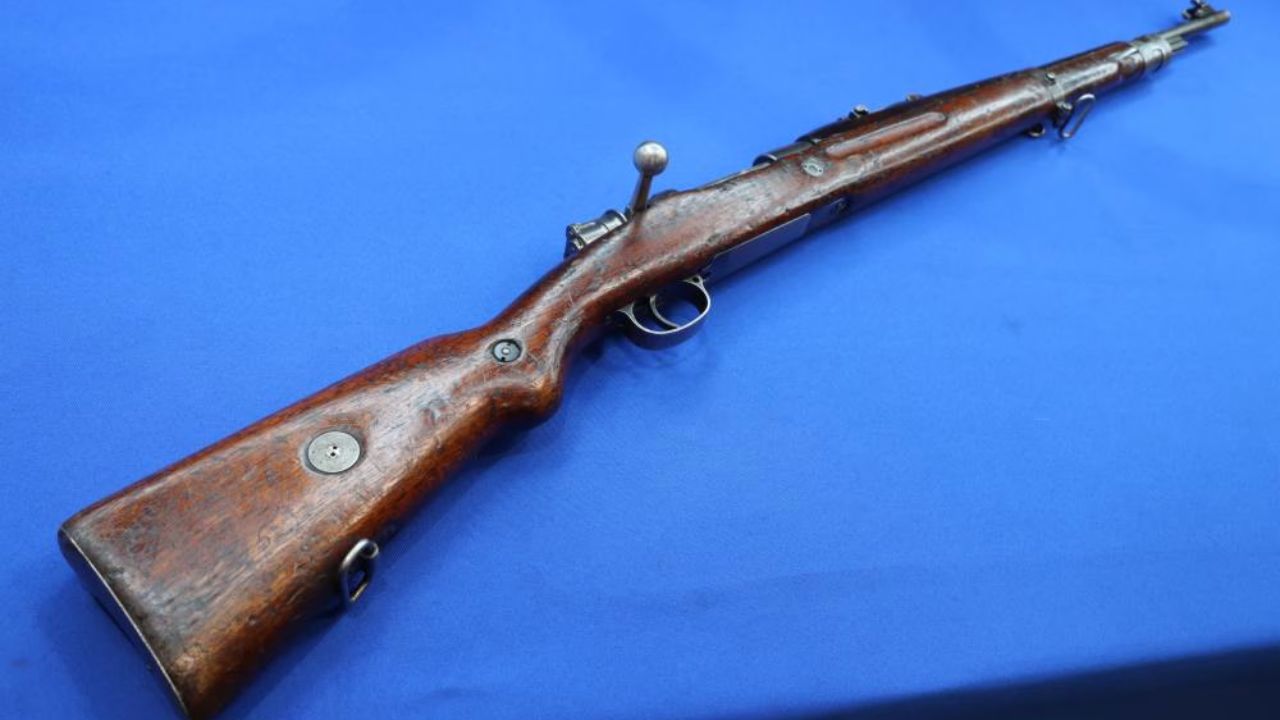
The Vz. 24 used to be another common Mauser-pattern rifle that buyers often passed over while chasing better-known German examples. That was unfortunate because the Czech rifles were extremely well built and used one of the strongest, most proven bolt-action systems ever made. Many had been through hard military service, but enough remained that the market treated them like ordinary surplus for years.
As military rifles became more collectible, even the once-overlooked variants started getting attention. A clean Vz. 24 with good markings and an unaltered stock now looks far more desirable than it did when racks were full of them.
Carcano M91 Cavalry Carbine

Carcanos were practically a punch line in the American surplus market for decades. They were inexpensive, ammunition could be awkward, and many shooters considered them crude compared with Mausers or Springfields. Cavalry carbines with folding bayonets were especially easy to find because collectors had not yet decided they were particularly interesting.
That changed once cheap surplus began disappearing and historical firearms collecting broadened beyond the obvious names. The little carbines suddenly had personality, history, and finite supply working in their favor. The days of casually picking one up because it cost almost nothing are largely gone.
Steyr M95 Carbine
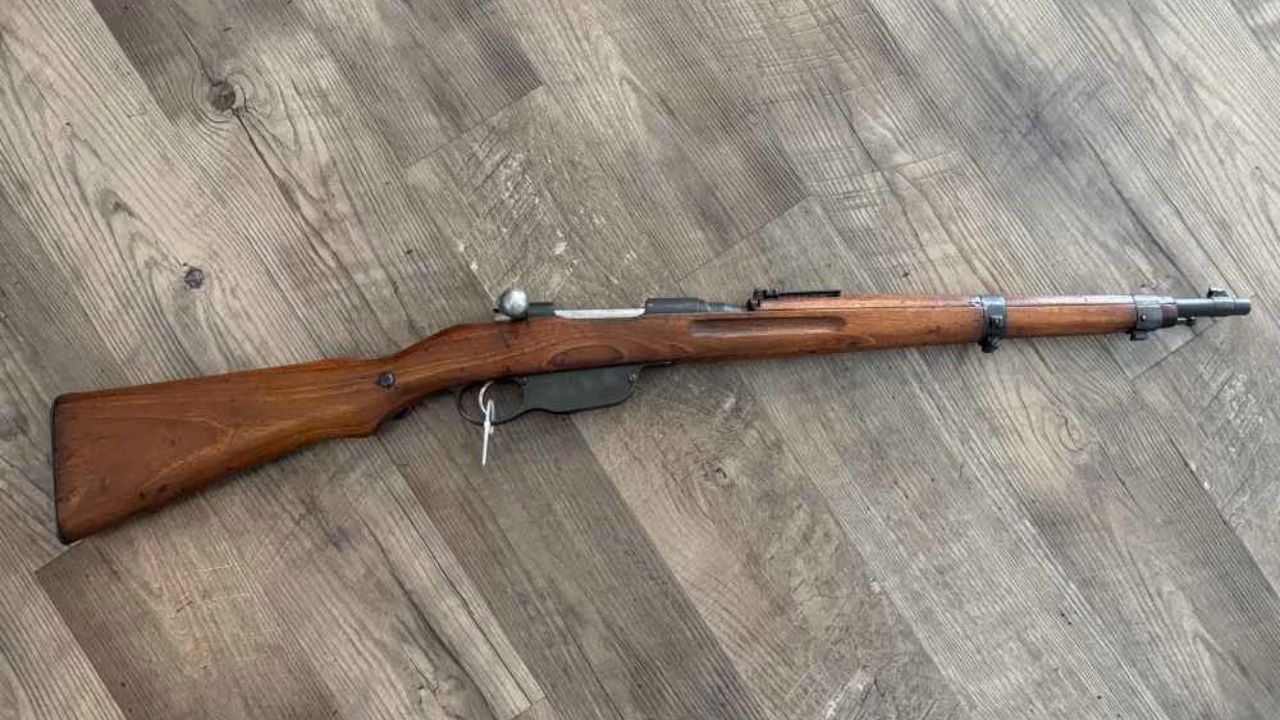
The M95 was another straight-pull surplus rifle that sat near the bottom of the collector ladder for years. Recoil in the common carbine configurations could be sharp, ammunition was less convenient than mainstream military cartridges, and the en-bloc clip system confused shooters unfamiliar with the design. None of that helped prices.
What eventually mattered was scarcity. Once imported examples stopped appearing in bulk, the strange features became part of the appeal instead of drawbacks. A complete, matching M95 with a good bore is no longer something I expect to find priced like random surplus.
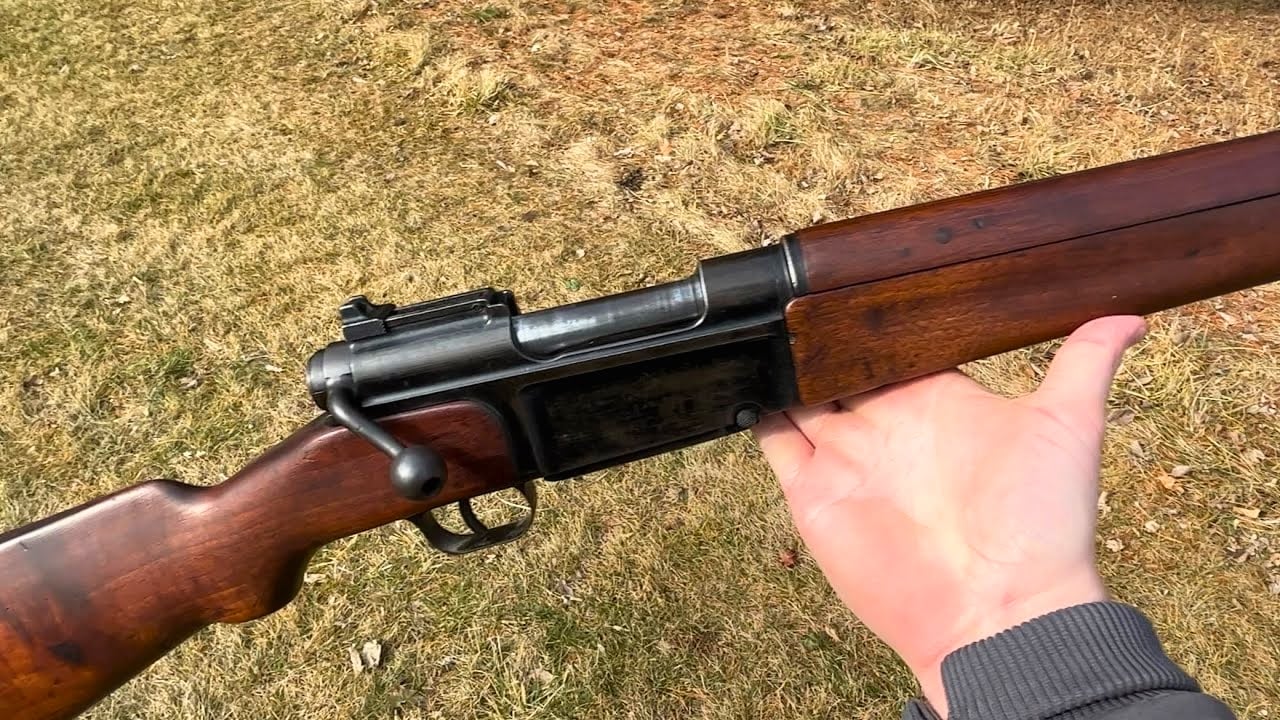
French MAS-36

The MAS-36 used to be overlooked partly because it looked awkward next to more conventional military bolt rifles. The rear-locking action, forward-swept bolt handle, unusual sights, and French service history kept it from developing the same following as Enfields or Mausers. That made it inexpensive for a surprisingly long time.
Collectors eventually figured out that the MAS-36 was rugged, compact, and much more interesting than its old reputation suggested. Supply tightened, original rifles became harder to locate, and the bargain status disappeared. It is now one of those guns people wish they had bought when everybody else was making jokes about it.
Turkish Model 1938 Mauser
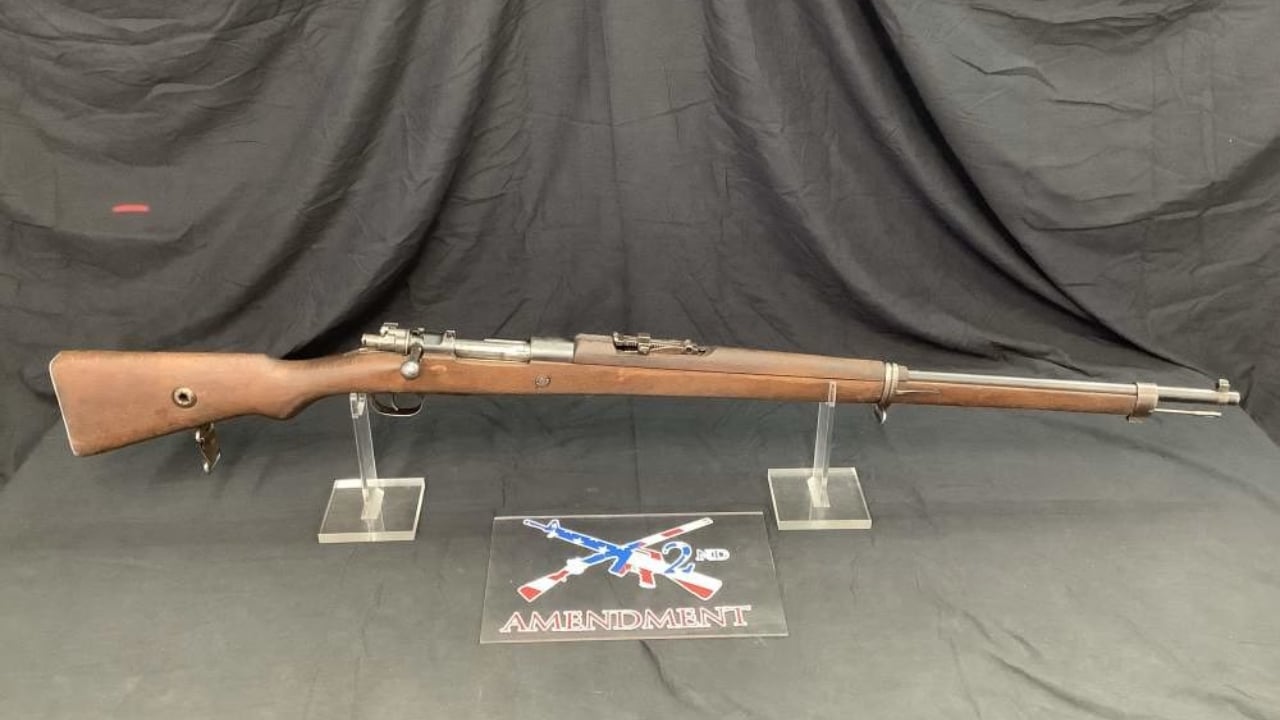
Turkish Mausers spent years being treated as the ultimate budget surplus rifle. They were often long, mismatched, cosmetically rough, and available in huge numbers. That made them perfect project rifles and cheap shooters, which unfortunately meant plenty were cut down, refinished, or converted into hunting guns.
Original examples are now much more interesting precisely because so many were altered when nobody cared. A complete rifle with decent markings and an intact stock has become far less ordinary. The market has finally started pricing in just how many of these old bargain rifles disappeared.
Chinese Type 53
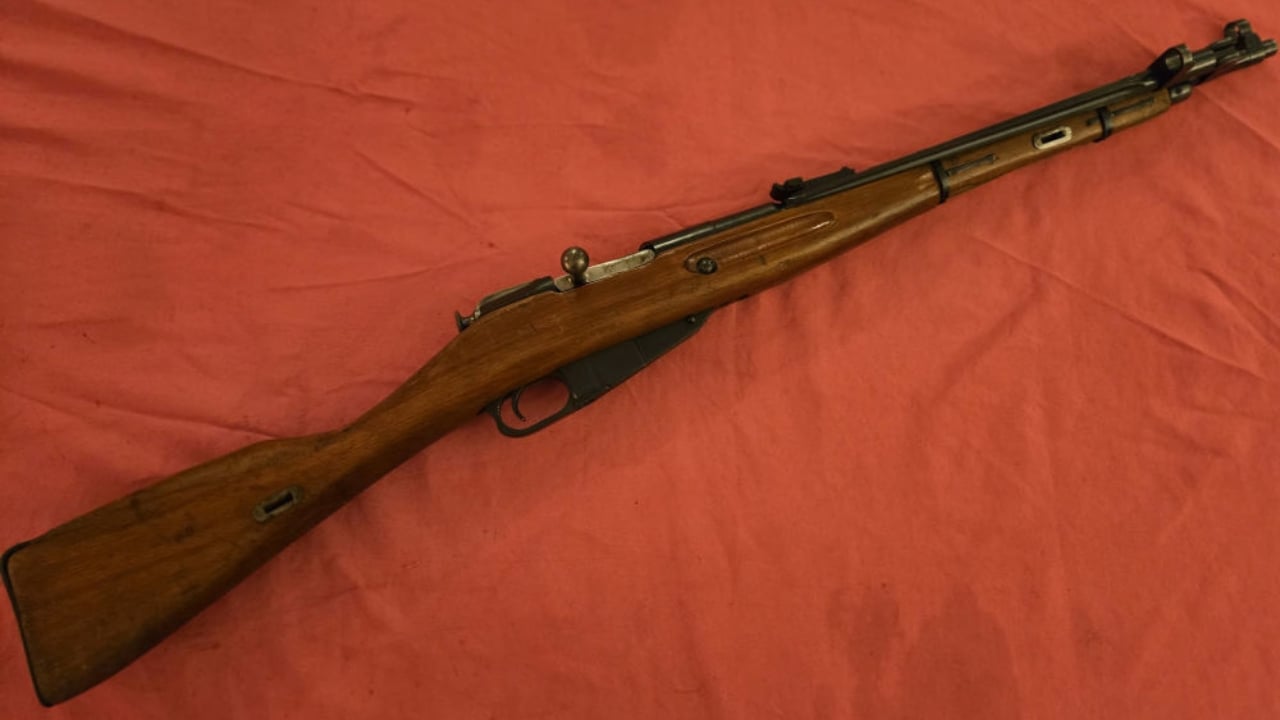
The Type 53 was the Chinese version of the Mosin-Nagant M44 carbine, and for years it occupied the absolute bottom of the Mosin market. Rough stocks, mismatched parts, and hard military use made them look unattractive compared with cleaner Soviet examples. Buyers frequently passed them over even when the price was almost absurdly low.
Now the roughness is part of their identity. Import supplies have dried up, Mosin collecting has matured, and even battered Type 53s no longer look disposable. A clean one is especially interesting because clean examples were never common to begin with.
Romanian M44 Mosin-Nagant
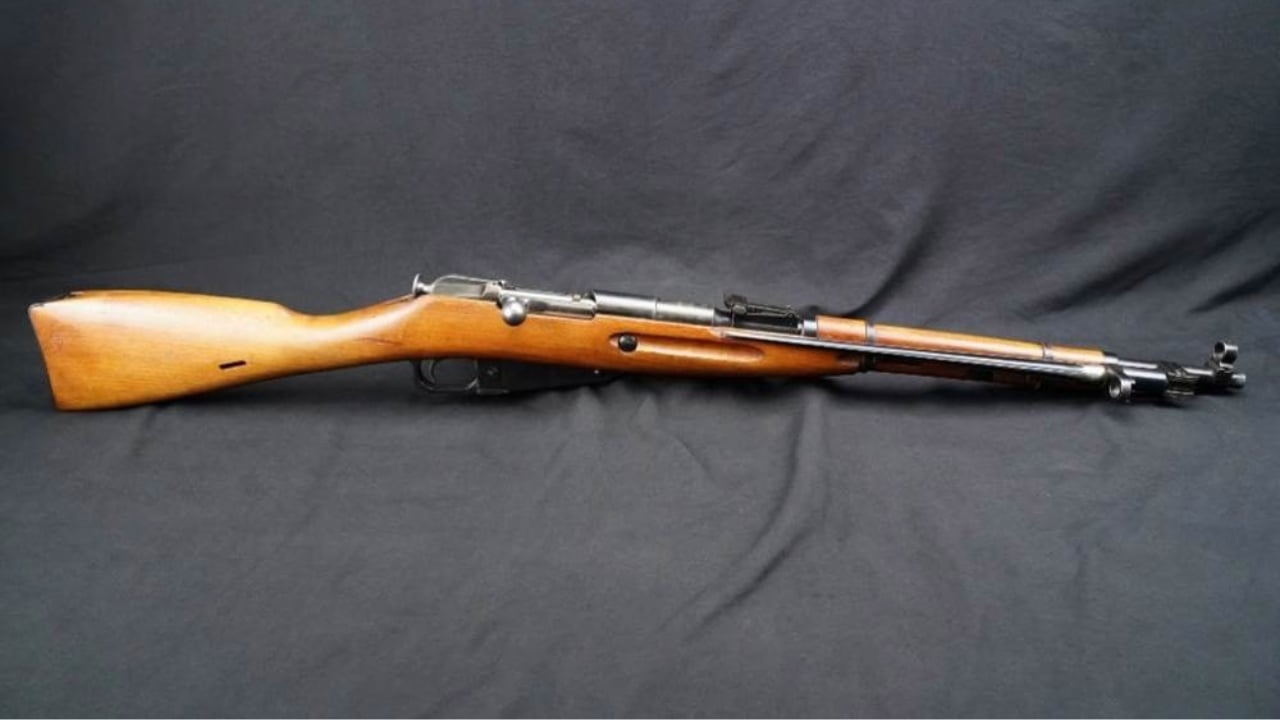
Romanian M44s were once overshadowed by Soviet carbines simply because most buyers wanted the more familiar arsenal markings. Mechanically, though, they offered the same short, loud, flame-throwing Mosin experience that made the M44 famous. They were inexpensive enough that few people thought about preserving them.
Once Mosins stopped being $100-range rifles, the less common national variants started gaining attention. Romanian examples now benefit from both general Mosin demand and their lower production numbers compared with the Soviet guns.
Spanish M1916 Mauser
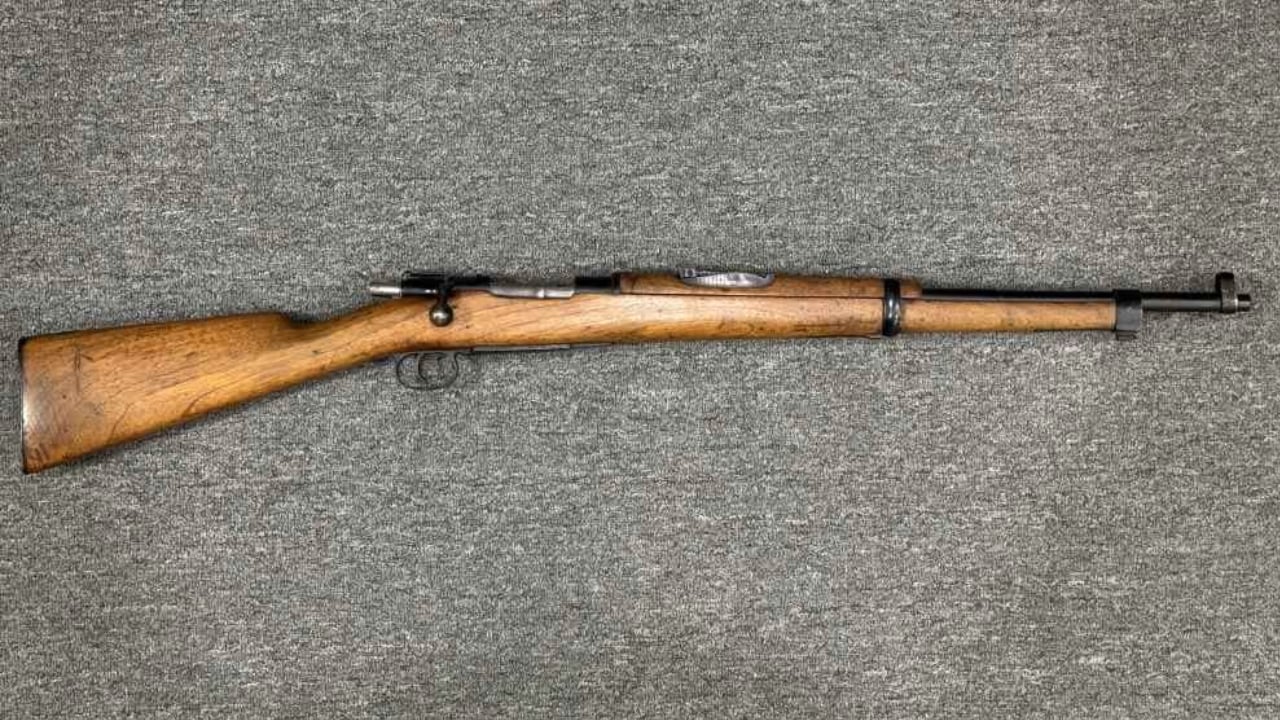
The Spanish M1916 was ignored for years because it lacked the prestige of larger German Mausers and often appeared in converted calibers or heavily used military condition. Many were viewed simply as cheap small-ring Mausers suitable for tinkering.
As original military rifles disappeared from the market, those once-unwanted features became historically interesting. Buyers started separating original configurations from conversions, and intact rifles became increasingly difficult to replace. A gun does not have to be famous to become expensive once enough people realize there are not many left.
Polish P-64

The P-64 was one of the classic cheap surplus handguns. It was compact, all steel, chambered in 9x18mm Makarov, and often came with a notoriously heavy double-action trigger. That rough trigger and modest cartridge kept prices low even though the pistols were mechanically stout.
Once the import flow slowed, the same pistol suddenly became much more interesting. Shooters began appreciating its Cold War history and compact size, while collectors started chasing variations and cleaner examples. What used to be an inexpensive curiosity now gets treated like a real collectible military sidearm.
Hungarian PA-63

The PA-63 was another surplus pistol that spent years in the affordable category. Its aluminum-alloy frame kept weight down, the design borrowed heavily from Walther’s compact-pistol formula, and 9x18mm ammunition was once inexpensive enough to make it a fun shooter. The sharp recoil and heavy trigger kept enthusiasm moderate.
That moderation vanished when surplus supplies dried up. Clean examples are now far less common, and the Hungarian service history gives the pistol more appeal than it received when crates were still arriving. It is another gun that became desirable only after people realized the cheap supply was gone.
East German Makarov
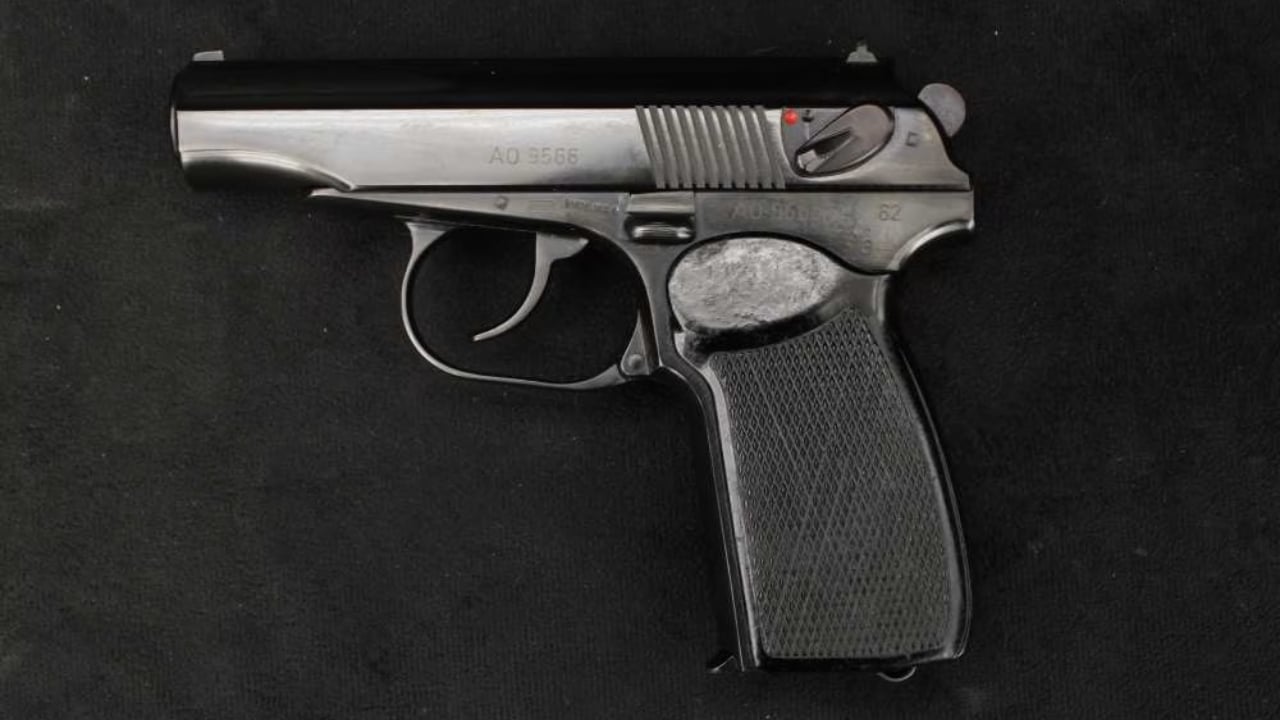
East German Makarovs were once just another flavor of surplus Makarov, and while knowledgeable buyers understood the quality difference, the market did not always price it aggressively. They offered excellent fit, smooth machining, and the same rugged blowback design that made the Makarov famous.
Collectors eventually caught up. Once the supply became fixed, East German examples developed a reputation as some of the nicest Makarovs produced. Clean pistols now bring attention immediately, especially when they retain correct grips, finish, and accessories.
Polish Radom P-83
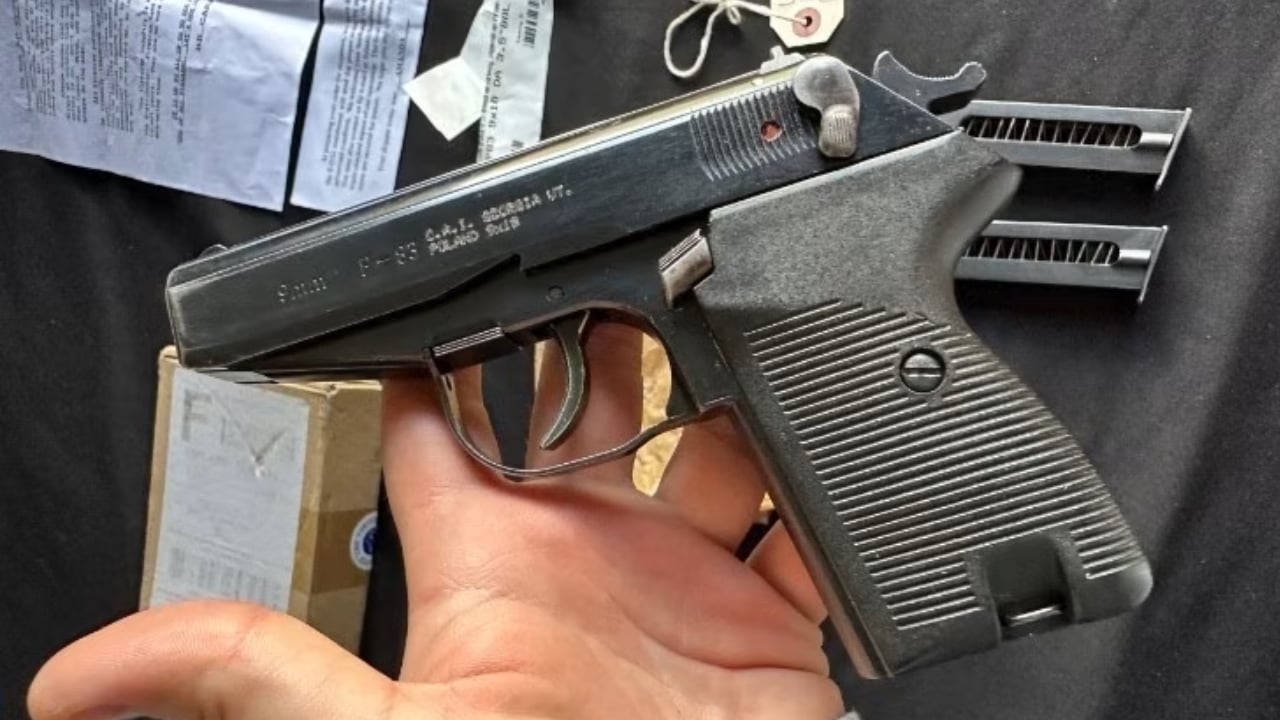
The P-83 never had the name recognition of the Makarov, which kept it cheap for years. It is a compact 9x18mm service pistol with stamped construction and a very utilitarian appearance. That made it easy to dismiss as another Eastern European surplus gun without much collector potential.
The scarcity equation eventually changed. Imports were limited, fewer examples circulated, and Cold War pistol collecting became broader. The P-83 now looks much more interesting than it did when people were buying them simply because they were affordable.
FEG PA-63 Variant Pistols

Several FEG compact pistols spent decades being treated as inexpensive Walther-inspired imports. They were often chambered in .32 ACP, .380 ACP, or 9x18mm, and the branding could be confusing enough that casual buyers ignored them. That kept prices surprisingly low.
Now collectors are paying more attention to specific variants, markings, and import history. Clean examples are becoming much harder to find because many were carried, modified, or simply shot without anyone considering preservation. The generic-looking Hungarian pistol in a pawn case is no longer automatically a bargain.
Charter Arms Bulldog .44 Special
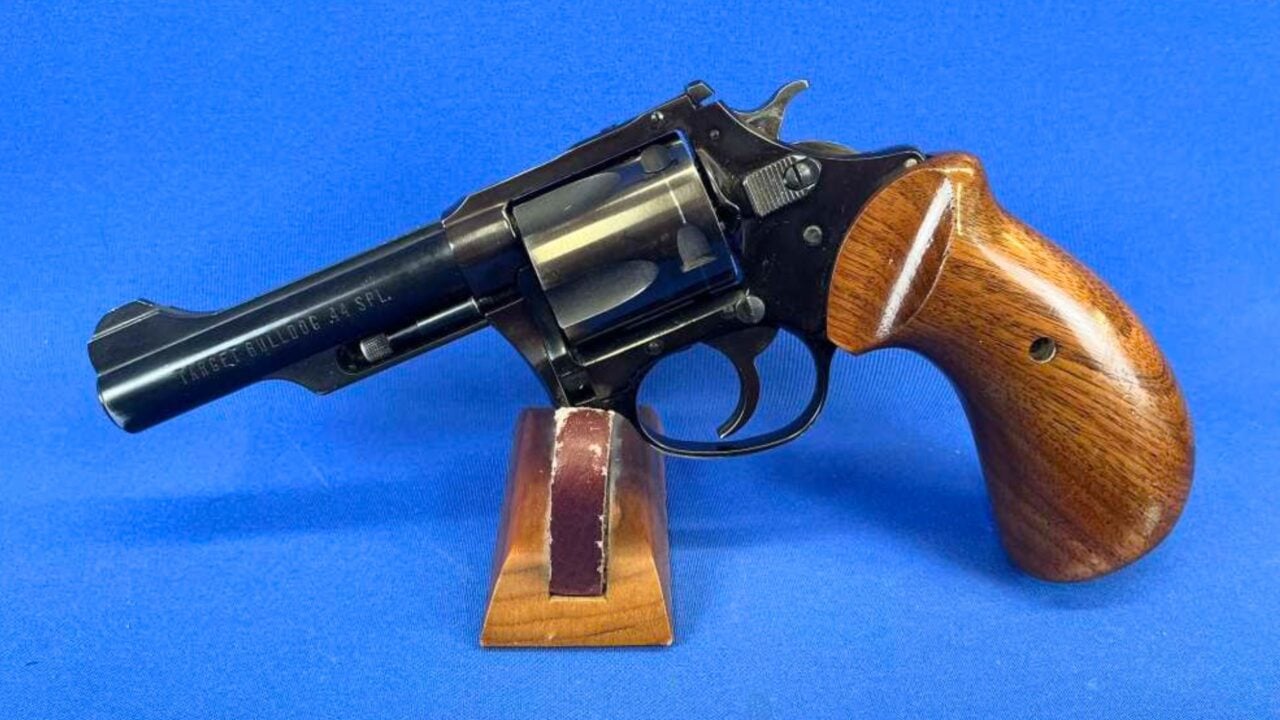
The Bulldog was once one of the classic affordable big-bore carry revolvers. It was lightweight, compact for the cartridge, and far cheaper than many comparable Smith & Wesson or Colt revolvers. That low-cost reputation meant buyers often treated them strictly as working guns.
Older examples have become much more interesting as .44 Special revolvers grow scarcer and shooters rediscover the appeal of a compact big-bore wheel gun. Nice early Bulldogs no longer seem as disposable as they did when they were sitting in every used case.
Iver Johnson Target Sealed 8
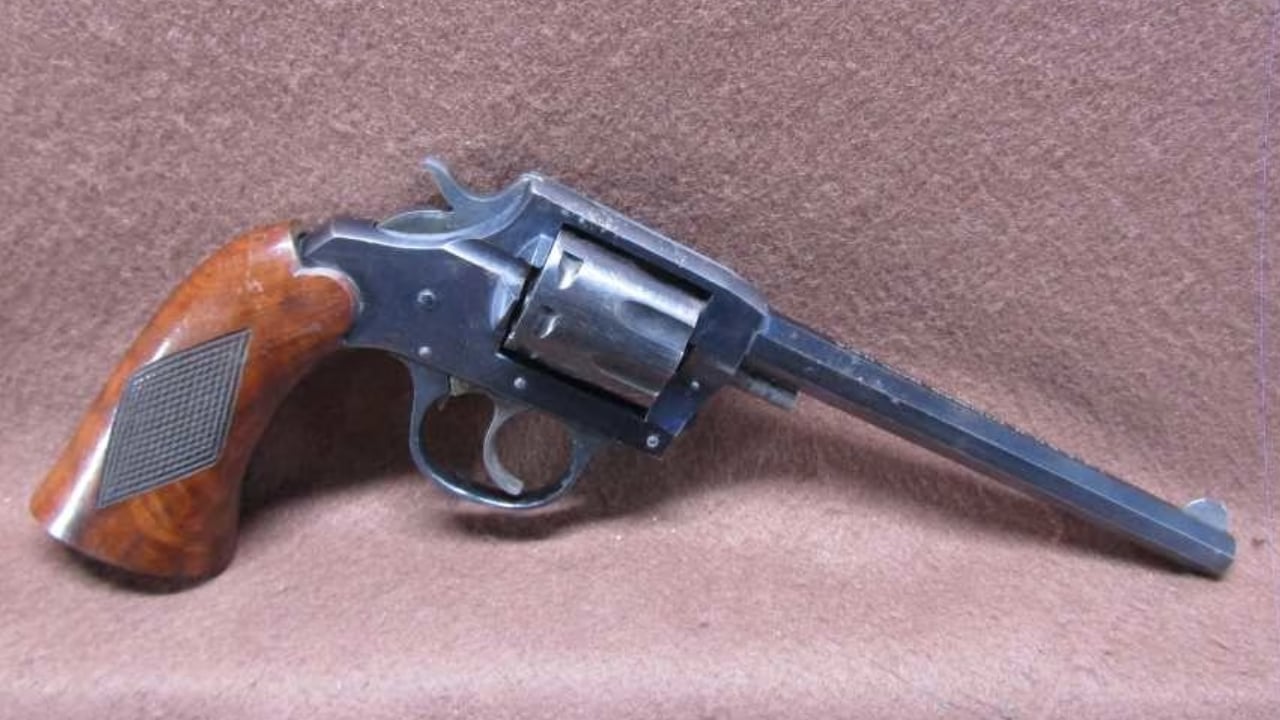
Old Iver Johnson revolvers spent decades near the bottom of the collector market. They were common, inexpensive, and often associated with basic utility rather than serious collecting. The Target Sealed 8 was a .22 revolver built for affordable shooting, which meant many were used hard.
That is exactly why clean examples are getting more difficult to locate. Shooters have started appreciating inexpensive prewar and mid-century American revolvers simply because modern equivalents do not have the same construction or character. Cheap old revolvers only stay cheap while nobody cares about them.
High Standard Sentinel Deluxe
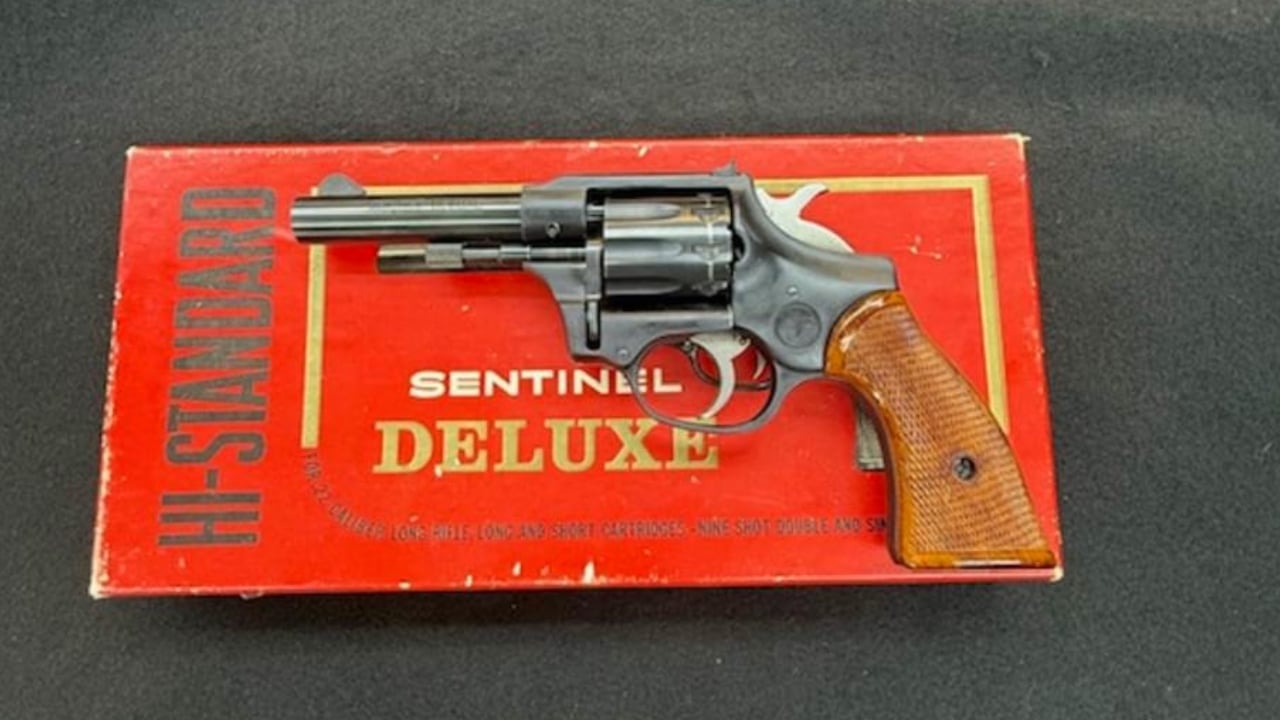
The Sentinel line lived in the shadow of High Standard’s famous target pistols, which helped keep revolver prices low. The lightweight frame, nine-shot cylinder, and practical .22 LR chambering made these guns excellent field and recreational revolvers, but collectors paid far more attention to Supermatics and Victors.
As interest in older rimfire handguns expanded, the Sentinel began getting a second look. Clean Deluxe variants with original grips and finish are no longer the overlooked bargains they once were.
Stevens 311 Side-by-Side
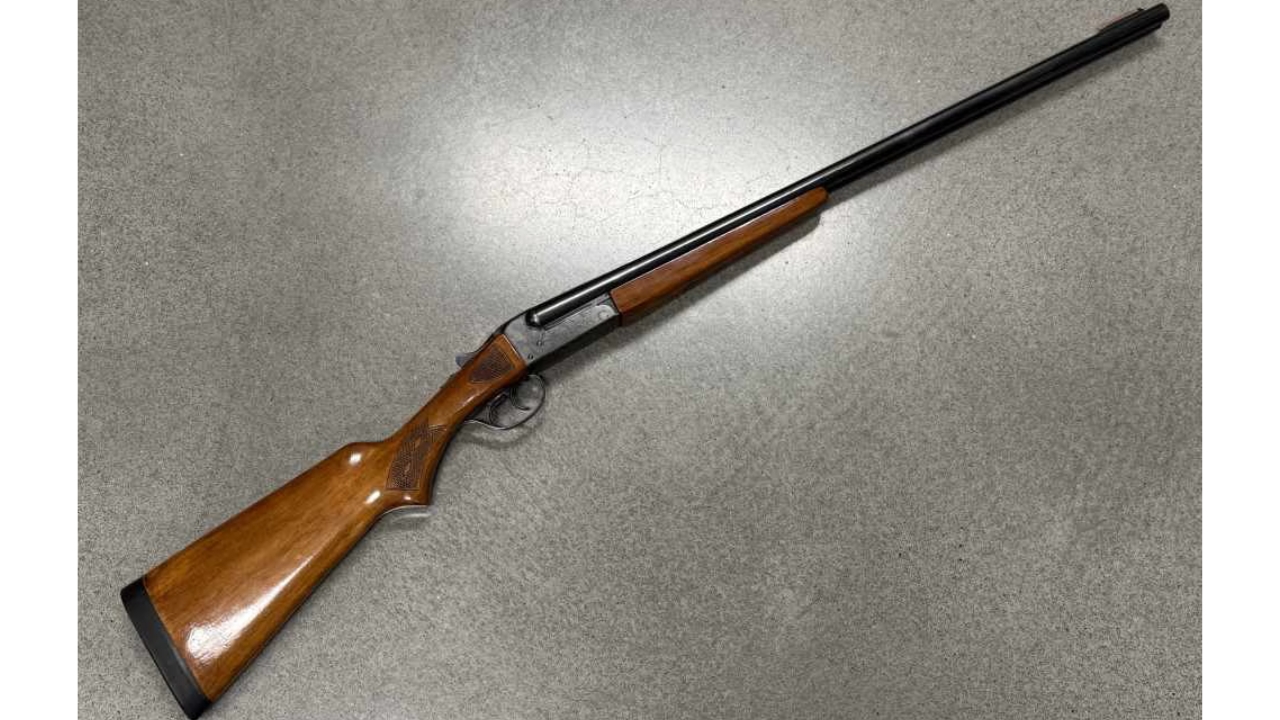
The Stevens 311 may be one of the best examples of a working shotgun slowly becoming collectible. For decades, these doubles were inexpensive farm guns. They were sturdy, plain, and available in huge numbers. Nobody worried about scratching one while rabbit hunting because replacing it was easy.
That assumption does not hold anymore. Demand for affordable American side-by-sides increased while the supply of untouched guns steadily shrank. A clean 311 in a desirable gauge is now far more interesting than it was when every small-town gun shop had one.
Savage 24 Combination Gun
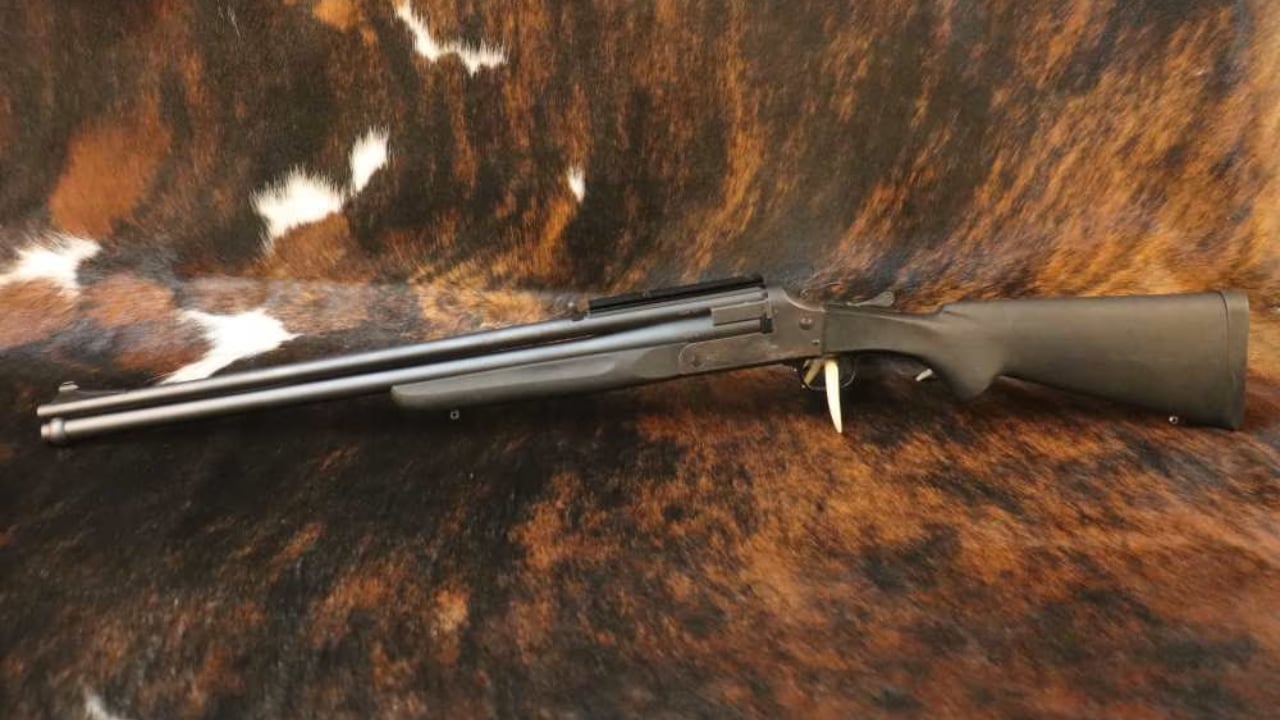
The Savage 24 used to be viewed as a practical rural gun rather than anything collectible. A rifle barrel over a shotgun barrel made it useful for small game, trapping, and general property work, but the odd configuration kept it outside the mainstream.
Now the very thing that made it strange makes it valuable. Few companies offer comparable combination guns at approachable prices, and many older Model 24s were used hard. Clean examples in desirable rifle-and-shotgun pairings have become much harder to find, turning a once-cheap utility gun into something buyers actively hunt.
Like The Avid Outdoorsman’s content? Be sure to follow us.
Here’s more from us: