Photo credit: 2Absolute2AA/Youtube
Some revolvers come and go through a collection without leaving much of an impression. Others become the handgun an owner keeps even after everything else has been traded, upgraded, or replaced. The difference usually comes down to how well the gun balances, how smoothly it shoots, how useful the chambering is, and whether the revolver still feels right after years of ownership.
Serious revolver shooters tend to become particularly loyal to models that combine shootability with durability. A good trigger, useful sights, solid lockup, and a frame that fits the cartridge can matter more than flashy features. Once someone finds a revolver that does everything they want, there is often little reason to sell it. These are the revolvers that tend to become permanent residents in the safe.
Smith & Wesson Model 686
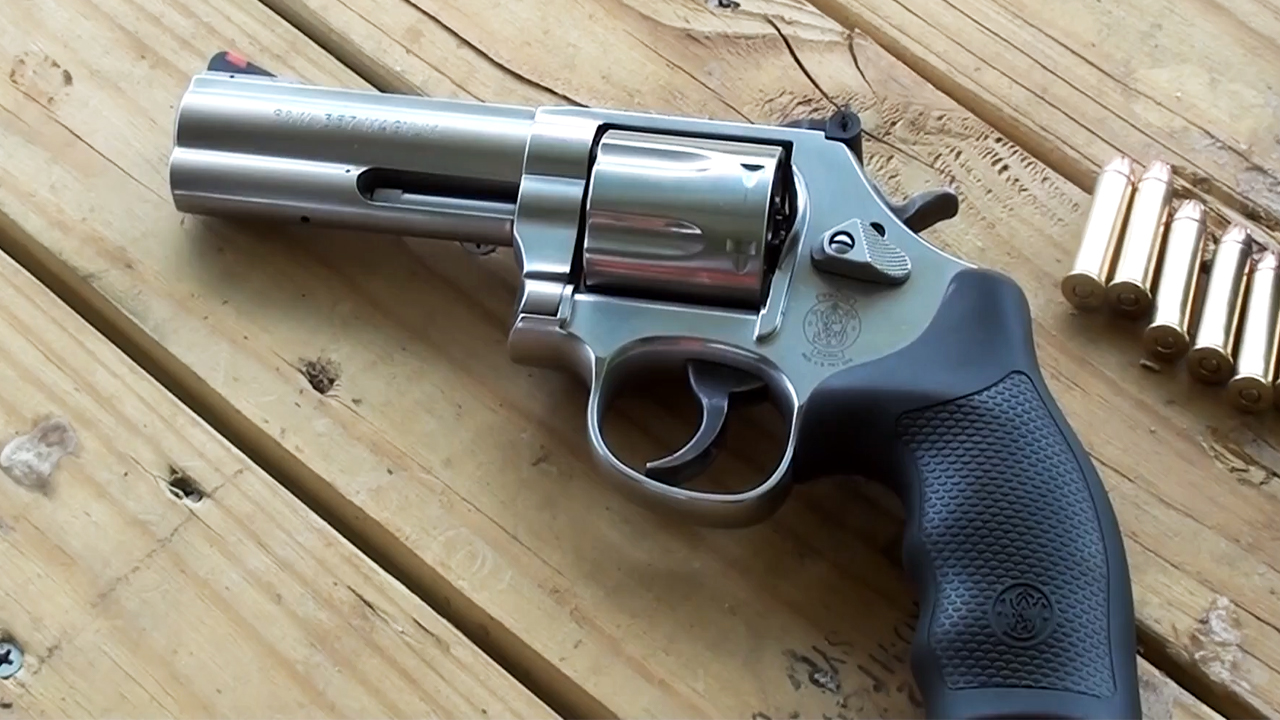
The Model 686 is one of the easiest revolvers to understand after you shoot one. Its L-frame gives it enough size and weight to handle .357 Magnum comfortably without becoming as bulky as Smith & Wesson’s larger N-frame guns. That balance is why so many shooters settle on the 686 as the revolver they use for range work, field carry, and general ownership rather than constantly searching for something better.
A four-inch or six-inch model can cover an enormous amount of ground. .38 Special makes practice easy, while .357 Magnum gives the gun plenty of capability when more power is wanted. The trigger also tends to improve with use, giving owners another reason to hang onto a revolver they have already put thousands of rounds through.
Ruger GP100

The GP100 is the revolver a lot of shooters buy when durability ranks above almost everything else. It has a thick frame, substantial cylinder, and the kind of construction that makes full-power .357 Magnum feel like exactly what the gun was designed to handle. Some people call it heavy. Serious shooters often call that weight useful.
The GP100 also responds well to long-term ownership. Triggers can smooth out considerably with use, grips are easy to tailor to individual preference, and the gun is straightforward enough that owners quickly learn what ammunition it likes. Once someone has a GP100 set up exactly the way they want it, selling it rarely makes much sense. It is simply too useful and too hard to wear out.
Colt Python
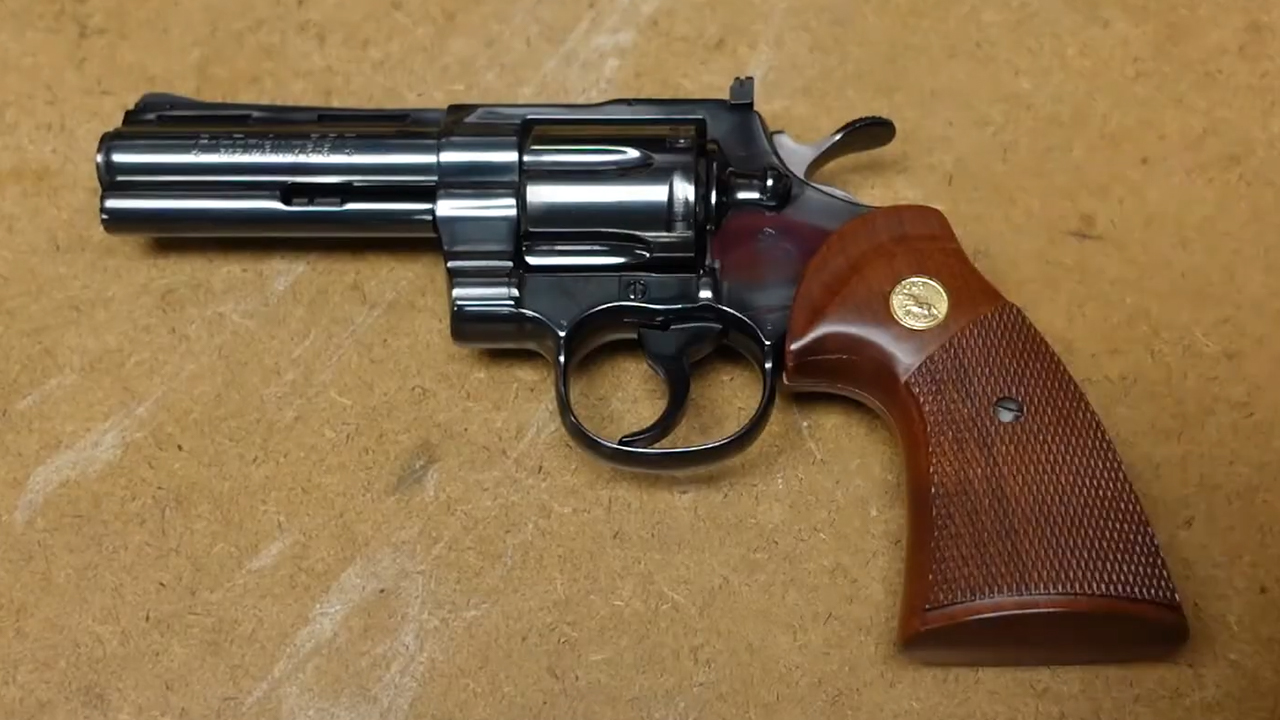
The Python is one of those revolvers people often regret selling even if they owned it during a time when replacement seemed easy. Older Pythons built their reputation around exceptional fit, beautiful finishes, and smooth double-action triggers, while current-production stainless guns have brought the design back to shooters who actually want to use one regularly.
What keeps the Python in collections is not just the name. It is an extremely pleasant .357 Magnum revolver to shoot. The weight, grip shape, sight picture, and action all come together in a way that feels distinctly different from more utilitarian revolvers. Plenty of guns can fill the same basic role, but very few duplicate the experience. Once someone owns a good Python, replacing it with something cheaper usually feels like moving backward.
Smith & Wesson Model 19

The Model 19 remains one of the best examples of a revolver that gets the proportions right. It brings .357 Magnum capability into the K-frame size, giving shooters a gun that carries more easily than a larger L-frame or N-frame while still offering enough barrel and grip to shoot well.
That balance makes a good Model 19 difficult to sell. Serious shooters know there are revolvers that handle heavier loads more comfortably, but they also know few magnums feel this handy on the belt. A four-inch Model 19 is especially difficult to replace because it works equally well as a range gun, field revolver, or classic defensive handgun. Once someone finds a clean example with a good action, it tends to stay.
Ruger Blackhawk
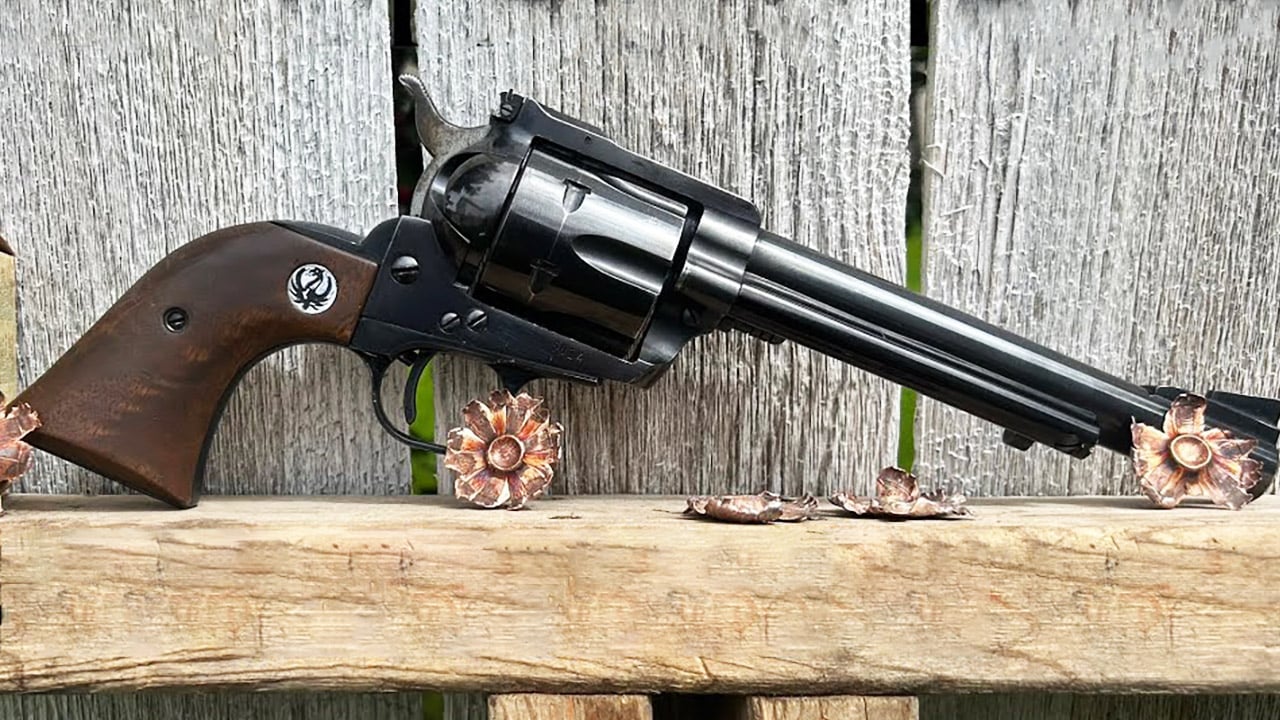
The Blackhawk has stayed relevant because it does exactly what a serious single-action revolver should do. It is strong, mechanically straightforward, and available in chamberings capable of handling everything from mild target shooting to serious hunting work. Owners who learn the platform usually stop worrying about its slower loading process and start appreciating how durable and accurate it can be.
The Blackhawk also has the advantage of simplicity. There are no complicated controls and very little that distracts from the basic task of firing a powerful cartridge accurately. Shooters who enjoy single-actions often develop a strong attachment to them because the experience is so different from shooting a modern semi-auto. A well-used Blackhawk tends to become a working companion rather than something that gets traded away.
Smith & Wesson Model 617
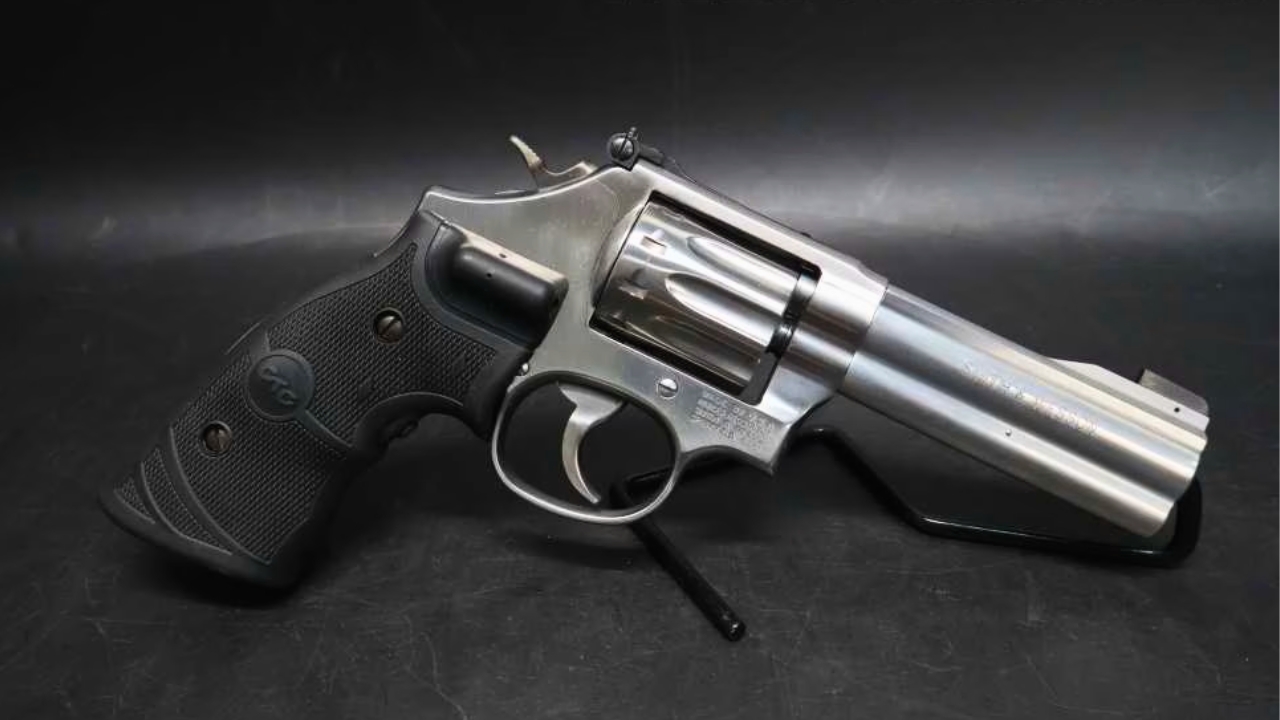
A full-size .22 revolver may not sound exciting until you own one and realize how often you shoot it. The Model 617 gives shooters the size, weight, and trigger feel of a centerfire Smith & Wesson while using inexpensive .22 LR ammunition. That makes it ideal for trigger practice, small-game use where legal, and long range sessions without burning through expensive ammunition.
Serious shooters rarely sell good .22 revolvers because they are too useful. The 617 is especially hard to replace once someone gets accustomed to its balance and smooth action. It can help reinforce the same trigger control used with larger Smith revolvers while keeping recoil and cost low. The gun may not be glamorous, but it often ends up with more rounds through it than anything else in the safe.
Ruger Single-Six
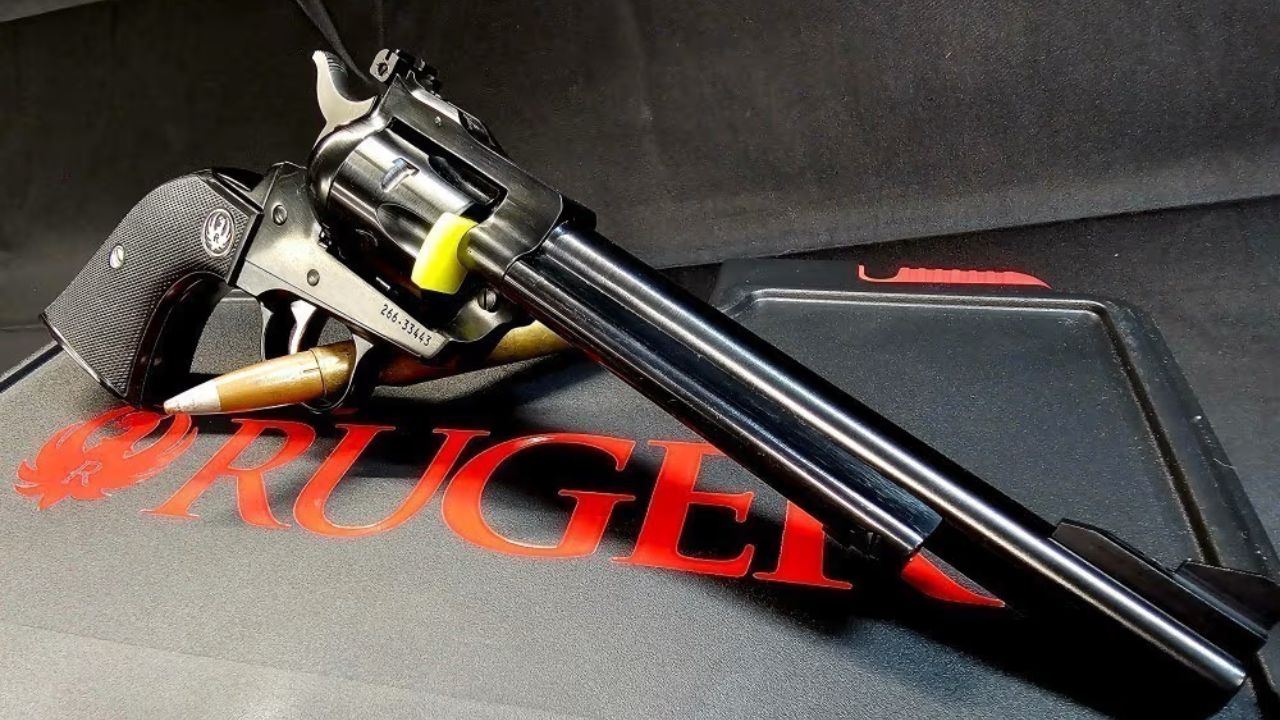
The Single-Six has been turning casual rimfire shooters into lifelong single-action fans for generations. It is light enough to carry easily, accurate enough to take seriously, and simple enough that it becomes one of those guns owners reach for without thinking. Convertible versions with both .22 LR and .22 Magnum cylinders add even more versatility.
There is also something about a well-used Single-Six that makes it difficult to replace emotionally. These revolvers often become first handguns, trail guns, camp guns, or family heirlooms. Every scratch tends to have a story attached to it. A shooter may eventually buy faster, more powerful, and more expensive revolvers, but the little Ruger often stays because nothing else fills exactly the same role.
Smith & Wesson Model 629

The 629 is one of the revolvers serious shooters keep when they want real .44 Magnum capability without giving up the smooth feel of a traditional Smith & Wesson double action. The stainless construction makes it practical for outdoor use, while the N-frame gives the gun enough mass to make powerful ammunition considerably more manageable.
Owners also appreciate that .44 Special transforms the same revolver into something much easier to shoot. That ability to move between mild and serious loads gives the 629 a wide operating range. A six-inch gun can serve as a hunting revolver, while shorter versions make more sense for field carry. Once someone has one that shoots well and fits their hand, there is not much motivation to let it go.
Ruger Redhawk
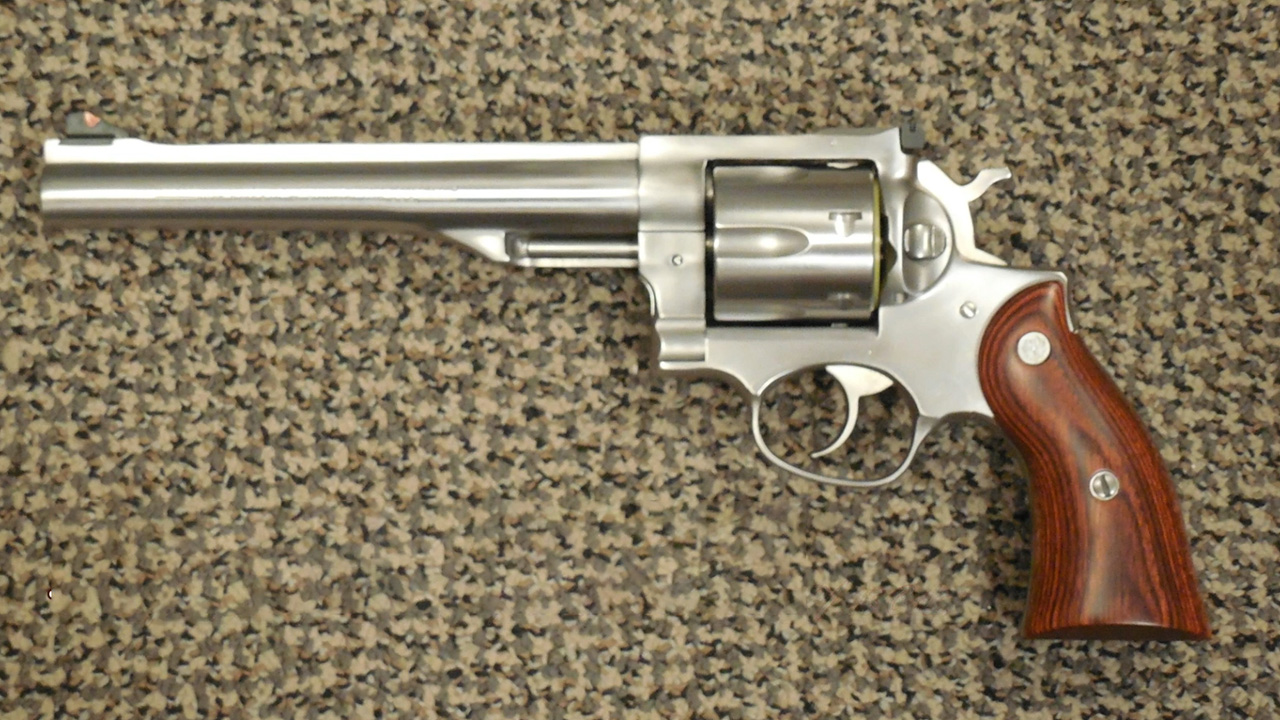
The Redhawk earns long-term loyalty because it feels like a revolver built without concern for being delicate. The frame is massive, the cylinder is substantial, and the gun has long been associated with shooters who actually use powerful ammunition rather than simply owning a magnum for the name.
That ruggedness gives owners confidence. A Redhawk may not have the silky action of a tuned Smith, but it inspires trust when carried in rough country. Serious revolver shooters often value that more than refinement. Once someone buys a Redhawk for hunting, wilderness carry, or heavy field use, it tends to remain in that role for decades. Few owners sell one because they suddenly discover they need something tougher.
Smith & Wesson Model 66

The Model 66 takes the useful proportions of the K-frame .357 and adds stainless construction. That combination makes it especially appealing to shooters who want a revolver they can actually carry in bad weather without constantly worrying about preserving a delicate finish.
The gun also handles beautifully. A four-inch Model 66 has enough barrel to provide a good sight picture while remaining compact enough for regular belt carry. Serious shooters appreciate the way it splits the difference between smaller defensive revolvers and heavier magnum guns. Once someone has a 66 with a smooth action and grips that fit properly, it becomes the sort of revolver that solves too many problems to justify selling.
Colt King Cobra
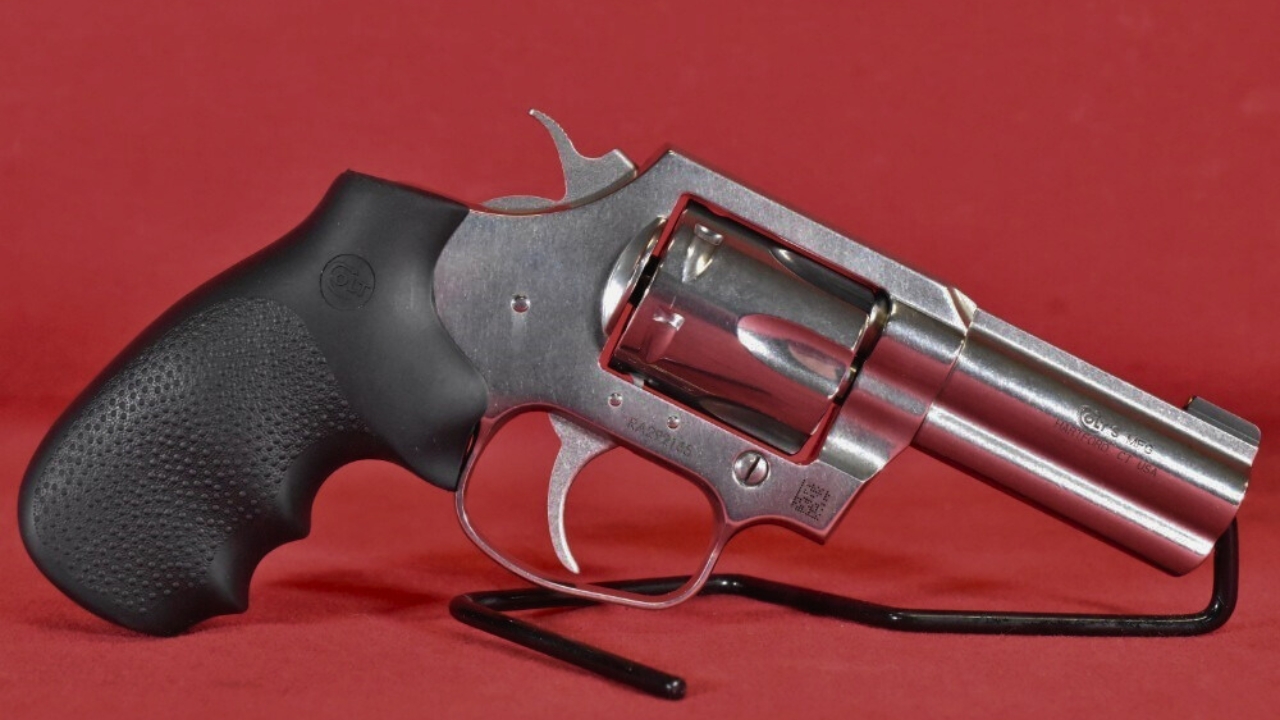
The King Cobra has earned a place among modern revolvers that experienced shooters tend to keep because it offers a useful middle ground. It is compact enough to carry comfortably but heavy enough to make .357 Magnum manageable. Stainless construction also means owners do not have to treat it like a fragile collectible.
What keeps the King Cobra interesting is that it feels distinct from both Smith & Wesson and Ruger designs. The trigger, grip frame, and overall proportions give it its own personality. Serious shooters often appreciate that rather than expecting every revolver to feel identical. Once someone becomes comfortable with the gun and learns how well it carries, it can be difficult to justify replacing it with anything else.
Smith & Wesson Model 27
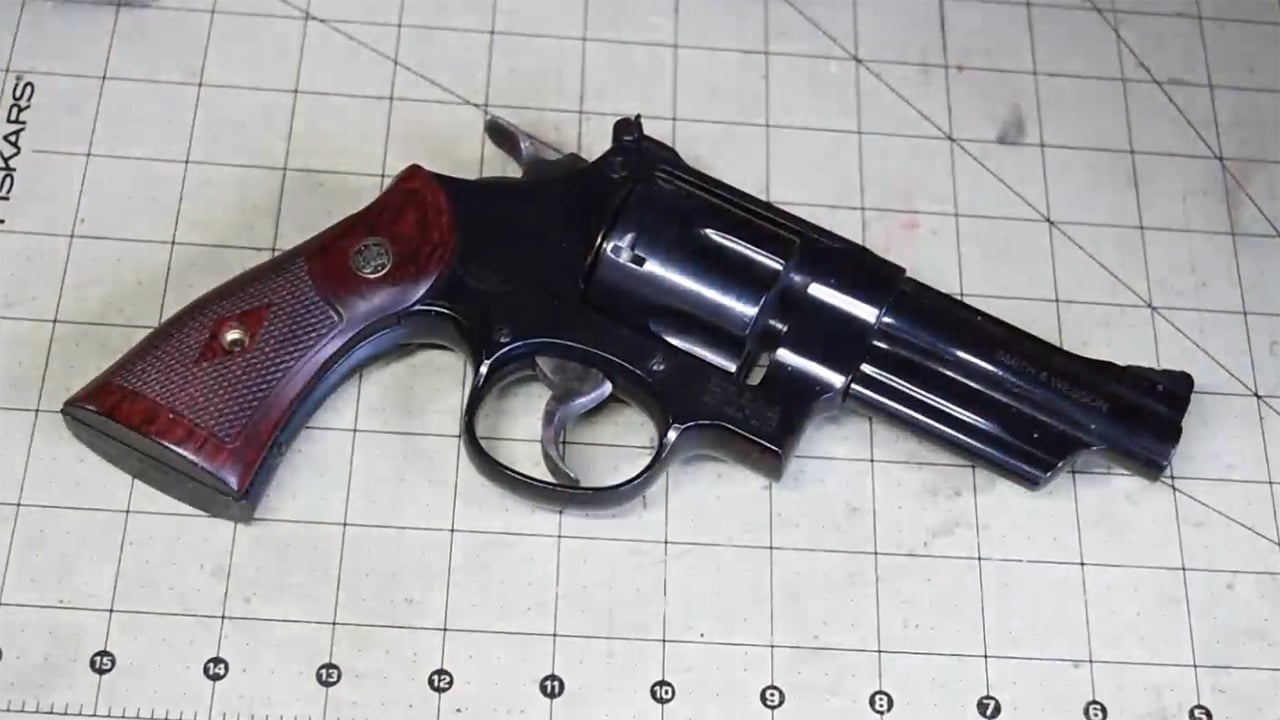
The Model 27 is the revolver for shooters who appreciate where the .357 Magnum story started. Built on the large N-frame, it is heavier than necessary by modern standards, but that weight makes full-power ammunition remarkably comfortable compared with lighter revolvers.
The Model 27 also carries a level of finish and history that makes owners reluctant to let one go. Older examples with deep bluing and checkered top straps have a presence that modern utilitarian revolvers simply do not duplicate. Even shooters who own lighter .357s often keep the Model 27 because it is such an enjoyable gun to shoot from the bench. It is not always the most practical revolver, but practicality is not the only reason serious shooters keep guns.
Ruger Super Blackhawk
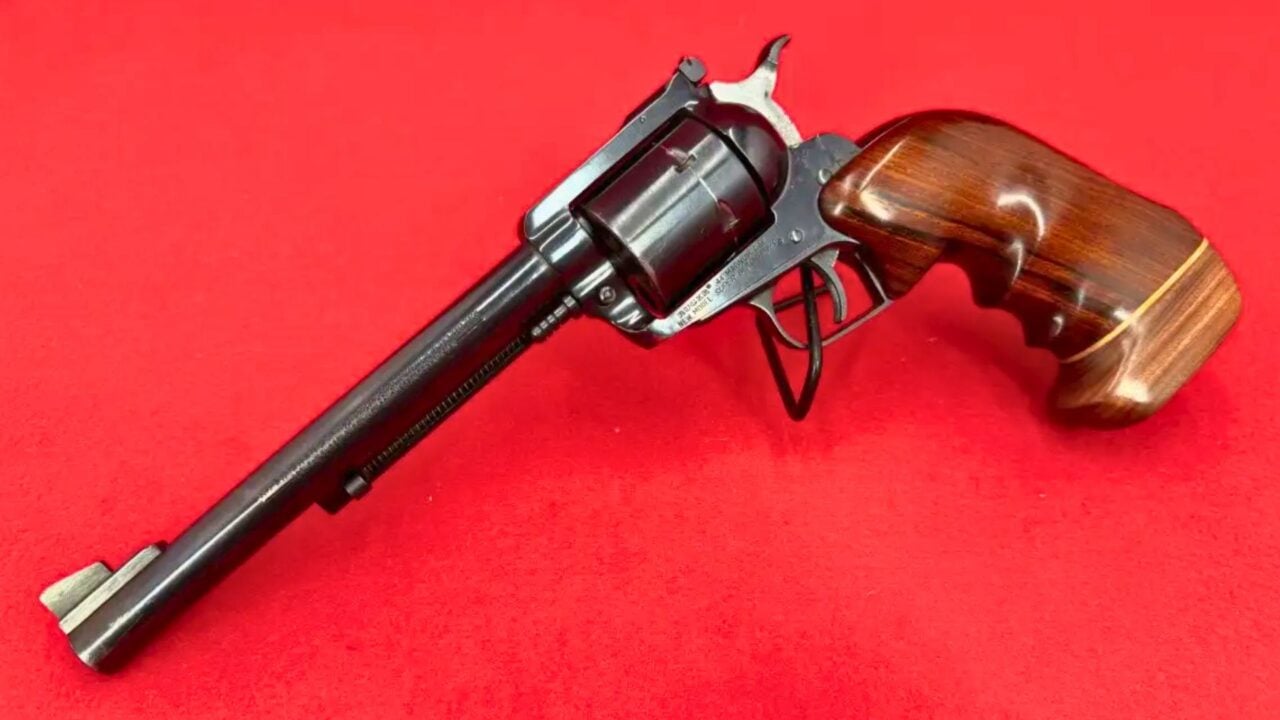
The Super Blackhawk is what many shooters move toward after deciding a standard single-action is not enough for the kind of .44 Magnum shooting they want to do. The larger grip frame, heavy construction, and long-barreled options make it particularly effective for hunting and deliberate field shooting.
Once an owner becomes accustomed to the recoil characteristics and single-action rhythm, the Super Blackhawk becomes difficult to replace. It can handle serious loads and tends to shoot extremely well with ammunition it likes. There are more expensive hunting revolvers available, but the Ruger gives shooters a tremendous amount of capability without requiring custom-gun money. That value is one reason so many stay in collections for decades.
Freedom Arms Model 83
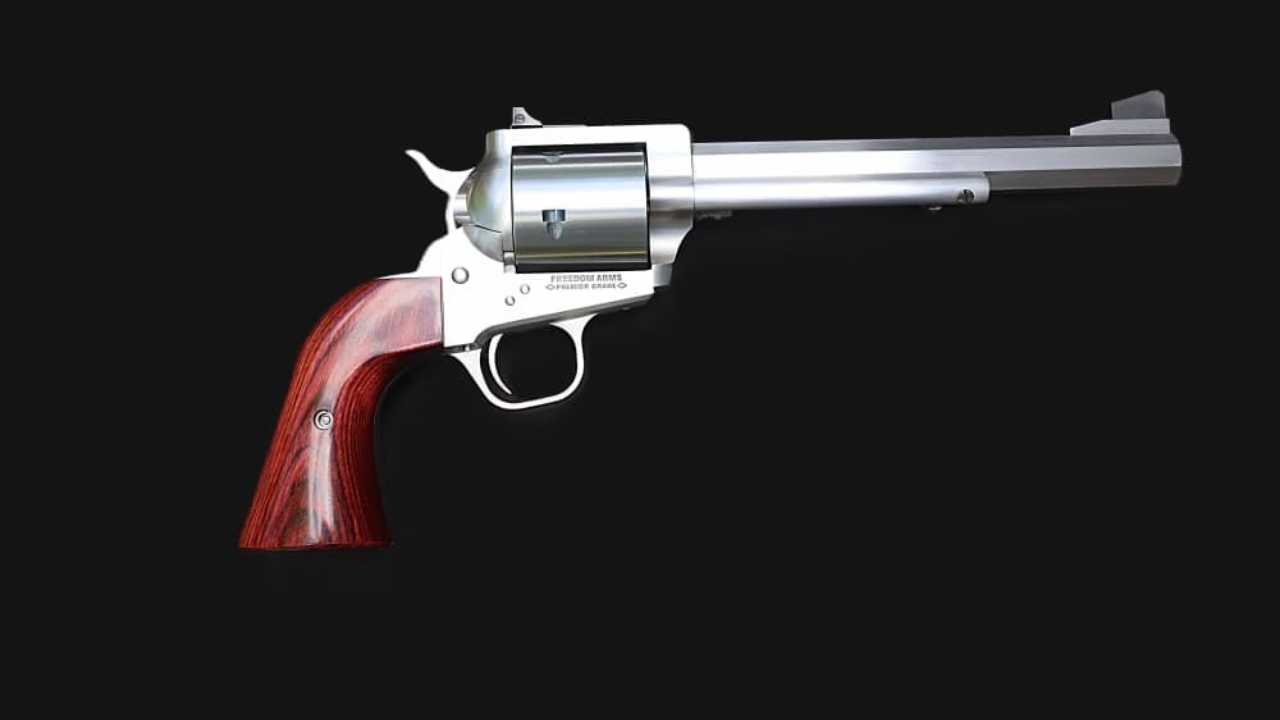
The Model 83 is often the revolver someone buys after already owning several others and deciding they want one exceptionally well-built single-action. Freedom Arms is known for tight tolerances, strong construction, and the kind of accuracy that makes handgun hunting at serious distances realistic in capable hands.
This is not a revolver people buy casually, and that is exactly why they rarely sell them casually. The price of entry means most owners already know what they want before ordering one. Once the gun is set up for a preferred load and used successfully in the field, replacing it becomes difficult to imagine. A Model 83 tends to become a destination purchase rather than another stop along the way.
Smith & Wesson Model 60
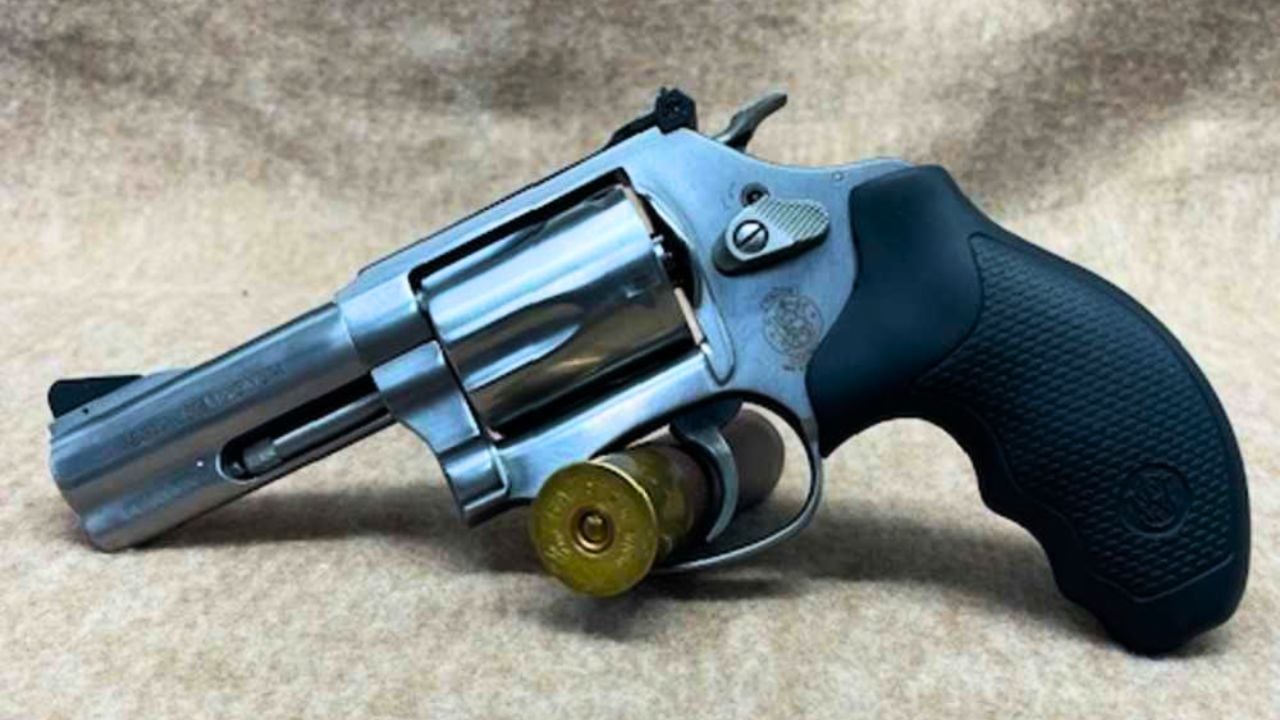
The Model 60 earns permanent status for a different reason than the big magnums. It is compact, stainless, and useful enough to fit into situations where a larger revolver would simply be left behind. Shooters who appreciate small-frame revolvers tend to understand how valuable that combination becomes over time.
A longer-barreled Model 60 can also be surprisingly capable. It remains easy to carry while providing a better sight radius and more controllability than the shortest snubnose configurations. Serious shooters often keep one because it works as a carry gun, backup revolver, trail companion, and general-purpose small handgun. That kind of versatility makes selling it feel unnecessary even after other revolvers enter the collection.
Ruger SP101
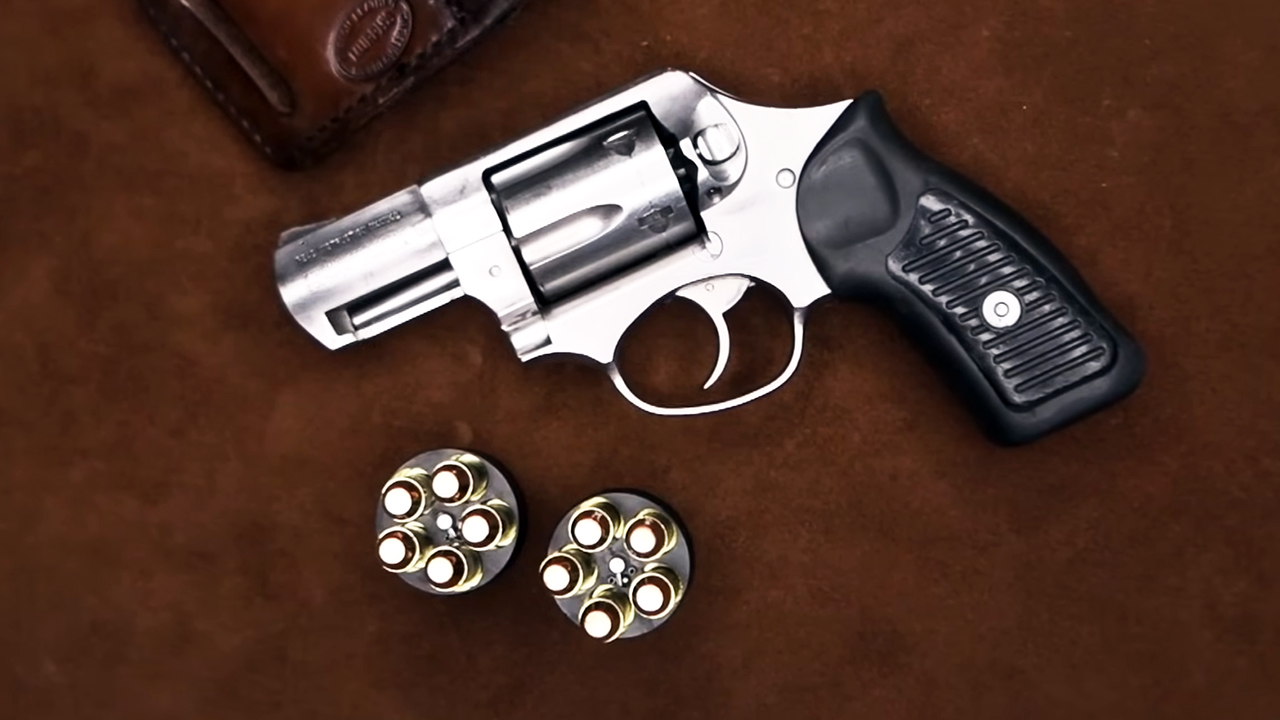
The SP101 feels like a revolver designed for someone who wants compact dimensions without giving up a sense of strength. Its stainless frame gives it more weight than ultra-light carry guns, but that weight makes .357 Magnum far more manageable and gives the revolver a reassuringly solid feel.
Experienced shooters often appreciate the SP101 more after living with it for a while. It carries easily, tolerates rough use, and can be tuned into a very smooth little revolver. There are lighter options, but many of them are much less enjoyable to practice with. A handgun someone actually shoots regularly usually stays in the collection longer than one that is convenient only until the trigger gets pulled.
Colt Anaconda
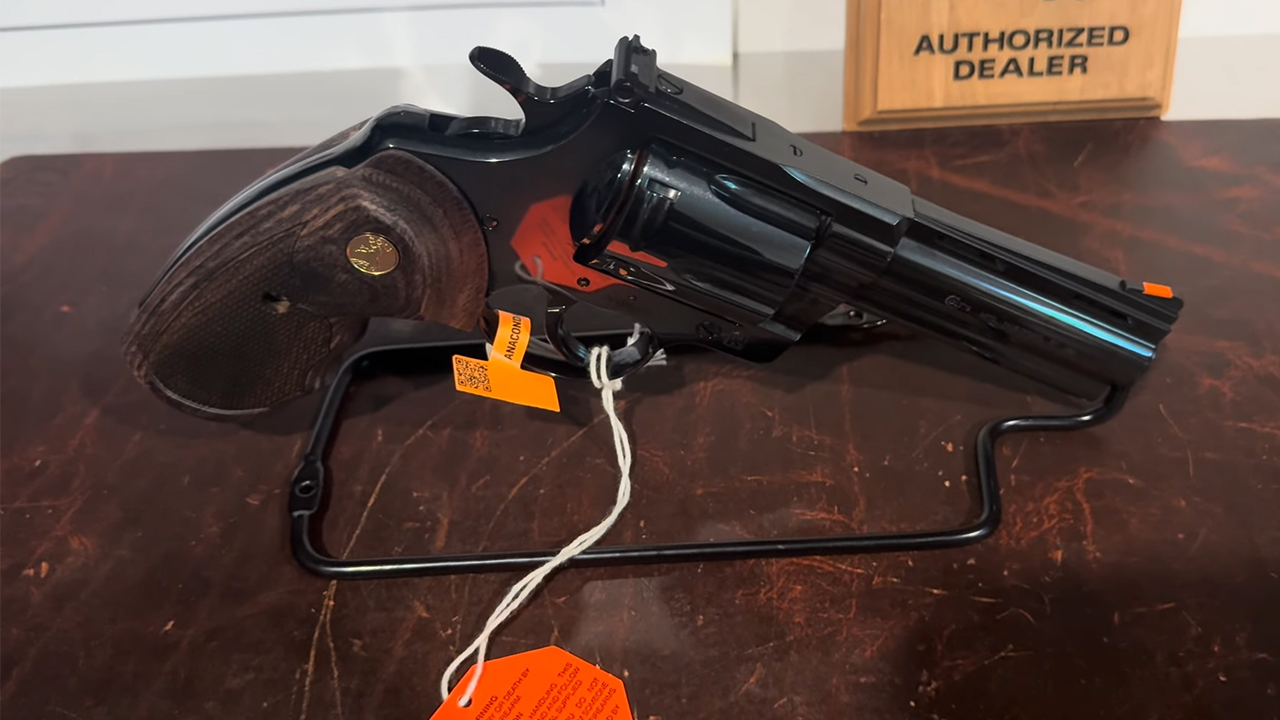
The Anaconda gives revolver shooters a large-frame Colt chambered in cartridges serious enough for hunting and backcountry use. Modern versions have brought the platform back to shooters who want .44 Magnum power with Colt styling and current-production support.
What makes the Anaconda a keeper is the combination of size, smoothness, and personality. It is not simply another heavy magnum revolver. The barrel profile, grip frame, action, and Colt name give it a distinct identity that appeals strongly to people who already enjoy revolvers. Once someone spends the money on one and discovers that it shoots as well as it looks, trading it for another large magnum rarely seems worthwhile.
Smith & Wesson Model 10
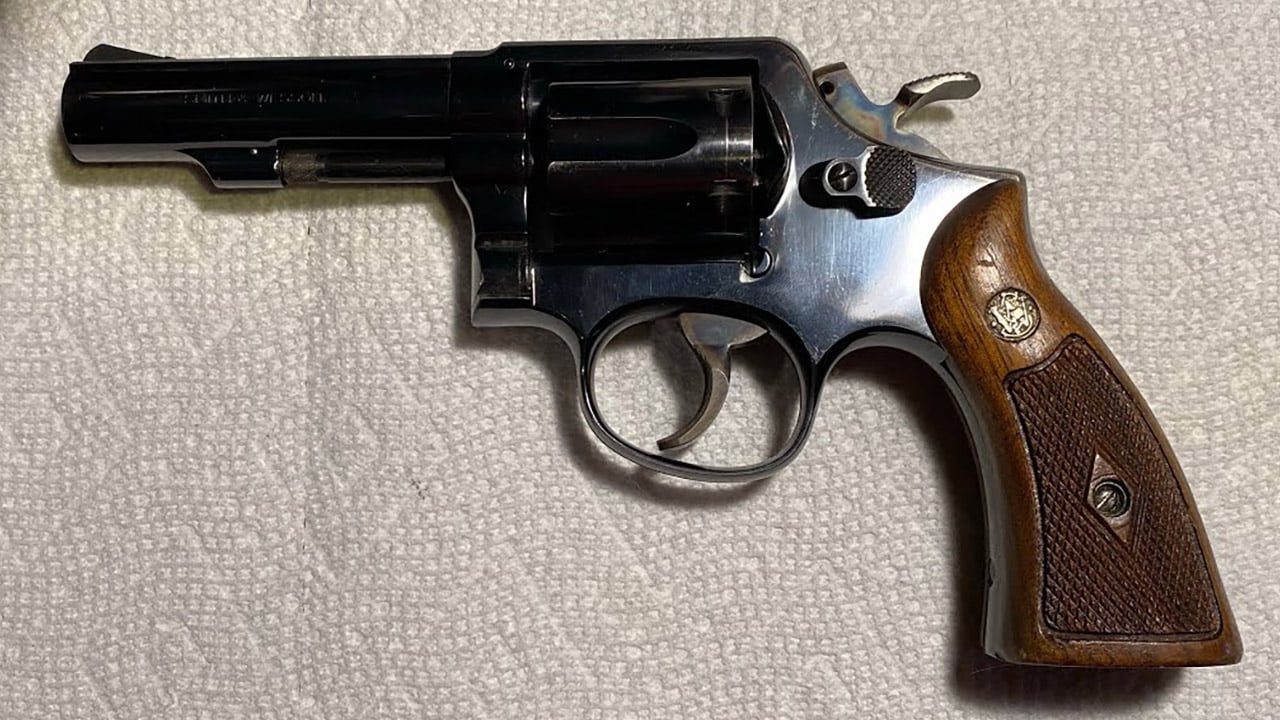
The Model 10 proves a revolver does not need magnum power or adjustable sights to become indispensable. It is one of the purest examples of a working .38 Special ever made. The fixed sights, slim barrel profiles on many versions, and K-frame balance make it incredibly easy to shoot well.
Serious shooters often keep Model 10s because they appreciate what simplicity feels like after years of chasing more features. A good example has everything needed for accurate double-action practice without extra weight or complexity. Older police trade-ins also carry historical character that newer guns cannot reproduce. Once a shooter owns a particularly smooth Model 10, it often becomes the revolver used to judge every other double-action trigger.
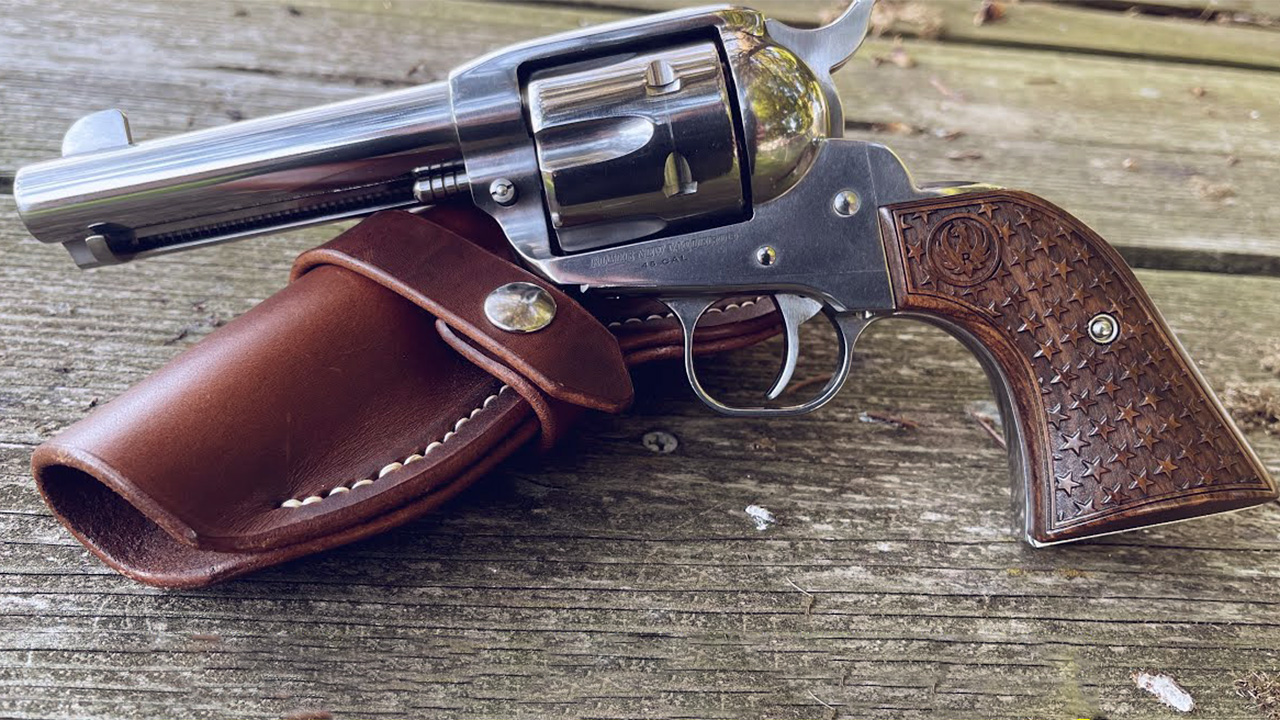
Ruger Vaquero
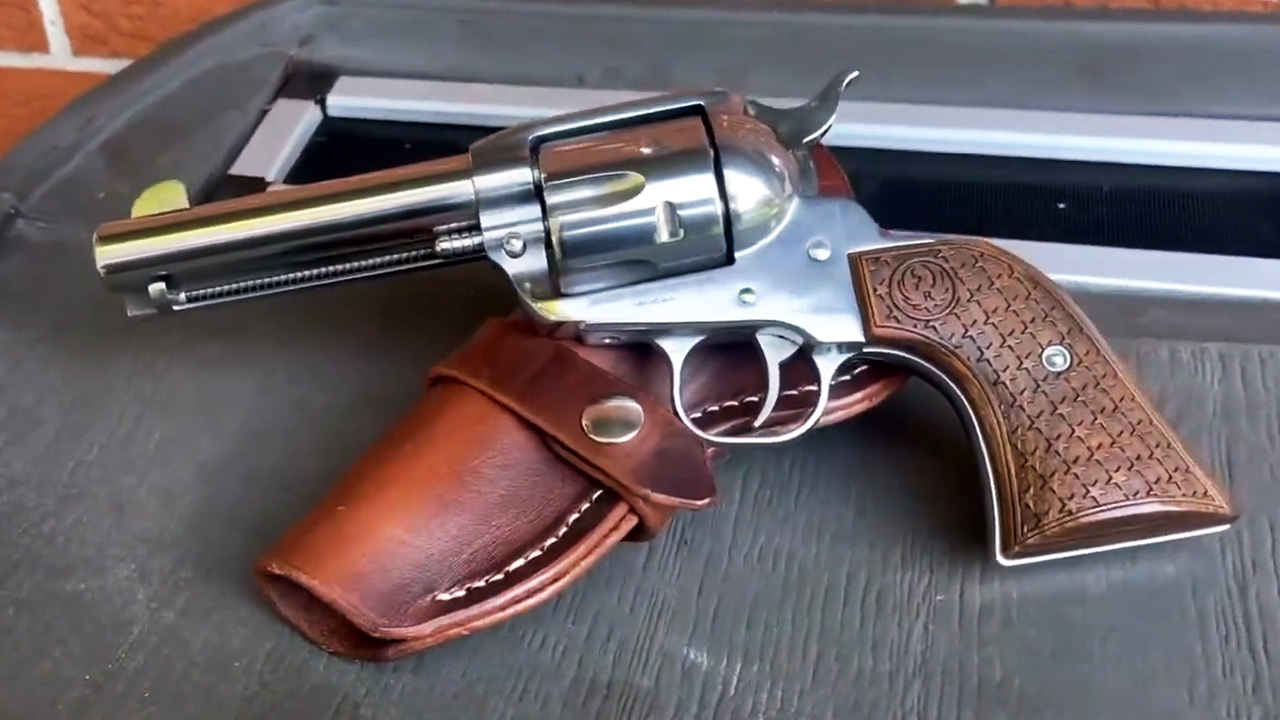
The Vaquero tends to become a permanent part of a collection because it combines traditional single-action styling with modern Ruger durability. Shooters drawn to western-style revolvers get the appearance and handling they want without giving up the robustness associated with Ruger’s design.
It is also one of those revolvers that gets more enjoyable as the owner spends time with it. Learning to run a single-action smoothly, finding the right grips, and settling on a preferred load makes the gun increasingly personal. Many shooters buy a Vaquero because they want something different from modern handguns and end up keeping it because nothing else provides the same experience. It is not the fastest or most practical revolver here, but it may be one of the hardest to replace emotionally.
Smith & Wesson Model 686 Plus
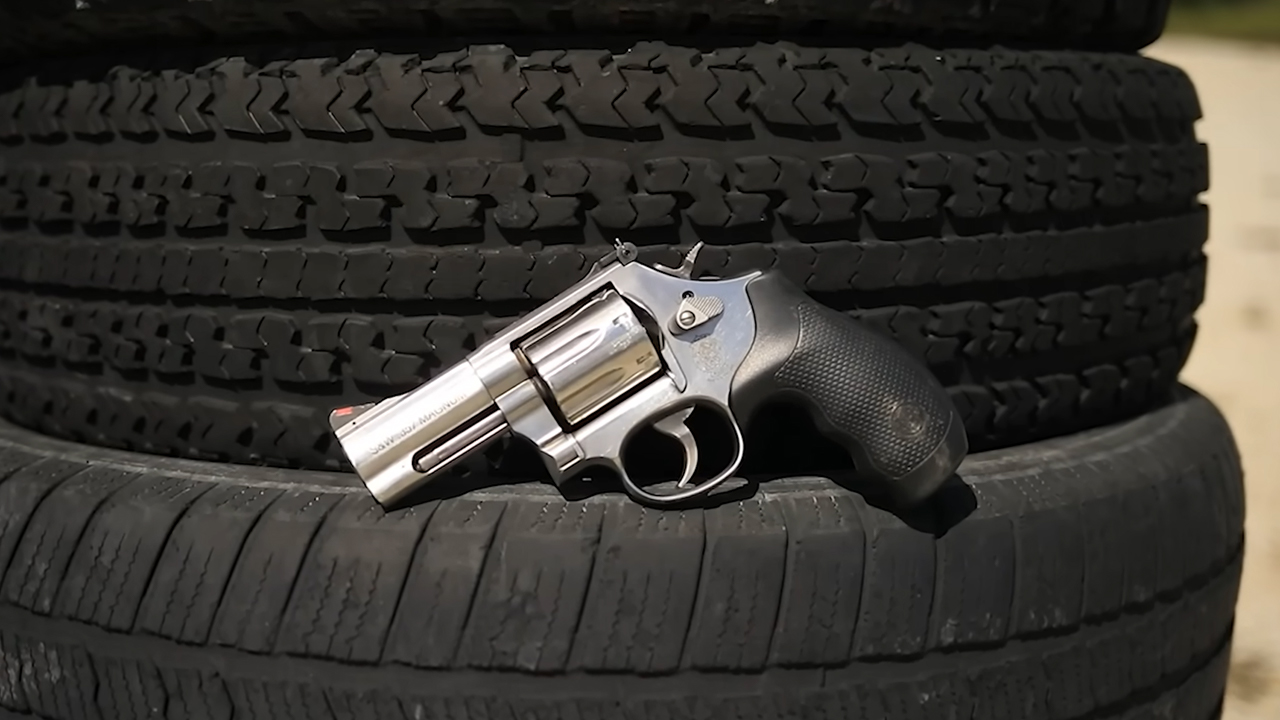
The 686 Plus takes everything shooters already like about the standard 686 and adds a seven-round cylinder. That small increase in capacity does not transform the revolver into a semi-auto replacement, but it gives owners one more reason to consider it the ultimate general-purpose .357.
A four-inch 686 Plus is especially difficult to argue against. It is heavy enough to absorb recoil, compact enough to carry, easy to shoot accurately, and capable of firing everything from mild .38 Special target loads to serious .357 Magnum ammunition. Serious shooters who own one often stop shopping for another medium-frame magnum because the 686 Plus already handles the job so well. That is usually the strongest sign that a revolver is not going anywhere.
Like The Avid Outdoorsman’s content? Be sure to follow us.
Here’s more from us: