Photo credit: PS Gun Channel/YouTube
There are certain guns I remember seeing on used racks and thinking I could always buy one later. They were common, reasonably priced, and usually sitting beside something newer that looked more interesting at the time. The problem is that “later” eventually arrived, and a surprising number of those guns either disappeared from stores or started bringing prices I never expected to see.
That has changed the way I look at clean older firearms. I am not saying every discontinued gun is automatically a great investment, because plenty are not. I am talking about guns I actually wish I had bought when they were easier to find and easier to justify. If I walked into a shop today and found one of these in the right condition at a fair price, I would have a much harder time leaving it behind.
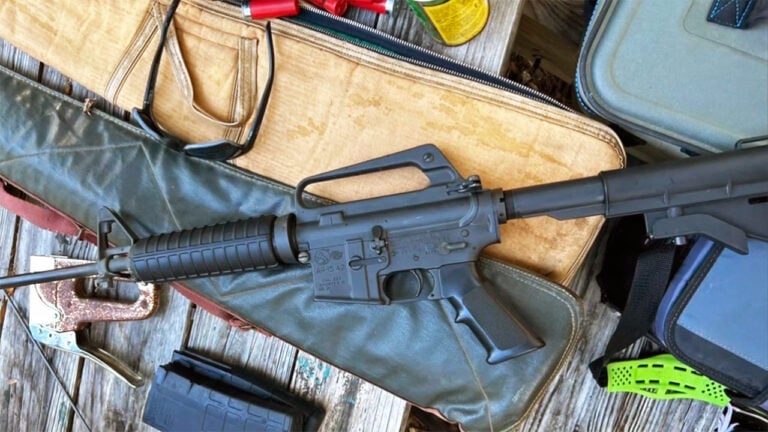
Colt SP1

The Colt SP1 is one of the rifles that reminds me how quickly an ordinary-looking gun can become a piece of history. For years, early civilian AR-15s were simply older ARs. Shooters wanted newer rifles with adjustable stocks, rails, heavier barrels, optics mounts, and all the features the SP1 lacked. Lightweight barrels, fixed carry handles, and triangular handguards seemed outdated rather than desirable.
Now those exact features are what make an original SP1 interesting. They represent an era before the AR-15 became America’s dominant modular rifle, and untouched examples are much harder to recreate than another modern carbine.
If I found a clean SP1 with its original furniture and finish, I would pay attention immediately. Plenty were modified when nobody cared about originality. That makes complete rifles considerably more appealing today.
Heckler & Koch P7
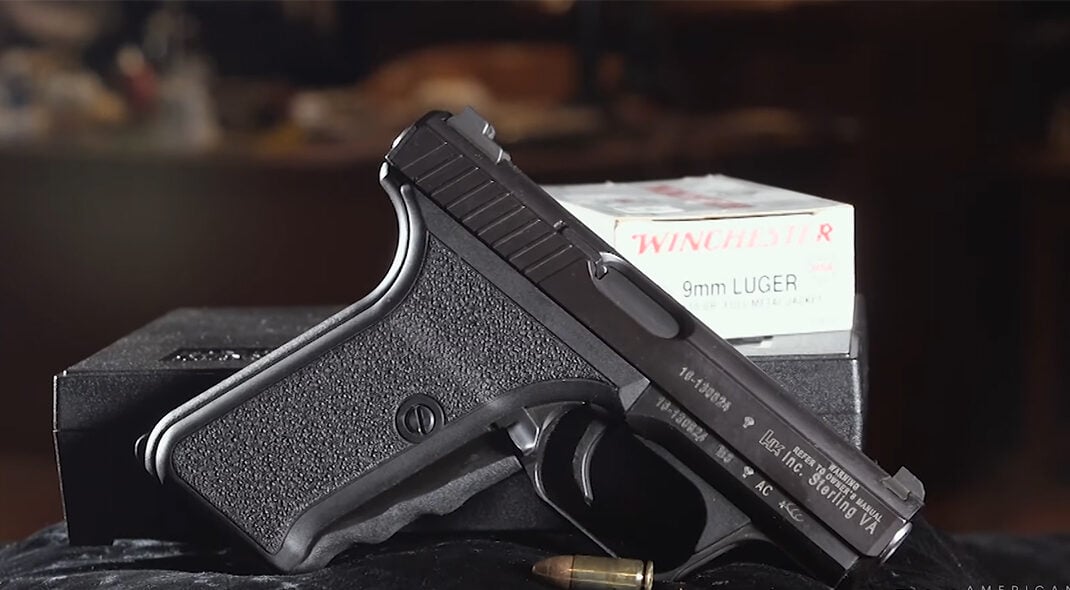
The HK P7 has gone from an unusual European pistol to one of those guns people kick themselves for not buying when police-surplus examples were easier to find. The squeeze-cocking system always made it different, but different did not necessarily mean desirable when buyers could choose larger-capacity service pistols for less money. Some shooters simply considered the P7 complicated, odd, and too expensive for what it was.
That attitude looks different now because nothing else really replaces it. The low bore axis, fixed barrel, compact dimensions, and unique operating system make the P7 an experience modern polymer pistols do not duplicate.
I would not treat one like an everyday bargain carry gun anymore. A clean P7 that has escaped heavy holster wear and questionable modifications is something I would think very carefully about before walking away from.
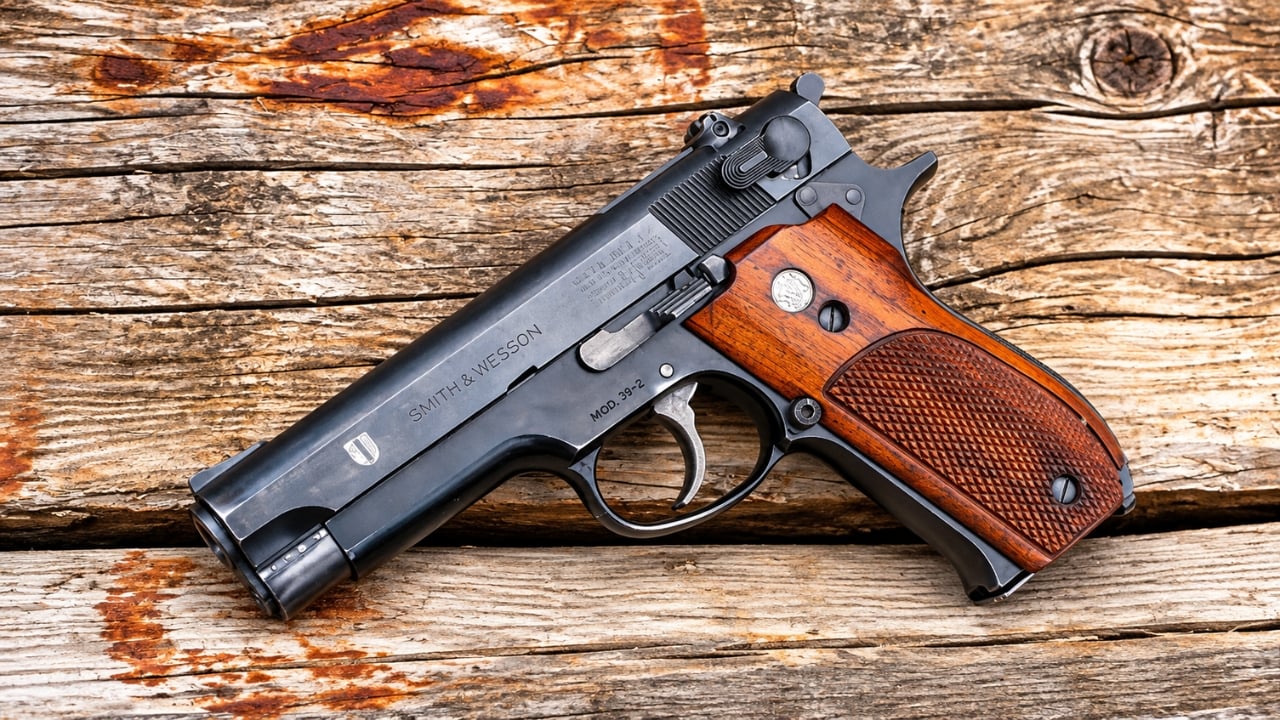
Smith & Wesson Model 39-2
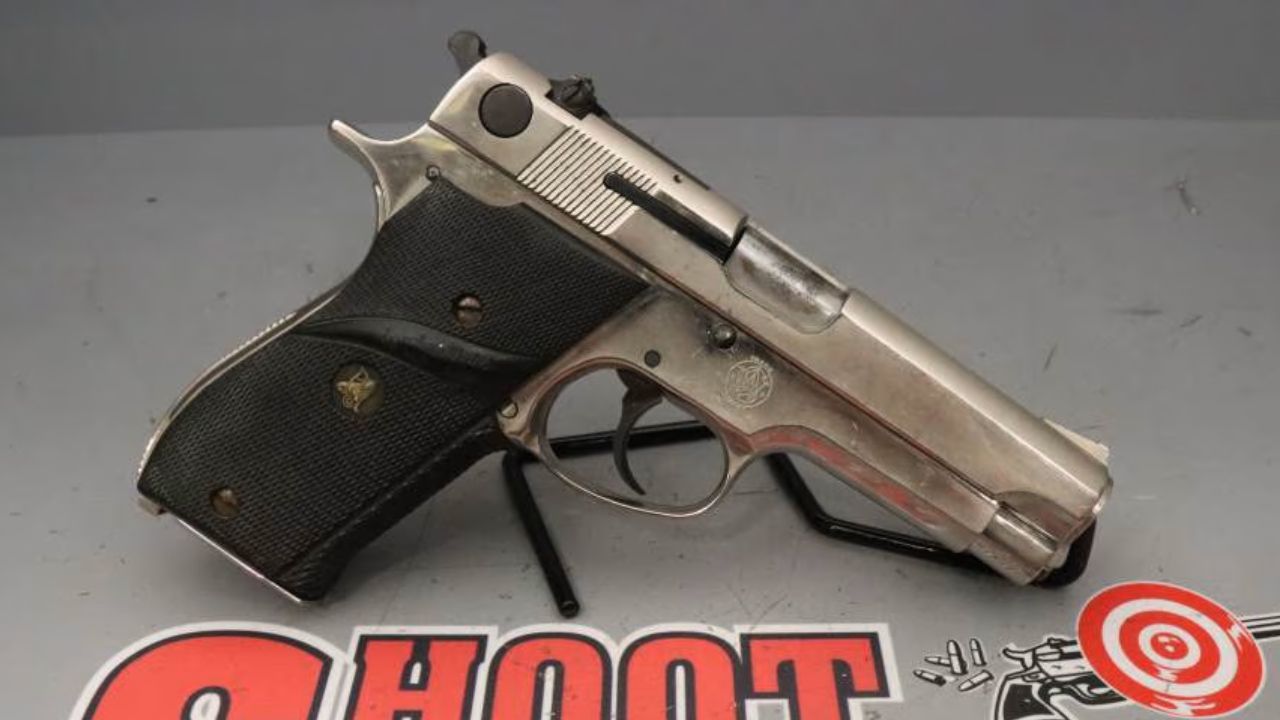
The Model 39-2 used to look old-fashioned sitting beside the double-stack pistols that replaced it. It carried eight rounds of 9mm, used a traditional double-action trigger, and came from a period when American police departments were only beginning to move toward semiautomatic handguns. For years, that made it more of an interesting old Smith than a pistol people actively chased.
Today, the slim aluminum frame, blued finish, curved backstrap, and single-stack proportions make it stand out precisely because modern pistols have moved so far in the other direction. It has become a snapshot of an important period in American handgun development.
If I found a sharp Model 39-2 with the original grips and minimal finish wear, I would not assume another would show up next week. That is exactly how I missed guns like this before.
SIG Sauer P6
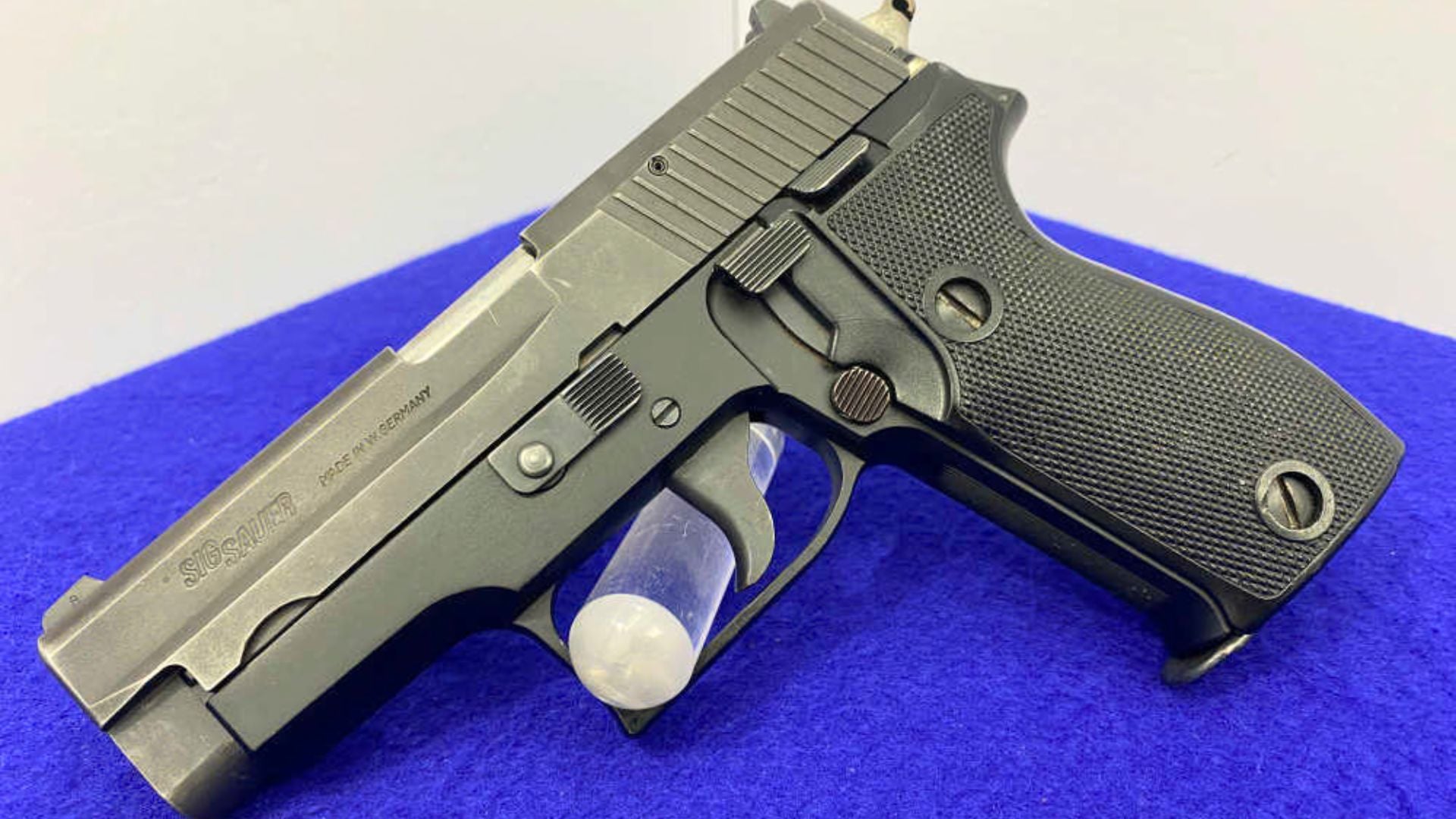
German police-surplus SIG P6 pistols were once one of the best bargains in the handgun case. They were essentially utilitarian relatives of the SIG P225, usually showing honest holster wear and frequently priced low enough that buyers treated them as inexpensive shooters. At the time, there seemed to be little urgency because another batch of surplus guns always appeared to be right behind them.
Those days did not last. The P6 is slim, solidly built, and unmistakably part of SIG’s classic metal-frame era. Shooters who once complained about low capacity now appreciate how easily these pistols carry and how good a traditional single-stack service pistol feels.
A clean example with matching components and original magazines would get my attention quickly. I remember when they were inexpensive enough to ignore, and that is exactly why I would hesitate to make the same mistake twice.
Beretta Model 81 Cheetah
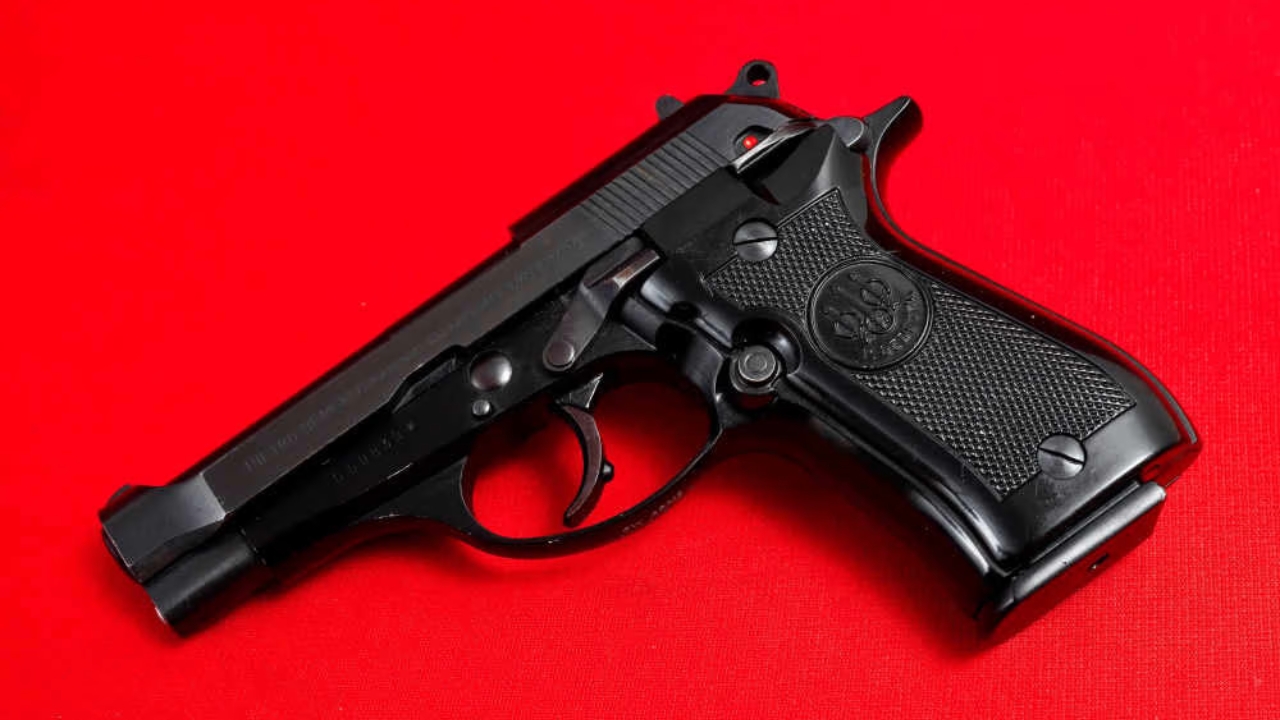
The Beretta 81 had its moment as an inexpensive surplus pistol when large numbers of European trade-ins entered the country. Their .32 ACP chambering kept some buyers away because everyone was focused on 9mm, while the larger frame seemed excessive for such a mild cartridge. That made the Model 81 easy to dismiss even though the actual pistol was beautifully made.
Once shooters handled them, the appeal became obvious. The aluminum frame, excellent ergonomics, smooth action, and high-capacity .32 configuration made the 81 incredibly pleasant to shoot. It also has the traditional Beretta appearance that newer compact handguns rarely match.
I would not assume another inexpensive shipment is going to rescue me if I pass on a particularly nice one today. Surplus comes in waves, and once the wave is gone, yesterday’s cheap import can become tomorrow’s frustrating search.
Smith & Wesson Model 65 Three-Inch
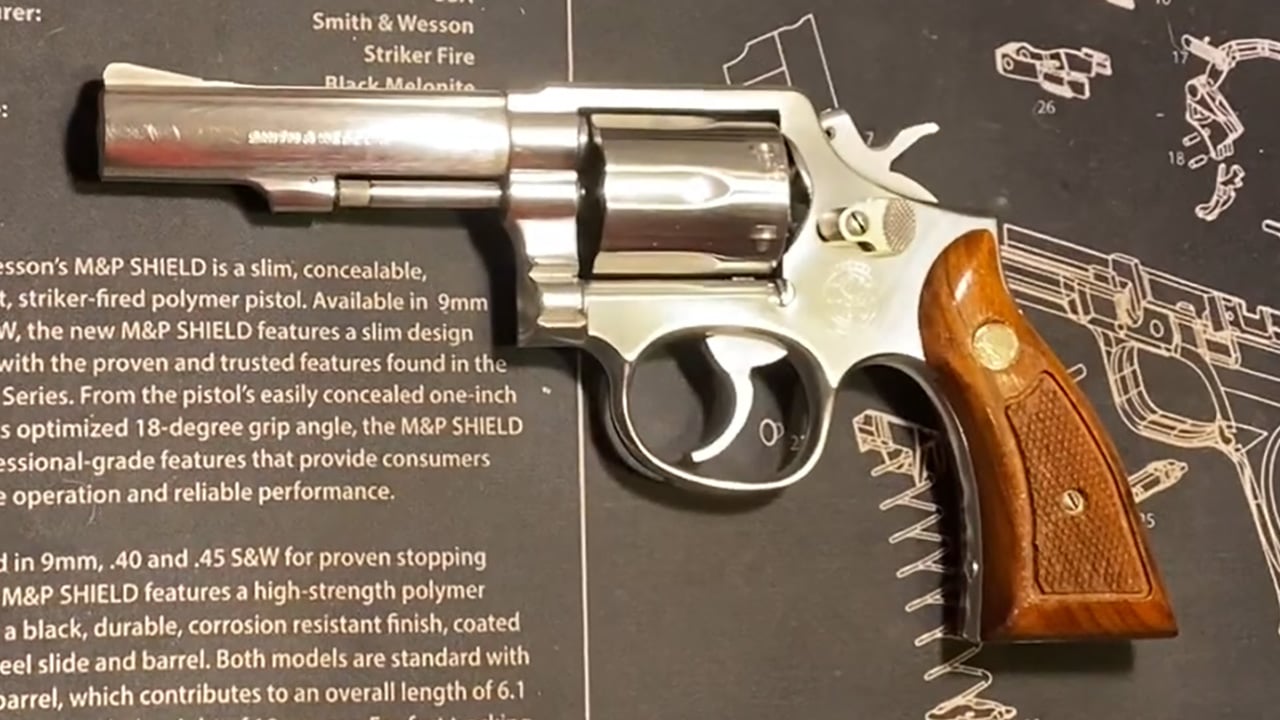
There was a time when a fixed-sight stainless .357 revolver looked plain compared with Smith & Wesson’s more glamorous adjustable-sight models. The Model 65 was built to work, and three-inch examples were especially practical for law enforcement and plainclothes use. That practical reputation is exactly why so many were carried hard instead of preserved.
Now the three-inch K-frame formula looks almost perfect. It gives me enough barrel to shoot well, a full-length ejector rod, manageable weight, and .357 Magnum capability without turning into a large hunting revolver. Clean examples have become considerably more interesting as shooters rediscover how useful that configuration is.
If I spotted a nice three-inch Model 65 today, I would not dismiss it as just another old police revolver. These are the guns people overlook until they suddenly realize how difficult the exact version they want has become to replace.
Colt Detective Special

The Detective Special once occupied an ordinary role that barely exists anymore. It was a compact revolver for detectives, plainclothes officers, and civilians who wanted something smaller than a duty gun without dropping all the way to a tiny five-shot revolver. For decades, used examples were common enough that there was little reason to rush.
Then Colt stopped making them, revolver tastes changed, and older examples slowly became collectible. Early guns, later shrouded-ejector versions, different finishes, and original grips now matter in ways many buyers never considered when these revolvers were simply used carry guns.
I would especially hesitate to pass on a mechanically sound Detective Special that had not been refinished or modified. A gun does not have to be enormous or powerful to become desirable. Sometimes the combination of history, proportions, and disappearing supply is more than enough.
Ruger Speed-Six
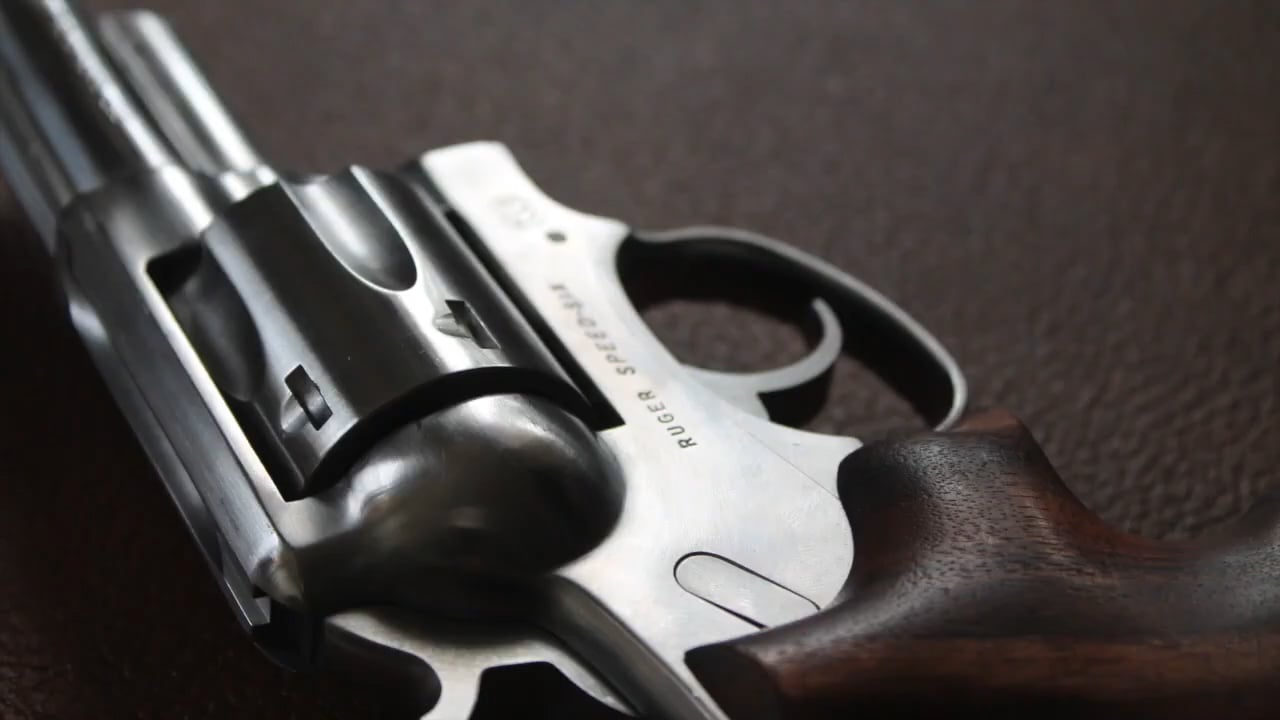
The Speed-Six once lived in the shadow of more famous Smith & Wesson revolvers, and that helped keep prices reasonable for a long time. Ruger built it as a rugged fixed-sight revolver that could tolerate serious use, which meant police officers, security personnel, and ordinary owners often treated them as working guns rather than collectibles.
The compact grip frame and strong construction make the Speed-Six look better every time I revisit it. The 2¾-inch and four-inch guns are particularly useful, and versions in desirable chamberings do not sit around as casually as they once did.
This is another revolver I would judge heavily by originality. Plenty have lived rough lives, worn aftermarket grips, or been refinished. When a clean one appears with the right barrel length, I would not assume that the next used-gun case will contain another equally good example.
Ruger Old Army
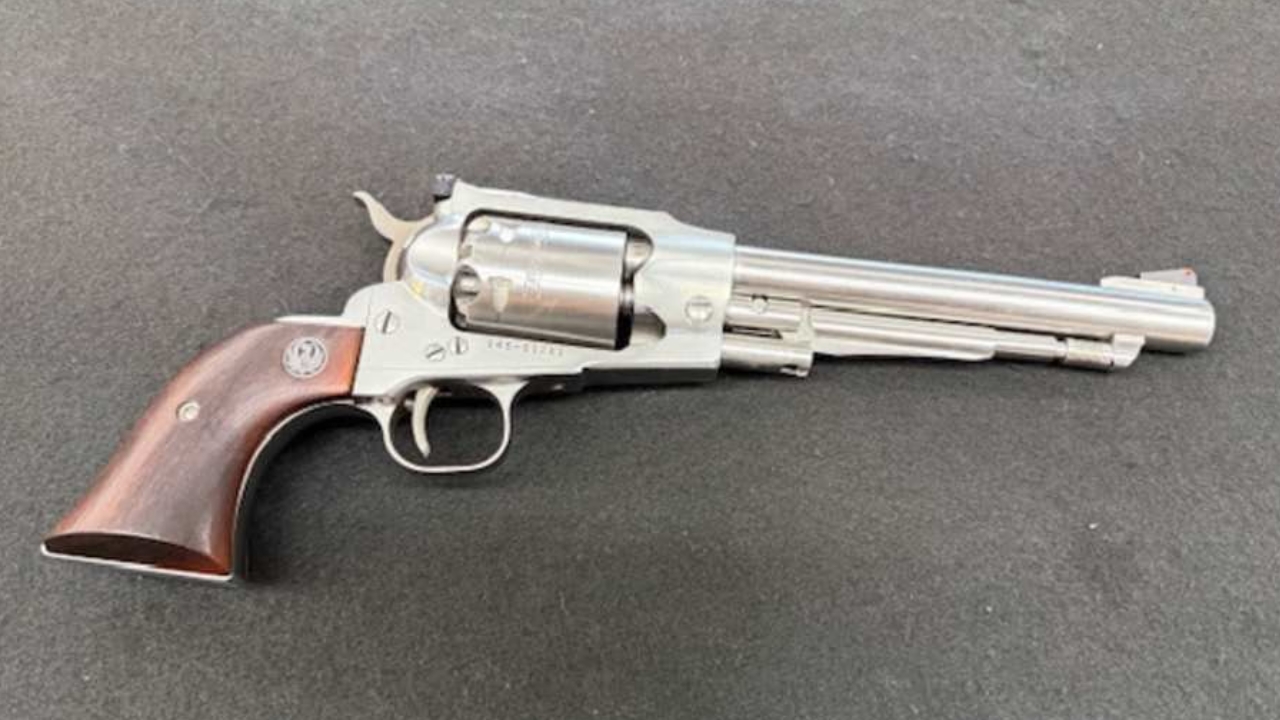
The Ruger Old Army was once just Ruger’s extremely sturdy take on the cap-and-ball revolver. Black-powder shooters appreciated it, but plenty of modern handgun owners walked past because they had little interest in percussion revolvers. The guns were well made, but there was no urgency when Ruger was still producing them.
Discontinuation changed everything. The Old Army occupies a strange category because there really is no current Ruger replacement. Its strength, quality, adjustable-sight versions, stainless models, and recognizable Ruger styling make it unlike reproduction Civil War-era revolvers.
I would not buy one because I expected to use it for the same jobs as a modern centerfire handgun. I would buy one because I know how frustrating it is to want a discontinued gun after realizing the manufacturer has moved on. Clean Old Armies have become exactly that kind of firearm.
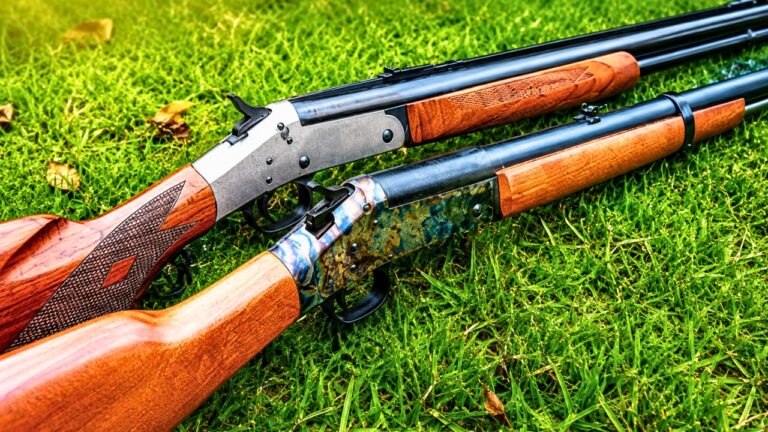
Marlin Model 39A
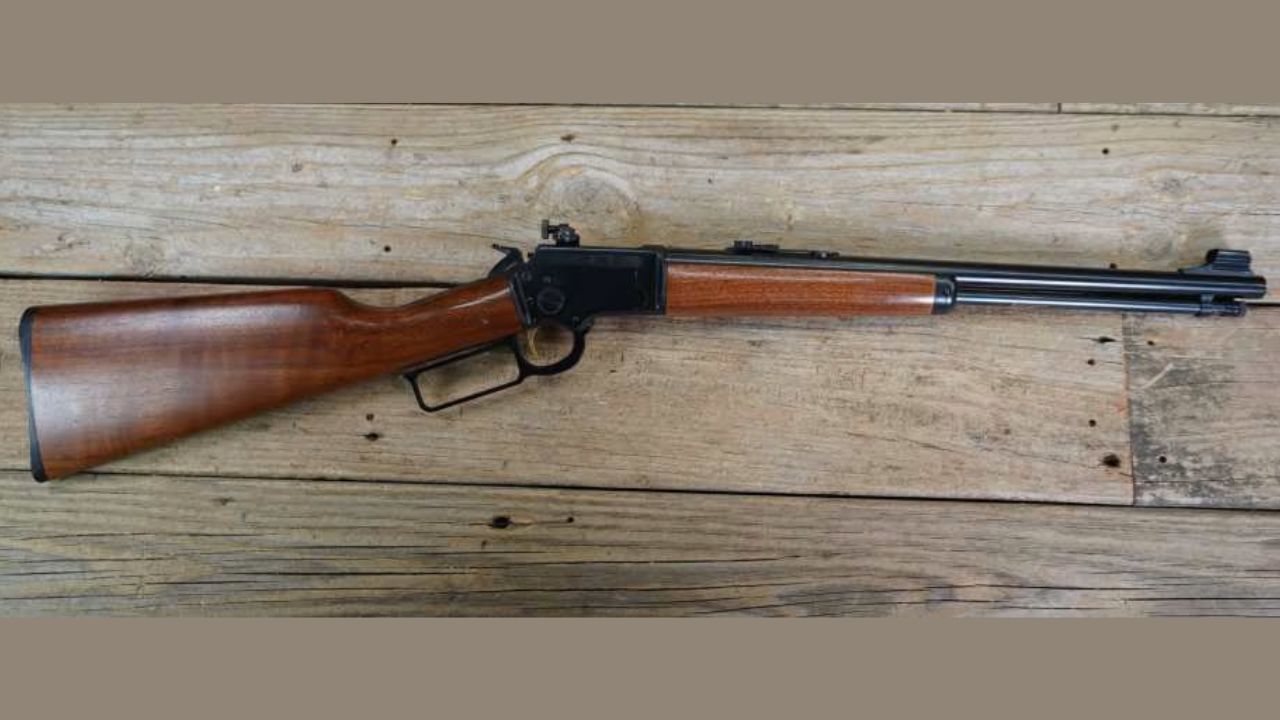
The Model 39A is a rifle I once assumed would always exist. It had been around for so long that imagining American gun stores without new examples seemed almost impossible. It was a full-size steel-and-walnut lever-action .22 built more like a centerfire rifle than the lightweight rimfires that dominate the market today.
That construction is exactly why old examples have become so appealing. The action wears in beautifully, the rifle balances well, and it has the sort of traditional machining that becomes expensive to reproduce. Owners also tended to keep them for decades, which means truly nice examples do not always come back onto the market quickly.
If I found a clean 39A with strong wood, original sights, and no extra holes drilled into it, I would have trouble walking away. I learned not to assume rifles like this will always be available later.
Winchester Model 88
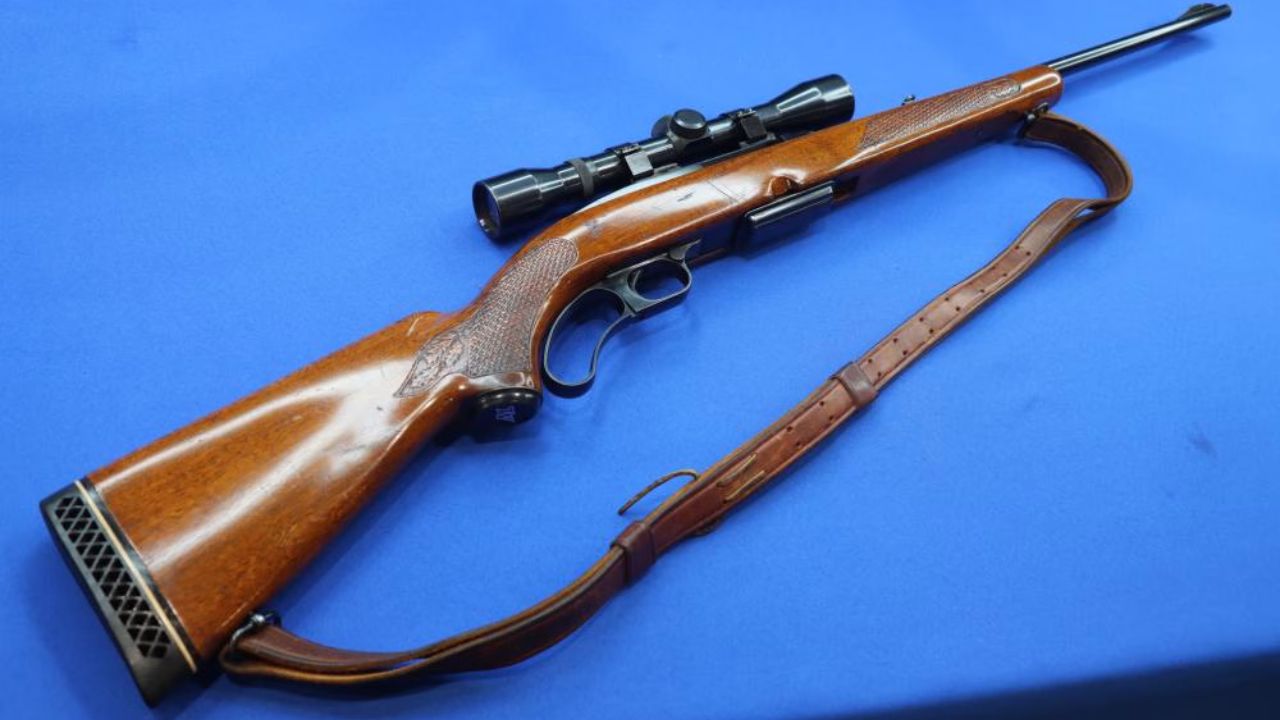
The Model 88 is one of those rifles that seemed strange when conventional bolt actions were cheaper and lever guns were expected to chamber traditional cartridges. Winchester gave the 88 a rotating bolt and detachable box magazine, allowing it to use modern pointed ammunition in cartridges such as .308 Winchester.
For years, that made the rifle interesting without necessarily making it highly sought after. Now the combination of walnut, mid-century styling, lever operation, and modern cartridge capability makes it stand out. There is simply not much being built today that feels anything like it.
Condition is the part I would watch closely. Model 88s were hunting rifles, so many collected real woods wear. A clean original rifle in an appealing chambering is something I would examine carefully before passing. I have seen too many once-common hunting rifles become surprisingly difficult to replace.
Savage Model 99
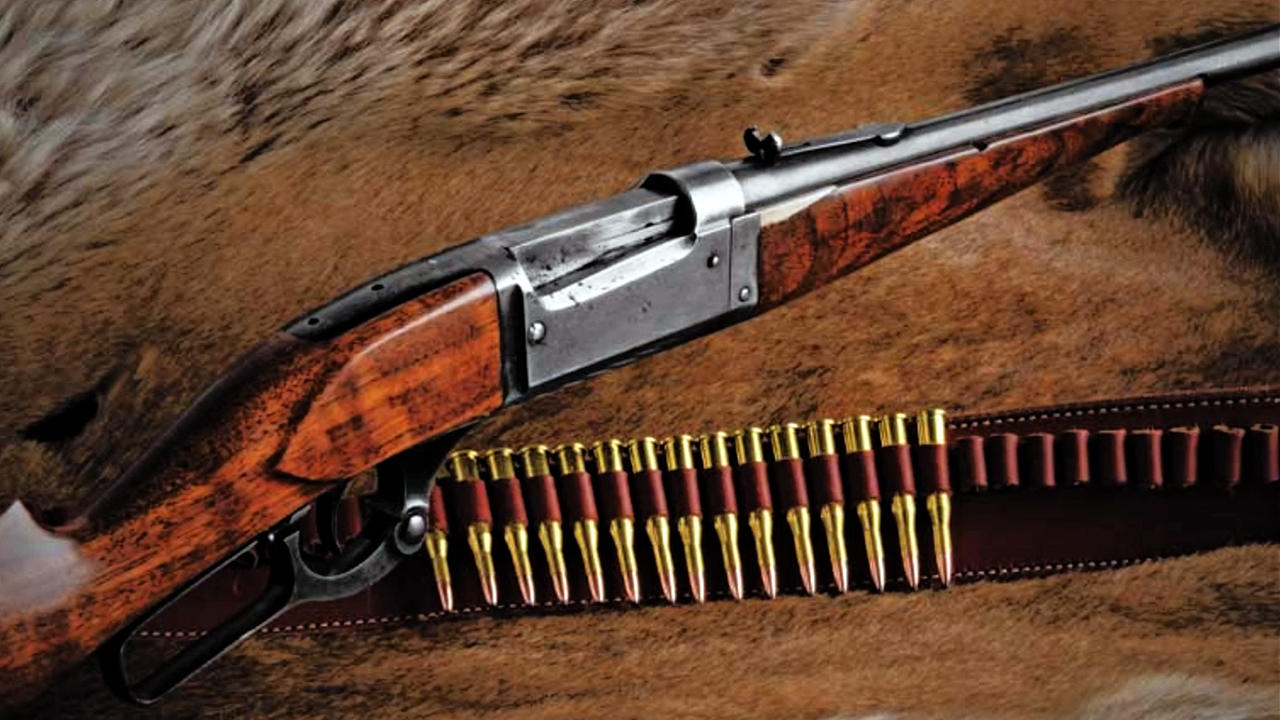
The Savage 99 should have taught hunters not to assume complicated, beautifully machined rifles will remain inexpensive forever. For generations it was simply a working deer rifle. Families carried them in .300 Savage, .250 Savage, .308 Winchester, and other useful chamberings without thinking of them as scarce objects.
Once production ended, buyers gradually realized how difficult it would be to reproduce the same design cheaply. The rotary-magazine system on many versions, hammerless action, slender receiver, and ability to use pointed bullets gave the Model 99 an identity that no current mass-market lever rifle really duplicates.
I would be especially interested in older rifles that have not been drilled, refinished, or otherwise altered. There are still plenty of Model 99s around, but finding exactly the variation and condition I want is nowhere near as easy as simply finding any Savage 99.
Remington Model 600

The Remington 600 once looked almost too odd to become desirable. Its ventilated rib, compact dimensions, dog-leg bolt handle, and unusual styling made it easy for traditionalists to dismiss. It was short and light at a time when many hunters expected a deer rifle to look much more conventional.
Today, those unusual features are exactly what make the Model 600 interesting. The rifle was ahead of the modern obsession with short, handy bolt actions, and certain chamberings have become particularly sought after. Many were also used hard because owners recognized how convenient they were in thick woods.
I would look very carefully at originality before buying one, but a clean Model 600 would absolutely stop me at a used rack. Strange guns often become much more desirable after the market realizes nobody is ever going to make that exact strange gun again.
Marlin Camp 9
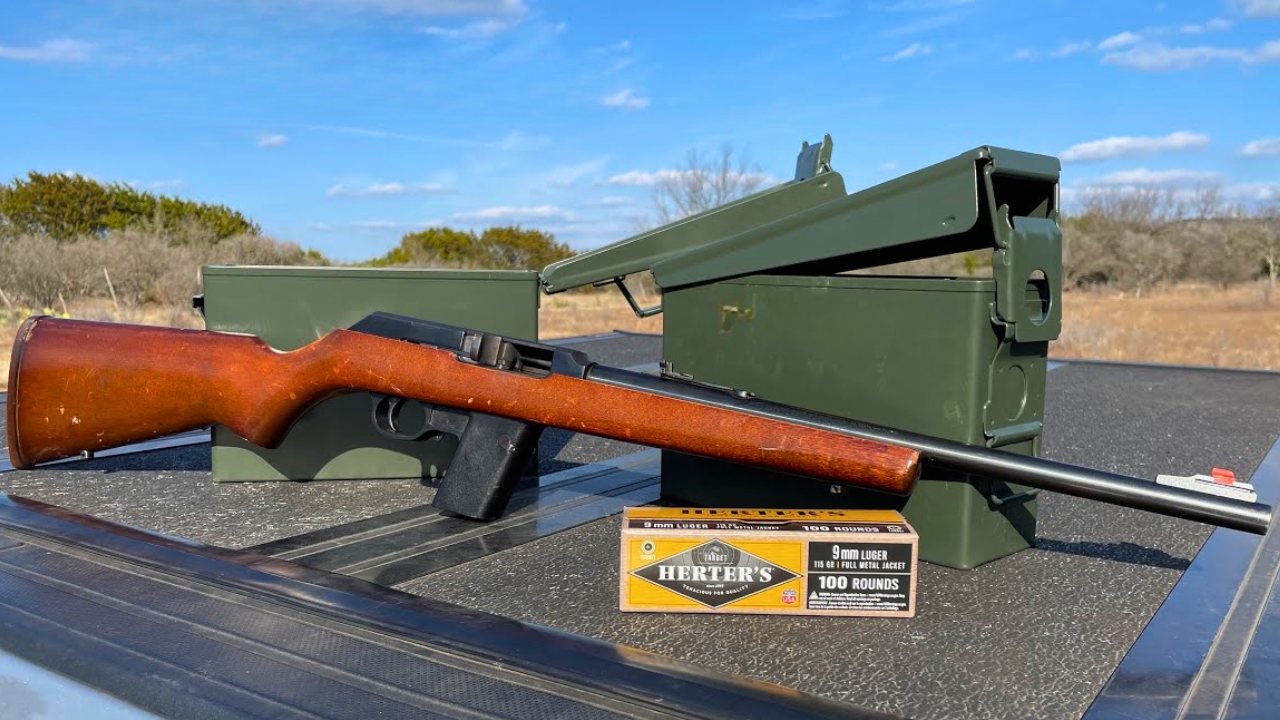
The Marlin Camp 9 arrived long before pistol-caliber carbines became one of the hottest categories in the gun market. At the time, it was a simple semiautomatic carbine chambered in 9mm that looked more like a traditional rimfire than a tactical rifle. Plenty of shooters saw it as useful but not particularly exciting.
That perception changed as PCCs became more popular and shooters began appreciating just how unusual the Camp 9 was. Its traditional stock and compact profile give it a completely different character from today’s modular carbines. It is also tied to an era when manufacturers were willing to experiment with concepts that did not fit neatly into established categories.
A clean example that has been properly maintained would be difficult for me to ignore. I remember when guns like this were inexpensive curiosities, and those are often the exact guns that become annoying to hunt down later.
Ithaca Model 37 Deerslayer
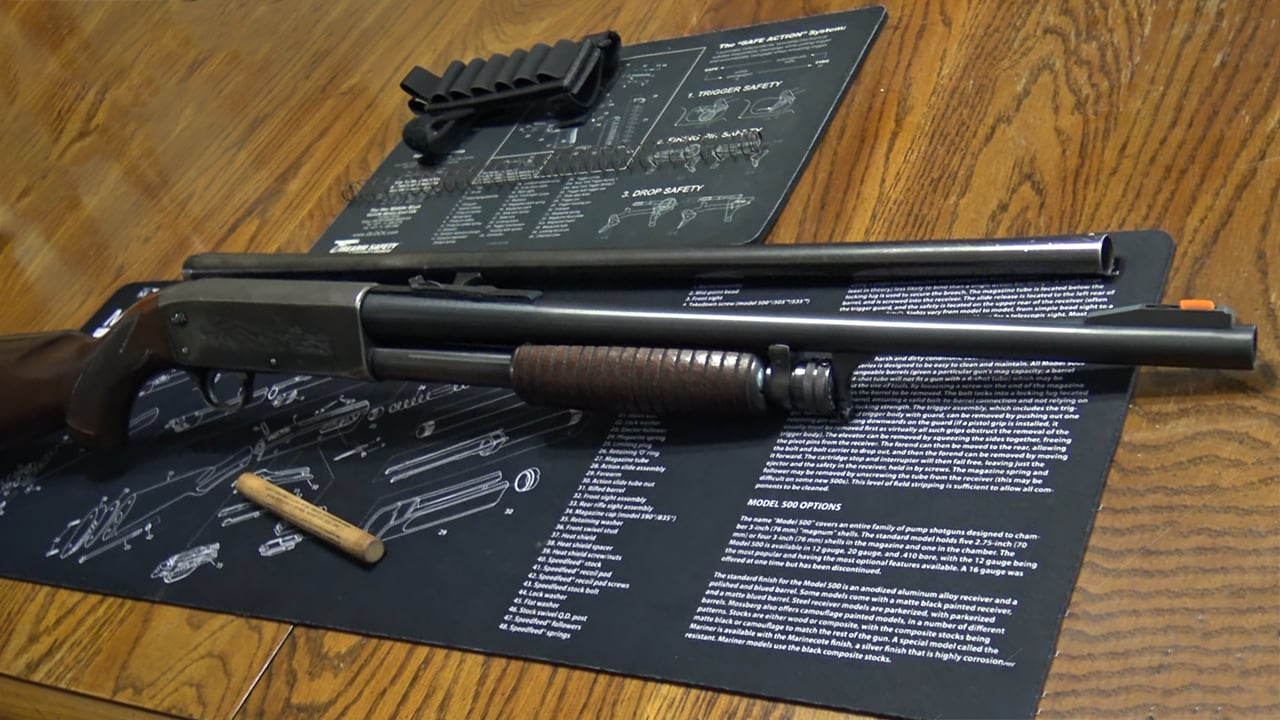
The Ithaca 37 Deerslayer used to be exactly what its name suggested: a practical deer gun for hunters operating in shotgun-only areas. Pump shotguns with slug barrels were common enough that there was little reason to think any particular model would become especially desirable.
But the Ithaca 37 has qualities that separate it from ordinary pumps. Bottom ejection, a smooth action, relatively light weight, and a long American production history give it a distinctive feel. Dedicated Deerslayer versions add another layer of interest, particularly for hunters who remember when slug guns dominated entire regions.
I would pay attention to older examples that remain in their original deer configuration rather than guns assembled from mismatched parts. Regulations and hunting technology have changed, but that does not make the classic slug gun any less interesting. In some ways, it makes a good one more nostalgic.
Remington 541-T
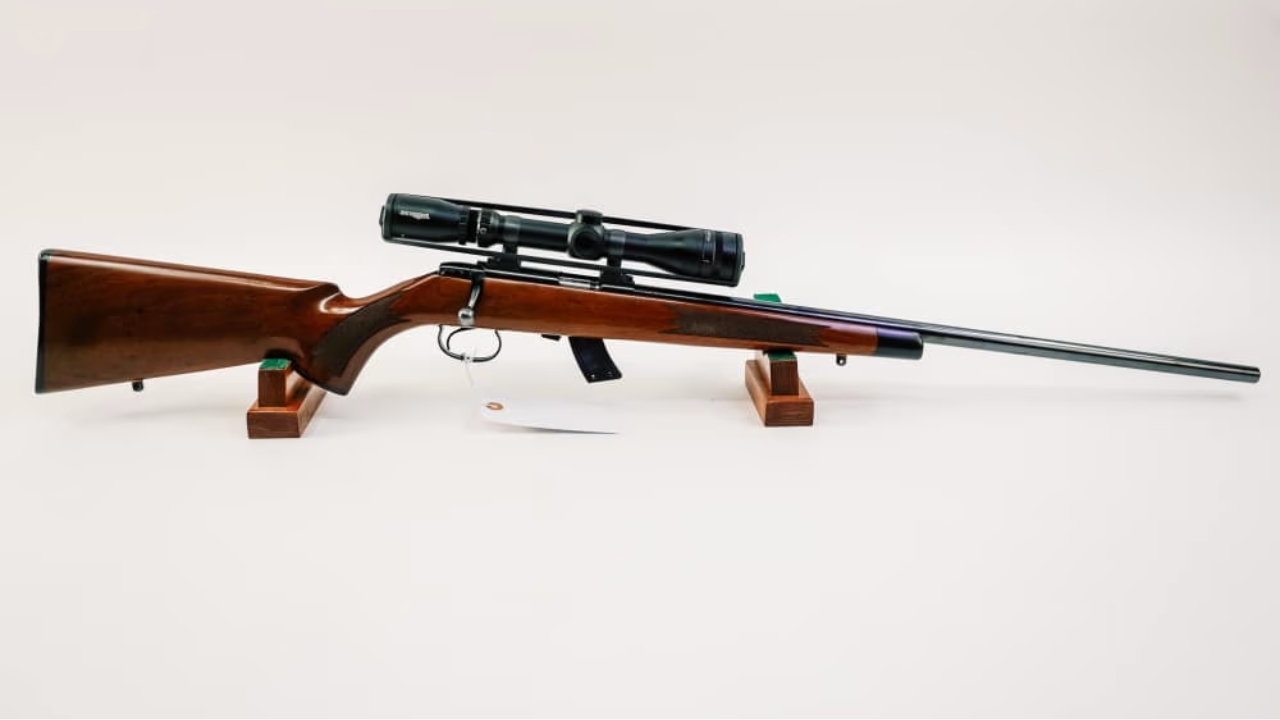
The Remington 541-T is the kind of rimfire that proves inexpensive .22 rifles and premium-feeling .22 rifles are very different things. These rifles were built for shooters who wanted better accuracy, nicer stocks, and a more substantial feel than basic plinkers offered. For years, used examples could be found without the urgency surrounding high-end European rimfires.
As production faded into history, shooters started looking harder at what the 541-T actually offered. A good example combines classic Remington styling with the accuracy potential that makes rimfire shooting addictive. They also came from a period when attractive walnut-stocked rimfires occupied more space in the American market.
If I saw one that had not been abused or awkwardly modified, I would take it seriously. Quality rimfires are among the easiest guns to pass on when they are cheap and regret later when replacements cost considerably more.
CZ 452
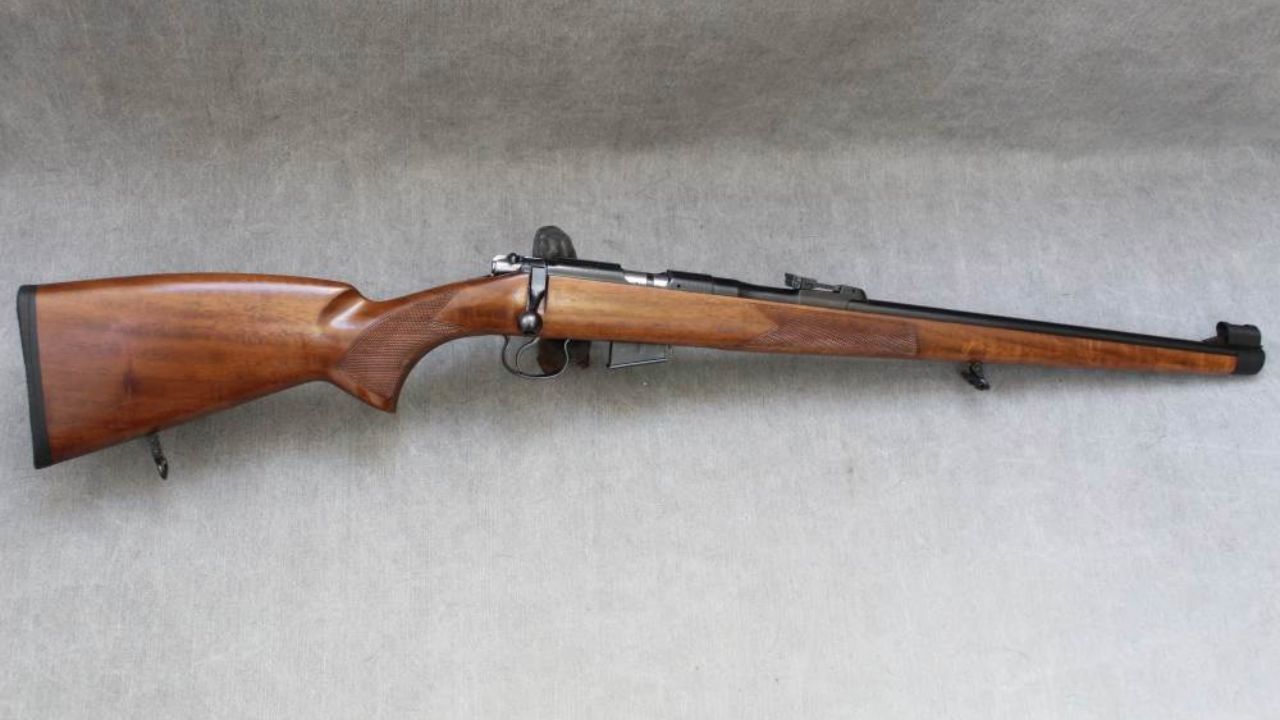
The CZ 452 spent years being one of the best answers to anyone asking for an accurate bolt-action .22 without spending premium money. The rifles developed an excellent reputation, but while they were in regular production there was little reason to panic-buy one. If you missed a particular example, another would eventually appear.
Discontinuation changed the way shooters looked at them. The 452’s traditional action, excellent barrels, and walnut-stocked configurations began feeling more special once newer models replaced it. Certain versions and chamberings now draw particular attention from shooters who want the earlier CZ rimfire design.
This is exactly the type of rifle I would no longer leave behind casually. A clean 452 may not be impossibly rare, but that is not the same as being easily replaceable. I have learned that distinction matters much more than I once thought.
Ruger Mini-14 Factory Folder
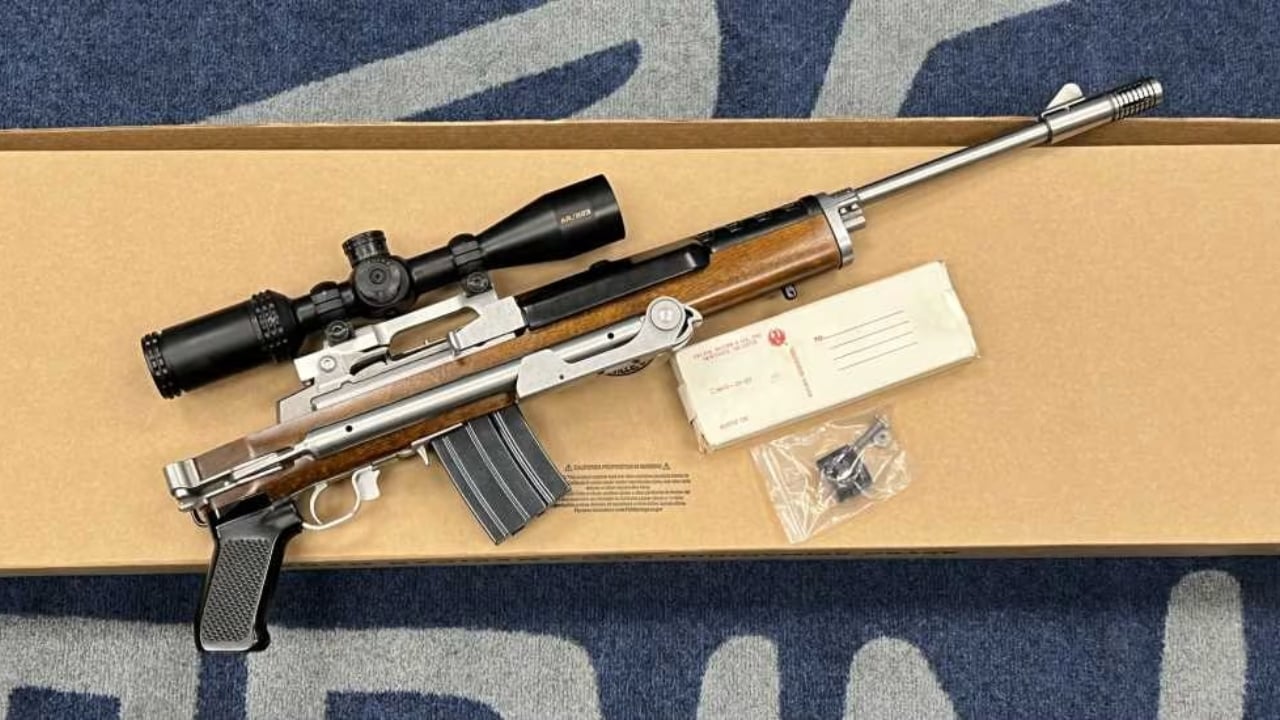
Ordinary Mini-14s have been around for decades, but factory folding-stock versions occupy a different category. There was a period when used Minis were simply seen as less expensive alternatives to AR-pattern rifles, and even interesting configurations did not always receive the attention they would today.
Factory folders changed dramatically once collectors started caring about originality, production details, and the unmistakable 1980s appearance. There are aftermarket stocks everywhere, but an original configuration is another matter entirely. That difference is why knowledgeable buyers look much more closely at the markings, hardware, and provenance than someone casually shopping for a ranch rifle.
If I encountered a legitimate clean factory-folder Mini-14 at a sensible price, I would not treat it like an ordinary used Mini. I have watched too many distinctive factory variations become expensive after everyone suddenly decides they want the same one.
PolyTech M14S
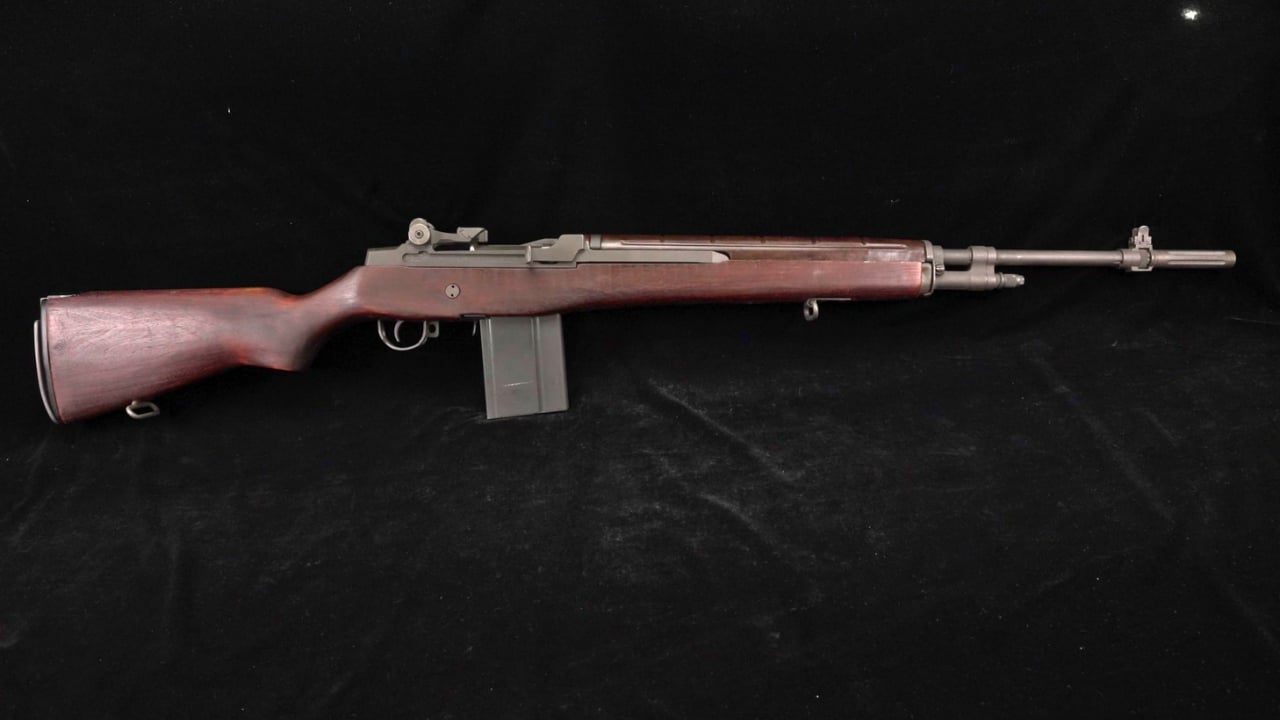
Chinese M14-pattern rifles were once judged harshly because they were imported alternatives to more prestigious American versions. PolyTech rifles could be found for prices that made them attractive shooters, but plenty of buyers passed because they wanted a Springfield Armory name on the receiver instead.
Over time, shooters developed much more appreciation for the forged components and overall construction found in many Chinese M14-pattern rifles. Imports ended, supply stopped growing, and a rifle that once seemed like the cheaper substitute became something enthusiasts specifically searched for.
Condition and individual setup matter a lot with these rifles, especially because many were modified over the years. Still, an original PolyTech M14S is no longer something I would glance at and assume another inexpensive one is around the corner. That assumption is exactly what allowed yesterday’s bargains to become today’s regrets.
Remington 700 Classic
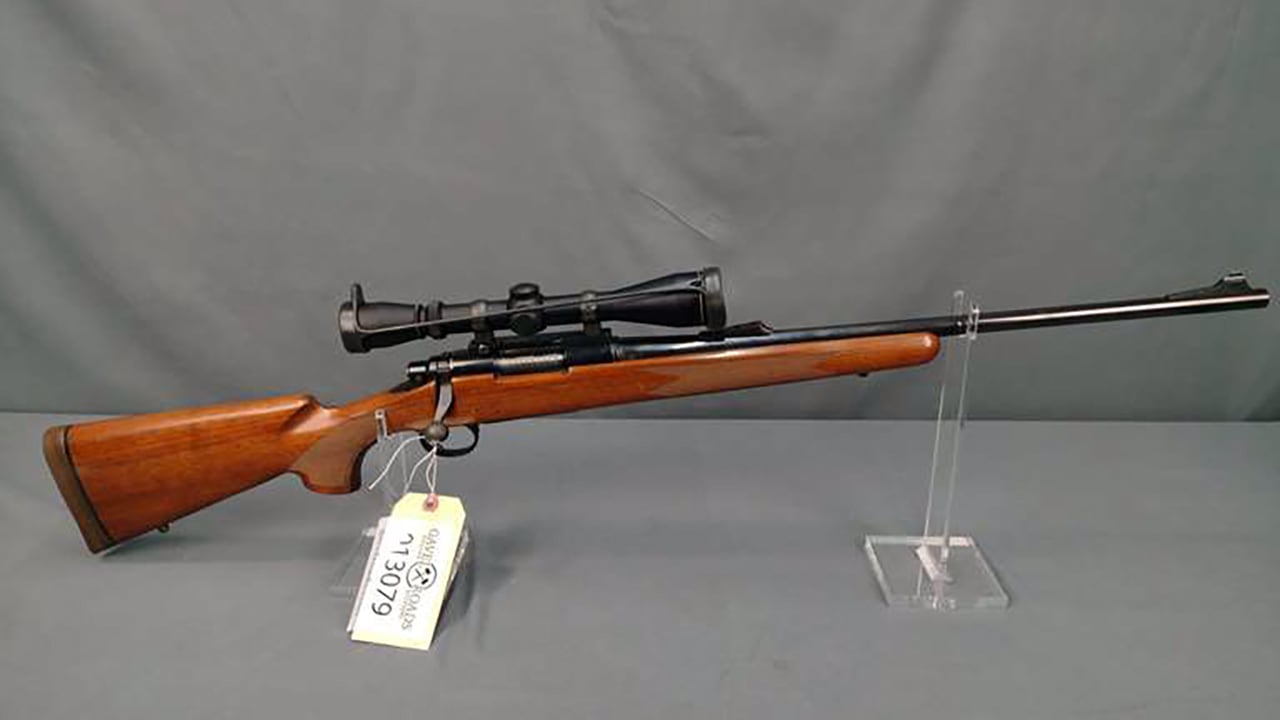
The Model 700 Classic series is a great example of guns that looked ordinary until time made the details important. Remington offered annual Classic chamberings in traditional walnut-stocked rifles, and plenty of hunters saw them as just another Model 700 variation. They were attractive, but nobody needed to rush when Model 700s seemed to be everywhere.
Years later, specific chamberings and production years have become the entire point. A hunter who wants a particular Classic is no longer shopping for just any Remington bolt action. He is hunting one exact version that was produced during a limited window, and condition matters enormously.
That is why I would stop whenever I found a clean Classic today. The rifle may look conventional, but limited production has a way of becoming much more meaningful after enough years pass. I would rather recognize that while the gun is still sitting in front of me.
Like The Avid Outdoorsman’s content? Be sure to follow us.
Here’s more from us: