Photo credit: Body Stock/Shutterstock.com
There are rifles that earn every bit of their recoil because the performance matches the punishment. Then there are rifles that smack you around like a full-house magnum while delivering ballistics that barely justify the shoulder bruise. You’ve probably shot a few of them—the rifles that look capable on paper but leave you wondering why you didn’t bring something a whole lot milder. A hard-kicking rifle is fine when it brings usable velocity, reach, or downrange energy. But when the cartridge and platform can’t cash that check, the recoil turns into wasted effort.
These rifles aren’t bad for the sake of being bad. They simply give you more kick than the caliber deserves, usually because of stock geometry, weight, barrel length, or a cartridge that doesn’t offer real-world benefits past what a softer-shooting option already does. The lesson is simple: some rifles punish you for no practical reason, and you don’t need to settle for that.
Winchester Model 70 Featherweight in .308

The Model 70 Featherweight is a classic, but in .308 it delivers recoil that feels far sharper than the ballistic payoff. The rifle’s lighter build and narrow buttpad concentrate every bit of recoil energy straight into your shoulder. You get accuracy and reliability, but the punishment feels disproportionate to what the cartridge provides.
On the range, you start noticing how quickly fatigue creeps in, especially during longer sessions. The rifle carries beautifully and handles well in tight cover, but the tradeoff is that the light frame turns .308 into something that feels much larger. You gain no additional downrange advantage over a comparable mid-weight rifle, yet you absorb recoil like you’re shooting something with far more horsepower.
Ruger American Ranch in 7.62×39

The Ruger American Ranch is a handy rifle, but the lightweight stock turns 7.62×39 into a surprisingly punchy experience. You’re not dealing with a powerhouse cartridge, yet the rifle bucks like it’s trying to convince you otherwise. A short barrel, light build, and basic recoil pad don’t help the situation.
You get decent accuracy and great handling, but the recoil simply feels out of proportion to the performance you’re getting. The cartridge isn’t delivering long-range capability or heavy-game stopping power. It’s meant for moderate distances and modest energy, which makes the rifle’s kick feel unnecessary. You walk away wondering why such a mild round behaves so aggressively.
Marlin 336 Youth in .30-30

A compact lever gun in .30-30 should be pleasant to shoot, but the youth-stock Marlin 336 changes the equation. The shorter length of pull and lighter stock shift recoil straight into your shoulder without the leverage you usually get from a full-size lever gun. You’re shooting a classic deer cartridge, but it feels much harsher than it should.
The rifle still performs well in the thick stuff and tracks quickly, but every shot feels like you’re getting more kick than the .30-30 ever intended. You’re not gaining velocity or reach—just recoil amplified by stock geometry. It’s a reminder that even a mild cartridge can become uncomfortable in the wrong platform.
Mossberg Patriot Super Bantam in .243 Win

The .243 Win is famously easy to shoot, but the Mossberg Patriot Super Bantam’s lightweight youth configuration creates recoil that feels surprisingly stiff. The narrow stock and minimal padding don’t soak up much of the impulse, leaving you with a cartridge that behaves far more sharply than its reputation suggests.
Accuracy is good, and the rifle handles well for young shooters, but the recoil feels mismatched to the cartridge. You’re not gaining any ballistic advantage in exchange for the punishment. Instead, you’re dealing with stock design and weight that turn a mild round into something much less pleasant than it should be.
Savage Axis in .270 Win

The Savage Axis is a budget-friendly rifle that shoots straight, but the lightweight platform makes .270 Win recoil feel unnecessarily abrupt. The .270 has always been snappy, but in a light synthetic rifle with minimal mass behind it, the recoil jumps to a level you wouldn’t expect based on its ballistics.
You still get the flat trajectory and reach the .270 is known for, but the rifle’s weight makes every shot feel like it should deliver more than it does. Instead, you’re taking recoil that feels closer to a magnum without the terminal performance or velocity you’d associate with that kind of punishment.
Remington 700 ADL Synthetic in .30-06

The Remington 700 ADL Synthetic is a classic budget rifle, but in .30-06 it delivers recoil that feels far more aggressive than the performance benefit justifies. The rifle is too light and the stock too hollow to handle the impulse smoothly, turning a proven cartridge into something that wears you out quicker than expected.
The .30-06 still gets the job done, but shooting it out of this configuration feels like carrying a rifle that doesn’t balance its power well. You’re dealing with recoil that borders on uncomfortable without gaining the advantages you’d see from a heavier rifle firing the same ammo.
Henry Single Shot in .45-70

The Henry Single Shot is a charming rifle, but in .45-70 it becomes a shoulder-thumper with no mercy. The cartridge has legitimate power, but the rifle’s light frame and fixed stock turn every shot into punishment. You’re not getting the stability or follow-up capability of a lever gun—just pure recoil with little return.
This setup works fine for occasional big-game hunting, but it’s not something you’ll enjoy shooting from the bench. The recoil feels disproportionate to the real-world advantage of the load, especially when mild .45-70 loads still hit harder than most hunters actually need.
CVA Scout in .450 Bushmaster

The CVA Scout in .450 Bushmaster is a popular straight-wall option, but recoil hits like a much larger rifle. The single-shot design and featherweight build amplify everything. You’re not getting significantly more reach or terminal performance than other straight-wall cartridges, yet the recoil feels like a penalty.
The rifle is accurate and handy in the woods, but you feel every bit of the impulse. The punishment outweighs the payoff, especially if you’re used to shooting .350 Legend or lighter .450 platforms. It’s a case of a cartridge that already kicks paired with a rifle that has no mass to tame it.
Ruger Gunsite Scout in .308
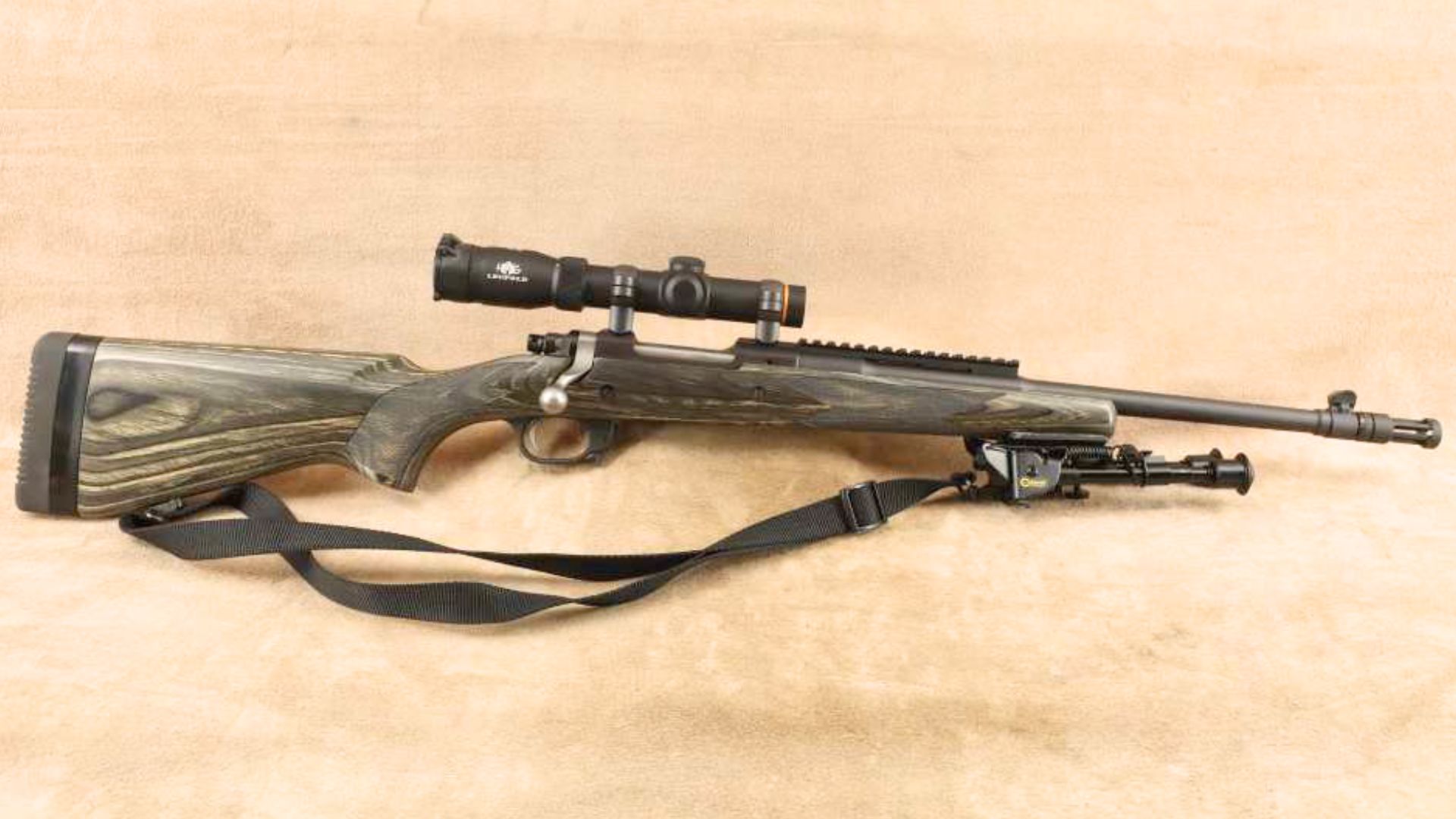
The Ruger Gunsite Scout is a practical design, but its short barrel and light build give .308 recoil that feels sharper than expected. The rifle was meant to be fast and maneuverable, and it succeeds there, but that comes at the cost of a recoil impulse that doesn’t match the cartridge’s modest gains.
You get acceptable accuracy and a versatile setup, but you also get recoil that borders on magnum-like in terms of how abruptly it hits. It’s a lot of punishment for a .308 that isn’t reaching out any farther or delivering energy on par with bigger rounds.
Tikka T3 Lite in 7mm-08

The Tikka T3 Lite is a famously accurate rifle, but its low weight makes 7mm-08 recoil feel sharper than it deserves. The cartridge is known for efficiency, yet the rifle’s minimal mass makes each shot feel like it should be delivering magnum performance—which it doesn’t need or promise.
You gain nothing in terms of ballistics that would justify the extra discomfort. The rifle shoots straight, but you end up paying for it in shoulder fatigue. It’s a classic case of a good rifle-cartridge combo made unpleasant by platform design.
Winchester XPR Compact in .308

The Winchester XPR Compact handles well in tight terrain, but when chambered in .308 it hits harder than the cartridge normally does. The short stock and light weight put the recoil straight into your shoulder, and the compact barrel doesn’t help tame the impulse.
While the rifle is accurate and well-built, it kicks like it’s delivering far more power than it actually does. There’s no added reach or velocity—only recoil amplified by design choices that prioritize portability over comfort.
Mossberg Patriot Synthetic in .30-06

The Patriot Synthetic in .30-06 is another example of a lightweight rifle paired with a powerful, but not extreme, cartridge. The result is recoil that feels harsher than the ballistics warrant. The rifle jumps off the bench, and follow-up shots become tiring faster than they should.
You still get respectable accuracy and a low price tag, but the recoil transforms a proven all-around cartridge into something that feels unnecessarily punishing. It’s a mismatch that becomes obvious the moment you start sighting in.
Henry Single Shot in .308

Like its .45-70 sibling, the Henry Single Shot in .308 gives you more kick than you’d expect from such a moderate round. The rifle is too light to soak up recoil, and the straight stock design transfers everything back into you without spreading the impulse.
You don’t gain velocity or terminal performance over other .308s. You simply absorb more recoil for the same result. It’s a tough rifle to practice with for extended sessions, especially when softer-shooting bolt guns exist.
Savage 110 Ultralite in .280 Ackley Improved

The 110 Ultralite is impressively accurate, but the combination of low weight and a high-performance cartridge creates recoil that feels excessive for the real-world return. The .280 AI can shine in a heavier rifle, but here it feels overly snappy and downright punishing with hotter loads.
You get velocity and reach, but the platform makes it hard to take advantage of those benefits. The recoil wears you down quickly, especially in field positions. It’s a rifle that performs well but makes you question whether the juice is worth the squeeze.
Weatherby Vanguard Weatherguard in .300 Win Mag

The Vanguard Weatherguard is accurate and dependable, but its weight puts you right on the line where .300 Win Mag recoil becomes a chore. You’re firing a legitimate magnum, but you’re not getting the mass or ergonomics needed to soften the experience.
You gain the reach and power of the cartridge, but the platform punishes you for it more than necessary. You’re dealing with recoil that feels harsher than other rifles in the same caliber class, making it hard to shoot with the consistency the cartridge deserves.
Like The Avid Outdoorsman’s content? Be sure to follow us.
Here’s more from us:
The worst deer rifles money can buy
Sidearms That Belong in the Safe — Not Your Belt
*This article was developed with AI-powered tools and has been carefully reviewed by our editors.