Photo credit: sootch00/YouTube
If you’ve spent any time with lever guns over the last few years, you’ve watched one of the biggest handoffs in the gun world unfold. Marlin went dark after Remington collapsed, and everyone wondered if we’d ever see those rifles again—let alone see them done right. Then Ruger bought the name, the machinery, and the designs, and lever-gun fans held their breath. Now that real time has passed and real hunters have dragged these rifles through the woods again, you can finally get a clear look at what Ruger fixed, what they changed, and where the old Marlin spirit still shows through. Here’s where the comparison actually matters.
Fit and finish finally look like they should
Ruger cleaned up machining in a way Marlin hadn’t pulled off in years. You don’t see the sloppy barrel-to-receiver mating or rough inletting that showed up late in the Remington era. The new receivers are sharp where they need to be and smooth where your hands ride the gun. Wood-to-metal fit is noticeably better, and the actions feel tighter right out of the box. Marlin fans always loved the platform, but Ruger made it feel cared for again.
Accuracy leaned Ruger’s way from day one

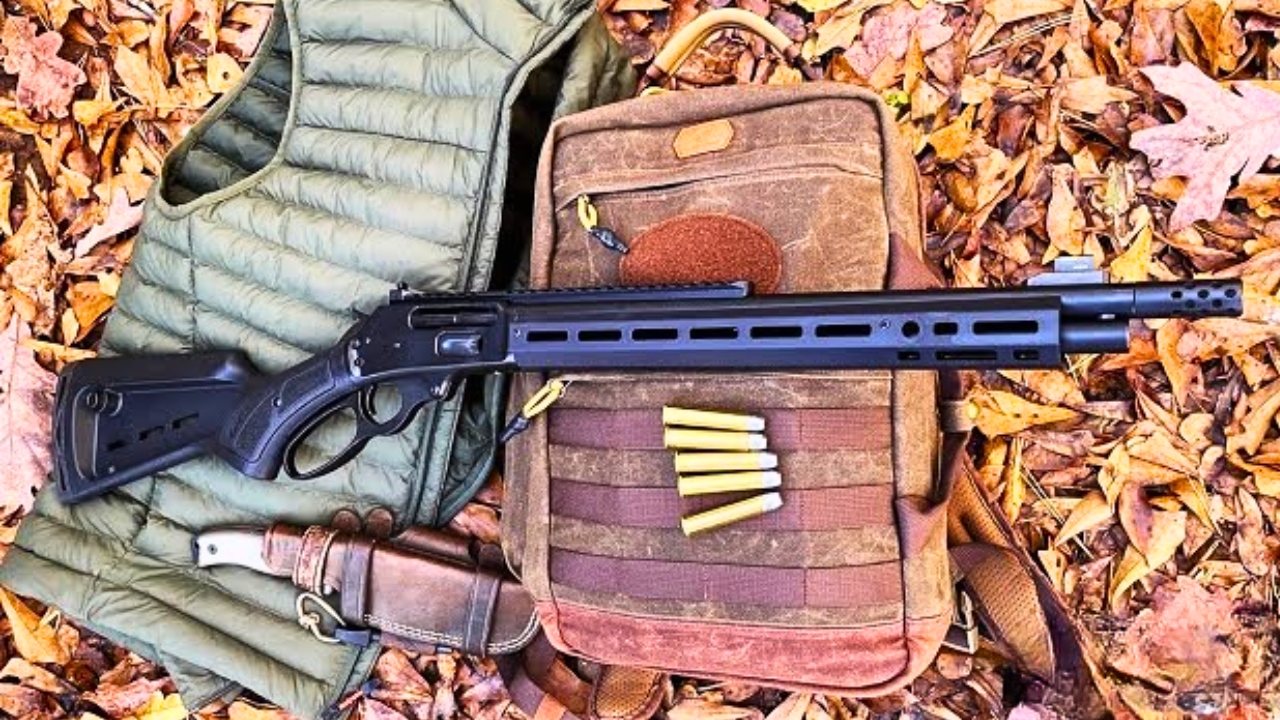
When the first Ruger-made 1895s hit the range, the tight groups surprised a lot of skeptics. The barrels showed consistent rifling, crowns were cut cleaner, and that alone brought accuracy back to where a .45-70 lever gun should sit. The legacy Marlins weren’t bad rifles, but quality control slipped hard toward the end. With Ruger, you can shoot factory ammo and expect honest performance at 100 yards without babying the gun. It’s the consistency that stands out most.
Old Marlins still win on character and mileage
Walk into any camp and you’ll still hear guys brag about their pre-Remington Marlins. Those rifles earned loyalty because they worked in the cold, got scratched in the brush, and didn’t care if you wiped them down every night. The older 336s and 1895s carry a feel Ruger hasn’t fully recreated—not worse, just different. If you like a rifle that’s worn smooth from years of use, the originals still carry that charm Ruger can’t manufacture.
Ruger fixed feeding issues that dragged Marlin down

One of the biggest fail points in the Remington-era rifles was feeding. Some guns would nose-dive rounds, hang up with soft-point ammo, or drag brass on the way out. Ruger tightened tolerances and cleaned up the lifters so feeding feels deliberate and smooth. You can run the lever hard or slow and it doesn’t complain. That confidence matters in the field when you’re cycling a round with cold hands or in thick timber where a follow-up shot needs to happen fast.
Barrel options and trim levels favor Ruger’s lineup
Marlin always had solid models, but Ruger expanded the lineup in a way that speaks to modern hunters. The new guide-length barrels, threaded muzzles, and laminate stocks give you more ways to set the rifle up for real work. Want to run a suppressor? Ruger makes it easy. Want stainless steel for brutal weather? They’ve got it. Marlin offered variety, but Ruger dialed it in with purpose, not just catalog filler.
Weight and balance still lean toward older models

The one place Marlin originals hold an advantage is feel. Older 336s and 1894s often came in lighter and carried a little livelier in the hands. Ruger’s versions are sturdy—sometimes a touch heavier—and built to last, but they don’t always swing the same way. If you’re the kind of hunter who notices balance on quick shots in tight timber, the older rifles still have a familiar ease Ruger hasn’t fully matched.
Durability is where Ruger really separates itself
Ruger’s heat treating, machining, and QC add up to rifles that feel like they’ll outlast a generation of hard use. The bolts show better finish, the receivers hold tolerance, and the stocks are built for real weather. Old Marlins were durable in their own right, but Ruger turned the design into something that feels ready for another few decades of abuse. You don’t worry about soft metal or wandering zero the way you did with late-production rifles.
The real winner depends on what you value

Some hunters want nostalgia, smooth carry, and the feel of a rifle that’s been with them longer than their boots. Others want modern machining, threaded muzzles, and accuracy that doesn’t drift. Ruger revived Marlin with respect and competence, and the rifles are better for it. But the old guns still hold their place because of the years they’ve already proven themselves. In the end, you’re choosing between history you can inherit and the future Ruger is building—both worthy in their own ways.
Like The Avid Outdoorsman’s content? Be sure to follow us.
Here’s more from us:
The worst deer rifles money can buy
Sidearms That Belong in the Safe — Not Your Belt
*This article was developed with AI-powered tools and has been carefully reviewed by our editors.