Photo credit: Pepsi Boi/Youtube
Every once in a while you pick up an old revolver and it stops you for a second. The bluing looks like deep water. The edges are sharp. The cylinder locks up like a bank vault. It’s not “good for the money.” It’s just good.
This list isn’t about what to buy on a budget, and it’s not a “best carry revolver” rundown either. These are revolvers that show what American makers could turn out when bean-counters weren’t the first voice in the room. Some are flashy, some are plain, and a few are so overbuilt they feel almost stubborn. But all of them have that thing you notice the minute you thumb the hammer or roll the cylinder shut: somebody cared.
1. Colt Python (original, I-frame)
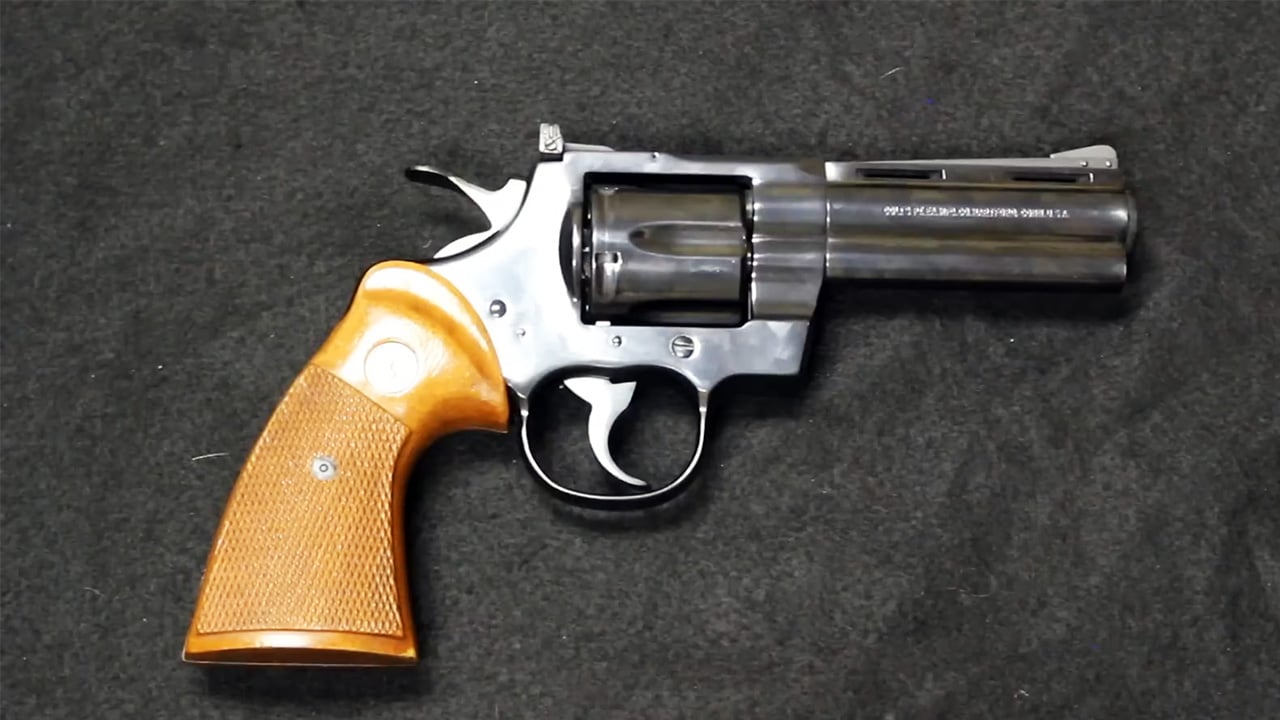
If you’ve never felt a properly set-up Python trigger, you’ll think folks are exaggerating. Then you run one slowly in double action and realize the “stacking” people talk about can actually feel controlled, not gritty. The old ones tend to have a glassy smoothness that’s hard to describe and easy to recognize.
They’re not delicate flowers, but they’re also not the revolver I’d pick for a steady diet of hot handloads. Where the Python shines is fit, finish, and a level of polish that screams “we don’t need to rush this.” If you want a revolver that feels like a luxury tool, this is the one.
2. Colt Diamondback
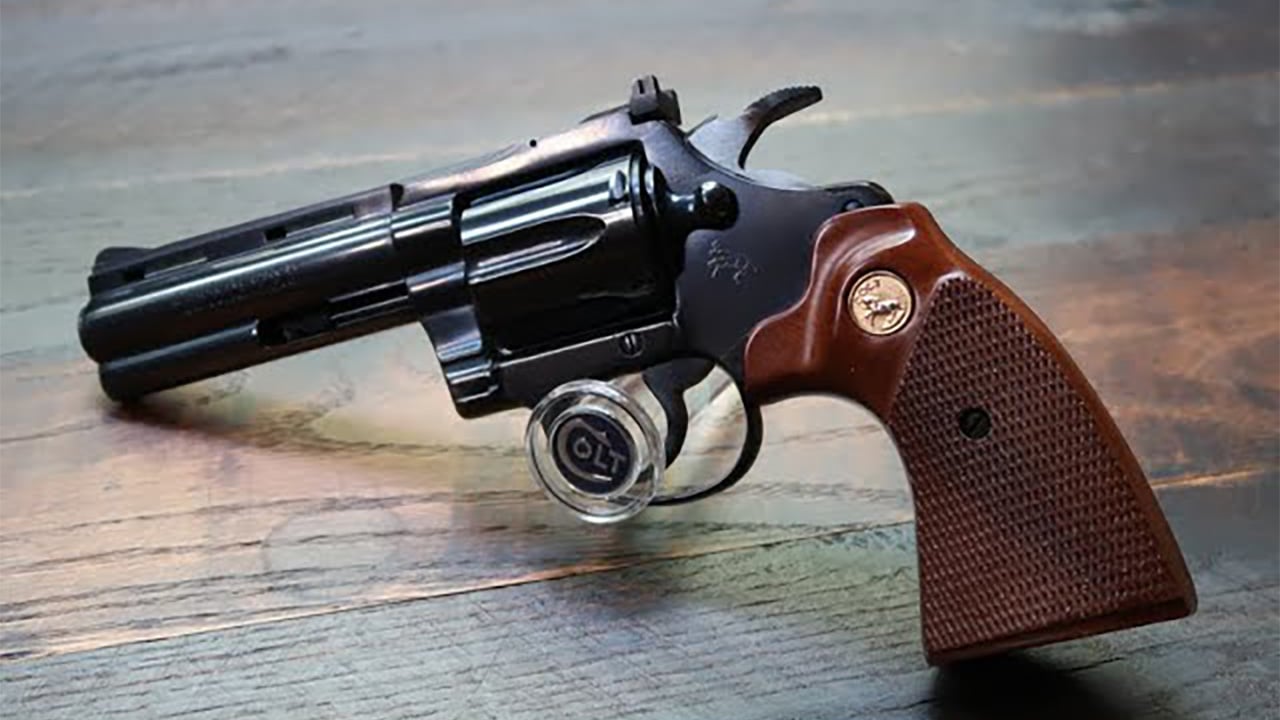
The Diamondback is basically the sporty younger brother that never got as famous as the Python, which is a shame. In .38 Special it points fast and carries easier, and the balance is just plain sweet. A 4-inch Diamondback is the kind of revolver you bring to the range “just to shoot a little” and then you burn through a box without noticing.
Condition matters because these are collector magnets now. Still, the reason they climbed isn’t just hype. They have that old Colt feel, and the workmanship shows up in the small stuff: the edges, the rollmarks, the way everything lines up.
3. Colt Officer’s Model Match
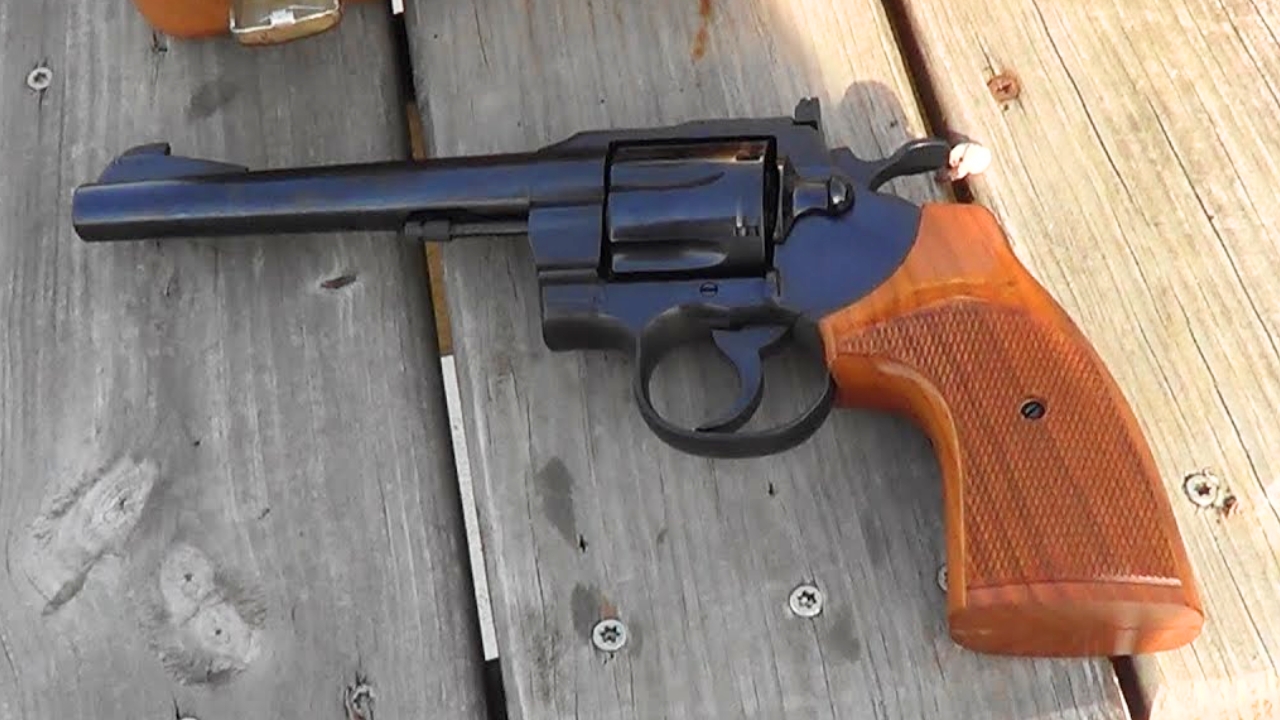
Colt built target revolvers back when bullseye meant something on a Saturday morning, and the Officer’s Model Match is proof. The sights are crisp, the action can be downright hypnotic, and the whole package feels like it was made for careful shooting instead of hard carry.
They’re not trendy. They’re also not common on every gun shop shelf. If you find one that hasn’t been “improved” by someone with a file, it’s a real look at how serious Colt used to be about precision handguns.
4. Smith & Wesson Model 27
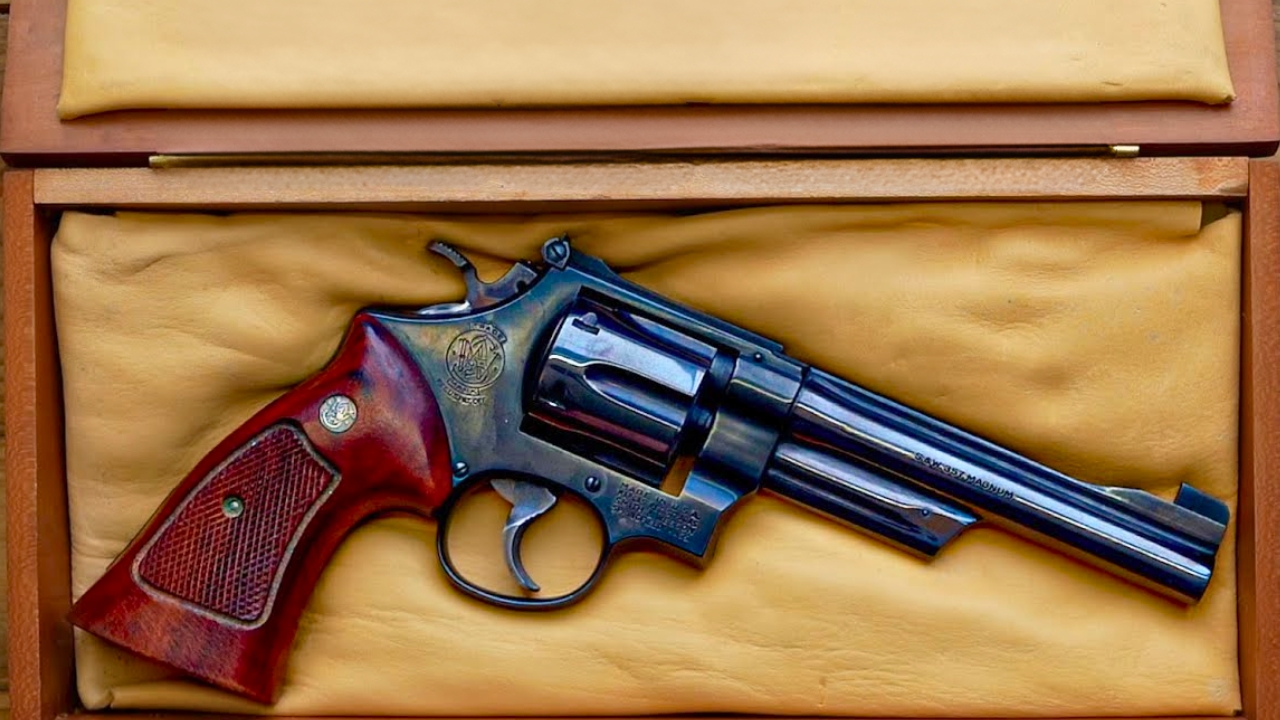
This is the .357 Magnum flagship from the era when S&W acted like it. Deep blue, checkered topstrap, and that N-frame heft that soaks recoil without drama. It’s a hunting revolver before “hunting revolver” became a marketing category.
A 27 carries big, no doubt, and you feel it on your belt. But if you want a revolver that looks and feels like the company’s best work, the Model 27 is the handshake that tells you what you’re dealing with.
5. Smith & Wesson Model 29 (pinned-and-recessed era)
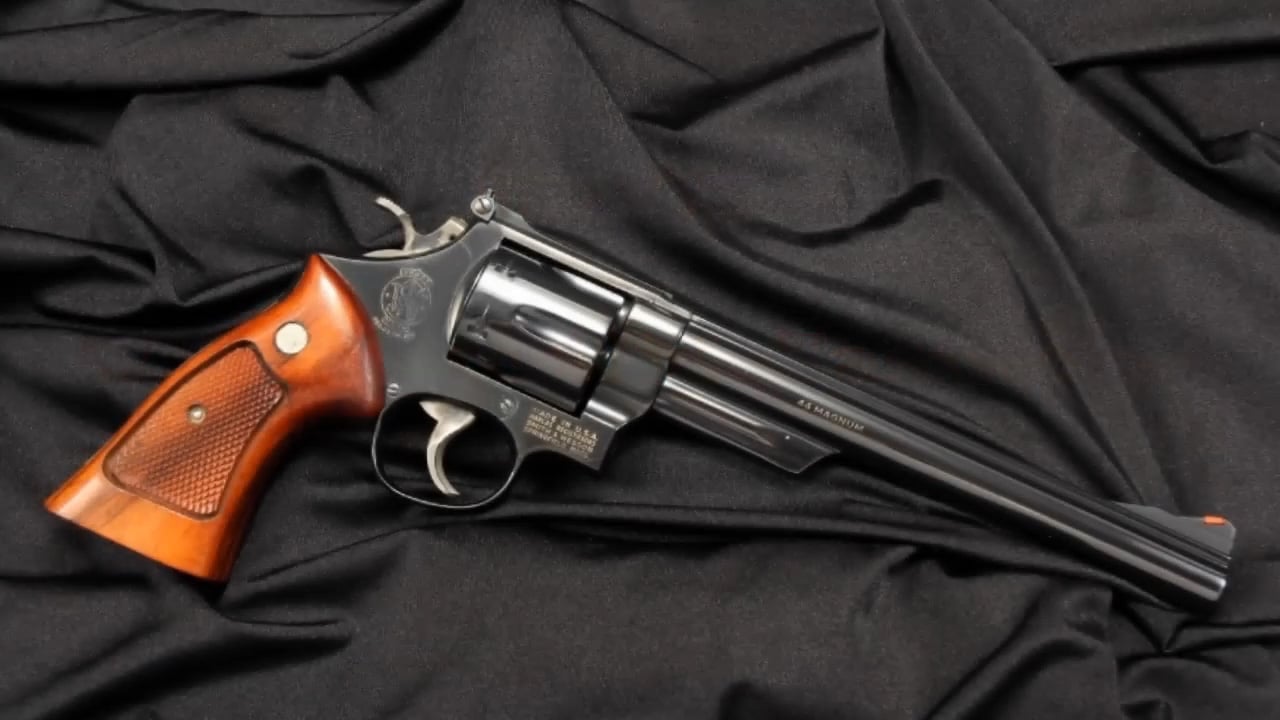
Yes, it’s tied to the whole Dirty Harry thing, but the older Model 29s stand on their own. The blue can be unreal, and the guns have a “finished by people” vibe that’s hard to replace with modern production schedules.
Full-power .44 Magnum isn’t for everyone, and I don’t blame anybody for mostly shooting .44 Special. Either way, it’s a serious revolver with serious craftsmanship. When you see one that’s been carried but not abused, you can almost picture the leather it rode in.
6. Smith & Wesson Registered Magnum (pre-Model 27)
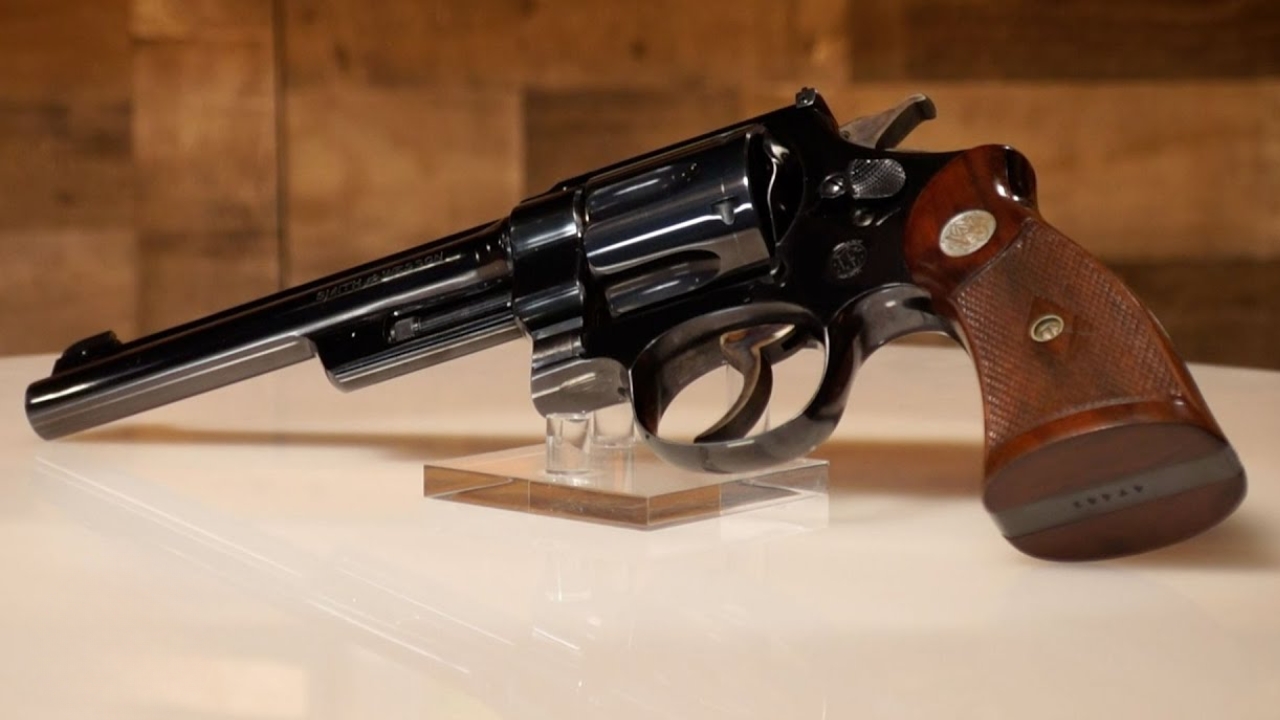
This is the kind of revolver that makes you slow down and quit talking. Built when customers could specify features and S&W treated it like a custom order instead of a headache. They’re historically important, sure, but also mechanically impressive.
Most folks aren’t buying one to bang around in a truck, and that’s fine. The point is what it represents: a factory willing to put time into a revolver like it was a bespoke piece of gear.
7. Smith & Wesson Model 19 (classic blued K-frame)
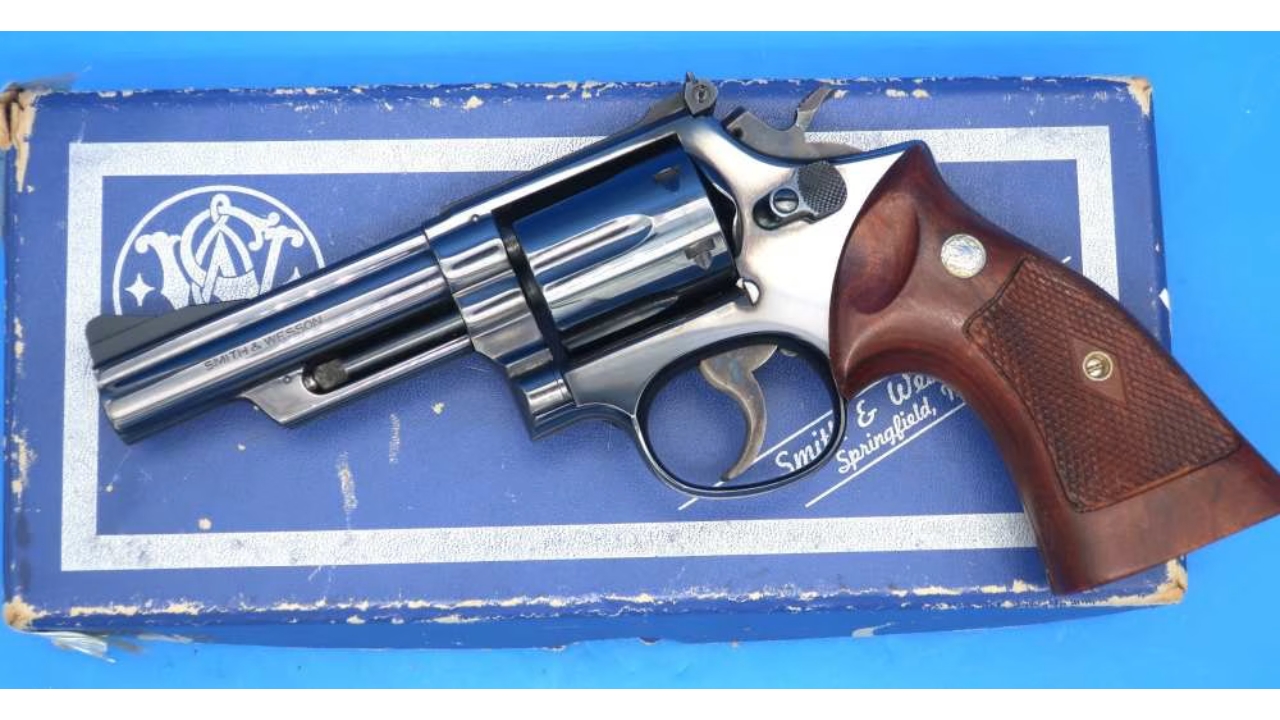
The Model 19 might be the most “usable” of the classics on this list. It’s not as heavy as an N-frame, still feels substantial, and carries like a real sidearm instead of a boat anchor. With .38s it’s a kitten; with .357s it’s lively but manageable.
It’s also a lesson in tradeoffs. The K-frame .357s weren’t built for a lifetime of the hottest loads, but as a working revolver with good taste baked into every line, the 19 is hard to beat.
8. Smith & Wesson Model 14 (K-38 Target Masterpiece)
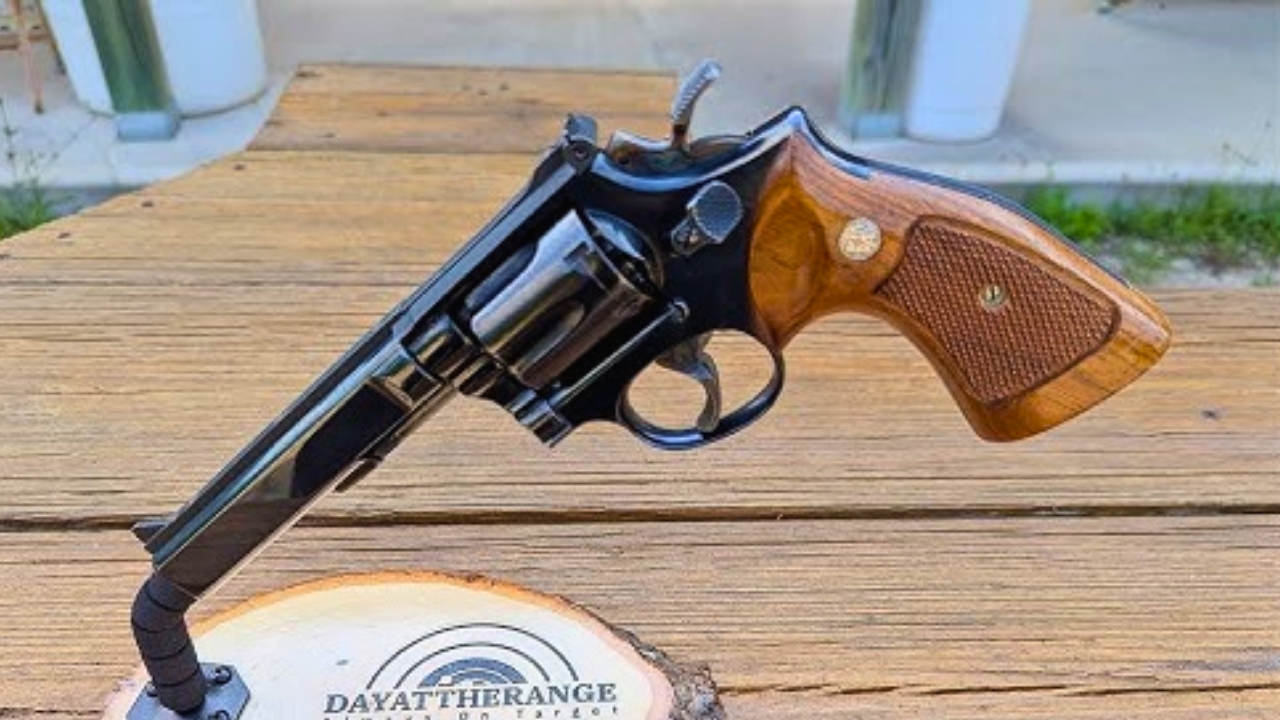
Some guns make you a better shot because they’re honest and predictable. The Model 14 is one of those. The trigger is usually clean, the sights are made for daylight, and the whole gun settles in your hands like it belongs there.
It’s “just” a .38 Special, which is exactly why it’s such a great reminder of old-school priorities. A revolver doesn’t need to be loud to be excellent. This one was built to win matches and it shows.
9. Smith & Wesson Model 57
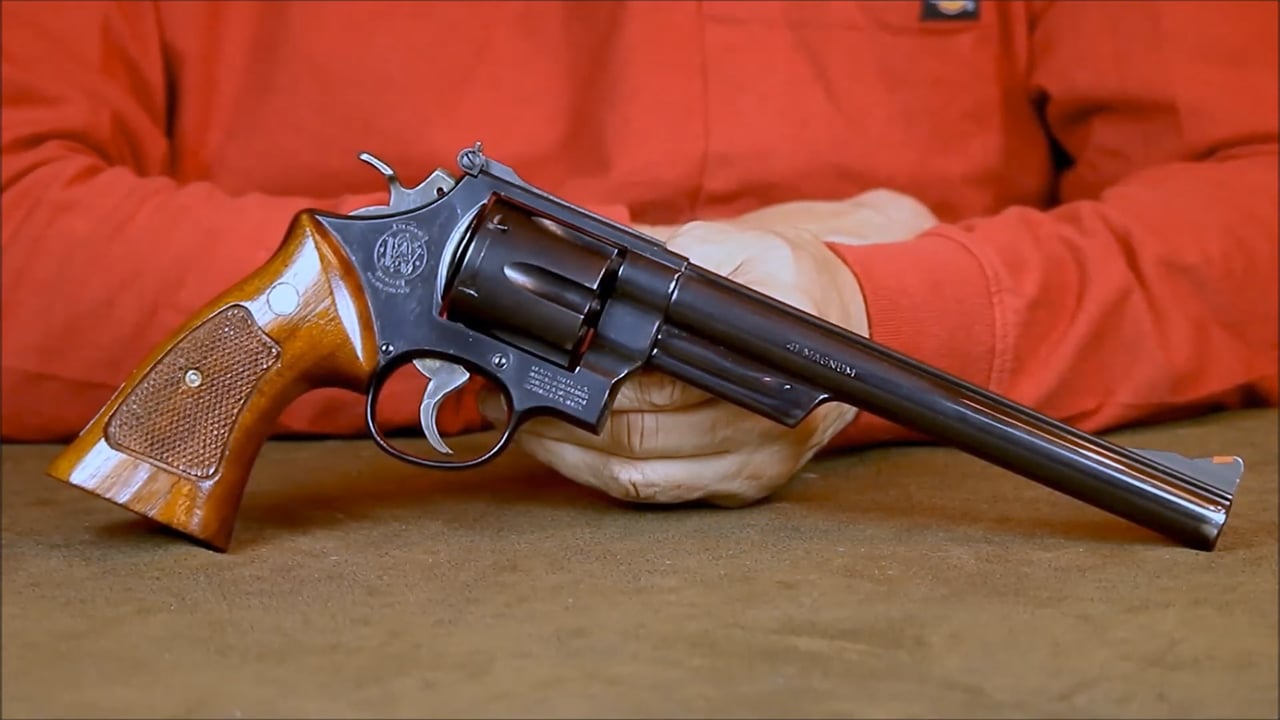
The .41 Magnum never got the mainstream love of the .44, but the Model 57 is a gorgeous piece of work. Many of them have that same deep blue and careful finishing you see on the best older Smiths.
In the field, .41 Magnum is plenty for deer with the right loads and good judgment. The Model 57 is also one of those revolvers that makes you wonder why manufacturers don’t chase “best” more often instead of “good enough.”
10. Smith & Wesson Model 25 (blued N-frame .45)
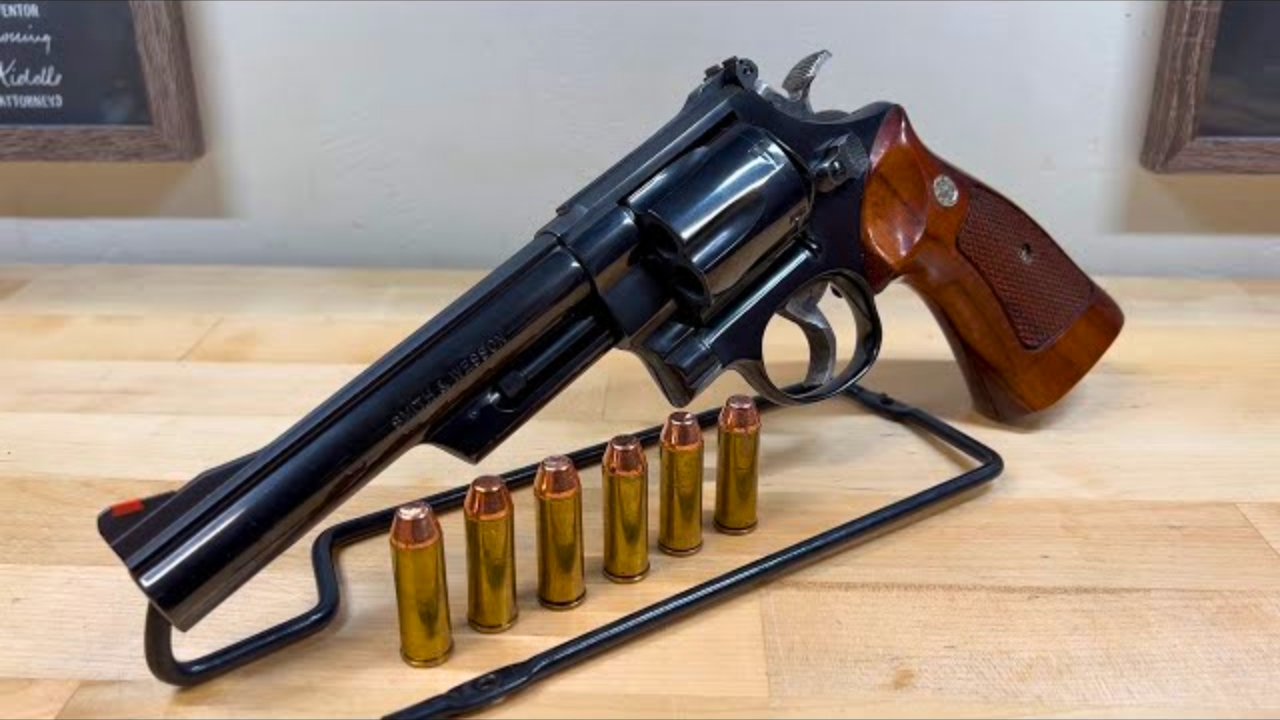
The Model 25 family covers a lot of ground, from .45 ACP to .45 Colt variations, but the common thread is big-bore N-frame class. When you get a good one, it has a confident feel that’s hard to fake—like the gun knows it’s capable.
These are the revolvers that make you appreciate old bluing and old walnut. They’re not dainty. They are, however, the kind of revolver you hand someone at the range and they immediately start smiling.
11. Ruger Redhawk (original .44 Magnum)
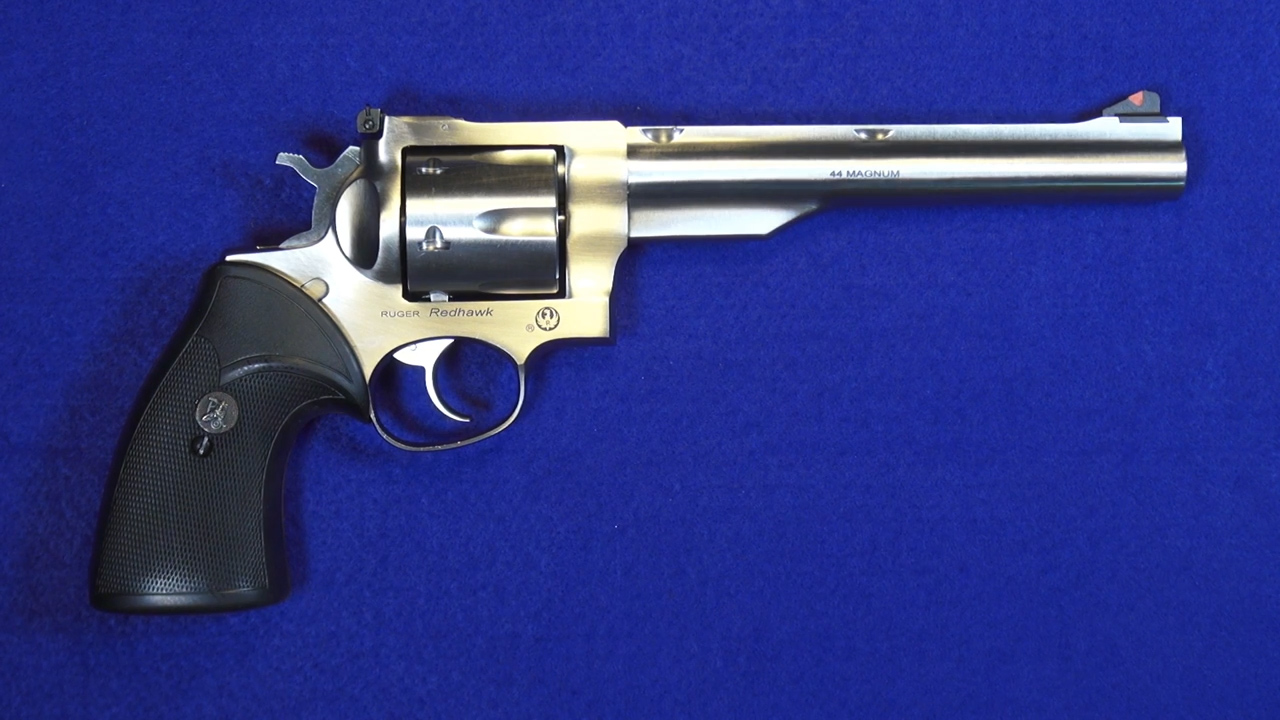
Ruger doesn’t always get mentioned in “high art” revolver conversations, but the Redhawk deserves a spot because it’s excellence aimed at abuse. It’s overbuilt in a way that feels intentional, not clumsy. Lockup is stout, and they tend to hold up when folks shoot them a lot.
Is it as refined as a polished Colt? No. But if your definition of “capable” includes living through hard hunting seasons, wet holsters, and thousands of rounds, the Redhawk is a brick with a trigger.
12. Ruger Super Redhawk (hunting configuration)

Big, long, and not apologizing for any of it. The Super Redhawk is the revolver you bring when a “sidearm” is really a primary tool for hunting. The frame and barrel arrangement look odd until you realize how stable and durable the platform is.
This is where “price not first consideration” shows up as engineering choices that favor longevity and strength. If you’ve ever watched a scope stay put on one season after season, you get it.
Free for gun owners: If something happened to you tomorrow, would your family know where the guns are, who has the safe combination, or what to do first? Our free Gun Owner’s Family Checklist walks them through it. It takes about 15 minutes to fill out. Get your free copy here.
13. Ruger GP100 (early production)
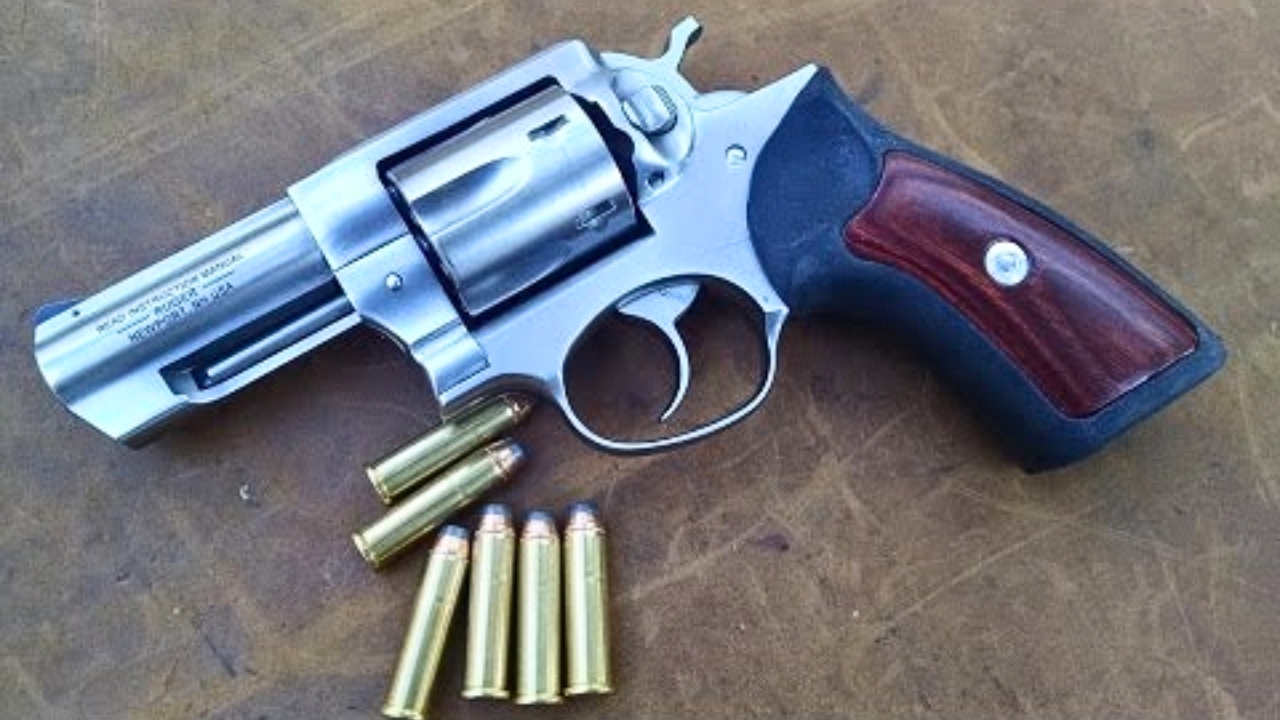
The GP100 is one of the most sensible .357s ever made, and the early ones have a particular solidity. They’re not fancy, but they’re confident. The grip frame design makes recoil manageable, and the gun just keeps going.
For an outdoorsman, this is one of those revolvers that makes sense in a tackle box, on an ATV, or in a hip holster in bear country where legal. It’s not jewelry. It’s a tool built like it might get dropped.
14. Dan Wesson Model 15 (.357 with interchangeable barrels)

Dan Wesson revolvers have a cult following for a reason. The barrel system isn’t just a gimmick; it’s part of why these guns can shoot extremely well. When you find one that’s been cared for, the accuracy can be downright rude to other revolvers on the line.
They feel different than a Smith or Colt—more industrial, less “pretty.” But the capability is real. And for folks who actually shoot a lot, that matters more than glossy photos.
15. Freedom Arms Model 83

Freedom Arms is what happens when precision is the whole point. Tight tolerances, crisp machining, and a level of consistency that’s closer to a custom rifle than a common revolver. The first time you handle one, you’ll notice how little slop exists anywhere.
They’re expensive and they’re not for casual plinking. But if you want to see what American revolver building looks like when “good enough” isn’t allowed in the room, this is a prime example.
16. Freedom Arms Model 97
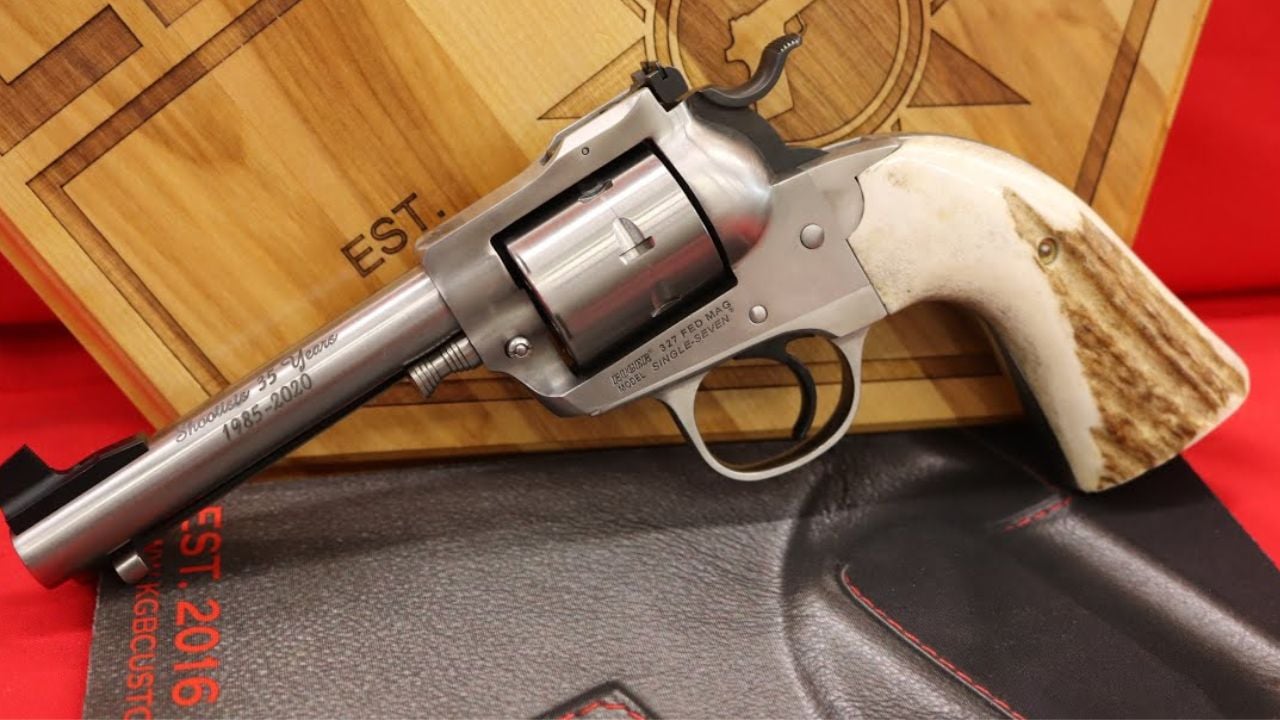
The Model 97 is the handier sibling, and it’s a good reminder that “high end” doesn’t have to mean huge. It carries better than the big hunting frames, and it still has that Freedom Arms feel—precise, tight, and deliberate.
For the woods-walker who likes a revolver that doesn’t feel like a brick on the belt, this one makes a lot of sense. It’s the kind of revolver you keep for life if you’re honest with yourself.
17. Korth Combat (imported now, but a benchmark revolver people compare to)

I know, Korth isn’t American-made. But it belongs in this conversation because it’s what people bring up when they argue about whether old American revolvers were “really that good.” A Korth is so refined it almost feels unreal.
And here’s the point: when you handle one and then handle a top-shelf older Colt or Smith, you realize the gap isn’t as big as the internet makes it sound. The best American revolvers were playing the same game, just in a different era.
18. Colt Single Action Army (1st and 2nd Generation)
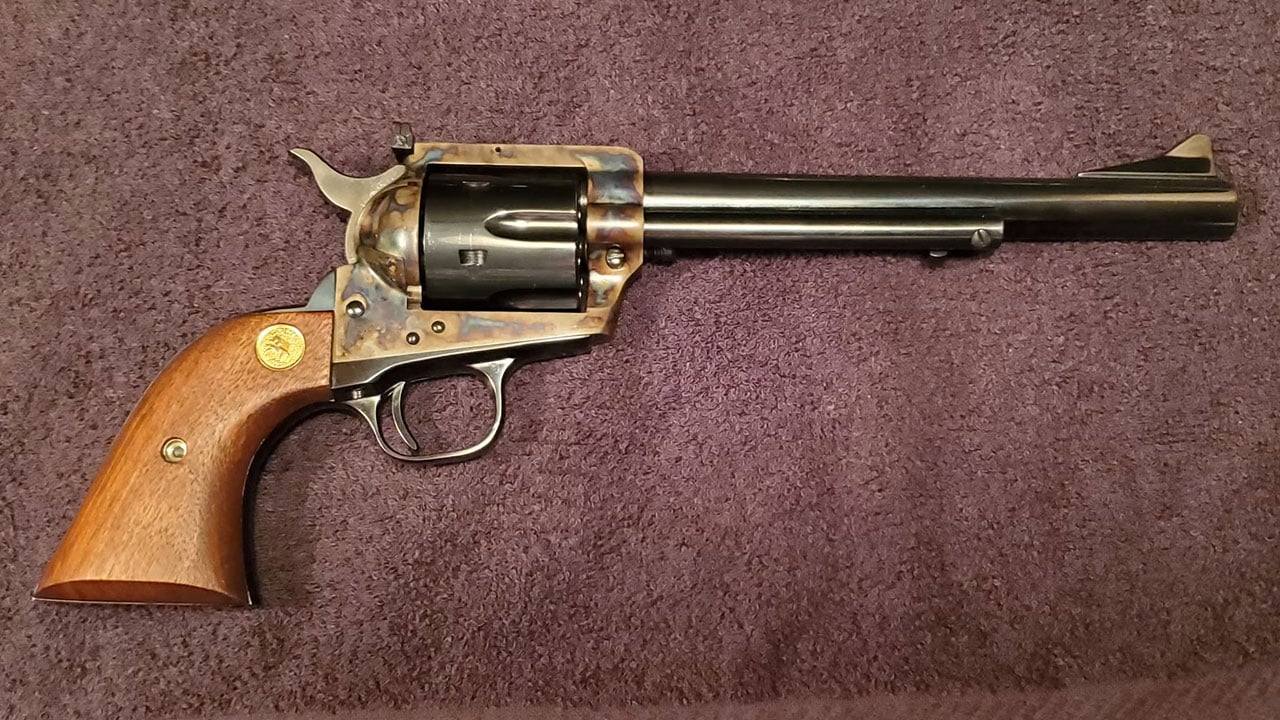
The Single Action Army is a different kind of craftsmanship. It’s not about DA trigger pulls and target sights. It’s about timing, fit, and a design that feels alive when it’s right. The clicks, the loading, the balance—there’s a reason it never really went away.
For ranch use and woods carry, a good SAA is still practical if you understand what it is and isn’t. It’s also a reminder that “premium” used to mean more hand work and less marketing talk.
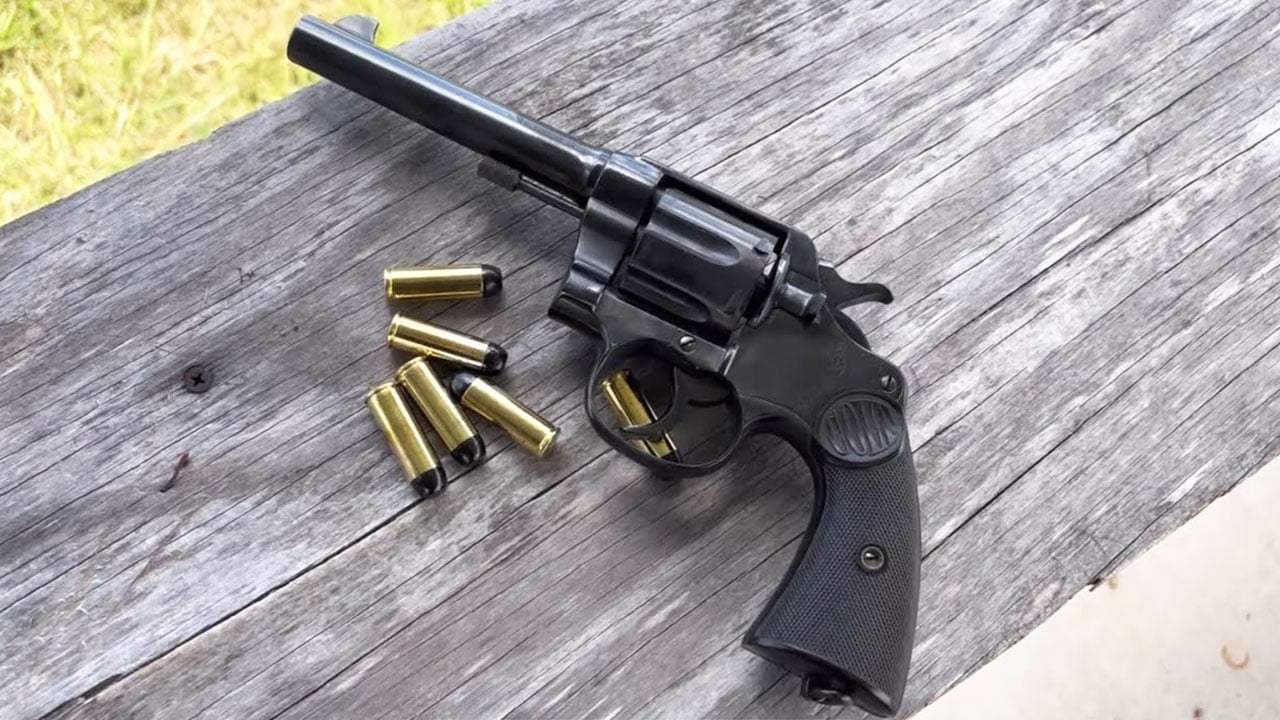
19. Colt New Service
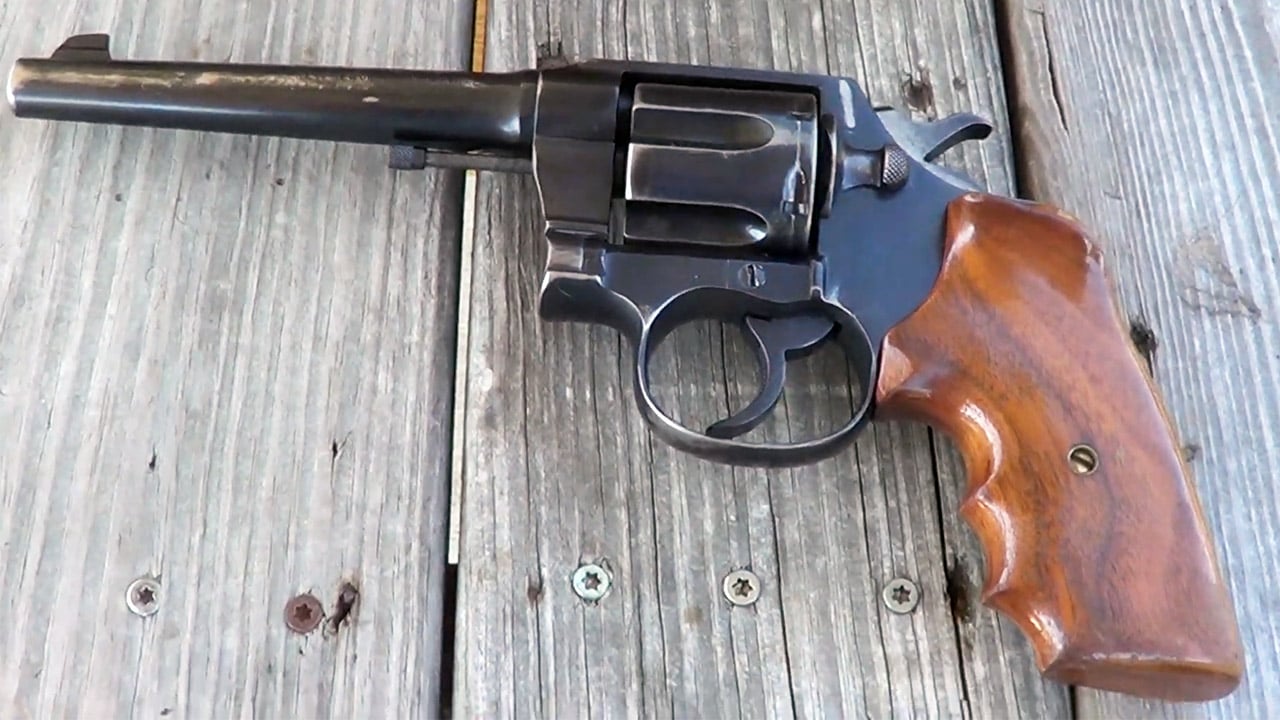
Big-frame Colts don’t get the same casual love as the more famous models, but the New Service is a tank from a time when service revolvers were expected to last. They have a serious feel, and the old examples often show honest wear without being shot loose.
This is the kind of revolver that makes you think about saddle scabbards and long days. It’s not sleek. It is, however, built with the kind of confidence you don’t see much anymore.
20. Smith & Wesson Model 686 (early no-lock guns)
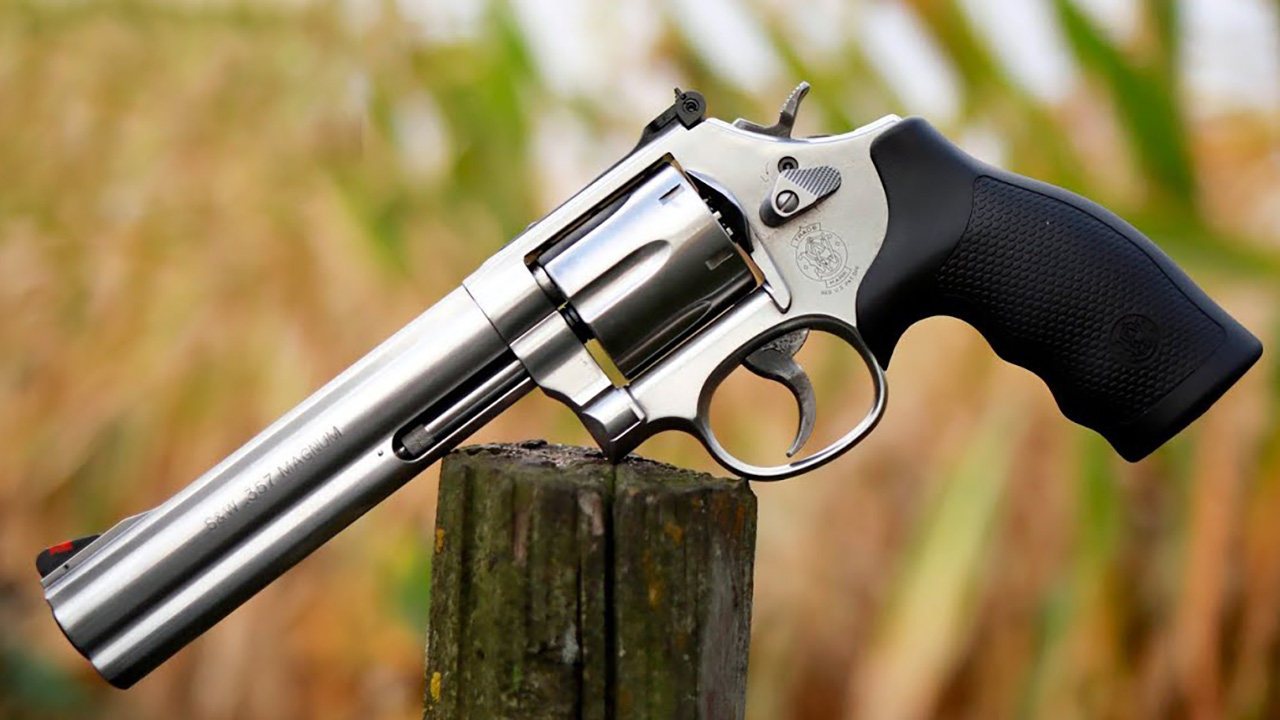
The 686 isn’t some rare museum piece. It’s here because it represents a peak of “working premium” revolver production—stainless durability, great balance, and a trigger that can be excellent without needing a bunch of drama. Early examples have a straightforward, no-nonsense feel that a lot of shooters still chase.
If you want a revolver you can actually use hard, clean up easily, and still hand down, the 686 is one of the most honest answers. Not every high-end revolver needs to be fancy. Sometimes it just needs to be right.
The funny thing about these revolvers is how quickly they reset your expectations. You start noticing tool marks, mushy actions, and shallow finishes on “new and improved” stuff. Not because modern guns are junk—they’re not—but because the best older revolvers were built like reputations mattered more than quarterly targets. If you’ve got one of these tucked away in the safe, maybe don’t be too quick to turn it into something else. That one hurts later.
Like The Avid Outdoorsman’s content? Subscribe to our newsletter so you never miss an article.
Here’s more from us: