Photo credit: timotheos/Shutterstock.com
A lot of rifle advice starts sounding strange the second you leave the bench. Suddenly everything needs a heavy barrel, oversized optic, match trigger, special rest, special bag, and enough extra weight to make the rifle miserable anywhere except a shooting table. There is nothing wrong with bench shooting. It is useful, and it can teach a lot. But a rifle that looks perfect on a bench can feel awkward, heavy, and unnecessary once you are carrying it through the woods, climbing into a stand, crossing a pasture, or trying to build a field position off a fencepost and a backpack.
That is why practical rifle setups still matter so much. Real-world rifles have to balance accuracy with carry comfort, durability, and handling. They need to come up naturally, ride well on a sling, and still make sense when the shot is not taken from a perfectly stable seat with sandbags under both ends. The best setup outside the benchrest world is usually not the most specialized one. It is the one that keeps helping when the terrain, weather, and shooting position stop being ideal.
A light-to-medium hunting rifle still solves most real problems
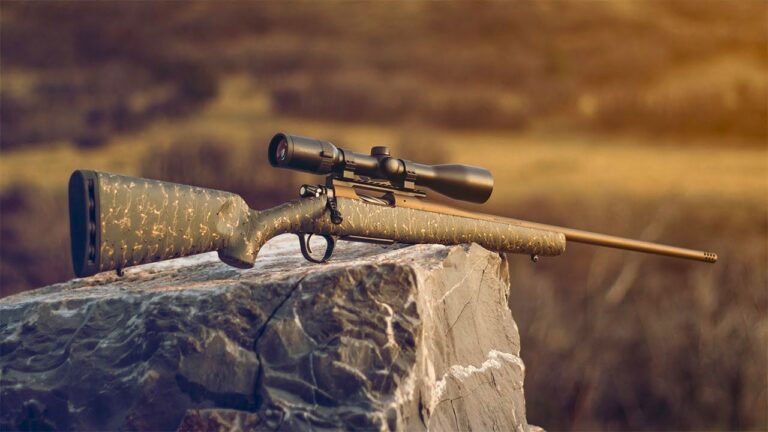
For most hunters and practical shooters, a light-to-medium weight bolt rifle still makes the most sense. Something in the general class of a Winchester Model 70 Featherweight, Tikka T3x Lite, or Remington Model Seven stays easy to carry without becoming so light that it feels nervous and unpleasant to shoot. That balance matters. A rifle that is too heavy becomes a burden by midday. A rifle that is too light can start feeling jumpy once the shooting begins. The middle ground is where most sensible setups live.
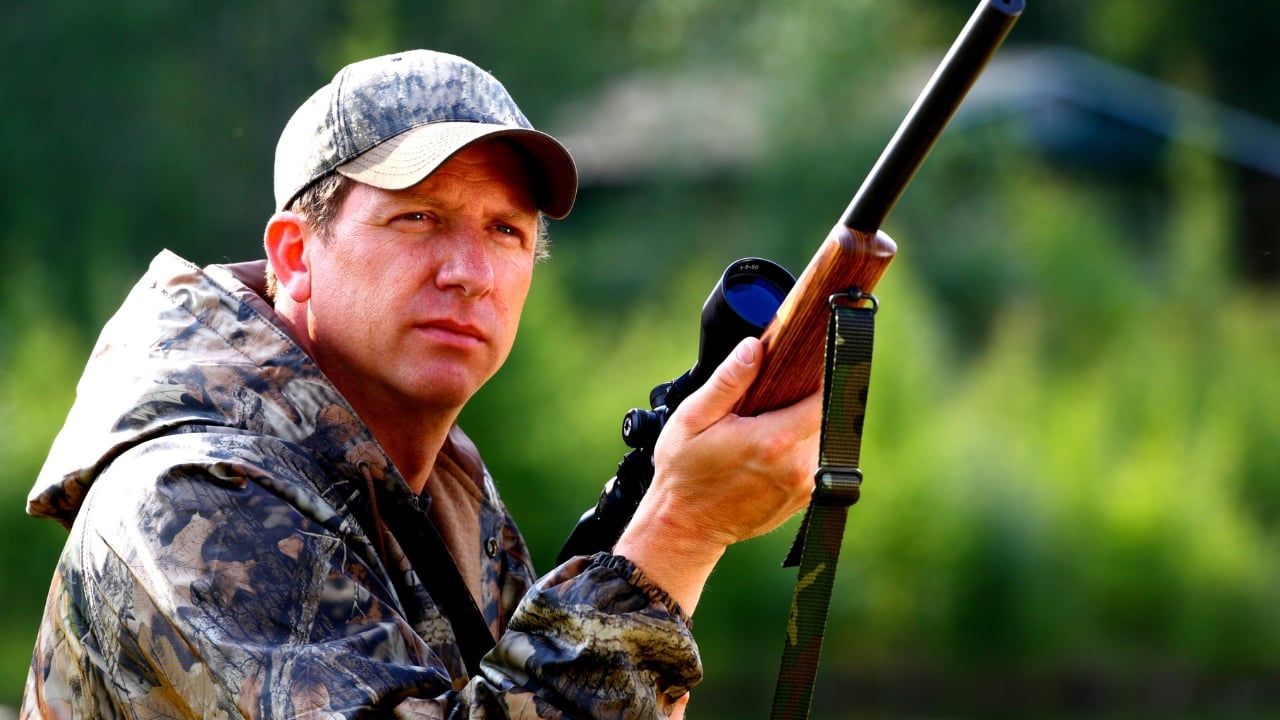
That kind of rifle also adapts well to real positions. It can be shot offhand, from kneeling, from a pack, or over a blind rail without constantly feeling like the weight distribution is wrong. That is one reason these rifles stay relevant. They were built around actual movement and actual hunting instead of around winning a conversation about tiny groups from a fixed rest. Outside the bench world, that matters a lot more.
A practical 2-10x or 3-9x scope is still one of the smartest choices
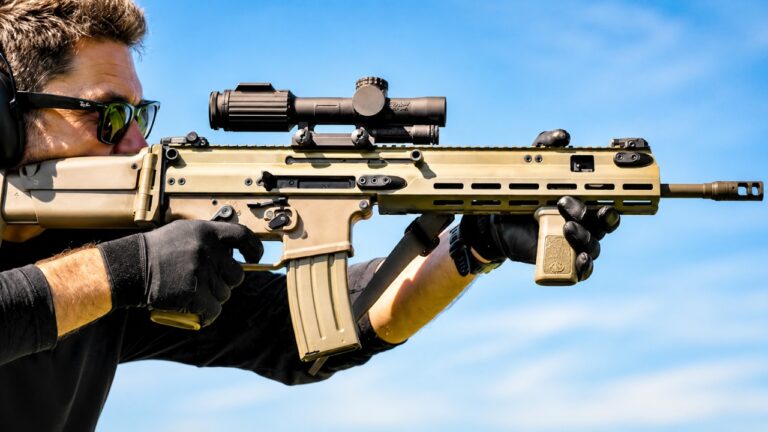
One of the easiest ways people build a bench-style rifle by accident is with too much glass. Large objectives, excessive magnification, and oversized optics can make a rifle top-heavy, clumsy, and slower to use in the field. For most real hunting and field shooting, a practical scope in the 2-10x, 3-9x, or maybe 3-12x range still makes more sense than the giant upper-end magnification people keep chasing.
That is not because higher magnification is useless. It is because it comes with tradeoffs. Bigger scopes add weight, sit higher, and tend to encourage shooting habits built around finding perfect rests and taking extra time. A practical field scope keeps the rifle lively and easier to shoulder quickly. It also gives a wider field of view, which matters far more outside the benchrest world than many shooters first realize. If the rifle is for hunting, general field use, or real-world versatility, smaller and simpler optics still win a lot of the time.
Sling choice matters more than people think
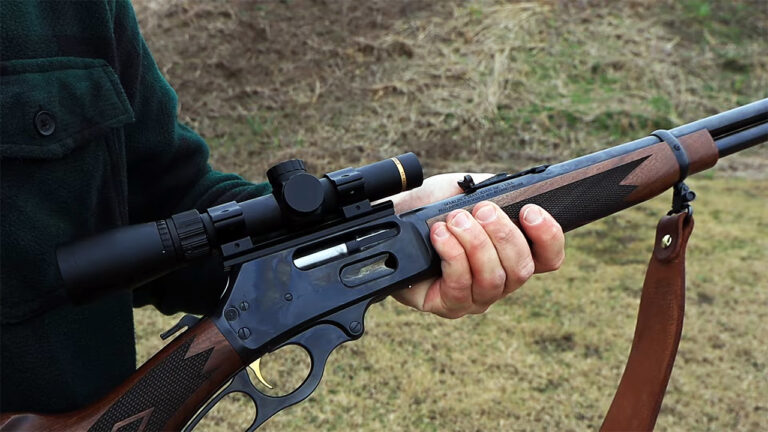
A sling is one of the least glamorous parts of a rifle setup, which is exactly why people often ignore it until they spend enough time carrying a rifle in actual terrain. Outside the benchrest world, the sling becomes part of the rifle’s usefulness. A good sling makes a rifle easier to carry, easier to control when climbing or crossing rough ground, and even more stable in certain improvised shooting positions. A bad sling does the opposite and makes the rifle feel like a loose, awkward object you are constantly managing.
That is why a simple, comfortable sling still makes so much sense on a real-world rifle. You do not need something overly complicated. You need something that rides well, adjusts sensibly, and does not fight the way you actually move. Benchrest shooting does not ask much from a sling. Real hunting and real field use absolutely do, and shooters who spend enough time away from the bench usually figure that out fast.
Medium barrel profiles often age better than heavy ones
Heavy barrels make a lot of sense in certain shooting contexts. They can stay cooler longer and feel steadier when firing repeated strings from a stable position. The problem is that outside the benchrest world, all that extra steel has to be carried, balanced, and brought on target. That is where many heavy-barreled rifles start losing their appeal. What felt stable on a bench begins feeling sluggish on a hillside or awkward in a tree stand.
A medium barrel profile is often the smarter compromise. It gives enough substance to stay accurate and stable while still keeping the rifle mobile. For hunting, field shooting, and most practical rifle use, that makes much more sense. A rifle that carries well and still shoots honestly from real positions is usually more valuable than one that shines mostly when its owner is sitting behind it with no need to move.
Stock design needs to support field positions, not only benches
Another place where practical setups separate from bench-style setups is stock design. A stock that feels excellent on a front rest is not always the one that feels best in the hands while standing, kneeling, or bracing against a tree. Outside the bench world, a rifle stock needs to shoulder naturally, balance well, and stay comfortable to grip over long hours. It should help the rifle move with the shooter instead of forcing the shooter to adapt to it.
That is one reason classic hunting stock designs still hold up so well. They may not look especially modern, but a good traditional stock often feels much more natural in real field positions than something built around a more specialized shooting role. Straightforward comb height, sensible length of pull, and a forend that is easy to hold still matter more in the woods than a lot of shooters first expect. Benchrest setups can get away with stock shapes that only really work in one environment. Real rifles usually cannot.
Common cartridges make more sense than people want to admit
Outside the benchrest world, a practical setup is not only about the rifle. It is also about the cartridge. Common rounds like .308 Winchester, .30-06 Springfield, .270 Winchester, 7mm-08 Remington, and .243 Winchester keep making sense because they are easy to find, easy to understand, and easy to build real confidence with. They shoot well enough, hunt effectively, and do not force the owner into a constant search for specialized ammunition or hyper-specific ballistic solutions.
That matters because field shooting is already complicated enough. Weather changes. Angles change. Shooting positions are imperfect. The last thing most people need is a caliber choice that adds unnecessary cost or scarcity to the whole process. Practical rifle setups tend to be built around cartridges that let the owner train regularly and hunt confidently, not ones that sound impressive in a thread but become frustrating once real ownership begins.
Simplicity usually wins when conditions get worse
One of the clearest differences between a practical rifle setup and a benchrest-style setup is how each behaves when things go wrong. Bench rifles live in controlled conditions. Real-world rifles live in weather, dust, mud, awkward positions, and rushed moments. That is where simplicity starts looking smarter. A plain bolt gun with a sensible optic, a practical sling, and a cartridge the owner actually shoots often ends up being a better field tool than a more “advanced” setup full of parts that only really shine under ideal conditions.
That does not mean you need the bare minimum. It means every part of the setup should have a reason to be there. If it adds weight, bulk, or complexity without helping in actual field use, it probably belongs on a different kind of rifle. Practical rifles tend to get better when their owners stop asking them to be everything and start asking them to do real things well.
The best field rifles still feel like hunting rifles
In the end, the rifle setups that make sense outside the benchrest world are the ones that still feel like rifles meant to be carried and used in real places. They are not built around fantasy distance, laboratory conditions, or the need to impress anyone looking at a spec sheet. They are built around movement, weather, real shooting positions, and the simple reality that a rifle has to work when the shot is not easy and the day is not comfortable.
That is why so many experienced hunters and shooters keep coming back to relatively simple setups. A good bolt rifle, a sensible scope, a useful sling, and a proven cartridge still solve most of the problems that matter. Outside the benchrest world, that kind of setup rarely looks dramatic. It just keeps looking right.
Like The Avid Outdoorsman’s content? Be sure to follow us.
Here’s more from us: