
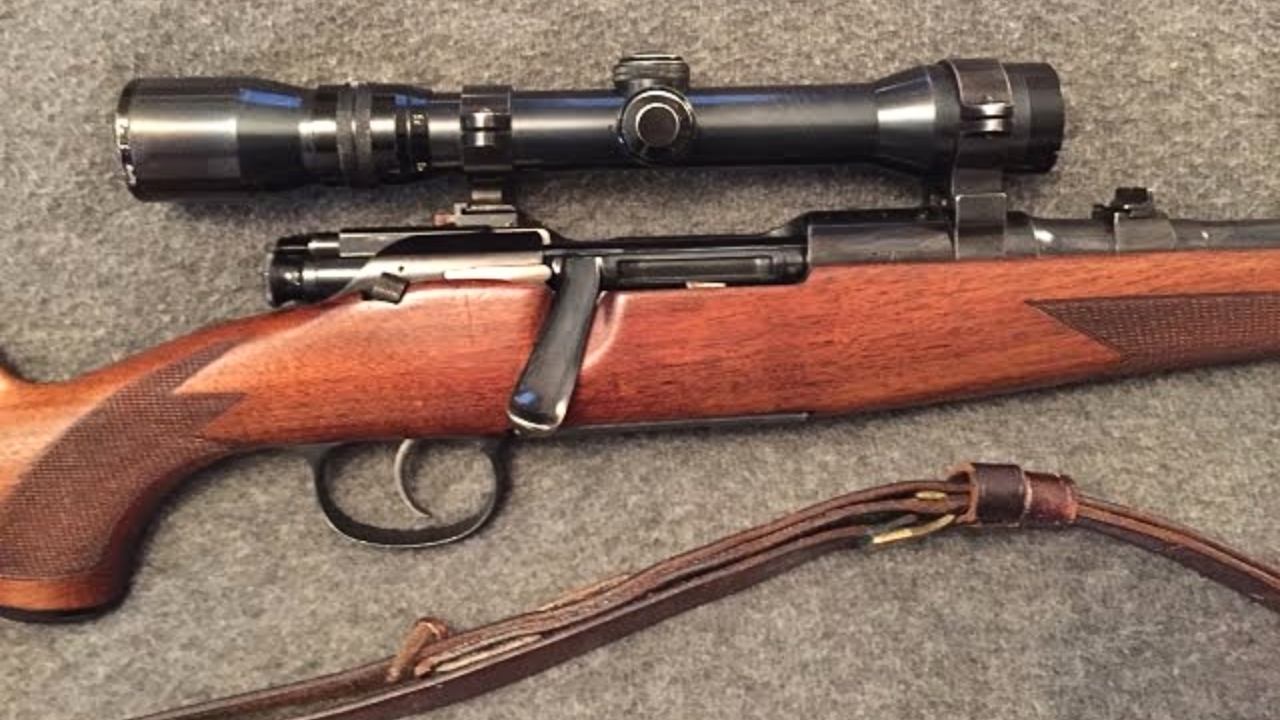
Photo credit: Snowball042/YouTube
Some rifles sat in plain sight for years while buyers walked right past them. They were too common, too unfashionable, too tied to an older generation, or simply too easy to put off for later. Then later showed up with higher prices, thinner supply, and a whole lot less patience from the market. That is usually how the regret starts. A rifle people once treated like a maybe or a someday suddenly becomes the one they bring up when talking about missed chances.
A lot of these rifles did not change much at all. The steel did not get better. The wood did not get prettier. The actions did not suddenly become smoother overnight. What changed was that buyers finally noticed what they had ignored, and by then the cheap or easy entry point was gone. These are the rifles buyers passed on for years and now kick themselves over.
Remington 788

The Remington 788 spent a long time wearing the label of budget bolt gun, and that label kept a lot of buyers from taking it seriously enough. People knew they often shot well, but the rifle still felt like the cheaper alternative, the one you bought because you did not want to spend for something more respected. That kind of reputation can hold a rifle down for years, even when the performance keeps telling a different story.
Eventually, enough shooters figured out that these rifles were not just cheap old compromises. They were accurate, useful hunting rifles that had been overlooked because they lacked status at the wrong time. Once that shift happened, prices got less friendly in a hurry. Buyers who laughed them off as entry-level guns now look back and realize they passed on a rifle that would have made a lot more sense than they gave it credit for.
Winchester Model 88

The Winchester Model 88 sat in an awkward middle ground for years. It was not the traditional lever gun crowd’s favorite, and it was not a conventional bolt gun either. That left it in a strange spot where a lot of buyers admired it, handled it, and then moved on to something they understood more easily. The detachable magazine and sleeker profile made it smart, but they also made it feel different enough that some buyers never fully warmed up to it.
That hesitation ended up costing people. Once the market got more honest about what the Model 88 actually offered, the mood changed. Buyers started seeing it as a quick-handling, well-balanced hunting rifle with real Winchester appeal and a lot more personality than the average deer gun. By then, the days of stumbling into one for comfortable money had mostly dried up, and a lot of people were left wishing they had taken the rifle more seriously sooner.
Browning BLR steel receiver

For years, plenty of buyers saw the older steel-receiver BLR as a useful rifle without treating it like something they needed to grab right away. It had fans, sure, but it also lived in the shadow of more familiar bolt guns and more nostalgic lever guns. That kept it from feeling urgent. A lot of shooters figured there would always be another one later if they ever decided they wanted a lever rifle that could handle more modern cartridges.
That kind of thinking gets expensive once the market starts noticing the same things smart owners already knew. A steel-receiver BLR gives you a lot: fast handling, lever-gun feel, and box-magazine practicality that opens the door to cartridges other lever rifles do not always handle gracefully. Once buyers started appreciating that combination more, prices moved. Now the rifle looks a lot less like an optional curiosity and a lot more like one people should have bought when they kept seeing them around.
CZ 550
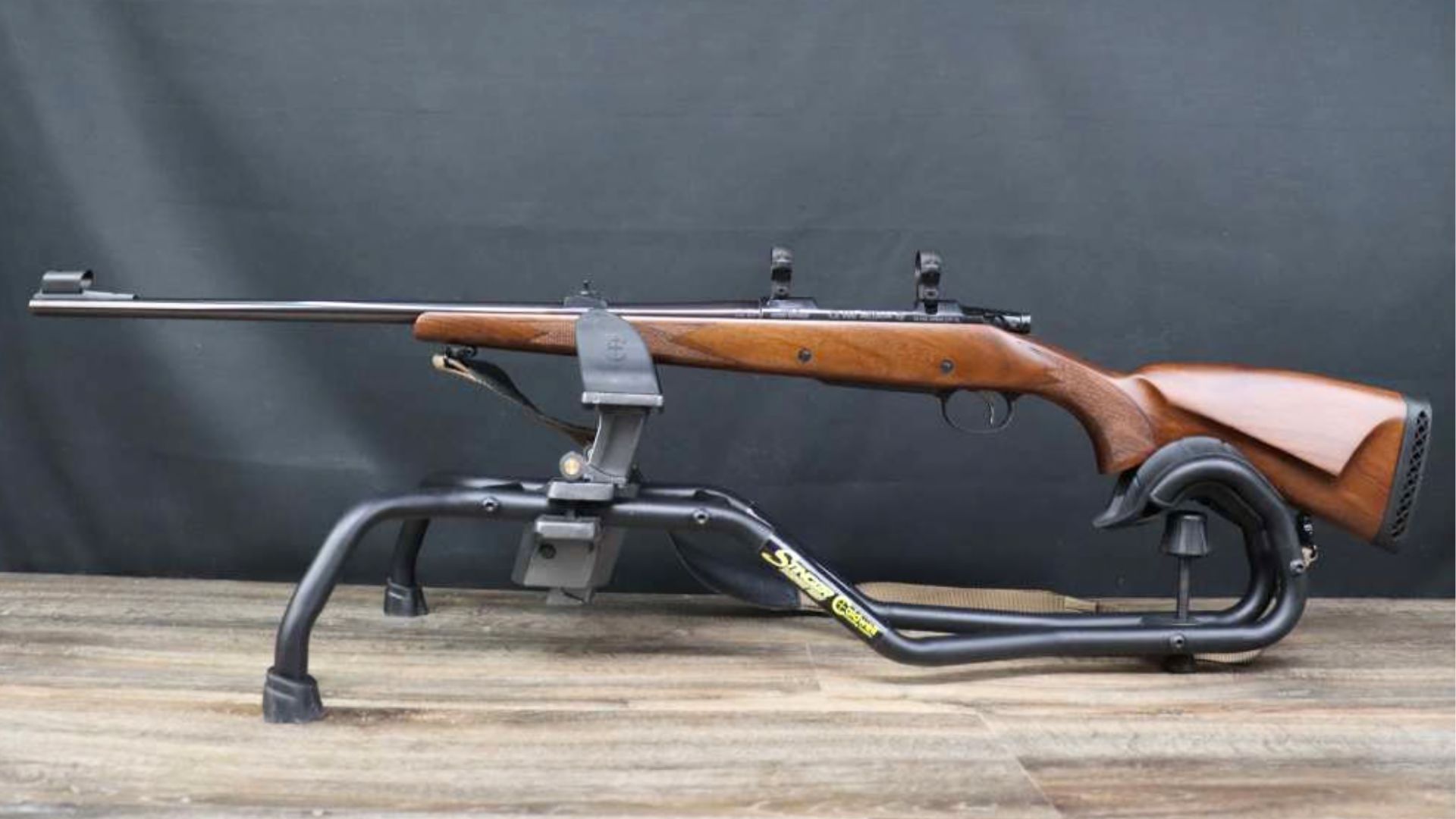
The CZ 550 never got the same level of broad, loud attention that some other bolt guns pulled, and that helped keep it under the radar for longer than it probably deserved. Buyers who knew rifles appreciated the controlled-feed action, the solid build, and the old-world feel, but a lot of regular shoppers still drifted toward more heavily marketed American names or lighter synthetic-stock guns. The 550 often looked like a rifle for somebody else.
That changes once people start missing what it offered. A good CZ 550 has substance, real field manners, and the kind of build quality that gets easier to appreciate once newer rifles start feeling more generic. Once discontinuation and market scarcity enter the picture, the regret usually follows. Buyers who once thought they were being practical by passing on a “nice but nonessential” rifle now realize they skipped over one of the better all-around bolt guns sitting on the used market.
Ruger M77 tang safety rifles

Tang-safety Ruger M77 rifles used to sit in that dangerous category of respected but not urgent. People liked them, trusted them, and often said nice things about them, but that did not always translate into real buying pressure. A lot of shooters assumed older Rugers would always be floating around, and because they were not wrapped in collector drama for a long time, there never seemed to be much reason to act quickly.
Now plenty of buyers wish they had. Those older rifles carry a feel and identity that later rifles do not exactly duplicate, and the tang safety alone gives them a distinct pull for people who know what they are looking at. Once enough owners started hanging onto them and enough buyers started seeking them out, the market tightened. The result is familiar: rifles people once treated as steady but unspectacular now bring the kind of money that makes old hesitation feel pretty foolish.
Sako AIII and L61R Finnbear
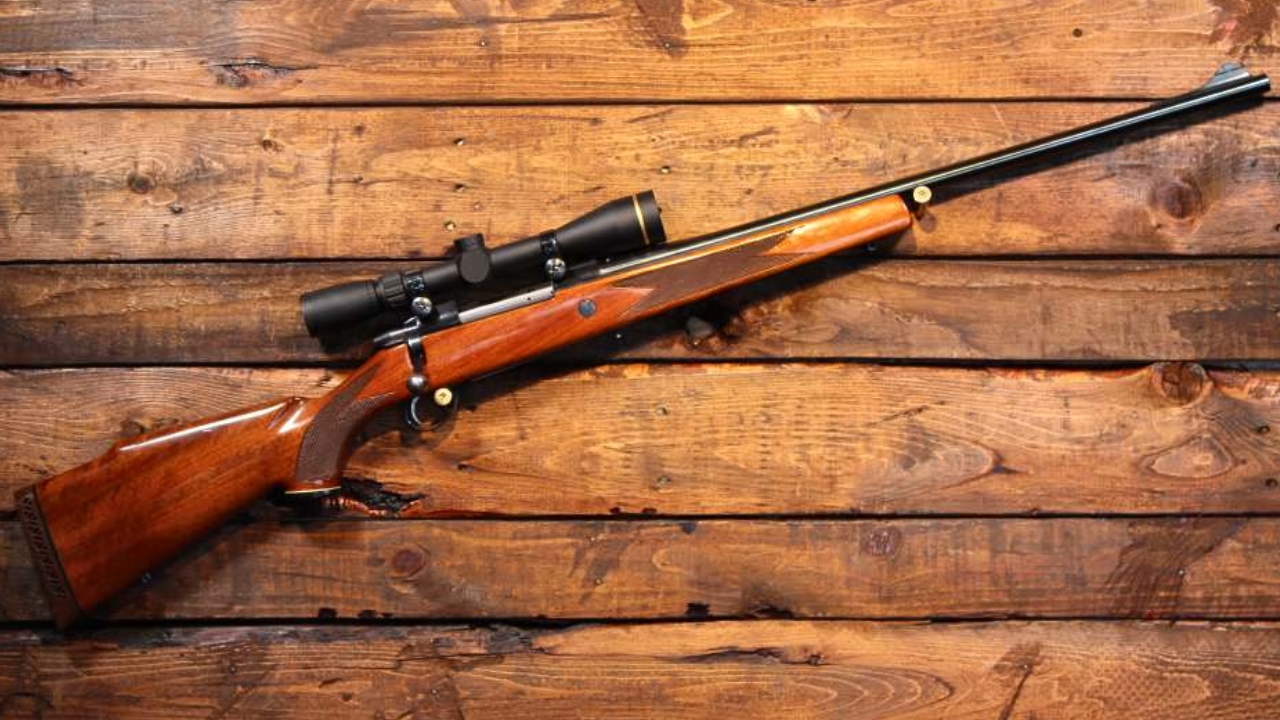
Older Sako rifles like the AIII and L61R Finnbear spent years being admired mostly by rifle people who already knew what they were. That kept them from becoming broad-market darlings for a while. A lot of buyers saw a nice used bolt gun with a higher price than the common alternatives and moved on. They did not always stop long enough to appreciate the action smoothness, the finish quality, or the fact that these rifles came from a period when “well made” still meant something you could see and feel.
That quiet respect eventually turned into stronger demand. Once buyers started recognizing that older Sako quality was not just marketing talk, these rifles stopped being easy pickups for the patient shopper. Now the people who passed on them because they looked a little too fancy or a little too expensive often wish they had stretched a bit. A good Sako rarely feels overpriced after you own it, but it can feel very expensive once you try to buy back in later.
Savage 99

The Savage 99 was one of those rifles buyers respected from across the room while still choosing something else. It had history, certainly, and older hunters loved them, but a lot of people treated it like a rifle from another era rather than one worth jumping on right now. That mindset kept plenty of 99s from moving fast for years, especially when bolt rifles dominated the serious hunting conversation.
Then buyers started slowing down enough to notice what they had ignored. The 99 carries beautifully, handles well in the woods, and brings a kind of personality many modern rifles do not even try to have. Once chamberings, condition, and configuration started mattering more, the rifle moved out of casual-buy territory. Now a lot of shooters who walked past them in used racks and gun show aisles remember those moments with some real irritation, because the rifle they thought they could always come back to got a lot harder to revisit.
Tikka Master Sporter and older Tikka sporters

Older Tikka sporters lived under the shadow of Sako and other bigger-name rifles for a long time, which helped keep them from getting chased as hard as they probably should have been. People who owned them knew they were smooth, accurate, and honest rifles, but a lot of buyers still treated them like second-tier European guns or simply did not know enough about them to get interested. That kept them in the “nice rifle if the price is right” category for longer than expected.
Then the market got wiser. Once shooters started seeing how well those older Tikkas actually shot and how nicely they handled, the days of bargain-level pricing started fading. Buyers now understand that older Tikkas often gave you much more rifle than the market once priced in. That makes the missed chances stand out a little more. Plenty of people remember passing on one because it did not have the flashiest name, only to learn later that they skipped a rifle that would be tough to beat at twice the old price.
Remington Model 600

The Remington Model 600 spent years being easy to dismiss because it looked odd. The short barrel, compact stock, and unconventional appearance kept a lot of buyers from seeing it as anything more than a quirky little hunting rifle from another time. That is often enough to keep a rifle from being taken seriously, even when it carries beautifully and fills a real field role better than flashier guns do.
That weirdness eventually became part of the appeal. Once collectors and hunters started appreciating compact rifles with real identity, the Model 600 stopped looking like an awkward leftover and started looking like a smart buy people had ignored. The market followed that change in attitude. Now even buyers who once joked about the looks of the 600 often catch themselves checking prices and wishing they had picked one up back when it still felt like an oddball rather than a genuinely desirable rifle.
Steyr Mannlicher full-stock rifles
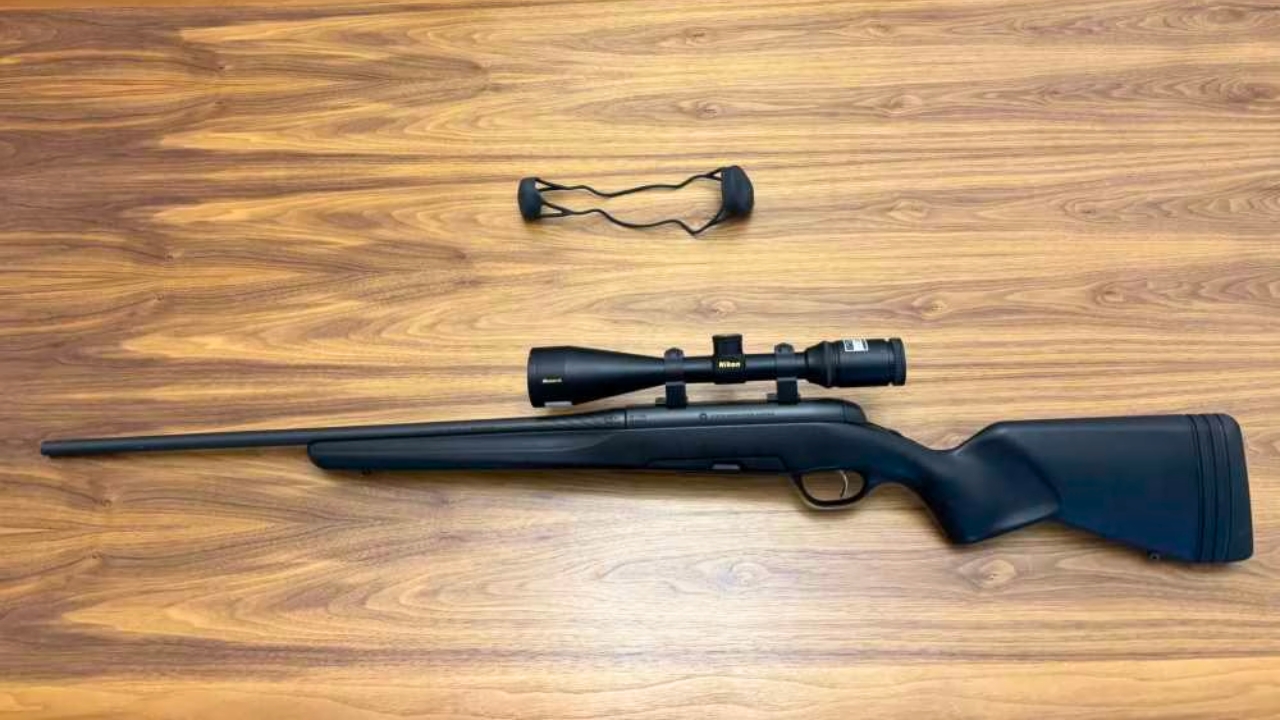
For a long time, Steyr Mannlicher full-stock rifles were admired more than they were bought. People thought they looked classy, maybe even beautiful, but that did not always turn into urgency. A lot of American buyers saw them as elegant European rifles that were interesting to handle and easy to pass on. They felt a little niche, a little outside the mainstream, and not quite essential unless you were already deep into that kind of rifle.
That hesitation looks expensive now. Once buyers started paying more attention to fit, finish, and how these rifles actually carried in the field, the full-stock Steyrs picked up stronger appeal. They suddenly looked less like specialty pieces and more like rifles from a manufacturing mindset that had gotten harder to find. Now the same people who once treated them as window-shopping material often wish they had acted when nice ones still surfaced without much competition.
Ruger No. 1
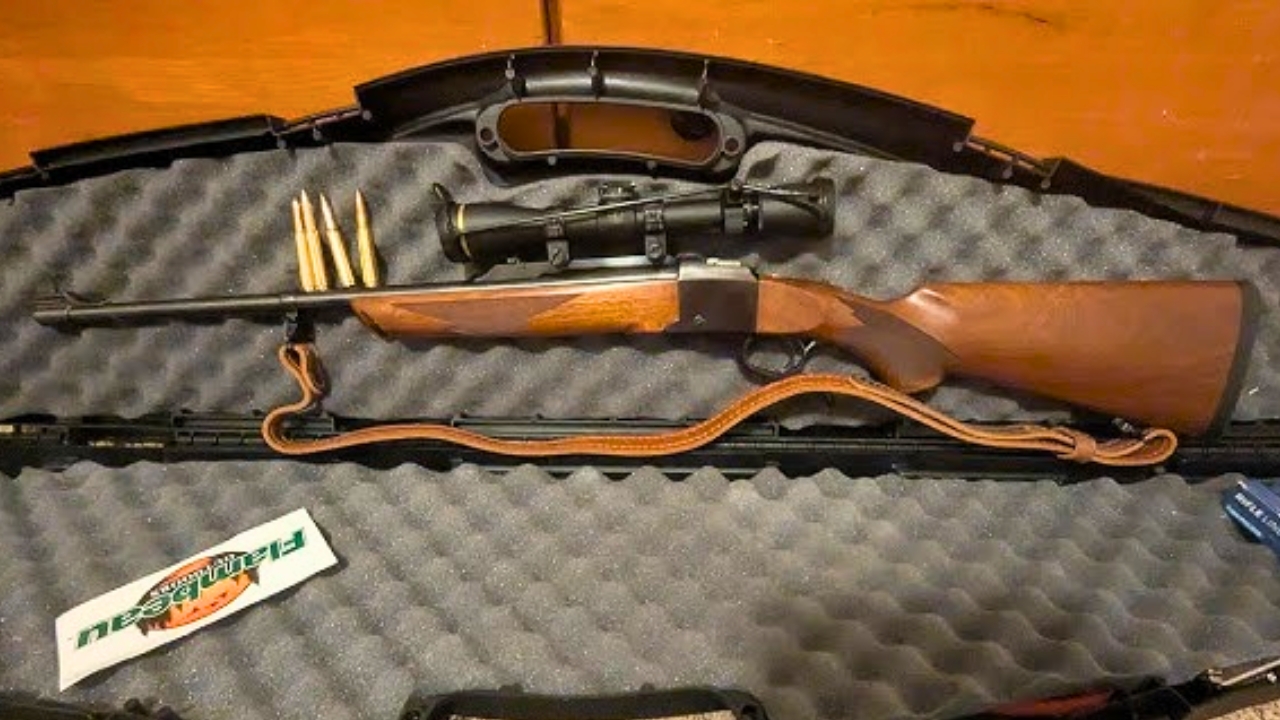
The Ruger No. 1 always had admirers, but admiration does not always move rifles. For years, the single-shot format kept a lot of buyers from taking the plunge. They liked the looks, liked the falling-block action, and liked the idea of one, but still bought repeaters because they felt more practical. That kept a lot of No. 1 rifles from feeling urgent enough, especially when buyers convinced themselves they could always come back later and get one when the timing felt right.
That later window got narrower. Once certain chamberings and better examples became harder to find, the Ruger No. 1 stopped feeling like a side-interest rifle and started feeling like something buyers were running out of time on. It turns out personality matters more than people think when the supply starts drying up. Now a lot of shooters who spent years appreciating them from a distance wish they had stopped being sensible for five minutes and just bought the rifle.
Remington 81 Woodsmaster

The Remington 81 lived for years in that quiet zone where historical importance and real usefulness existed without broad buyer urgency. It was an old semi-auto sporting rifle with strong pedigree, but for a long time that was not enough to make people reach for their wallets. Many buyers saw it as interesting, maybe even very interesting, but still not something they needed to own before the chance disappeared.
That kind of rifle can change categories fast once more people begin noticing how scarce clean examples really are. The 81 has real presence, real history, and a mechanical identity that no modern hunting rifle is trying to imitate. Once the market got a little more serious about early sporting semi-autos, prices followed. Now buyers who once passed on them because they seemed a little too niche or a little too old-fashioned often wish they had been less cautious when those rifles were still sitting around waiting for somebody curious enough to act.
Weatherby Mark V West German rifles

Older West German Mark V rifles spent years being treated like flashy holdovers from another era. Buyers knew they were quality rifles, but a lot of them still saw Weatherbys as overly polished, overly stylized, or simply outside the kind of rifle image they preferred. That helped keep some really well-made rifles from being chased as hard as they might have been if they wore a plainer look and a different name on the receiver.
That market attitude softened once people started paying closer attention to origin, craftsmanship, and the general feel of those older rifles. A good West German Mark V now looks like a lot more than a dressed-up hunting gun. It looks like a rifle from a different manufacturing moment, and buyers have responded accordingly. The people who passed because they thought one looked too glossy or too showy are now the same people who wince a little when they see what clean examples are bringing.
Browning Safari bolt-action rifles
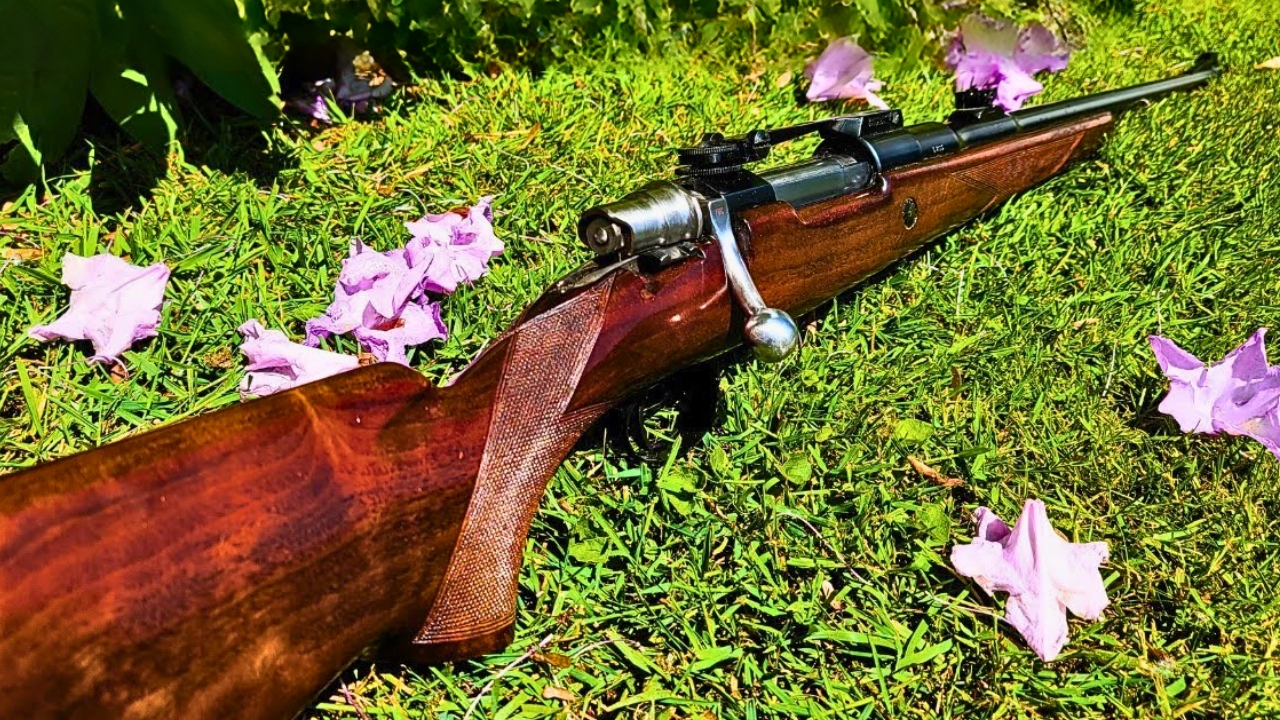
Browning Safari bolt guns spent a long time in that classic-rifle zone where everyone respected them, but not enough buyers acted like they needed one right away. That is a dangerous place for any rifle with real quality. A lot of shooters assumed there would always be nice old Brownings floating around, and because they felt traditional rather than trendy, they rarely created the kind of buying panic that pushes people into action before the market shifts.
Then the market shifted anyway. Once buyers started missing older walnut-and-blue-steel rifles that were built with more care than many current options, the Safari started looking better and better. Now the old hesitation feels a lot less clever. These rifles carry strong lines, strong reputation, and a kind of satisfaction buyers do not always appreciate until they try to replace one. That realization has turned plenty of earlier pass-ups into a source of real annoyance.
Mannlicher-Schönauer rifles
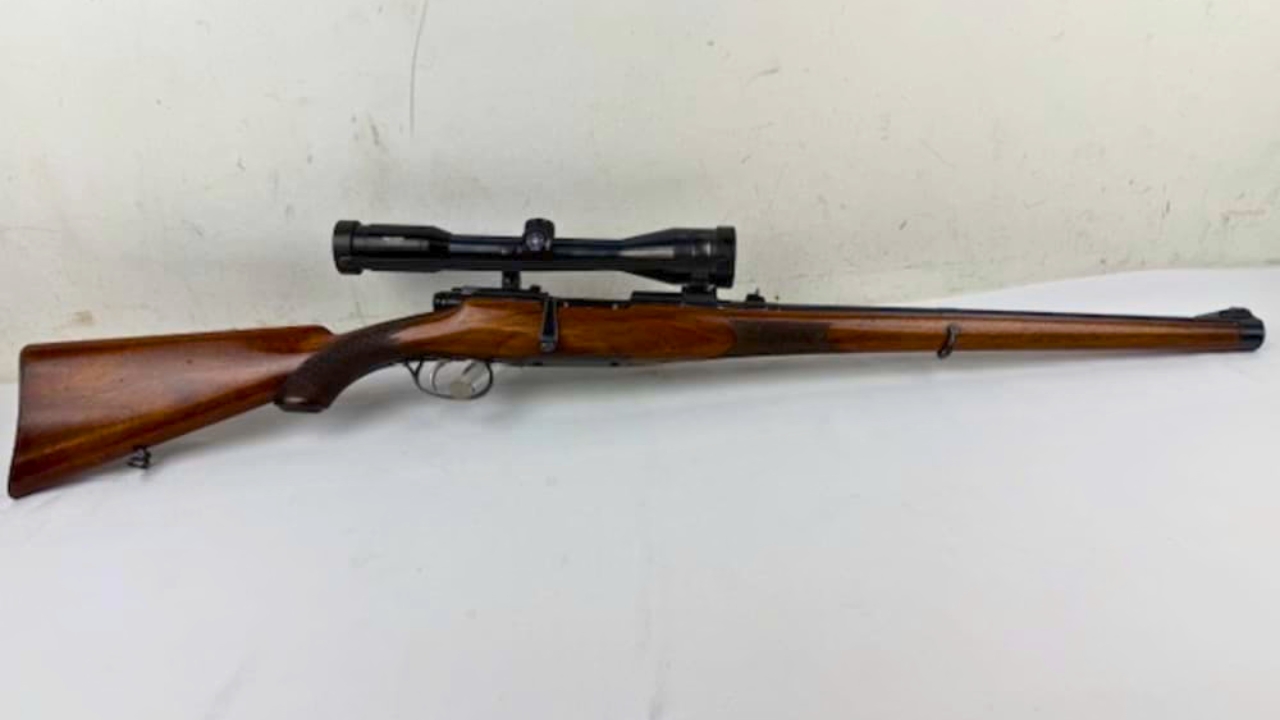
Mannlicher-Schönauer rifles were ignored by a lot of buyers simply because they seemed too specialized, too elegant, or too much like rifles for somebody with narrower tastes. People admired them, sure, but often as objects rather than serious purchases. That is usually how great older rifles get left behind. They look too refined to act on and too old-world to feel urgent until the market decides otherwise.
Now a good Mannlicher-Schönauer feels a lot less optional. Buyers have come around to the smooth action, the beautiful handling, and the reality that rifles like that are not exactly crowding the shelves anymore. Once the supply of appealing examples gets tighter, romance turns into regret fast. Plenty of buyers who once passed because they thought the rifle was more art piece than field rifle now realize they skipped one of the most distinctive and satisfying hunting rifles they were likely to ever come across.
Finnish Mosin-Nagant M39
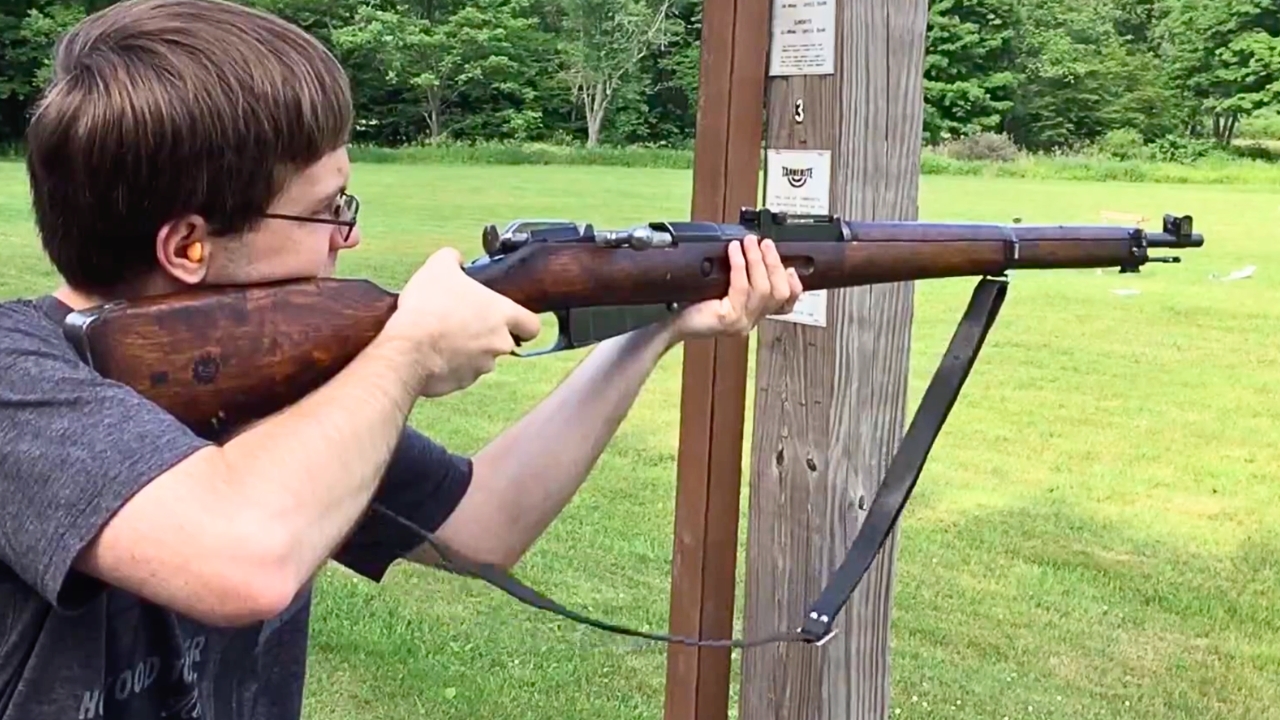
The Finnish M39 spent years being hurt by the fact that too many buyers lumped it in mentally with ordinary Mosins and stopped thinking there. That kept a lot of people from appreciating what the Finns had actually done with the design. They saw surplus, saw old wood and steel, and assumed it was just another rough military rifle they could ignore while chasing cleaner or more glamorous options. That lazy comparison aged badly.
Once surplus dried up and buyers got better educated, the M39 started getting the respect it had deserved the whole time. Shooters realized it was more refined, more shootable, and simply more interesting than the usual surplus-rifle stereotype allowed. At that point, prices responded the way they always do when knowledge catches up to limited supply. Now plenty of buyers who once shrugged at them because they seemed like “just another Mosin” know they let one of the smarter surplus buys slip away.
Like The Avid Outdoorsman’s content? Be sure to follow us.
Here’s more from us:


