Photo credit: Daleen Loest/Shutterstock.com
A crisp trigger can make an average rifle or pistol feel incredible—right up until it fails. You pull through a smooth break, the shot surprises you in the best way, and you think you’ve found perfection. Then one day it doubles, won’t reset, or locks up entirely. That’s the ugly truth about some of the most popular “good-feeling” triggers on the market: they’re tuned too tight for real-world conditions. Dust, cold, or wear expose weaknesses that don’t show up in a clean range environment.
These triggers all earned praise for their feel, their light pull, or their competition pedigree—but hunters and shooters learned the hard way that performance on the bench doesn’t always carry into the field. Whether it’s sear geometry, weak springs, or tolerances cut too close, these triggers remind you that reliability always beats refinement once the stakes get real.
Remington X-Mark Pro
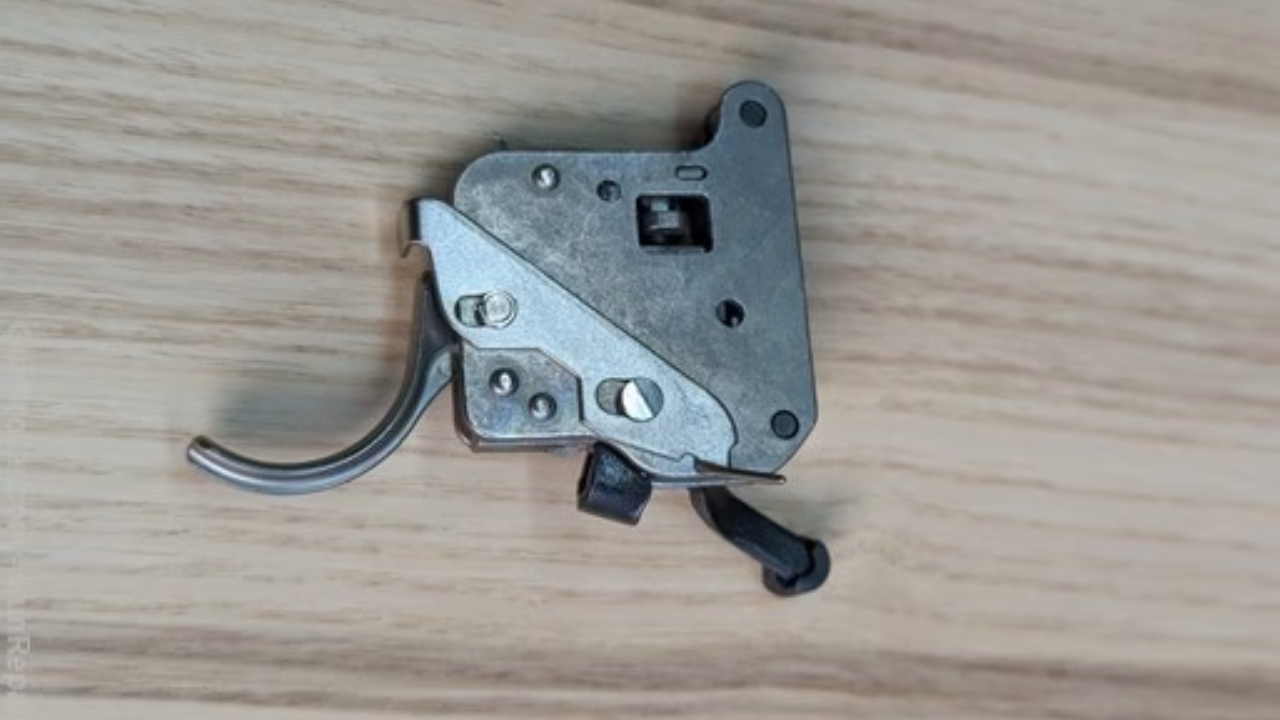
When the X-Mark Pro first appeared, shooters loved how smooth and adjustable it felt compared to older Remington triggers. It broke clean and predictable, and early impressions were positive. Then the recalls started. Reports of unintentional discharges and inconsistent pull weights exposed serious safety flaws. Even properly adjusted units sometimes failed under hard use or fouling.
In the field, especially in cold or dirty conditions, the X-Mark Pro could feel gritty one day and dangerously light the next. Some hunters simply swapped them out rather than risk a malfunction. While later factory fixes improved reliability, the reputation never recovered. It’s one of those triggers that feels amazing on the range but has left too many shooters nervous about trusting it when it matters most.
Timney Calvin Elite
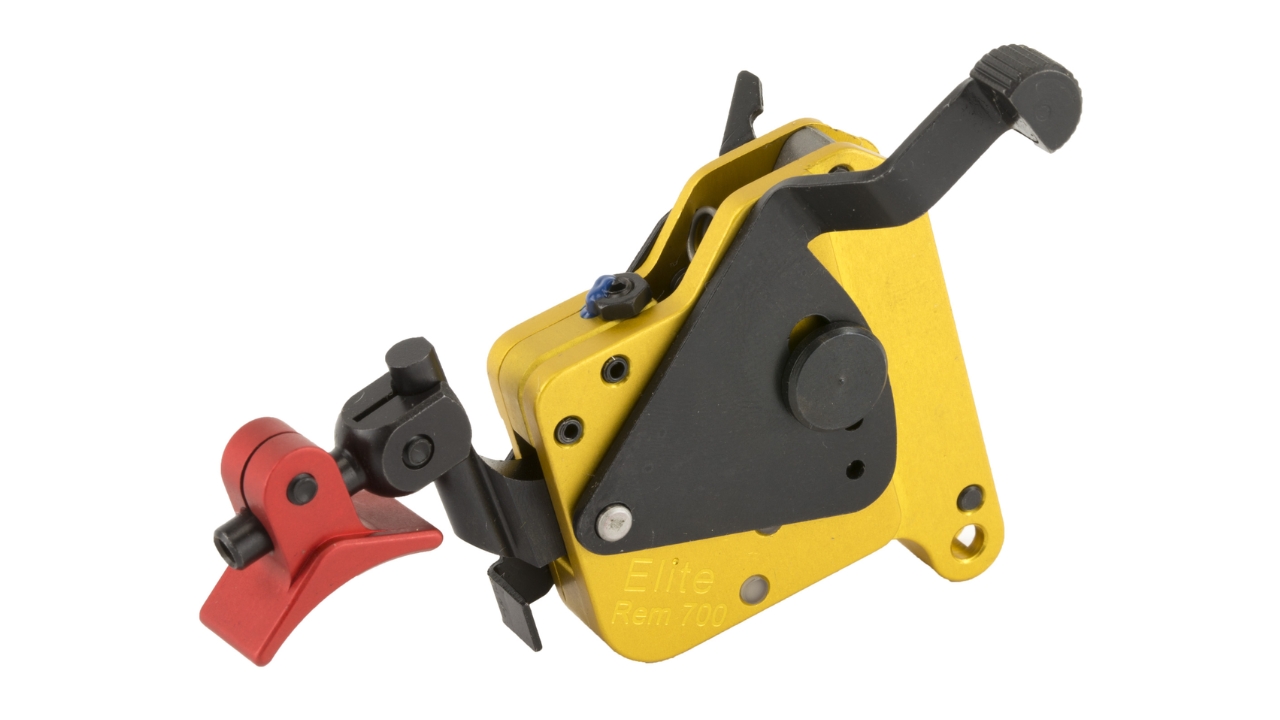
Timney’s Calvin Elite trigger is known for its glass-smooth break and near-zero creep. It’s one of the best-feeling aftermarket options around—until you push it past the range bench. Hunters who’ve used it in extreme conditions have reported failures to reset or inconsistent sear engagement after prolonged exposure to dirt or moisture.
The trigger’s fine tolerances make it sensitive to grime and cold weather, and its light pull can border on unsafe in rough terrain or while wearing gloves. It’s a competition-grade trigger trying to live in a hunting world. When it’s clean and dry, it’s outstanding—but that precision comes at the expense of long-term reliability. Plenty of shooters love it for target work, but few trust it when a week in the backcountry might mean no backup plan.
Winchester Model 70 MOA Trigger

The MOA trigger on the modern Model 70 feels great out of the box—clean, crisp, and predictable. But many owners have found that after extended use or heavy exposure to debris, it can lose its consistency. The enclosed housing traps fine grit easily, and once it’s in there, the pull weight can change dramatically from one shot to the next.
Hunters who rely on that perfect break often notice it start to feel sticky or sluggish after several trips afield without cleaning. It’s not unsafe, but it’s a reminder that smoothness on the bench doesn’t always hold up through mud, dust, and cold. The design works beautifully when maintained, but if you’re not religious about cleaning, it’s one of those triggers that’ll slowly betray your trust at the worst moment.
Savage AccuTrigger
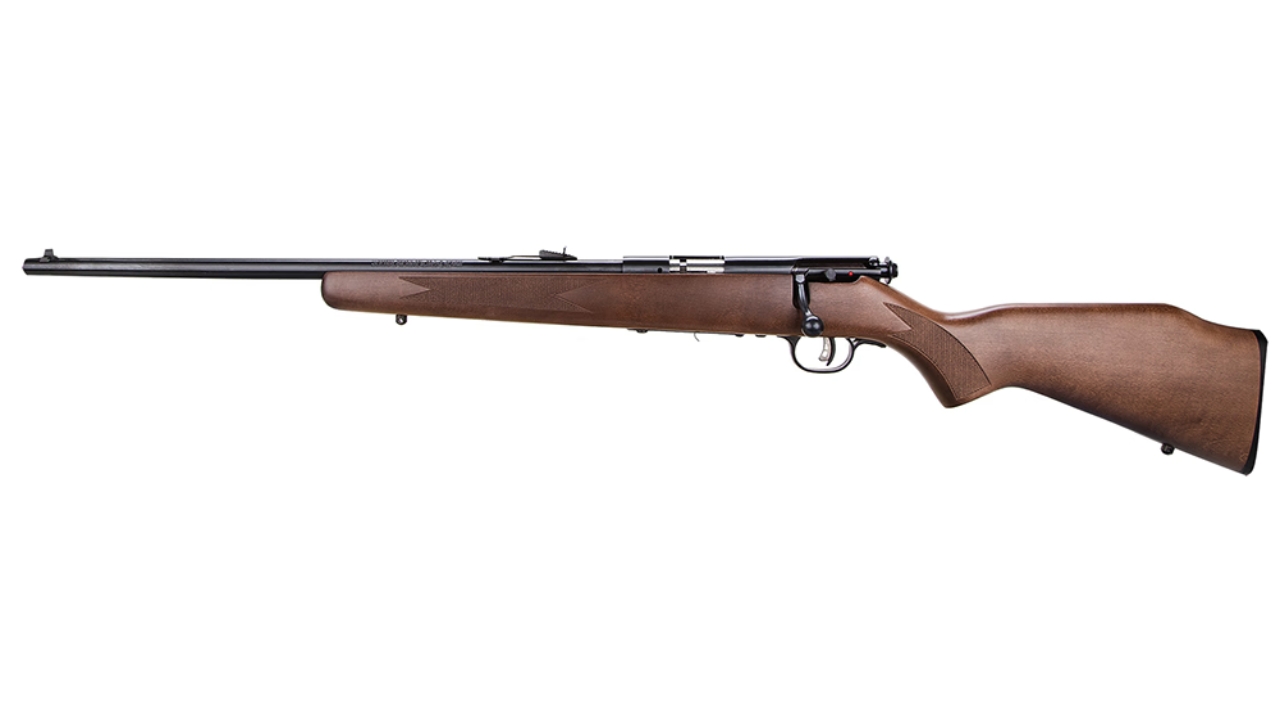
Savage changed the game with the AccuTrigger—light, crisp, and safe. It won praise everywhere for its feel and adjustability. But the same safety blade that makes it so forgiving on paper can fail in practice. Debris or a misaligned finger can keep the safety lever from depressing, locking the trigger entirely.
Hunters have learned the hard way that the AccuTrigger doesn’t always tolerate grime or gloves well. A little dust or moisture can turn a perfect pull into a dead click. While it’s an excellent system in clean conditions, it’s not immune to the realities of weather and wear. It’s a great design for target shooters but can leave you fuming when a shot opportunity disappears because your trigger won’t move.
Geissele SSA-E
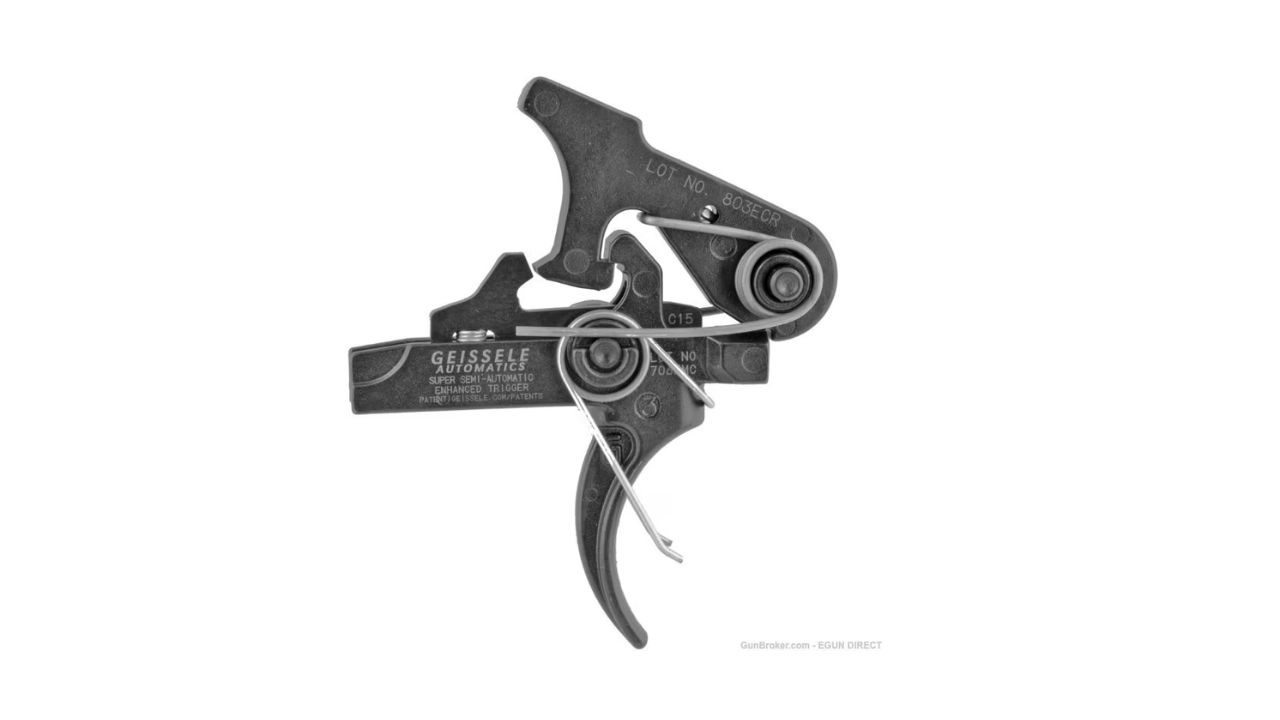
The Geissele SSA-E is a favorite among AR shooters for its crisp two-stage feel and lightning-fast reset. It’s a joy to shoot—precise, predictable, and refined. But its tight tolerances and light break can turn problematic when carbon buildup or environmental grit comes into play. In muddy or dusty conditions, resets can get sluggish, and light strikes aren’t unheard of with well-worn springs.
It’s a competition-grade trigger that thrives in clean environments but struggles when neglected. In testing or match conditions, it performs flawlessly. In long-term field use, though, it demands attention. It’s not a bad trigger by any means—far from it—but if you want something that always works no matter what’s stuck to it, you might end up wishing for something less refined.
TriggerTech Primary
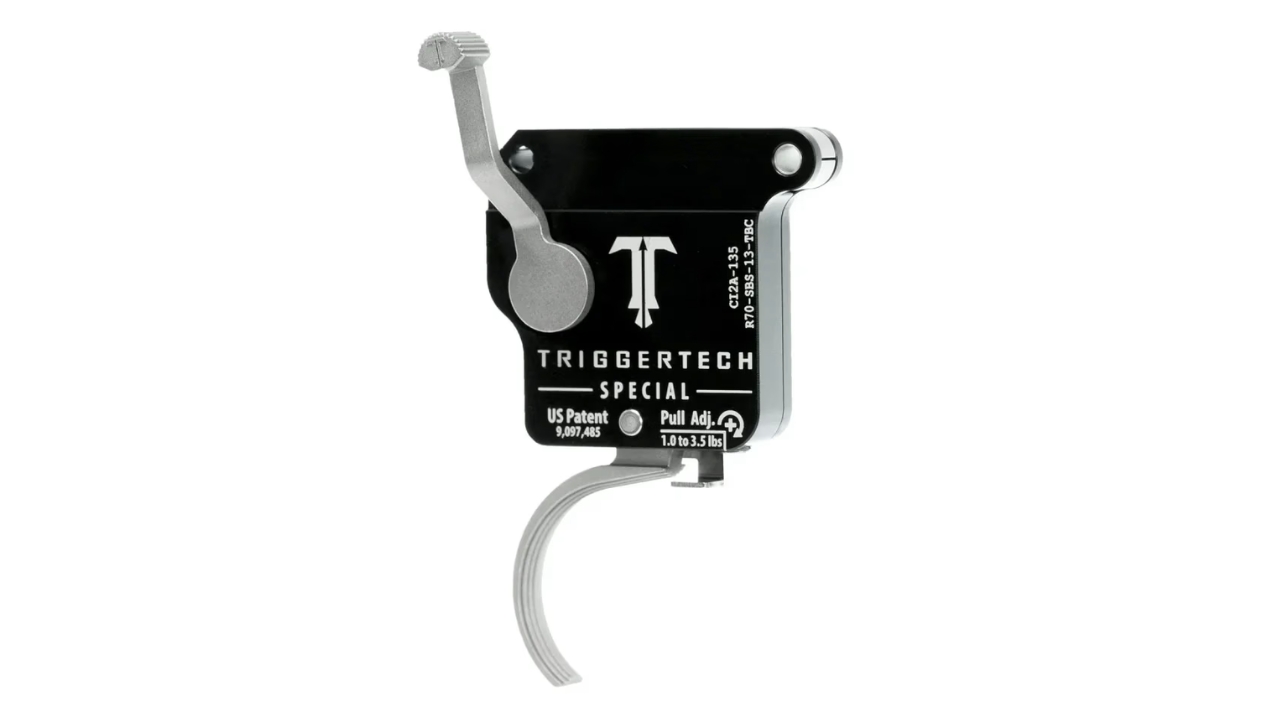
TriggerTech’s roller-sear system made waves for how crisp it feels—virtually no creep and an ultra-clean break. On paper, it’s the perfect balance between precision and safety. But as some hunters have found, it’s still vulnerable to fouling. Moisture, dust, or debris in the housing can gum up the internals, especially during long hunts or poor weather.
The sealed design helps, but not enough to make it maintenance-free. When clean, it’s one of the best triggers you can pull. When it’s not, resets can hang or feel sluggish, and light strikes can creep in. It’s a trigger you’ll love at the range and respect in the field—until the day it decides it’s done working halfway through a hunt.
Tikka T3x Factory Trigger

Tikka’s factory trigger gets endless praise for how crisp and clean it feels right out of the box. It’s adjustable, consistent, and smooth. But it’s not perfect. Prolonged exposure to dirt or moisture can make the pull gritty, and cold weather has been known to stiffen the mechanism noticeably.
Most of these issues come down to fine tolerances that don’t tolerate debris well. The T3x trigger is a near-perfect balance between hunting and precision, but it’s not immune to freezing up or changing feel after weeks in the elements. It’s still one of the better factory systems out there—but one that occasionally reminds you that perfection fades once the field mud piles up.
Jewell Benchrest Trigger
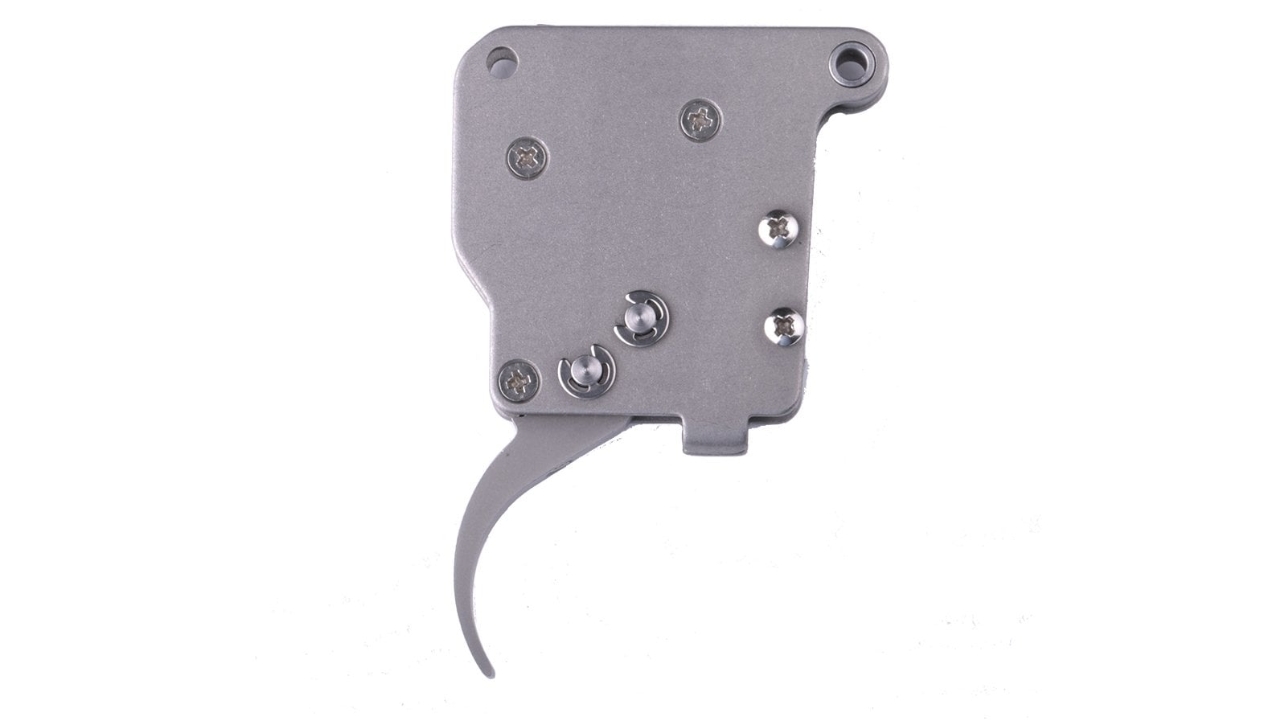
Few triggers feel better than a Jewell. It’s the gold standard for smooth, crisp, feather-light breaks. But it was designed for controlled environments, not rough hunts. The open housing and micro-adjustable internals make it extremely sensitive to dust, temperature, and moisture. A little debris is all it takes to throw it off—or worse, make it unsafe.
Hunters who’ve tried running Jewell triggers in the field often regret it after the first rainstorm or dusty trek. They’re precision instruments, not field tools. On the bench, they’re unbeatable. In the real world, they’re one cold morning away from failure. It’s a prime example of “feels incredible until it doesn’t.”
AR Gold Trigger

The AR Gold trigger earned fans for its smooth two-stage feel and short reset. It’s one of the nicest-feeling AR triggers available, but it’s also one of the most finicky. Shooters report light primer strikes, inconsistent resets, and a tendency to gum up after only moderate fouling.
It’s a competition design that demands attention and frequent cleaning. When it’s clean, it’s perfect—when it’s dirty, it’s unpredictable. It’s also sensitive to lower receiver tolerances, which can cause reset failures or disconnections. Many shooters love the feel enough to put up with it, but it’s not the kind of trigger you take on a dusty carbine course or a multi-day hunt.
*This article was developed with AI-powered tools and has been carefully reviewed by our editors.