Photo credit: Guns International
A lot of collector markets do the same dumb thing. Everybody stares at the obvious trophies while something else sits quietly in the background getting more expensive every year. In the gun world, that usually means buyers spend too long chasing the loud names, the flashy military pieces, or the rifles everyone already agrees are collectible. Meanwhile, a different group of rifles keeps moving up because supply gets thinner, shooters start appreciating them late, and the old “I’ll grab one later” attitude finally turns expensive.
That is exactly how the pain shows up. A rifle sits on used racks for years because people think it is too common, too odd, too plain, or too tied to a past trend. Then one day the market wakes up, and suddenly that same rifle is wearing a price tag that would have sounded ridiculous not long ago. Here are 15 rifles collectors slept on until the market stopped being polite.
Browning BL-22
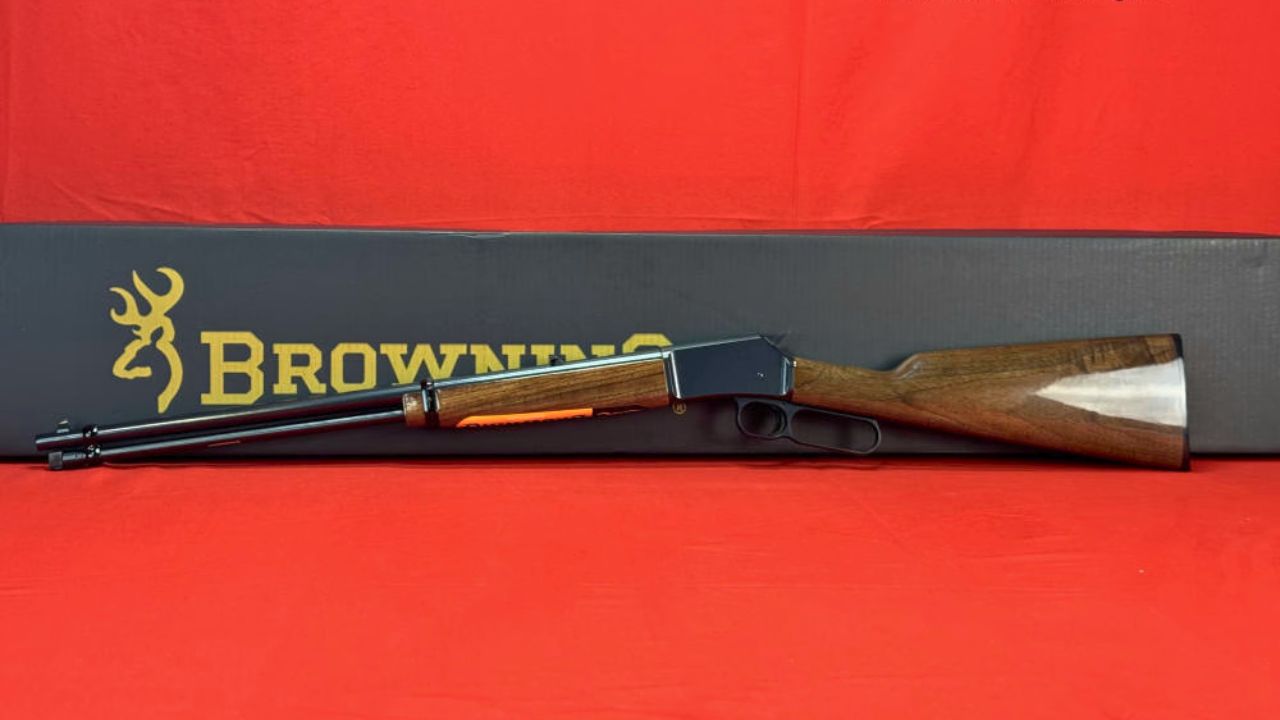
For years, the BL-22 lived in that dangerous “nice little rimfire” category where people admired it without feeling any urgency to buy. It was smooth, well made, and easy to enjoy, but because it was a lever-action .22, too many buyers treated it like something that would always be around. That is how good rimfires get underestimated.
Then people started looking for quality .22s with real fit and finish, and the BL-22 suddenly did not seem so casual anymore. Clean older examples stopped feeling like easy pick-ups. A rifle that once got brushed off as a pleasant extra started getting priced like something people deeply regretted skipping.
Remington Model 8

The Model 8 used to be the kind of rifle people called interesting without ever opening their wallet. It had history, yes, but it also looked old enough and odd enough that many collectors figured they could always circle back to one later. That sort of delay usually works right up until it really does not.
As appreciation for early semiauto sporting rifles grew, the Model 8 stopped being a curiosity and started becoming a target. Collectors finally gave it the respect it had been waiting on for decades. By then, the easy ones were gone, and the prices had already started acting like the market knew something buyers had missed.
Winchester 100
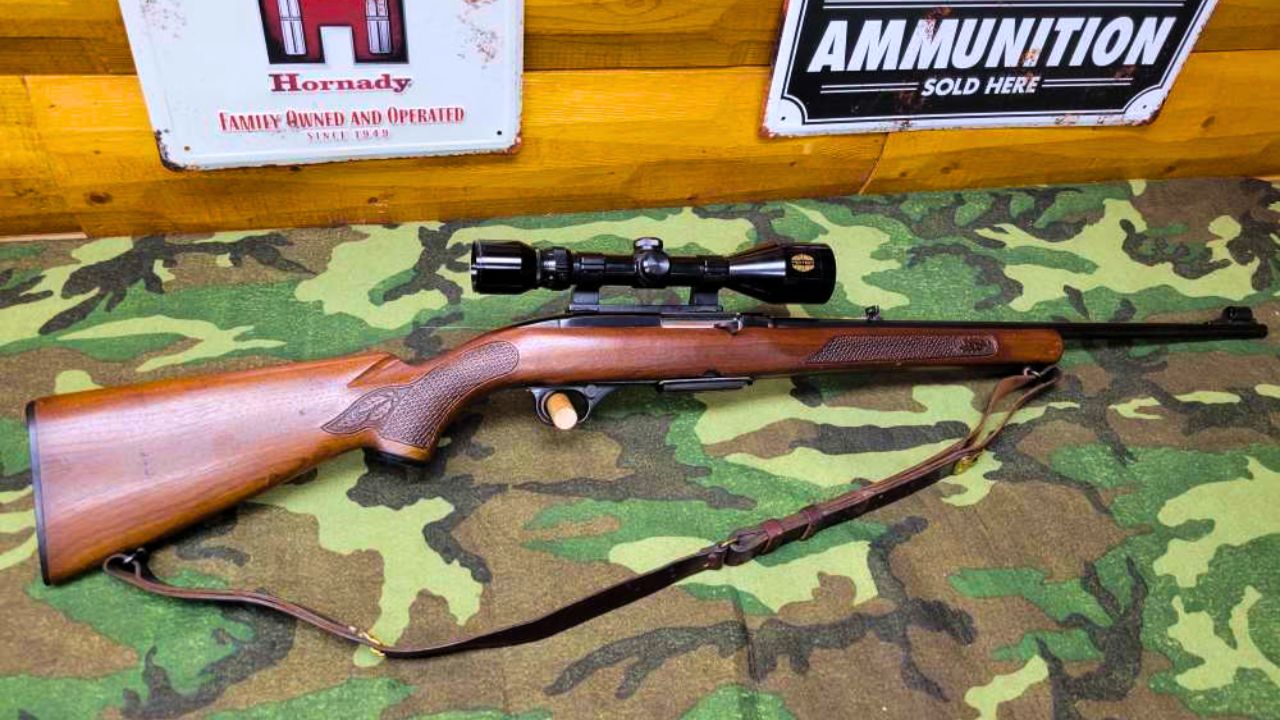
The Winchester 100 spent years in a strange middle ground. It was not the lever gun people romanticized and not the bolt gun they trusted by habit, so it often got treated like an interesting side note in the Winchester lineup instead of a rifle worth chasing. That kept prices more reasonable than they had any right to be.
Then buyers remembered that traditional-stock semiautos with real Winchester appeal were not exactly growing on trees. Nice 100s started drying up, and the old habit of shrugging them off got expensive fast. The rifle people once passed by on the rack now tends to get a much harder second look.
Savage 24

The Savage 24 was once one of those utility guns collectors almost seemed embarrassed to want. A combination gun was practical, sure, but not always glamorous. It felt more like something a camp actually used than something a collector was supposed to prize. That helped keep them underloved for a long time.
Then the market shifted toward “interesting and useful” instead of just “obvious and famous.” Suddenly, the 24 looked a lot smarter. Better configurations, cleaner guns, and harder-to-find variants started getting hunted much more aggressively. The same rifle that once felt like a quirky backwoods tool began wearing collector prices with a straight face.
Remington 600 Mohawk

For years, the Mohawk and its 600-series cousins got laughed at for their looks before they ever got judged fairly as rifles. Too short, too odd, too weirdly styled, too much of a detour from what people thought a serious hunting rifle should look like. That criticism kept them affordable for longer than it should have.
Then collectors and hunters started appreciating exactly what made them weird. Compact handling, strong personality, and real field utility suddenly mattered more than old jokes about looks. Once that happened, the rifles people once mocked as awkward little oddballs started pulling money that made the mockery look pretty costly.
Browning B-78

Single-shot rifles have always had a habit of being admired more than bought, and the B-78 spent a long stretch living on the wrong side of that pattern. Buyers respected the wood, the shape, and the old-school style, but many still treated it like the sort of rifle they could come back for later if they ever got in the mood.
That later-date thinking is usually where price pain begins. Once enough collectors started valuing elegant single-shots again, the B-78 stopped waiting around. Clean rifles, especially in attractive chamberings, got much more expensive much more quickly than the old “niche rifle” label would have suggested.
Ruger M77 tang safety rifles

Tang safety M77s were once just solid used hunting rifles to a lot of people. Good rifles, yes, but not always the sort of thing collectors fought over. That kept a lot of them in the “maybe I should buy one eventually” category, which is exactly where underpriced guns like to hide.
Then the market got more specific. Buyers started preferring older Ruger feel, older Ruger styling, and the sense that these rifles belonged to a better-finished era. Once that kind of opinion catches on, values usually climb faster than expected. The M77 tang safety rifles are a perfect example of a gun people treated as ordinary until the price told them it was no longer ordinary.
Browning Safari Grade bolt rifles
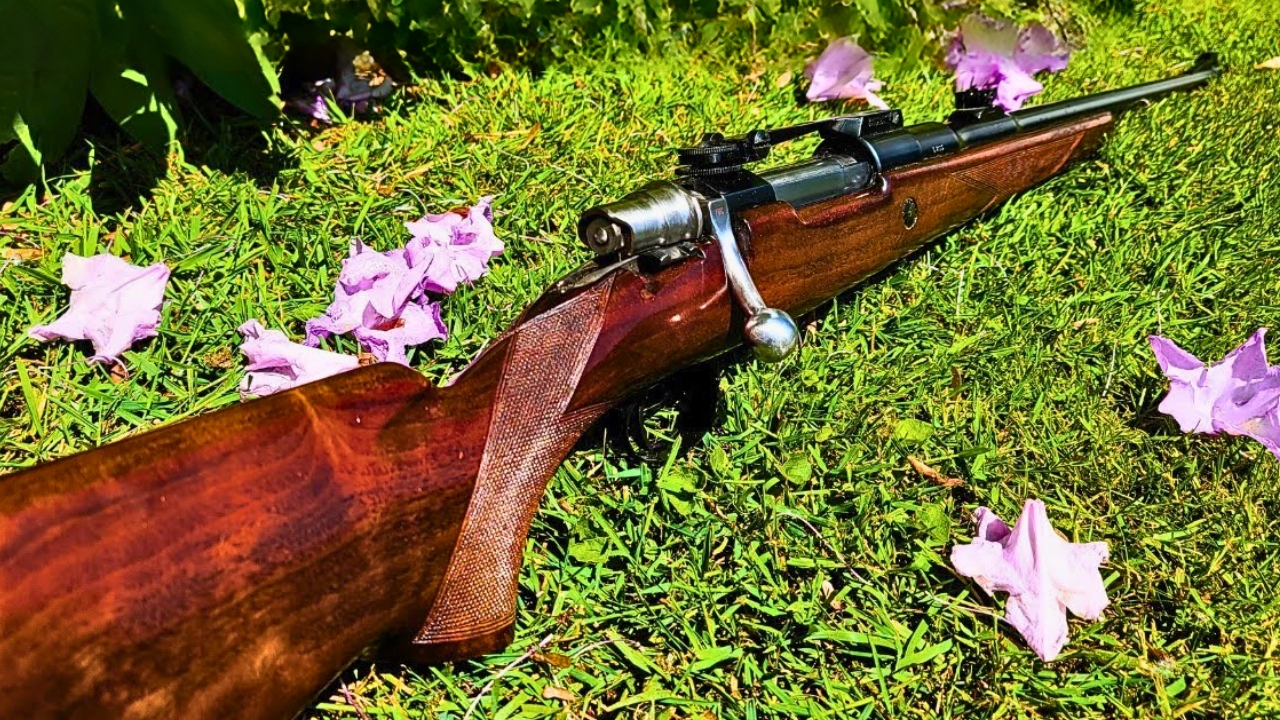
There was a time when Safari Grades were the kind of rifles people admired at the counter and then left behind because they did not want to spend that much on “an old hunting rifle.” Plenty of buyers knew they were nice. That is different from believing they needed to own one right now.
That gap is where the value rise happened. As collectors started recognizing how few truly nice old sporting rifles would remain overlooked, the Safari Grade rifles got pulled upward hard. Better wood, better finish, and a more refined era of rifle-making all suddenly looked a lot more expensive than they used to.
CZ 527
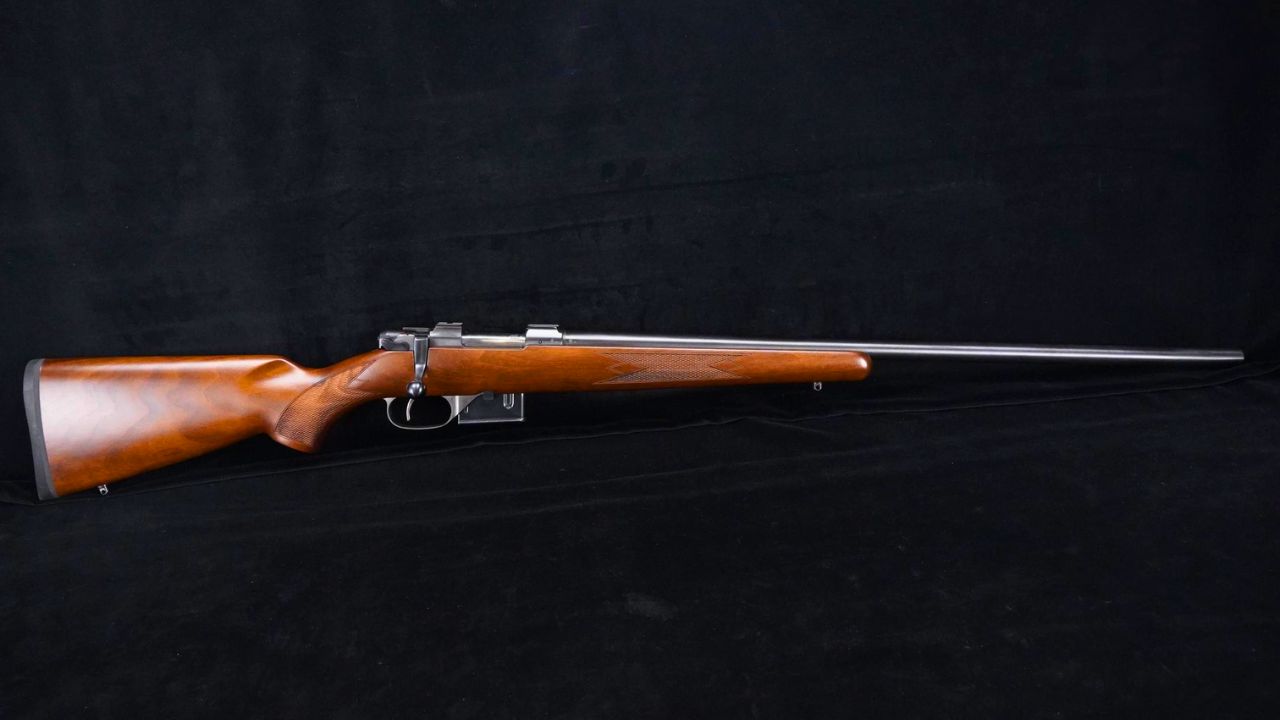
The CZ 527 always had loyal fans, but for a long time the wider buying crowd treated it like a smart little rifle they could pick up whenever they felt like it. It was respected without being fully chased, which is usually the perfect condition for future regret.
Once it left the market and people looked around for another trim, handy small-action bolt gun with the same feel, the tone changed immediately. What used to feel like a quiet insider rifle started carrying much louder prices. Collectors did not exactly ignore it forever, but they definitely waited too long to care at the level they should have.
Remington Nylon 66

The Nylon 66 suffered for years because too many buyers could not get past the fact that it looked different from the rifles they were taught to respect. Too much synthetic, too much space-age personality, not enough walnut-and-blued-steel seriousness. That made it easy to dismiss as a curiosity.
Then, as usual, time turned the insult into the appeal. The same weirdness that once made people uneasy started making the rifle feel iconic. Add in condition sensitivity, harder-to-find colors, and shrinking supply, and suddenly the Nylon 66 was no longer just “that odd old .22.” It became one of those rifles people wished they had taken more seriously while the prices were still sane.
Browning SA-22

The SA-22 is another rimfire that got hurt by being too easy to admire and not urgent enough to buy. Because it was a .22 and because it had been around long enough to feel familiar, a lot of collectors simply did not rush. They liked it, but they treated it like a classic they could always pick up later.
That attitude eventually turned expensive. Fine old rimfires do not stay soft forever, especially when they bring style, history, and real quality together in one package. Once collectors got more serious about elegant sporting .22s, the SA-22 stopped being the easy little rifle people once assumed would always be available.
Winchester 61

The Model 61 was overlooked for longer than it should have been because pump .22s tend to sit in a weird collector lane. They are admired, but not always with the urgency reserved for centerfires or military pieces. That let a lot of nice 61s pass quietly through the market while buyers chased louder things.
Eventually the market caught up. Quality old pump rimfires with Winchester on the barrel were not supposed to stay cheap forever, and once enough buyers figured that out, prices moved quickly. The 61 became one of those rifles people suddenly started calling “always collectible” right after they missed the affordable window.
Sako Forester

The Forester lived for years as one of those rifles knowledgeable shooters respected without the broader market fully appreciating it. That meant buyers could still talk themselves into waiting because the rifle never felt like it was under immediate threat of being bid into another bracket.
That changed once more collectors began taking older Sako sporting rifles seriously across the board. The Forester’s balance, quality, and old-world sporting feel stopped being quiet virtues and started becoming the very reasons the prices rose. It is a classic case of a rifle being respected for years before finally being valued like it should have been.
Ruger 44 Carbine

For a long time, the old Ruger .44 Carbine felt like one of those rifles people found neat without fully understanding why it might become expensive later. It sat in a niche. It had practical use, some charm, and a loyal following, but not always the kind of urgency that drives collector pricing fast.
Then practical niche became collector niche, and that is when things got real. Traditional-stock semiautos, older Ruger charm, and the appeal of a compact .44 carbine turned into a much stronger combination once supply got thinner. A lot of people who once shrugged at the Ruger 44 now sound a lot more interested than they used to.
Anschütz sporter rimfires

Anschütz sporters were ignored by plenty of buyers simply because too many people still struggle to treat rimfires like serious collector material until the prices force them to. These rifles had quality from the start, but a lot of collectors were too busy chasing military names, big-game rifles, or obvious American classics to notice how much value was sitting in plain sight.
Then high-quality rimfires started getting treated like the real guns they always were. Accuracy, craftsmanship, and sporting elegance do not stay cheap forever. Once collectors decided they wanted those things after all, the Anschütz sporters moved into a much less forgiving price range.
Winchester 55
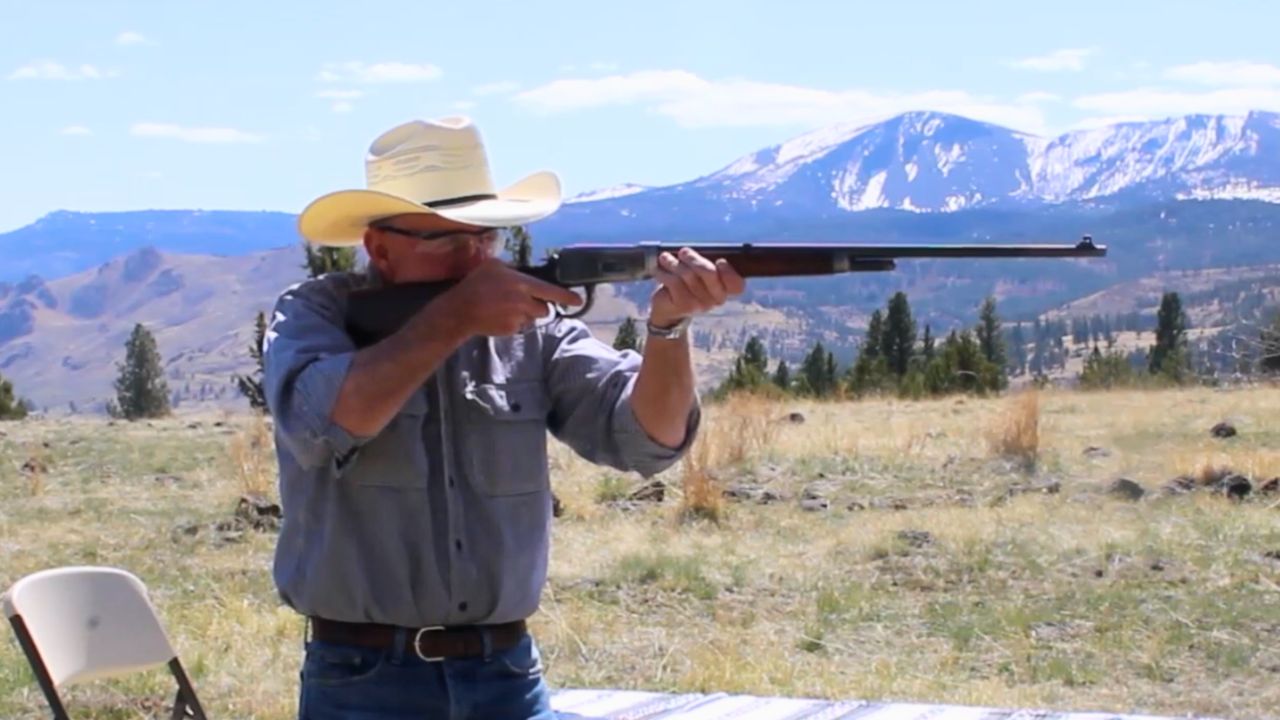
The 55 never had the automatic fame of some other old Winchesters, and that worked against it for years. It was easy for collectors to focus on more obvious lever-gun names while the 55 sat there being quietly desirable to the people who actually paid attention. That is often the perfect recipe for a painful late discovery.
Once the market finally started valuing the less-obvious Winchesters more aggressively, the 55 got pulled upward with real force. A rifle collectors had mostly left to better-informed buyers suddenly looked a lot more important. By then, of course, the prices had already figured it out.
Like The Avid Outdoorsman’s content? Subscribe to our newsletter so you never miss an article.
Here’s more from us: