Photo credit: hickok45/YouTube
Some guns get bought, enjoyed for a while, and then traded off the second something newer catches the owner’s eye. Others settle in for the long haul. They keep proving themselves, keep building memories, and keep making the owner feel like selling them would be a bigger mistake than keeping them forever. A lot of the time, those guns were not even the flashy buys when they first came home. They were simply good enough to stay useful and satisfying year after year.
That is what this list is about. These are the firearms people bought years ago and now would never let go of. Some earned that loyalty through reliability. Some through handling. Some through the simple fact that replacing them today would cost too much and still would not feel the same. Whatever the reason, these are the guns that stopped being purchases and became permanent pieces of the collection.
Smith & Wesson 3913

The 3913 is one of those pistols people often appreciated more the longer they owned it. It is slim, dependable, easy to carry, and built with the kind of clean, practical purpose that ages well. A lot of buyers picked one up years ago because it seemed like a smart carry gun. Then time passed, the carry market changed a dozen times, and the little Smith still kept making sense.
That is why owners hang onto them now. It still feels like a real handgun, not a disposable carry fad. It has enough quality, enough shootability, and enough old-school appeal that people who sold one usually ended up wishing they had not. Guns like that get very hard to part with once the owner has lived with one long enough.
Browning BL-22

The BL-22 is the kind of rifle people bought almost casually years ago and now guard like it means something far bigger. It is smooth, handy, and fun in the sort of way that does not wear out. A lot of rimfires come and go because they are cheap enough to treat casually. This one tends to get treated differently after enough range trips.
That shift happens because the rifle keeps delivering. It still feels good in the hands, still works, and still has the kind of quality that many newer .22s never quite match. Once somebody has had a BL-22 around for years, it stops feeling like a spare rimfire and starts feeling like one of those rifles that simply belongs in the safe for good.
SIG Sauer P228

The P228 has the kind of balance that makes people very uncomfortable with the idea of selling it. Years ago, plenty of buyers saw it as a compact duty-style pistol that simply felt right. Then time passed, the pistol market got noisier, and those same owners kept discovering the old SIG still pointed naturally, still shot beautifully, and still felt better than a lot of newer replacements.
That is why so many owners would never move one now. It has too much real-world appeal and too much handling quality to be easily replaced. The P228 is one of those pistols that feels more valuable in hindsight than it even did at the time of purchase, and that is usually a strong sign it earned permanent status.
Marlin 39A

The Marlin 39A is exactly the sort of rifle people bought years ago because they wanted a nice rimfire and now would not dream of letting it go. It is accurate, beautifully made, and useful enough that it never became one of those “nice but unnecessary” guns. It stayed in the rotation, kept getting shot, and kept reminding the owner why good rimfires matter.
What makes it hard to sell now is that there is nothing cheap or throwaway about the experience of owning one. It still feels like a serious rifle. It still has practical value. It still carries the sort of quality people notice more with time, not less. Those are the guns that stop being inventory and start feeling like part of the collection’s backbone.
Ruger Redhawk

A lot of people bought a Redhawk years ago because they wanted one serious revolver that would never flinch at hard use. Then the years rolled by and the gun kept proving it was exactly that. Big revolvers are not for everybody, but once a person has one that feels this trustworthy, it gets harder to imagine selling it and then trying to replace it later.
That is a big part of the Redhawk’s staying power. It fills a role that still matters, and it fills it with very little apology. Woods carry, heavy handgun use, plain old confidence in a big-bore wheelgun, all of that keeps it relevant. Once somebody has had one for long enough, the logic usually shifts from “why keep it?” to “why on earth would I let this go?”
Winchester 71

The Winchester 71 is one of those rifles that may have started as an aspirational buy and ended as something much more permanent. Owners who bought one years ago often did so because they appreciated old lever guns and wanted something with real substance. Then the rifle stayed, and the appreciation deepened instead of fading.
That is why these rifles almost never leave once they have lived in a collection long enough. It is not only the quality. It is the way the rifle feels like it carries more weight than an ordinary purchase. It is useful, yes, but it is also deeply satisfying to own. Those are the rifles people start thinking of in terms of inheritance instead of resale.
Beretta 84 Cheetah

The Beretta 84 Cheetah has become one of those pistols people are very glad they bought before the market got louder about metal-frame compact pistols again. It always had class, always had shootability, and always offered more real charm than a lot of the small handguns around it. Owners who picked one up years ago often thought they were buying a neat little Beretta. Now many feel like they bought one of the smartest compact pistols they ever stumbled into.
That is why they keep them. The pistol still feels good, still shoots well, and still stands out in a market crowded with disposable-feeling carry guns. Once somebody has owned a Cheetah long enough to understand its mix of quality and usefulness, selling it starts feeling like something they would regret almost immediately.
Winchester Model 12

The Model 12 is the kind of shotgun people once bought because it was a really good shotgun and now hold onto because it became much more than that. It still points naturally, still cycles with that unmistakable smoothness, and still feels like a field gun built when people expected a shotgun to last. Time has only made that feel more valuable.
That is why people do not sell them now. A good Model 12 keeps earning its place instead of fading into “old gun” status. It remains useful, but it also carries the kind of ownership satisfaction that is hard to replace with something new. Once a shotgun has been around long enough to prove both things, it usually stops looking like an asset and starts looking like family property.
CZ 527 Carbine
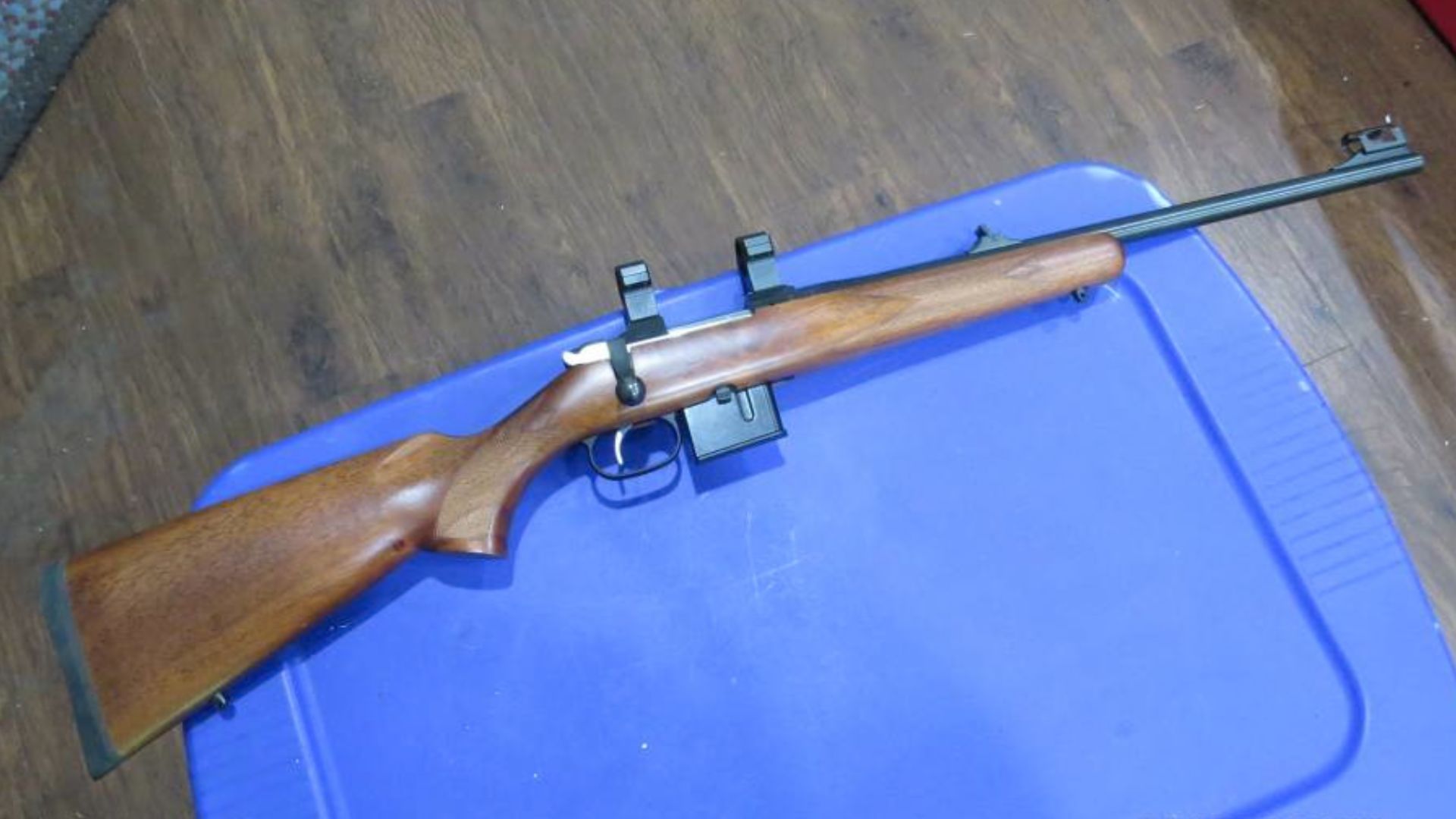
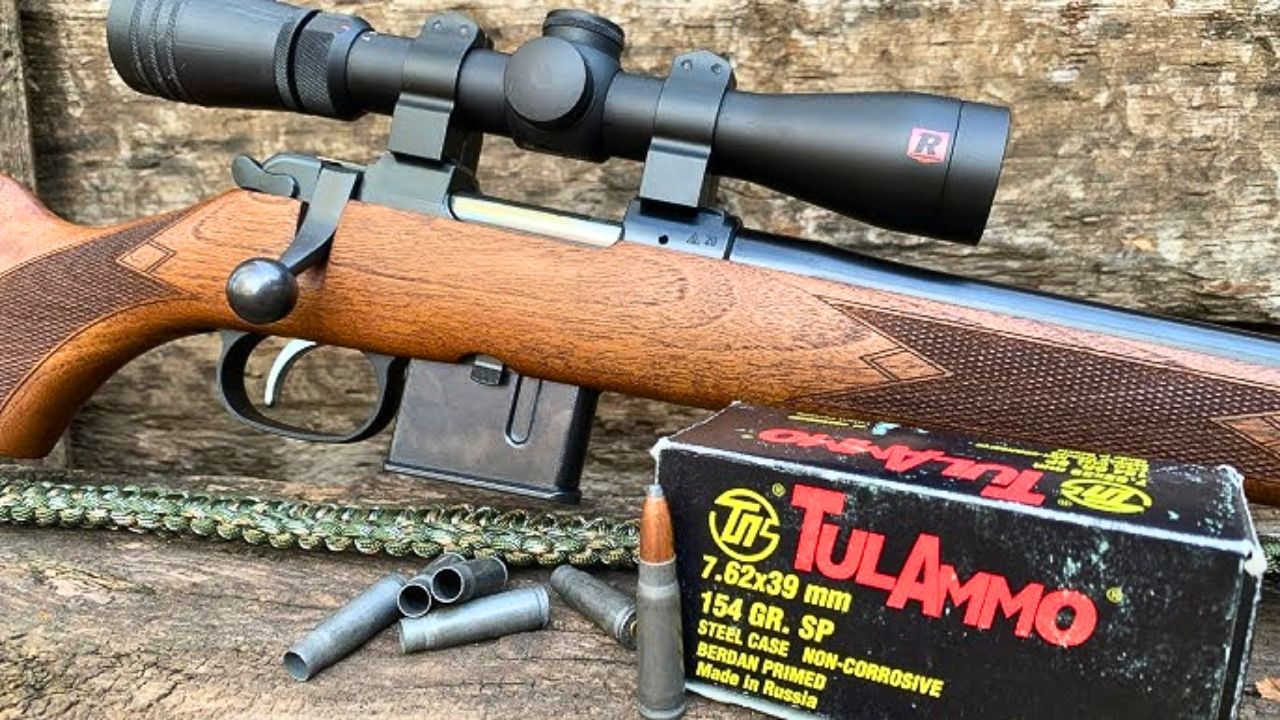
The CZ 527 Carbine is one of those rifles that years ago felt like a smart, slightly under-the-radar buy. Today, it feels like exactly the sort of rifle owners are grateful they grabbed when they could. It is compact, accurate, and full of the kind of character that shooters tend to appreciate more after they have handled too many bland, interchangeable bolt guns.
That is the trap in the best sense. The rifle grows on people. It stays useful, still feels a little special, and never really becomes replaceable in the owner’s mind. By the time someone realizes how much they value it, they are already past the point where selling it sounds even remotely appealing.
Smith & Wesson Model 617
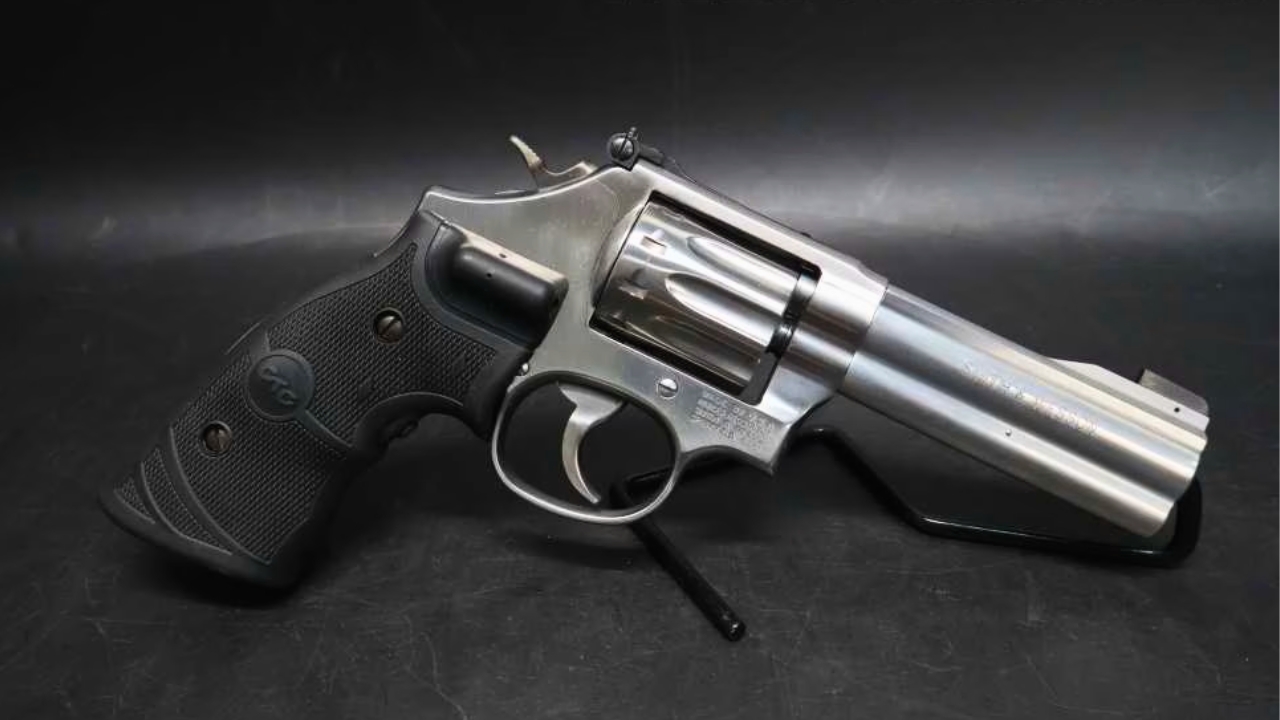
The Model 617 is one of those revolvers people bought because they liked the idea of a high-quality rimfire wheelgun and now would never let out of the safe. It stayed useful in all the ways good .22s do, practice, plinking, introducing new shooters, cheap range time, but it also stayed enjoyable enough that the owner never lost interest in it.
That combination is what turns a good buy into a permanent one. It is not only reliable. It is satisfying. Years later, the owner still has reasons to shoot it and still has reasons to appreciate it. That is usually the sort of firearm that survives every collection purge because it keeps proving it belongs there.
Benelli Montefeltro
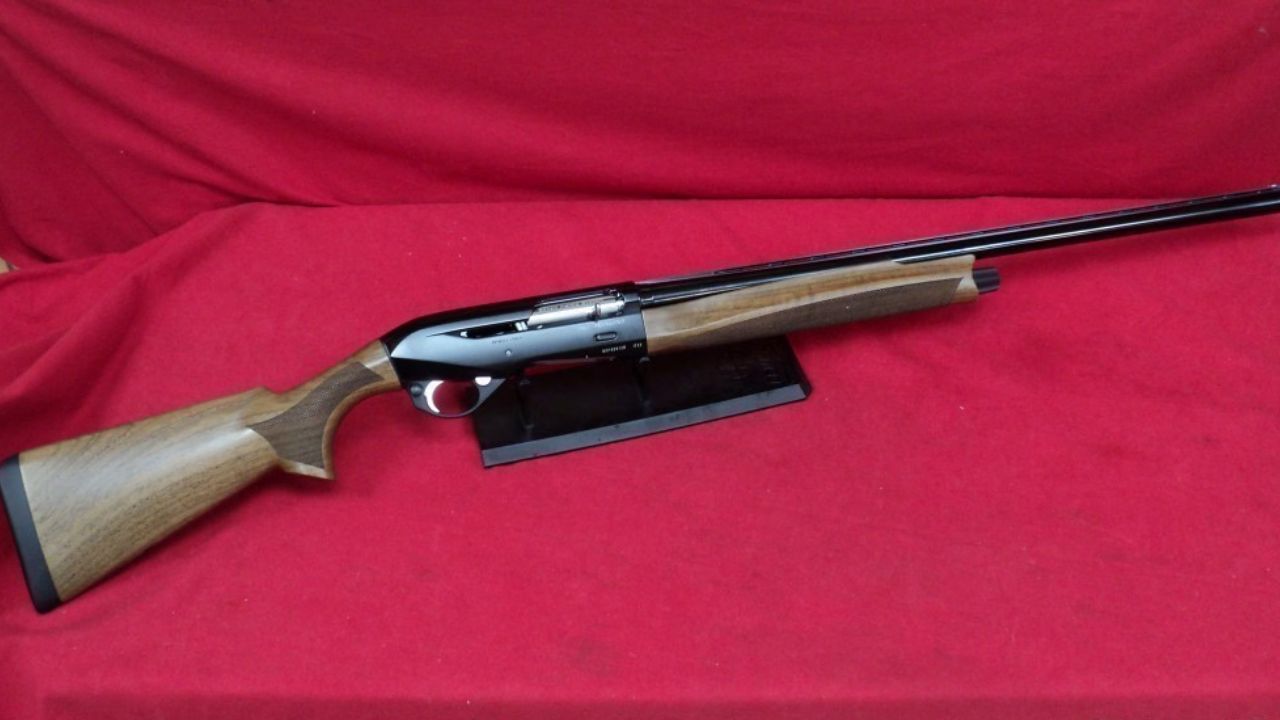
The Montefeltro is a shotgun many buyers picked up years ago because they wanted a light, dependable field semi-auto and now could not imagine replacing. It carries well, hunts hard, and avoids becoming one of those guns that feels dated just because the market moved on to the next “must-have” semi-auto. The reasons people bought it still hold up.
That matters a lot over time. A shotgun that still feels right in the field and still earns trust after seasons of use usually becomes difficult to part with. The Montefeltro has that kind of staying power. Owners know exactly what it offers, and they also know that selling it would probably lead to trying, unsuccessfully, to find their way back to one later.
Ruger Gunsite Scout
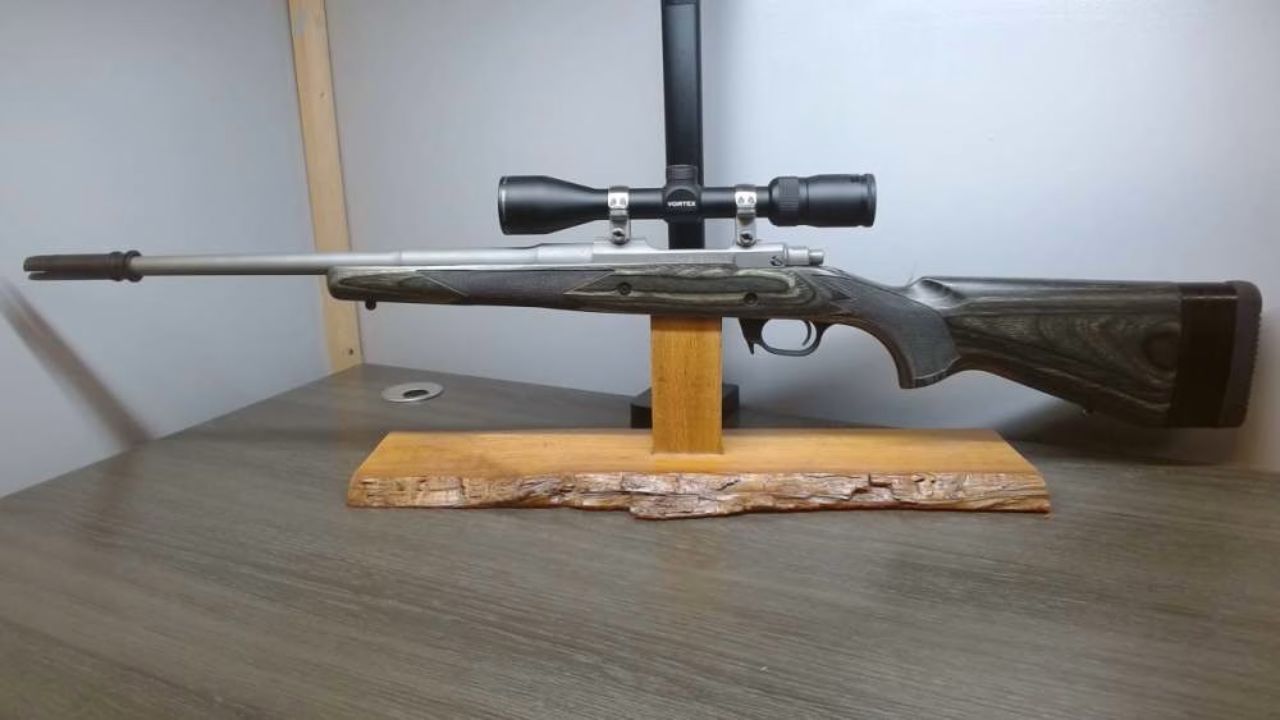
A lot of people bought the Gunsite Scout years ago because it looked like a smart, versatile rifle with enough rugged practicality to justify itself. Then they kept owning it, kept finding uses for it, and watched the rifle settle into a permanent role instead of fading as a clever idea from a certain era. That is usually how keeper rifles behave.
It also has enough identity to avoid becoming generic. The owner knows what it is, knows why he bought it, and knows why it still makes sense. That clarity is valuable. A rifle that remains useful while still feeling distinct usually ends up becoming one of the guns people are least willing to sell because they know replacing the exact feel of it will be harder than they want to admit.
Browning Buck Mark

The Buck Mark is one of those pistols people bought years ago because they wanted a good rimfire and now would never sell because they know exactly how hard it is to replace a rimfire pistol that actually stays this enjoyable. It remains accurate, dependable, and useful in the kind of low-drama way that makes people keep bringing it back out.
That long-term usefulness matters. A pistol like this keeps earning range time, and range time builds attachment. Once a firearm has been in regular use for years without becoming a headache, it gets very hard to look at it like a mere item to liquidate. The Buck Mark tends to become one of those quiet, permanent collection anchors.
Howa 1500

The Howa 1500 is the kind of rifle people bought years ago because it looked like a sensible, no-nonsense bolt gun and now would never sell because it proved itself so thoroughly. It shot well, held up, and kept doing practical rifle things correctly without demanding much emotional maintenance. That is exactly how a rifle earns real long-term loyalty.
Owners often become attached to guns like this because they never let them down. They may have bought fancier rifles later, but the Howa stayed relevant because it kept being honest. Honest rifles are dangerous that way. They do not wow you into attachment. They quietly become indispensable, and by the time you realize that, selling them sounds ridiculous.
Colt Mustang

The Colt Mustang is one of those compact pistols people bought years ago because it felt smart, useful, and a little more interesting than the usual little carry gun. Then the market changed, tastes changed, and the Mustang somehow kept making sense anyway. That sort of staying power is hard to fake.
It also has enough personality to avoid feeling disposable. A lot of small pistols are easy to sell because they are all function and no attachment. The Mustang tends to avoid that fate. Once it has been in the safe long enough, it becomes one of those guns owners look at and realize they would rather keep than later explain why they let it go.
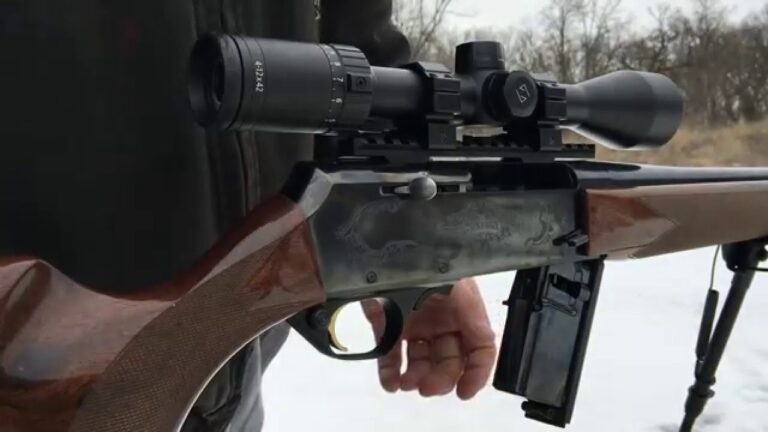
Browning BAR Safari

The BAR Safari is a rifle many people bought years ago because they wanted a polished, serious hunting autoloader and now would never sell because it still feels like a rifle with purpose. It hunts, it carries history in the right way, and it keeps enough field credibility that it never turns into a safe queen people only keep around out of sentiment.
That is a huge part of why these rifles stay. The owner still respects what it does, still likes how it feels, and knows that getting rid of it would not only mean losing the rifle, but losing the years of use and confidence attached to it. Those are the firearms that stop being purchases and start feeling permanent.
Like The Avid Outdoorsman’s content? Be sure to follow us.
Here’s more from us: